This Little-Known Castle In California Looks Too Magical To Be Real
Stone towers rise where you least expect them. Wrought iron gates open onto paths that feel borrowed from another century.
The air slows down as soon as you step inside. It is the kind of place that makes modern life fade into the background without effort.
Tucked into the foothills of Southern California, Kimberly Crest House & Gardens offers an experience that feels carefully preserved rather than recreated.
Built in the late nineteenth century, the estate reflects European elegance through its steep roofs, ornate detailing, and carefully proportioned rooms.
Each space carries a sense of quiet refinement shaped by decades of thoughtful care. Outside, formal gardens unfold with symmetry and intention.
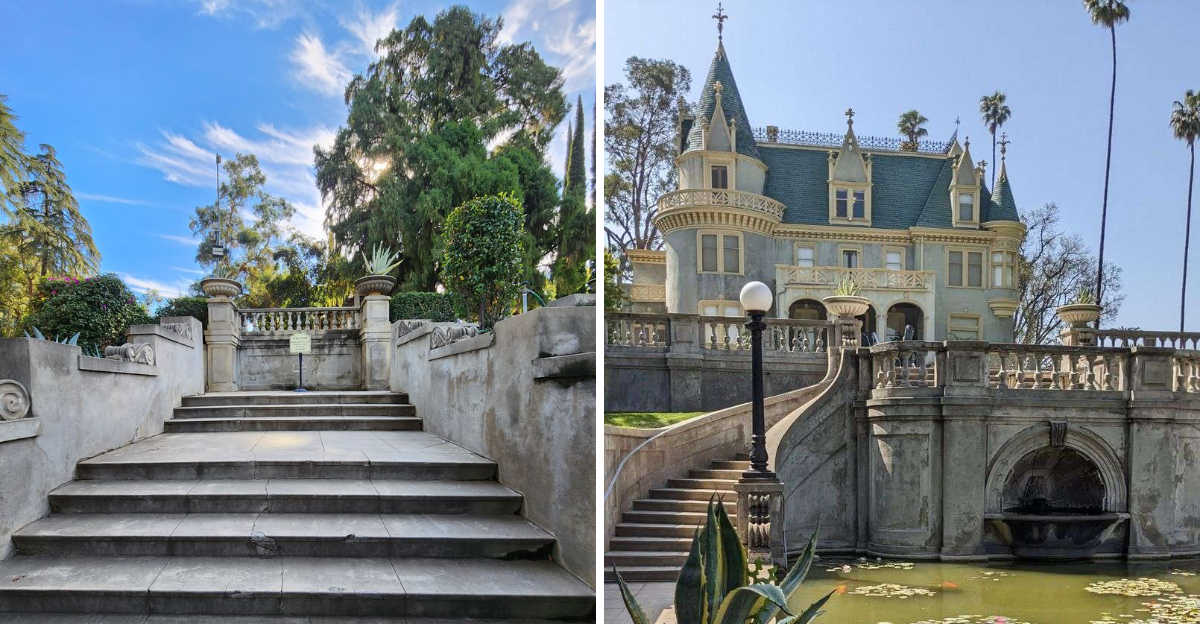
Terraces, fountains, and manicured hedges guide visitors through scenes inspired by Italian Renaissance design.
What makes Kimberly Crest special is the contrast. One moment you are surrounded by citrus groves and familiar landscapes of California. The next you are walking through a setting that feels lifted from rural France.
Located in Redlands, the property remains refreshingly uncrowded, allowing time to explore at a relaxed pace. It is a rare reminder that hidden beauty often waits just beyond the places people think to look.
1. A Registered California Treasure
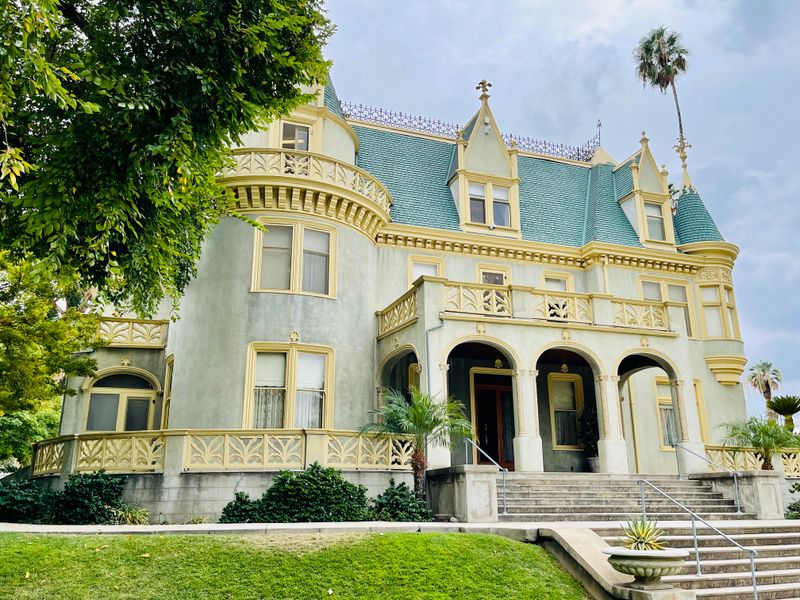
Kimberly Crest House & Gardens holds a special place in California’s history books. The estate earned recognition as a California Historical Landmark, marking its importance to the region’s cultural heritage.
Beyond state honors, the property also appears on the National Register of Historic Places, which means experts agree it deserves protection and preservation for future generations.
This dual recognition doesn’t happen by accident.
Buildings and estates must meet strict criteria to earn these designations, including architectural significance, historical importance, and cultural value to their communities.
The estate’s inclusion on both lists confirms its role in telling California’s story, particularly the tales of early settlers, industrial pioneers, and the development of Southern California’s Inland Empire region.
Visiting a registered historic site offers something different from touring a regular old building.
Preservation standards ensure that original features remain intact, allowing guests to experience spaces much as they appeared over a century ago.
The estate at 1325 Prospect Dr, Redlands, CA 92373 maintains this authenticity, from its original woodwork to its carefully restored gardens.
Walking through these protected spaces creates a genuine connection to the past that reconstructions simply cannot match.
2. French-Inspired Architecture In California
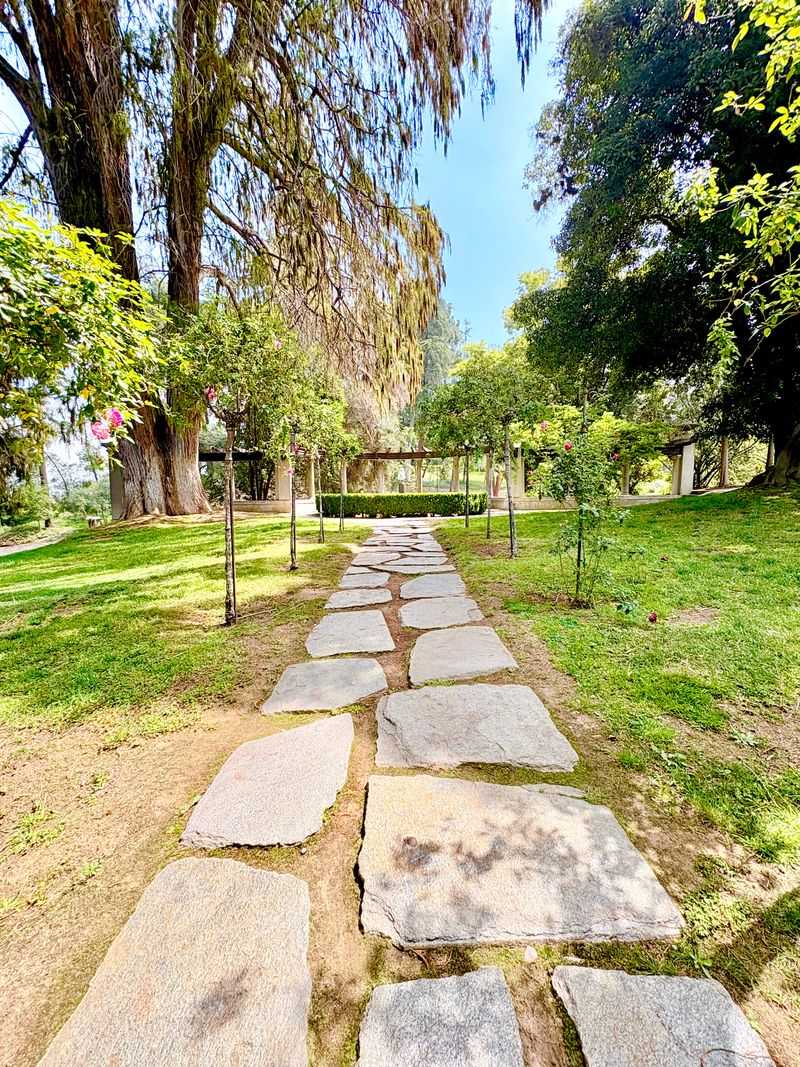
Back in 1897, the Los Angeles architectural firm Dennis and Farwell created something unusual for California.
They designed a 7,000-square-foot mansion that borrowed heavily from French château architecture, complete with steep rooflines, ornate details, and a dignified presence.
The building stands as a testament to the Victorian era’s love of European design, even when constructing homes thousands of miles from France.
The architects chose materials and design elements that would withstand California’s climate while maintaining the château aesthetic.
Thick walls help keep interiors cool during hot Redlands summers, while large windows allow natural light to flood the rooms.
The structure features multiple levels, creating interesting interior spaces that flow from formal entertaining areas to more intimate family rooms.
What makes this design particularly special is how rare it remains in California. While many Victorian homes dot the state, few attempt the full château treatment with such commitment to authentic details.
The turrets, decorative stonework, and carefully proportioned windows all work together to create a cohesive design that transports visitors to another time and place, all while remaining firmly rooted in Southern California soil.
3. Built For A New York Widow
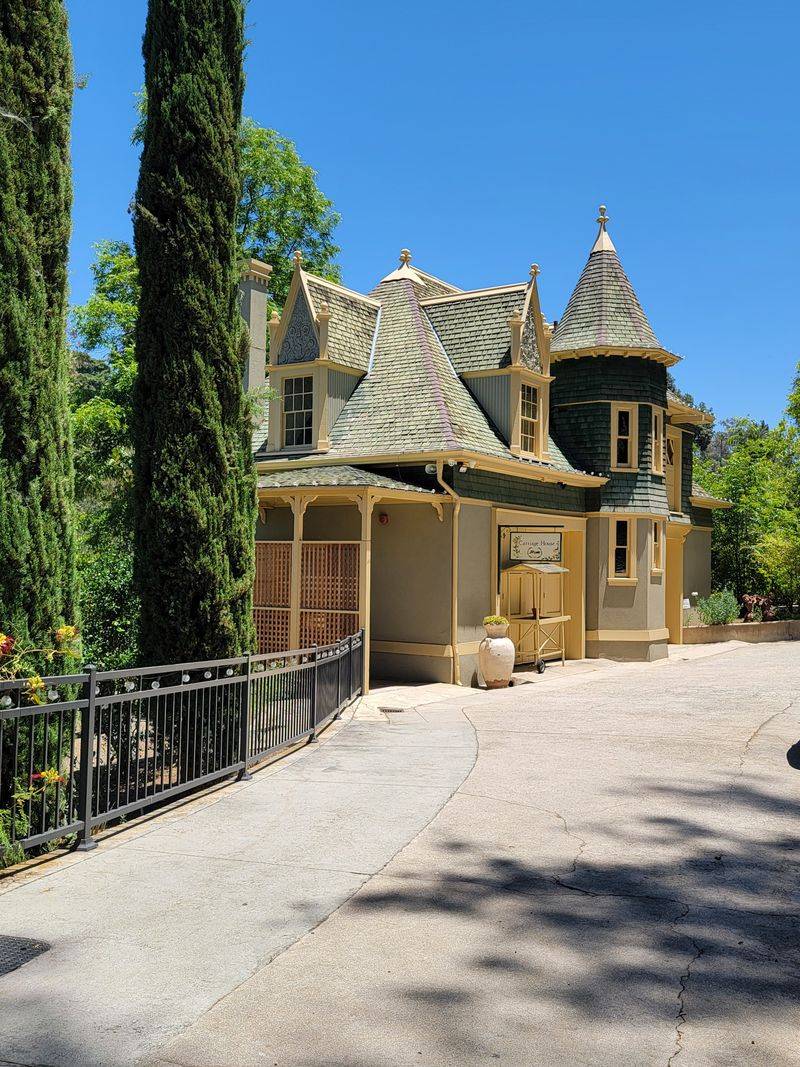
Cornelia A. Hill came from New York State seeking California’s warmer climate and fresh opportunities.
As a widow with financial means, she commissioned the construction of what would become one of Redlands’ most distinctive homes.
Her decision to build such an elaborate residence reflected both personal taste and the optimism many felt about California’s future at the turn of the twentieth century.
Mrs. Hill’s choice of Redlands made sense for the era. The city had established itself as a destination for wealthy Easterners seeking milder winters and investment opportunities in the booming citrus industry.
The area’s natural beauty, combined with its growing reputation as a cultural center, attracted educated and affluent residents who brought sophisticated architectural tastes with them.
Though Mrs. Hill’s time in the house proved relatively brief, her vision shaped the property’s character.
She selected the French château style, worked with respected architects, and chose a prominent hilltop location that offered sweeping views of the valley below.
Her original vision established the foundation upon which later owners would build, creating layers of history that make the estate so fascinating to explore today.
4. The Kimberly-Clark Connection
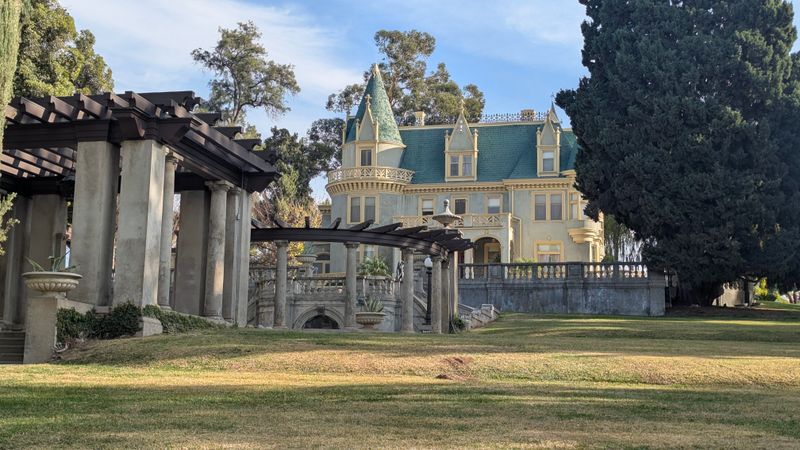
John Alfred Kimberly made his fortune as co-founder of the Kimberly-Clark Corporation, a company that would become a household name across America.
In 1905, he and his wife Helen Cheney Kimberly purchased the Redlands estate, beginning a family connection that would last for generations.
The couple renamed the property Kimberly Crest, linking their family name permanently to this California landmark.
The Kimberly family’s ownership transformed the estate from a grand house into a true family compound.
They didn’t just occupy the building; they invested in its grounds, expanded its gardens, and filled its rooms with furnishings that reflected their travels and tastes.
Their industrial success provided resources to maintain the property at the highest standards, ensuring its preservation through decades of changing architectural fashions.
Understanding the Kimberly-Clark connection helps explain how the estate survived intact into the modern era.
Families of more modest means often struggled to maintain large Victorian homes, leading to subdivisions, demolitions, or unfortunate renovations.
The Kimberly family’s financial stability allowed them to preserve rather than alter, maintaining original features that might otherwise have disappeared during various remodeling trends of the twentieth century.
5. Helen’s Italian Renaissance Gardens
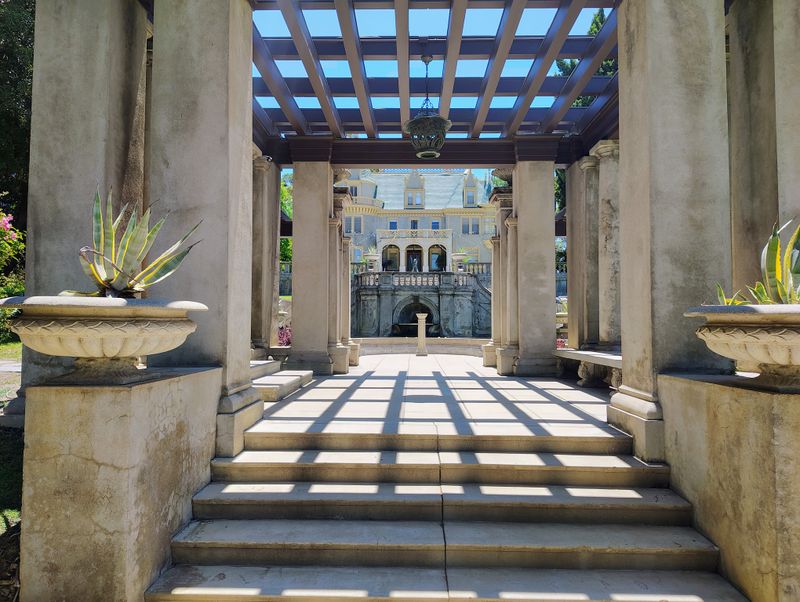
Helen Kimberly possessed a vision that extended beyond the mansion’s walls.
In 1909, she commissioned the design and construction of elaborate Italian Renaissance gardens that would complement the French château architecture.
This combination of styles might seem unusual, but the result creates a harmonious blend that enhances both elements rather than competing for attention.
Italian Renaissance garden design follows specific principles that Helen’s designers understood well.
Formal layouts, geometric patterns, carefully controlled water features, and strategic use of evergreen plants create year-round beauty and structure.
These gardens emphasize human control over nature, shaping plants and landscapes into orderly, pleasing arrangements that invite contemplation and leisurely strolls.
The 1909 construction required significant earth-moving and engineering work. Creating terraced levels on a hillside property demands careful attention to drainage, erosion control, and structural support.
Helen’s gardens incorporated these practical considerations while maintaining their aesthetic appeal, demonstrating how good design balances beauty with function.
More than a century later, these gardens continue to thrive, offering visitors a glimpse into early twentieth-century landscape design principles and the dedication required to maintain such elaborate outdoor spaces over generations.
6. The Shy Girl Statue’s Story
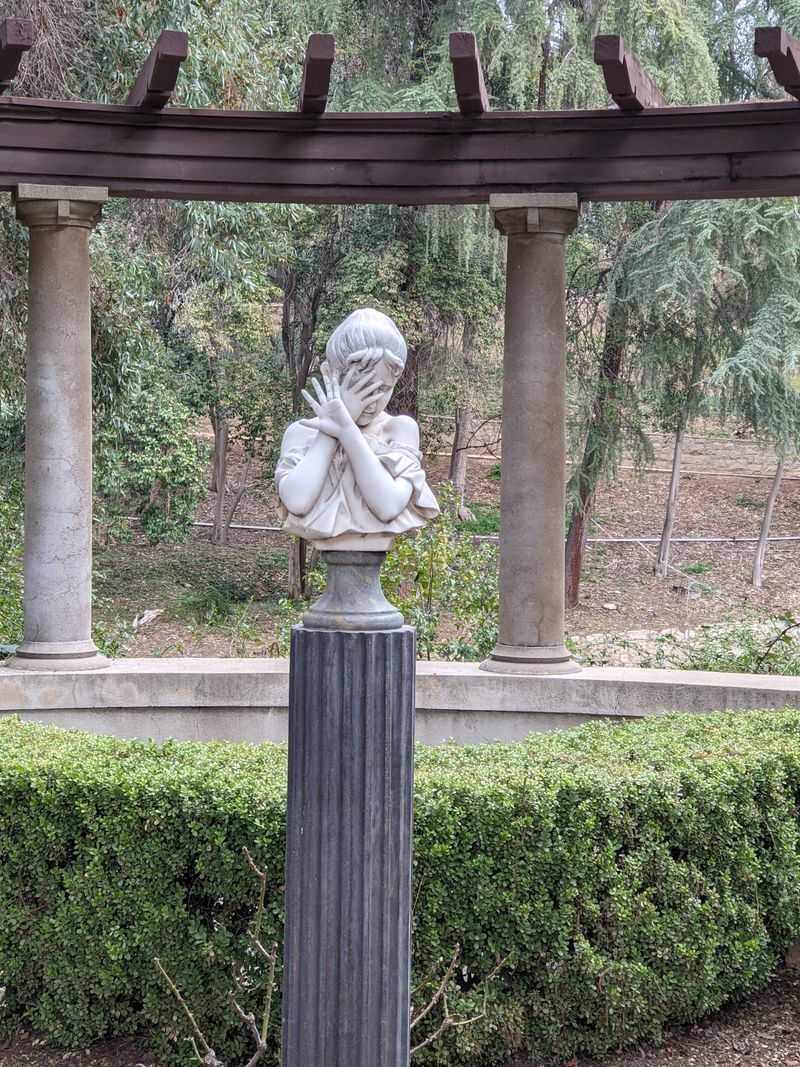
Grief takes many forms, and sometimes comfort comes from unexpected sources.
In 1929, Mary Kimberly-Shirk noticed her mother struggling with a deep sadness.
To provide solace and create a peaceful spot for reflection, Mary added a statue to the gardens that would become known as the Shy Girl.
This simple act of love transformed a section of the landscape into a memorial space that still resonates with visitors today.
The statue’s name perfectly captures its character. The figure stands with a modest, introspective posture that invites quiet contemplation rather than bold admiration.
Positioned thoughtfully within the garden’s layout, the Shy Girl creates a focal point that draws visitors along specific pathways, encouraging them to slow down and appreciate their surroundings.
Garden statuary serves multiple purposes beyond mere decoration.
Sculptures create visual interest during winter months when flowering plants rest, provide scale and structure to large garden spaces, and establish emotional tones for different areas.
The Shy Girl accomplishes all these functions while carrying the additional weight of family history and personal meaning.
Knowing the statue’s origin story adds depth to the viewing experience, reminding visitors that grand estates like Kimberly Crest were real homes where families experienced joy, sorrow, and everything in between.
7. A Gift To The People Of Redlands
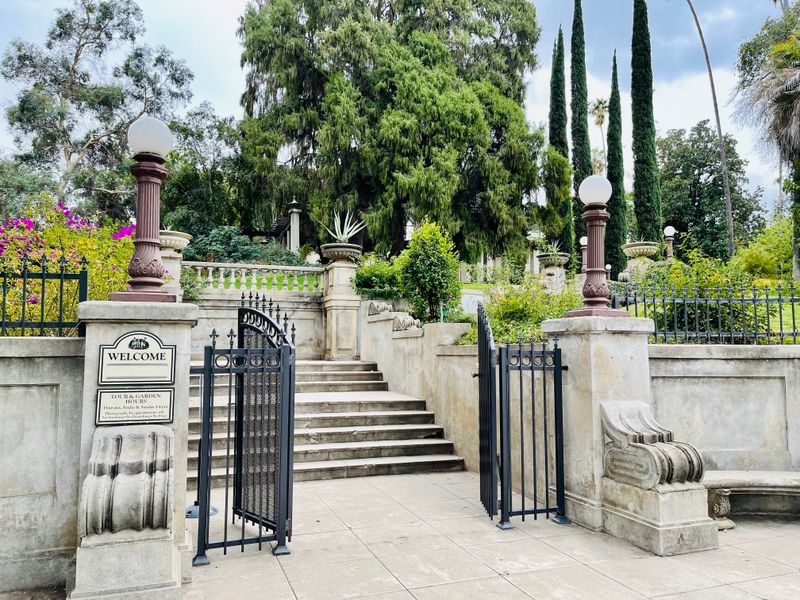
Mary Kimberly-Shirk’s death in 1979 marked the end of the family’s private ownership but the beginning of a new chapter.
Her will contained a remarkable provision: she bequeathed the entire estate to the people of Redlands, ensuring that future generations could enjoy the property her family had cherished for decades.
This generous act transformed a private mansion into a public treasure. The transition from private residence to public historic site required careful planning and significant work.
Rooms needed adaptation for tour groups, safety systems required updating to meet public building codes, and staff had to be hired and trained.
The estate opened its doors to visitors in the 1980s, finally allowing the community to explore spaces that had remained largely hidden behind gates for nearly a century.
Public access to historic homes serves important educational and cultural functions.
These sites preserve architectural techniques and design aesthetics that might otherwise be forgotten, demonstrate how previous generations lived, and connect communities to their local history.
The estate at 1325 Prospect Drive in Redlands accomplishes all these goals, offering tours that balance historical accuracy with engaging storytelling, making the past accessible to visitors of all ages and backgrounds.
8. Holiday Lighting Tradition
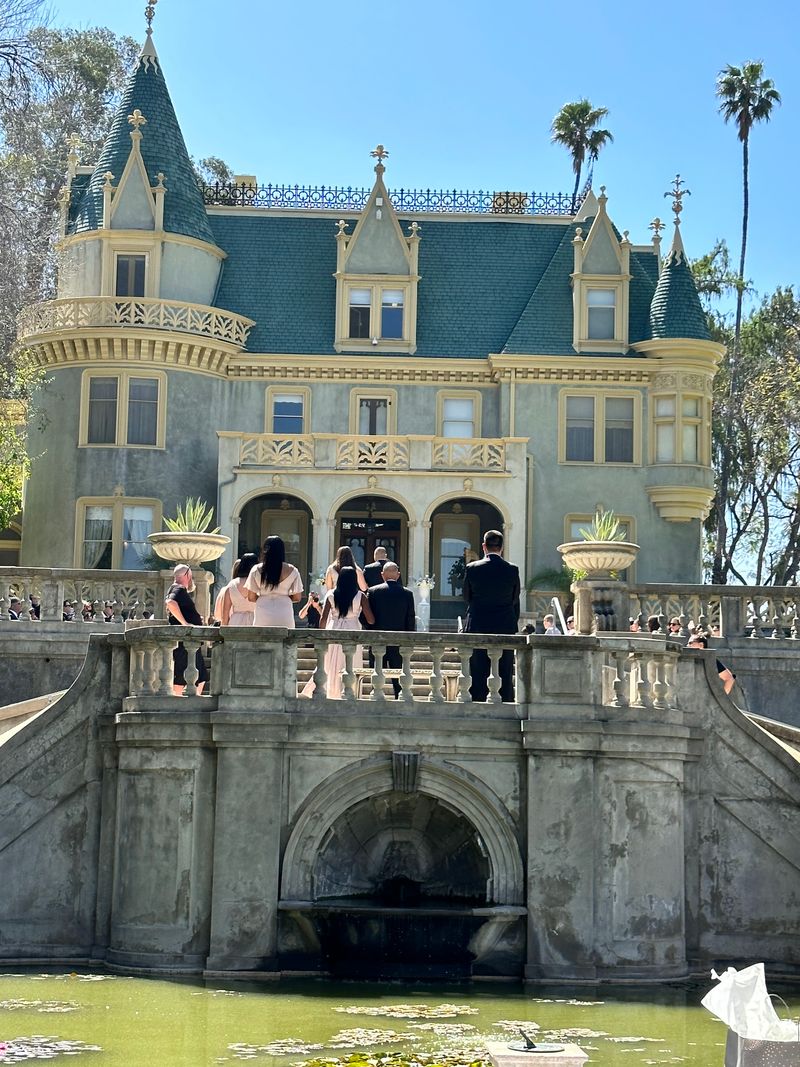
Since the 1960s, something magical happens at Kimberly Crest each holiday season.
A towering 90-foot magnolia tree becomes the centerpiece of an elaborate lighting display, adorned with 6,000 watts of illumination that can be seen from throughout the valley.
This tradition has become so beloved that locals mark their calendars for the annual lighting ceremony, treating it as an unofficial start to their holiday celebrations.
The scale of this display requires serious planning and electrical expertise. Stringing lights on a tree that tall demands specialized equipment, safety protocols, and a team of skilled workers.
The 6,000 watts of power need proper distribution to avoid overloading circuits, and weather-resistant fixtures must withstand Redlands’ occasional winter rains.
Holiday traditions like this one create community bonds that transcend the event itself.
Families return year after year, watching children grow while the magnolia tree continues its annual transformation. The lighting connects past and present, honoring decades of tradition while creating new memories.
For many Redlands residents, the illuminated magnolia signals more than just holiday cheer; it represents continuity, community identity, and the enduring presence of their historic landmark through changing times and generations.
9. Hollywood Comes To Kimberly Crest
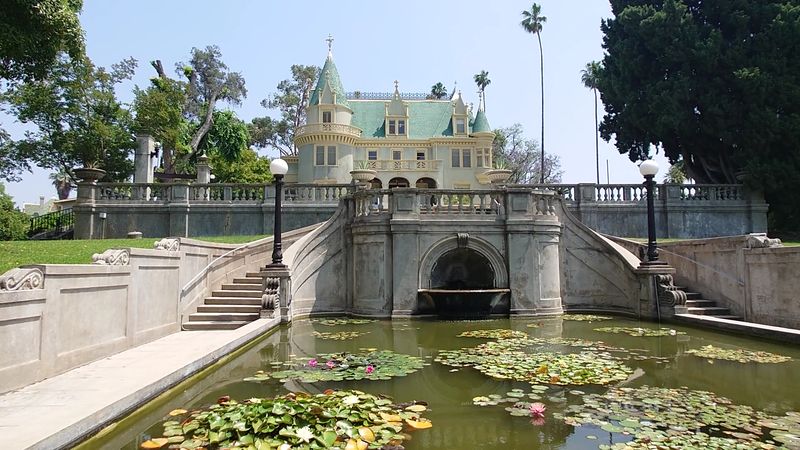
Film location scouts sometimes stumble upon perfect settings, and in 1981, they found exactly what they needed at Kimberly Crest.
The mansion served as a filming location for Hell Night, a horror movie starring Linda Blair, who had gained fame years earlier in The Exorcist.
The estate’s château architecture and atmospheric gardens provided an ideal backdrop for the film’s spooky storyline. Using historic properties as filming locations creates interesting challenges and opportunities.
Production crews must work carefully to avoid damaging original features, lighting equipment must be positioned without drilling into historic walls, and filming schedules need coordination with regular tour operations.
Despite these complications, many historic sites welcome film productions because they provide revenue, publicity, and exposure to new audiences who might not otherwise discover these properties.
Hell Night fans occasionally visit Kimberly Crest specifically because of its movie connection, adding another layer to the site’s appeal.
These visitors arrive with different expectations than typical history enthusiasts, but often leave with appreciation for the estate’s genuine historical significance beyond its Hollywood moment.
The film connection demonstrates how historic properties remain relevant across generations, attracting diverse audiences through multiple avenues while maintaining their core mission of preservation and education.
10. Terraces, Fountains, And Water Features
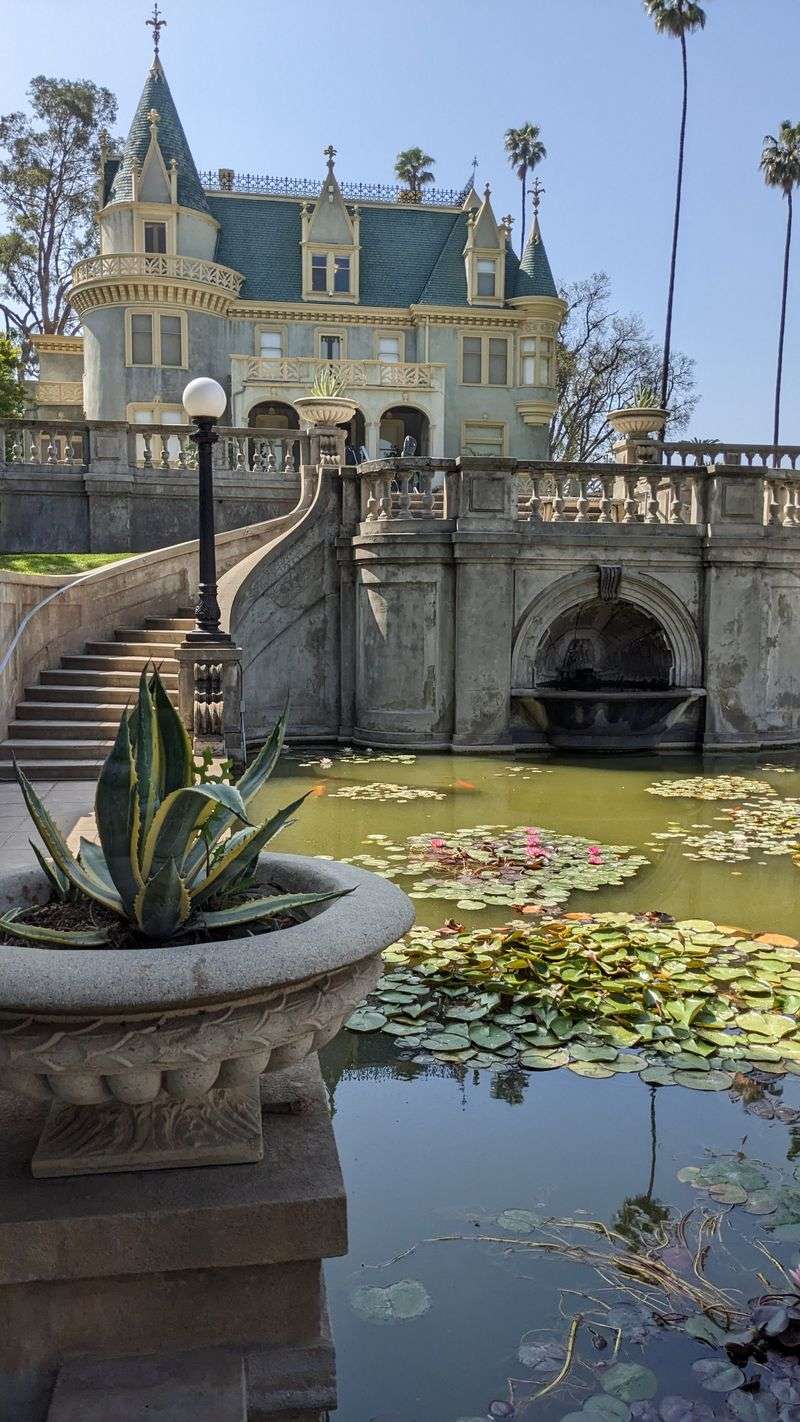
Water brings gardens to life in ways that plants alone cannot achieve.
The Kimberly Crest gardens incorporate multiple water features, including cascading fountains, lily ponds, and koi ponds that create movement, sound, and visual interest throughout the landscape.
These elements work together to establish distinct garden rooms, each with its own character and purpose. Cascading fountains serve both aesthetic and practical functions in terraced gardens.
The sound of falling water masks traffic noise from the surrounding city, creating an audio buffer that enhances the sense of peaceful seclusion.
Water movement also attracts birds and beneficial insects, adding natural animation to the landscape.
The fountains’ Renaissance-inspired designs echo European garden traditions while adapting to California’s climate and water availability.
Koi and lily ponds introduce color, texture, and seasonal change to the gardens.
Koi fish provide year-round interest with their bright colors and graceful movements, while water lilies offer spectacular blooms during warmer months.
These ponds require careful maintenance to keep water clean and balanced, supporting both plant and animal life.
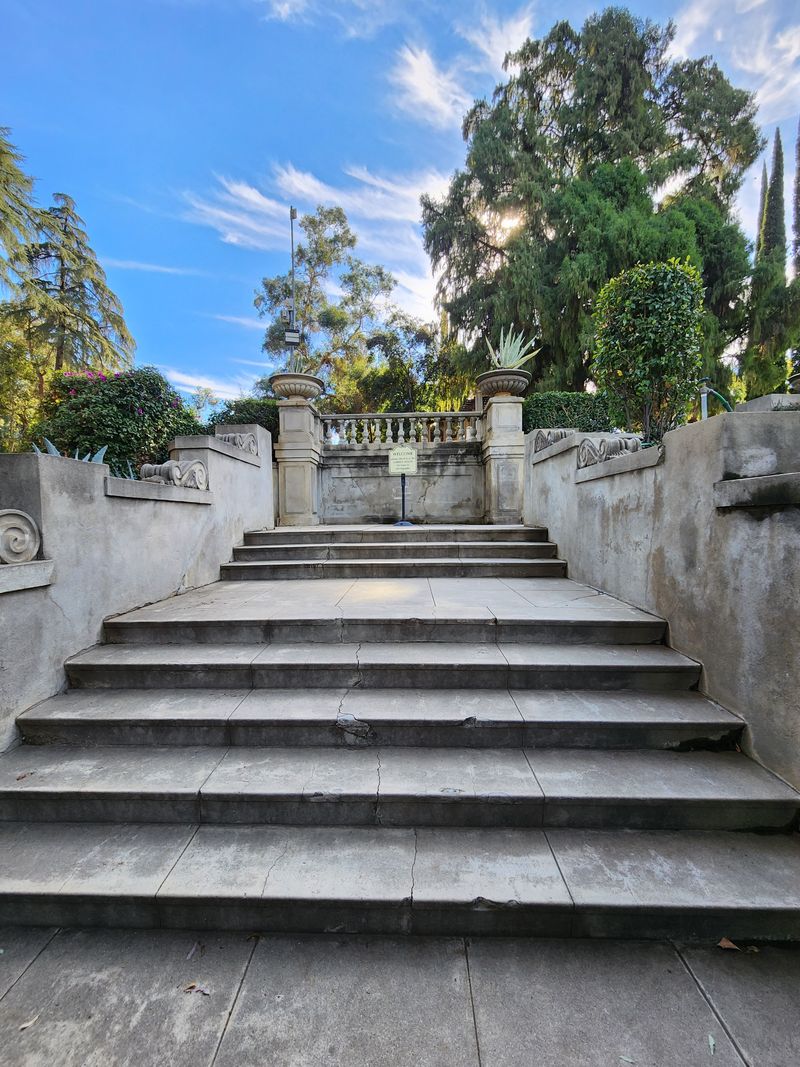
The curved stairways connecting different terrace levels guide visitors past these water features, creating a journey through the gardens that reveals new views and discoveries at each turn, encouraging slow exploration rather than rushed viewing.
11. Preserved By Community Dedication
After Mary Kimberly-Shirk’s bequest, a nonprofit organization formed to accept responsibility for the estate’s future.
The Kimberly-Shirk Association took on the challenging work of preservation, maintenance, and public programming that keeps historic sites functioning.
This volunteer-driven organization demonstrates how communities can rally around shared heritage, pooling resources and expertise to protect landmarks that might otherwise fall into disrepair.
Running a historic house museum requires diverse skills and steady funding.
The association manages tour guides, maintains gardens and buildings, organizes special events, handles marketing and publicity, and ensures compliance with preservation standards.
Volunteers contribute countless hours, while donations and admission fees provide necessary operating revenue.
This community-based model allows smaller historic sites to survive without government funding or massive endowments.
The association’s mission extends beyond simple preservation to active community engagement.
They offer educational programs, host cultural events, and create opportunities for residents to connect with local history in meaningful ways.
Tours at 1325 Prospect Drive in Redlands bring history to life through trained guides who share stories about the families, architecture, and social contexts that shaped the estate.
This ongoing work ensures that Mary Kimberly-Shirk’s gift continues benefiting the community exactly as she intended, creating value that extends far beyond the property’s physical boundaries.
12. A Venue For Special Celebrations
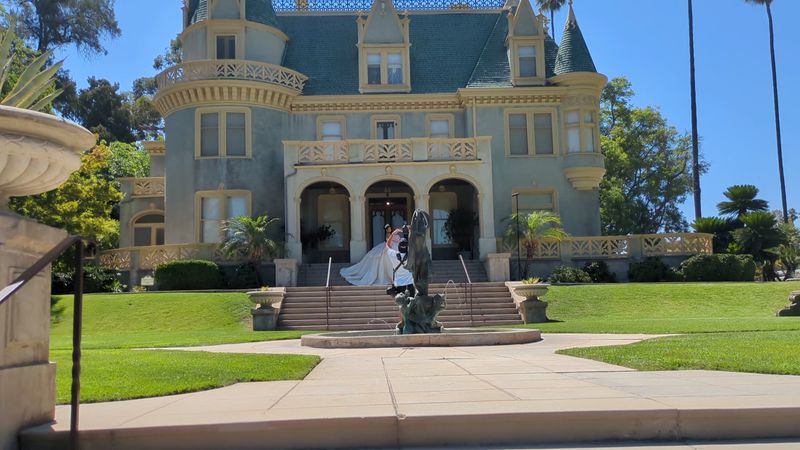
Historic estates offer something that modern venues cannot replicate: authentic character and timeless beauty.
Kimberly Crest opens its grounds for weddings, retreats, and private events, allowing people to celebrate important moments surrounded by century-old architecture and carefully tended gardens.
These events generate revenue that supports preservation work while giving the community additional ways to experience and appreciate the property.
Couples choosing Kimberly Crest for weddings gain access to multiple ceremony and reception locations throughout the estate.
Garden terraces provide romantic outdoor settings with mountain views, while interior spaces offer elegant alternatives when weather proves unpredictable.
The historic setting creates a backdrop that requires minimal additional decoration, as the architecture and landscapes provide natural beauty that speaks for itself.
Event hosting requires careful balance between public access and private use.
The estate must maintain its primary mission as a historic site and community resource while accommodating special events that temporarily close certain areas to regular visitors.
Strict guidelines protect original features from damage, and event planners work within preservation-friendly parameters.
This arrangement benefits everyone: event hosts gain an extraordinary venue, the estate earns income for maintenance and improvements, and the broader community ultimately benefits from better-preserved gardens and buildings that will endure for future generations to explore and enjoy.