This Little-Known Town In New Mexico Has Fresh Air, Few Crowds, And Easy Living
A town feels different when the trailhead is closer than the traffic light.
In New Mexico, this high-elevation community mixes mountain air, art, old mining history, murals, outdoor access, and a pace that leaves room for noticing things.
The streets need very little choreography. Walk downtown, follow a mural, head toward a trail, then let green chile settle the lunch question.
Simple works beautifully here!
Nearby history stretches far beyond the town itself, with ancient sites and dramatic landscapes adding depth to the region.
Artists and outdoor lovers both have reasons to stay curious.
Give the place more than a quick stop. Its appeal builds quietly, which may be exactly why it sticks.
Where Silver Ore Built A Town
Long before Silver City became a mining town, Apache people used this valley, with archaeological evidence documenting an Apache campsite here centuries before Anglo settlement.
Copper mining later developed near present-day Santa Rita, helping shape the wider region’s economy.
The settlement took shape in 1870 after silver was discovered at La Cienega de San Vicente. Indigenous cultures had already occupied and farmed throughout the broader region for centuries before the mining town appeared.
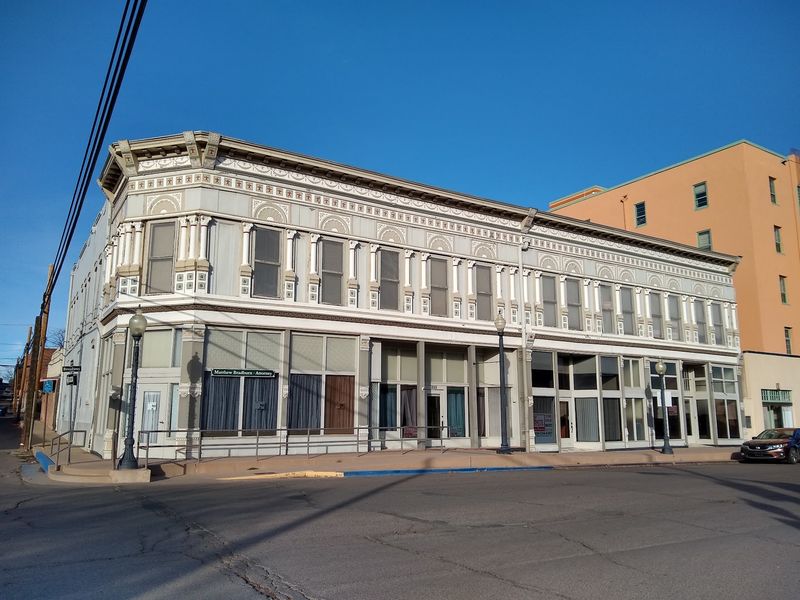
Silver City’s founders moved unusually quickly toward permanent construction, using locally available brick to create substantial Victorian-era commercial buildings and homes.
Modern connections arrived remarkably early: telegraph service reached Silver City in 1876, New Mexico’s first public school opened here in 1882, and the railroad arrived in 1883.
Outlaw lore lingers here too. William Bonney, known widely as Billy the Kid, was first arrested and briefly jailed in Silver City, and his mother rests in Memory Lane Cemetery.
The surviving brick storefronts, cornices, and Victorian details still reflect how quickly the mining settlement invested in permanent architecture.
Start your own visit at the Murray Ryan Visitor Center, 201 N. Hudson Street.
Mountains, Divide, And Endless Forest
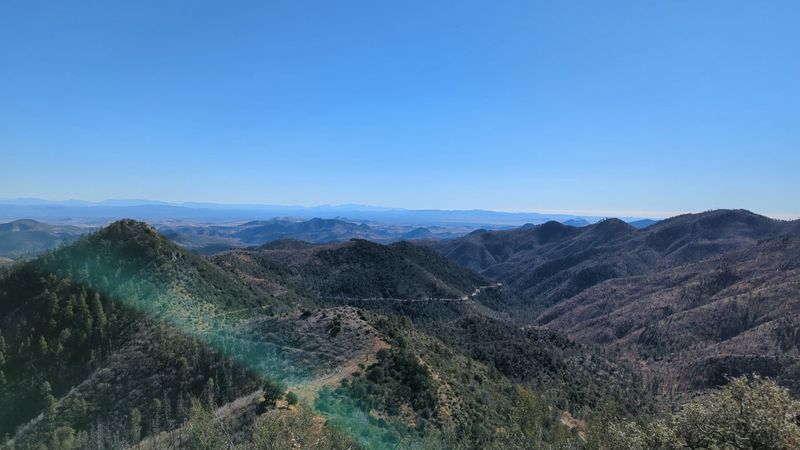
Silver City sits at 5,919 feet, giving it a high-desert mountain setting with cooler conditions than many lower-elevation parts of the Southwest.
Silver City was the Continental Divide Trail Coalition’s first official Gateway Community, with CDT access available both north and south of town.
The headline act, though, is the Gila National Forest next door. The Gila National Forest encompasses about 3.3 million acres of forest, rangeland, wilderness, roads, campgrounds, and backcountry surrounding the region.
Inside that expanse sits the Gila Wilderness, established in 1924 as the world’s first designated wilderness area.
Scenery shifts constantly across this stretch of New Mexico. Cactus-studded high desert climbs into thickly forested hills, then breaks open at rocky overlooks.
More than 1,600 miles of trails cross the Gila National Forest, including nearly 250 miles of the Continental Divide National Scenic Trail.
The Gila River adds water to the equation, drawing birds and curious travelers alike. Ancient cliff dwellings hide in the canyons nearby.
Galleries, Murals, And Marquees

Silver City has roughly 9,300 residents and an unusually active collection of galleries, studios, murals, and arts organizations for a town its size.
Painters, potters, printmakers, weavers, glass blowers, and jewelry makers have all set up shop in this southwestern New Mexico town, which holds official standing as an arts and cultural district.
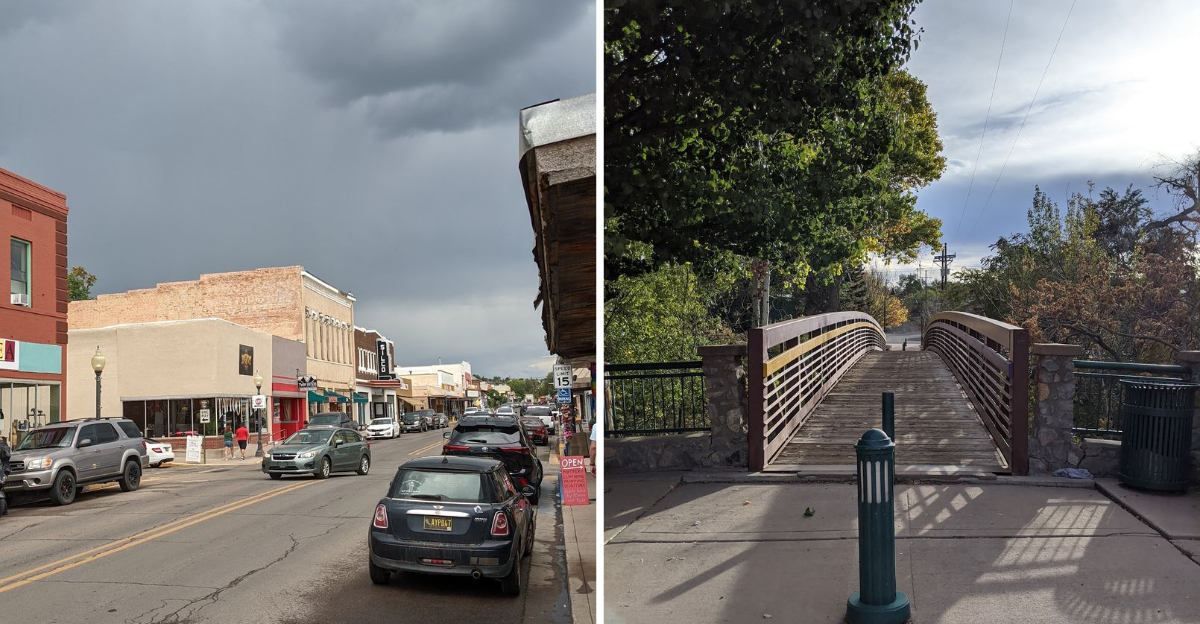
Downtown is where the creative current runs strongest. Turn any corner and you meet bright storefronts, working studios, and murals splashed across brick walls.
Many of those murals came through the Youth Mural Program, which engages young people with local history and culture while creating public artwork throughout the region.
Performance matters here as much as paint. The historic El Sol Theater now hosts Virus Theater, a homegrown performing arts group with real inventiveness.
The restored Art Deco Silco Theater normally screens films and hosts community programming, though it remains temporarily closed for renovations and is currently aiming to reopen around September 11, 2026.
All this earned Silver City a place among the often-cited list of 100 Best Art Towns in America. That reputation is not marketing fluff.
Mimbres Pottery And Cliff Homes
Mogollon cultural traditions in the Southwest developed around 200 CE, while the celebrated Classic Mimbres period flourished roughly from 1000 to 1150 CE.
They farmed the river bottoms and produced pottery that collectors and archaeologists still study closely today.
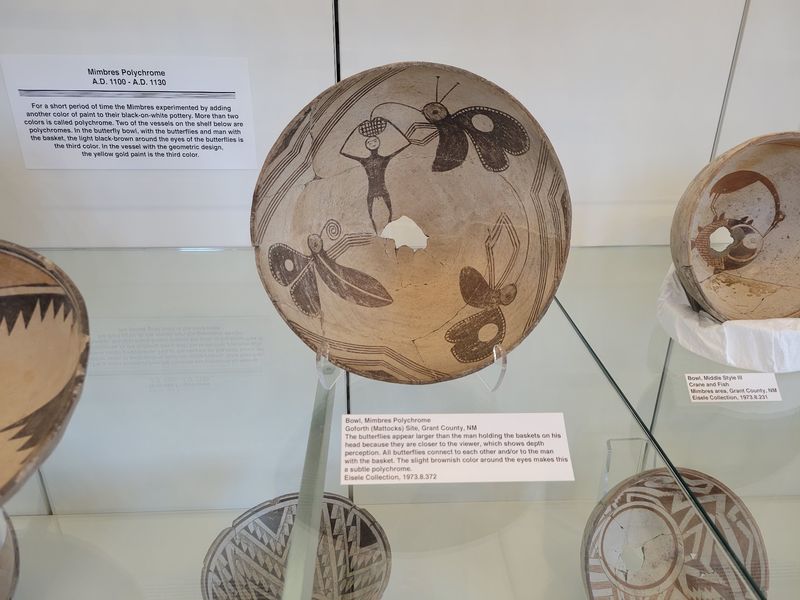
Their black-on-white bowls feature elaborate geometric, animal, and human imagery that remains a major focus of archaeological and artistic study.
The Western New Mexico University Museum houses the world’s largest permanent collection of Mimbres pottery and an extensive collection of Mimbres artifacts.
Those ancient patterns never really disappeared. Echoes of them show up quietly in work made by artists living here now.
A short drive north leads to Gila Cliff Dwellings National Monument, where 42 well-preserved rooms sit tucked inside five natural caves.
Visitors can climb the one-mile loop into the cliff dwellings and pass through several ancient rooms, where traces of earlier human use remain visible within the caves.
Wear sturdy shoes, carry water, and allow real time for the drive, since the mountain road is winding and slow by design.
Between museum cases and canyon walls, Silver City hands you two very different ways to meet the same ancient neighbors.
The Big Ditch And Beyond
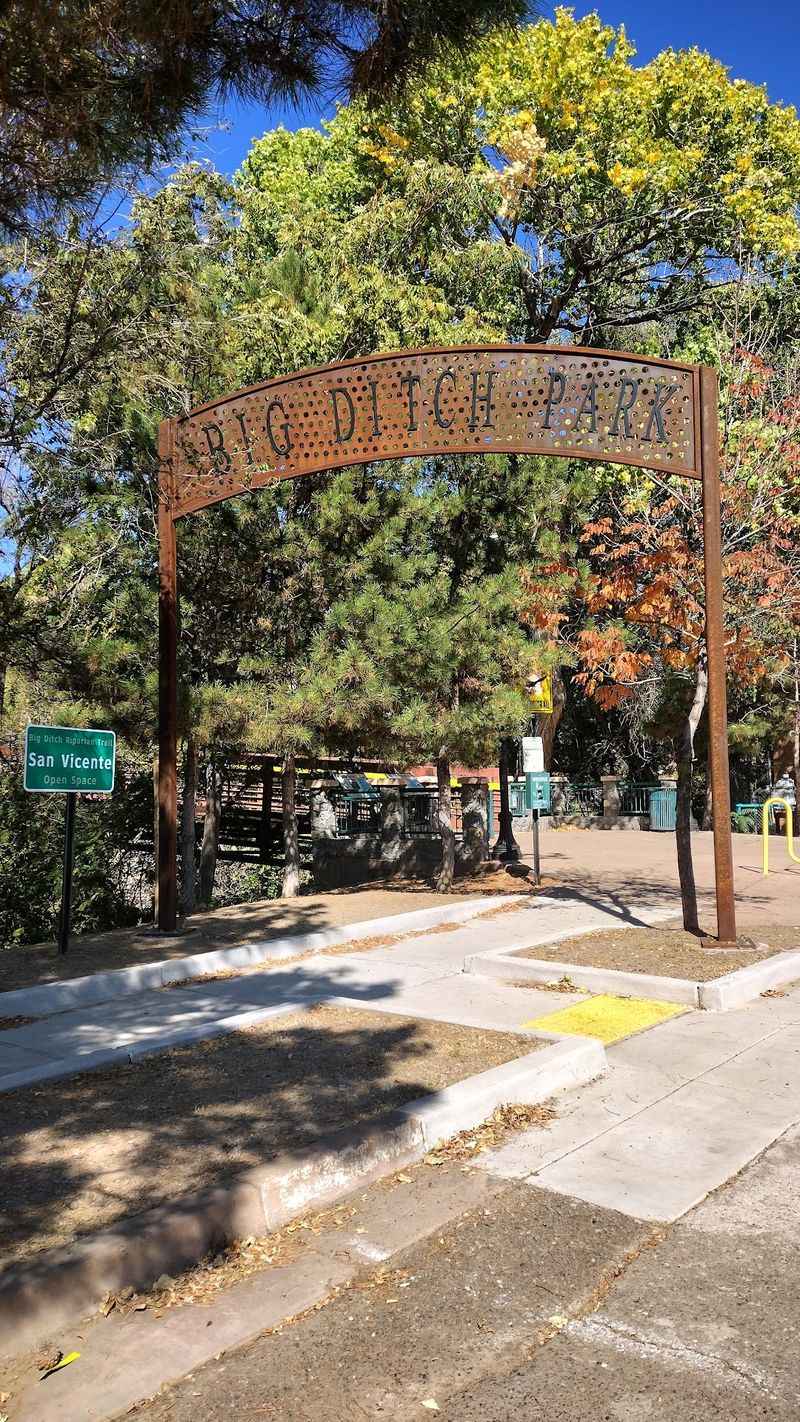
Floods once erased a main street, and the town turned the damage into a park. That single fact tells you plenty about local stubbornness.
Around the turn of the last century, repeated flooding carved the original Main Street into a deep channel now known as the Big Ditch, today a shaded downtown park and greenway entrance.
Recognition runs deep here. Silver City became New Mexico’s second incorporated community in 1878 and still retains its Territorial charter.
Four locally recognized historic overlay districts protect much of Silver City’s historic character, while numerous individual buildings and sites also carry state or National Register recognition.
Spanish mining activity developed near Santa Rita after native copper deposits were brought to Spanish attention around 1799, with mining beginning there in the early 1800s.
The region later became part of Mexico and then the United States, while Fort Bayard was established in 1866 amid conflict between the U.S. military and Apache peoples.
When the national silver market collapsed in 1893, the town reinvented itself rather than fading. It became a health resort treating tuberculosis patients and an important center for education.
The Silver City Museum, housed in the restored Victorian-era Ailman House, lays out these chapters with real care.
Trails That Begin Downtown
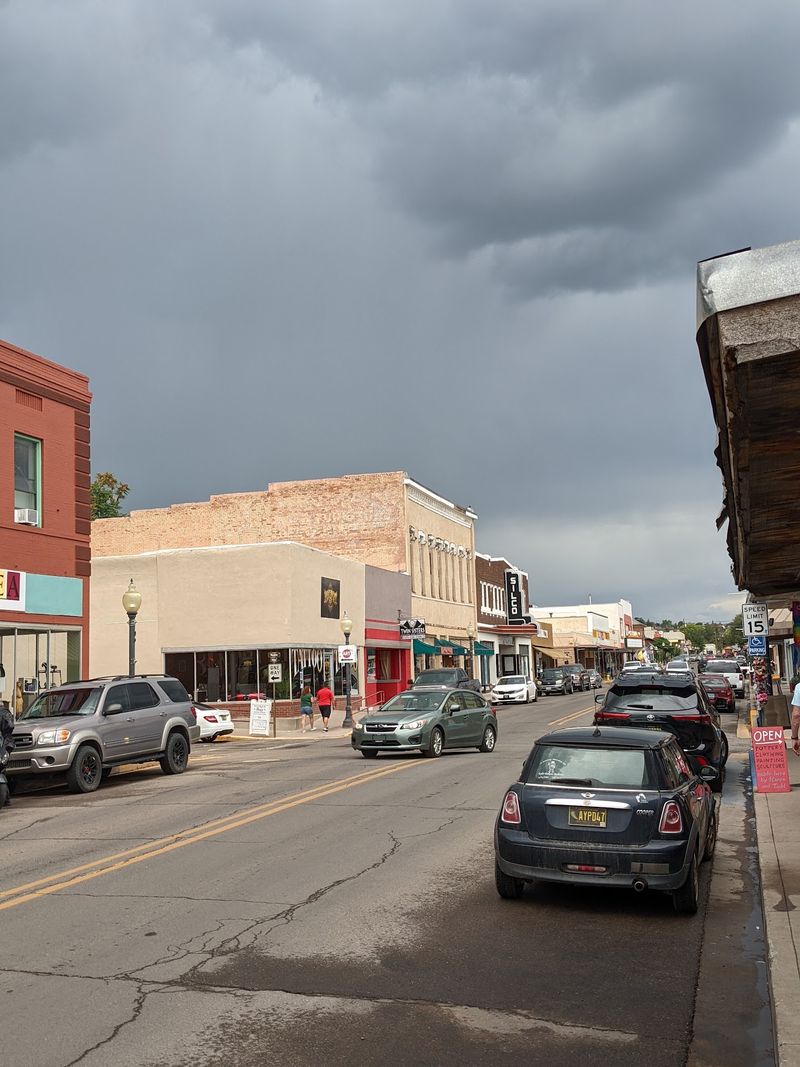
Lacing up boots without driving anywhere first is a rare luxury. Here, the trail network starts practically at the sidewalk.
Boston Hill sits right above the neighborhoods, its old mining ground reshaped into paths for walkers, runners, and mountain bikers. The town views from up top come free with the climb.
For something gentler, the San Vicente trail system follows a greener corridor through town, with cottonwoods and riparian habitat adding variety to the surrounding high-desert terrain.
Slightly farther out, Little Walnut and Gomez Peak offer shaded forest riding and hiking with noticeably cooler air.
Birders do very well in this part of New Mexico, thanks to habitats stacked from desert scrub to pine forest. Hundreds of species pass through or nest nearby.
Anglers find their spots, and soakers seek out the natural hot springs tucked along the river drainages.
Silver City is a major Continental Divide Trail Gateway Community, and nearby access points north and south of town make shorter CDT outings possible without committing to a long-distance hike.
Bring layers, since a shady canyon and a sunbaked ridge can feel like separate seasons.
Green Chile And Local Finds
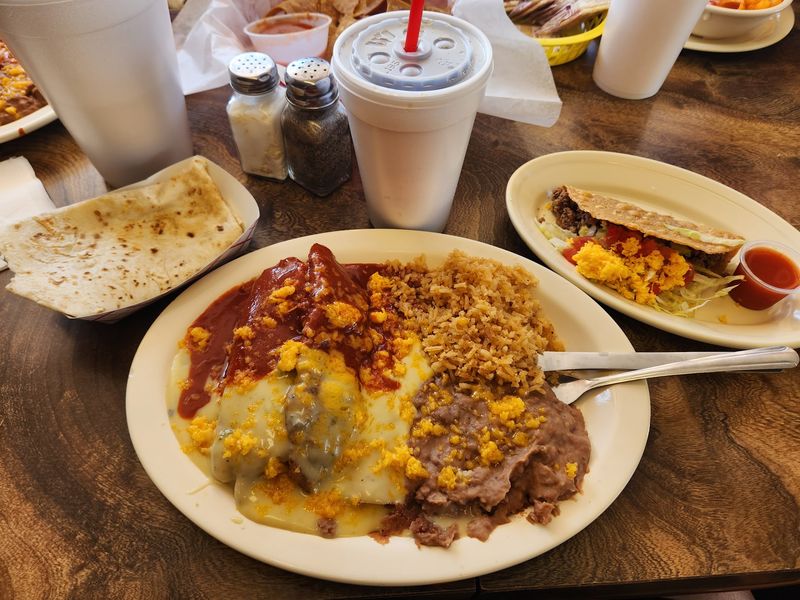
Green chile appears across many local menus, alongside enchiladas, burritos, breakfast plates, and other New Mexican favorites.
Enchiladas, burritos, and breakfast plates all arrive with real Southwestern heat and honest portions.
The corner of Yankie and Texas Streets works as the heart of the Arts District. Coffee shops and small eateries there practically dare you to sit a spell and watch the day pass.
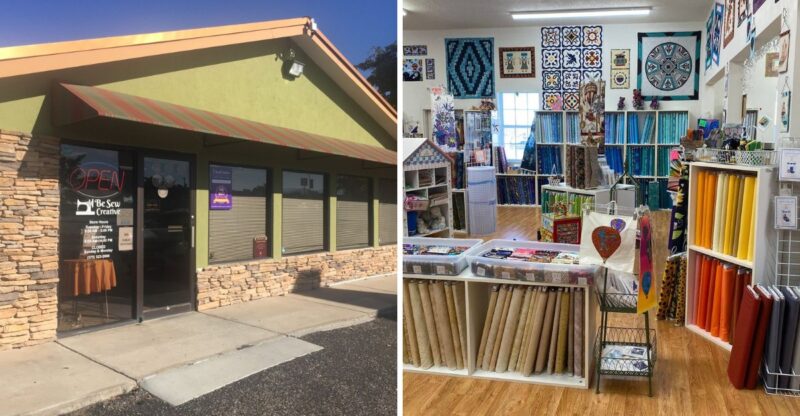
Galleries, studios, and boutiques showcase paintings, pottery, fiber art, jewelry, sculpture, and other work by local and regional artists.
Red dots painted on the sidewalks act as a scavenger hunt, steering you toward studios, shops, and exhibition spaces you might otherwise miss.
Rock hounds should watch for the Rolling Stones Gem and Mineral Show, which brings out specimens and cheerful geology talk.
Local outfitters cover practical needs too, from mountain biking gear to gifts you will actually use later.
The compact downtown makes it easy to combine galleries, shops, cafés, and public art without covering much distance between stops.
Making The Most Of Your Stay
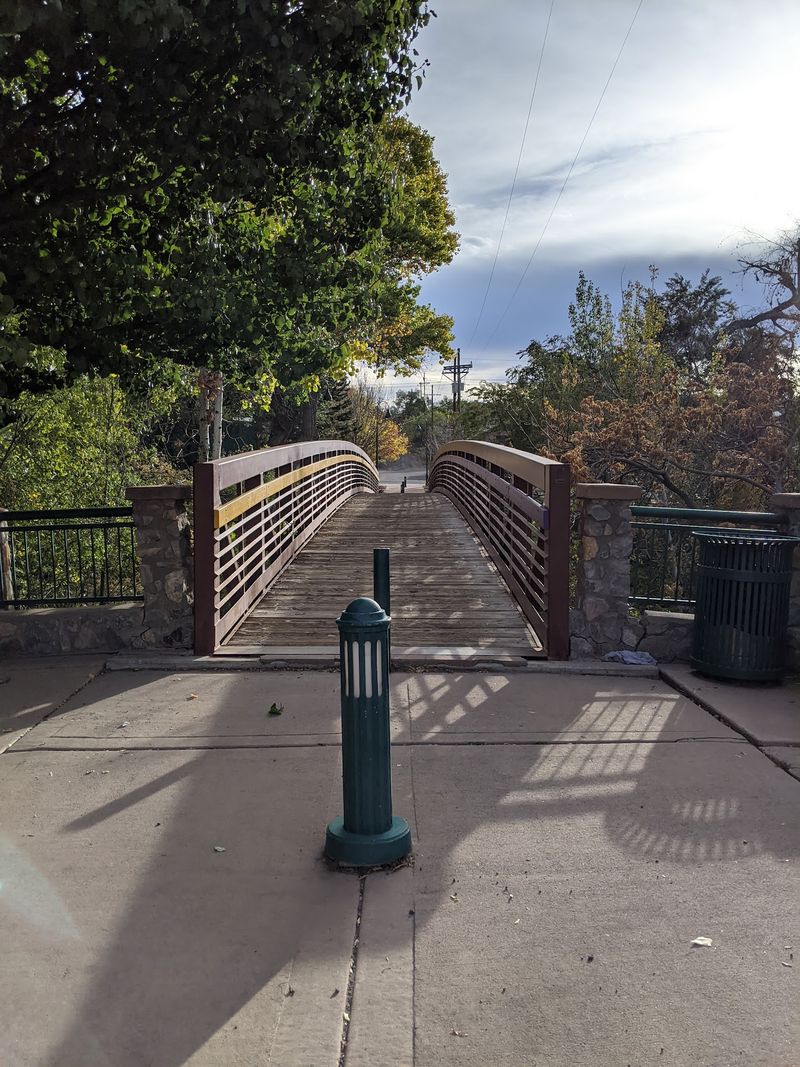
Silver City’s compact downtown, 5,919-foot elevation, nearby trail systems, and close access to the Gila give visitors several attractions without requiring long drives between every stop.
Mornings work best for hiking, especially in late spring and summer when afternoon clouds build over the mountains.
Fall typically brings moderate days and cool nights, while winter combines cold mornings and nights with milder afternoons when conditions cooperate.
Set aside a full day for the drive to the cliff dwellings, since the mountain highway takes longer than mileage suggests.
Keep water in the car, plus a hat and sunscreen, because sunshine at 6,000 feet in New Mexico is stronger than it feels.
Cell coverage thins out in the backcountry, so download maps before heading into the Gila.
Stop by the visitor center first for current trail conditions and event schedules, which change with the season.
Give yourself at least three nights. Galleries, museums, trails, and cafes deserve separate days rather than a frantic single loop.