This Magical Connecticut Garden Feels Like Stepping Inside A Storybook
Gardens that actually stop you in your tracks are rarer than people think. This one does exactly that.
The moment you walk in, something shifts and you find yourself slowing down in a way that feels almost involuntary.
Everything here has been growing and settling into place for a very long time, and that kind of history shows in the most beautiful way. The house sitting alongside it makes the whole visit feel even richer, like you’ve wandered into a place that has real stories attached to every corner.
People come here and leave talking about it for days, which honestly says more than any description could. Stepping inside a storybook is exactly what this magical Connecticut garden feels like, and that reputation is completely well earned.
It’s the kind of place that makes a regular afternoon feel like something you didn’t know you needed until you’re already there.
1. A Storybook Garden In Bethlehem
Some gardens feel polished and tidy, while others feel alive with memory, and this one belongs firmly in the second group. The grounds at the Bellamy-Ferriday House and Garden in Bethlehem carry a quiet charm that is hard to put into words but easy to feel once the visit begins.
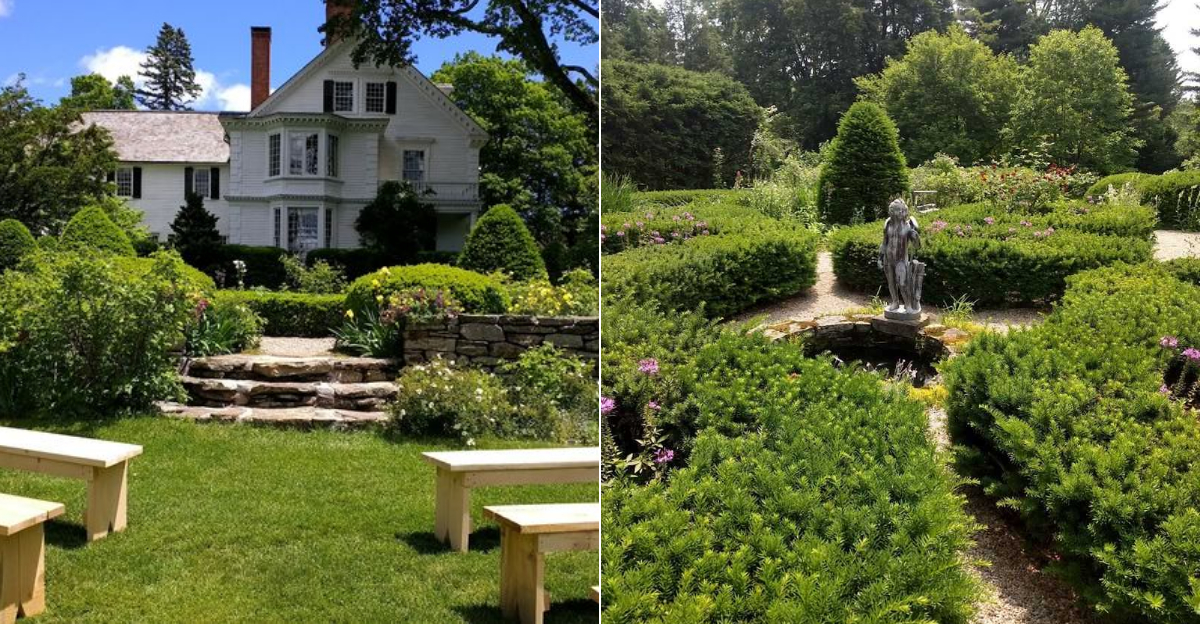
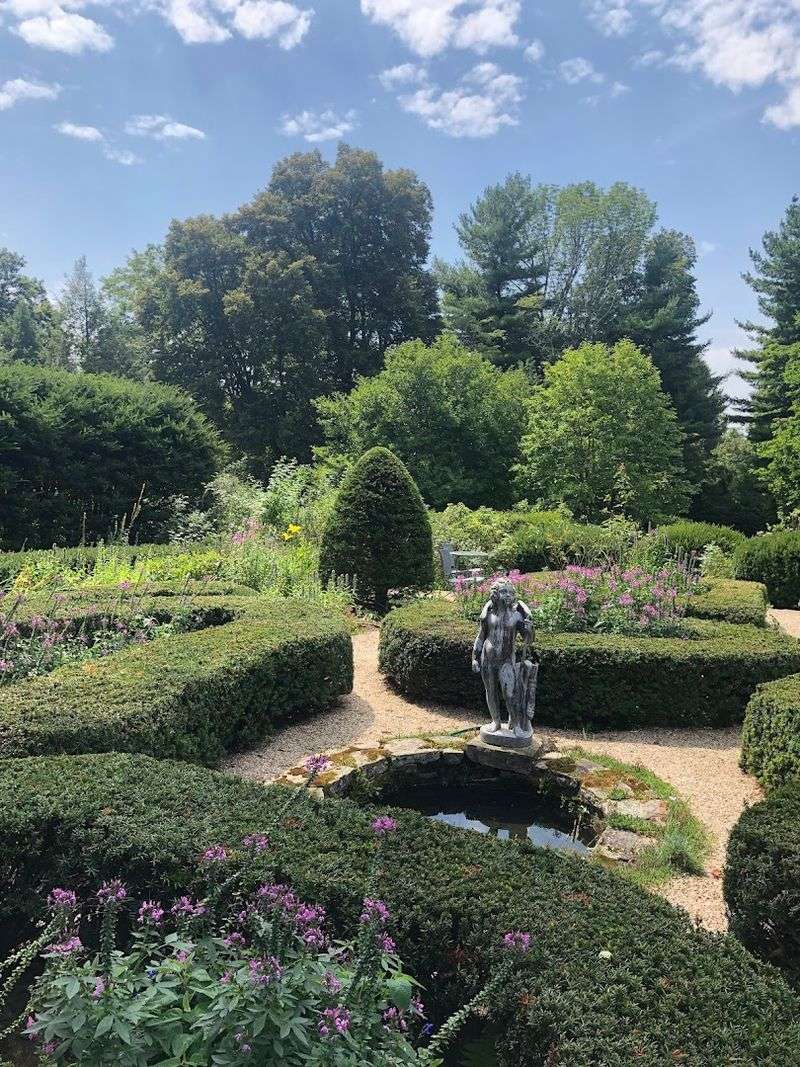
Towering trees rise above the paths, rose bushes gather in corners that seem untouched by time, and the whole space invites a slower pace. The formal garden area features boxwood hedges and flowering plants that shift with the season, giving each visit a slightly different mood.
Spring can be especially striking, with lilac bushes scattered across the grounds and their scent drifting through the property. The paths between the plantings encourage unhurried wandering rather than a quick loop around the garden.
Instead of feeling perfectly labeled and overly trimmed, the space has a slightly wilder energy that adds to its appeal. The garden suits visitors who appreciate texture, history, and atmosphere over perfection.
2. Why This Historic Estate Feels Magical
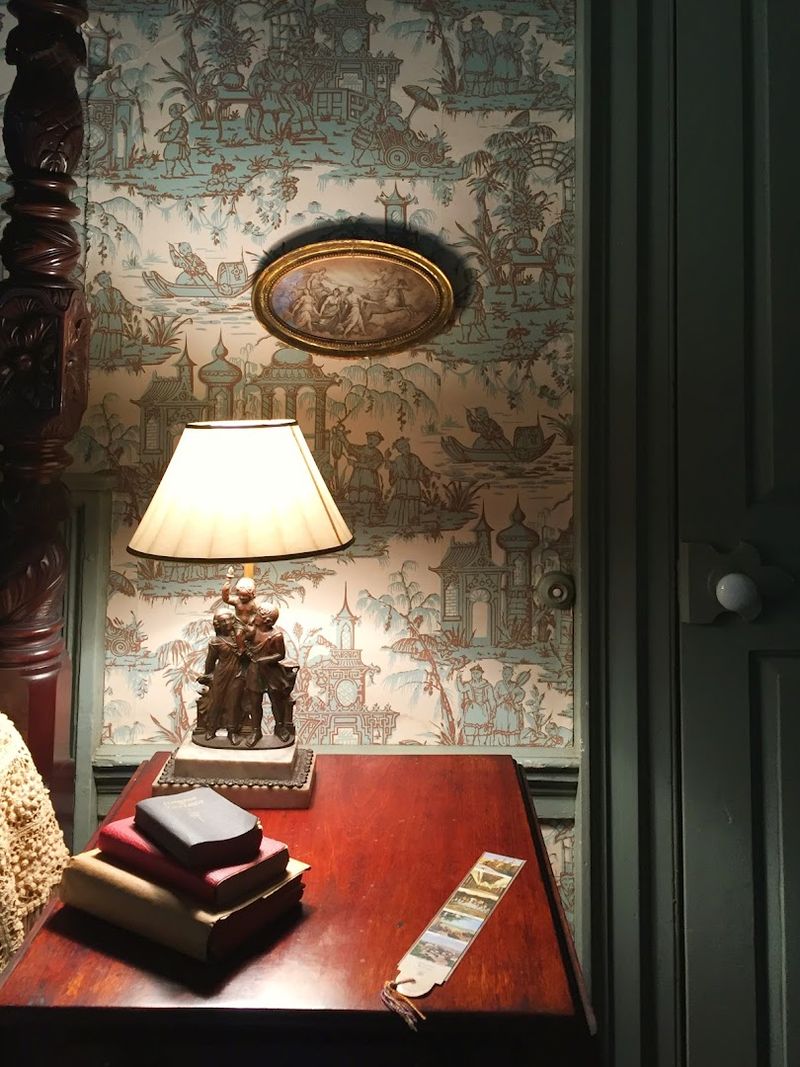
The house is closely tied to Reverend Joseph Bellamy, whose family life, religious work, and theological teaching helped shape the property’s early history. Over time, it evolved into a private residence with layers of architectural and personal history that give the rooms real depth.
Inside, visitors can see furnishings, antiques, and personal objects connected to the people who lived there, which makes the house feel more intimate than a typical period-room display.
Instead of feeling staged, the rooms carry a sense of continuity, as if the stories attached to the property are still present in the details.
Guided tours during open hours help bring that history into focus. Guides share context about the architecture, the families connected to the estate, and the personal legacies that make the property meaningful.
The combination of historic objects and thoughtful storytelling gives the visit a warmer, more personal feeling than many traditional house museum tours.
3. Stroll Past Blooms, Paths, And Old-World Charm
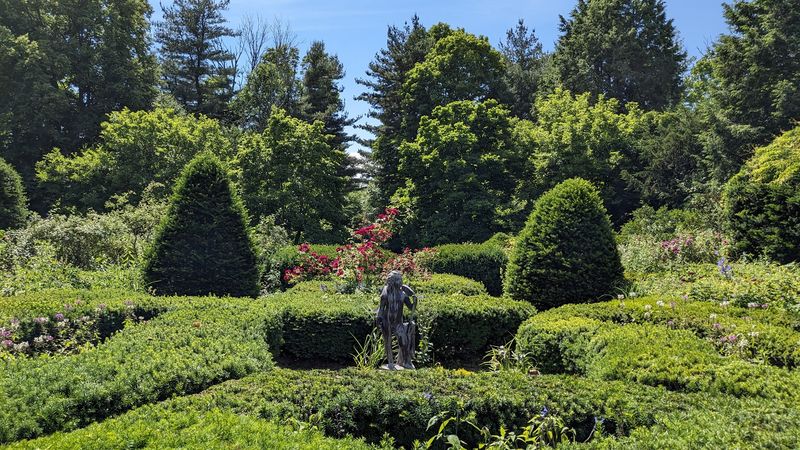
Moving through the grounds at a relaxed pace is really the best way to absorb what the property has to offer. The paths wind past a mix of flowering shrubs, mature trees, and planted beds that shift in color and scent depending on when you visit.
There is no rush here, and the layout of the garden seems deliberately designed to slow visitors down rather than funnel them quickly from point to point.
Rose bushes appear throughout the garden in clusters and along borders, and while their condition can vary with the season and maintenance schedule, they add a classic old-world feeling to the landscape.
The boxwood hedges that line certain sections of the garden give structure to an otherwise informal setting, creating framed views that feel almost theatrical in the right light.
Short trails also extend onto the broader property, offering a bit more walking for those who want to explore beyond the formal garden area. The overall scale of the grounds is modest rather than sprawling, meaning a comfortable visit does not require hours of walking.
4. Best Time To Visit For Garden Color
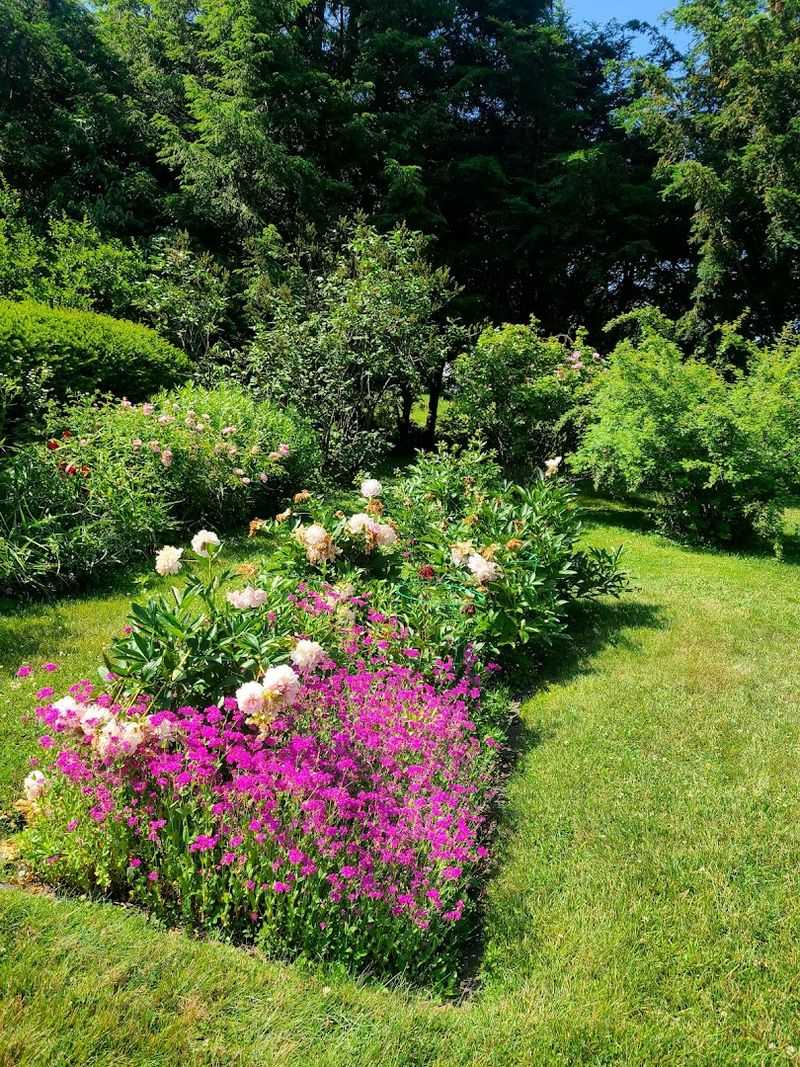
Spring is widely considered the most visually rewarding season, particularly when the lilac bushes are in bloom. The scent alone during peak lilac season tends to be one of the most memorable parts of the visit for many guests who make the trip specifically for that experience.
Late spring into early summer also brings the rose bushes into color, adding warmth and fragrance to the formal garden areas.
Summer visits offer a fuller, leafier version of the grounds with more shade from the mature trees, which can make the outdoor portions of the visit more comfortable on warm days.
Fall shifts the palette toward golden and amber tones as the deciduous trees begin to turn.
The property is open Thursday through Sunday from 12 to 4 PM, so planning around those hours is essential before making the drive. Seasonal conditions and garden maintenance levels may affect what visitors find on any given day.
5. Where History And Nature Meet Beautifully
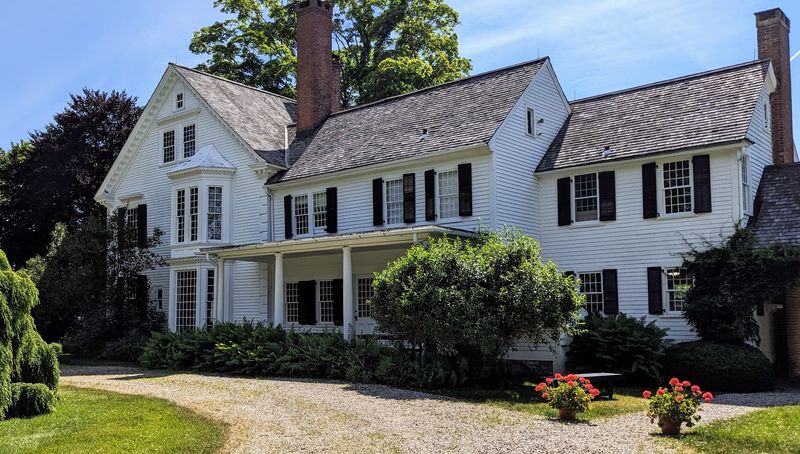
The property traces its roots back to its early days as a theological seminary, a fact that gives the land itself a sense of purpose that goes beyond typical estate history.
Over the generations, the property shifted from institutional use to private family life, and those transitions left their mark on both the architecture and the landscape.
The connection to the Ferriday family adds another layer of historical weight to the visit. The family’s humanitarian work, particularly the efforts made on behalf of women who suffered during World War II, is woven into the guided tour in a way that feels genuinely moving rather than detached.
That context transforms the house from a collection of antique rooms into something with real human stakes.
Outside, the garden and grounds reflect a similar blending of purpose and beauty. Plantings that were chosen with intention generations ago now exist alongside the natural growth of time, creating a landscape that feels neither purely wild nor purely formal.
The result is a property where history and nature seem to have reached a quiet, comfortable agreement with each other.
6. A Peaceful Stop For Slow Wandering
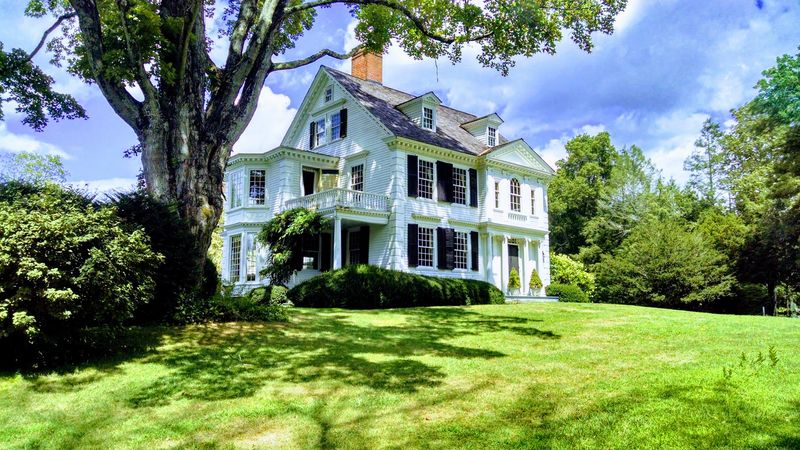
A worthwhile trip does not always need a packed schedule or a long list of things to do. Some places work best when visitors arrive without a checklist and let the property set the pace of the afternoon.
The Bellamy-Ferriday House and Garden has exactly that kind of rhythm. Quiet grounds, easy paths, and a gentle historic atmosphere encourage visitors to slow down, look closer, and enjoy the details instead of rushing from one stop to the next.
The mood leans more toward reflection than constant activity, which is part of what makes the visit feel so calming. It is the kind of place where a simple stroll, a pause near the garden, or a few extra minutes under the trees can become the best part of the day.
For those who enjoy slow travel or mindful wandering, the property offers a natural setting that feels genuinely removed from the noise of busier attractions.
The combination of old trees, planted beds, and a historic structure in the background creates an environment where it is easy to stay longer than originally planned.
Benches and open lawn areas provide spots to pause and take in the surroundings without feeling like the visit needs to keep moving.
Nothing here demands a map or a strategy, and the unhurried layout allows visitors to double back, linger near favorite spots, or simply stand still for a moment without feeling out of place.
7. What Makes The Grounds So Photogenic
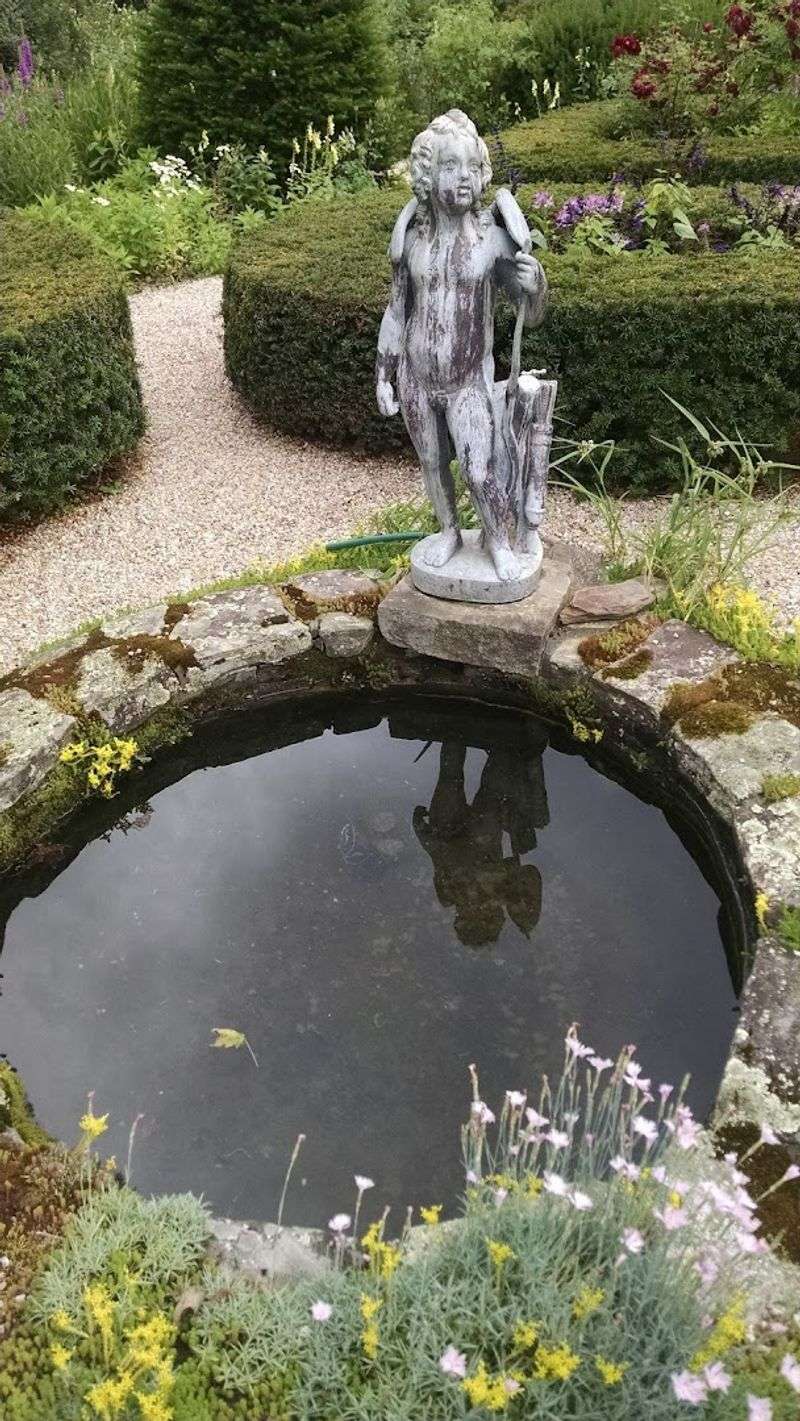
Old architecture and layered plantings give this garden a natural gift for photography.
The visual depth builds quickly, with the historic house facade in the background, tall hedges shaping the middle ground, and the close-up textures of roses, lilacs, and moss-covered surfaces adding richness in the foreground.
Even on overcast days, the soft light filtering through the tree canopy tends to create gentle, flattering conditions for photos.
The property has been used as a backdrop for styled photo shoots, which speaks to the natural visual appeal of the grounds. The mix of structured garden elements like boxwood borders and informal plantings creates a variety of compositions within a relatively compact space.
Visitors do not need to travel far across the grounds to find multiple distinct backdrops for photos.
Inside the house, photography is not permitted during the guided tours, which keeps the focus on the experience rather than documentation. Outside, the garden and surrounding property are open for photography during visiting hours.
Arriving during the golden hour before the 4 PM closing time could offer particularly warm and atmospheric light across the grounds, though conditions naturally vary by season and weather.
8. Where To Find This Hidden Bethlehem Gem
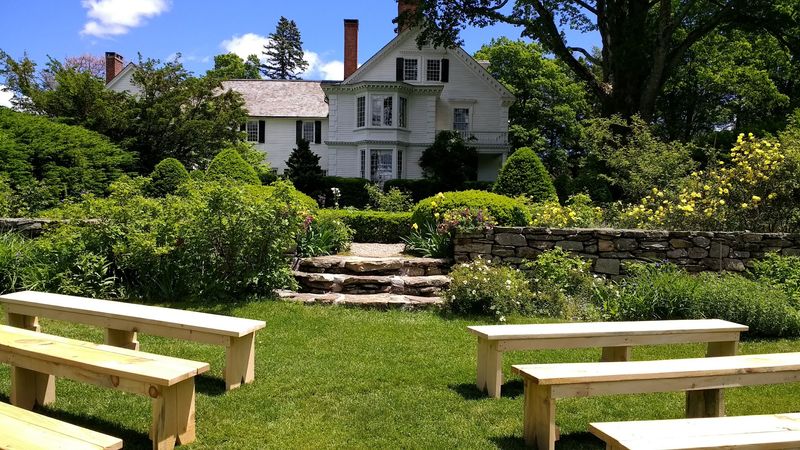
Finding the Bellamy-Ferriday House and Garden is straightforward once you know where to look, though the property sits quietly enough along its road that it can feel like a discovery even when you are heading there on purpose.
The museum is located at 9 Main St N, Bethlehem, CT 06751, and the surrounding village of Bethlehem adds to the overall feeling of stepping away from the usual pace of life.
The drive through the rural landscape leading into town is itself a pleasant part of the experience.
Parking is available on the property, making arrival by car the most practical option for most visitors. Public transportation options to Bethlehem are limited, so planning a personal vehicle trip is advisable for those coming from outside the immediate area.
The address is easy to locate using standard navigation apps, and the property is well-signed once you reach the town center.
Open hours run Thursday through Sunday from 12 to 4 PM, with the property closed Monday through Wednesday.
Admission fees apply for the guided house tour, and it is worth confirming current pricing and any seasonal scheduling changes directly through the official website before visiting.
9. Perfect For Garden Lovers And History Fans
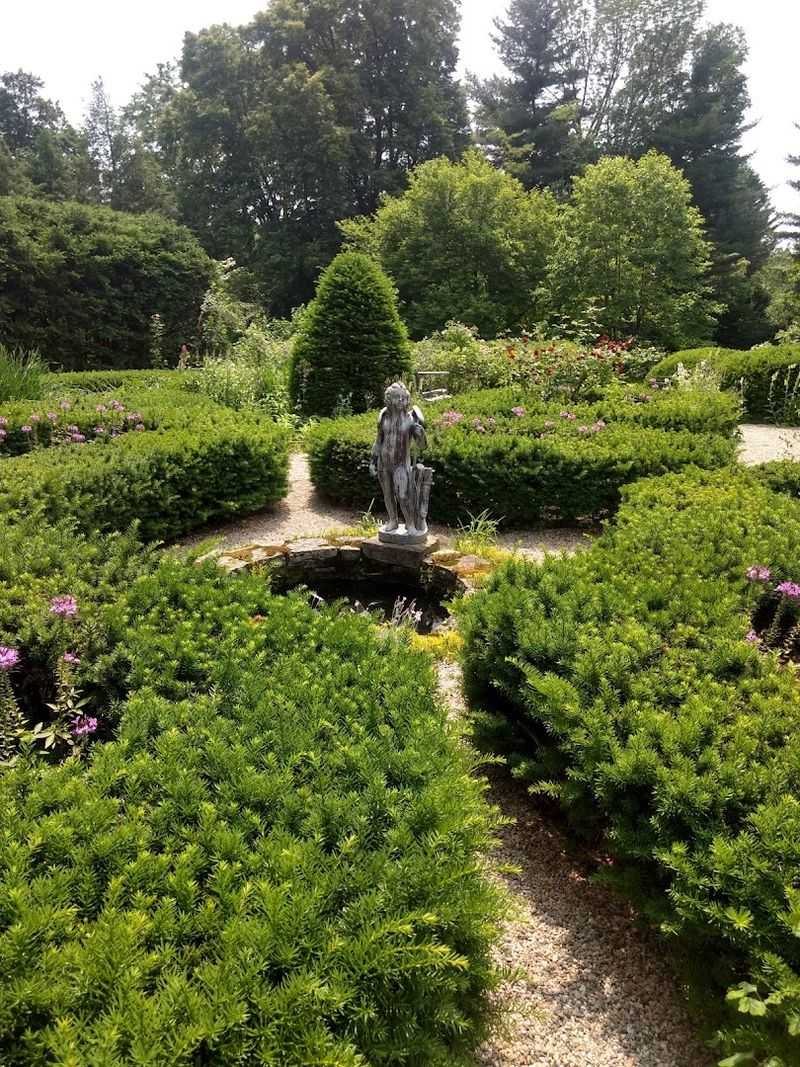
Garden enthusiasts will find the seasonal plantings, lilac collections, and rose borders worth exploring, while history-minded visitors will find the guided house tour dense with fascinating detail about the families who shaped the property over generations.
The guided tour covers not just the architecture and furnishings but also the humanitarian legacy connected to the Ferriday family, which gives the visit an emotional depth that goes well beyond typical house museum experiences.
For anyone who has read books connected to the Ferriday story, walking through the actual rooms and grounds adds a tangible dimension to that reading experience.
The house tour and garden visit complement each other in a way that makes doing both feel natural rather than like two separate activities.
Children and adults tend to find different things to appreciate here, which makes the property a reasonable choice for mixed-age groups with varied interests. The pace of the visit is flexible enough to accommodate those who want to linger in the garden and those who prefer to focus on the interior history.
10. Why It Feels Like A Step Back In Time
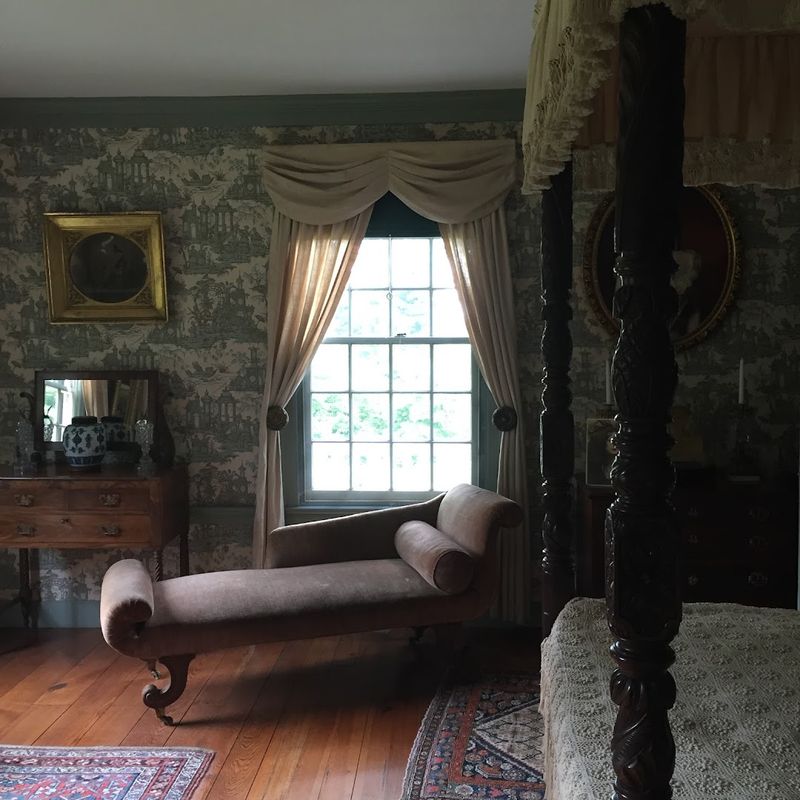
The rooms include furnishings, antiques, and personal objects tied to the families connected with the property, which makes the interior feel more intimate than a reconstructed period display. Instead of feeling staged, the space carries the warmth of a home with real stories behind it.
The architectural details also reflect the house’s long history, from its early connection to Reverend Joseph Bellamy and his theological work to its later life as a private residence.
Those layers are visible in the structure, furnishings, and small details throughout the rooms, and the guided tour helps point out elements that visitors might otherwise miss.
The house rewards curiosity without overwhelming it.
Outside, mature trees and established garden plantings add to the feeling of history. The landscape feels settled rather than newly arranged, with paths, shaded areas, and seasonal blooms creating a quiet sense of continuity.
Together, the house and grounds create a setting where the past feels present in a natural, believable way.