This Magnificent Missouri Museum Displays World-Class Art Masterpieces You Can Visit For Free
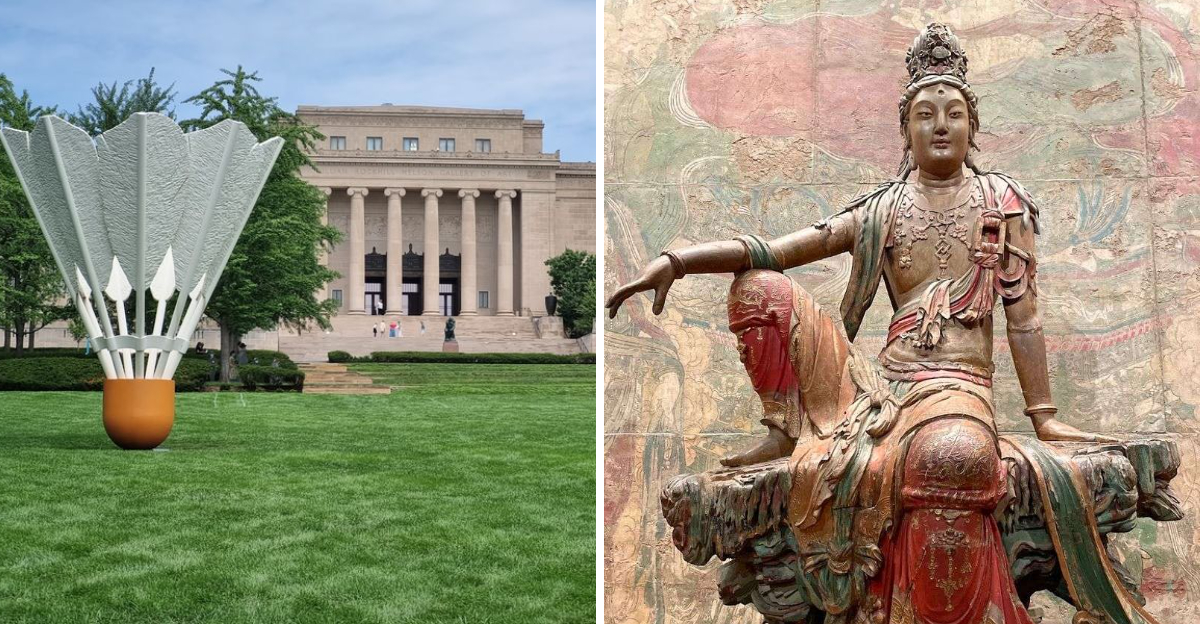
Four giant badminton shuttlecocks are lying on a lawn in Kansas City, Missouri. The artists decided the museum building would serve as the net.
Somebody approved that idea. Somebody then wrote the check.
Kansas City has never once apologized for it.
You would assume a place with that sense of humor charges accordingly. It does not, and that is the genuinely lovely part.
General admission is free, which reads like a clerical error until you learn it has been fully deliberate for decades.
Inside sits one of the three best Asian art collections on the planet. That sentence is worth rereading, because it does not say one of the three best in Missouri.
It says the entire planet.
Bring a picnic and abandon any hope of leaving on schedule. Check which galleries are open first, since part of the building is under construction this year.
The shuttlecocks are not going anywhere.
A Kansas City Crown Jewel
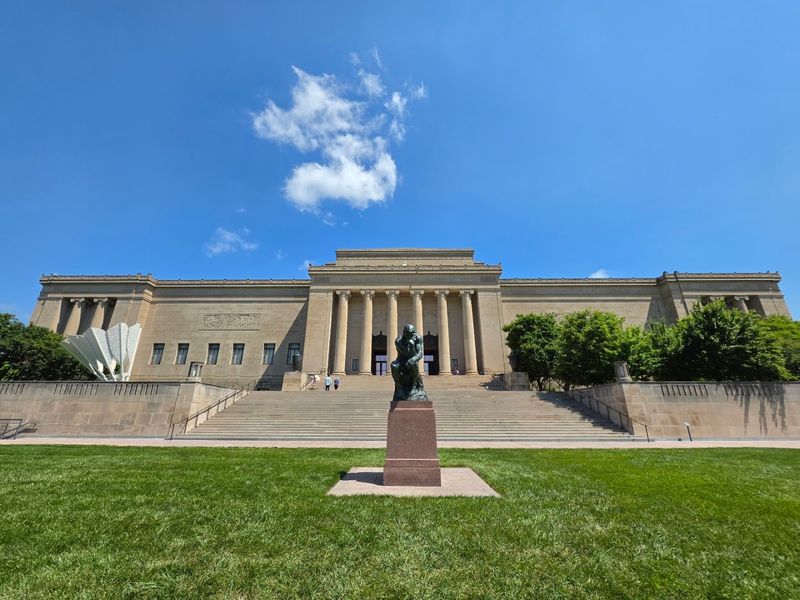
Few museums in America carry the kind of quiet confidence that the Nelson-Atkins Museum of Art does. This institution has been welcoming visitors since 1933.
The building itself is neoclassical and bold. Massive stone columns greet you at the entrance like a formal handshake from history.
The lawn out front features four giant shuttlecock sculptures by Claes Oldenburg. They are playful, unexpected, and completely unforgettable.
Inside, the collection spans more than 33,500 works of art. That number covers thousands of years of human creativity across dozens of cultures.
General admission is free every single day. You only pay for special ticketed exhibitions, which rotate throughout the year.
The museum draws over 400,000 visitors annually. People travel from across the country to experience what Kansas City quietly built over decades.
First-time visitors often say they planned to stay an hour. Most end up staying three or four without noticing.
Located at 4525 Oak St, Kansas City, Missouri, this is the kind of place that earns a second visit before you have even finished your first.
Ancient Egyptian Collection That Feels Like Time Travel
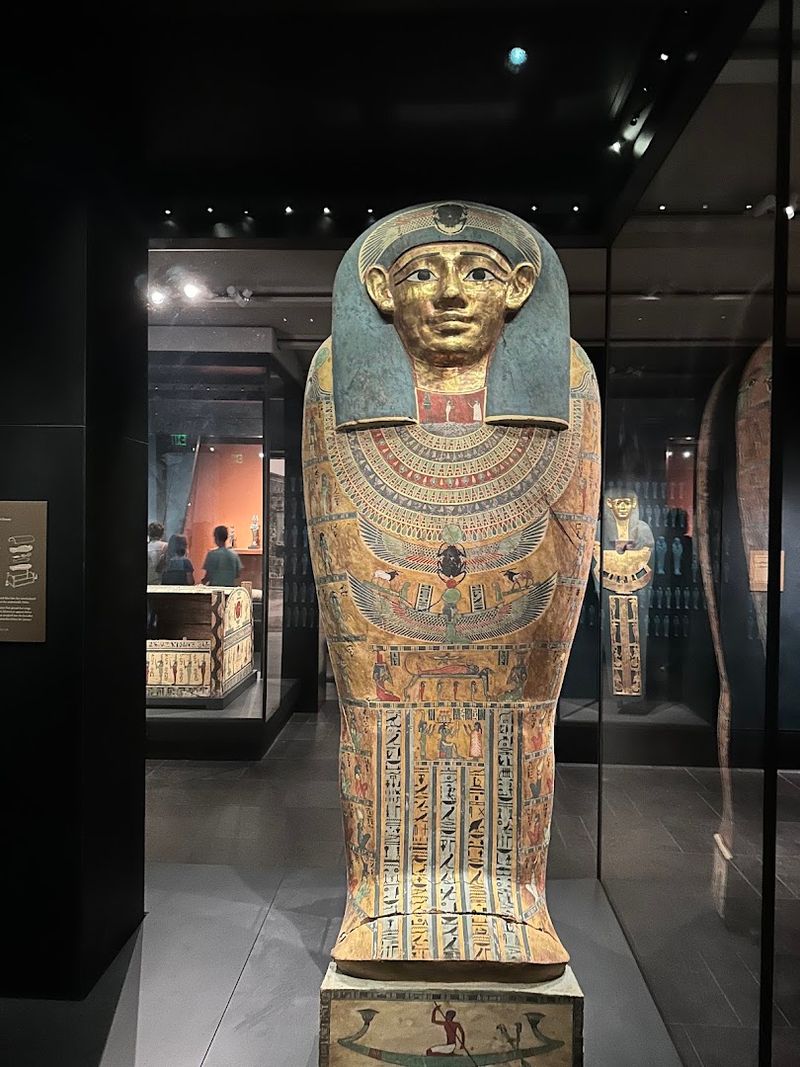
Walking into the Egyptian galleries at Nelson-Atkins feels like the temperature drops a degree or two. The atmosphere shifts, and suddenly you are surrounded by objects that are thousands of years old.
The collection includes mummies, funerary objects, and carved stone reliefs. Each piece was made by hands that lived in a world completely unlike ours.
One of the most striking displays is the ancient coffin collection. The detail on the painted surfaces is astonishing, especially considering the tools available at the time.
Kids tend to freeze in place when they see a real mummy up close. Adults do too, honestly, they just pretend otherwise.
Informational panels throughout the gallery explain the significance of each object. Nothing feels overwhelming or overly academic.
The museum has worked carefully to present these pieces with cultural respect and historical context. That thoughtfulness makes the experience richer.
You leave knowing more than you arrived with, which is the whole point. Few collections in the Midwest rival what Nelson-Atkins has assembled here.
Plan at least thirty minutes just for this wing alone.
European Paintings That Rival The Big Names Abroad
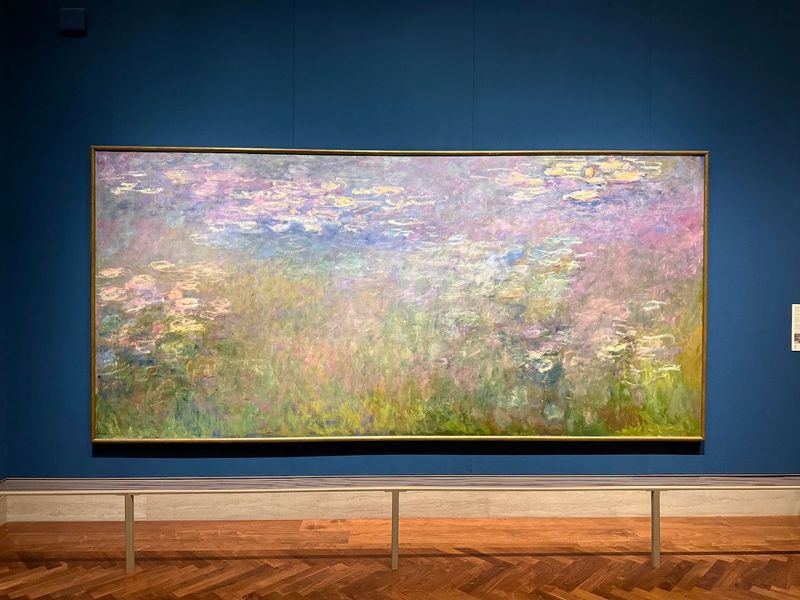
You do not need to fly to Paris or Amsterdam to see serious European painting. The Nelson-Atkins has built a European collection that holds its own against far more famous institutions.
Works by Caravaggio, El Greco, and Rembrandt hang in these galleries. Seeing originals in person is a completely different experience from seeing them in a textbook.
The light in these rooms is carefully controlled to protect the paintings. That same soft light makes the colors look exactly as the artists intended.
Standing in front of a Rembrandt portrait, you notice things no photograph captures. The texture of the paint, the warmth in the subject’s eyes, the sheer age of the canvas.
The collection also includes strong French Impressionist works. Monet, Pissarro, and their contemporaries are represented with real quality.
These are not second-tier pieces kept here because better museums did not want them. The curators at Nelson-Atkins made deliberate, smart acquisitions over many decades.
Art students come here regularly to study technique firsthand. That says something about the caliber of what is on display.
Budget a full hour for the European galleries alone.
Modern Architecture Meets Modern Art
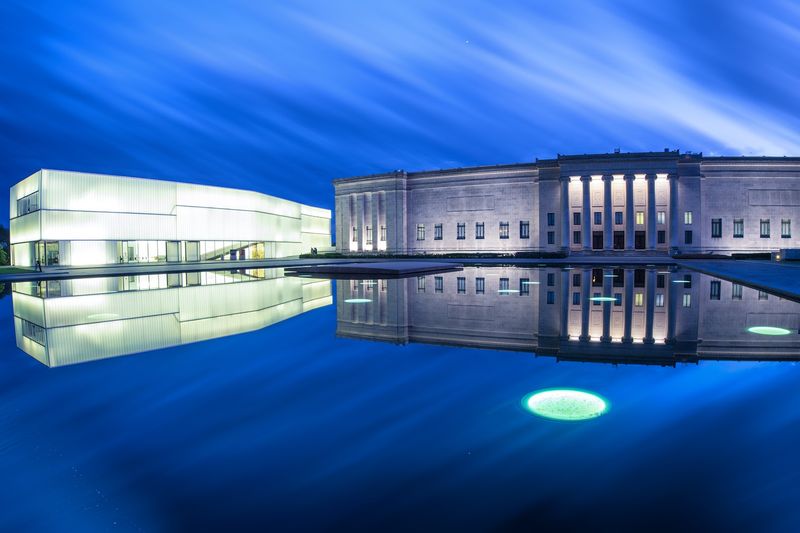
The Bloch Building extension opened in 2007 and immediately changed the conversation about what a museum could look like. Architect Steven Holl designed it as a series of glass lenses that emerge from the ground like glowing blocks at night.
During the day, natural light filters through translucent walls into the galleries below. The effect is calm, almost meditative, and entirely unlike a traditional museum space.
The building houses the contemporary art collection. You will find photography, video installation, sculpture, and mixed media works spread across the lower level galleries.
The architecture itself is considered a work of art. It has appeared in architecture publications worldwide and earned Holl significant critical recognition.
Walking between the old neoclassical building and the Bloch extension is genuinely interesting. Two very different design philosophies sit side by side without competing.
The underground connection between both buildings is seamless. You move from one era of art to another without stepping outside.
First-time visitors often spend more time looking at the building than they expected. That is by design, and it works beautifully.
The Bloch Building alone is worth the trip to Oak Street.
Asian Art Galleries With Remarkable Depth And Range
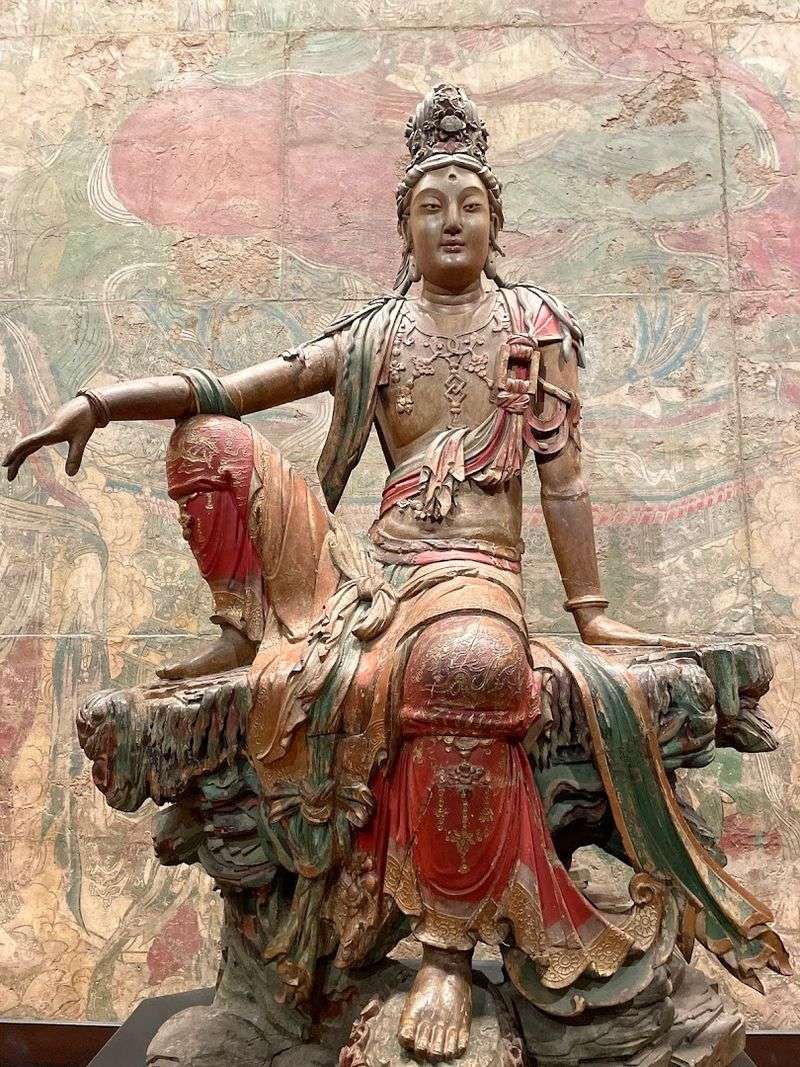
The Asian art collection at Nelson-Atkins is one of the most respected in the entire country. That is not an exaggeration, scholars and curators from major institutions regularly cite it as a benchmark.
Chinese painting and ceramics anchor the collection with extraordinary range. Pieces span from the Han Dynasty through the twentieth century, covering over two thousand years of artistic evolution.
The Japanese galleries include painted folding screens that are genuinely breathtaking in scale. Standing in front of them, you understand immediately why these were considered luxury objects.
Buddhist sculpture from across Asia fills several dedicated spaces. The craftsmanship in these pieces reflects both deep religious meaning and extraordinary technical skill.
The museum acquired much of this collection during the early and mid twentieth century. Many pieces entered the collection through thoughtful donations and careful scholarship.
Labels and interpretive materials throughout the Asian galleries are well-written and accessible. You do not need a background in art history to appreciate what you are seeing.
Children are often more drawn to this section than parents expect. The variety of objects and cultures keeps curiosity moving forward naturally.
This collection alone justifies a dedicated visit.
The Sculpture Garden
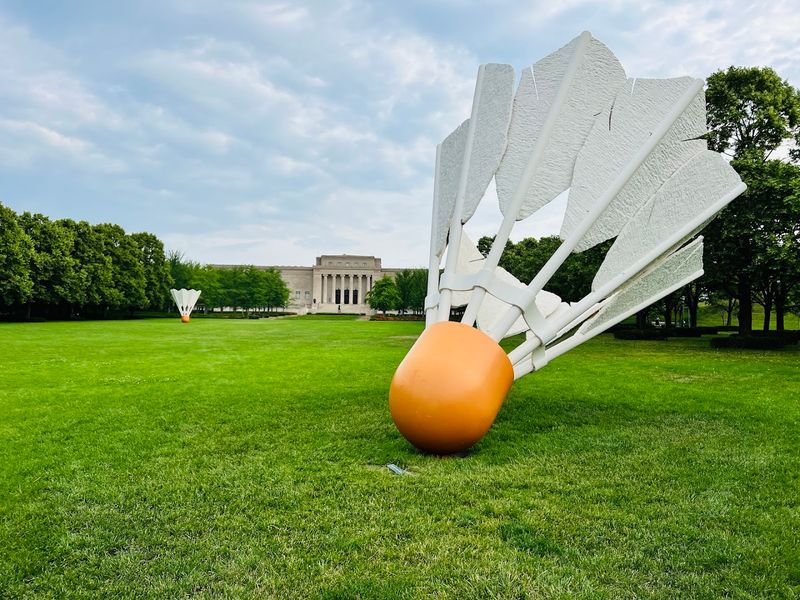
Some of the best art at Nelson-Atkins is not inside at all. The Donald J.
Hall Sculpture Park wraps around the grounds and gives large-scale works the space they actually need.
The four giant shuttlecocks by Claes Oldenburg and Coosje van Bruggen are the most photographed objects on the property. Each one stands around eighteen feet tall and lands on the lawn at different angles.
Seeing them for the first time produces a specific kind of delight. You smile before you even realize it, which is exactly what great public art should do.
The grounds also feature works by Henry Moore, whose large bronze figures interact beautifully with the natural landscape. His pieces feel like they belong outdoors rather than in a gallery.
The lawn is open and well-maintained, making it a comfortable place to sit and take everything in. Families spread out on the grass regularly during warmer months.
The sculpture park is free to access at any time during museum hours. No ticket required, no reservation needed.
It connects the museum to the surrounding neighborhood in a way that feels genuinely welcoming. This is public art doing exactly what it should.
Photography Collection That Tells Real American Stories
Photography often gets treated as the younger sibling of the fine arts. At Nelson-Atkins, it gets the serious treatment it deserves, with a collection that spans the entire history of the medium.
The museum holds significant works from documentary photographers who captured American life across the twentieth century. These images carry weight that painted portraits sometimes cannot match.
Seeing a large-format photograph printed and mounted properly changes how you read the image. Details emerge that a screen simply cannot reproduce at that scale.
The collection includes works from both celebrated masters and lesser-known practitioners. That balance gives the photography galleries a sense of discovery that keeps you moving forward.
Rotating exhibitions bring new photographers into the space throughout the year. Returning visitors often find something completely fresh on each visit.
The curatorial team at Nelson-Atkins has been particularly active in collecting contemporary photography. That forward-thinking approach keeps the collection relevant and alive.
Photography is also one of the most accessible entry points for younger visitors. It connects history, storytelling, and visual art in a single frame.
This section consistently surprises people who did not expect to spend much time here.
Free Admission Policy That Makes Art Truly Accessible
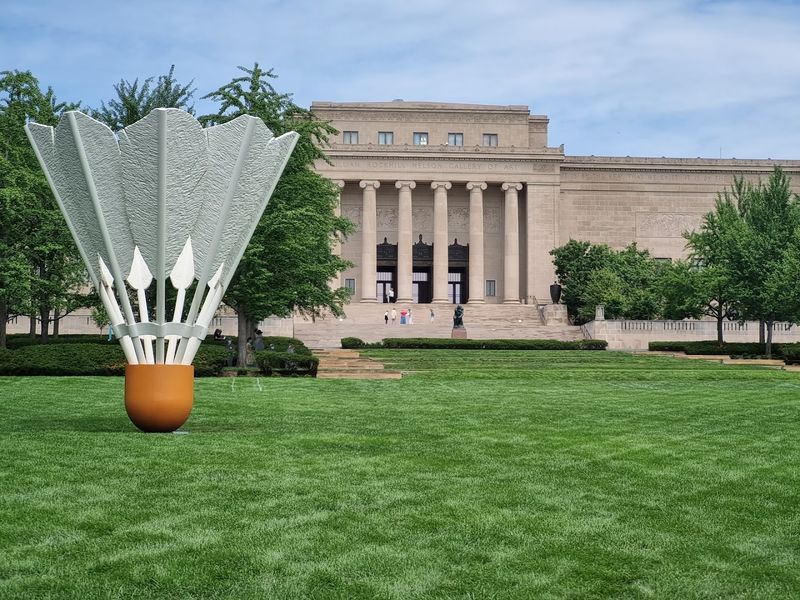
Free museum admission sounds simple, but the impact it has on a community is enormous. At Nelson-Atkins, the decision to keep general admission free is a genuine commitment to public access.
You do not need to plan around a budget or feel guilty about leaving after an hour. That freedom changes how you move through the space and how often you return.
Schools from across Kansas City and surrounding counties bring students here regularly. For many of these kids, it is their first encounter with original works of art.
The free model also means locals treat the museum like a neighborhood resource. People stop in on a Saturday afternoon the same way they might visit a park.
Special ticketed exhibitions do carry a separate fee, but the permanent collection always remains free. That permanent collection alone is worth visiting dozens of times over.
The museum is open Tuesday through Sunday with extended hours on certain evenings. Checking the schedule before you go helps you plan around any special programming.
Parking is available on-site and nearby, making the visit straightforward for families arriving by car. The whole experience is designed to remove barriers, not create them.
That philosophy is exactly what a great public museum should stand for.