This Maryland Seafood Shack Has Served Chesapeake Favorites For Generations
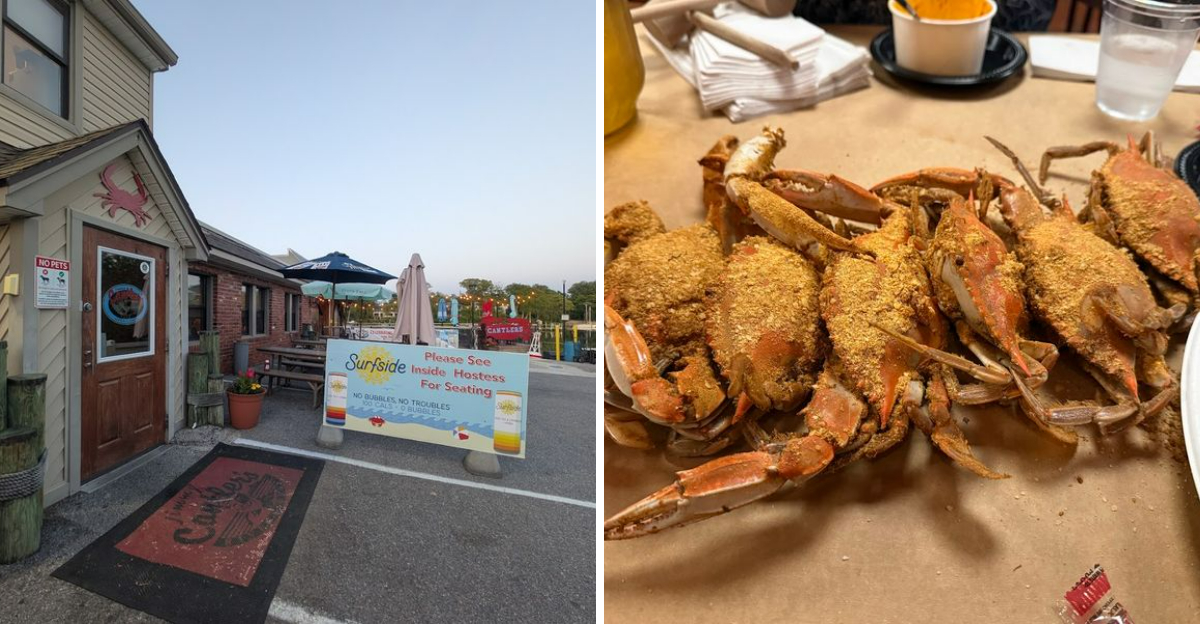
Some places earn their reputation one crab at a time. I found this one almost by accident, drawn off a quiet riverside road by a smell so good I forgot where I’d actually been headed.
Brown paper covered every table, mallets sat within reach, and the sound of shells cracking filled the air like some kind of rhythm section. Maryland has fed generations of families on recipes like this, passed down without ever being written on paper.
An older woman at the next table told me her grandfather used to bring her here as a kid, and nothing on the menu had changed since. That kind of consistency feels rare these days.
I left with stained fingers, a full stomach, and a strange sense of having tasted something bigger than a meal. Maryland keeps its best traditions exactly where they belong, right at the water’s edge.
A Family Legacy Rooted In The Chesapeake Bay
Five generations of one family have lived and breathed the Chesapeake Bay. That kind of history does not happen by accident.
It takes patience, hard work, and a deep respect for the water.
The founder grew up on this very land. He worked as a waterman on the Bay before opening the restaurant in 1974.
Fifty years later, the spirit of that origin still shapes every plate that leaves the kitchen.
Reader’s Digest previously recognized Cantler’s Riverside Inn as one of Maryland’s standout traditional restaurants. That is not a small thing.
It means the food, the setting, and the soul of the operation all came together in a way that stood out nationally.
Cantler’s Riverside Inn, located at 458 Forest Beach Road, Annapolis, MD 21409, carries that legacy proudly. The place is not trying to impress anyone with fancy decor.
It impresses through consistency, freshness, and a genuine connection to where it all began.
Steamed Hard Shell Crabs Done The Right Way
Nothing tests a seafood spot quite like its steamed crabs. Get that wrong, and nothing else really matters.
Get it right, and people will drive an hour just to sit at your tables.
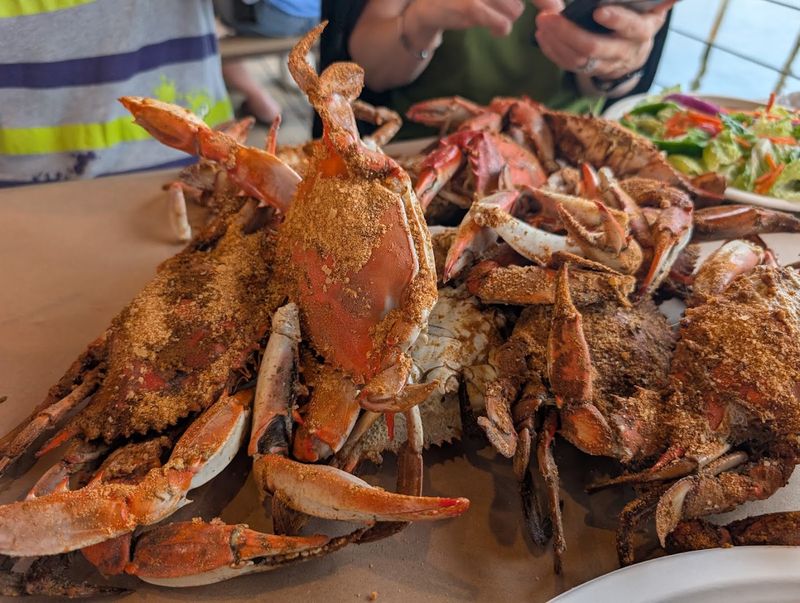
The crabs here are steamed to order and landed directly on brown butcher paper. They come loaded with J.O. crab seasoning, which gives them that bold, peppery, slightly salty crust.
Butter and vinegar are available on request.
No fork needed. You get a mallet and a cracker, and the rest is up to you.
There is something genuinely satisfying about working for your meal with your hands.
During Maryland crab season, which runs from April to December, local watermen bring their catch straight to the docks. In colder months, crabs are sourced carefully from Gulf States like Louisiana and Texas.
The result is fresh, well-seasoned crab year-round, priced daily on chalkboards so you always know what you are getting before you order.
The Menu Goes Far Beyond Just Crabs
Crabs get all the glory, but the full menu tells a much bigger story. Over the decades, the kitchen has grown into something genuinely impressive.
There is enough variety here to satisfy anyone at the table.
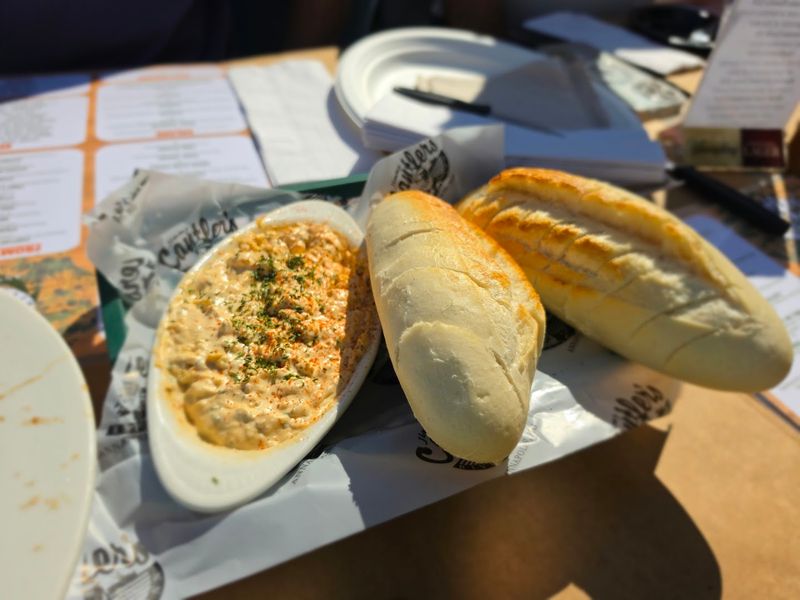
The crab dip served with French baguettes is creamy and rich. Blackened Rockfish Bites make a bold, flavorful starter.
Maryland lump crab cakes, available broiled or fried, are consistently popular for good reason.
Rockfish, which is Maryland’s official state fish, shows up grilled, fried, blackened, or broiled. The Cream of Crab soup is thick and satisfying.
Maryland Crab soup is a lighter, brothier option that still delivers serious flavor.
For something more filling, the Jimmy’s Crab Feast combo brings snow crab legs, mussels, clams, and shrimp together in one generous spread. Soft shell crabs, often held in on-site shedding tanks until they molt, are deep-fried and served as platters or sandwiches.
Every section of the menu rewards curiosity.
Soft Shell Crabs Raised Right On The Docks
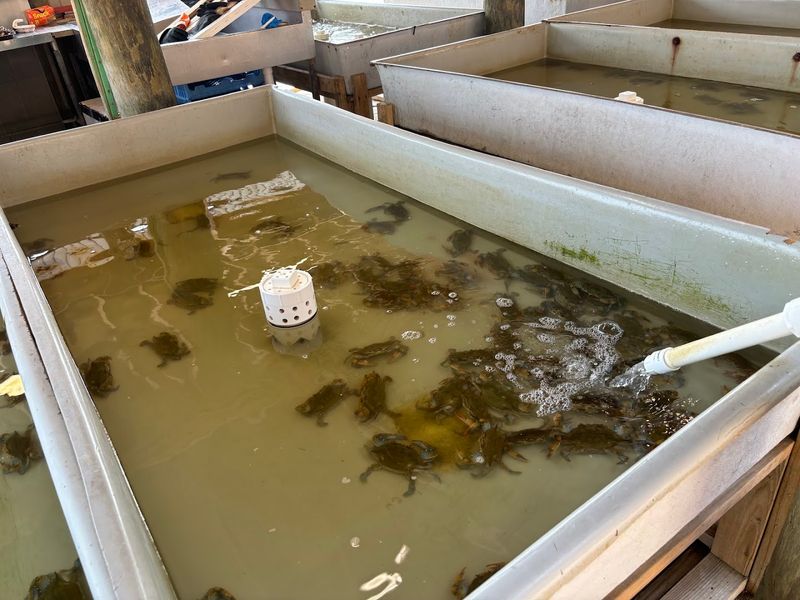
Soft shell crabs have a short window, and most restaurants treat them as a seasonal afterthought. This place takes them seriously enough to raise them right on the property.
That alone tells you something about the commitment level here.
When a blue crab sheds its hard shell, there is a brief period where the entire crab is edible. Catching that moment requires constant attention.
The sloughing bins below the restaurant hold crabs at various stages of molting, and staff monitor them closely.
Visitors can actually walk down and watch the process. It is oddly fascinating, especially if you have never seen a crab mid-shed.
Kids tend to find it completely mesmerizing.
Waterfront Views That Make the Meal Even Better
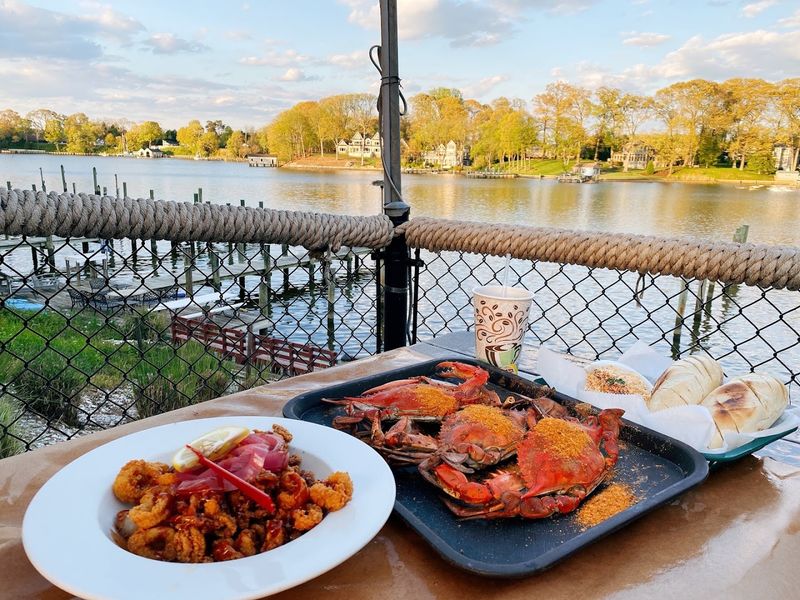
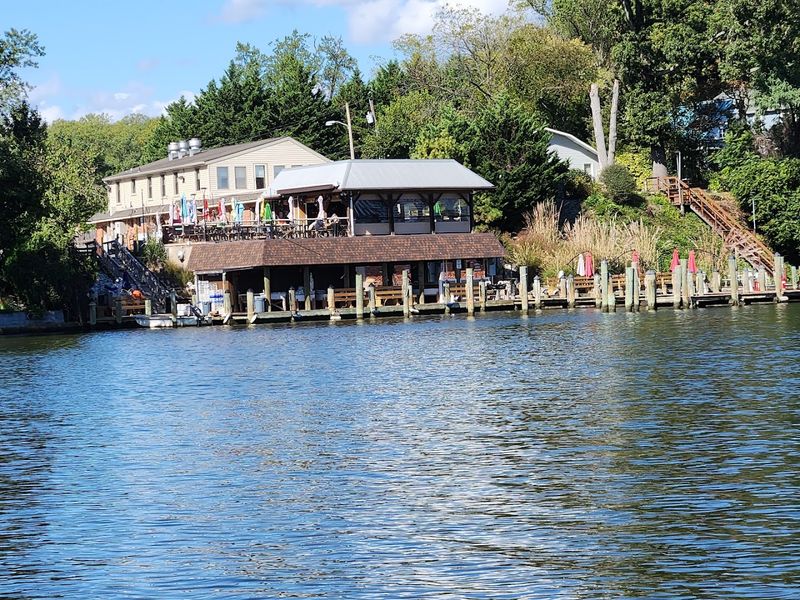
The location on Mill Creek is genuinely beautiful. Mill Creek is a quiet offshoot of Whitehall Bay, and the water sits calm and close.
You can feel the breeze off the creek even on a warm summer afternoon.
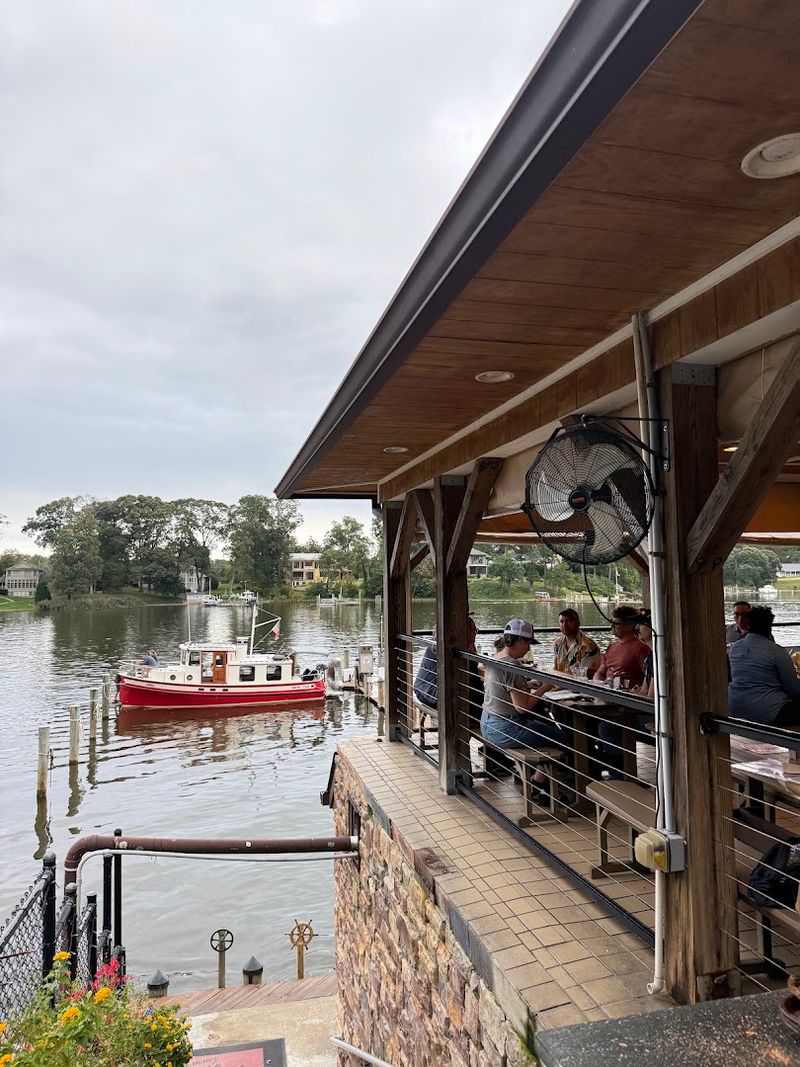
Seating options include long rows of laminated tables indoors or wooden picnic tables outside. Many of the outdoor spots offer a clear waterside view.
Choosing where to sit honestly feels like half the fun.
Boats can pull right up to the dock, and the restaurant offers free dockage for anyone arriving by water. That detail alone makes it feel like a true Chesapeake experience rather than just another seafood restaurant near the water.
The interior stays clean and comfortable, with a relaxed atmosphere that gradually fills with the aroma of seasoned crabs and fresh seafood. There is no dress code, no pretension, and no pressure.
The vibe is firmly come-as-you-are, which makes it work perfectly for families, couples, and groups of friends who just want a good meal with a great view.
A Living Piece Of Chesapeake Bay History
Most restaurants put artwork on the walls. This place has something far more interesting.
Modest display cases hold actual artifacts pulled from the Chesapeake Bay by a local waterman named Billy Crook.
Antique clay pipes, old bottles, and other Bay-found objects line these cases. They are not grand museum pieces.
They are quiet, personal reminders of the long human relationship with this stretch of water.
Below the restaurant, along the waterside bulkhead, sit the sloughing bins where crabs shed their shells. Another bin nearby gives a glimpse of local sea life, including eels, sand crabs, and turtles.
It is an unexpected little attraction that adds real character to the visit.
None of this feels staged or manufactured for tourists. It grew organically out of a family that has lived on this water for generations.
The artifacts, the bins, the dock, the view all connect back to the same idea. This is a place that actually belongs here, rooted in the Bay’s culture in a way that cannot be replicated or rushed.
Planning Your Visit Without The Guesswork
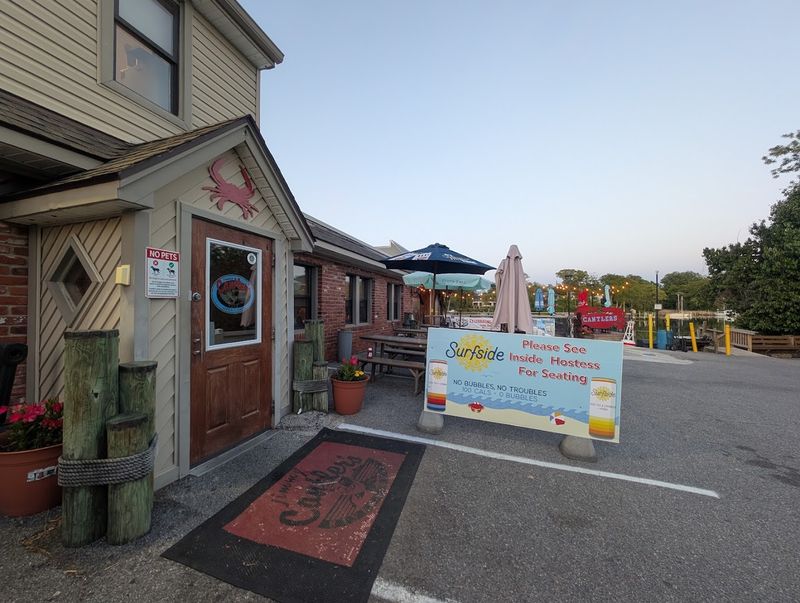
Getting there requires a bit of intention. The restaurant sits along Forest Beach Road in a somewhat secluded spot, and parking can get tight on busy days.
Carpooling is genuinely a smart move, especially on weekends.
Hours run Sunday through Thursday from 11 AM to 10 PM, and Friday through Saturday from 11 AM to 11 PM. The place is open year-round, which means there is no bad season to visit.
Winter visits are quieter and surprisingly cozy.
Reservations are only accepted for groups of 25 or more, and only Monday through Thursday. Everyone else gets seated on a first-come, first-served basis.
Arriving early, especially on weekends, makes a real difference in how long you wait.
Crab prices change daily and are posted on chalkboards at the entrance. You can order by the dozen, half dozen, or even as a single crab.
The phone number is 410-757-1311 if you need to check availability or ask about the day’s pricing before making the drive out.
Why The Chesapeake Crab Season Actually Matters
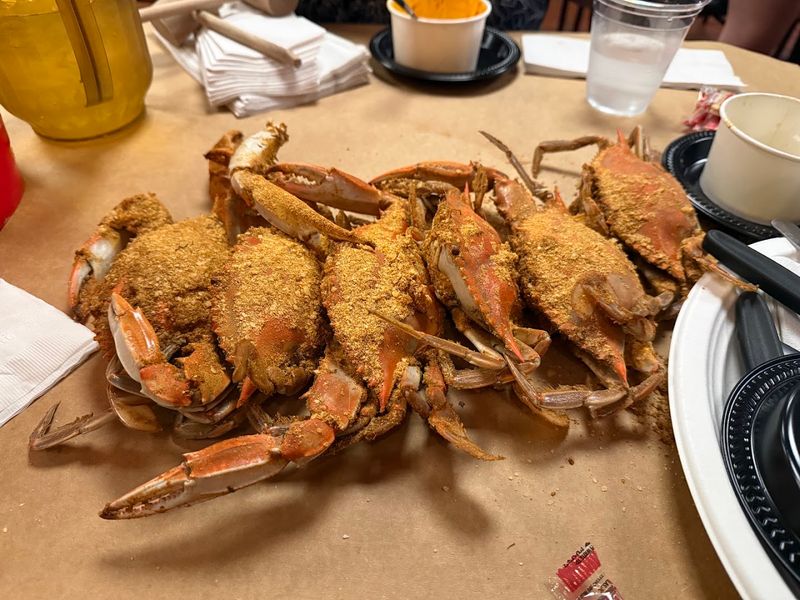
Maryland crab season runs from April to December, and that timeline shapes everything about the experience here. During peak season, local watermen bring their catch directly to the docks.
It does not get much fresher than that.
Blue crabs from the Chesapeake have a distinct flavor that reflects the salinity and ecology of the Bay. That flavor is not something you can replicate with crabs shipped from far away.
Regulars notice the difference immediately.
When the season ends, the kitchen sources crabs carefully from Gulf States like Louisiana and Texas. The goal is to maintain quality without compromising the experience.
It is a practical solution that keeps the menu consistent through the colder months.
Understanding the season also helps with expectations. Late summer and early fall tend to produce the heaviest, meatiest crabs.
Visiting during that window, if possible, gives you the best shot at the most satisfying experience. The chalkboard pricing reflects supply and quality daily, so you always know what the day’s catch looks like before committing to an order.
What Keeps People Coming Back Year After Year
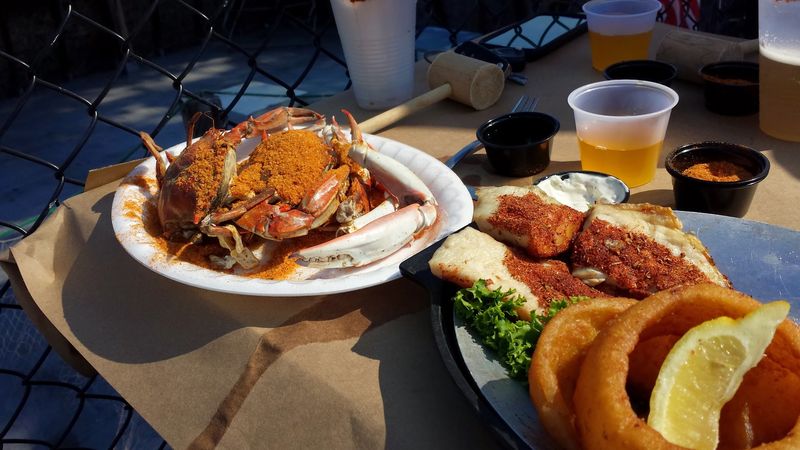
Repeat visits are the truest measure of a restaurant’s worth. This spot earns them consistently, even from people who have to drive well out of their way to get there.
That kind of loyalty takes years to build.
The combination of fresh seafood, an honest atmosphere, and a waterfront setting creates something that is hard to find elsewhere. There are no gimmicks here.
The food does the talking, and the setting does the rest.
Families bring kids who grow up and bring their own kids. The experience of cracking crabs by hand on butcher paper is the kind of memory that sticks.
It is tactile, communal, and genuinely fun in a way that a plated restaurant dinner rarely is.
No restaurant is perfect every single day, but this one shows up consistently enough to earn deep loyalty. Once you have had a proper crab feast on that deck with the creek behind you, it becomes very hard to settle for anything less.