This Massachusetts Reuse Store Is A Treasure Trove Of Secondhand Craft Supplies
Before buying another box of supplies, imagine what is already sitting unused in someone else’s closet.
One Massachusetts reuse store turns that question into an entire shopping experience.
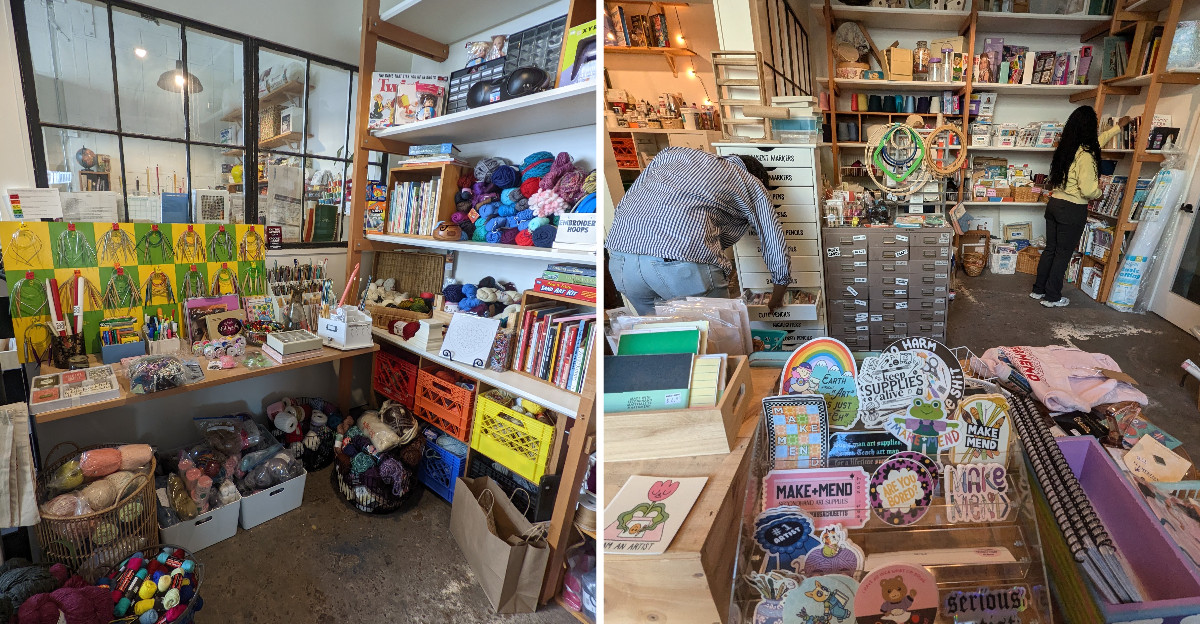
Shelves hold art and craft materials that still have plenty of life left in them. Fabric, paint, beads, yarn, paper, tools, and odd leftovers appear in changing combinations.
That unpredictability keeps browsing interesting. It also makes creative experiments feel less expensive.
You can try a new medium without committing to a full-price haul.
The best part is practical and satisfying at once: useful materials stay in circulation, and someone else gets to make something new from them.
A Shop Born From One Artist’s Frustration With Waste
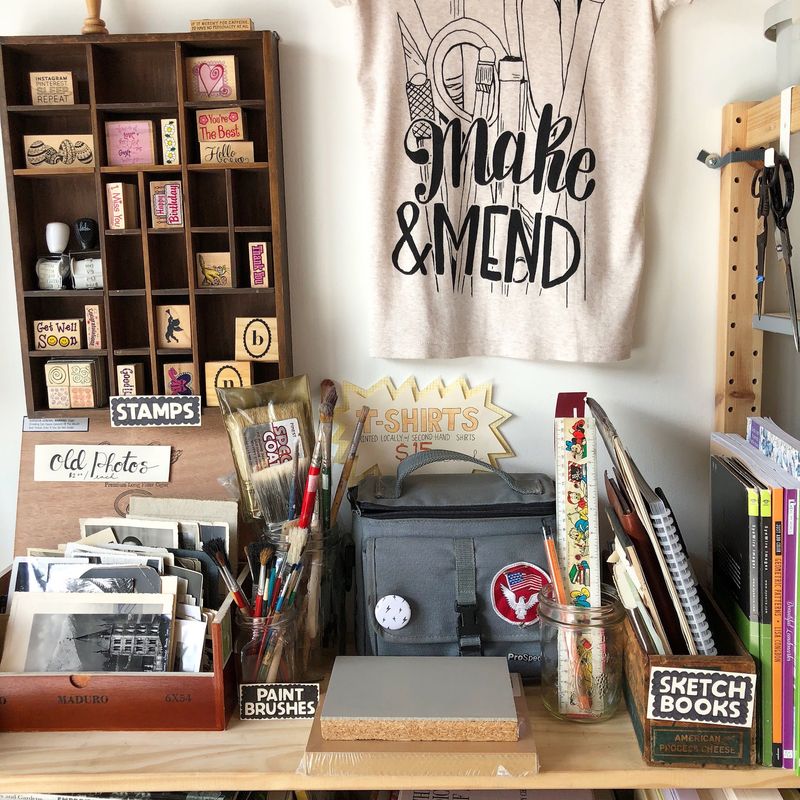
Make & Mend began in 2017 after Somerville artist Emily Tirella saw how costly reusable art materials could be for students.
Her time at MassArt also exposed how often usable supplies were left without an easy path to reuse.
Her answer was Make & Mend, a shop built around collecting unwanted creative materials and getting them into the hands of folks who will actually use them.
The name says a lot about the philosophy. Making things matters, and so does fixing what you already own instead of replacing it.
The mission goes further than saving money, though that is a big part of it. Tirella wanted to knock down the financial wall that keeps many people from trying art in the first place.
Beginners can experiment with unfamiliar materials without committing to buying an entire new set of supplies.
Reducing waste sits right alongside that goal. Redistributing usable supplies helps reduce waste within the art-making process.
Community rounds out the picture. Neighbors donate, neighbors shop, and the same materials keep circulating through the same creative hands.
Fine Art Materials Without The Painful Price Tag
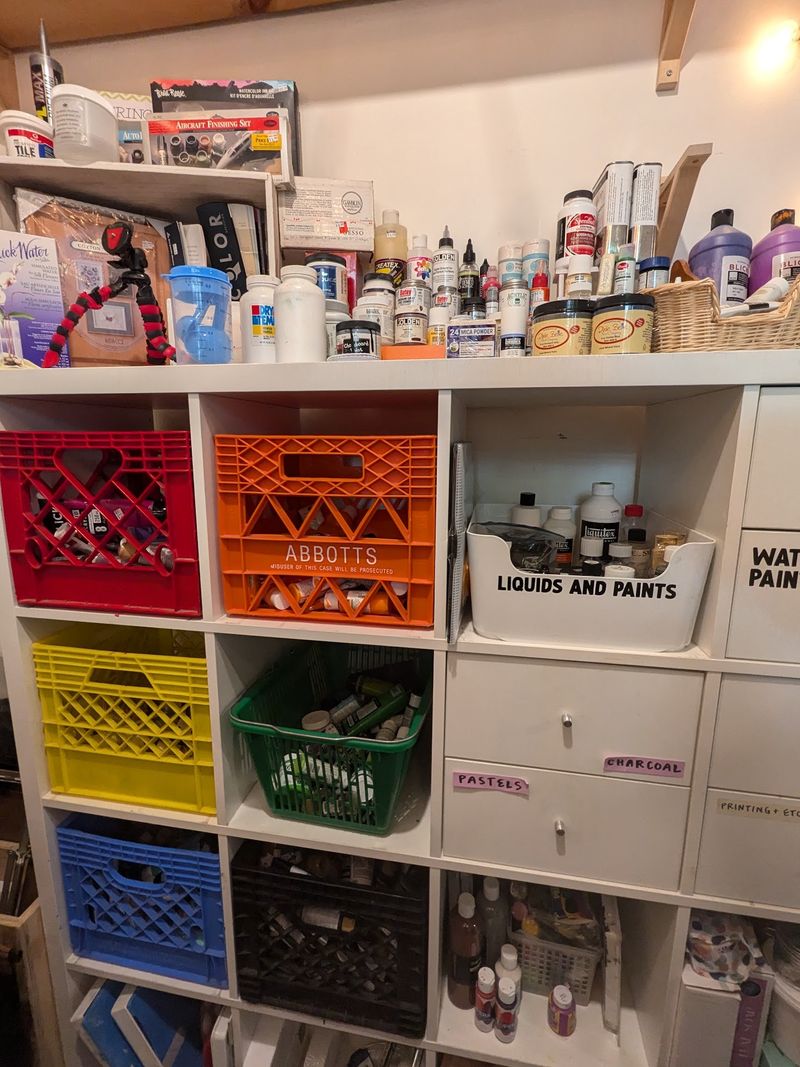
Walk toward the art section at 21 Hawkins St in Somerville, and you will find tubes of acrylic and oil paint lined up like soldiers, plus watercolor pans, pastels, charcoal, drawing pencils, markers, and bottles of ink.
Clean canvases, paintbrushes, printmaking tools, and crafting clay are all part of the accepted inventory.
Because the stock is secondhand, the exact selection and quantities can change. Specialty tools can appear whenever suitable donations come through the shop.
The shop prices secondhand supplies with the stated goal of making creative materials more accessible to beginners and experienced artists alike.
That is genuinely useful advice for anyone curious about a new hobby. Trying secondhand materials can lower the commitment involved in experimenting with a new medium.
Much of the secondhand stock comes through donations, so the available selection changes constantly. Condition varies from item to item because the shop accepts gently used as well as unused creative materials.
Bring an open mind rather than a strict shopping list. The people who love this place most are the ones who enjoy discovering something they did not know they wanted.
Yarn, Fabric, And Fiber Finds That Keep Knitters Coming Back
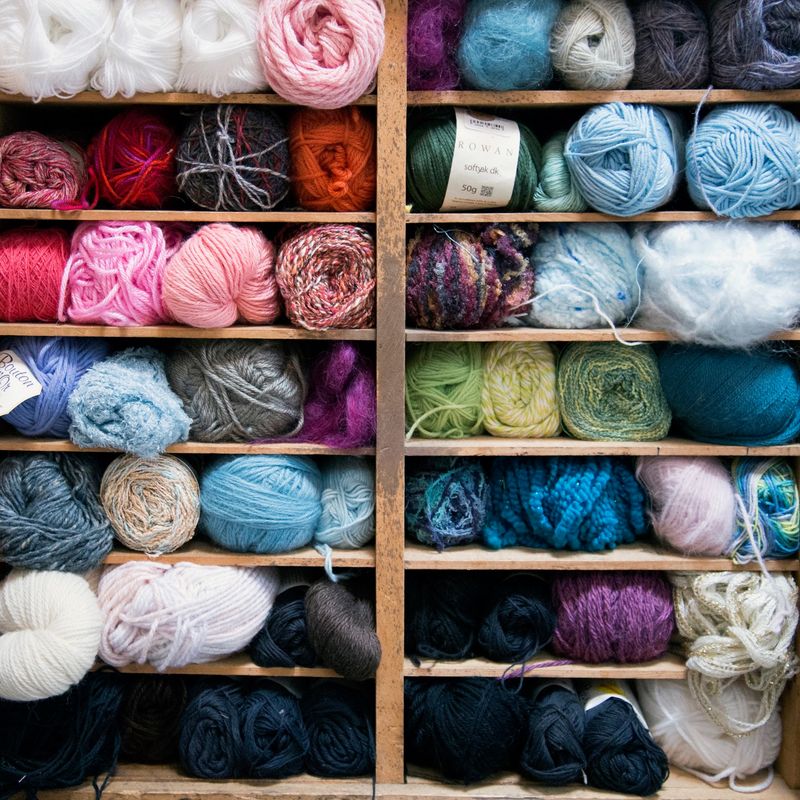
Fiber lovers tend to lose track of time here.
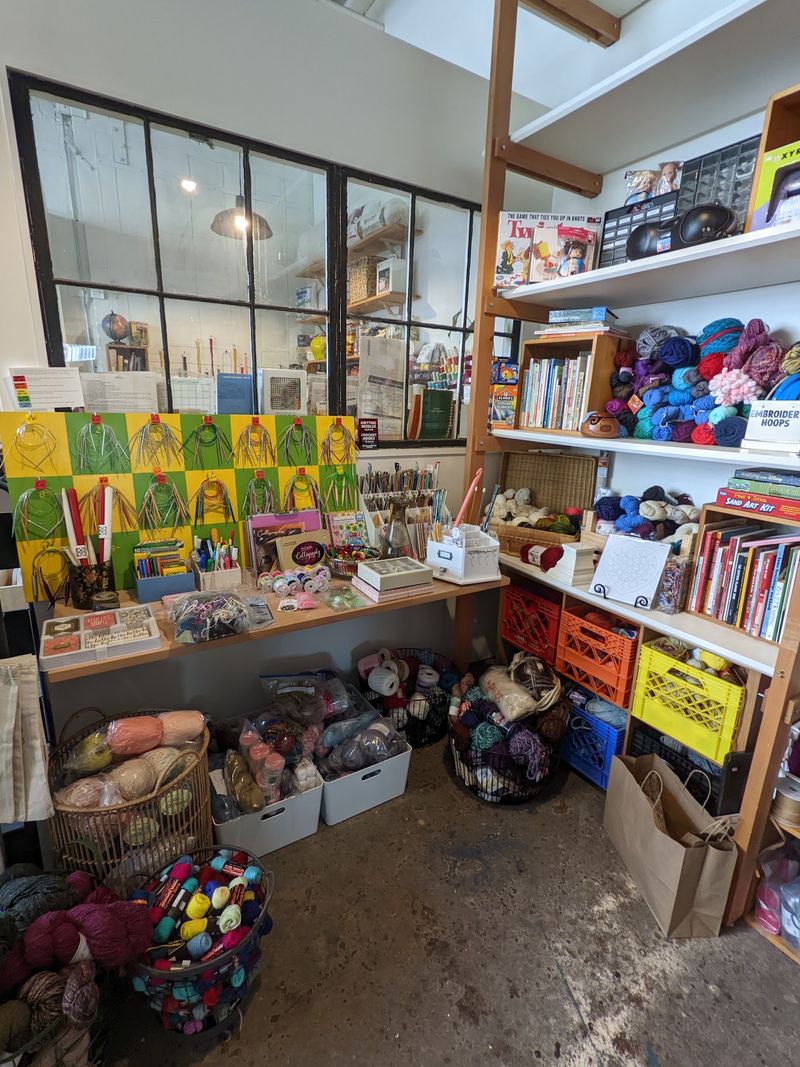
Yarn appears alongside thread, embroidery floss, knitting and crochet tools, notions, patterns, and other fiber supplies.
Fabric comes by the yard, in bundles, and as linens or quilts. Vintage cuts mix with modern prints, so a quilter hunting for something unusual has real odds of striking gold.
Current fiber inventory can include yarn, needles, crochet tools, embroidery supplies, fabric, and other donated notions. The exact mix changes as items sell and new material is processed.
Check individual skein labels carefully when fiber content or dye lot matters for a project. If matching matters for your project, check the skeins carefully before you commit.
Scrap fabric deserves a mention of its own. Need a patch for a torn jacket knee or a small piece for a repair? That is exactly the sort of thing the shop excels at supplying cheaply.
Some items are sold in bundles, meaning you pay for the whole lot. Factor that into your budget before heading to the register.
Stationery, Stickers, And Small Treasures For Paper People
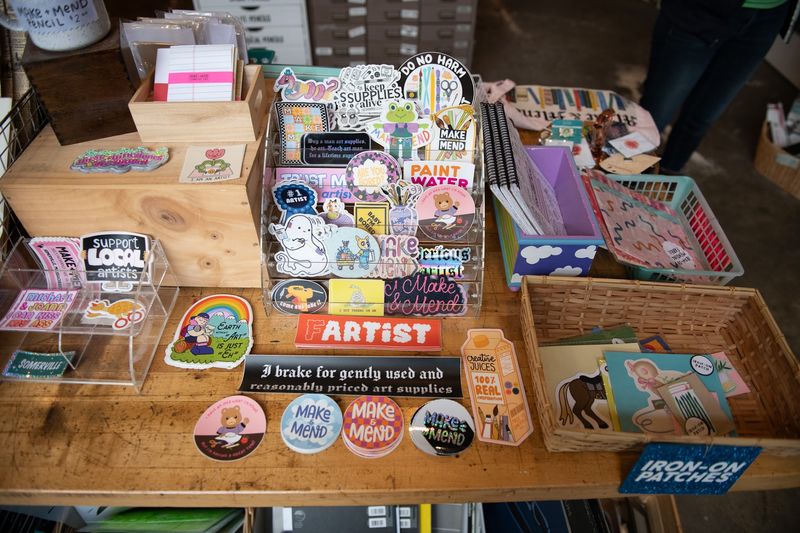
Paper fans, this corner is for you. Stamps, stickers, notebooks, scrapbooking supplies, and loose sheets of paper fill the stationery area, much of it barely used.
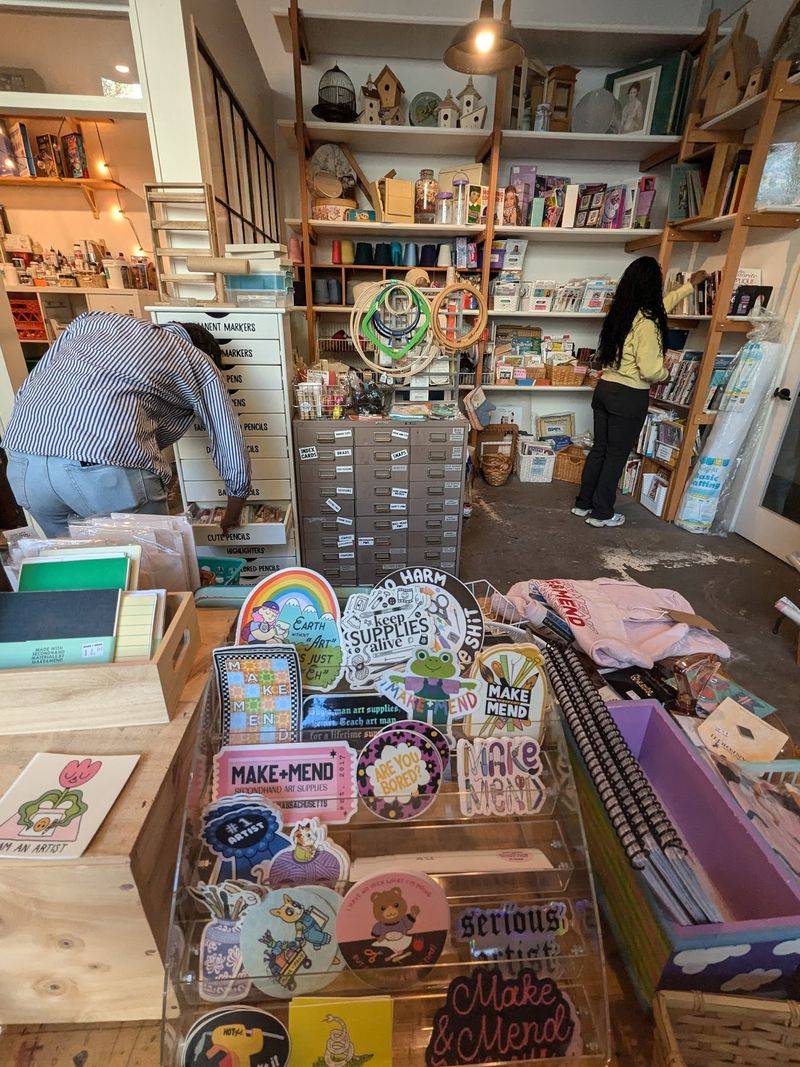
The shop also carries Make & Mend merchandise and selected artist-designed pieces alongside its secondhand goods.
Current inventory includes stickers, prints, and other small creative items in addition to donated supplies.
Stationery inventory can include tape, stamps, stickers, notebooks, envelopes, paper, and other embellishments. Those categories can also provide useful materials for journaling, classroom projects, and general crafting.
Stamps, stickers, art-related books, handmade books, and zines are all among the categories the shop accepts and resells.
Because inventory is donation-driven, no specific paper item is guaranteed to be available on a given visit. Current stationery categories range from cards and notebooks to stamps, stickers, envelopes, and paper.
The shop does not publish a preferred day of the week for in-person stationery shopping. Fresh online inventory is currently added every Friday evening.
The Supply Pantry And Basement Bargain Hunts
Not every trip needs to be an adventure.
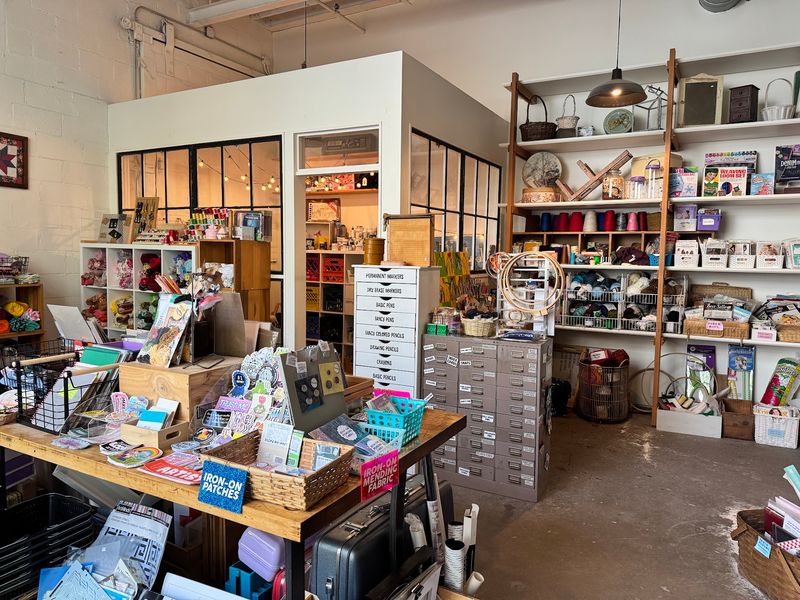
The Supply Pantry keeps lower-cost basics such as pencils, crayons, markers, envelopes, and other small supplies in regular rotation.
Pantry inventory is still subject to availability, even though it is designed around useful everyday materials. It is a smart middle ground between a thrift shop and a regular art store.
The basement continues to host occasional Fill-a-Bag events built around seconds, scraps, and overstock. A 2026 event was held there on April 18, confirming that the format remains active.
Worth knowing before you go: the basement is not wheelchair accessible. The main retail floor is, though the ramp is on the steep side, so plan accordingly or bring a friend.
Beads and jewelry-making supplies also live in this treasure-hunt category, along with art storage containers and vintage pieces that defy easy labeling.
Beads, jewelry-making supplies, storage containers, and other hard-to-categorize materials are all accepted inventory categories. Their availability changes with each round of donations.
Starter Kits Make New Hobbies Less Intimidating
Not every Massachusetts shopper arrives knowing exactly how to begin a new craft, and Make & Mend has a practical answer for that too.
Its current starter-kit collection bundles materials and simple guidance around projects such as needlepoint, hand sewing, embroidery, cross stitch, mending, and bead-based keychains.
That makes the shop useful for more than hunting through secondhand bins.
Someone curious about a technique can leave with a focused project instead of assembling every tool and supply from scratch without buying a full-size supply set.
The selection also includes small guide zines covering subjects such as needlepoint basics, clothing repair, and embroidery fundamentals. Designs change, with playful options ranging from animals and food motifs to tiny sewing projects.
These kits sit alongside the reused inventory rather than replacing it, giving beginners a more structured entry point when the shelves feel overwhelming.
They also make an easy choice for creative gifts because the recipient gets a defined project instead of a loose pile of materials.
Donating Your Own Craft Stash The Right Way
Yarn and many types of usable art paint are accepted when they meet the shop’s current donation guidelines.
Checking the live acceptance list first prevents bringing materials the store cannot use.
Donations arrive three ways: drop-off at the store, arranged pick-up, or shipped by mail. That flexibility helps people who live farther out or cannot carry heavy boxes.
There are rules, though, and following them saves everyone hassle. Fabric pieces need to be bigger than ten inches by ten inches, and the shop does not accept clothing, broken items, or holiday decorations.
Bringing more than one box or bag? Register in advance. Larger donations need advance coordination so staff can prepare for unloading and processing.
What makes the system work is the loop it creates. Your unused embroidery floss becomes someone else’s first project, and their leftover canvas might end up in your tote bag next month.
The Massachusetts shop’s stated mission combines affordable access to creative materials with reducing waste in the art-making process. That double benefit is the whole point.
Planning Your Visit: Hours, Parking, And Masks
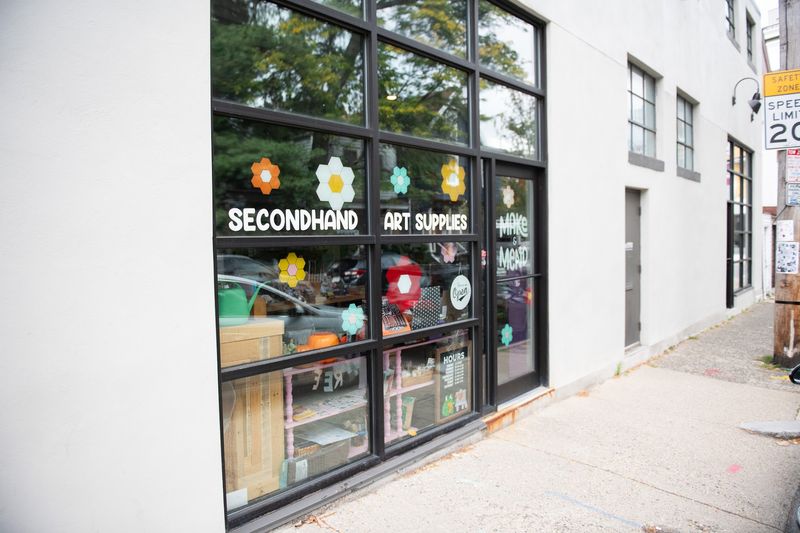
A little preparation makes this trip much smoother. Current posted hours are 11 AM to 6 PM Sunday through Thursday and 11 AM to 7 PM Friday and Saturday.
This Massachusetts store does not have on-site parking. Metered public spots exist on Somerville Avenue and around Union Square.
Taking the T or biking to Union Square spares you the frustration entirely. If someone can drop you at the door, even better, especially if stairs or long walks are difficult.
Masks are currently encouraged inside, and the shop says free ones are available. The latest visitor guidance no longer presents masking as a requirement for ordinary shopping.
Private shopping appointments can be arranged for anyone who is unable or unwilling to shop around unmasked customers.
This Massachusetts retail space is compact, so checking the current posted hours before leaving is the safest way to plan a visit.