This Massive Connecticut Quilt Shop Is Packed With Thousands Of Fabrics Under One Roof
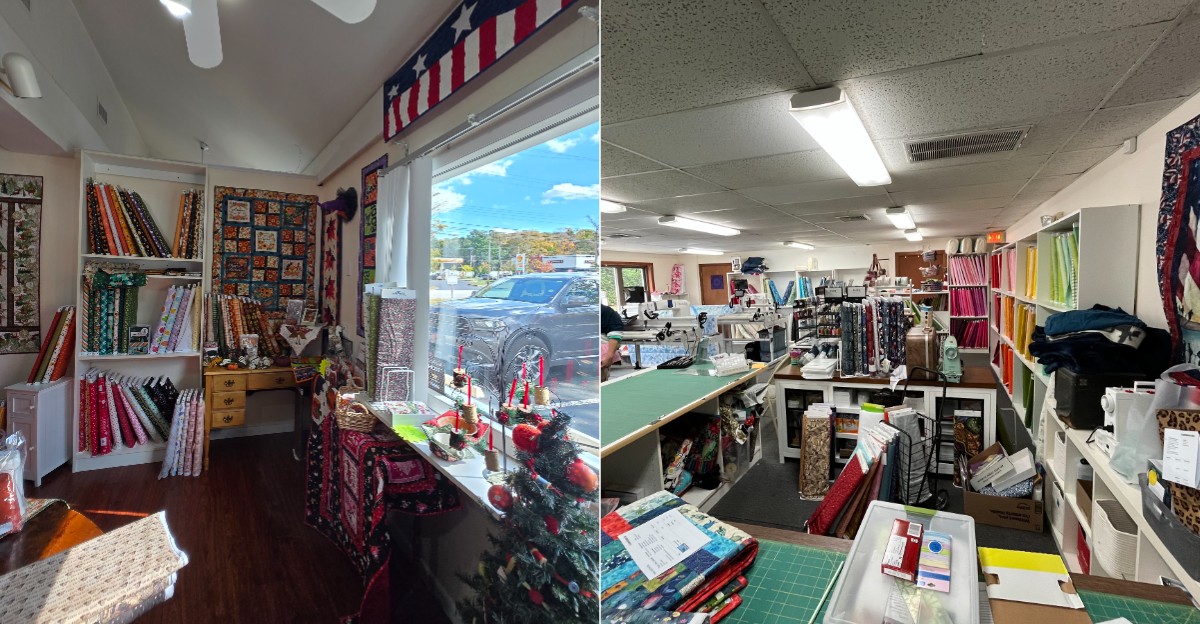
Fabric shopping can begin with one very innocent mission. You need a particular print for a project, nothing more.
Then an entire wall of possibilities ruins that sensible little plan.
Imagine having thousands of fabrics competing for your attention.
One aisle can spark an idea you never arrived with, while another makes the project waiting at home seem ready for a complete rethink. That abundance is what gives this Connecticut quilt shop such an irresistible browsing factor.
Quilters know the problem immediately. The exact fabric you need is satisfying to find, but the fabric you absolutely do not need is often much more exciting.
How many bolts can you inspect before forgetting what was originally on the shopping list?
Probably quite a few. With this much packed under one roof, choosing becomes part of the entertainment, and leaving with only what you intended might be the most ambitious project of all.
1. Thousands Of Fabrics Turn Browsing Into An Adventure
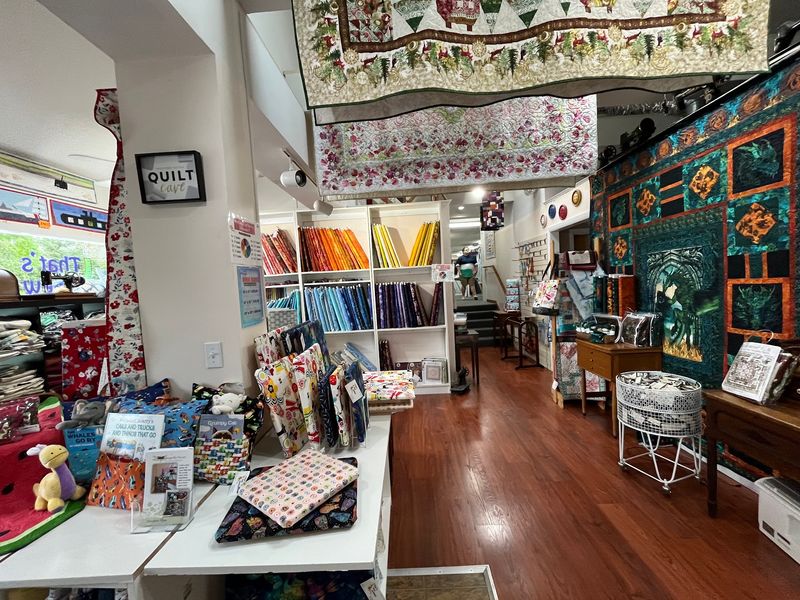
Fabric temptation gets serious here. One project can quickly turn into inspiration for the next when thousands of patterns, colors, and prints are competing for attention.
That’s Sew Debbie gives quilters plenty to browse, with fabric from familiar names such as Northcott, P&B Textiles, and Wilmington Prints filling the selection.
Bolts are arranged throughout the shop, making it easier to compare prints in person and discover combinations that might never catch your attention on a screen.
Bringing a pattern photo or fabric swatch can make choosing much easier. Colors sometimes look different under changing light, and holding potential matches together takes much of the guesswork out of planning a quilt.
It also helps to leave extra time for browsing. A quick fabric run can stretch considerably once an unexpected print or themed collection sends the project in a completely different direction.
Staff members can help narrow the choices when dozens of possibilities start competing for the same quilt. Color combinations, coordinating prints, and fabric selections become much easier to sort through with another opinion.
That guidance is especially useful for newer quilters who may still be learning how different scales and values work together.
The real challenge is sticking to the original shopping plan.
With this much fabric around, another project idea rarely stays away for long.
2. Colorful Bolts Fill The Shop From Wall To Wall
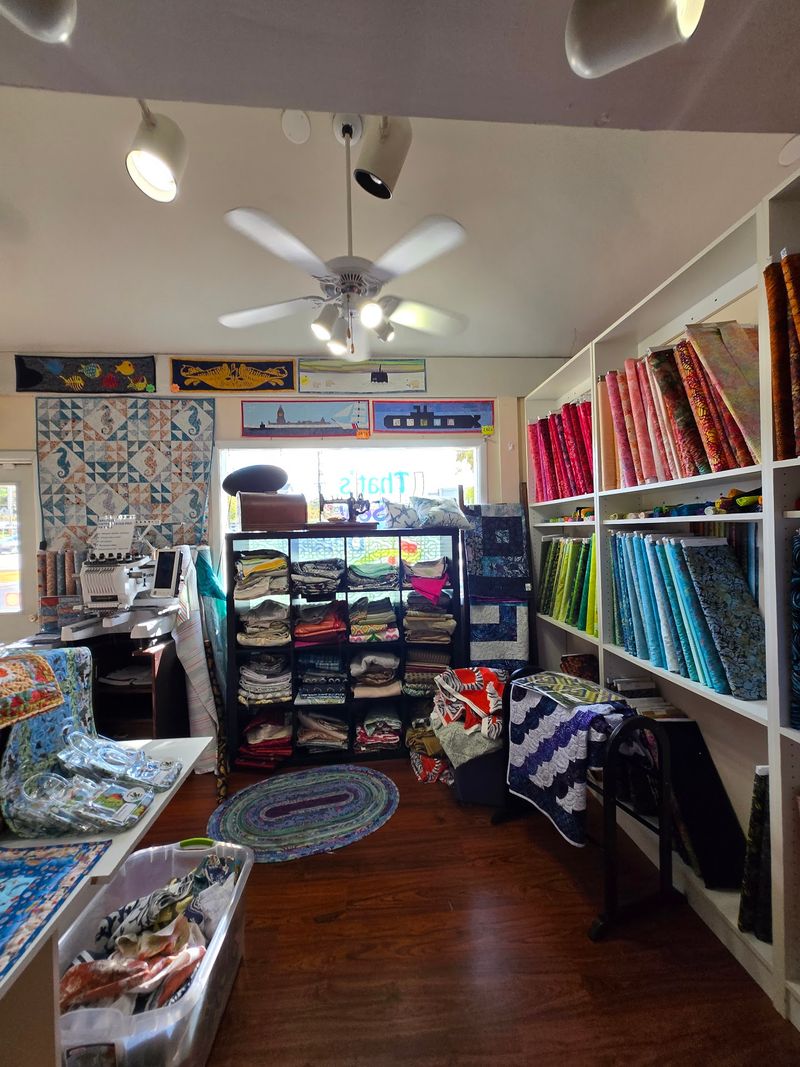
Color is the first thing that registers. Bolts run along the walls and continue onto freestanding shelving, grouped in ways that let your eye travel from deep reds through golds and into cool blues without much effort.
Arrangement like that is not just pretty, it is genuinely useful. When cottons sit side by side in color families, you can spot the exact shade of teal that pulls your blocks together instead of guessing from memory.
The shop also keeps specialty areas going year round, including a holiday room and a section devoted to children’s prints and patterns. Regular shoppers appreciate being able to buy Christmas fabric in July when that is when the sewing actually happens.
Texture plays a part too. Quilting cotton has a crisp, dry feel straight off the bolt, and running your hand along a stack tells you plenty about weight and weave before you commit to yardage.
Many people describe the atmosphere as calm and welcoming, which is a nice contrast to the visual busyness of all that fabric. Take a slow lap, note what catches your attention, then decide.
The bolts are not going anywhere, and neither is the good advice at the cutting counter.
3. Its Groton Location Draws Quilters From Beyond Town
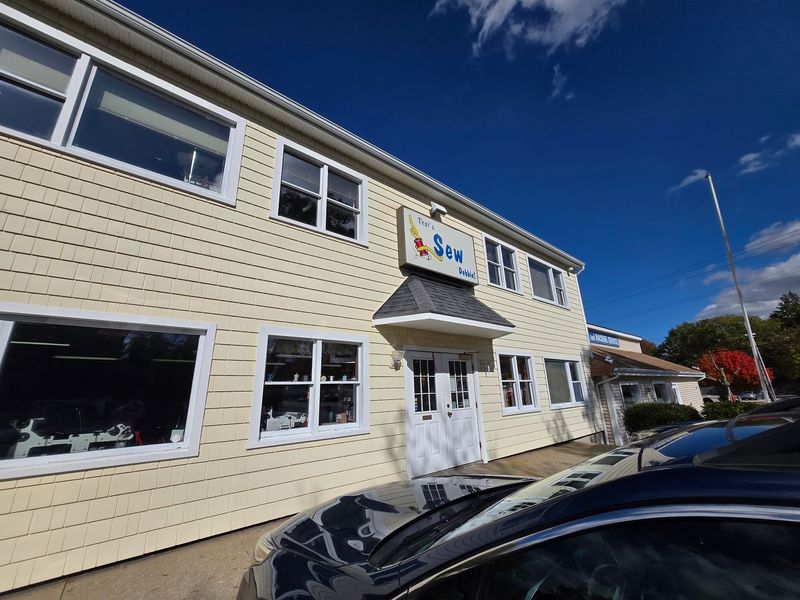
Quilters know a good fabric stop can justify a detour. That’s Sew Debbie gives them plenty of reasons to make one, combining serious shopping with hands-on sewing resources under the same roof.
The business opened in 2010 and later moved into its current Groton home. Over the years, it has grown beyond a place to pick up fabric.
Classes give sewers opportunities to build new skills, while machine services and longarm quilting resources make the shop useful long after the fabric has been chosen.
That broader setup attracts customers from around southeastern Connecticut and beyond. Someone starting a new quilt can browse materials, get help sorting through options, and learn more about the tools needed to finish the project.
Staff members are another important part of the experience. Shoppers regularly turn to them for help finding specific supplies, coordinating fabrics, or figuring out alternatives when something they wanted is unavailable.
The shop also fits easily into a day around Groton, Mystic, or New London, making it convenient for travelers already exploring the area.
That’s Sew Debbie operates at 301 Route 12 in Groton, with parking available directly outside. Hours vary throughout the week, and the shop is closed Sundays.
For quilting fans, this is much more than another fabric run.
4. Quilting Cotton Comes In Countless Patterns
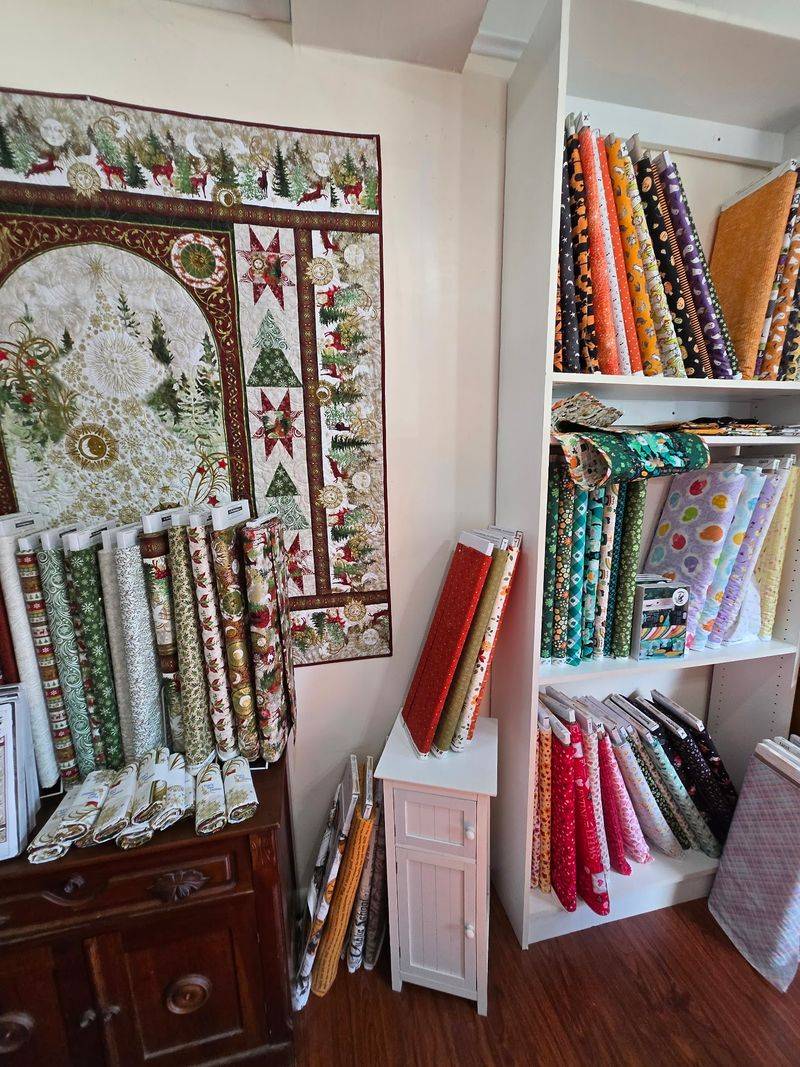
Pattern hunters, this is your section. Everything from soft florals to bold novelty prints lands here, and the range of 100 percent cotton keeps the shop useful for traditional quilts and playful projects alike.
Names on the bolts hint at the variety. Floral lines such as Lush Garden and Aqua Daisies sit alongside geometric options, while themed groups include an Old Time Christmas panel, Animal Alphabet, Baby Beluga, and coastal motifs that feel right at home this close to the shoreline.
Other prints carry names like Arcadia Blue and Alpine Winter, and Wilmington Prints collections show up throughout. Panels deserve special mention because they let a newer sewer build an impressive finished piece without cutting hundreds of small shapes.
Here is a helpful habit: photograph the selvage edge of anything you buy. It records the designer, collection, and manufacturer, which saves real frustration if you need more yardage later.
Scale matters more than people expect. A large floral that looks stunning on the bolt can disappear once it is cut into two inch squares, so think about how far the fabric will be chopped before you fall in love.
Shoppers regularly praise the quality of the cotton, and that shows in how the fabric presses and holds a seam. Good tools help.
5. Kits Make New Projects Easy To Start
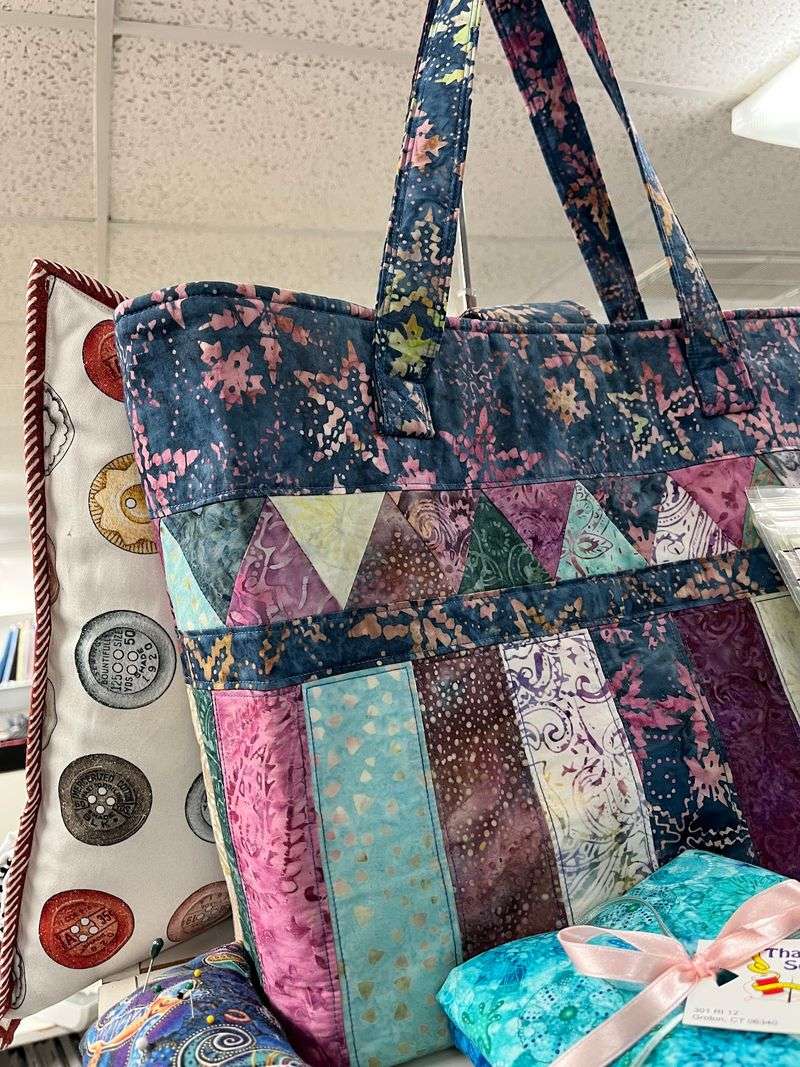
Decision fatigue is real, and kits are the cure. Instead of choosing every fabric yourself, you pick up a bundle where the coordinating has already been handled and the pattern is included.
The shop has offered a Table Topper Kit of the Month, which is a low pressure way to build skills one small project at a time. Past kits have carried names like Little Things, Jewels of the Night, Flitter, By The Sea, Autumn Road, the Coastal Bliss wall quilt, and an Indiglow tote bag.
That mix matters. A wall quilt or table topper finishes fast enough to keep motivation high, while a tote bag introduces different construction skills without demanding a queen sized commitment.
For anyone nervous about cutting into expensive yardage, kits remove much of the risk. The amounts are calculated, the color relationships work, and you can focus on your stitching rather than second guessing your choices.
Kits also make thoughtful gifts for a friend who has a machine sitting unused. Pair one with a spool of thread and you have handed someone an entire afternoon of satisfying work.
Shoppers often mention kits among their favorite finds here, and staff are happy to walk you through what each project involves before you buy.
6. Classes Bring Local Sewers Together
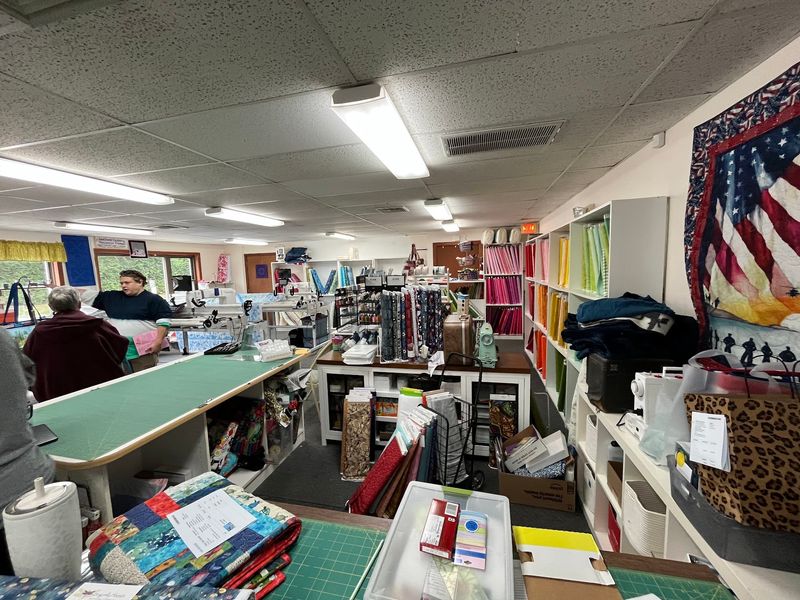
Learning to sew alongside other people changes everything. The class lineup starts at the very beginning with a Beginner Sewing Class and moves through an Advanced Beginner option, so there is a logical next step once you finish the first one.
Quilting 101 welcomes everyone from complete newcomers to intermediate stitchers, which keeps the room interesting. Monthly and project specific sessions round out the schedule for people who prefer to keep a standing sewing date on the calendar.
Younger sewers get their own space through a class called No Moms Allowed, built for teens and tweens roughly ten to seventeen. Giving that age group a room of their own tends to produce more confidence and fewer hovering adults.
Before your first beginner session, expect to bring your own machine, a bobbin, thread, and scissors. Arriving early enough to set up without rushing makes the first hour far more comfortable.
Instruction is also available for long arm quilting, including newcomer training, and the shop offers long arm rental so you can finish your own quilt top on a machine most people cannot fit at home.
Plenty of people credit classes here with turning them from curious observers into quilters with finished projects on the bed.
7. Notions And Supplies Fill In The Gaps
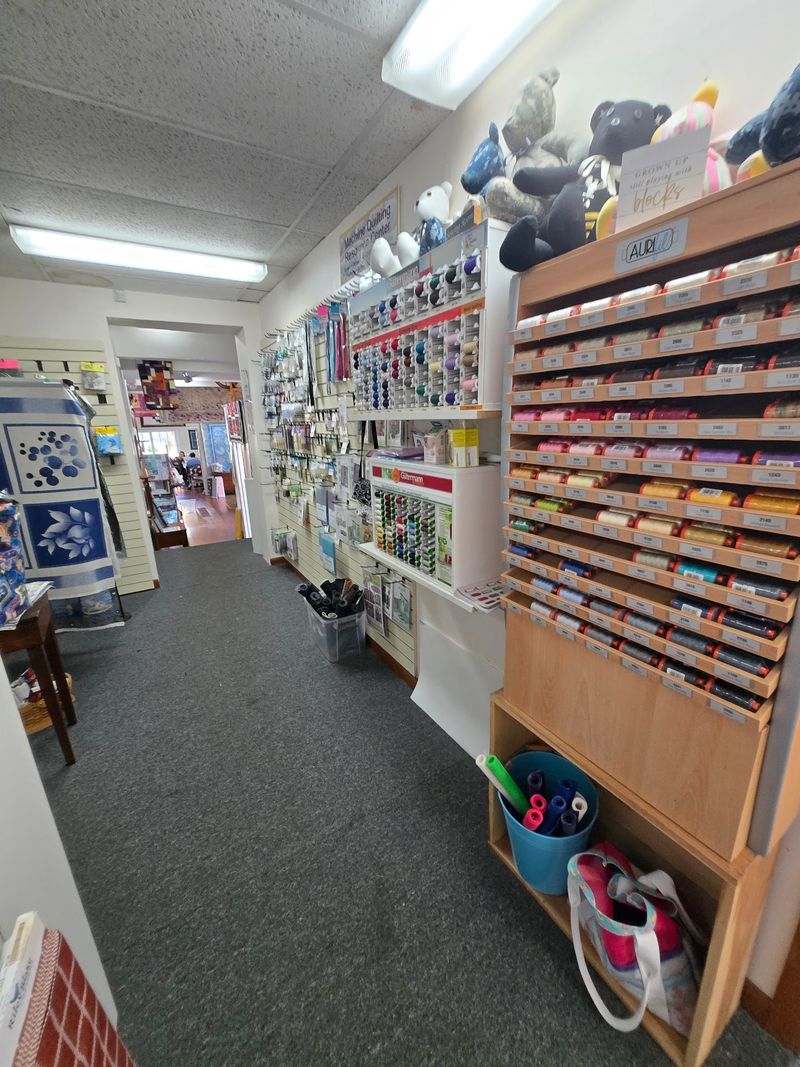
Nothing derails a sewing afternoon faster than realizing you are out of the right needle. The notions section exists for exactly that moment, and it is stocked with the small things that make projects actually work.
Expect adhesives, batting, pillow forms and stuffing, books, cutting supplies, interfacing, ironing and pressing tools, marking tools, needles, patterns, pins and pincushions, rulers, sewing tools, thread, and machine parts and accessories.
Handbag supplies are here too, which is useful because bag hardware is genuinely hard to find locally.
Machine service is another quiet strength. The shop repairs and tunes up a range of makes and models, so a machine that has been skipping stitches for months can finally get sorted out.
A worthwhile habit for any quilter: replace your rotary blade more often than feels necessary. A fresh blade cuts cleanly through layers and reduces the wrist strain that comes from pressing harder to compensate.
Rulers are worth touching before buying. Grip, markings, and size all affect how comfortable a tool feels in your hand, and a screen cannot tell you that.
Customers frequently mention quick turnaround on repairs, which means less time with your machine out of commission and more time sewing.
8. New Fabrics Keep Giving Regulars Reasons To Return
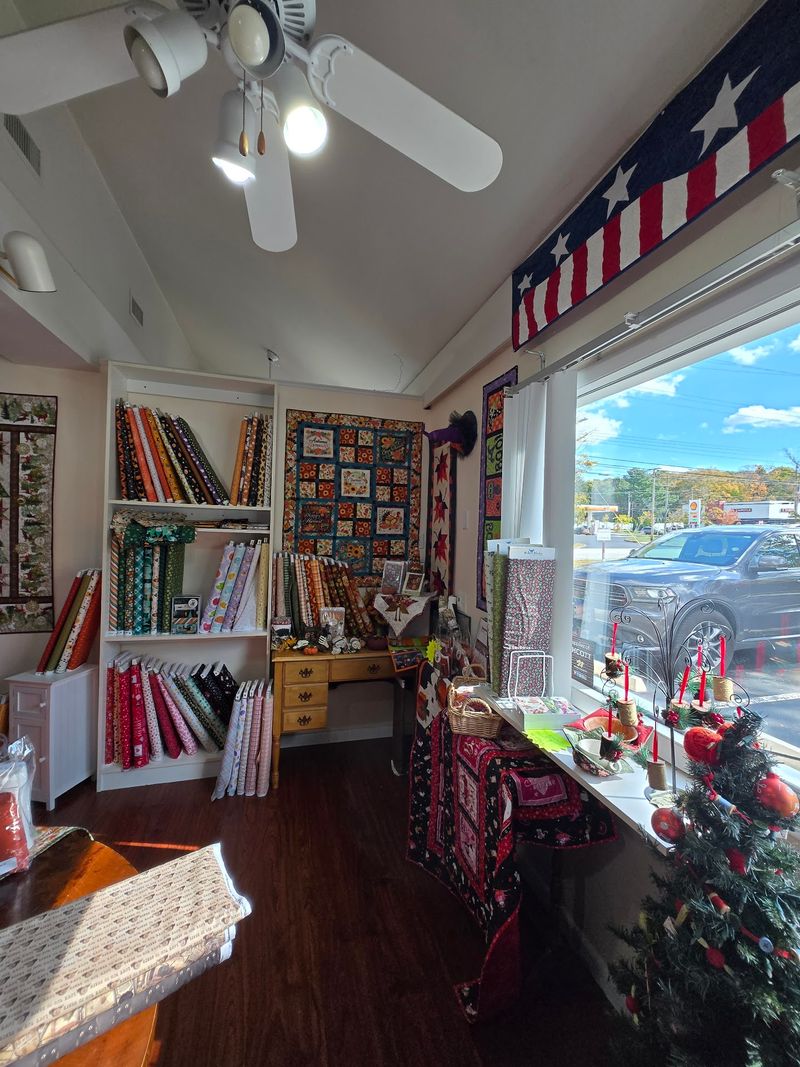
Regulars here have a routine, and it usually starts at the new arrivals display. Fresh fabrics and notions come in on an ongoing basis, so the shop looks a little different from one visit to the next.
That steady rotation is part of the appeal. Quilting collections are released seasonally and often in limited runs, meaning a print you admire today may not be available a few months from now.
The practical lesson: if a fabric is central to your design, buy enough the first time. Add extra for binding and a little insurance against cutting mistakes, because matching a dye lot later is rarely possible.
New arrivals are highlighted online as well, which helps if you are planning a drive from another town and want to know what has landed recently.
Dropping in often has a social side too. You start recognizing other shoppers, hear what everyone is working on, and pick up ideas you never would have found on your own.
People who have been coming for years tend to describe the place as a dependable home base for sewing projects, somewhere the staff remember your last quilt and ask how it turned out. That combination of fresh stock and familiar faces keeps the door swinging.