This Massive Florida Museum Holds One Of The Largest Collections Of Rare Maritime Artifacts
Imagine telling your family you are going to find one specific shipwreck. Then imagine saying it again every single morning for most of your adult life.
Mel Fisher did exactly that, and everybody thought he had lost his mind. He had not been wrong.
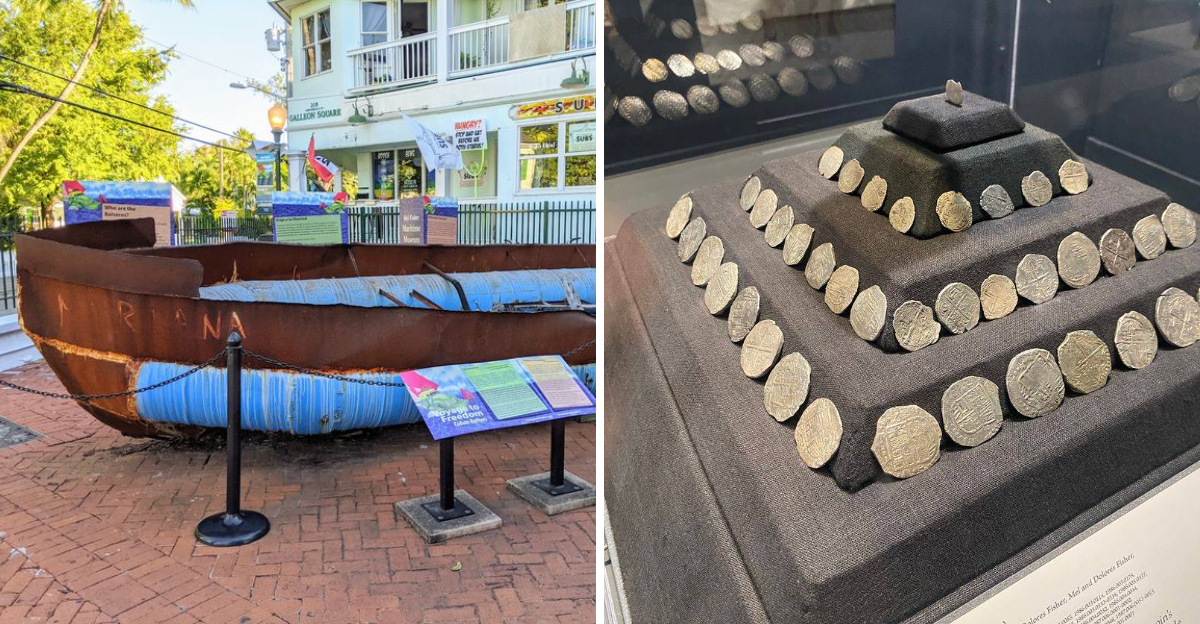
The Atocha sank off the Keys in 1622 and stayed lost for more than three hundred fifty years before he pulled it back up. What came out of that water now fills a museum in Key West, Florida.
There are nearly one hundred thousand artifacts inside, including gold, silver, cannons, and a stash of smuggled emeralds nobody was ever supposed to know about. One uncut crystal in there weighs seventy seven carats.
You will press your face closer to the glass than is entirely dignified, and so will everybody else in the room. There is more to this place than the treasure, and that part stays with you.
A Converted Warehouse
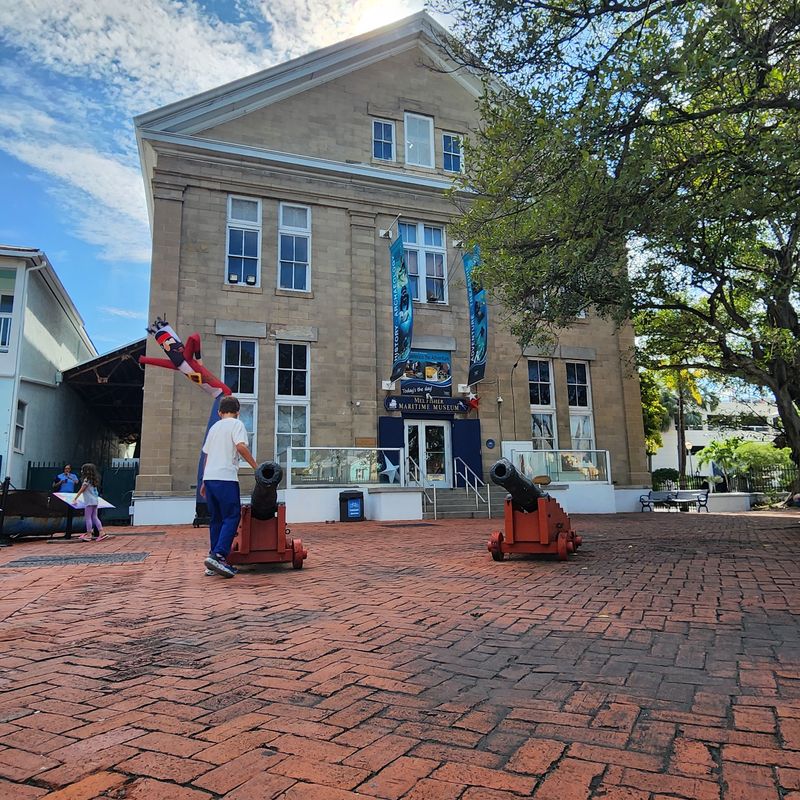
Some buildings carry the weight of real history on their walls. The Mel Fisher Maritime Museum is exactly that kind of place.
You feel it the moment you enter.
Mel Fisher spent 16 years searching for the Spanish shipwreck Nuestra Senora de Atocha. He found it in 1985, and what came up from the ocean floor changed maritime history forever.
The collection here is the direct result of that legendary search.
The museum sits in a converted warehouse that fits the mood perfectly. It is not flashy or overdone.
It lets the artifacts do all the talking.
Visitors often underestimate what they are about to see. Then they walk into the first gallery and go completely quiet.
That silence says everything you need to know about this place.
The staff here are genuinely passionate about the collection. They answer questions with the kind of detail that only comes from real knowledge.
It makes the visit feel personal, not scripted.
Plan to spend at least two hours here. One hour is never enough.
The museum at 200 Greene St, Key West, Florida rewards slow, curious visitors who take their time with every case.
The Atocha Treasure Collection
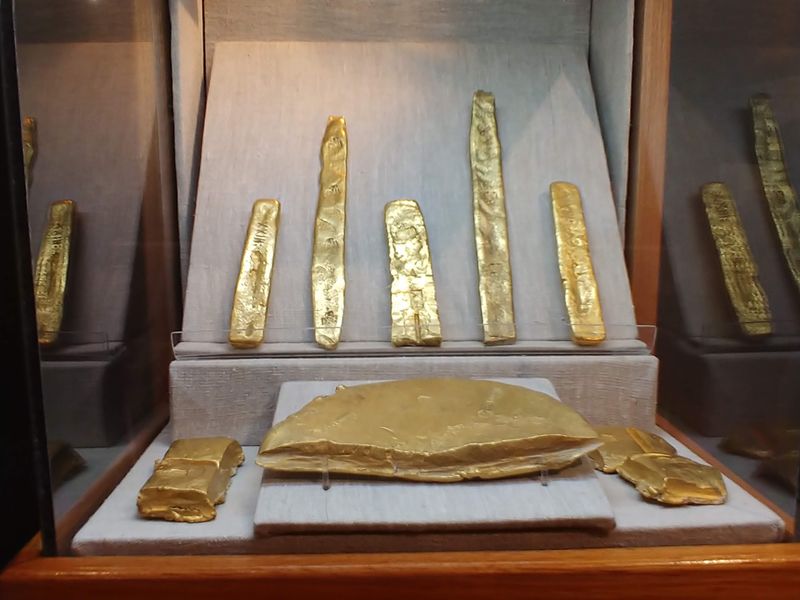
Seeing real gold bars stacked behind glass is a strange feeling. Your brain keeps saying it cannot be real, but it absolutely is.
The Atocha treasure collection is the centerpiece of everything here.
The Nuestra Senora de Atocha sank in 1622 during a hurricane off the Florida Keys. She was carrying a massive cargo of gold, silver, and emeralds from South America.
When Mel Fisher found her, the world paid attention.
The collection includes gold bars, silver coins, chains, and stunning emerald jewelry. Each piece has a story tied to the ship and the people who sailed on her.
Reading those stories changes how you look at the objects.
One gold bar on display weighs over 6 pounds. Just standing next to it gives you a real sense of the scale of this find.
It is the kind of object that makes history feel immediate and physical.
The emeralds are particularly striking. Their color holds up beautifully after 400 years underwater.
Gemologists still study pieces from this collection today.
This is not a replica exhibit. Every item you see was pulled from the actual wreck site.
That fact alone makes it worth every minute of your visit.
The Silver Ingot Gallery
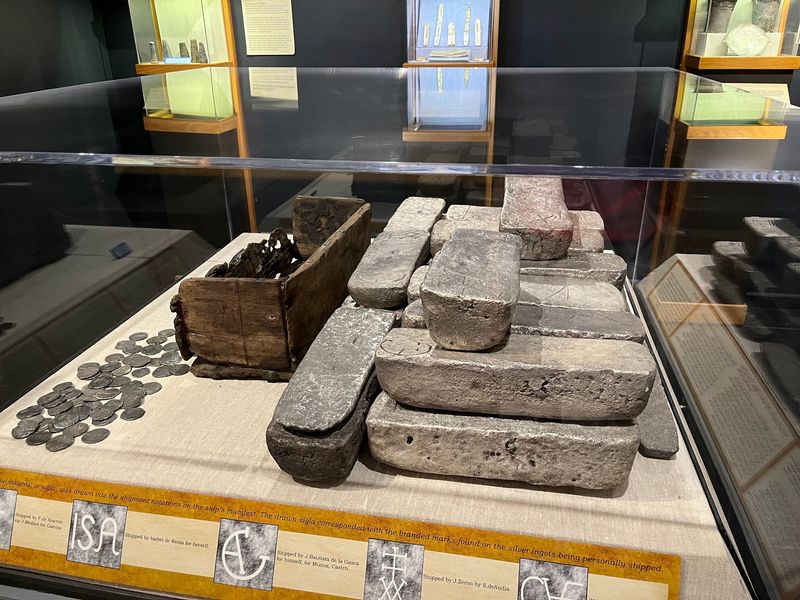
There is something almost comic about seeing that much silver in one room. Your first instinct is to count it, but you quickly lose track.
The silver ingot gallery at Mel Fisher Maritime Museum is genuinely jaw-dropping.
The Atocha was carrying thousands of silver ingots when she went down. Each ingot was stamped with markings that identified the mine, the weight, and the tax paid to the Spanish crown.
Those stamps are still clearly visible today.
Researchers use those markings to trace the exact origin of each bar. Some were mined in Bolivia, others in Peru.
The stamps connect each piece to a specific moment in colonial history.
The ingots are heavy and rough, nothing like polished museum pieces. They look exactly like what they are: raw silver pulled from the earth and loaded onto a ship.
That rawness makes them feel real in a way that polished displays often do not.
Touching one through a demonstration piece gives you a new respect for the weight of history. It is solid, cold, and surprisingly heavy.
You remember that feeling long after you leave.
The gallery layout makes it easy to move through at your own pace. There is no rush, no crowd pressure.
Just you and 400-year-old silver.
The Emerald Cross Exhibit
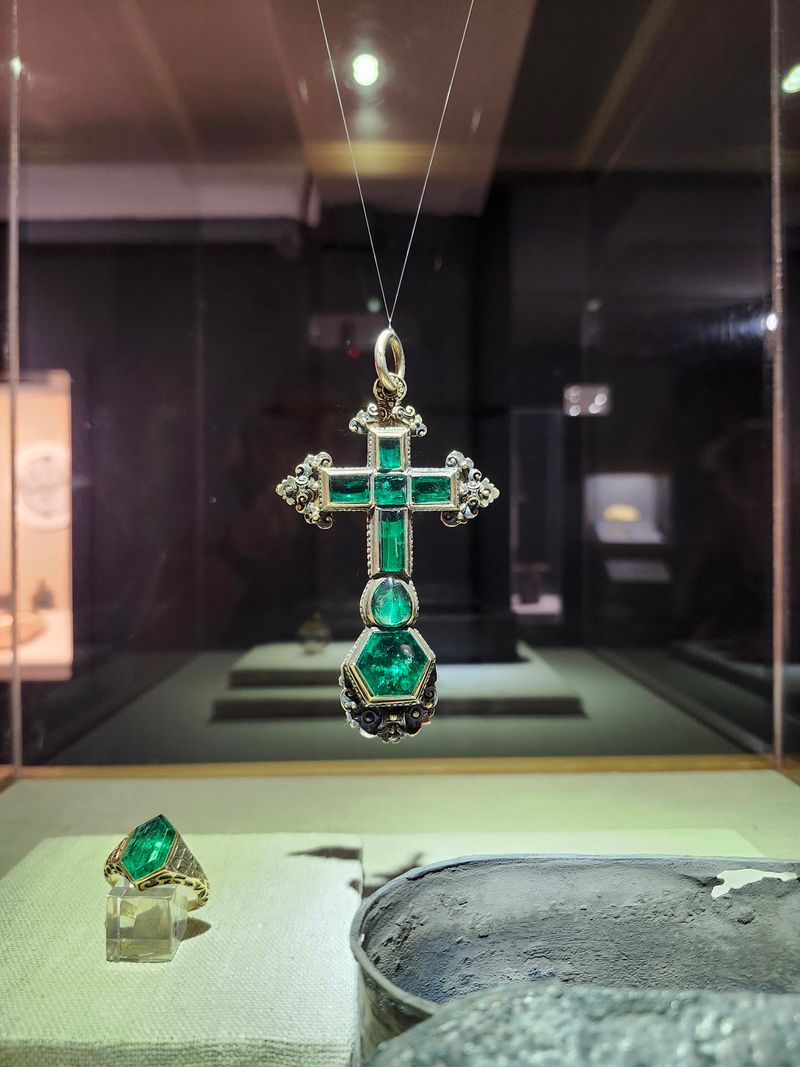
Not every treasure looks like what you expect. The emerald cross in the Mel Fisher Maritime Museum stopped me cold on my first visit.
It is small, intricate, and completely unforgettable.
The cross was recovered from the Atocha wreck site and dates back to the early 17th century. It was likely a personal item belonging to a wealthy passenger.
The craftsmanship is extraordinary for its era.
Colombian emeralds were among the most prized gemstones in the Spanish colonial world. Wealthy merchants and nobles commissioned elaborate jewelry using them.
This cross is a perfect example of that tradition.
The setting is gold, and the stones are a deep, vivid green. Even after centuries on the ocean floor, the color is remarkable.
It is the kind of object that makes you forget to breathe for a second.
The exhibit card beside it gives background on who may have owned it and why it was on the ship. Those details add a human layer that pure treasure talk often skips.
You start thinking about the person, not just the object.
Pieces like this are why maritime archaeology matters beyond treasure hunting. They connect us to real lives from centuries ago.
The cross is proof that history has a face.
The Research And Conservation Lab
Most museums hide the work that keeps their collections alive. Mel Fisher Maritime Museum does the opposite.
The conservation lab here is part of the experience, and it is fascinating to watch.
Objects recovered from the ocean need careful treatment before they can go on display. Salt, pressure, and time all take a toll on metal, wood, and fabric.
The conservators here work to reverse those effects without damaging the artifacts.
Visitors can sometimes observe the conservation process through a window or during guided tours. Watching someone carefully clean a 400-year-old coin is oddly calming.
It also makes you appreciate the patience involved in this kind of work.
The museum actively supports ongoing research into the Atocha and other local wrecks. Scholars from universities and institutions around the world collaborate with the team here.
That academic connection keeps the museum current and credible.
New finds from the wreck site still come in periodically. The ocean has not given up everything yet.
Each new piece goes through the same careful conservation process before joining the collection.
Knowing that active research happens here makes the museum feel alive, not static. It is not just a place where history sits behind glass.
It is a place where history is still being uncovered.
The Santa Margarita Artifacts
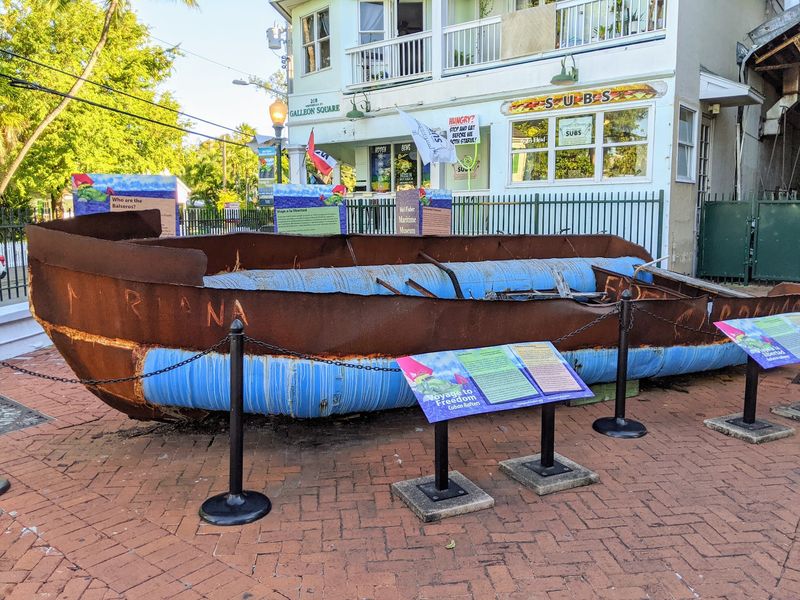
The Atocha gets most of the attention, but her sister ship deserves equal respect. The Santa Margarita sank the same day in the same storm.
Her story runs parallel to the Atocha in almost every way.
Fisher’s team located the Santa Margarita in 1980, five years before finding the Atocha main pile. That discovery kept the search alive during some of the hardest years.
The artifacts recovered from her are part of the permanent collection here.
Both ships were part of the same Spanish fleet heading back to Seville. They carried similar cargo and faced the same catastrophic hurricane on September 6, 1622.
The parallel is striking when you see both collections side by side.
Coins, personal objects, and navigational tools from the Santa Margarita fill several display cases. Each piece adds texture to the story of that terrible morning in the Florida straits.
You get a fuller picture by seeing both ships represented.
One of the most interesting items is a navigational astrolabe from the wreck. Sailors used these to calculate their position at sea.
Finding one in working condition after 400 years underwater is genuinely remarkable.
The Santa Margarita section rewards visitors who slow down and read every label. The details are where the real history lives.
Do not rush through this part of the museum.
The Rare Coin And Currency Display
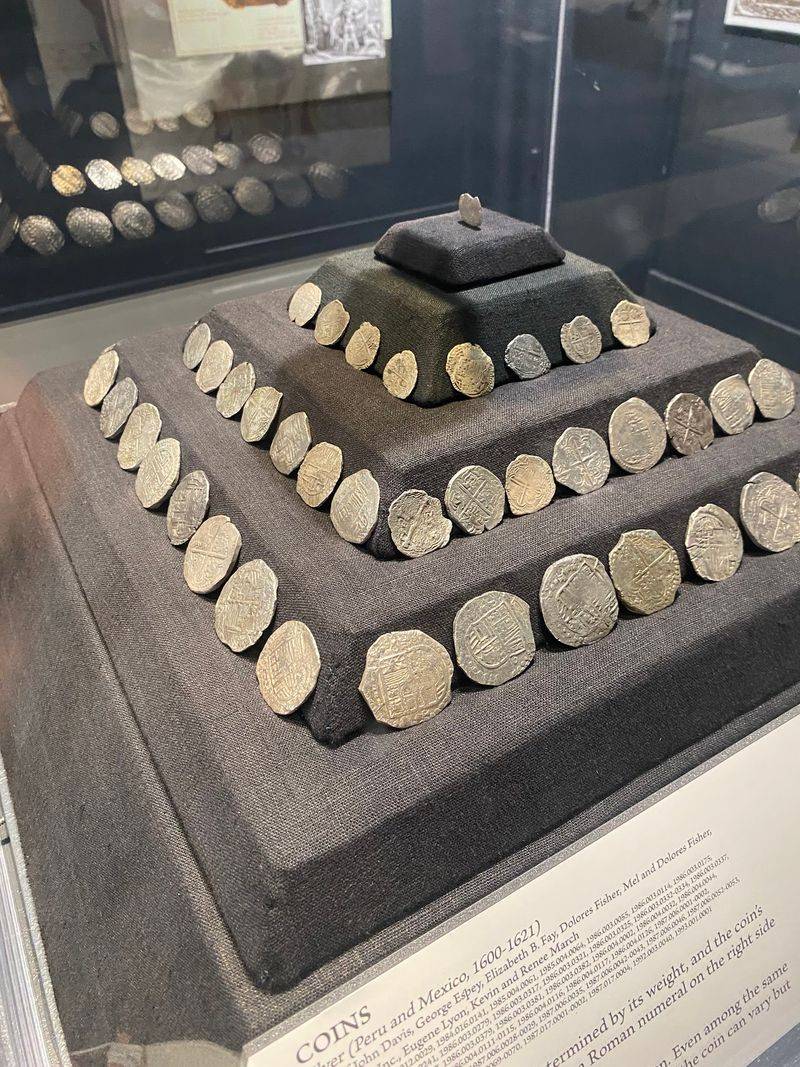
Coins are one of those things that seem boring until you actually see the real ones. Then they become something else entirely.
The coin display at Mel Fisher Maritime Museum is one of the most quietly impressive sections in the building.
The Atocha carried thousands of silver reales and gold escudos when she sank. These were the standard currency of the Spanish colonial empire.
Finding them intact after 400 years is a numismatist’s dream come true.
The silver cob coins, known as pieces of eight, are particularly compelling. They were hand-struck and irregular in shape, nothing like modern machine-made coins.
That imperfection makes them look and feel genuinely ancient.
Each coin was minted at one of several colonial mints in South America. The mint marks are stamped directly into the metal.
Researchers use those marks to trace trade routes and economic patterns from the 1600s.
Gold escudos from the collection are displayed alongside silver pieces for comparison. The contrast in color and weight tells its own story about colonial wealth.
Both metals were essential to the Spanish empire’s financial system.
Coin collectors who visit often spend extra time at this section. The variety and condition of the pieces here are exceptional by any standard.
It is a numismatic treasure hiding inside a maritime museum.
The Museum Gift Shop And Educational Programs
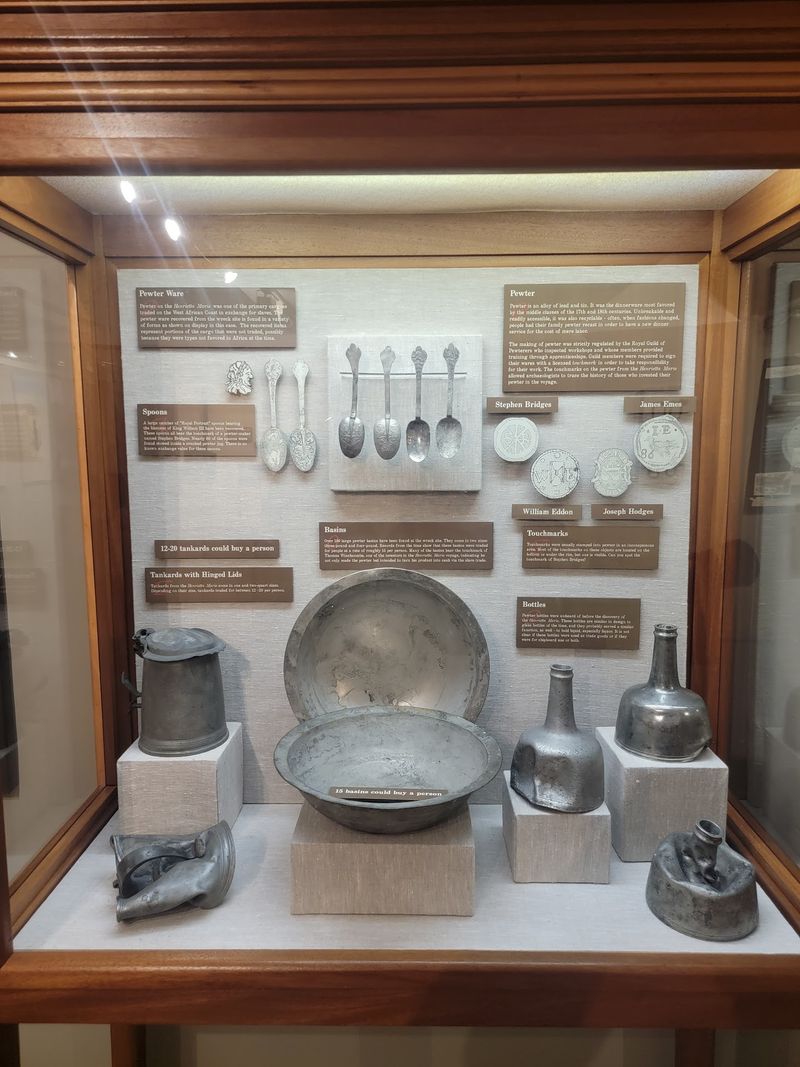
Leaving a great museum without visiting the gift shop feels like skipping dessert. The shop at Mel Fisher Maritime Museum is better than most, and that is not a low bar to clear.
It actually reflects the collection rather than ignoring it.
Replica coins, books, jewelry, and educational materials fill the shelves. Many items are directly tied to the Atocha and Santa Margarita stories.
You can buy a replica piece of eight and walk away with a small piece of the legend.
The museum also runs educational programs for schools and community groups. These programs connect students to real history through hands-on learning.
Few things make history stick like holding a replica of a 400-year-old coin.
Guided tours are available and genuinely worth booking in advance. The guides bring context and personality to the collection that self-guided visits sometimes miss.
A good guide can turn a two-hour visit into a three-hour one without anyone noticing.
The museum also has a research library available to scholars by appointment. Primary documents, dive logs, and archaeological records from the Fisher expeditions are preserved there.
That level of access is unusual and valuable for serious researchers.
Everything about this place, from the shop to the programs, supports the mission. It is a museum that takes its job seriously without taking itself too seriously.
That balance is harder to achieve than it looks.