This Massive Titanic Experience In North Carolina Has 300+ Artifacts And Full-Scale Ship Recreations
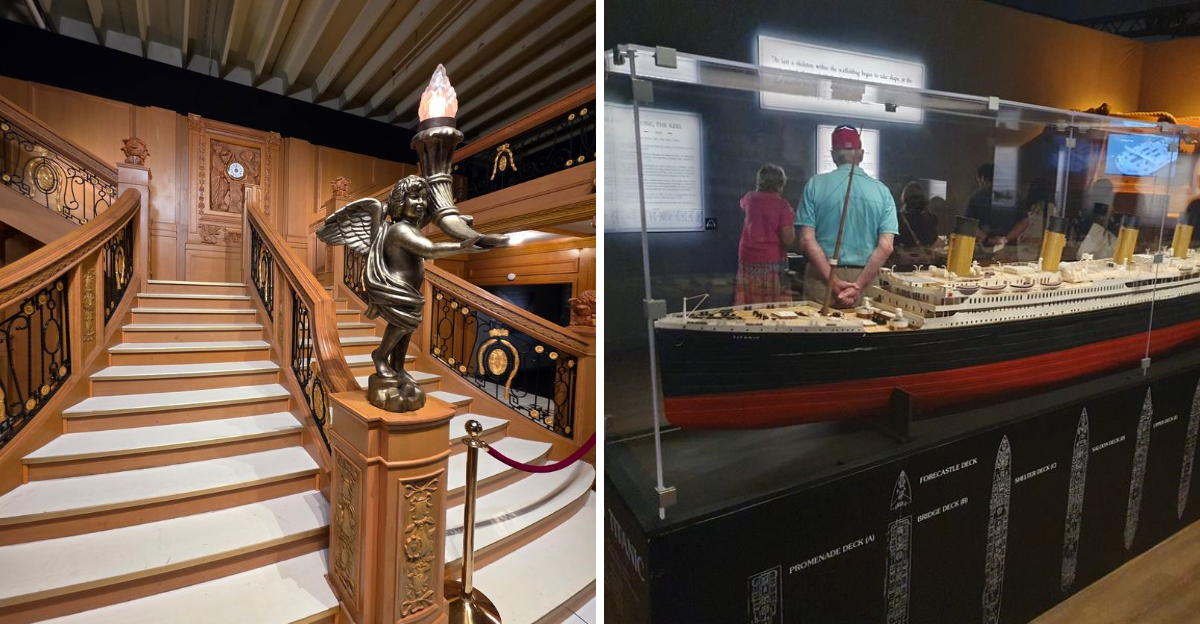
A century can disappear surprisingly fast once you step through the doors.
For a few moments, you are no longer looking at history from a distance. The rooms, objects, and personal stories pull everything much closer, until the ship starts to feel less like something from a textbook and more like a real place filled with real people.
This North Carolina exhibition runs from May 15 through September 7, 2026, giving visitors several months to experience it.
More than 300 authentic artifacts are paired with detailed recreations that help show what life aboard the ship actually looked like.
The scale is impressive, but the smaller details may stay with you longest.
A personal item. A name.
A room recreated with surprising care.
Those are the moments that make the past feel unexpectedly near, and they are what turn a history exhibit into something much harder to simply walk through and forget.
Step Into Full-Scale Rooms That Make The Ship Feel Surprisingly Real
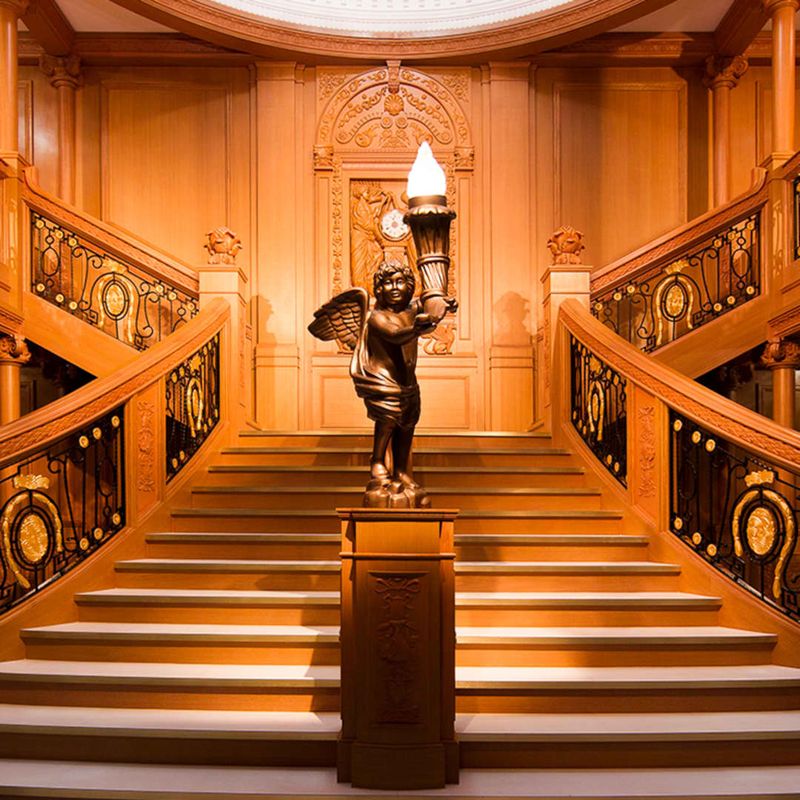
A recreated ship interior changes the experience immediately because you are no longer looking only at photographs behind glass. Visitors move through large-scale environments inspired by Titanic’s passenger and working spaces.
First- and third-class cabins, a millionaire’s suite, the boiler room, an exterior promenade deck, and the Grand Staircase are all part of the Charlotte installation. A dock scene also sets up the beginning of the journey before the exhibition moves deeper into the ship’s story.
Lighting, period details, and sound help connect one gallery to the next without turning the visit into a theme-park ride. The emphasis remains on historical interpretation.
Walking through these rooms makes the differences between parts of the ship much easier to understand. A cabin can be studied at human scale rather than reduced to a floor plan.
The promenade deck gives visitors another perspective on the vessel’s size and atmosphere. Down below, the boiler-room recreation shifts attention toward the enormous operation required behind the passenger areas.
Everything is contained inside Freedom Hall, so Charlotte’s summer heat is not part of the visit. Most guests spend around 60 to 90 minutes moving through the exhibition.
That leaves enough time to slow down in the recreated spaces that catch your attention.
You Can Follow The Story Of A Real Titanic Passenger
Your visit begins with a person rather than a ship statistic. Guests take on the name of a real Titanic passenger and follow that individual story while moving through the exhibition.
That simple device gives the surrounding displays a stronger sense of context. Instead of reading only about passenger classes, travel routes, and shipboard spaces, you have one specific traveler in mind as those details unfold.
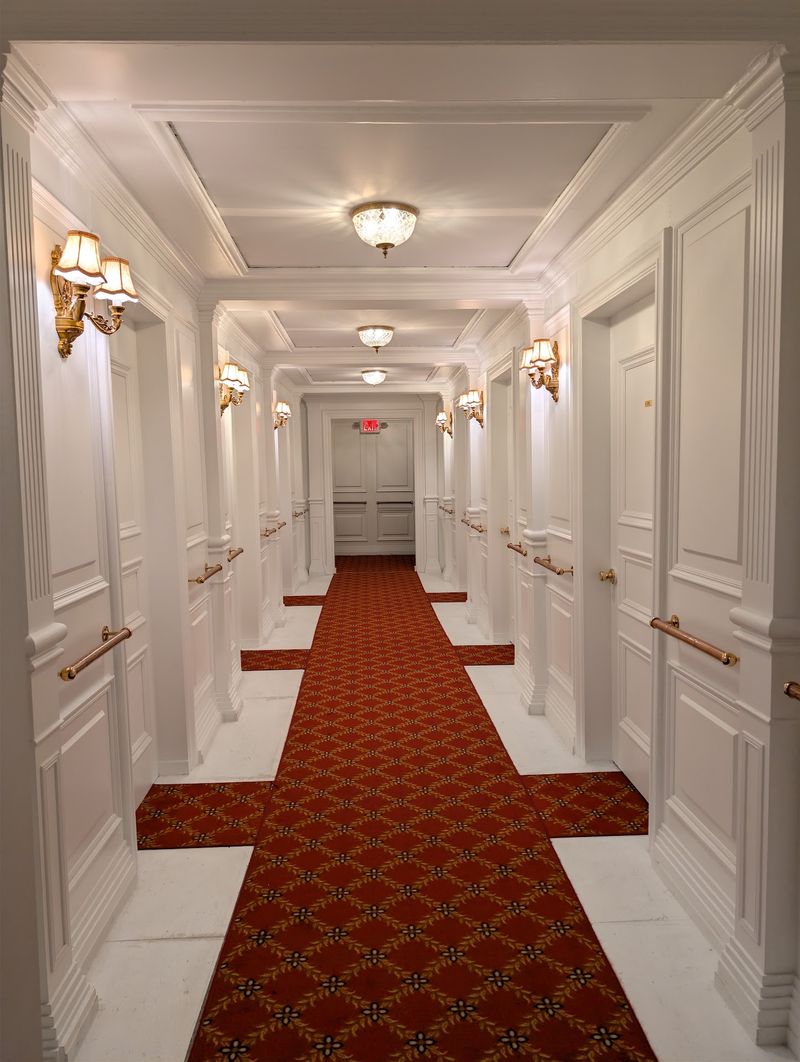
Recreated first- and third-class cabins help show how dramatically accommodations could differ aboard the liner. Personal histories and surviving objects add another layer to the broader account of the voyage.
Near the end, a memorial wall reveals the outcome connected to the passenger you have been following. The presentation encourages reflection rather than turning a real historical event into spectacle.
Families can use the passenger story to keep younger visitors engaged, while adults may find that the same detail makes the exhibition feel less abstract. All ages are welcome, and children younger than four currently enter free.
School and educational group bookings are available too. Give the boarding card a proper look before moving quickly into the first gallery.
Remembering the person’s name and background makes later rooms easier to connect with the individual stories at the center of the exhibition.
Walk Past More Than 300 Artifacts Along The Way
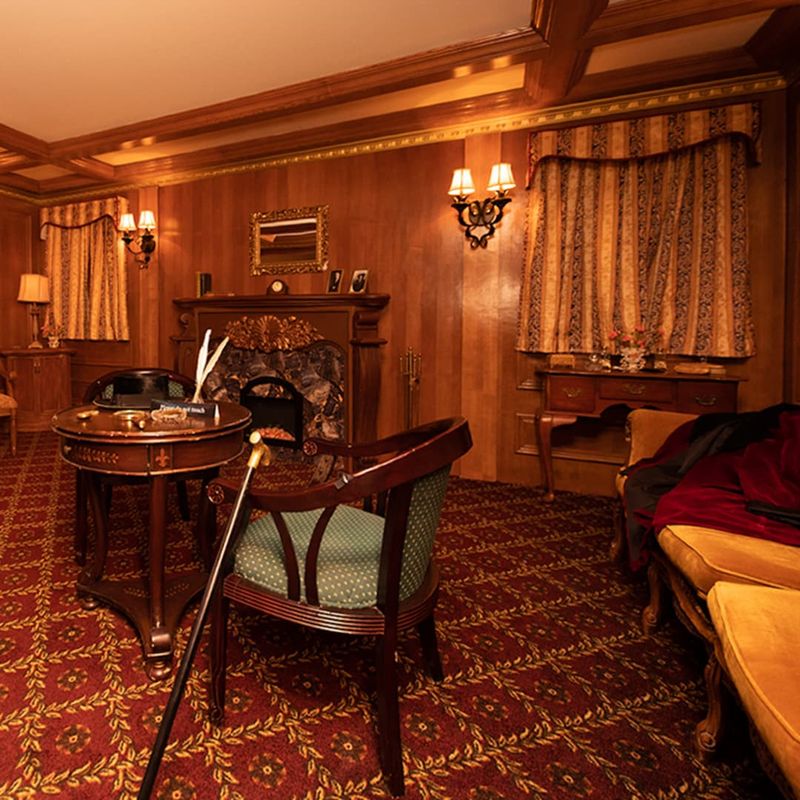
Display cases add historical weight that the recreated rooms cannot provide on their own. More than 300 artifacts are advertised across the Charlotte exhibition, but the collection reaches beyond objects associated directly with Titanic.
Visitors can see material connected to the ship, her sister ships, and other White Star Line vessels. Authentic White Star Line objects appear alongside selected props and costumes from James Cameron’s 1997 film.
That broader collection helps build a larger picture of ocean travel during the period. Tableware, documents, ship-related objects, and other surviving pieces reveal practical details that room recreations might miss.
Some objects connect with passenger life. Others help explain the company, design, or maritime world surrounding the famous liner.
The galleries reward a slower pace, especially when several small items appear together in one case. If historic objects are your main reason for coming, plan closer to the longer end of the exhibition’s usual 60-to-90-minute visit.
Flash photography is not permitted inside, so keep that in mind before reaching for the camera. The most interesting way to explore is to let the artifacts and recreations work together.
One provides physical evidence from the era. The other restores some of the scale that disappears when those objects are viewed alone behind glass.
See The Grand Staircase Without Crossing The Atlantic
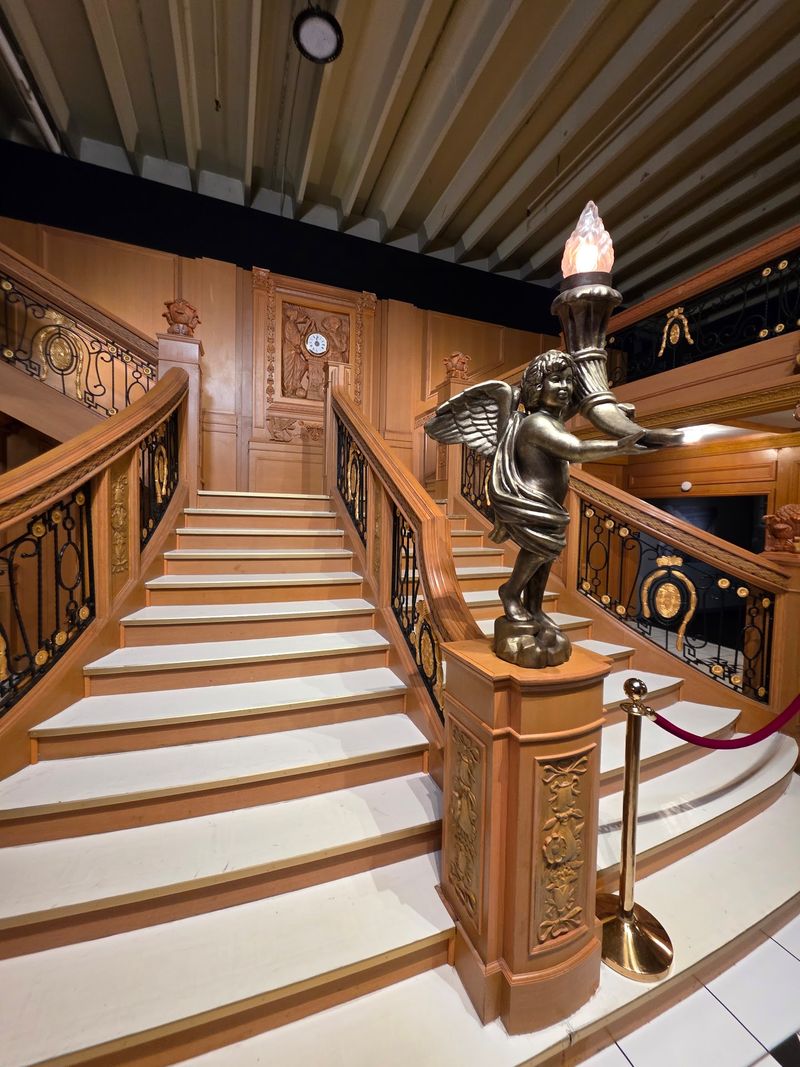
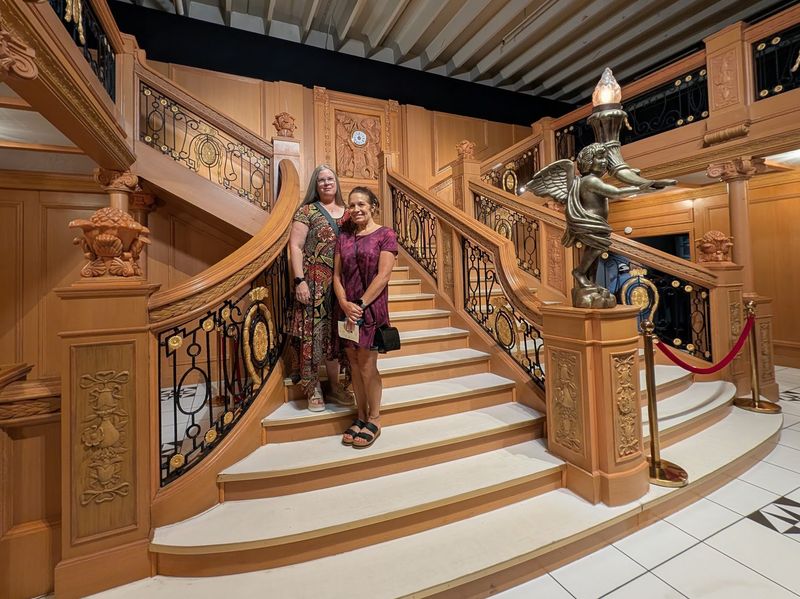
Few features are more instantly associated with Titanic than the Grand Staircase. Reaching its recreation becomes one of the clearest visual moments in the Charlotte exhibition.
The staircase sits among the experience’s life-size and large-scale ship recreations, allowing visitors to see the famous design as a physical space instead of a single historic photograph. Standing nearby gives the proportions a different impact.
Railings, landings, decorative details, and the overall height become easier to understand when they occupy the same room as you. The staircase also provides useful context for the first-class areas encountered elsewhere during the walkthrough.
It belonged to a larger collection of public rooms and circulation spaces created to give the liner an unusually grand appearance for its era. Nearby reconstructions continue that story through passenger cabins, a millionaire’s suite, and other interior scenes.
Visitors interested in photographs will probably spend extra time here. Still, the staircase is worth examining as more than a backdrop.
Compare its scale with the smaller cabins encountered along the route. That contrast says plenty about the way different areas of the ship were designed.
Everything is inside the air-conditioned venue, so you can linger without worrying about Charlotte’s August weather interfering with the experience.
Explore First-Class Cabins, Third-Class Spaces, And The Boiler Room
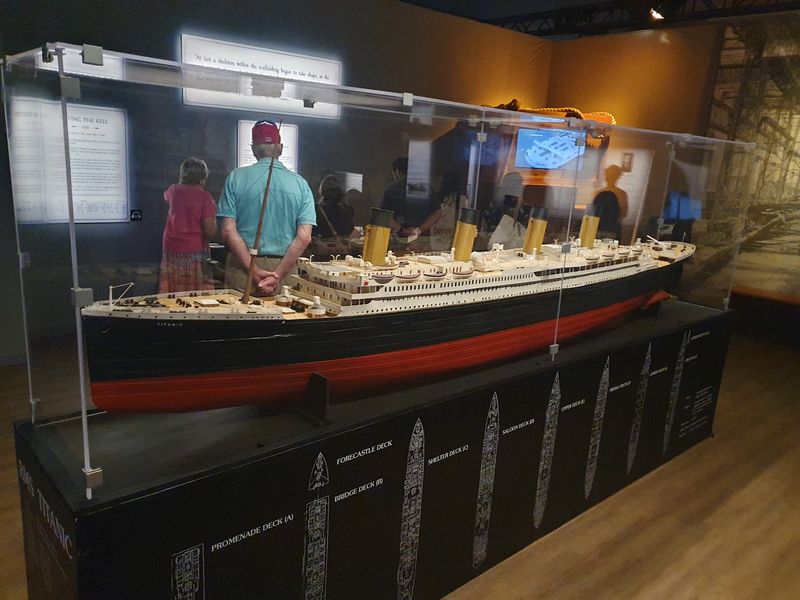
Moving between recreated spaces makes the ship’s internal contrasts much easier to grasp. First-class accommodations occupy one end of the experience, while third-class cabins show a more practical use of space.
A recreated millionaire’s suite gives visitors another look at the level of comfort available to the wealthiest travelers. Then the route shifts away from passenger rooms entirely.
Entering the boiler-room setting turns attention toward the crew and machinery needed to keep such a large vessel operating. That change matters because Titanic was far more than grand public rooms and decorative details.
Countless daily tasks happened behind the scenes throughout the ship. Charlotte’s exhibition uses these contrasting environments to explain how passengers and crew could occupy noticeably different surroundings within the same vessel.
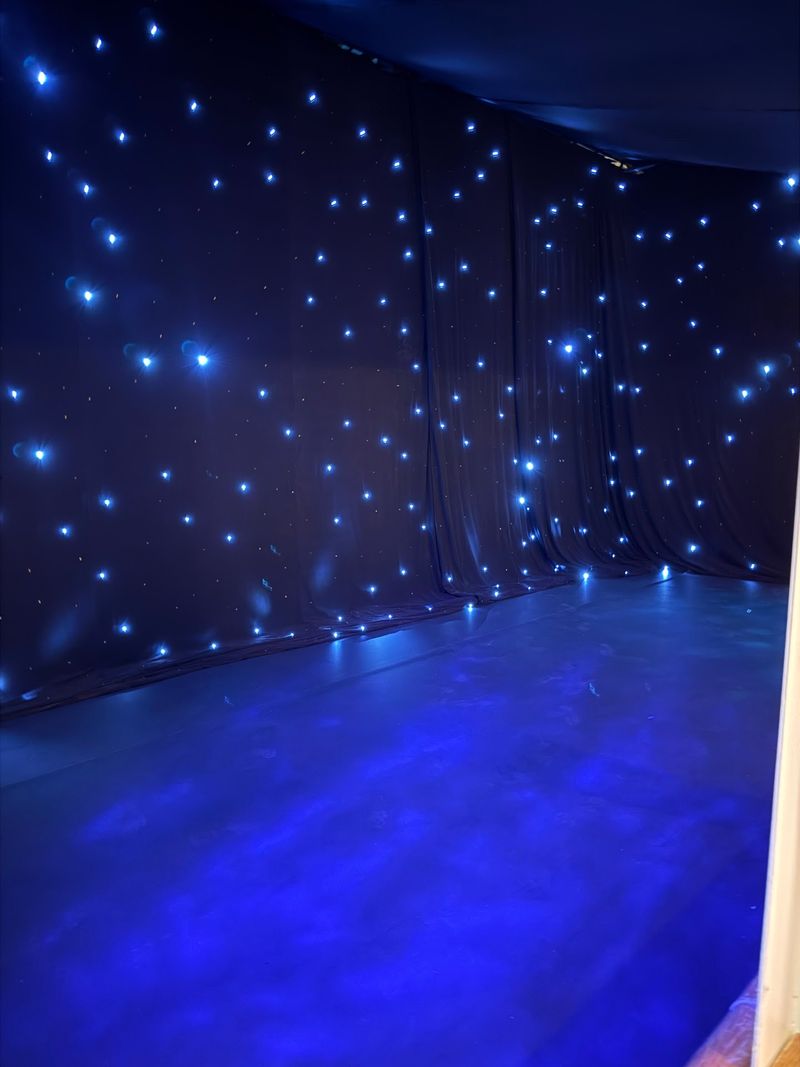
A promenade deck beneath a recreated starry sky adds another perspective before the route continues into historical galleries. Take your time when those transitions happen.
They are useful for understanding scale, class, and function without memorizing a technical deck plan. The usual 60-to-90-minute visit gives most people enough room to pause.
Anyone especially interested in ship design may want longer. Comfortable shoes are a good idea because this is primarily a walkthrough experience.
Seats are available at points for visitors who need a short break before continuing.
Look Down Through A Glass Floor Into A Recreated Debris Field
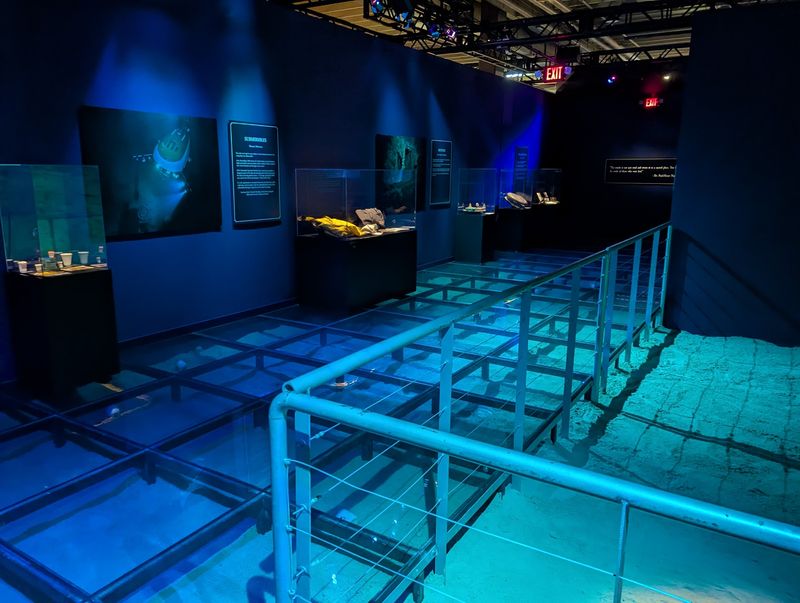
The atmosphere changes noticeably once the route reaches the Discovery Gallery. A raised glass floor creates the effect of looking down toward a recreated sea floor, with sand and scattered objects arranged beneath visitors’ feet.
The installation draws on the perspective of teams that explored Titanic’s resting place during deep-sea dives. It does not place you above the actual wreck, but it gives the discovery portion of the story a physical element that ordinary wall panels cannot.
The real wreck rests roughly 2.5 miles beneath the surface of the North Atlantic. That depth can be difficult to comprehend through numbers alone.
By this point, visitors have already moved through bright passenger spaces, detailed cabin recreations, and galleries filled with historical objects. Looking downward through the floor creates a very different sense of scale.
The exhibition describes the gallery as a way to glimpse what exploration teams encountered during their dives. Spend a moment studying what has been placed beneath the glass instead of simply walking across it.
Surrounding interpretation connects the 1912 voyage with the much later discovery and examination of the wreck site. That scientific and archaeological chapter expands the visit beyond a simple recreation of shipboard life.
It also helps explain why Titanic continues to generate historical and technical interest more than a century later.
Take The Optional VR Journey 2.5 Miles Beneath The Ocean
Virtual reality adds another perspective for visitors who want to extend the experience beyond the physical galleries. Charlotte’s exhibition offers an optional VR component focused on Titanic’s resting place and the underwater environment surrounding the wreck.
It is not automatically included with every admission ticket, so check the ticket type before assuming it is part of your visit. The main exhibition stands on its own without the add-on.
By that point, you will already have moved through recreated interiors, passenger stories, artifact galleries, the Discovery Gallery, and the memorial area.
The VR portion works better as an extra layer for people especially interested in underwater exploration.
Titanic rests roughly 2.5 miles beneath the North Atlantic, and a digital environment can communicate that setting in a way an ordinary display case cannot. Check current availability when purchasing because VR access depends on the ticket selected.
Families may also want to consider how comfortable each person is using a headset before adding it for everyone. The physical exhibition itself welcomes visitors of all ages.
If the recreated ship interiors are your main interest, spend more time studying those spaces instead. If the wreck and its later discovery fascinate you most, the optional VR experience gives the final part of the visit a noticeably different perspective.
Leave Knowing Far More About The People Behind The Famous Ship
By the final galleries, the famous liner feels less like one historical image and more like a collection of individual lives, jobs, spaces, and objects. Passenger stories run throughout the exhibition, while the boarding-card format gives visitors one specific person to follow.
Recreated cabins show contrasting experiences aboard the ship. Historical artifacts add physical evidence connected to the period.
The boiler room and working areas broaden the story beyond the most luxurious passenger spaces. Later, the Discovery Gallery and memorial section connect the voyage with the subsequent exploration of the wreck and the people remembered today.
That structure is one of the strongest reasons to visit. It encourages you to notice more than the Grand Staircase or Titanic’s famous silhouette.
Objects connected to sister ships and other White Star Line vessels also provide useful context for the wider world of early twentieth-century ocean travel.
Charlotte is hosting the exhibition through September 7, 2026, inside Freedom Hall at The Park Expo & Conference Center, 800 Briar Creek Road.
Timed entry matters because late admission is not permitted. Parking is available for a fee, and food is not sold inside the exhibition.
Arrive prepared to spend at least an hour. The passenger stories and smaller artifact labels deserve just as much attention as the enormous recreations surrounding them in North Carolina.