This Meridian Orthodox Church Welcomes Curious Newcomers To A Sunday Service That Runs Past Lunchtime
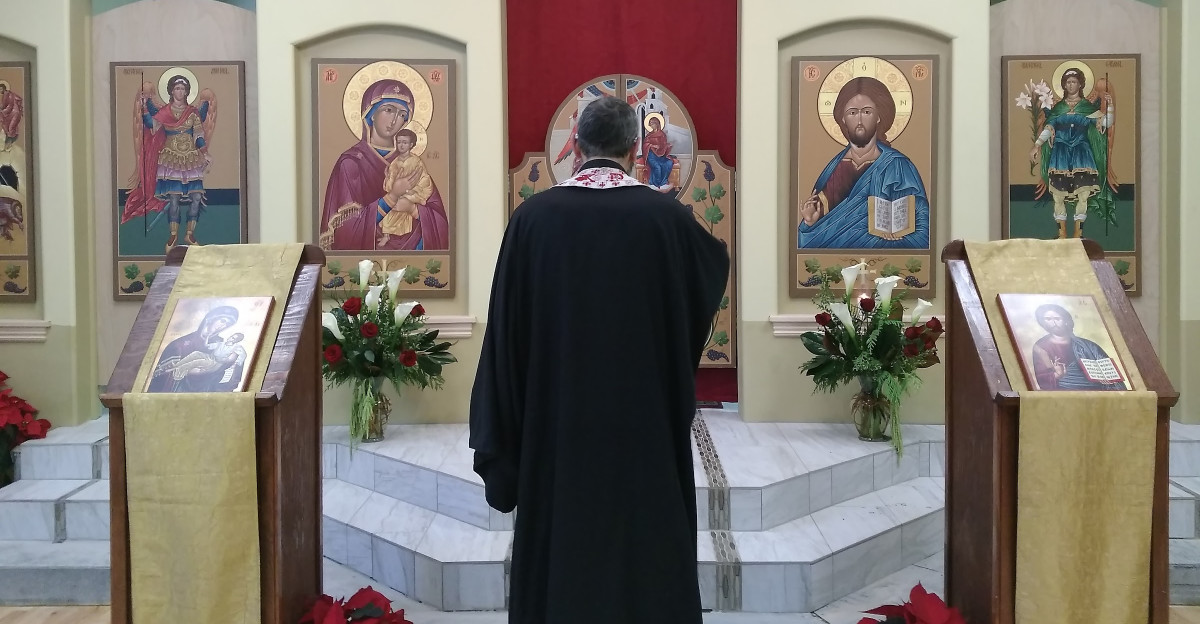
Every Sunday, a small Orthodox parish in the Treasure Valley sings a service that its members trace back more than 1,700 years.
The listed Sunday window runs from morning until past lunchtime. That is a long, unhurried stretch in a busy suburb.
The parish belongs to the Antiochian tradition. That name points straight back to ancient Antioch, one of the earliest Christian cities on record.
I love that a link to the ancient Mediterranean sits on a quiet Idaho side street.
The doors also open on Wednesday and Saturday evenings. Newcomers who are simply curious about Orthodox worship are welcome to come and look.
Former Protestants and transplants from other states have publicly described finding a home here.
So what does a centuries-old liturgy look and sound like in a growing Idaho city? I can’t imagine a better way to find out.
An Ancient Tradition On A Quiet Meridian Side Street
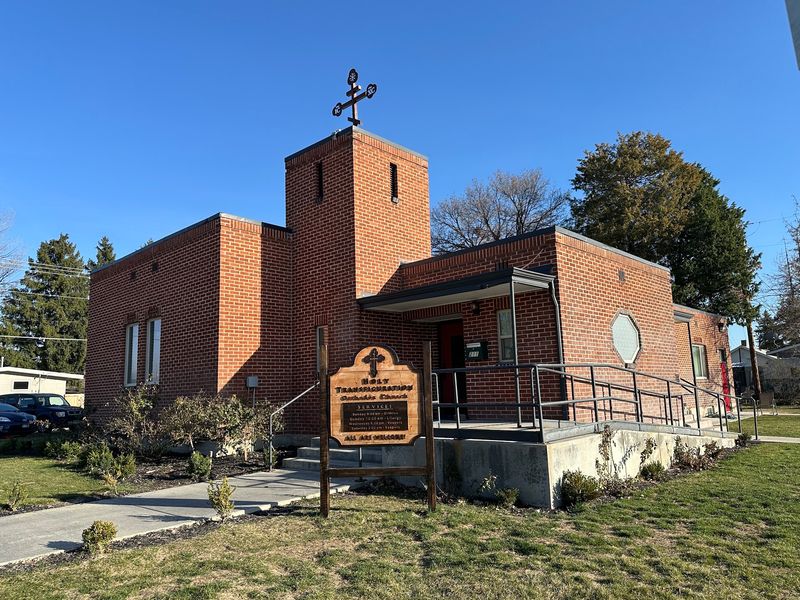
Holy Transfiguration Antiochian Orthodox Church sits in Meridian, one of the fastest-growing cities in Idaho. It’s listed as an Eastern Orthodox church, and it serves an active, mixed congregation.
You won’t find it on a highway billboard or a tourist map. The parish lives on a regular neighborhood street, the kind you’d drive past on the way to the grocery store.
That ordinary setting makes the contrast fun. Inside, the worship follows a pattern far older than anything else in the Treasure Valley.
The parish keeps a regular weekly rhythm with three listed time windows. There’s a Wednesday evening slot, a Saturday evening slot and a long Sunday morning.
Members describe it as a welcoming place for Orthodox Christians and for people who are just exploring. That openness matters for anyone who has never set foot in an Orthodox service.
Plenty of Idahoans have probably never seen Orthodox worship at all. This parish offers a chance to change that without leaving the valley.
Think of it as a doorway into a very old tradition. The building is local, and the roots stretch across continents.
Why The Word Antiochian Carries So Much History
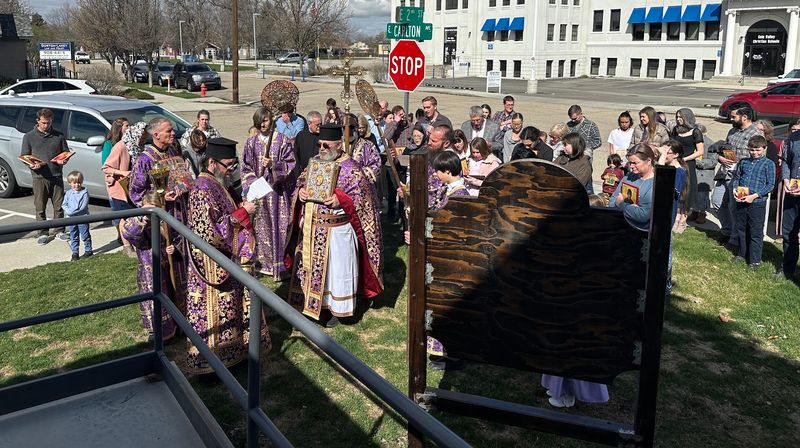
Antioch was one of the great cities of the ancient world. It stood near the modern border of Turkey and Syria, on the Orontes River.
The city earned a lasting spot in Christian history. According to the Book of Acts, followers of Jesus were first called Christians there.
An Antiochian Orthodox parish belongs to the family of churches connected to the historic Patriarchate of Antioch. In North America, these parishes fall under the Antiochian Orthodox Christian Archdiocese.
So the name on a Meridian church is not decorative branding. It’s a pointer to a line of history reaching back to the earliest Christian centuries.
That’s a lot of story packed into one word on a sign. Most Idaho buildings can’t claim connections that stretch back nearly two thousand years.
The Antiochian tradition is also known in America for using English widely in worship. That can make a first visit feel more approachable for curious newcomers.
For Idahoans who love a good history lesson, this one is hard to beat. You get the ancient Mediterranean world without needing a passport or a long flight.
A Mountaintop Story Behind The Parish Name
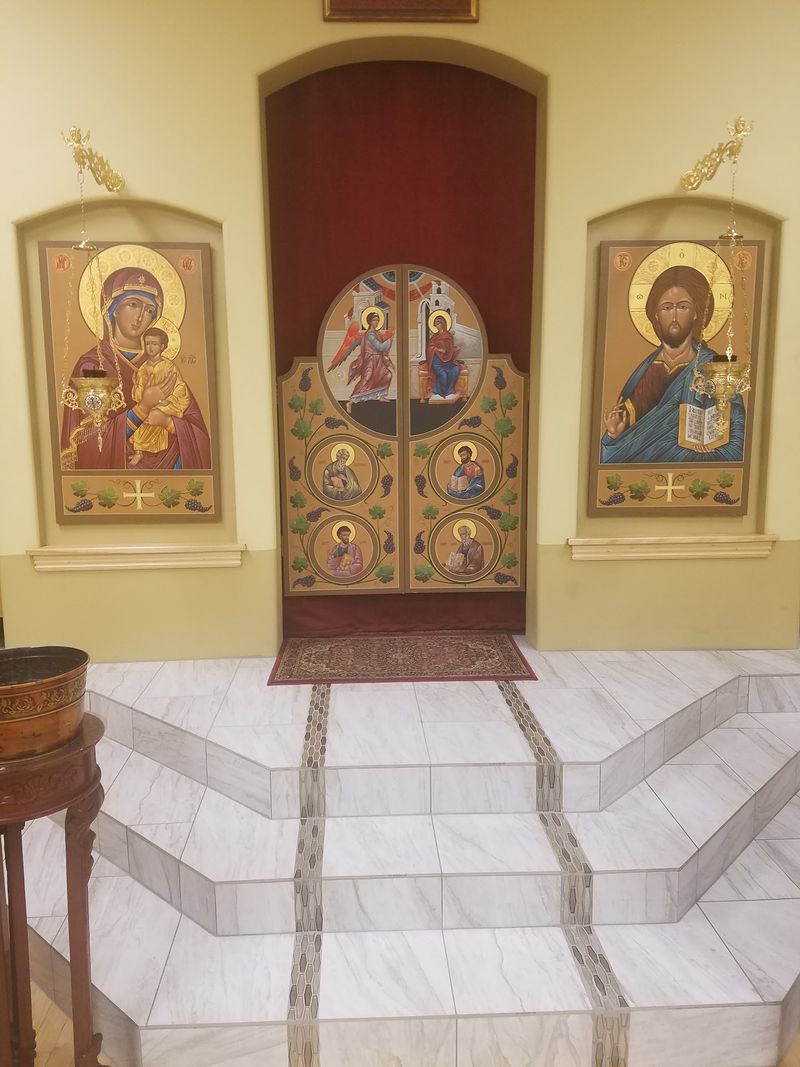
Transfiguration refers to a scene from the Gospels set on a mountain. Christ appears shining with light before three of his disciples, Peter, James and John.
Orthodox Christians mark the Feast of the Transfiguration each year in August. It ranks among the major feasts on the Orthodox calendar.
Tradition places the event on Mount Tabor in the Holy Land. Icons of the scene usually show the three disciples tumbling backward in amazement at the brilliant light.
Choosing that feast as a parish name says something about what the community wants to highlight. Light, glory and transformation sit at the center of the story.
There’s a neat Idaho echo here too. Plenty of residents spend summer weekends climbing peaks for a better view, and this name celebrates a mountaintop moment.
Parishes in the Orthodox world often hold special celebrations on their name day feast. If you’re curious about August events, the parish itself is the best source for current plans.
Either way, the name gives visitors a helpful starting point. Knowing the story makes the parish’s identity click into place right away.
Finding Your Way To Carlton Avenue
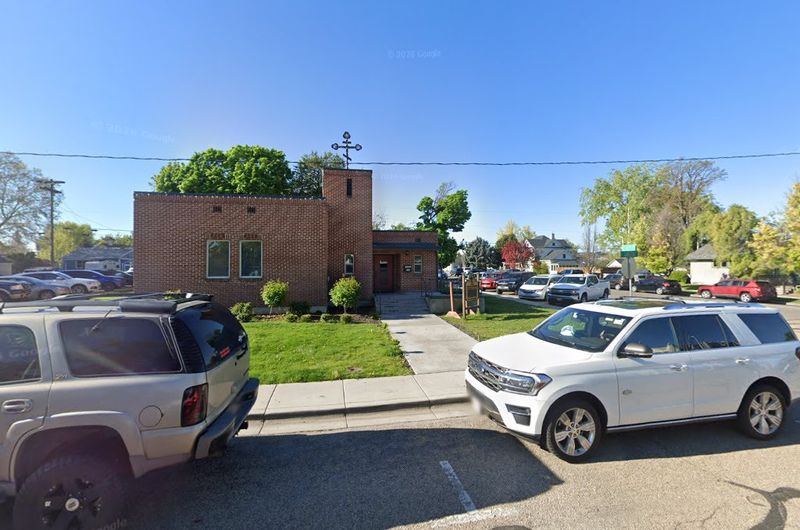
Getting there is refreshingly simple. Holy Transfiguration Antiochian Orthodox Church sits at 211 E Carlton Ave, Meridian, ID 83642.
Meridian sits in the heart of the Treasure Valley, right between Boise and Nampa. That puts the parish within easy reach for a huge share of southwestern Idaho.
Drivers from Boise can usually get there in well under half an hour, depending on traffic. Folks from Eagle, Kuna and Star have an even shorter trip.
The address sits in the east part of town, on a neighborhood avenue rather than a busy commercial strip. Expect a residential feel instead of big-box parking lots.
Plan your arrival with the listed weekly windows in mind. Showing up on a random Tuesday afternoon probably won’t get you inside.
A quick check of the parish’s current schedule before you drive is always smart. Holiday seasons and feast days can shift the usual rhythm.
Once you’re parked, you’re a short trip from downtown Meridian too. That makes it easy to pair a visit with errands or a meal nearby.
Sunday Mornings That Stretch Past Lunchtime
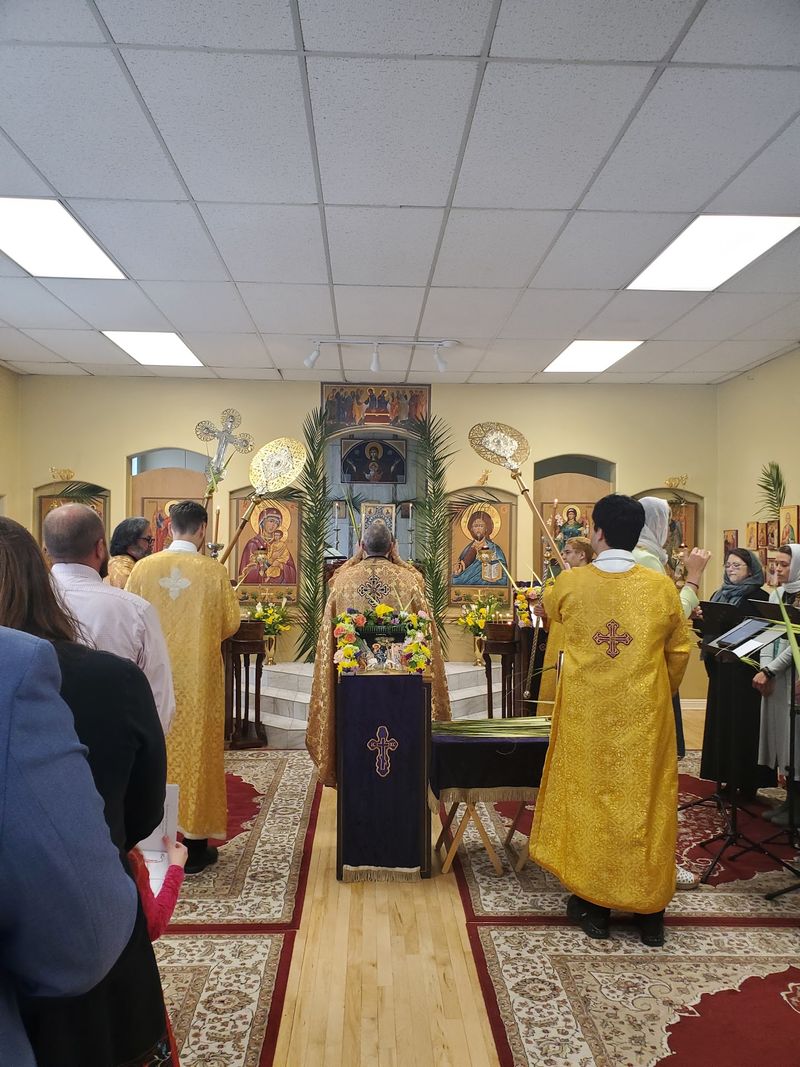
Sunday is the big day here. The listed window opens in the morning and runs into the early afternoon.
That length surprises a lot of first-timers used to a quick one-hour service. Orthodox Sunday mornings commonly include a morning prayer service followed by the Divine Liturgy.
The Divine Liturgy is the central worship service in Orthodox churches. It’s sung or chanted for much of its length, with prayers flowing from one into the next.
Fellowship time often follows in many Orthodox parishes. A long Sunday window suggests there’s room for both worship and community afterward.
Don’t panic about stamina. Newcomers at many Orthodox churches are free to arrive, observe quietly and leave when they need to.
Families with little ones will appreciate that flexibility. Members of this parish describe it as kid friendly, which helps take the pressure off parents.
The main takeaway is simple. If you want the fullest picture of this community, Sunday morning is the time to show up.
Bring patience and curiosity. You’ll get a front-row view of a worship pattern that has outlasted empires.
Music Rooted In More Than 1,700 Years Of Worship
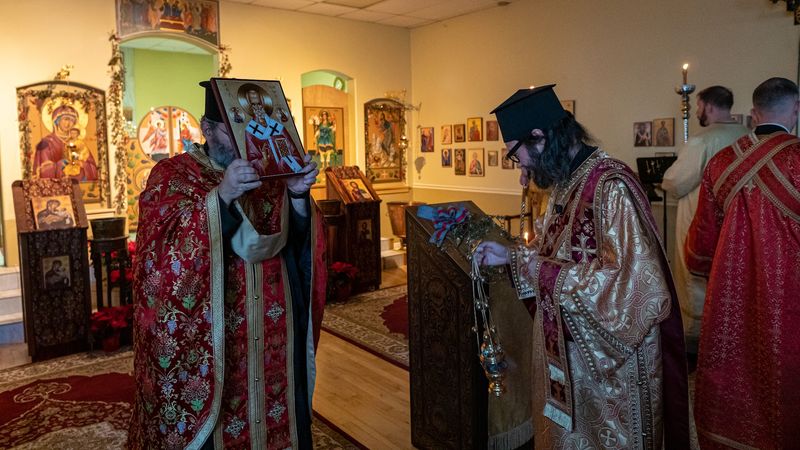
The sound might be the most memorable part. Members point out that the liturgical music comes from a service more than 1,700 years old.
Orthodox worship is mostly sung rather than spoken. Prayers, responses and hymns move along in chant, often without instruments.
The parish has a choir, and members mention it as a highlight of services. Voices carry the whole liturgy in that tradition.
Antiochian parishes often draw on Byzantine chant, which uses modes quite different from typical modern church songs. To ears raised on radio pop, it can sound wonderfully unfamiliar.
You don’t need any musical training to appreciate it. Just stand and listen, and let the melodies carry you along.
Members also describe the worship as inspiring, which fits the musical focus. When nearly everything is sung, the atmosphere changes completely.
For music lovers in Idaho, it’s a rare live experience. Few places in the Treasure Valley offer ancient chant on a regular weekly schedule.
Consider it the oldest playlist in town. And it’s performed live, every week, by your neighbors.
A Front Door Open To The Curious
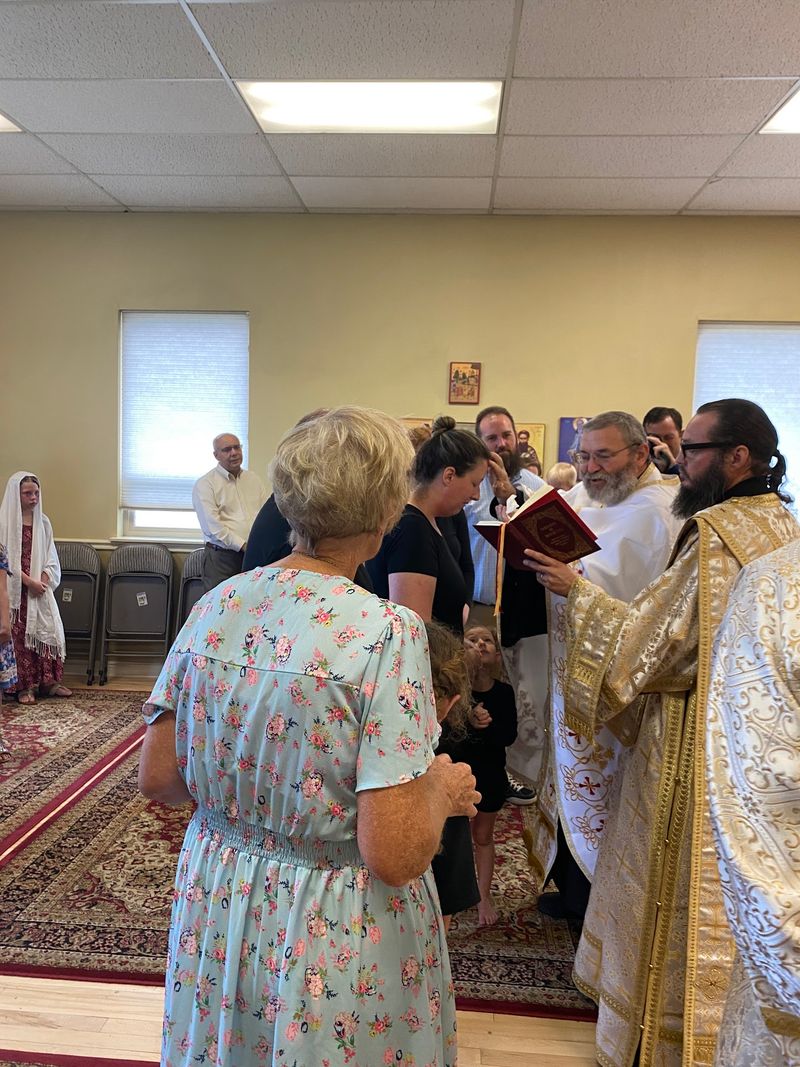
Feeling nervous about showing up somewhere unfamiliar is completely normal. This parish has a public reputation for making that first visit easier.
Members describe a congregation that welcomes Orthodox and non-Orthodox people alike. One family who moved from another state wrote about being greeted right away and treated like family.
Another first-timer described people who were friendly and happy to answer questions. That’s a big deal when every part of the service looks new.
Several members say they came from Protestant backgrounds before exploring Orthodoxy. One couple described spending a year learning before joining the church.
That path suggests the parish is used to welcoming seekers. Questions seem to be part of the culture rather than an interruption.
You don’t have to arrive with a plan or a commitment. Many people simply come to watch, listen and learn what Orthodox worship involves.
The congregation also includes people who moved to Idaho from elsewhere. In a fast-growing valley, that newcomer energy feels familiar.
So go ahead and ask the awkward questions. Based on how members describe it, someone will be glad you did.
Small Etiquette Tips That Make A First Visit Easy
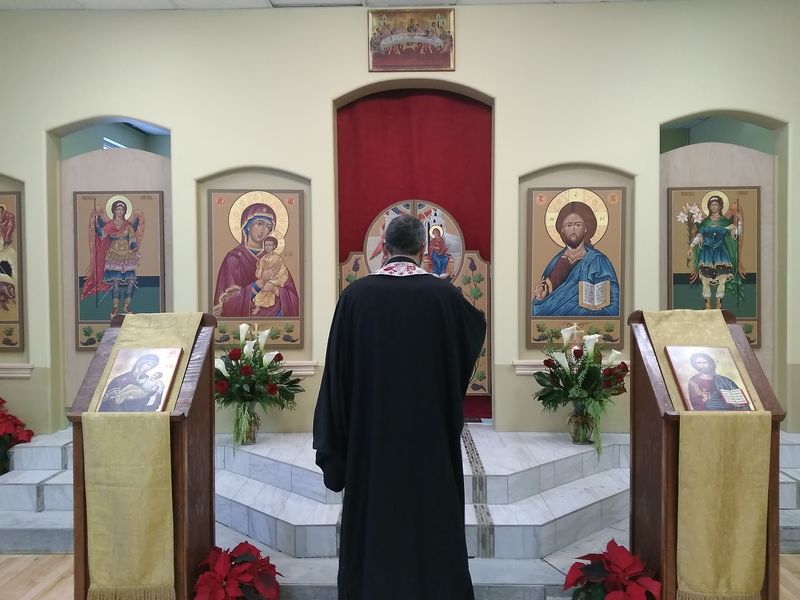
A little preparation goes a long way. Orthodox churches share some common customs that are helpful to know before you arrive.
Modest clothing is a safe choice in most Orthodox parishes. Think of what you’d wear to a nice family gathering rather than the gym.
Many worshippers light a candle near the entrance when they arrive. Visitors aren’t obligated to do so, and watching respectfully is perfectly fine.
Standing is common for much of the service in Orthodox churches. If you need to sit, that’s widely understood, especially for older visitors.
Communion in Orthodox churches is generally reserved for Orthodox Christians. Visitors can often receive blessed bread offered at the end of the liturgy, though practices vary.
When in doubt, follow the folks around you or quietly ask someone. Members describe this congregation as glad to answer questions.
Arriving a few minutes early helps you get your bearings. It also gives you a moment to take in the space before worship begins.
None of this needs to feel intimidating. A respectful attitude matters far more than perfect etiquette.