This Middle-Of-Nowhere Georgia Farm Store Sells Fresh Cheese, Butter, And Grass-Fed Goods
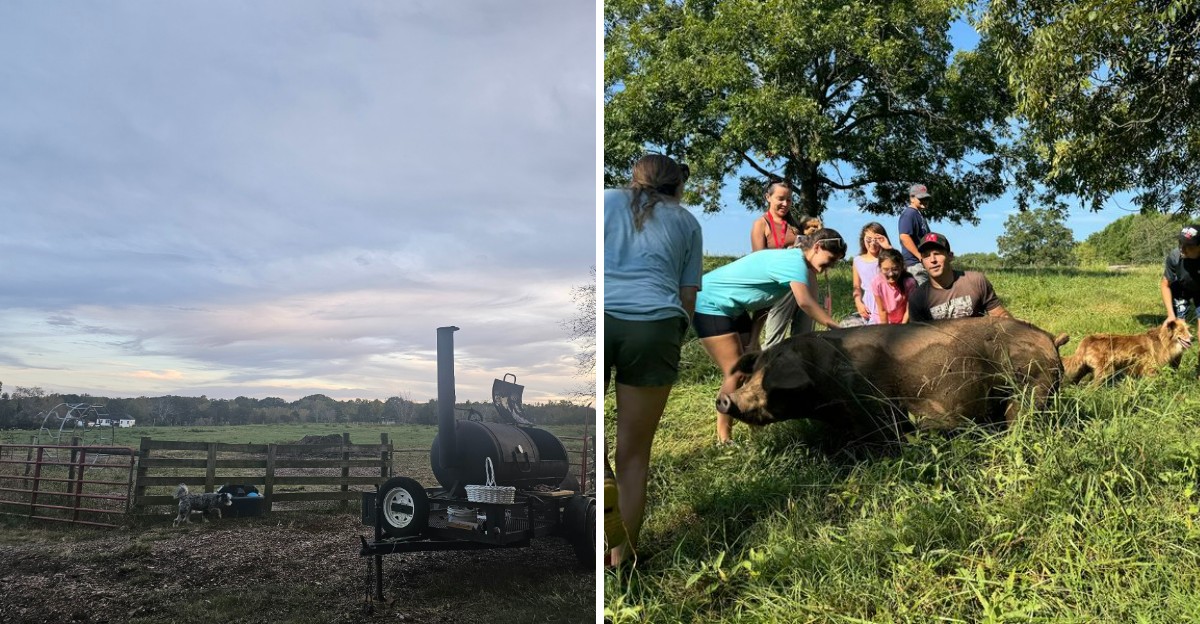
A farmer waved at me before I even parked. That should have been my first clue this place ran on its own rules.
No cash register beeping, no fluorescent lights, just a small wooden building surrounded by pasture and the smell of hay. Inside, a cooler held wheels of cheese made that same morning and butter so yellow it looked almost fake.
A handwritten sign explained which field the beef came from, down to the name of the cow. Nobody rushed me.
Nobody upsold me. I left with a bag heavier than planned and a strange sense that I had just seen how food used to work, before shortcuts existed.
Georgia hides places like this in plain sight, past the last cell signal and the first cattle gate. Most people drive right by.
I almost did too, and I would have missed one of the best finds in the entire state.
The Farm Store That Hides In Plain Sight
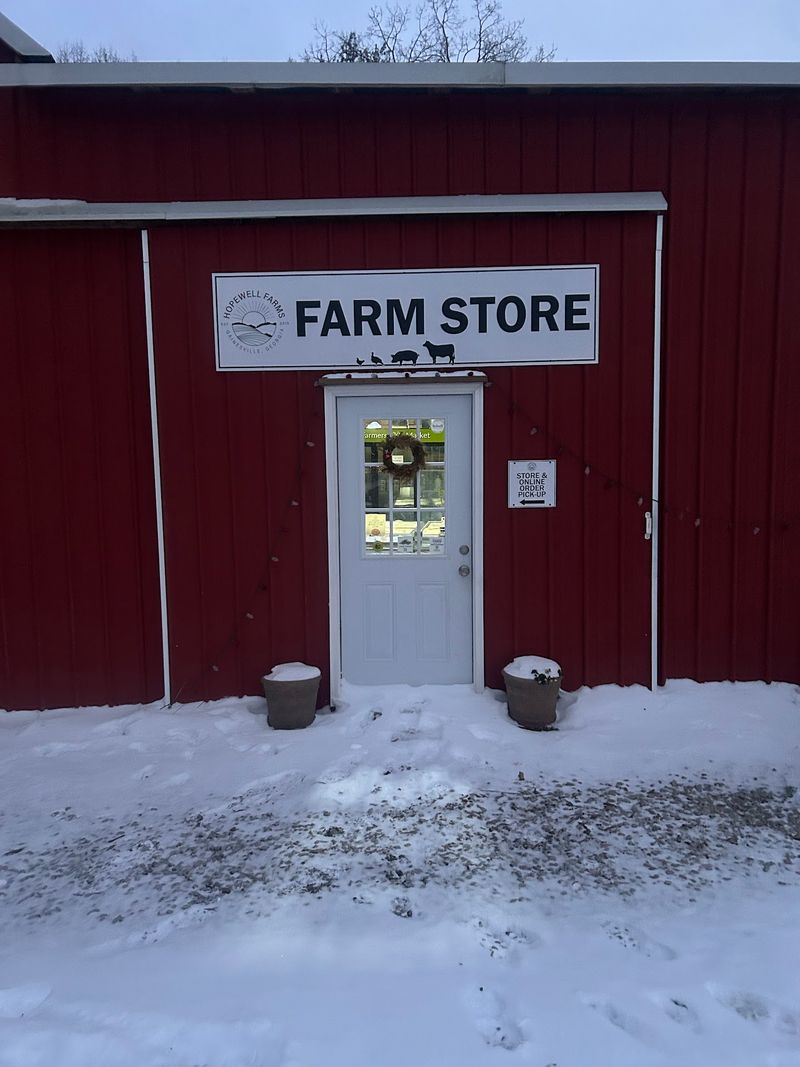
Country roads in north Georgia have a way of surprising you. One minute you are passing hay fields, the next you are standing in a farm store stocked with real food.
The property sits in the foothills of the Appalachian Mountains, which means rolling pasture in every direction. Cattle, pigs, and chickens are visible from the drive, not hidden behind steel walls.
Shopping here feels different from a grocery run. You can see the animals, the grass, and the people doing the work, all in one visit.
The store carries meat, dairy, eggs, and a few clever extras. Everything connects back to the land you just drove past, which is rare these days.
Family-run operations like this one are the backbone of a local food system. Buying here keeps money and food close to home instead of shipping both across the country.
Bring a cooler if you plan to load up, because you probably will. You can find the place at 4828 Hopewell Church Road in Gainesville, Georgia, home of Hopewell Farms.
Cheese Worth Rearranging Your Fridge For
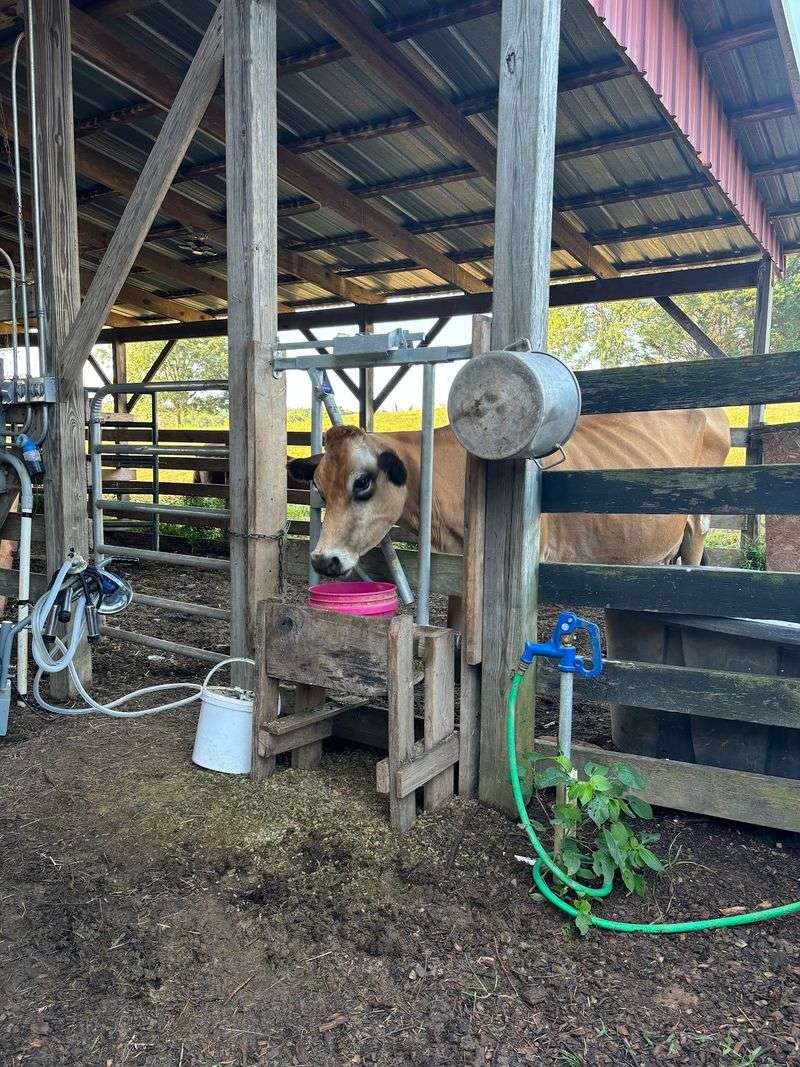
Cheese lovers, this is your section. The cooler here holds farm-fresh varieties that go far beyond plain slices.
Havarti shows up creamy and mild, the kind that melts into a grilled sandwich beautifully. Smoked cheddar brings a deeper, woodsy flavor that stands on its own with crackers.
Feta rounds out the lineup with a salty bite. Crumble it over roasted vegetables and suddenly a weeknight side dish feels special.
The cheese selection can vary, so checking what is available during your visit is a good idea. Plenty of folks avoid cow’s milk products, and a sheep option gives them something real to enjoy.
Sheep milk naturally carries more fat and protein than cow milk. That translates to a richer texture and a flavor that lingers pleasantly.
Buying cheese this way changes how you cook. You stop treating it as a topping and start building meals around it.
My advice is simple. Pick two you recognize and one you do not, then let curiosity handle the rest.
Store wedges wrapped loosely so they can breathe. Good cheese deserves better than a suffocating plastic bag.
Raw Butter With A Backstory
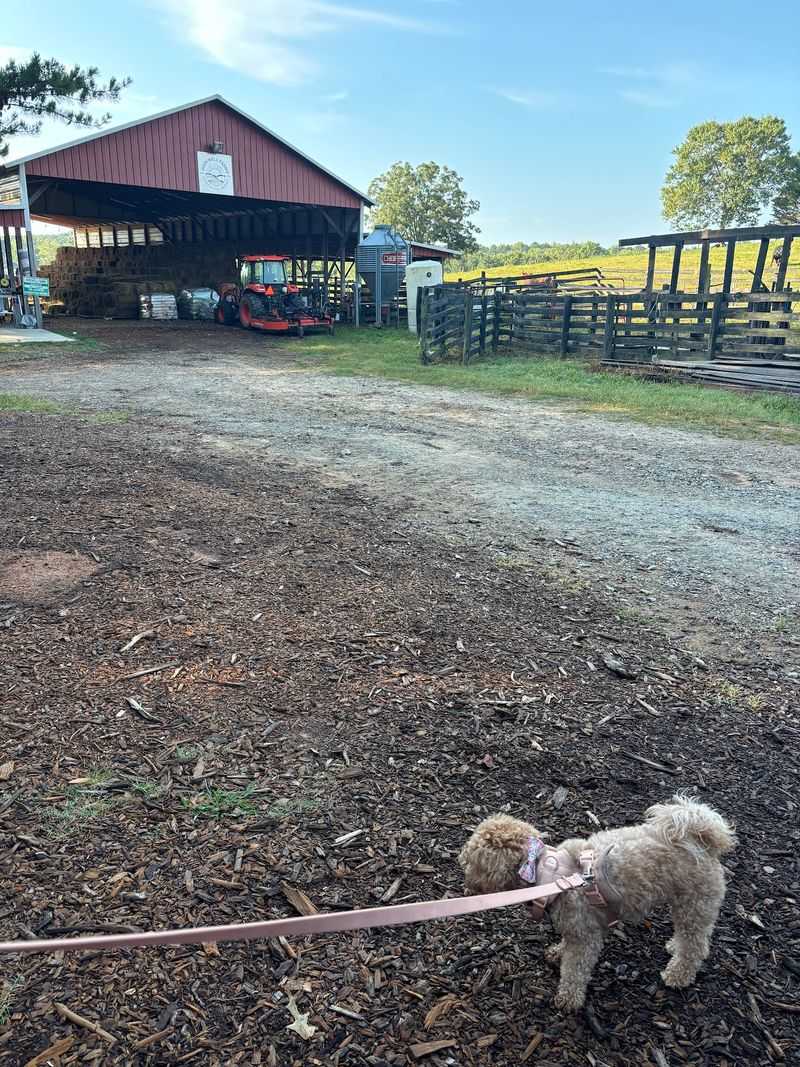
Butter should never be boring. The raw butter stocked here comes from partners at Mountain Meadows, and it tastes like it had a good life before reaching your toast.
Color is the first clue. Butter from pasture-fed animals tends to lean golden rather than pale, and you notice it right away on a slice of warm bread.
Flavor is the second clue. There is a gentle sweetness and a cleaner finish than most tubs from the supermarket shelf.
Dairy items like this often arrive through the bi-weekly delivery boxes. That means you can keep good butter in rotation without driving out every week.
Practical tip from experience: let it sit out for twenty minutes before spreading. Cold butter tears bread, and nobody enjoys that struggle.
Use it where butter is the star. Think scrambled eggs, mashed potatoes, or a simple pan sauce.
Once you cook with it, ordinary butter feels like a downgrade. Consider yourself warned before that first bite.
Freezing extra blocks works fine too. Wrap them tightly and thaw in the fridge overnight.
Grass-Fed Beef That Actually Tastes Like Beef
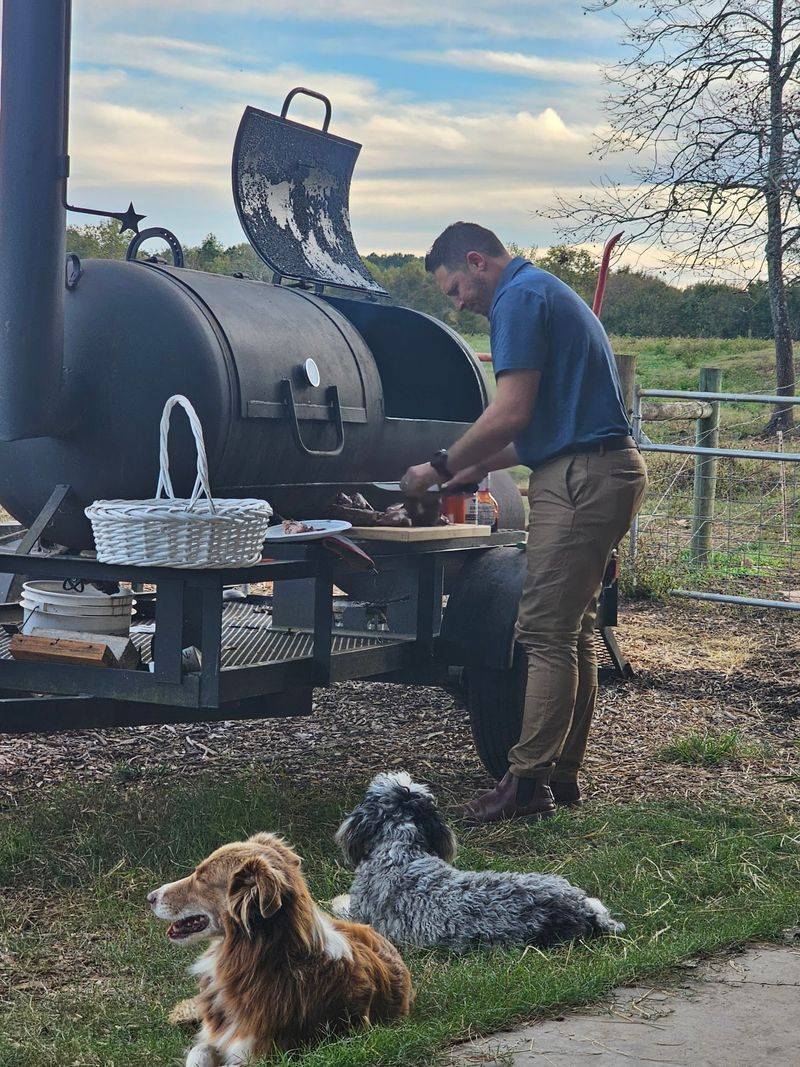
Beef is the headliner around here, and it earns the spot. Cattle are grass-fed and grass-finished, raised through regenerative agriculture practices.
That finishing detail matters more than most shoppers realize. Grass-finished means the animals stay on pasture right through the end, not switched to grain.
Cows are harvested between two and a half and three years of age. The extra time builds a deeper, richer flavor you can taste in a plain burger.
Cuts available include ground beef, beef links, and chuck roast. Half-cow purchases are also an option for families who plan ahead.
Cooking grass-fed beef takes a small adjustment. Use slightly lower heat and pull it off earlier, since it cooks faster than grain-fed meat.
Chuck roast rewards patience instead. Low and slow for hours turns it tender enough to shred with a fork.
Try a burger with only lettuce, onion, and tomato. Skip the heavy sauces and let the meat do the talking.
The freezer space is worth clearing. Bulk buying here saves money over time.
Pork From Pigs That Get To Be Pigs
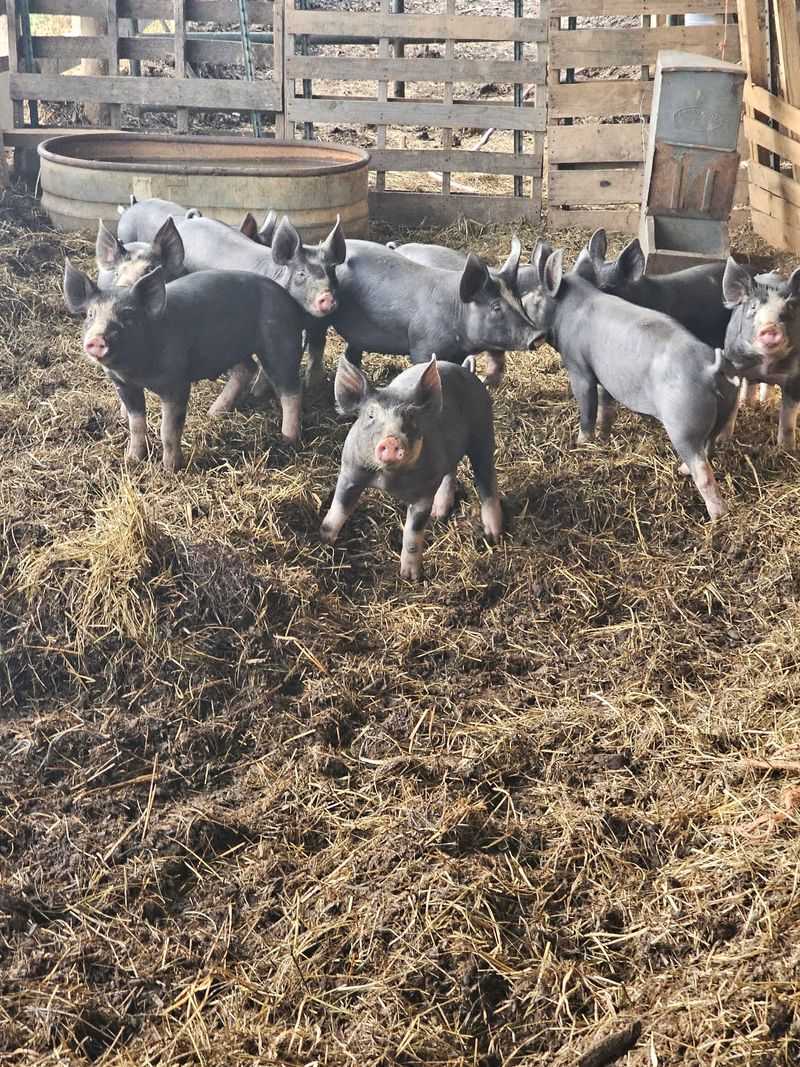
Pigs are natural diggers, and here they get to do exactly that. Pasture-raised hogs root around and express their normal behaviors instead of standing on concrete.
Happier pigs make better pork, and the difference shows up on the plate. The fat renders cleaner and the meat holds more flavor.
Pork belly is the crowd favorite for good reason. Smoked slowly, it turns rich, tender, and slightly crisp at the edges.
Sausage from the store carries real seasoning and real texture. It browns up beautifully in a cast iron skillet on a slow morning.
Bacon rounds out the lineup, and it behaves differently than the supermarket kind. Less water means less shrinking and less spitting in the pan.
Lard is also available for cooking, which old-school bakers swear by. Pie crust made with good lard flakes like nothing else.
Start with one package before committing to a bulk order. Chances are you will be back for more within the week.
Freeze bacon in portions rather than whole slabs. Thawing gets far easier that way.
Chicken And Eggs From Open Pasture
Crack one of these eggs and the yolk practically glows. Deep orange yolks are the calling card of hens that roam real grass and eat real bugs.
Eggs here are a staple item, often included in the weekly delivery service. Regulars build their whole breakfast routine around them.
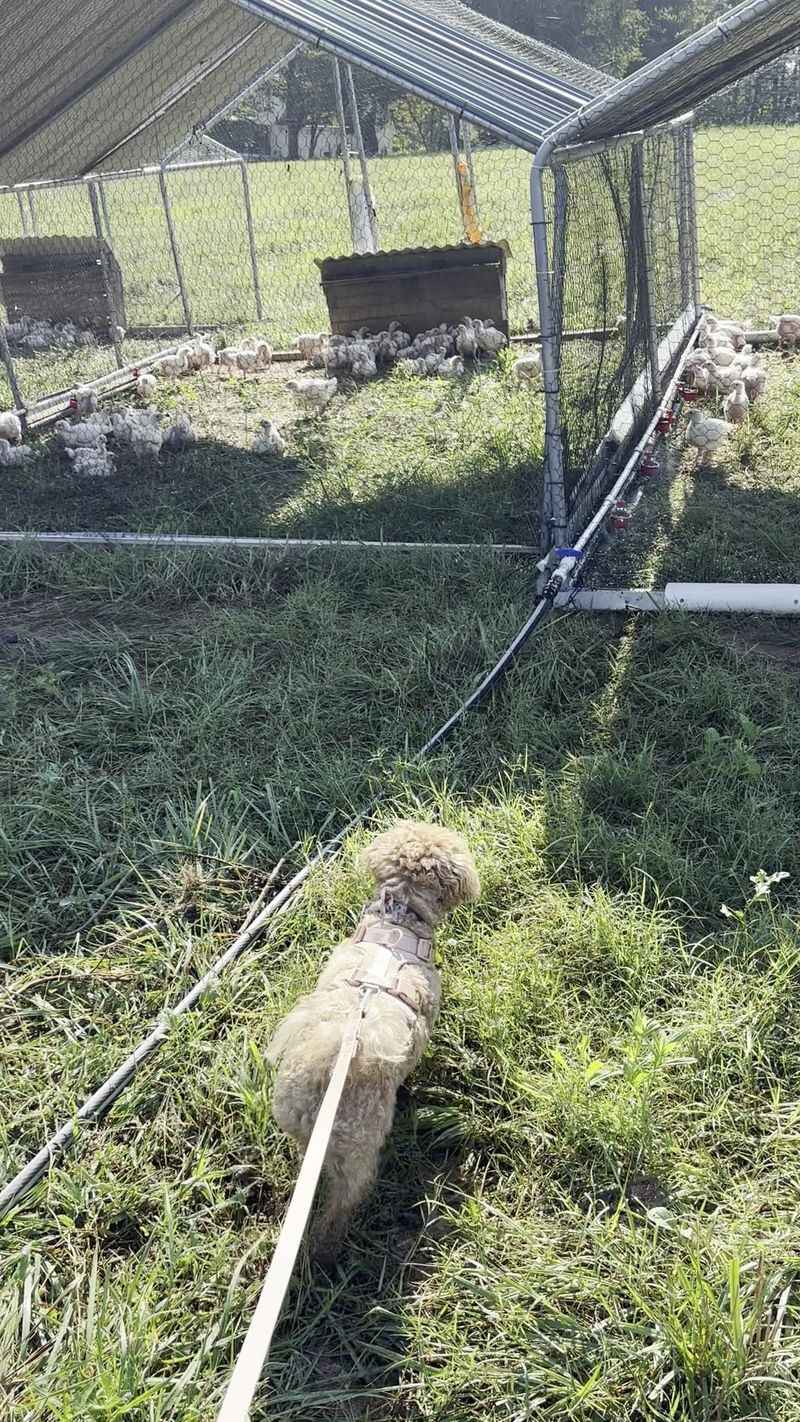
Poultry is pastured as well, with whole chickens, chicken breasts, and ground chicken available. Ground chicken is underrated for meatballs and quick skillet dinners.
Whole birds give you the most value. Roast one on Sunday, then simmer the bones for broth that gels when it cools.
Chickens are processed right on the property. Short distances mean fresher meat and fewer unknowns in the chain.
Cooking tip worth knowing: pastured chicken has less water than conventional. Roast at a steady temperature and check earlier than your usual recipe suggests.
Turkey shows up seasonally too, and holiday shoppers plan ahead for it. Ordering early is the smart move.
Once you taste a real egg, the flat store version loses its charm entirely.
Regenerative Farming Explained Without The Lecture
Soil rarely gets top billing, but it runs the whole show here. The farm builds healthy soil first, trusting that healthy animals and better food follow.
Rotational grazing is the main tool. Animals move to fresh paddocks regularly, giving grazed grass time to recover and grow back stronger.
Moving livestock also spreads manure evenly across the land. That natural fertilizer feeds the soil without bags of chemicals.
Deeper roots hold more water and more carbon. Pastures handle dry spells better and stay greener through tough stretches.
The result is cleaner, healthier animal protein for the surrounding community. Nothing about the approach is complicated, just consistent.
Transparency is part of the philosophy too. The operation stays open about its methods rather than hiding behind vague labels.
Understanding the system changes how you shop. You stop chasing buzzwords and start asking better questions at any market.
Fun detail worth knowing: grasses grow fastest after a short graze, not a long one. Timing the move is half the skill.
Good farming really is a long game.
Surprises On The Shelves
Meat and dairy may be the main draw, but the shelves hold a few curveballs. Pickled okra sits there looking tangy and Southern and entirely worth trying.
Beef tallow beauty balm is the one that stops people mid-browse. Rendered tallow has been used on skin for generations, long before modern lotions existed.
Nothing goes to waste in a setup like that. Turning tallow into balm is thrifty and clever at the same time.
Sourdough bread comes from Wildflours Bread Co., a local partner. Warm slices with that raw butter make a very convincing argument for skipping restaurants.
Wildflower honey from Krouse and Company Apiary is stocked as well. Its flavor shifts with the season and the blooms the bees visit.
Supporting other small producers strengthens the whole local food network. One stop ends up feeding several families in the region.
Browse slowly on your first visit. The small-batch items are easy to miss when the meat cooler grabs your attention.
Grab the honey early. It tends to disappear fast.
Here’s How To Actually Visit
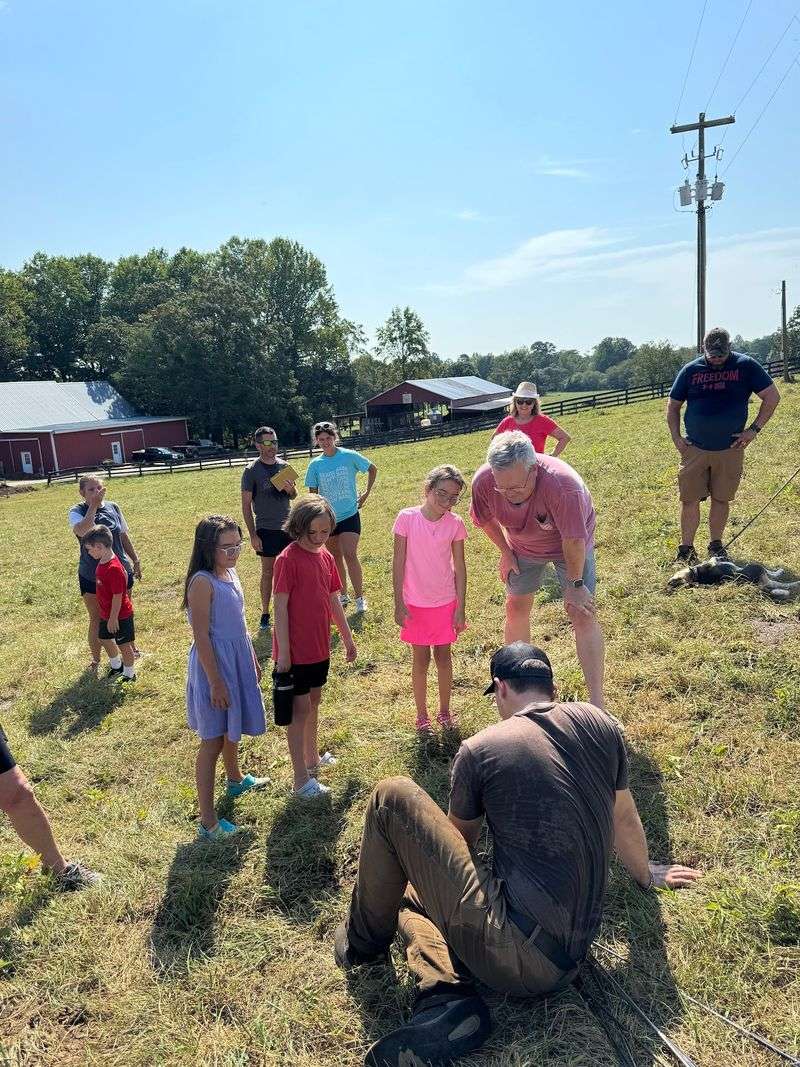
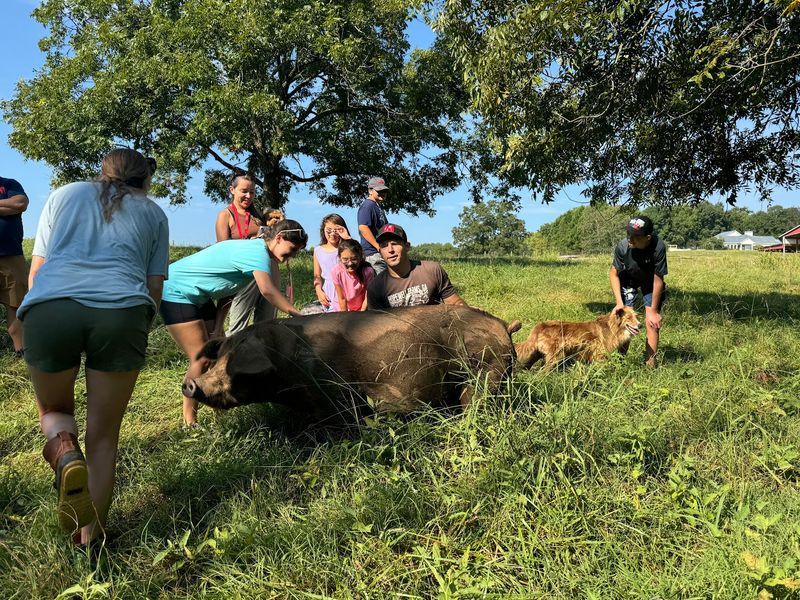
Educational farm tours turn a shopping trip into an afternoon out. Visitors walk the pastures, meet the animals, and see how the system actually works.
Kids love the tours most of all. Chickens, pigs, and cattle are far more interesting in person than in any picture book.
Tours explain soil health, grazing, and animal care in plain language. You leave understanding your groceries a little better than when you arrived.
For anyone who cannot make the drive, online ordering solves the problem. Weekly delivery boxes bring meat, eggs, and dairy straight to the door.
Dairy items typically arrive on a bi-weekly schedule. Setting up a box takes minutes and removes the guesswork from meal planning.
Bring a cooler, bring curiosity, and give yourself extra time.