This 2.3-Mile Hike In Idaho Leads You To A Swinging Suspension Bridge Hidden In The Woods
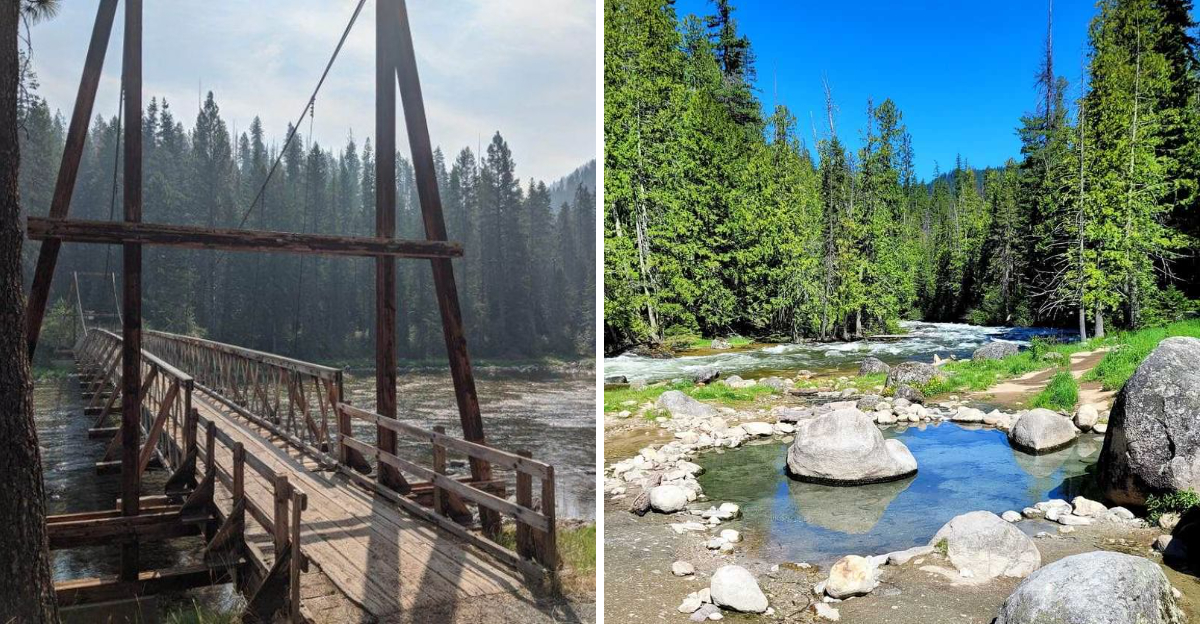
The bridge is where this hike stops feeling ordinary.
One moment, you are following a forest trail in Idaho. Then a suspension bridge appears ahead, swaying just enough to make the next few steps feel far more interesting than expected.
And that is only the beginning.
Beyond it, the path slips deeper into the trees while the sound of rushing water keeps pulling you forward. The farther you go, the more the outside world seems to disappear.
Then comes the reason people remember this trail.
Steam starts rising through the forest.
After 2.3 miles of walking beneath towering cedars, suddenly there are natural hot pools tucked beside the creek like someone hid them there on purpose.
That is what makes this hike worth the effort.
You are not just walking toward a viewpoint.
You are following a trail that keeps revealing something better until the final surprise is warm enough to climb into.
Cross The Swinging Suspension Bridge Right Near The Start
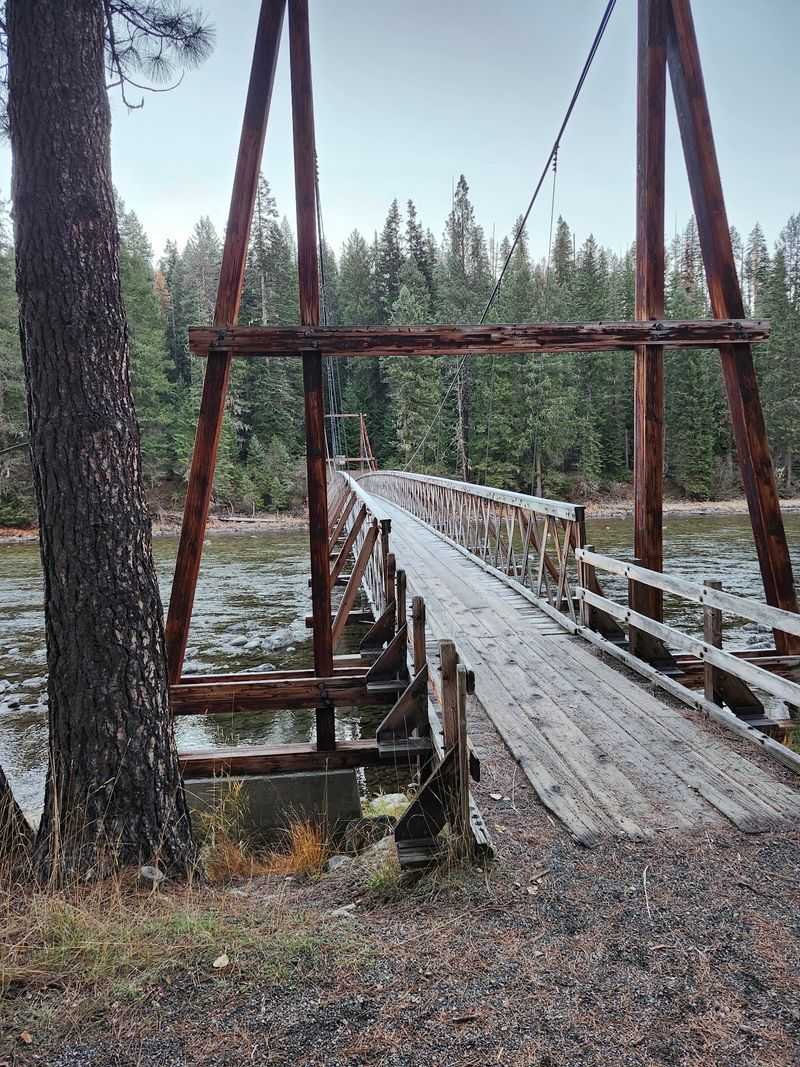
Your first big trail moment arrives almost immediately after leaving the parking area. The Warm Springs Trailhead sits on the north side of US Highway 12, while the hiking route begins across the highway.
From there, a long pack bridge carries you over the Lochsa River before the trail turns toward Warm Springs Creek. The Forest Service specifically identifies this bridge as the connection between the highway corridor and the nonmotorized trails beyond.
Wooden decking and tall suspension supports give the crossing plenty of personality. You may feel some movement beneath your feet, especially when several hikers are crossing at once.
Stop only where you can do so without blocking other trail users. The river below is part of the federally designated Wild and Scenic Lochsa corridor, so the view already feels far removed from an ordinary roadside trailhead.
Once you reach the opposite bank, the bridge quickly disappears behind trees as the route heads into the Warm Springs Creek drainage. That timing makes the crossing especially memorable.
Many hikes save their most unusual feature for the destination. This one hands you a suspension bridge almost before your legs have warmed up.
On the return trip, it becomes an unmistakable sign that the car is close again.
Follow A Forest Trail That Feels Far More Remote Than It Is
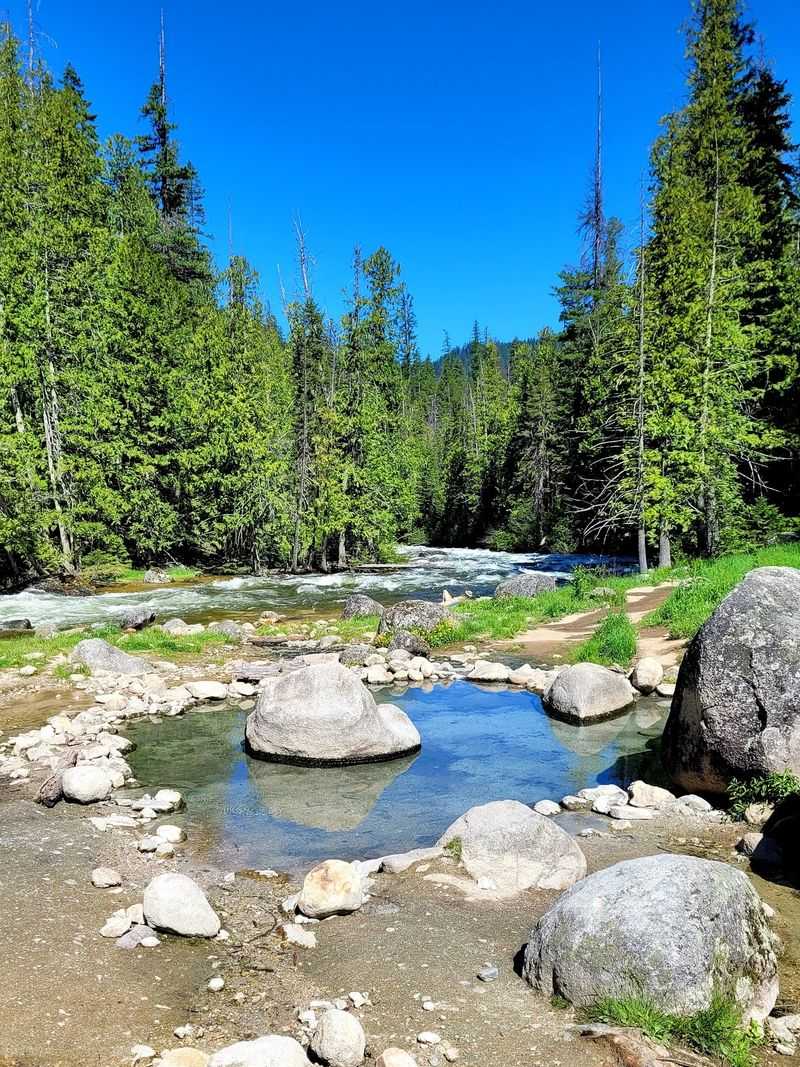
Traffic can seem surprisingly distant once the Lochsa River is behind you. Warm Springs Creek pulls the route into a forested side drainage where trees, water, and shaded trail begin dominating the surroundings.
The Forest Service places this corridor beside the Selway-Bitterroot Wilderness and within the Lochsa Face roadless landscape. That larger setting helps explain why such a short hike can feel considerably wilder than its highway access suggests.
The route toward Jerry Johnson Hot Springs is generally described as relatively level, although roots, rocks, mud, and seasonal debris still require attention. This is a natural forest trail rather than a paved recreation path.
Good walking shoes make the outing much more comfortable. Late fall and winter can bring snow and ice, while spring runoff changes conditions around the springs themselves.
Summer is easier underfoot, but it is also one of the busiest periods. Jerry Johnson receives heavy recreational use, so solitude is never guaranteed.
That does not erase the sense of being surrounded by forest. Slow down once the bridge disappears from view.
Listen for Warm Springs Creek beside the route and watch how quickly the highway corridor stops feeling like the main feature. The trailhead may be easy to reach, but the scenery beyond it feels much more removed from the road.
Walk Beside Warm Springs Creek Beneath Towering Trees
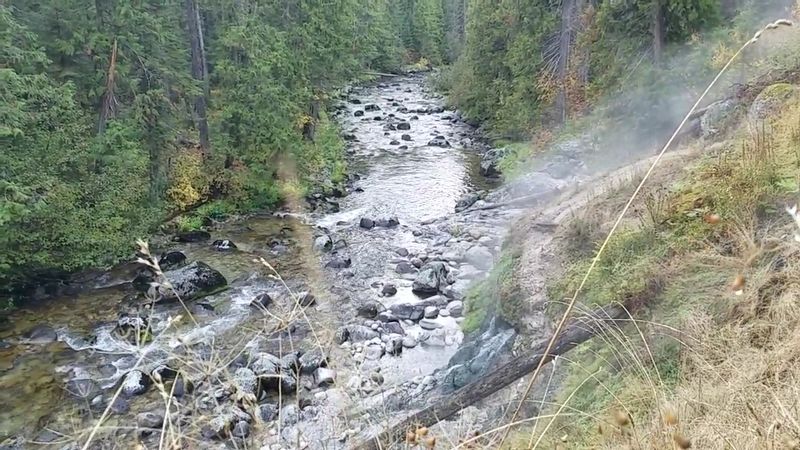
Moving water becomes the trail’s steady companion after the bridge crossing. Warm Springs Creek runs through a heavily forested drainage before meeting the Lochsa River, and the hiking route follows that corridor toward the springs.
Forest Service planning documents identify the lower 6.4 miles of the creek as eligible for Wild and Scenic River consideration. Recreation, geology, and scenery all contribute to its significance.
Cedar and fir create much of the shaded atmosphere hikers associate with the route. Moss, fallen logs, exposed roots, and damp forest ground add detail closer to your feet.
The creek itself remains cold mountain water despite the geothermal sources appearing farther along the drainage. Do not expect the entire stream to feel warm simply because hot springs are nearby.
Instead, geothermal water emerges at specific sources that feed individual soaking pools. The contrast becomes part of what makes the area interesting.
Cool creek water moves through one of the greenest sections of the Highway 12 corridor while much hotter water surfaces nearby. Wildlife also uses this broad forest landscape, though sightings are never something to promise.
Jerry Johnson is popular enough that human voices may be more common than elk beside the busiest stretch. Even so, the creek and tall trees give you plenty to notice before the first trace of steam appears.
Watch The Trail Change As You Move Deeper Into The Woods
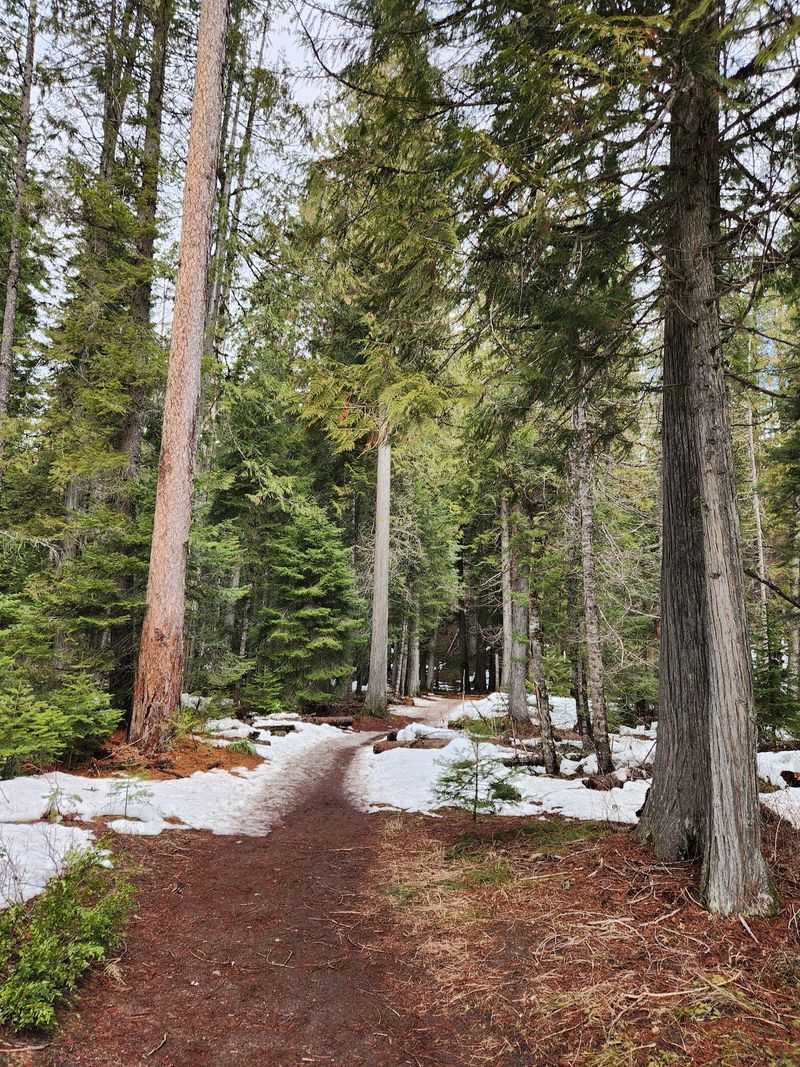
Pay attention to what happens after the first easy stretch instead of treating the trail as transportation to the pools. The forest gradually becomes the main attraction, with shaded creekside sections creating a noticeably different atmosphere from the exposed highway corridor.
Warm Springs Creek sits within a landscape the Forest Service describes as having strong recreation, geology, and scenic values. Farther upstream, the drainage reaches the Selway-Bitterroot Wilderness.
Trail conditions can change with the season. Spring runoff raises water levels and may cover some of the lower hot-spring pools.
Summer generally exposes more of the soaking area, although higher visitation becomes the tradeoff. Autumn can bring cooler hiking temperatures, while winter adds snow and ice to both the trail and bridge.
Keep an eye on the tread rather than assuming the relatively gentle grade means there are no obstacles. Roots, wet spots, fallen branches, and uneven surfaces remain normal in a forest like this.
The change in scenery is subtle rather than theatrical. No single turn suddenly announces that you have entered somewhere completely different.
Instead, highway noise fades, trees crowd closer, and the creek becomes more noticeable. Then traces of geothermal activity begin appearing near the springs.
The route rewards hikers who look around instead of racing toward the soaking pools with their eyes fixed on the destination.
Keep An Eye Out For Steamy Pools Along The Route
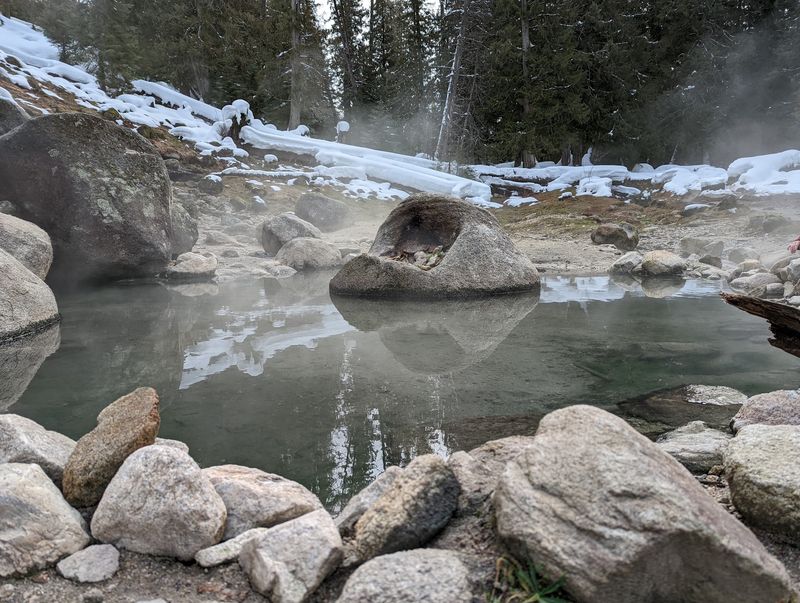
Warm water begins appearing in several distinct places rather than one enormous developed pool. Jerry Johnson is commonly described as having three main geothermal source areas, with rock-lined soaking spots scattered along the Warm Springs Creek drainage.
Temperatures vary because hotter source water mixes differently with cooler surface water. Current guides place the range around 95 to 115 degrees Fahrenheit, although natural pools can change.
Always test the water carefully before getting in. The first area includes waterfall-fed pools that can disappear beneath high water during spring runoff.
They become more usable after water levels drop later in the season. Other soaking areas remain farther along the trail, which is one reason distance estimates differ among hikers.
Stopping at the first accessible pools produces a shorter outing. Visiting the full sequence pushes the round trip closer to three miles.
Nothing here resembles a developed spa. Rock walls, forest soil, creek water, changing pool shapes, and natural debris are all part of the experience.
The site also receives heavy use, so arriving early may improve your chances of finding more room. Pack everything out when you leave.
Avoid soaps or other products in the water. A primitive hot spring stays appealing only when visitors resist treating it like somebody else will clean up afterward.
Take Your Time On A Short Hike Packed With Scenery
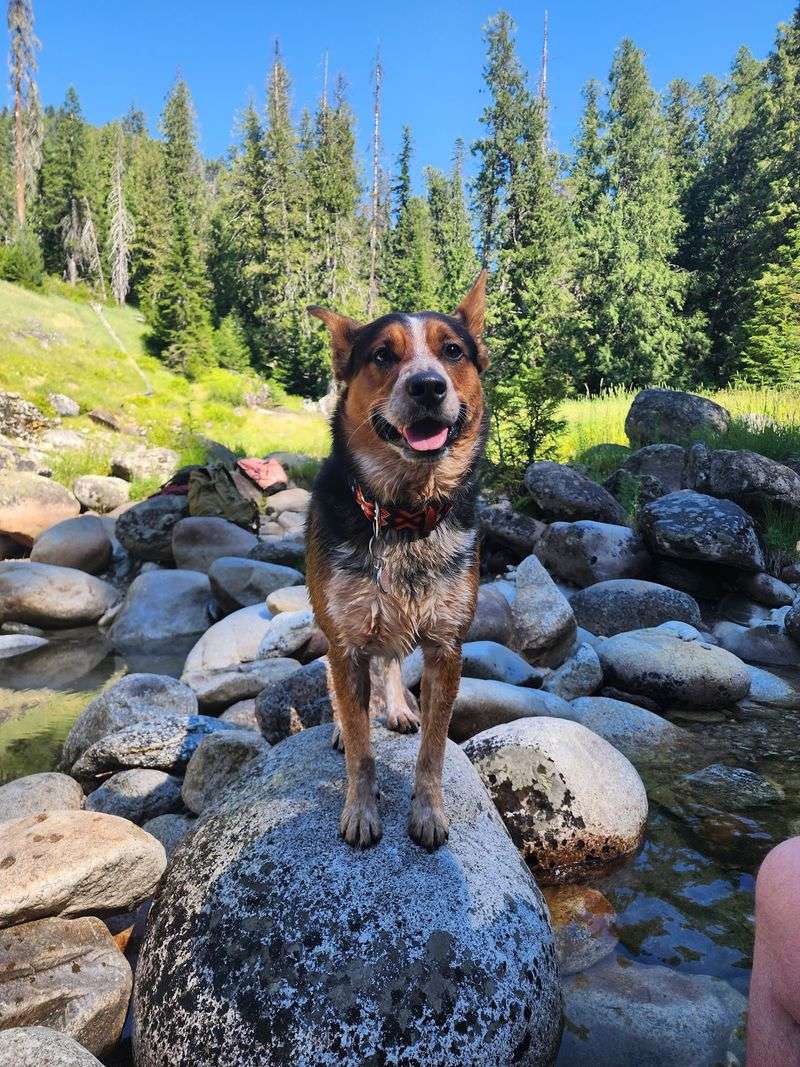
Mileage alone makes this outing sound almost too easy to deserve much planning. The main hot-spring area sits roughly 1.3 to 1.5 miles from the trailhead, depending on which pool becomes your turnaround point.
That puts a fuller visit around 2.6 to 3 miles round trip. The Forest Service has long described Jerry Johnson as about 1.5 miles from US Highway 12.
The relatively gentle grade helps keep the route approachable, but short does not mean effortless in every season. Summer heat, winter ice, wet roots, and muddy spring conditions can all change the experience.
Carry water even when the creek beside you looks inviting. Natural surface water should not be treated as safe drinking water without proper treatment.
The Warm Springs Trailhead does have parking and a vault toilet, according to Forest Service planning documents. Potable water is not something to count on.
Give yourself more time than the distance suggests. The suspension bridge deserves a pause.
So does the creek. Add soaking time, and a quick hike can easily occupy much of an afternoon.
The site is managed for daytime use, so do not let a long soak push the return trip too late. The current access window is 6 a.m. to 8 p.m., and overnight use around the springs is prohibited.
See Why The Suspension Bridge Becomes The Moment Everyone Remembers
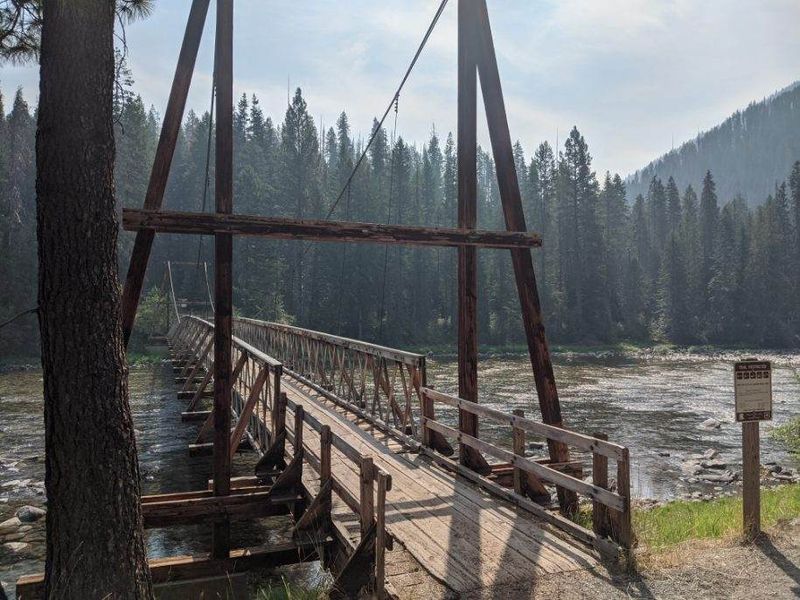
Crossing back over the Lochsa feels different after several hours in the forest. At the start, the bridge is an unexpected first attraction.
On the return, those tall wooden supports become a welcome landmark telling you the parking area is almost within reach. The bridge was built as a pack crossing and provides access to trails beyond the river, including the route toward Jerry Johnson Hot Springs and the Selway-Bitterroot Wilderness.
Its position also creates one of the clearest views of the Lochsa during the entire outing. The Wild and Scenic River corridor stretches through steep, forested canyon country along Highway 12.
Give other hikers room while crossing, and remember that stock animals may also use this type of Forest Service bridge. Running, deliberately bouncing the span, or crowding people who are uncomfortable with heights adds nothing useful to the experience.
Walk normally and enjoy the movement that comes naturally with a suspension structure. Photographs are easiest when traffic across the bridge is light.
The view downstream can look especially good when afternoon light reaches the canyon. Once you step off the far end, the highway and parking area return quickly.
That sudden change is part of the fun. One moment you are crossing a broad mountain river on a wooden bridge.
A few minutes later, you are back beside US Highway 12 wondering how such a short trail packed in so much scenery.
Turn A 2.3-Mile Idaho Hike Into A Much Bigger Adventure
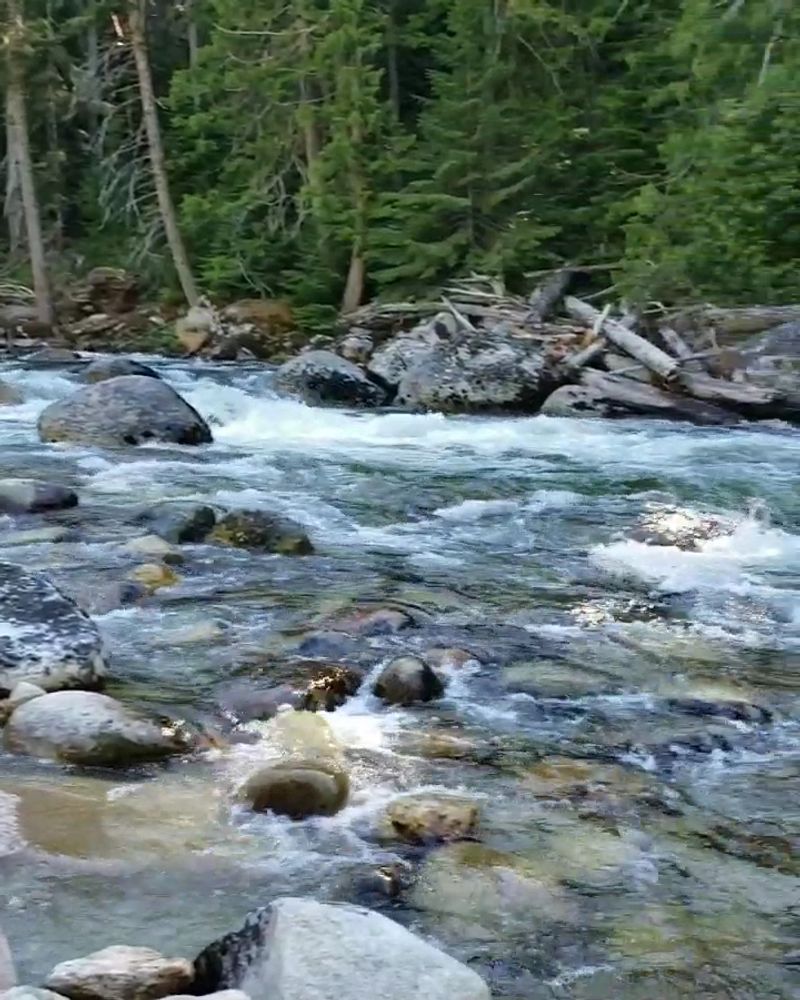
Stopping at the nearer soaking areas can keep the outing relatively short, but the trail does not simply end where most hot-spring visitors turn around. Warm Springs Creek continues deeper into the forest, and the route provides access toward the Selway-Bitterroot Wilderness.
Forest Service documents specifically identify the trailhead as a gateway to both Jerry Johnson Hot Springs and the wilderness beyond. Hikers who continue past the popular pools should treat that decision as a different kind of outing.
Navigation, daylight, water, weather, and wilderness preparedness matter more once the crowds begin thinning. Do not assume the rest of the route will feel like the heavily traveled hot-spring approach.
The familiar round-trip distance also deserves some flexibility. A 2.3-mile outing can work when visiting only the nearer portion of the spring area, but reaching more of the pools generally pushes the day toward roughly 2.6 to 3 miles.
Access to the hot springs itself remains free. Current rules keep Jerry Johnson day-use only, with the area open from 6 a.m. until 8 p.m.
Camping at the springs is prohibited. Check Forest Service alerts before driving Highway 12, especially during wildfire season or periods of severe weather.
Then decide how ambitious the day needs to be. A bridge, creekside hike, and natural soak already make a very full Idaho adventure without adding another mile.