This 18-Mile Southern California Bike Trail Follows The Ghost Of An Old Electric Railway
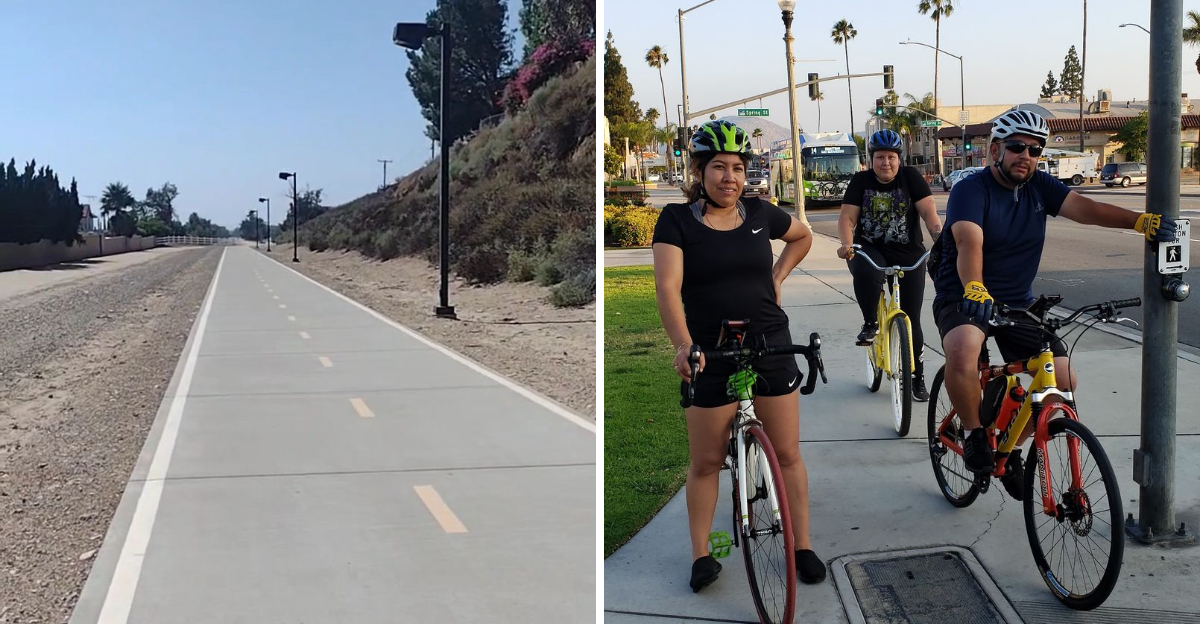
Pedal long enough and the trail starts feeling like a route with a memory.
You roll past neighborhoods and city scenery that never quite lets you forget this path was once meant for something very different.
The railway is gone, but its old corridor still shapes the ride beneath your wheels.
Southern California cyclists can follow 18 miles of former electric railway right-of-way without needing to imagine the history too hard.
Keep an eye out for the clues.
The straight stretches, unusual alignments, and sudden changes in the surroundings hint at the transportation route that came before.
Stop when something catches your attention. Let the ride slow down for a minute. Then keep moving and see how the landscape changes again.
The Trail Runs Along An Old Pacific Electric Railway Corridor
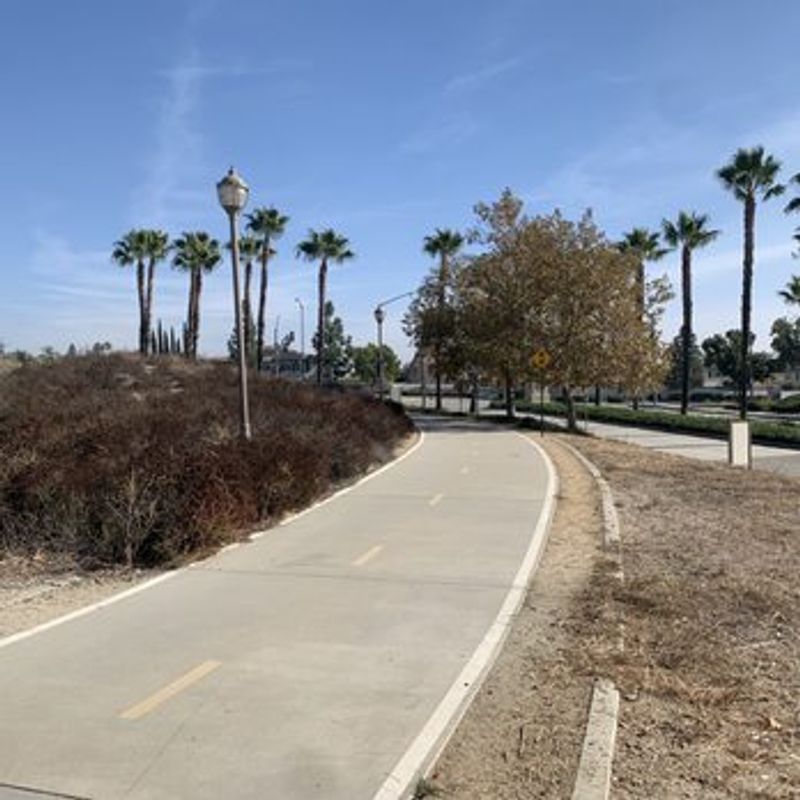
Get this, riding your bike over ground where electric trains once hummed along steel rails. Sound pretty interesting, right?
The Pacific Electric Trail sits right on top of a former Pacific Electric Railway right-of-way, so every mile connects you to Southern California history.
Back in the early 1900s, this railway was part of the famous Red Car system.
Those bright electric trains carried thousands of passengers between towns before highways and automobiles took over. When the trains stopped running, the land stayed put, quietly waiting for a new purpose.
Instead of letting the corridor turn into weeds and forgotten lots, planners transformed it into a smooth, paved path for people. That is why the trail feels so different from a park loop or a neighborhood sidewalk.
You are literally following the ghost of a railroad that shaped this whole region. As you pedal along, it helps to imagine the clang of the trains and the crowds of commuters who once traveled the same route.
This link to the past gives the ride a special feeling.
Claremont To Rialto Marks The Full Journey
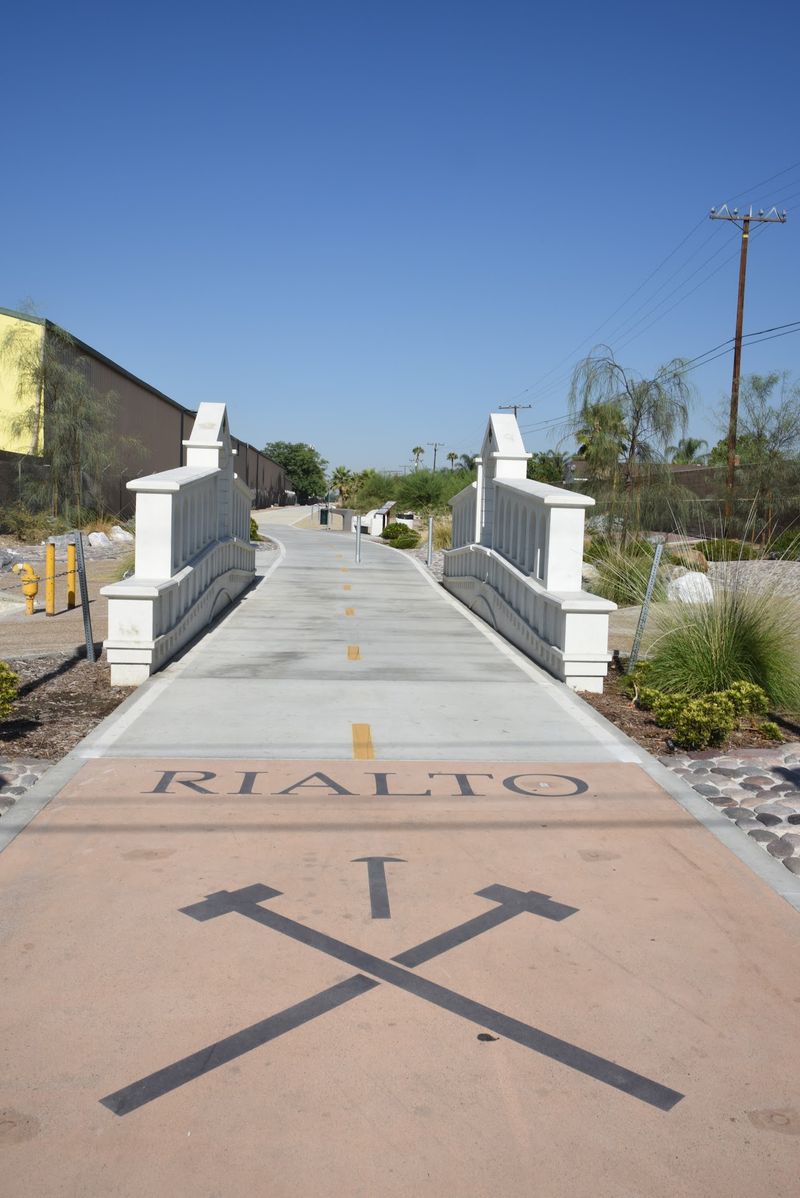
Ever wanted a bike ride that actually goes somewhere instead of circling back to where you started?
The Pacific Electric Trail delivers exactly that, running as one continuous route from Claremont all the way to Rialto.
The path stretches across the western Inland Empire, cutting through the heart of several communities.
Because it is a regional trail, it links towns together rather than staying stuck inside a single park or one neighborhood block.
This means you can start in one city and finish in another, watching the scenery slowly change beneath your wheels.
Along the way, the landscape shifts from quiet residential areas to busier spots with shops, parks, and public places to rest.
Having clear starting and ending points also makes trip planning easier. You can ride the whole 18 miles as a big adventure or pick just a section between two towns for a shorter outing.
Riders who love a sense of progress will appreciate this setup. Every mile feels like it counts because you are truly traveling forward, moving from one community into the next.
Six Cities Help Tell The Trail’s Story
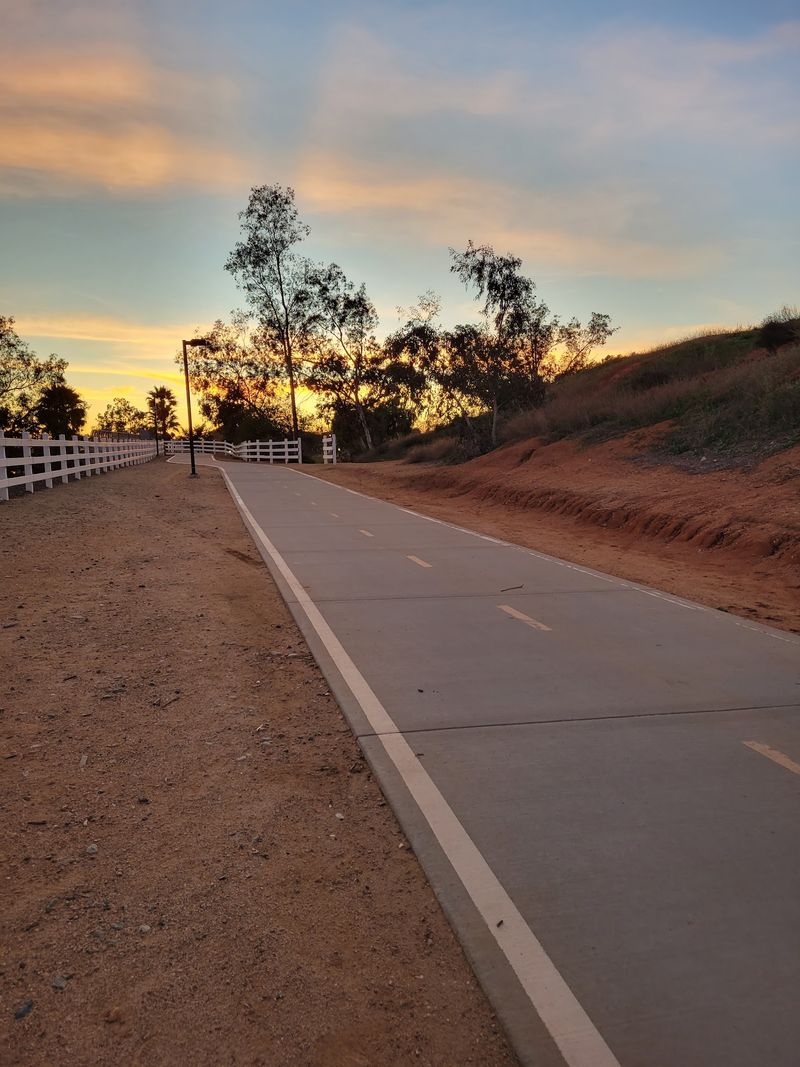
One trail, six different towns, and each one adds its own flavor to the ride.
The larger corridor links Claremont, Montclair, Upland, Rancho Cucamonga, Fontana, and Rialto into a single connected route.
That is a lot of communities to string together, and it takes teamwork to build something this long.
Rancho Cucamonga stepped up as the lead agency during development of the regional trail, helping coordinate the pieces that cross so many city borders.
Because the path passes through so many places, no two sections feel exactly alike.
You might roll past historic downtown areas in one town, then find yourself near modern parks and community buildings in the next.
This variety keeps the ride interesting. Instead of staring at the same scenery for miles, you get a changing show of neighborhoods and different city styles.
It also means there are plenty of places to stop for a snack, grab water, or take a break. Each town offers its own little conveniences along the way.
Rancho Cucamonga Gives Riders More Than Six Miles Of Trail
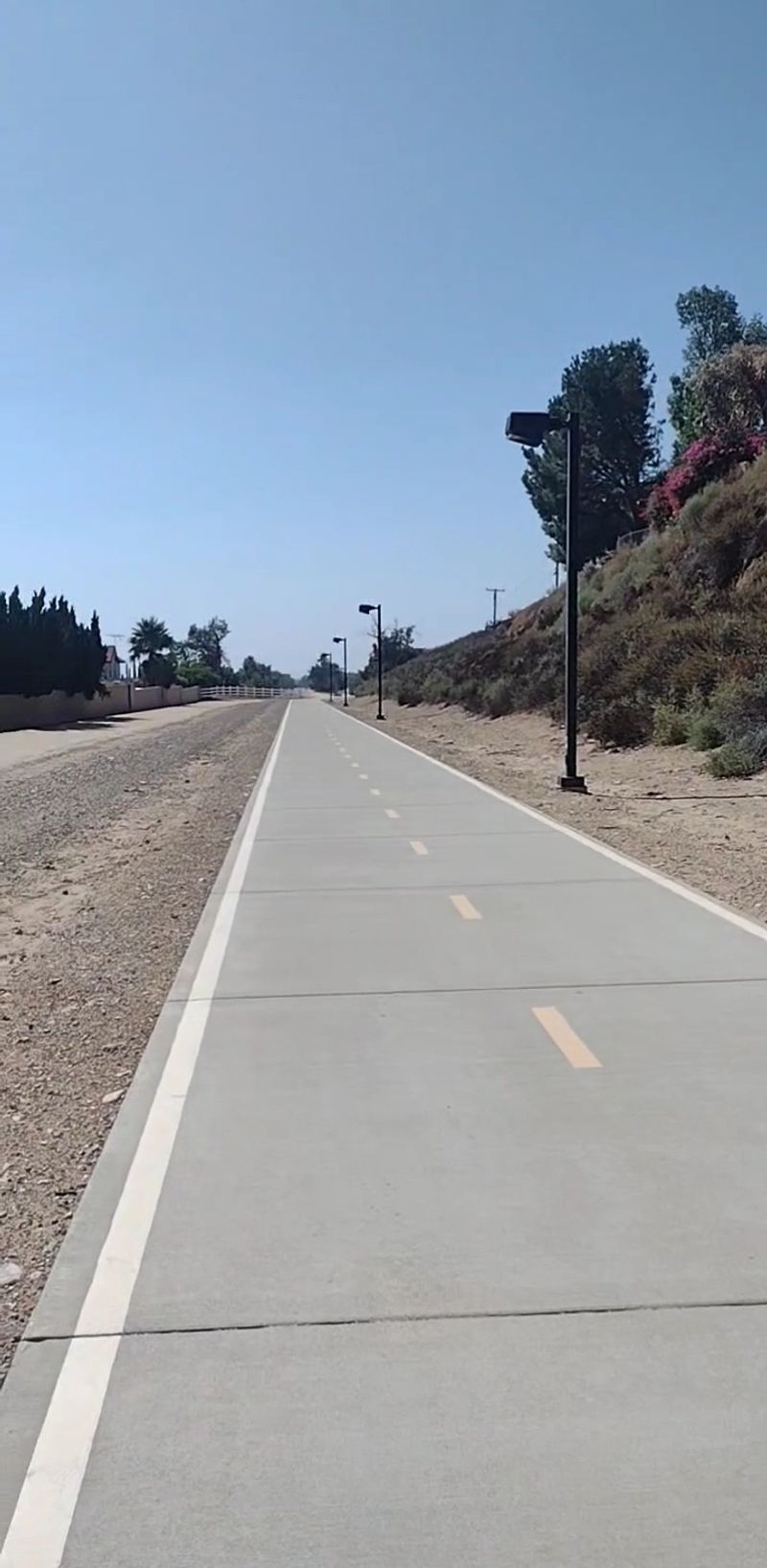
If you love long, uninterrupted stretches, Rancho Cucamonga is where the trail really shows off. More than six miles of the route cross this single city, making it one of the biggest pieces of the whole corridor.
The path here follows the original railway easement, running between Upland and Fontana. That old railroad foundation is exactly why this section feels so smooth and steady beneath your tires.
Six miles might sound like a lot, but the flat, direct layout makes it easier than you would expect. Riders often find they cover the distance faster than on hilly or twisty routes.
This stretch also gives you plenty of room to settle into a rhythm. Once you find your pace, you can relax, breathe, and simply enjoy the open path ahead.
Families appreciate this part too, since long straightaways mean fewer surprises and easier riding for kids still building confidence. There is space to spread out and move comfortably.
Rancho Cucamonga clearly takes pride in its portion of the trail, which makes sense given its leadership role in building it.
Fontana Gets An Even Longer Piece Of The Route
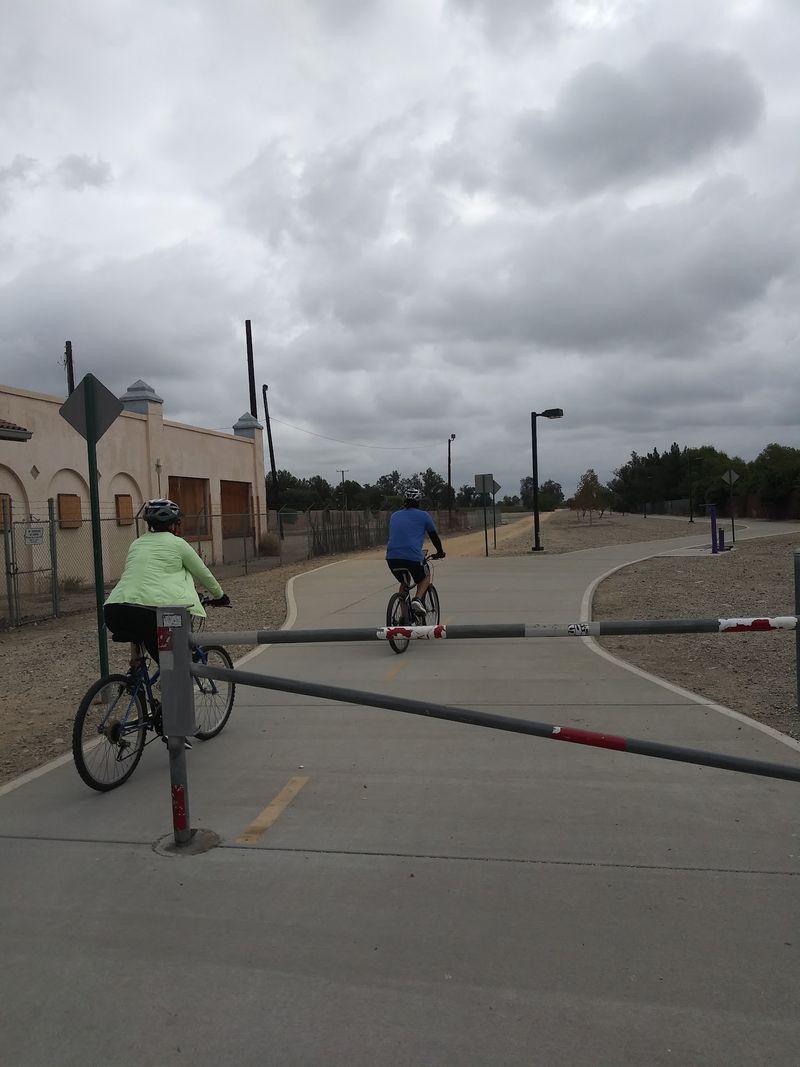
Fontana wins the prize for the longest single stretch, with about seven miles of trail passing through its borders. That is nearly half of the entire 18-mile route packed into one city.
With so much distance to cover, this section gives riders plenty to see and do. As you pedal through, you will encounter parks, community facilities, and other neighborhood destinations worth a quick stop.
One special spot is the Fontana Art Depot, a nod to the area’s creative side. Nearby, the Veterans Memorial Rose Garden offers a peaceful place to pause and admire the flowers.
These attractions turn a simple bike ride into a mini day trip. You can hop off, explore, rest a while, and then jump right back on the trail whenever you are ready.
Because the stretch is so long, it also works well for people who want a good workout without leaving one city. You could ride out and back and still log plenty of miles.
Mountain Views Follow Riders Through The Inland Empire
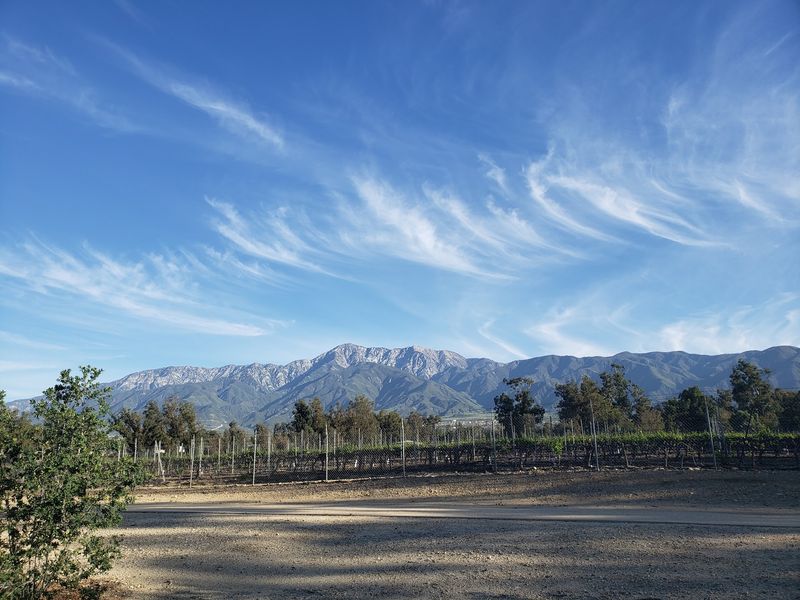
Nothing beats looking up from your handlebars and seeing towering mountains greeting you.
Along sections near Rancho Cucamonga and Upland, the trail rewards riders with wide, open views of the San Gabriel Mountains.
On clear days, Cucamonga Peak stands out sharply against the sky. Its rugged shape makes a stunning backdrop as you glide along the flat, straight path below.
These views add a peaceful, almost postcard-like quality to the ride. You get the fun of cycling combined with the calm feeling of being surrounded by natural beauty.
The best part is that you do not have to climb a single mountain to enjoy them. The trail stays level while the peaks tower in the distance, giving you scenery without the tough uphill effort.
Morning and late afternoon are especially magical, when the light hits the slopes just right. Snow sometimes dusts the higher peaks in winter, making the sight even more dramatic.
Remember to bring your phone or camera, because these mountain views practically beg for a photo. Many riders slow down just to soak it all in.
Cyclists Are Not The Only Ones Using It
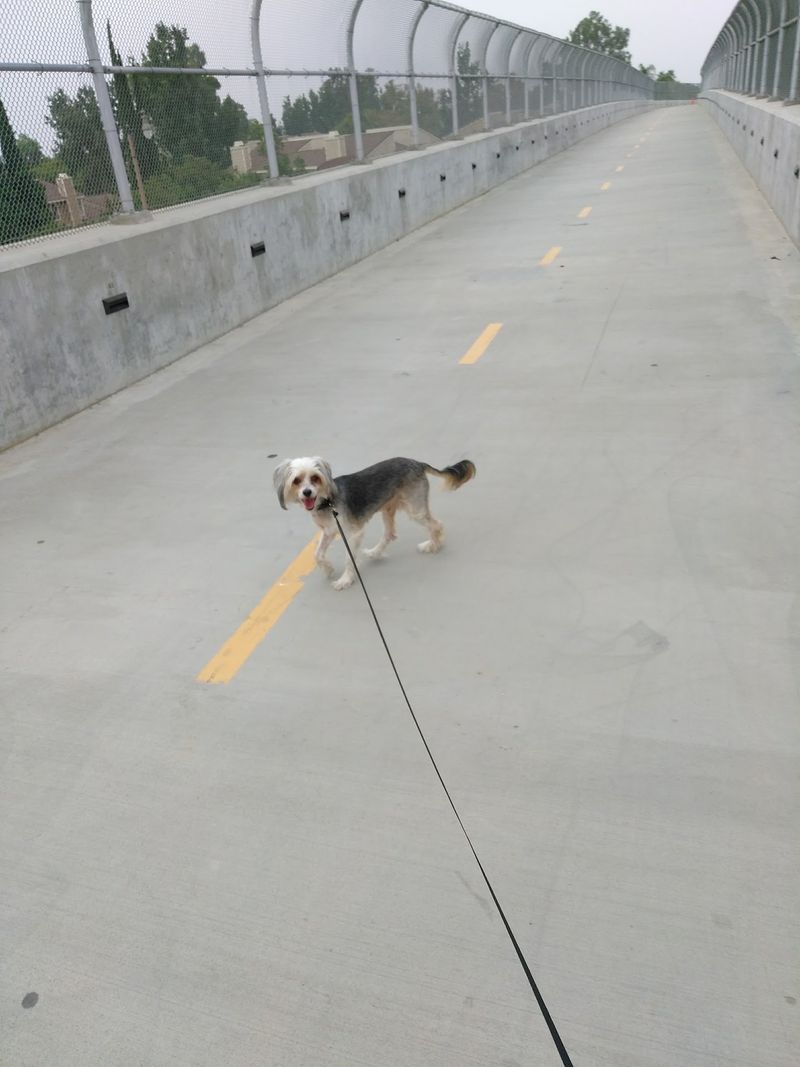
Bikes may get top billing, but this trail welcomes a whole crowd of visitors. As a multiuse route, it happily makes room for walkers, runners, and even horseback riders.
To help everyone get along, some sections include parallel surfaces built for different users. You might see a smooth paved lane running right beside a crushed stone path perfect for equestrians.
This clever design keeps things safer and more comfortable for all. Fast cyclists can zoom on the pavement while walkers and horses stick to their own dedicated space.
Sharing the trail does come with a few simple manners. Riders should call out or ring a bell when passing, slow down near others, and always keep to the correct side.
Because so many kinds of people use the path, it has a friendly, community feel. You will pass families out for a stroll, joggers getting their morning miles, and neighbors chatting along the way.
This mix makes the trail feel alive rather than empty and quiet. There is almost always someone else enjoying the same route.
Whether you walk, run, ride, or trot, there is a spot for you here.
Street Crossings Break Up The Ride
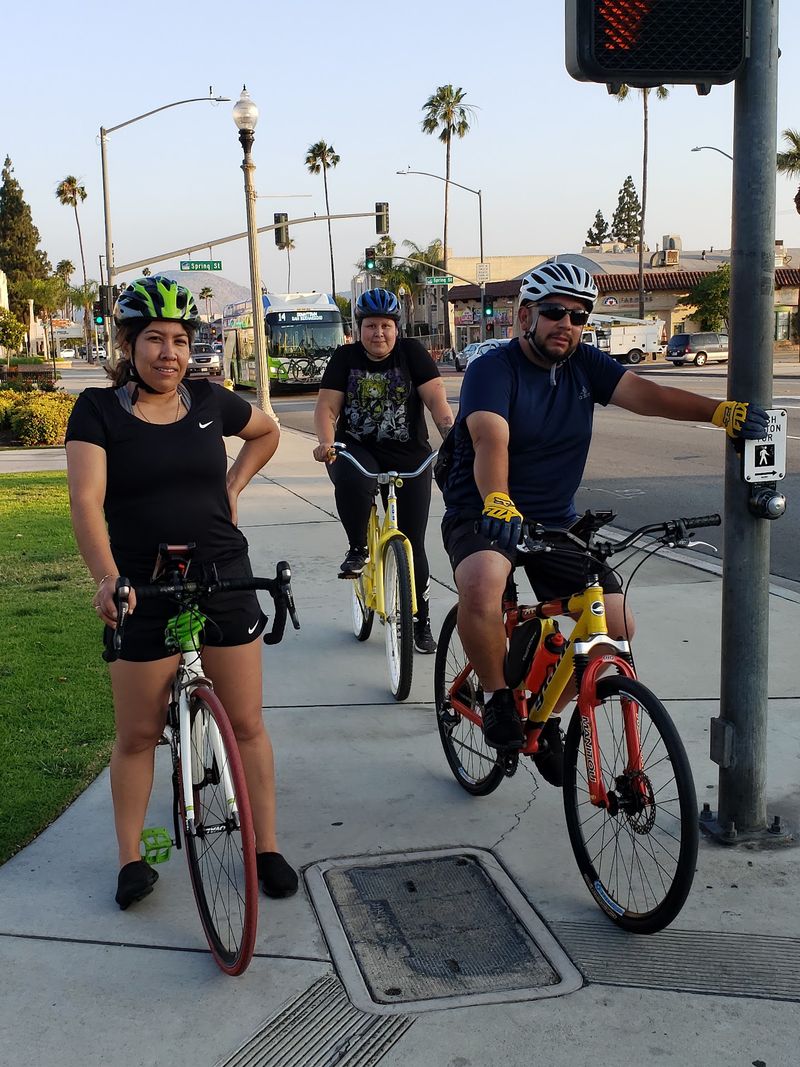
Do not expect a wild, untouched wilderness on this one. The Pacific Electric Trail is very much an urban path, weaving through busy towns instead of remote forests.
That city setting means the ride is not one long, uninterrupted stretch. Along the way, the trail crosses numerous city streets, so intersections pop up fairly often.
The good news is that these crossings are generally marked, and many even have signals to help you get across safely. You will usually find crosswalks, signs, or lights guiding your way.
Still, it pays to stay alert. Slow down as you approach each street, look both ways, and make eye contact with drivers before rolling through.
These stops can actually be handy. They give you natural moments to catch your breath, take a sip of water, or check your surroundings before continuing.
For families with young riders, the crossings offer good chances to practice safe road habits. Learning to stop and look is a valuable skill for any cyclist.
Historic Route 66 Appears Along The Way
Two legendary pieces of California history meet in one unforgettable spot along this trail.
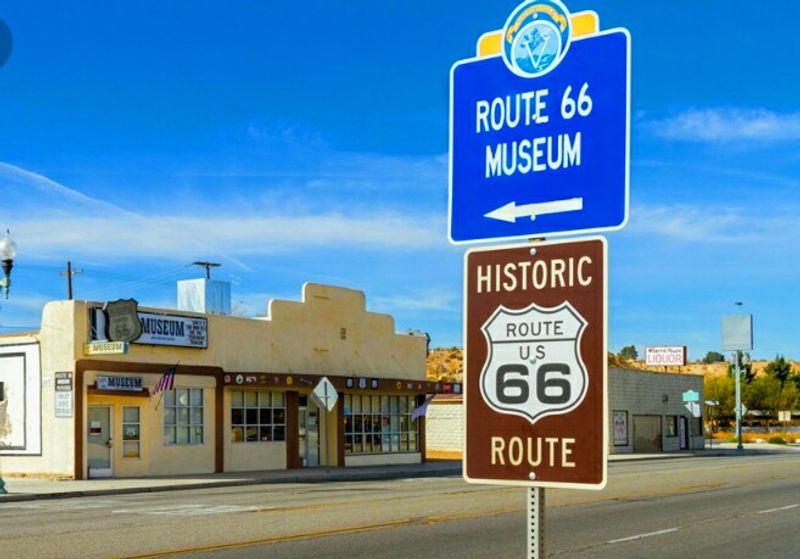
In Rancho Cucamonga, the Route 66 Trailhead connects the bike path to America’s most famous old highway.
Route 66 is a road wrapped in stories, songs, and adventure. Having it cross paths with an old railway corridor feels almost too cool to be true.
The trailhead itself celebrates both routes at once. Its design incorporates references to the old Pacific Electric railway and to Route 66, honoring the different ways people once traveled through Southern California.
Standing here, you can imagine both the electric trains and the classic cars that once carried travelers across the region. It is a neat overlap of two transportation icons in a single location.
For history fans, this stop is pure gold. You get to soak up decades of travel heritage without leaving the trail.
Even if you are not a history buff, the trailhead makes a great meeting point or rest spot. It is a memorable place to snap a photo and stretch your legs.
The Trail Is Still Changing In 2026
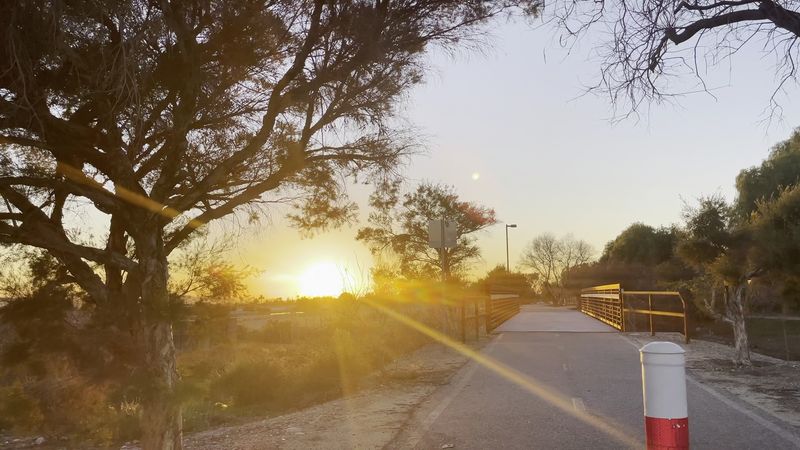
This trail is not frozen in time; it keeps growing and improving even now. In 2026, exciting new work is adding fresh features to the Pacific Electric Trail experience.
The big news comes from Upland, which broke ground in May 2026 on a project called Tom Thomas Magnolia Plaza. This new downtown public space is being built for the whole community to enjoy.
Once completed, the plaza will do double duty. Besides being a gathering spot, it will also serve as a Pacific Electric Trail trailhead, giving riders another convenient place to start or finish.
New trailheads make a real difference. They add parking, resting areas, and welcoming entry points that help more people discover and use the trail.
It is inspiring to see a decades-old railway corridor still inspiring brand-new projects today. The past and the present blend together as the trail keeps evolving.
For visitors, this means there is always something new to look forward to. A route you rode last year might have exciting additions the next time you visit.