This 4.4-Mile Virginia Trail Takes You To A 69-Foot Waterfall Perfect For Swimming
Not every hike ends with something worth talking about. Most of them are fine.
Pleasant, even. But fine is not what you remember.
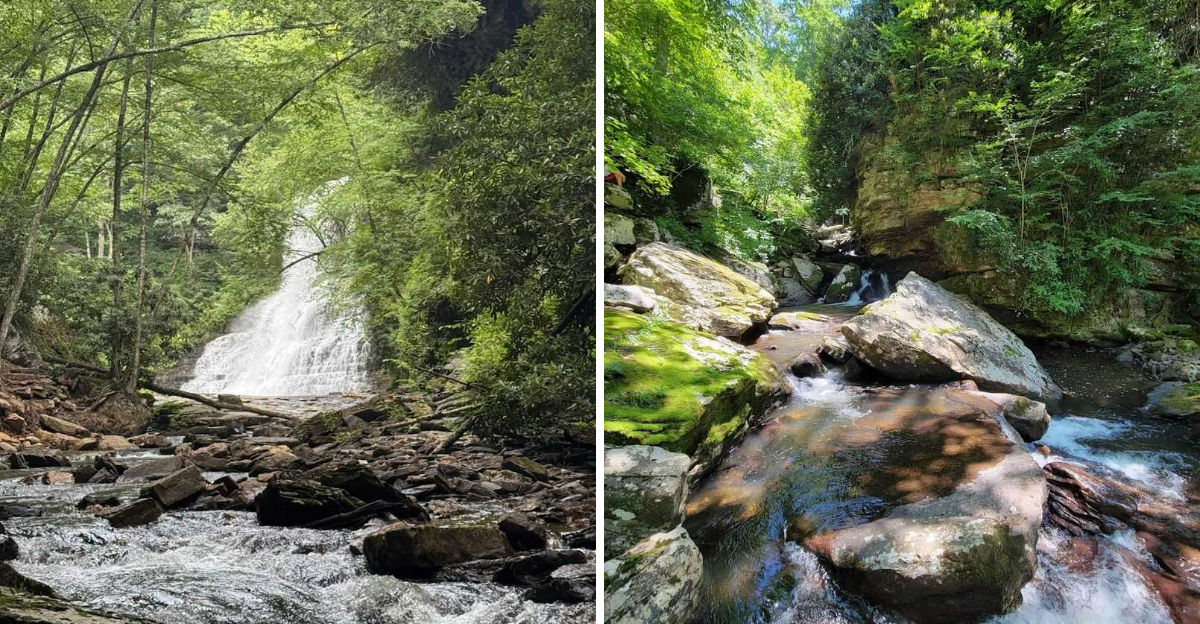
Virginia has a trail that ends with a 69-foot waterfall crashing into a swimming hole, and that is the kind of thing you remember for years. The path winds through a gorge, follows a rushing creek, and builds anticipation with every mile.
By the time you hear the water before you see it, you already know the payoff is real. Four and a half miles round trip.
The kind of distance that feels completely worth it the moment you arrive. Virginia does not run short on beautiful outdoor spaces, but this one sits in a category of its own.
Bring your swimsuit. Bring someone who deserves a great day.
This trail delivers exactly that.
Before You Hike Virginia’s Famous 4.4-Mile Trail
Few hikes manage to reward you at every single step, not just at the finish line. This trail does exactly that.
The path runs alongside Little Stony Creek the whole way, so you hear rushing water before you even get warmed up.
The total distance is roughly 4 to 4.4 miles round trip. Some hikers clock closer to 4.8 miles if they explore the upper falls extension.
Either way, plan for about two to three hours on the trail.
Difficulty sits at easy to moderate, making it accessible for most fitness levels. Families with kids as young as five have completed the full loop without much trouble.
The trail is open year-round, so every season brings a completely different mood.
Fall colors make the gorge feel painted by hand. Winter ice formations around the creek add a quiet, dramatic beauty.
Spring flooding pumps up the waterfall to a roaring spectacle worth the muddy boots.
Located at Cascade Falls Trailhead, 2068 Cascade Dr, Pembroke, VA 24136, this is one of the most popular waterfall hikes in this part of Virginia, and for very good reason.
Choosing Between The Lower And Upper Trail
Picking the wrong trail direction can turn a great hike into a grumpy shuffle back to the parking lot. Knowing which path suits you before you start makes the whole experience smoother and more enjoyable.
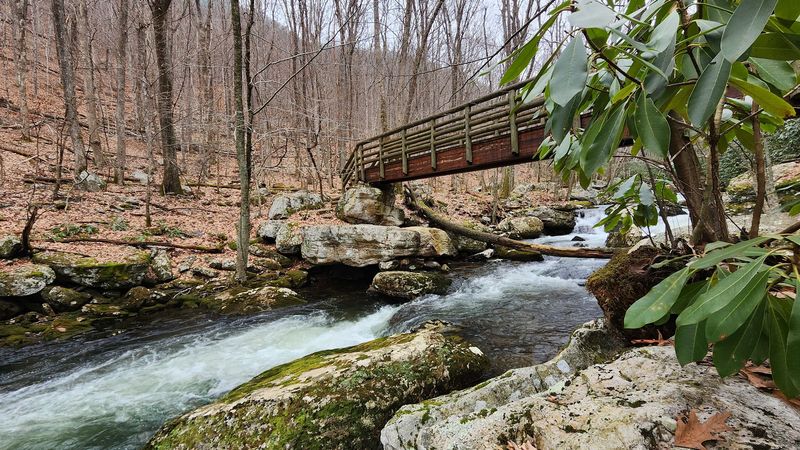
The lower trail hugs Little Stony Creek closely. It features stone steps, wooden bridges, and moss-covered boulders that make you feel like you stepped into a nature documentary.
It is more rugged and requires solid footing and some balance.
The upper trail runs above the gorge. It is wider, smoother, and mostly dirt and gravel with very few large rocks to navigate.
It offers occasional elevated views through the trees rather than creek-level immersion.
Most experienced hikers recommend taking the lower trail up to the falls and the upper trail back down. That combination gives you the best scenery on the way up and an easier return when your legs are already tired.
If you have young children, older adults in your group, or dogs on leashes, the upper trail is the smarter pick. Save the rocky lower path for when everyone in your crew is ready to climb.
The 69-Foot Waterfall That Makes This Hike Unforgettable
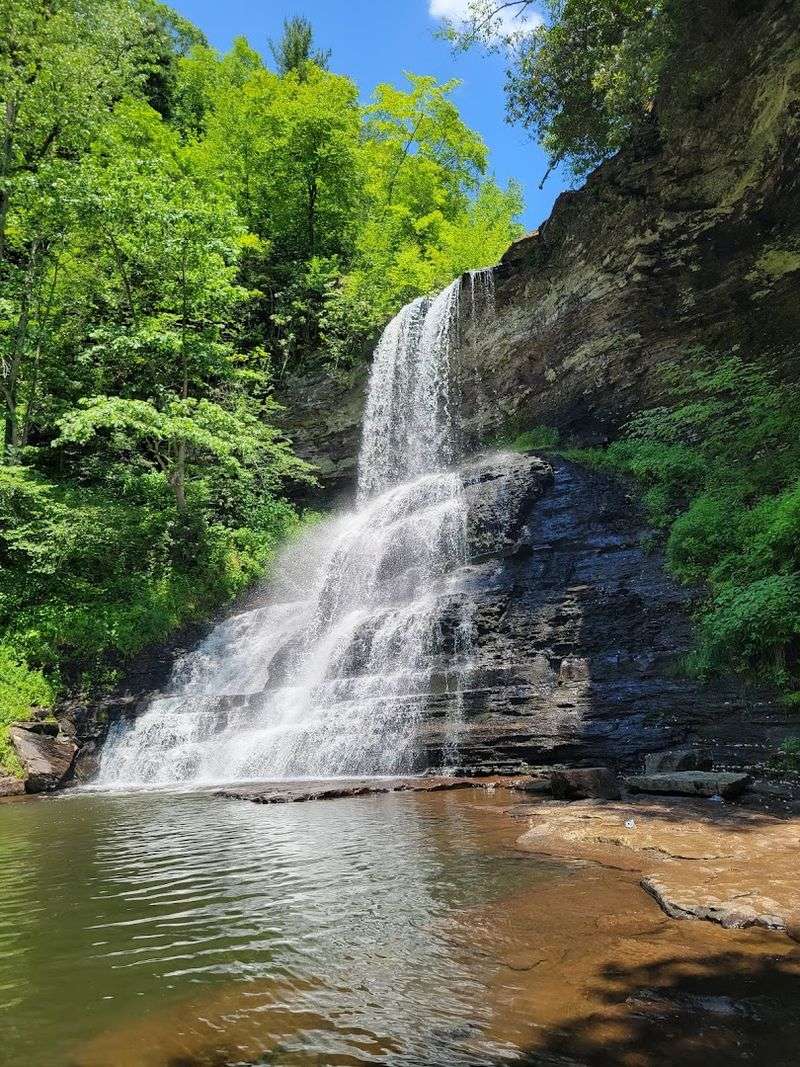
Nothing prepares you for the moment you round that final boulder and the waterfall comes into full view. It genuinely stops you in your tracks.
The sound hits before the sight does, a deep, steady roar that fills the entire gorge.
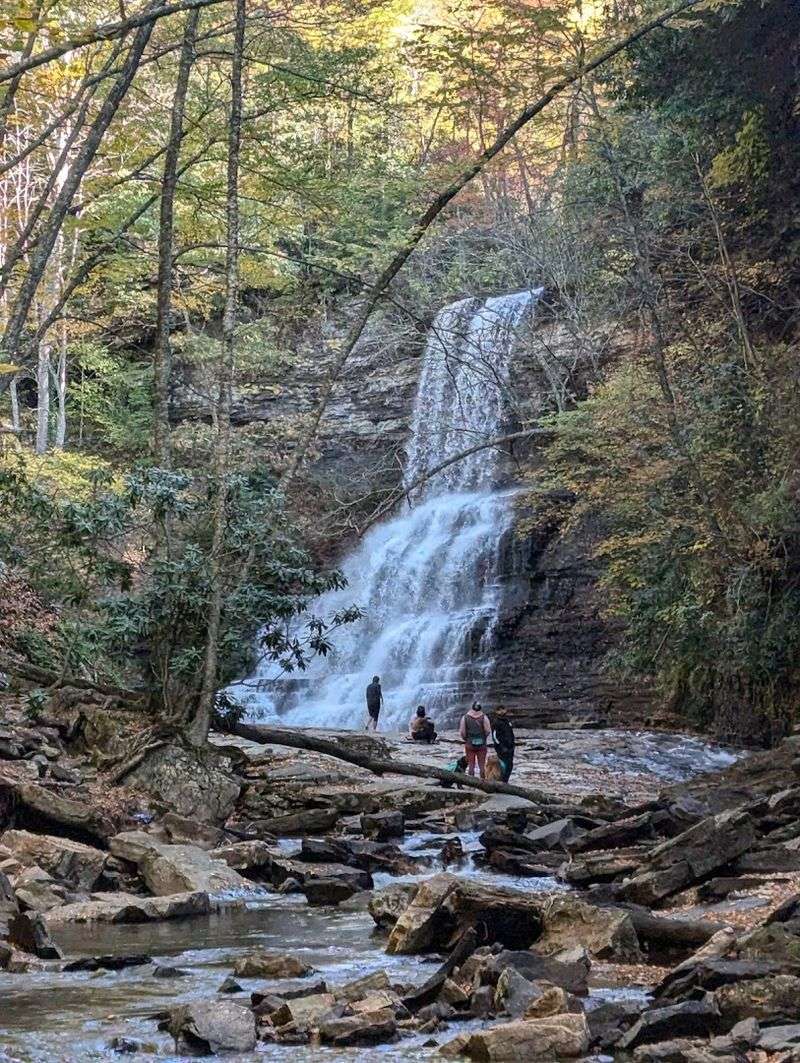
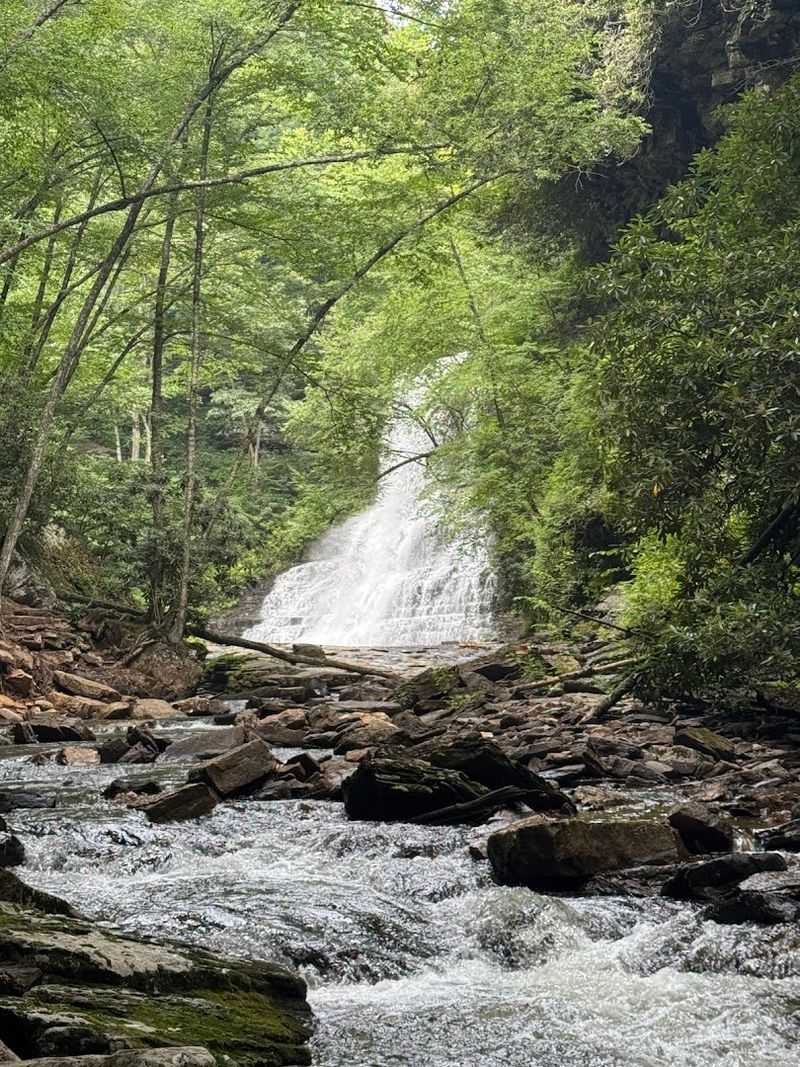
Cascade Falls drops approximately 66 to 69 feet, formed entirely by the flow of Little Stony Creek. The water crashes into a wide, rocky pool at the base, sending a cool mist drifting outward in every direction.
Standing next to it feels humbling in the best possible way. The scale is hard to fully grasp from photos.
You really have to be there, getting lightly spritzed in the face, to understand why people come back year after year.
The surrounding walls of the gorge frame the waterfall perfectly. Moss and ferns cling to every surface nearby.
The light filters in at angles that make the whole scene look almost too picturesque to be real.
Photographers absolutely love this spot. Every angle delivers a strong shot.
Even a basic phone camera captures something genuinely stunning here, so do not stress about gear and just enjoy the view.
Tips For Enjoying The Water At Cascade Falls
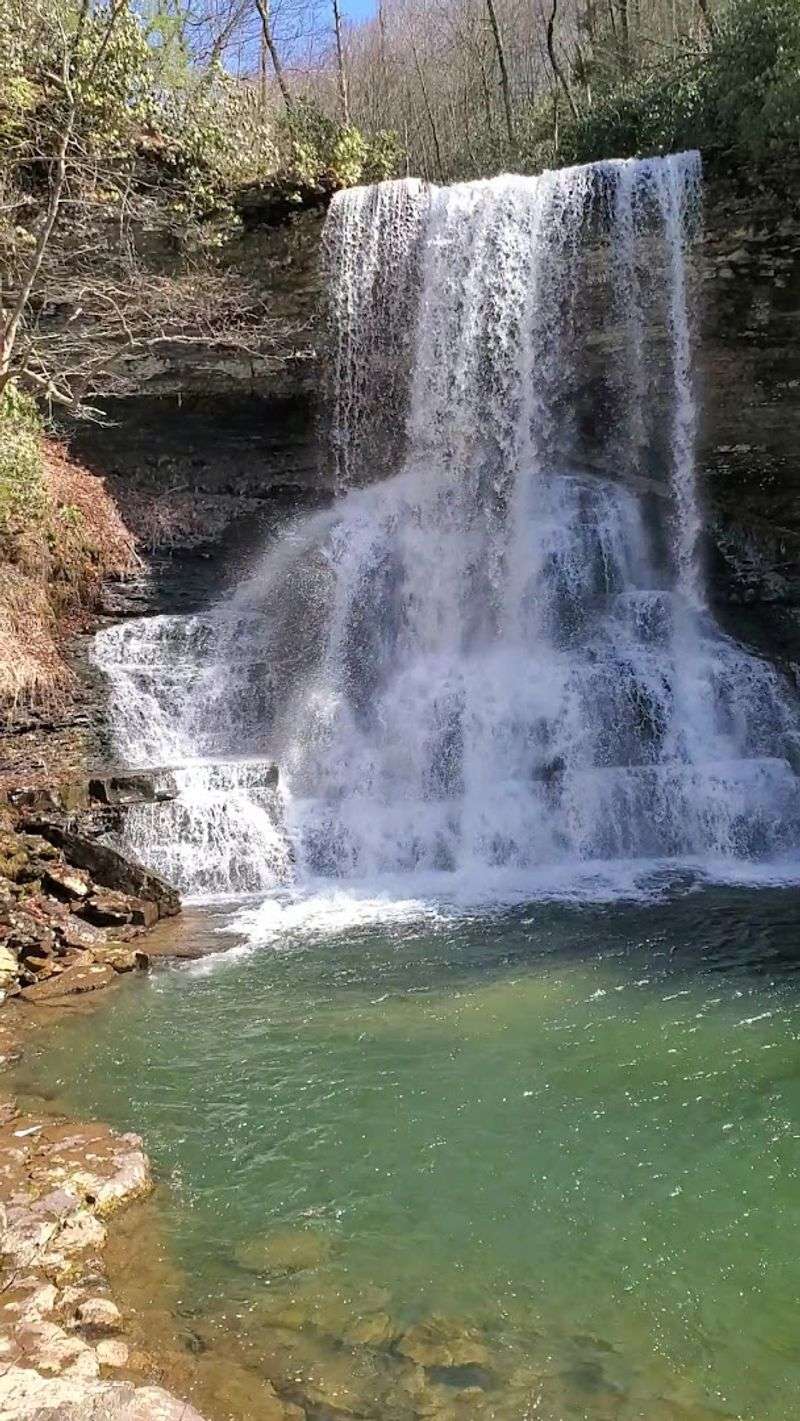
Let’s be honest, the word “swimming” in the title is what got most people reading this article. The pool at the base of the falls does exist, and yes, people do get in the water.
But there are some real things worth knowing before you jump in.
The water temperature hovers around 56 degrees Fahrenheit. That is cold enough to take your breath away the moment you step in.
One visitor described the initial shock as intense but manageable once fully submerged.
Signs at the falls warn about strong currents and undertow near the base of the waterfall. Because currents and slick rocks can make the base of the falls risky, visitors should avoid getting directly under the waterfall and stick to shallow edge areas if they enter the water.
Wading in the shallower areas along the edges is generally considered much safer.
Many visitors simply sit on the rocks and dip their feet in. That alone feels refreshing after a two-mile hike in warm weather.
You do not have to go all the way in to enjoy the water experience.
If you do plan to wade or swim, water shoes with good grip are strongly recommended. The rocks are slippery and uneven.
Go slowly, stay aware of your footing, and keep younger kids within arm’s reach at all times.
Getting To The Trail And Where To Park
Arriving at a trailhead only to find zero parking spots is the kind of frustration that ruins the whole vibe before the hike even starts. A little advance planning here goes a long way toward a smooth morning.
The parking fee is three dollars per vehicle, paid at a self-pay station at the trailhead. Some sources note cash payment via envelope, while others mention card options at the kiosk.
Bringing both cash and a card covers all your bases.
The lot fills up fast on summer weekends, especially by mid-morning. Arriving before 9 a.m. gives you the best shot at a real parking spot.
Later arrivals on busy days have reported parking a quarter mile down the road and walking in.
Restrooms and picnic tables are available right at the trailhead, which is a genuinely nice touch for a trail of this type. Use the restroom before you start because there are no facilities on the trail itself.
The address is straightforward to find with any navigation app. Dogs are welcome but must stay on leashes the entire time.
Bicycles and horses are not permitted on this trail, so plan accordingly before you load up the truck.
What To Wear And Pack For A Comfortable Hike
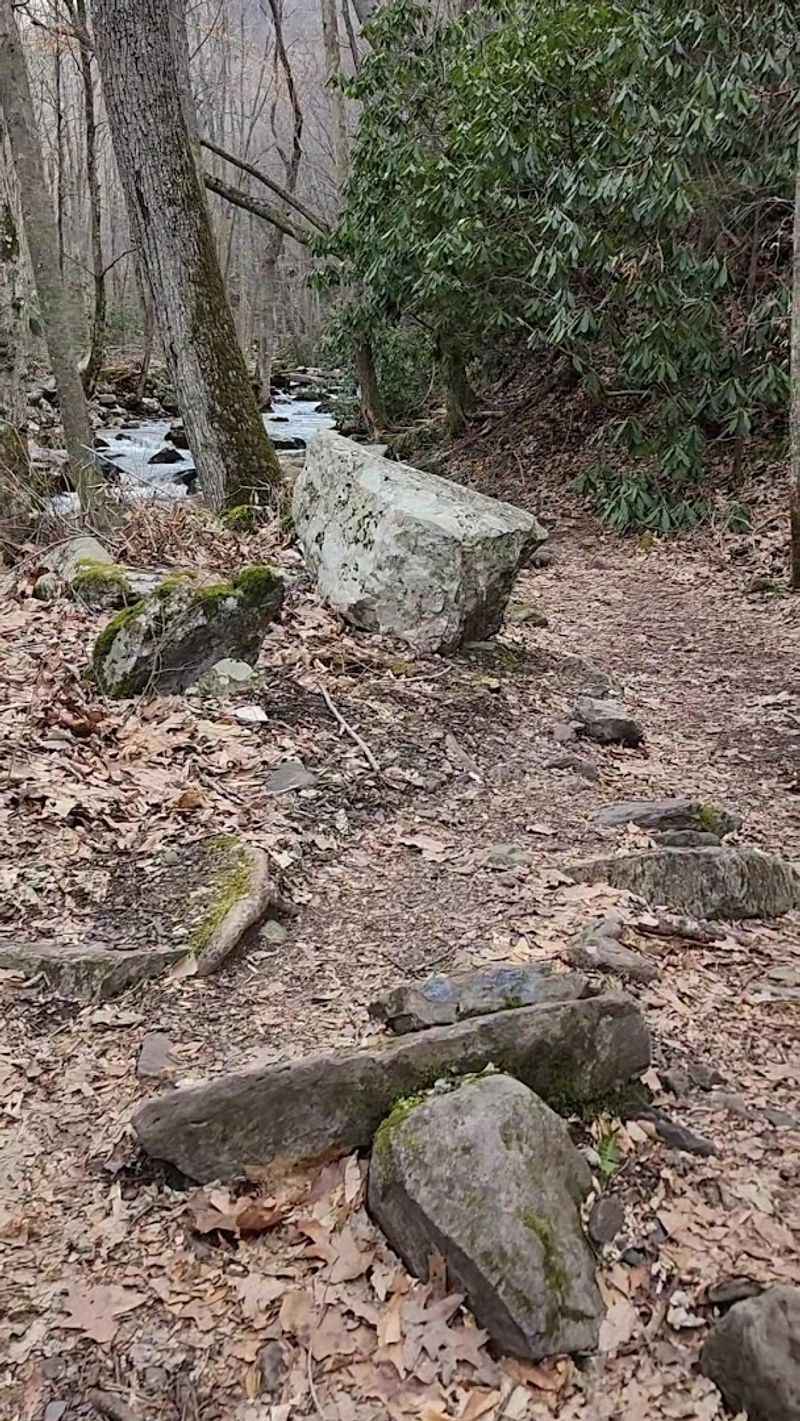
Showing up in white sneakers to a rocky creek trail is a choice you will regret approximately ten minutes in. Gear selection for this hike genuinely matters, especially on the lower trail where the terrain gets technical in spots.
Proper hiking shoes or trail boots with good grip are essential. The rocks along the lower trail can be slippery, especially near the water.
Ankle support helps a lot if you are not used to uneven terrain.
Bring more water than you think you need. Two miles uphill through a gorge on a warm day will drain your hydration faster than expected.
A small backpack with at least 32 ounces of water per person is a solid baseline.
Snacks keep your energy steady on a hike this length. Trail mix, granola bars, or fruit all pack easily and give you a good reason to stop and enjoy a scenic rest spot along the way.
A light rain jacket is worth tossing in the bag, since mountain weather shifts quickly without much warning. Sunscreen matters too, even in the shade of a gorge.
A small flashlight is useful if you plan on staying near the falls longer than expected.
The Beautiful Scenery You’ll See Along The Trail
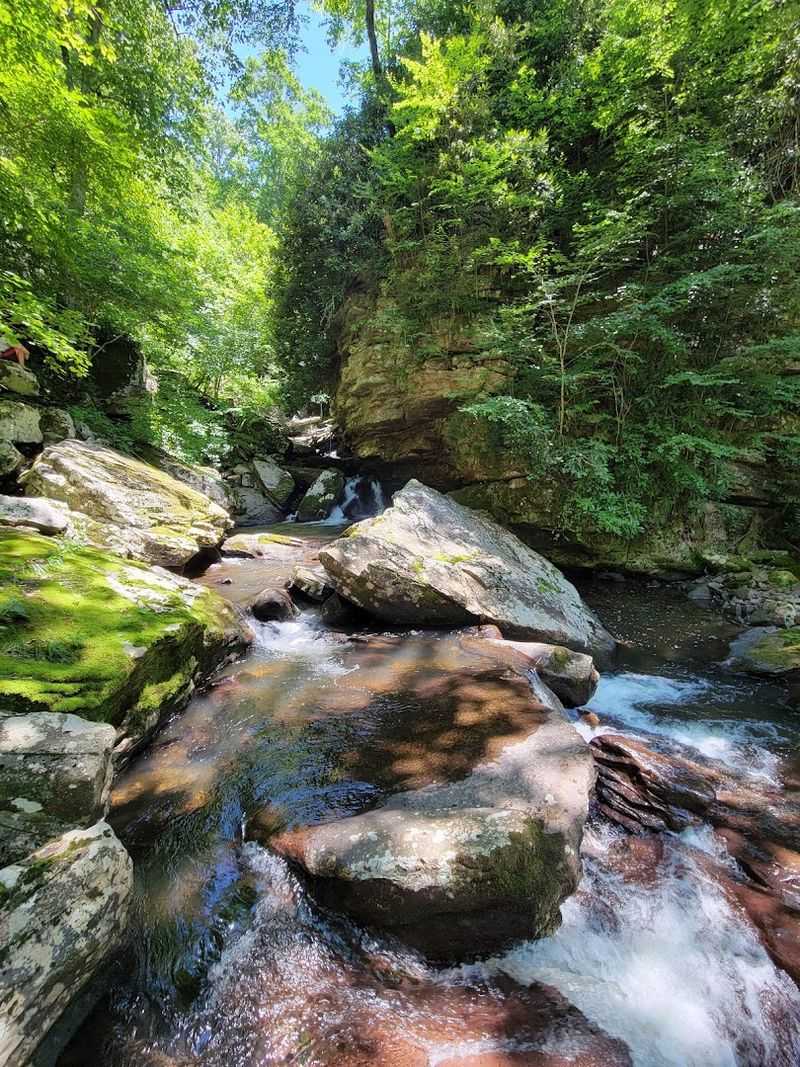
The waterfall gets all the headlines, but the trail itself is genuinely half the experience. The two miles leading up to the falls are packed with scenery that keeps your eyes busy the entire way.
Little Stony Creek runs alongside the lower trail almost continuously. Smaller cascades, rapids, and still pools appear around nearly every bend.
The sound of moving water never leaves you, which creates a naturally calming rhythm for the hike.
Moss-covered boulders line the creek banks in shades of green that almost glow in morning light. Wooden bridges cross the water at several points, giving you elevated views straight down into the clearest creek water you have probably seen in a while.
Wildlife sightings are common along this trail. Birds, squirrels, and the occasional deer have all been spotted by visitors.
The dense forest canopy keeps temperatures noticeably cooler than open trails, which is a real bonus on summer afternoons.
Seasonal changes transform the scenery completely. Spring brings wildflowers and roaring water levels.
Summer delivers lush green canopy and full creek flow. Fall turns the gorge into a tunnel of red, orange, and gold that makes every photo look professionally edited.
Best Times To Visit And How To Beat The Crowds
Summer weekends at popular Virginia trails can feel less like nature and more like a very muddy outdoor festival. Timing your visit strategically makes a huge difference in the quality of your experience at this one.
Weekday mornings are the sweet spot for this trail. Arriving before 9 a.m. on any day of the week dramatically reduces the crowd factor.
The parking lot fills quickly once the morning rush starts, especially from late spring through early fall.
Spring is arguably the best season for waterfall drama. Snowmelt and spring rains push the water volume up significantly, making the falls louder and more powerful than any other time of year.
The forest is also brilliantly green and freshly woken up.
Fall brings cooler hiking temperatures and stunning foliage along the gorge. Crowds thin out compared to peak summer, but weekends still get busy.
A mid-week October morning hits a near-perfect balance of scenery and solitude.
Winter visits are surprisingly rewarding for those willing to brave the cold. Ice formations around the creek and falls create a completely different visual experience.
Just check trail conditions before heading out, since wet rocks become genuinely hazardous when temperatures drop below freezing.