This Minnesota City Saw Its Food Scene Shift Thanks To A Nearby Hmong Farming Community

Nobody planned for this quiet city to become one of the most exciting food destinations in the Midwest. It just happened, one farmers market stall at a time.
Hmong families, many of them refugees who arrived with nothing but agricultural knowledge passed down for generations, started growing vegetables most locals had never seen before. Bitter melon.
Thai eggplant. Lemongrass thicker than your wrist.
People stopped, stared, then started buying. Then they came back the next week with questions.
This Minnesota city did not get a celebrity chef or a Michelin spotlight. It got something rarer: a genuine food culture rooted in survival, tradition, and soil.
This is the story of how a farming community did not just feed a Minnesota city. It changed how that city thinks about food entirely.
Hmong Farmers Reshaped Local Farmers Markets
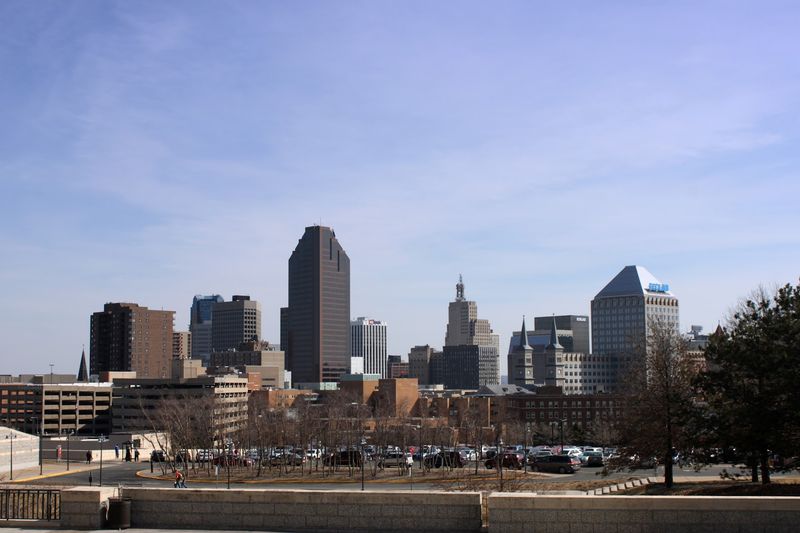
More than half of all vendors at Twin Cities farmers markets are Hmong American farmers. That number alone should stop you in your tracks.
Since the 1970s, Hmong refugees resettling in Minnesota began farming local land with serious skill. They brought crops that most shoppers had never seen before.
Thai chili peppers, Chinese bok choy, and bitter melon started appearing on market tables. Shoppers who once grabbed the same tired produce began asking questions.
The Saint Paul Farmers Market became a completely different experience by the late 1980s. Color, variety, and unfamiliar aromas replaced the predictable rows of corn and tomatoes.
Hmong farmers did not just fill stalls. They redefined what a local food market could look and feel like.
Hmong farmers are central to a local food economy that generates over $250 million annually. That figure represents real families, real land, and real cultural knowledge passed down through generations.
St. Paul did not plan for this transformation. It simply happened because a community showed up, worked hard, and grew things worth buying.
New Crops Expanded What People Cook At Home

Bitter melon looks like a lumpy cucumber and tastes like nothing you expected. That first bite is sharp, earthy, and completely unforgettable.
Hmong farmers introduced produce that expanded the entire regional palate. Lemongrass, long beans, and purple Thai eggplant became regular purchases for adventurous home cooks.
Before this shift, most St. Paul grocery stores carried predictable, mainstream produce. The farmers market became the place to find ingredients that actually made cooking exciting again.
Families from Southeast Asian backgrounds finally found the ingredients they needed close to home. That access mattered deeply for cultural identity and everyday cooking.
Home cooks of all backgrounds started experimenting with unfamiliar flavors. Recipes spread through neighborhoods, cookbooks, and social media feeds.
The ripple effect reached local restaurants, which began sourcing directly from Hmong farms. Menus changed because the supply chain changed.
Fresh lemongrass in a St. Paul kitchen was once a rarity. Now it is a weekly farmers market staple for thousands of households across the area.
Land Access Helped Farming Communities Grow
Finding affordable farmland near a major city is nearly impossible for most small farmers. The Hmong American Farmers Association solved that problem directly.
HAFA was established in 2011 to support Hmong farming families with land access, training, and market connections. It manages a 155-acre farm in Dakota County, just outside St. Paul.
Member families lease plots on this land to grow traditional and specialty crops. The model keeps farming viable without requiring families to own expensive acreage outright.
Crops grown here include bitter melon, lemongrass, long beans, and dozens of other culturally significant plants. The farm functions as both a production site and a community anchor.
Training programs through HAFA help newer farmers learn sustainable practices and business skills. Knowledge-sharing between generations keeps traditional techniques alive.
The organization also connects farmers directly to buyers, reducing the middleman and increasing farmer income. That direct relationship benefits both growers and consumers.
HAFA turned a scattered community of individual farmers into a coordinated local food force. The 155-acre farm is proof that organized support changes outcomes for entire communities.
The Farmers Market Feels More Dynamic Today
Saturday mornings at the Saint Paul Farmers Market feel like a mini world tour. The variety of languages, aromas, and produce is genuinely remarkable.
Located in Lowertown, the market has operated for over a century. But the cultural shift that Hmong vendors brought transformed it into something far more dynamic.
Shoppers now browse stalls stacked with produce they cannot find anywhere else in the city. That exclusivity keeps foot traffic strong every single weekend.
The market draws both longtime St. Paul residents and visitors from across the metro. People plan their Saturday mornings around it, not just for groceries but for the full experience.
Hmong vendors often bring family members to help manage their stalls. That family presence gives the market a warm, communal energy that larger grocery stores simply cannot replicate.
Cooking demonstrations, cultural events, and seasonal festivals have grown alongside the market’s diversity. The food scene and cultural scene became one and the same.
Visiting the market is now a way to understand St. Paul itself. The stalls reflect who lives here, what they grow, and what they value most.
How Hmong Flavors Entered The Local Restaurant Scene

Hmong food does not follow a single recipe or rulebook. It is built on fresh herbs, grilled proteins, and bold dipping sauces that hit every part of your palate.
For years, Hmong cuisine stayed mostly within family kitchens and community gatherings. That changed as a new generation of chefs brought those flavors into public dining spaces.
Chefs inspired by Hmong culinary traditions began opening restaurants and pop-ups across the Twin Cities. The food world paid attention quickly.
Dishes featuring charred meats, fermented flavors, and piles of fresh herbs started earning serious recognition. Food critics and regular diners alike were surprised by the depth of flavor.
The movement elevated Hmong cuisine from something unfamiliar to something celebrated. Menus became a form of cultural storytelling rather than just a list of dishes.
Restaurants sourcing from Hmong farms created a complete loop. The farm-to-table connection was not a trend here.
It was a community relationship built over decades.
St. Paul’s dining scene grew richer because Hmong culinary culture finally had the platform it always deserved. The food speaks for itself every single time.
Fresh Produce Became More Accessible Across The City
Affordable, fresh produce is not guaranteed in every neighborhood. Hmong farmers helped change that reality across parts of St. Paul and the wider metro area.
By supplying farmers markets with high volumes of nutritious produce, Hmong growers increased availability for everyone. More supply at markets meant more competition and better prices for shoppers.
Families who previously struggled to find culturally specific ingredients gained consistent access. That access reduced both food stress and cooking compromises for thousands of households.
The ripple effect reached community-supported agriculture programs and food co-ops across the area. Hmong-grown produce showed up in more places as demand grew.
Nutritional variety expanded alongside cultural variety. Shoppers who once bought only familiar vegetables started trying new ones simply because they were available and affordable.
Schools and community organizations also began sourcing from local Hmong farms. That connection brought fresh food into institutional settings that previously relied on distant suppliers.
Food equity is a complicated issue with no single solution. But Hmong farming communities moved the needle in St. Paul in a way that is measurable, visible, and ongoing.
Traditional Knowledge Still Shapes Modern Farming
Farming knowledge in Hmong culture is not found in textbooks. It is passed down through hands-on practice, family memory, and seasonal observation.
Hmong farmers brought agricultural techniques refined over generations in Southeast Asia. Those methods translated remarkably well to Minnesota’s soil and growing seasons.
Elders in farming families carry knowledge about planting timing, soil care, and pest management that no certification program can replicate. That wisdom is the foundation of their success.
Younger family members learn by working alongside their parents and grandparents. The farm becomes both a workplace and a classroom at the same time.
Traditional Hmong farming emphasizes growing what the community actually needs. That philosophy produces more relevant crops than standard commercial agriculture typically delivers.
Sustainable practices are embedded in the approach, not added as an afterthought. Crop rotation, natural pest deterrents, and soil health are priorities from the very beginning.
The result is produce that tastes different because it is grown differently. Shoppers who visit Hmong farm stalls consistently notice the quality.
That quality comes directly from generational knowledge, not modern shortcuts.
The Influence Spread Beyond The Farmers Market

Farmers markets were just the starting point. Hmong food culture spread into grocery stores, food trucks, pop-up events, and neighborhood restaurants across St. Paul.
Small Asian grocery stores near the Frogtown and East Side neighborhoods began stocking Hmong-grown and Hmong-inspired products. Those stores became neighborhood anchors for diverse communities.
Food trucks serving Hmong-influenced dishes appeared at festivals and street fairs across the city. Curious eaters lined up for dishes they had never tried before.
Community events organized by Hmong cultural organizations brought food front and center. Cooking demonstrations, recipe sharing, and food festivals created new conversations across cultural lines.
Local chefs started collaborating with Hmong farmers and cooks. Cross-cultural menus became more common in St. Paul’s dining scene as a result.
Food media coverage increased as the movement grew. Journalists and food bloggers highlighted the Hmong farming story, bringing national attention to what was happening locally.
The spread was organic and community-driven. Nobody planned a marketing campaign.
Hmong food culture simply grew because it was good, genuine, and deeply rooted in something real.
Hmong Farming Became Part Of St. Paul’s Food Identity
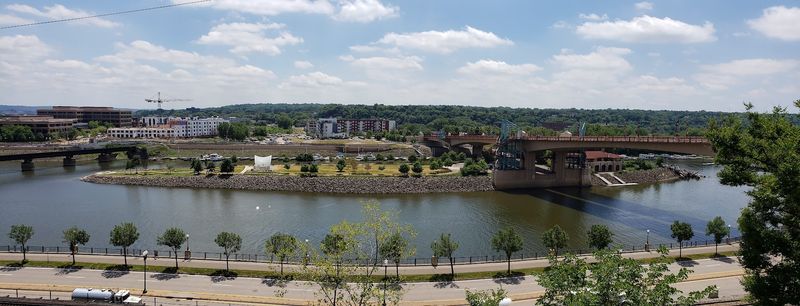
Some cities talk about food diversity as an aspiration. St. Paul actually achieved it, and Hmong farming communities are a central reason why.
The transformation happened without a master plan or city initiative. It grew from the work of real families growing real food on real land.
St. Paul’s food identity now includes flavors, crops, and culinary traditions that were completely absent just fifty years ago. That is a remarkable shift in a short period of time.
The Saint Paul Farmers Market, located at 290 East Fifth Street, reflects this identity every weekend. Walking through it tells you more about the city than any tourism brochure ever could.
Restaurants, grocery stores, and home kitchens across the area carry the influence of Hmong agriculture. The impact is woven into everyday eating habits across the community.
Future generations growing up in St. Paul will consider these flavors completely normal. Bitter melon and lemongrass will be as familiar as sweet corn and potatoes.
That normalization is the real victory. When a community’s food becomes part of a city’s everyday life, something permanent and beautiful has taken root.