This Moderate 4.5-Mile Trail In California Leads Past Three Stunning Waterfalls
A trail earns attention fast when the payoff keeps changing.
First comes the climb. Then the sound of water starts messing with your pace. Before you know it, every tired step feels like it might lead to something better.
Three waterfalls make one California hike feel like a full scenic argument. That is a pretty strong reason to keep going, right?
A 4.5-mile route hits the sweet spot for hikers who want effort without turning the day into a survival story.
Moderate terrain keeps things interesting. Waterfall stops make the trail feel generous.
Each stretch gives the walk a new reason to stay exciting, especially when the landscape starts showing off before you expect it.
Isn’t a hike more tempting when the reward shows up more than once?
The Trail Layout And What To Expect On The Way Down
Starting a hike where the hard part comes at the end is a bit of a mental game, and the Three Sisters Falls trail plays it well.
The route follows a bowl-shaped design, meaning hikers descend roughly 1,000 feet toward the falls first and then face that same elevation gain on the return trip.
Knowing this upfront helps with pacing and water management.
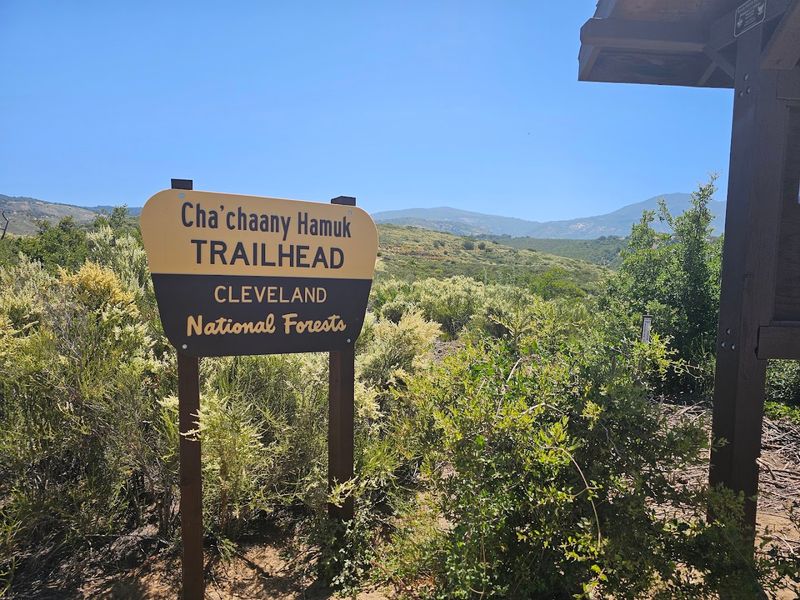
The trailhead is officially known as Cha’Chaany Hamuk Trailhead and sits along Boulder Creek Road in Cleveland National Forest.
A reconstructed trailhead area now includes hardpack parking, double vault toilets, covered picnic tables, shade structures, and an information kiosk, making it a solid base before heading out.
The drive in covers several miles of unpaved dirt road, and while most sedans can handle it, an SUV or truck makes the approach noticeably smoother.
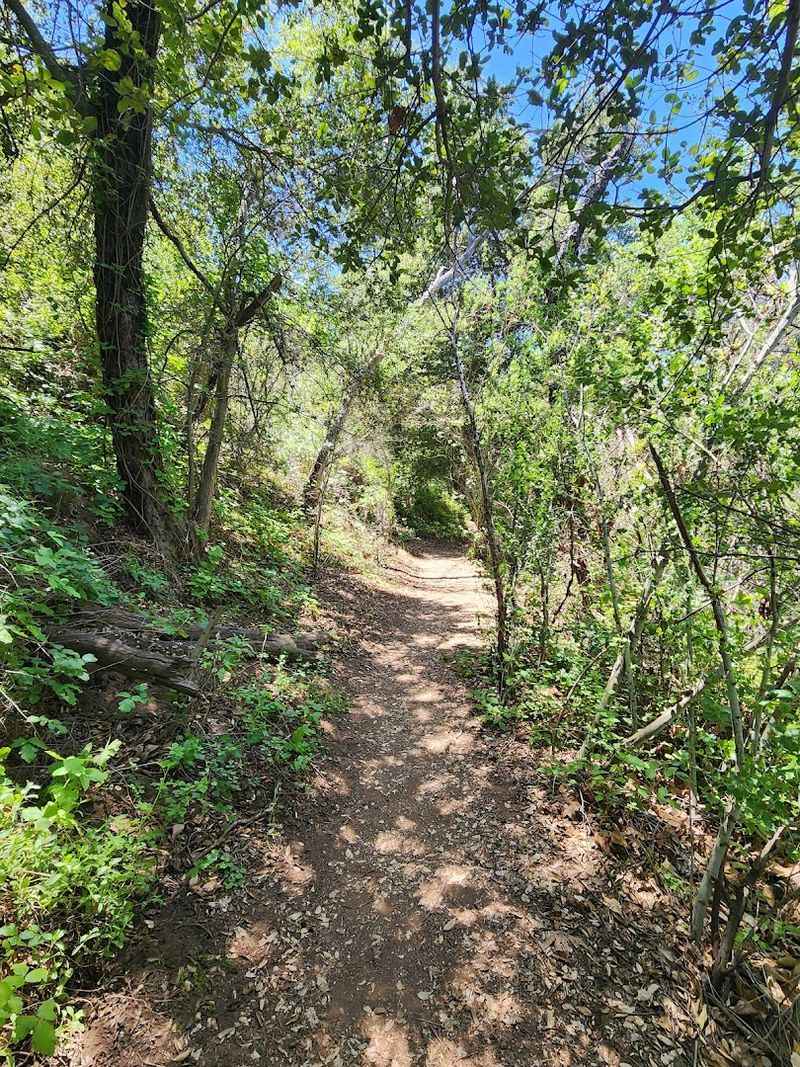
The trail itself mixes open hard-packed sand, shaded woodland sections, and rocky scramble zones.
Much of the route is fully exposed to the sun, so the terrain changes keep things interesting while also reminding hikers to stay aware of heat, especially as the morning progresses.
Starting early, ideally by 7 a.m., makes a real difference in comfort and safety.
The Gorgeous Three-Tiered Waterfall System
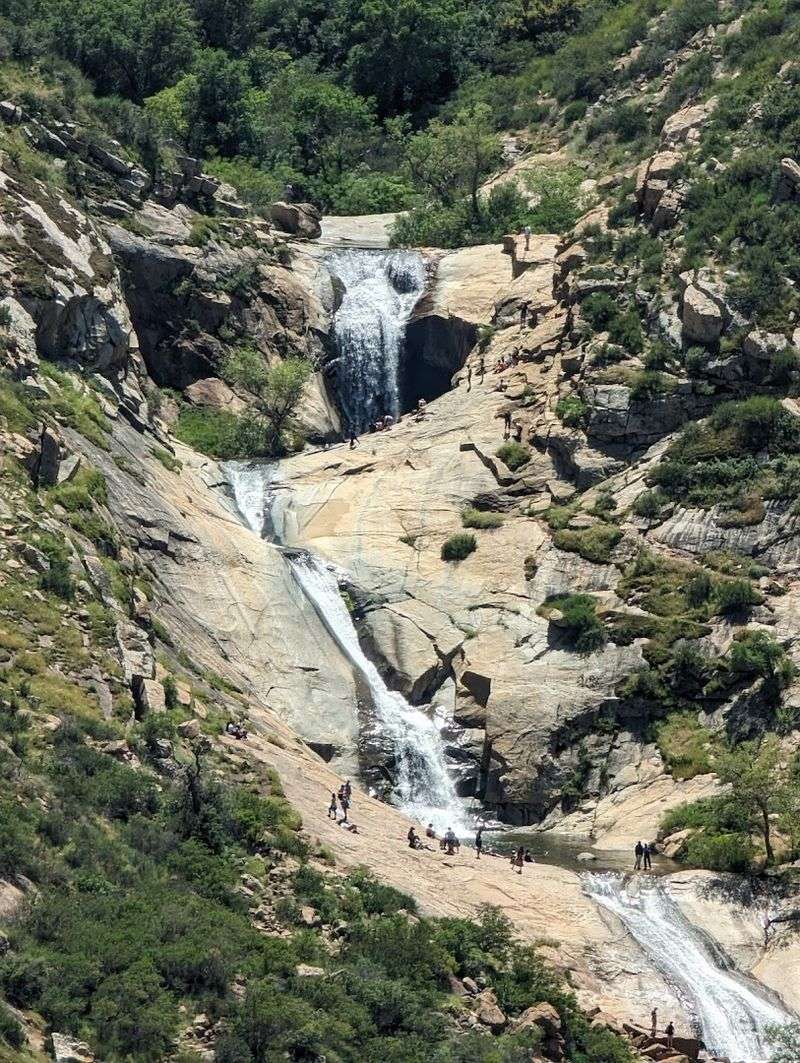
Boulder Creek does not hold back when the rains come through.
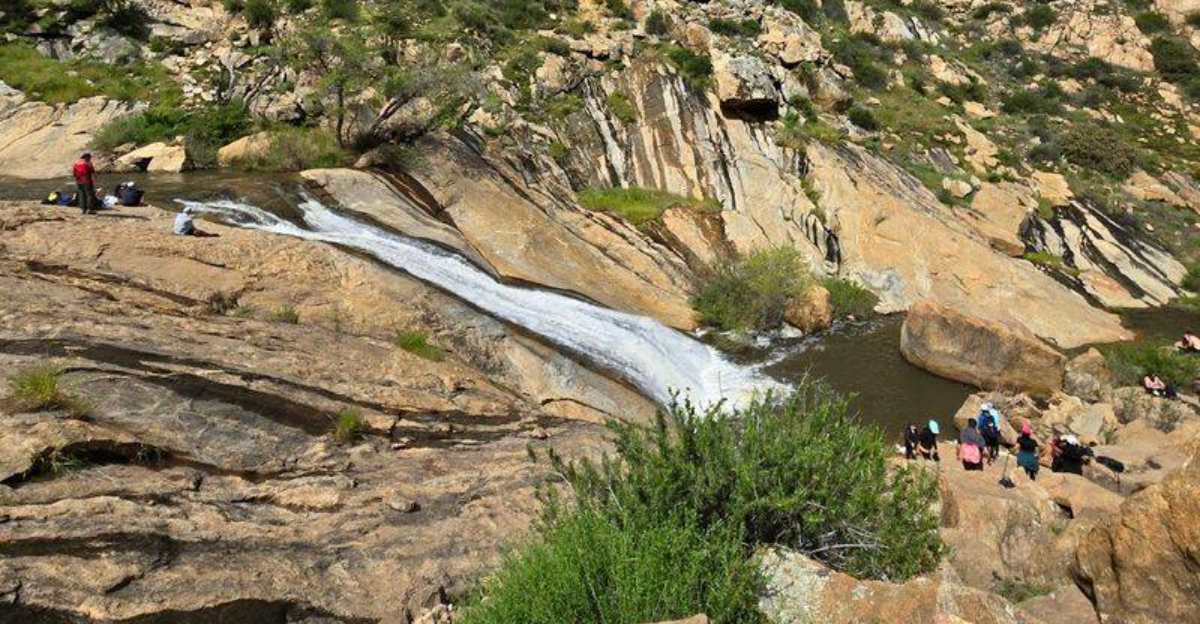
The Three Sisters Falls waterfall system stretches roughly 170 feet in total height across three distinct tiers, each with its own character and pool.
The middle tier tends to draw the most attention, dropping about 50 feet into a wide pool that can reach depths of up to 10 feet during wetter seasons.
The lowest waterfall sometimes forms a natural rock slide when water levels are high, and the upper tier offers a more rugged, elevated view for those willing to scramble carefully.
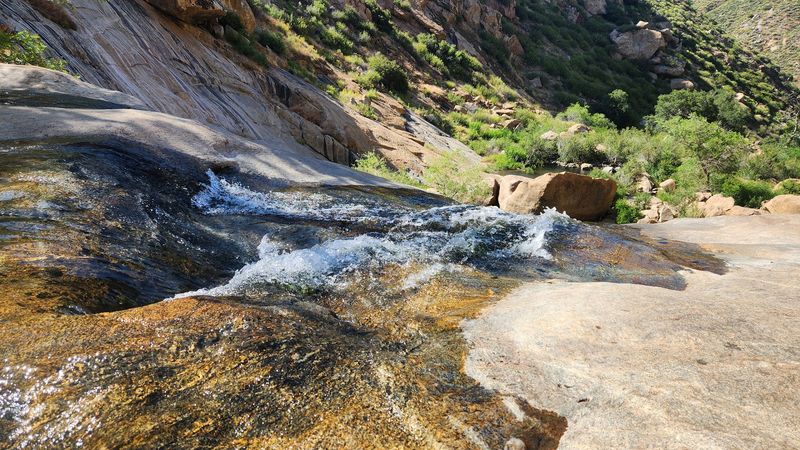
Reaching the upper falls involves some tricky footing, and the rocks near all three tiers can be dangerously slippery even when they appear dry.
Polished stone near water flow tends to have very little grip, so moving slowly and sticking to dry, gravelly paths near the falls is strongly recommended.
Seasonal flow matters enormously here. Winter and spring, particularly after significant rainfall, bring the falls to life with powerful, photogenic cascades.
By midsummer, the flow can slow to a trickle or stop entirely, though the pools may still hold water.
Safety, Gear, And Smart Preparation Are Important For This Hike
Heat is the most serious hazard on this trail, and it catches unprepared hikers off guard more often than the terrain does.
Rangers have recorded multiple heat-related rescues in a single month during summer, and canyon temperatures can climb well above 90 degrees by midday.
Carrying at least one gallon of water per person is the standard recommendation, and pre-hydrating the day before with electrolytes adds another layer of protection.
Footwear matters too. Hiking boots with solid grip are strongly recommended, especially near the falls where wet and polished rock surfaces can send even experienced hikers sliding.
Loose rocks appear throughout the trail, and some sections require minor boulder scrambling that benefits from ankle support and traction.
Long sleeves, long pants, and a wide-brimmed hat or generous sunscreen help manage sun exposure on the largely shadeless route.
Wildlife awareness is also part of hiking here responsibly. Rattlesnakes are present in the area, and avoiding headphones on the trail allows hikers to hear warning sounds in time.
Poison oak grows near some sections of the route, so staying on the marked path reduces contact risk.
The hike is generally not recommended for small children or dogs due to the steep return climb, heat exposure, and rocky conditions throughout.
Why Pacing Yourself Matters
Coming back up from Three Sisters Falls is where the trail earns its moderate-to-strenuous rating.
The roughly 1,000-foot elevation gain back to the trailhead covers about two miles of uphill terrain that feels significantly harder after the excitement of reaching the falls.
Tired legs, residual heat, and reduced water supplies combine to make the return the most physically demanding stretch of the day.
Saving energy and water for the climb out is not just practical advice, it is genuinely important for safety.
Stopping at the falls to rest, cool down near the pools, and refuel with snacks before heading back gives the body a chance to recover before tackling the ascent.
Many hikers underestimate how much the downhill portion depletes energy reserves, particularly in warm weather when the body works harder to regulate temperature.
The views on the way back up can be a helpful mental anchor.
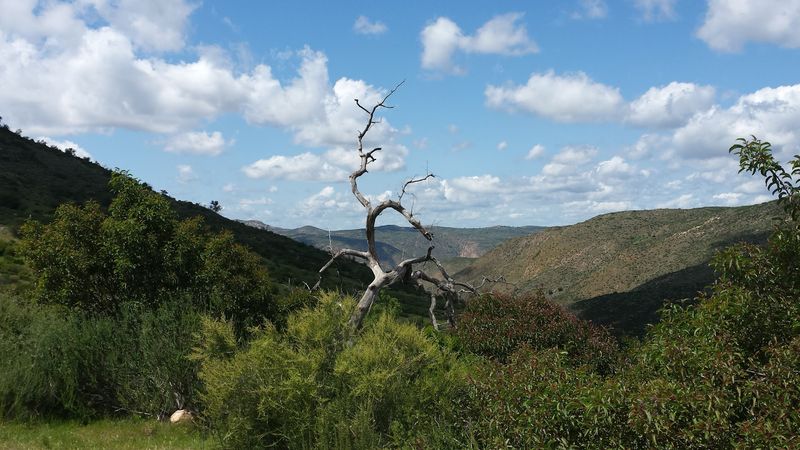
Canyon ridgelines, rocky slopes, and open sky stretch out across the landscape, and the sense of accomplishment builds with each step toward the rim.
Finishing the hike before midday, especially in spring and summer, keeps conditions manageable and reduces the risk of heat exhaustion on the exposed upper sections of the trail.
Getting To The Trailhead And Navigating Boulder Creek Road
Reaching Three Sisters Falls requires more than just finding the right highway exit.
Boulder Creek Road, the access route to the trailhead, includes several miles of unpaved dirt surface that winds through dry chaparral hills before arriving at the parking area.
The road is generally passable for most sedans when conditions are dry, but an SUV or truck handles the surface with noticeably more ease, especially after rain when sections can become muddy or temporarily flooded.
The trailhead address is Boulder Creek Rd, Santa Ysabel, CA 92070, and navigation apps tend to work reasonably well for getting to the turnoff, though signal can fade on the final stretch.
Arriving early on weekends is especially useful since the parking area, while spacious with gravel hardpack and an overflow lot nearby, can fill up by mid-morning during peak season.
The facility includes four vault toilets, covered picnic tables, a trash and recycling station, and an information kiosk with trail maps.
A SoCal Adventure Pass may be required for parking in some Cleveland National Forest areas, so checking current requirements with the Forest Service before the trip helps avoid any surprises at the lot.
These Are The Best Seasons And Timing For The Most Rewarding Visit
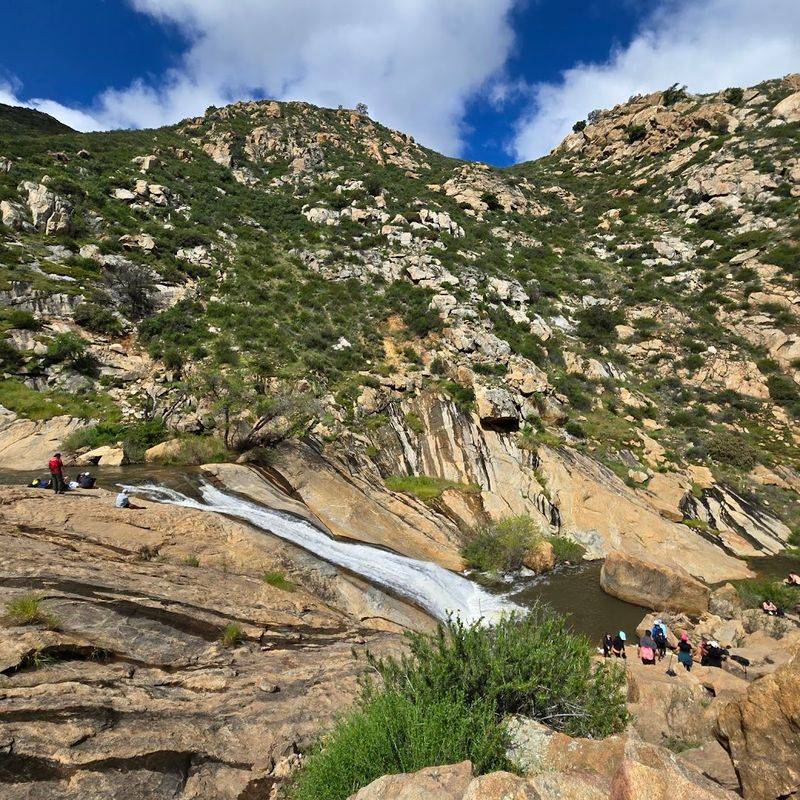
Timing a visit to Three Sisters Falls can be the difference between a breathtaking experience and a dry, brutally hot slog.
The falls are fed by seasonal rainfall, which means flow levels vary dramatically depending on when and how much precipitation has fallen.
Late winter and spring, roughly February through April, consistently offer the strongest water flow and the most visually impressive conditions at all three tiers.
Wildflowers and native plants along the trail tend to bloom during this same window, adding color and texture to the canyon landscape that summer simply does not offer.
Temperatures also stay more manageable in the morning hours during these months, making the return climb less punishing than it becomes once summer heat settles into the canyon.
Fall can also be a pleasant time to visit, with cooler temperatures and lighter crowds, though the falls may be running at reduced flow.
Summer visits are genuinely risky due to extreme heat and the real possibility of finding the falls nearly dry.
Going in summer requires starting before 7 a.m., carrying extra water, and being fully prepared to turn back if conditions feel unsafe.
Checking recent trail conditions through the Cleveland National Forest website or local hiking forums before any visit helps set realistic expectations and supports a safer, more enjoyable trip.
Cool Off In The Swimming Areas At The Falls
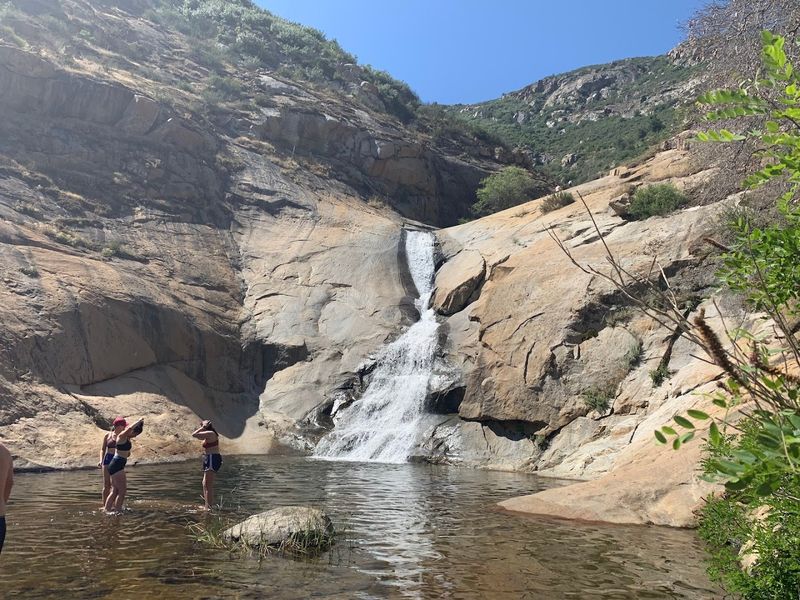
Not many trails in Southern California end with a chance to cool off in a natural pool, but Three Sisters Falls delivers exactly that during the right season.
Each of the three tiers has its own swimming area, and the middle and upper pools can reach depths of up to 10 feet when water levels are high.
The middle tier, with its dramatic 50-foot drop and wide pool, tends to be the most popular spot for wading and relaxing after the descent.
The lowest waterfall has a particularly fun feature when water flow is strong enough: a smooth natural rock surface that functions as a waterslide, channeling water into the pool below.
During wetter seasons, this draws plenty of hikers looking to make the most of the payoff at the end of the trail.
Cliff jumping, while historically attempted at this location, carries real risk due to varying water depths and should be approached with extreme caution or avoided entirely depending on current conditions.
Even on visits where swimming is not possible, the pools and rocky ledges near the falls offer a shaded, cooler resting spot before the climb back out.
Bringing a small towel and a dry bag for electronics makes the waterfall area much more enjoyable, especially on a warm spring morning when the water temperature feels genuinely refreshing.
What Makes This Hike Stand Out
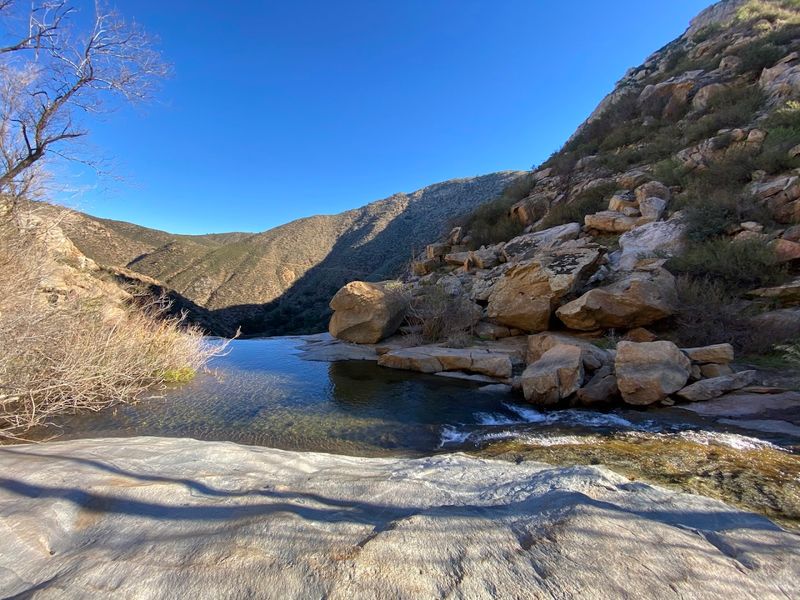
Southern California backcountry does not always get the credit it deserves, but the terrain surrounding Three Sisters Falls makes a strong case for the region.
Rocky slopes, open ridgelines, and canyon views stretch across the landscape throughout the hike, giving the route a rugged, remote feel even though it sits roughly 50 miles from downtown San Diego.
The combination of exposed chaparral, shaded woodland pockets, and creek-fed canyon floor creates a surprisingly varied sensory experience across 4.5 miles.
The trail was significantly improved in 2018 when the U.S. Forest Service cut a new, safer route to replace older sections that required ropes in some spots.
The current path still involves rocky scrambles and steep grades but is far more accessible and better maintained than earlier versions of the route.
Trail signs and maps at the kiosk near the trailhead help orient first-time visitors before they head out.
What consistently stands out about this hike is the sense of genuine reward at the end.
The descent builds anticipation as canyon views expand and the sound of water eventually reaches the ears before the falls come into sight.
For hikers willing to prepare properly and respect the terrain, Three Sisters Falls in Cleveland National Forest near Santa Ysabel offers one of the more memorable day hike experiences in the San Diego area.