This Nebraska Cave Hides 5,000 Square Feet Of Hand-Dug Tunnels Beneath Lincoln
Lincoln has a secret sitting under its feet, quite literally.
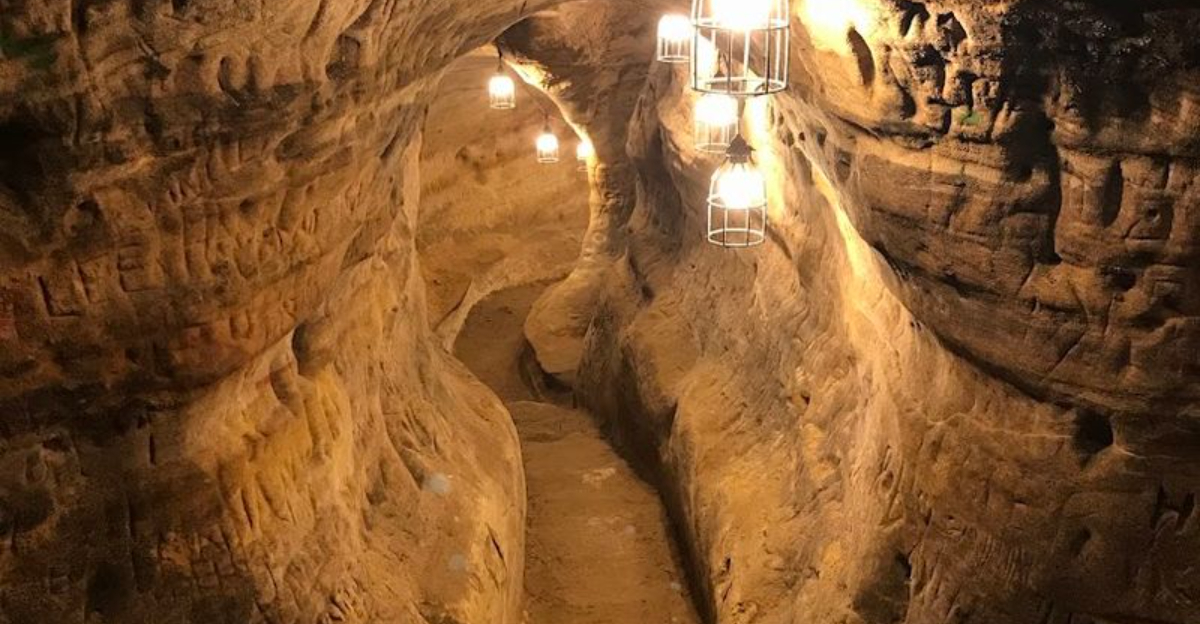
Below the city, hand-dug tunnels twist through soft sandstone. The space feels strange before the story even starts.
Narrow passages, old carvings, and a long local history give the place the kind of underground mystery most people do not expect in Nebraska.
A cave beneath Nebraska’s capital can make a normal city block feel like it has a second life below the surface.
The wild part is the scale. This is not a tiny cellar or a quick roadside oddity.
Thousands of square feet sit below ground, shaped by people, time, and plenty of rumors. The tunnels have been tied to visitors, stories, and generations of curiosity.
Nothing about the visit feels ordinary.
One moment, you are in Lincoln. The next, you are stepping into a hidden sandstone maze that makes the city feel older and far more interesting than it looks from above.
Descend Into Lincoln’s Only Underground Attraction
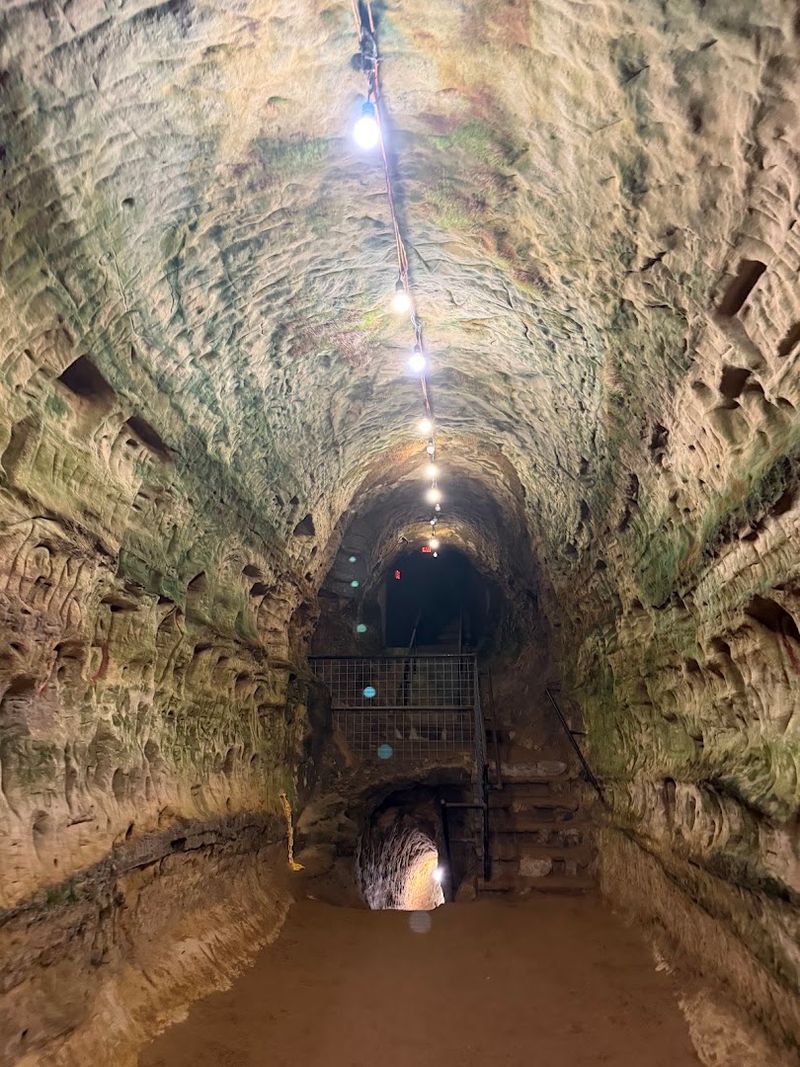
Beneath a quiet corner of Lincoln, Nebraska, Robber’s Cave holds the distinction of being the city’s only underground attraction open to the public.
The entrance is located at 925 Robbers Cave Rd Ste B, Lincoln, NE 68502, where visitors check in at the gift shop area before descending into the cave below.
A gated doorway marks the threshold between the everyday world above and the cool, dimly lit passages that stretch beneath the surface.
The moment visitors step through that gate, the noise and warmth of the outside world fade quickly. The air shifts noticeably, and the sandstone walls close in just enough to create a sense of genuine discovery.
Tours run year-round, seven days a week, making it accessible regardless of the season.
Booking in advance is strongly recommended, as time slots tend to fill up quickly, especially during summer months when some dates book out weeks ahead.
Confirming a reservation directly through the tour operators ensures a smooth arrival and a stress-free start to what tends to be a genuinely memorable underground experience in the heart of Nebraska.
Explore Three Chambers Carved Through Dakota Sandstone
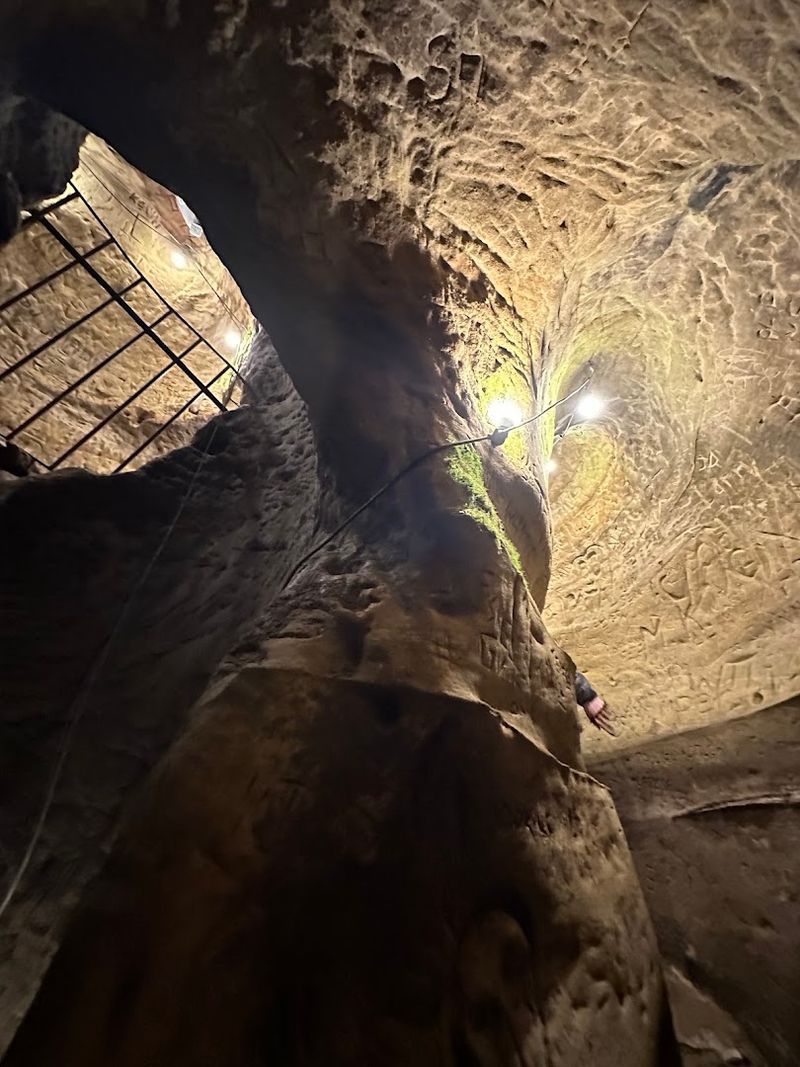
The geology beneath Lincoln tells a story that most people never get to see firsthand, and the three chambers of Robber’s Cave offer a rare window into it.
Each chamber was carved by hand through Dakota sandstone, a relatively soft sedimentary rock that made excavation possible using basic tools like picks, shovels, and wheelbarrows.
The result is a network of tunnels that feel both raw and deliberate, shaped by human effort rather than machinery.
Dakota sandstone has a warm, gritty texture that visitors can observe up close throughout the tour.
The natural grain of the rock is visible in the walls and ceilings, giving each chamber its own slightly different character.
Some areas feel more open, while narrower passages create a sense of moving deeper into the earth with each step.
The cave originally began as a shallow natural formation near Salt Creek before being significantly expanded through hand-digging efforts in the early 1870s.
That expansion ultimately produced a space covering approximately 5,600 square feet of underground passages.
Moving through those chambers today, it is easy to appreciate the scale of what was accomplished using nothing more than manual labor and determination.
See Graffiti Left Across Generations Of Cave Walls
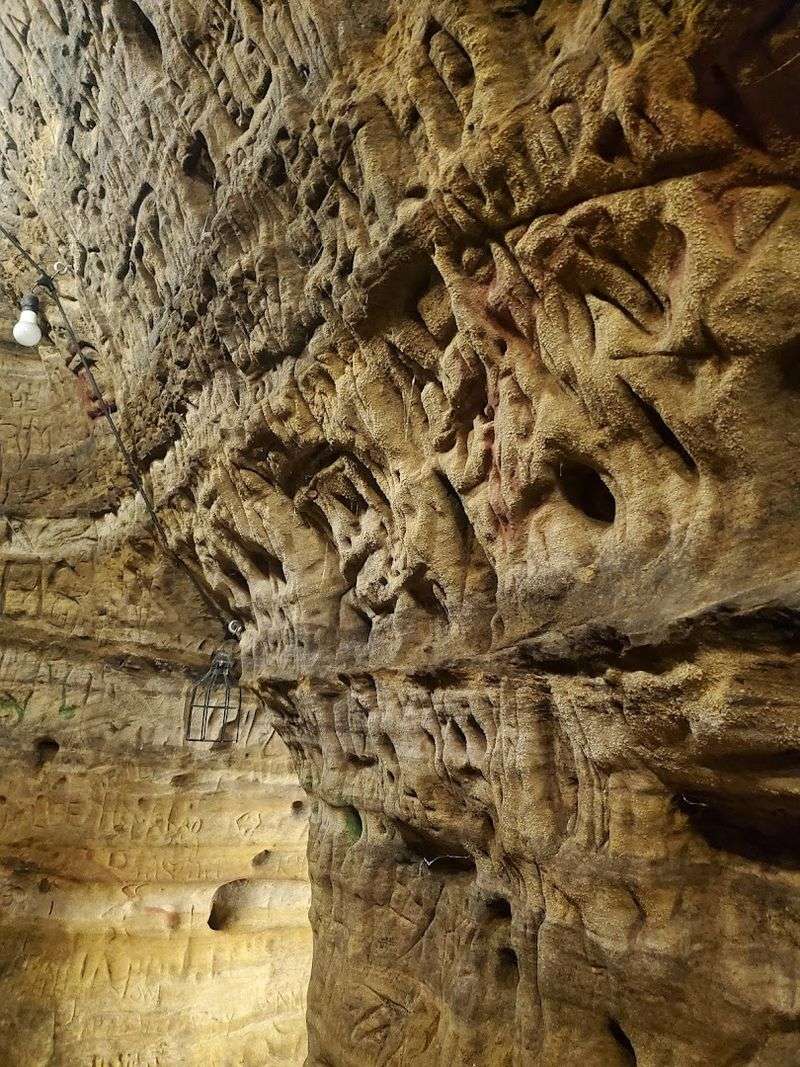
Few historical records are as personal or as unexpected as the graffiti etched across the walls of Robber’s Cave.
The soft Dakota sandstone proved irresistible to visitors across generations, who scratched names, initials, dates, band names, and Greek letters into nearly every reachable surface.
These etchings now cover an estimated 5,600 square feet of tunnel walls, creating a layered visual timeline of everyone who ever passed through.
Some carvings date back more than a century, sitting alongside markings from the mid-20th century and more recent decades.
The sheer variety of styles and subjects makes the walls feel like a living archive, informal and deeply human in a way that formal historical records rarely are.
Running a hand along the surface, visitors can feel the depth and texture of these inscriptions carved directly into the rock.
Preservation efforts are currently underway using advanced LiDAR scanning technology to digitally map these engravings before erosion and moss growth erase them permanently.
The goal is to create a lasting digital record that future generations can access even after the physical markings have faded.
Hear Which Outlaw Stories Are History And Which Are Legend
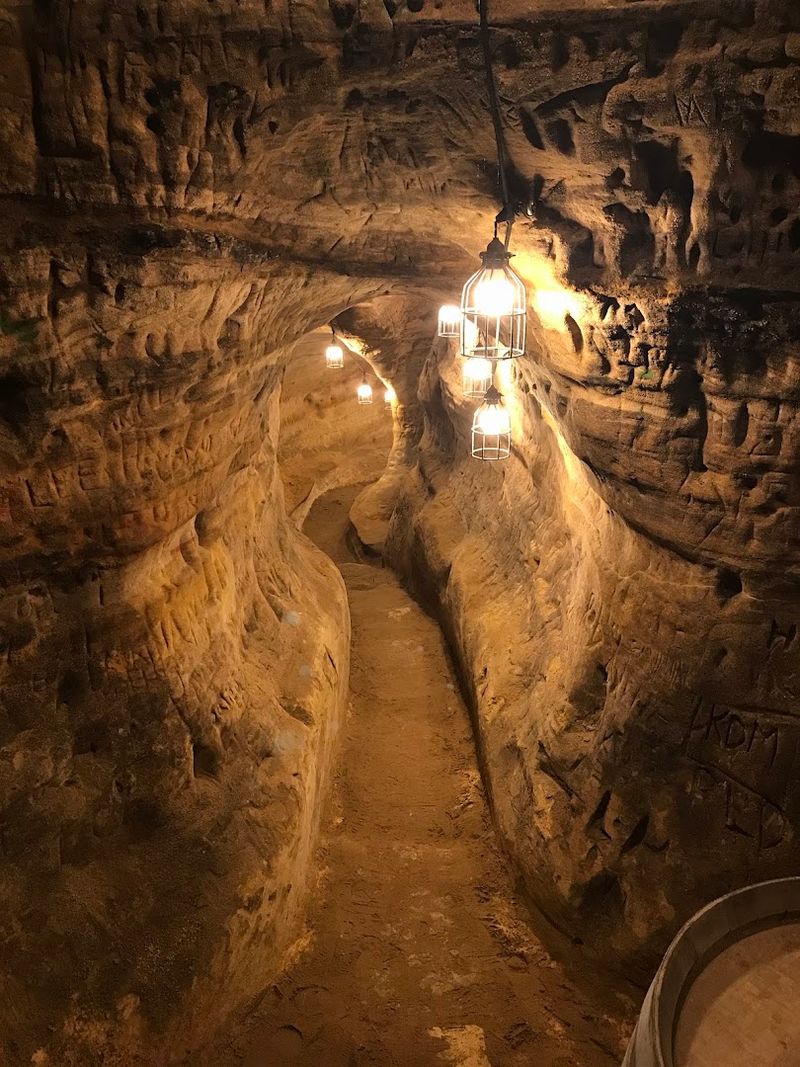
The name Robber’s Cave practically invites speculation, and over the decades, the site has accumulated a rich collection of stories that blur the line between documented history and creative folklore.
One of the most persistent legends holds that Jesse James used the cave as a hideout during the 1870s, a claim that continues to circulate despite a lack of strong historical evidence.
In reality, the cave was actively being used as part of a functioning brewery during that period, making secret outlaw use rather unlikely.
What is well-documented is that members of Coxey’s Army, a group of unemployed workers marching to Washington in the 1890s, did shelter in the cave during winter months.
That detail alone speaks to the cave’s role as a refuge for those on the margins of society.
Knowledgeable guides walk visitors through these competing narratives with care, separating verifiable events from romanticized legend without draining the stories of their appeal.
The result is a tour that feels intellectually honest and genuinely engaging, leaving visitors with a nuanced picture of what the cave actually witnessed across its long history.
Follow Passages Older Than The City Of Lincoln
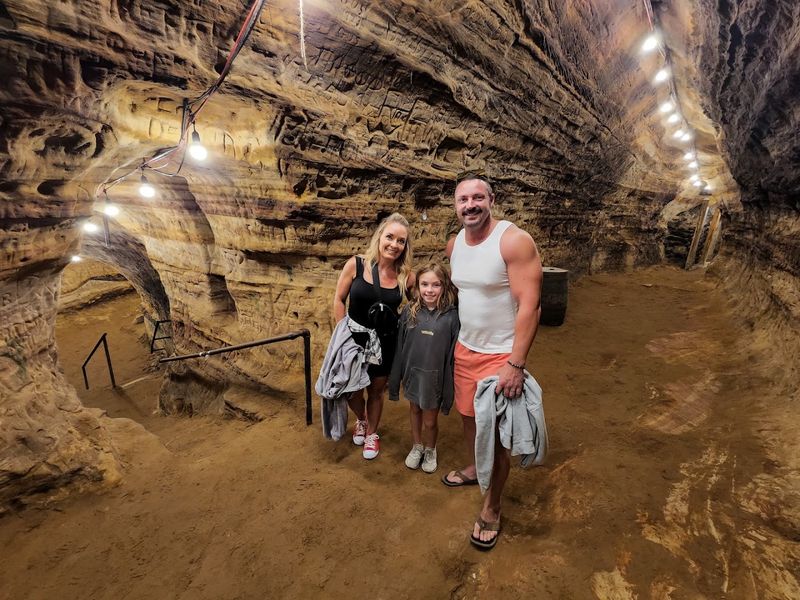
There is something quietly remarkable about walking through a space that existed before the city surrounding it was formally established.
Robber’s Cave traces its documented origins to an 1864 land grant, predating Lincoln’s official founding in 1867 by several years.
That timeline positions the cave not as a feature within the city, but as an ancient geological presence that the city eventually grew up around.
The passages themselves carry that sense of deep time in a tangible way.
The worn sandstone underfoot, the carved walls, and the low ceilings all suggest a space that has absorbed more than 160 years of human presence without losing its fundamental character.
Moving through these tunnels, it is possible to feel the weight of that history in a way that no museum exhibit fully replicates.
Recognized as Lincoln’s oldest tourist attraction, the cave holds a historical depth that extends well beyond its role as a curiosity or novelty.
The passages have witnessed the rise of an entire city around them, from a sparse frontier settlement to a state capital with a thriving university and cultural scene.
Following these routes underground offers a grounding perspective on just how much history can accumulate in a single, unassuming location beneath the surface of a modern city.
You Can Photograph The Cave During The Tour
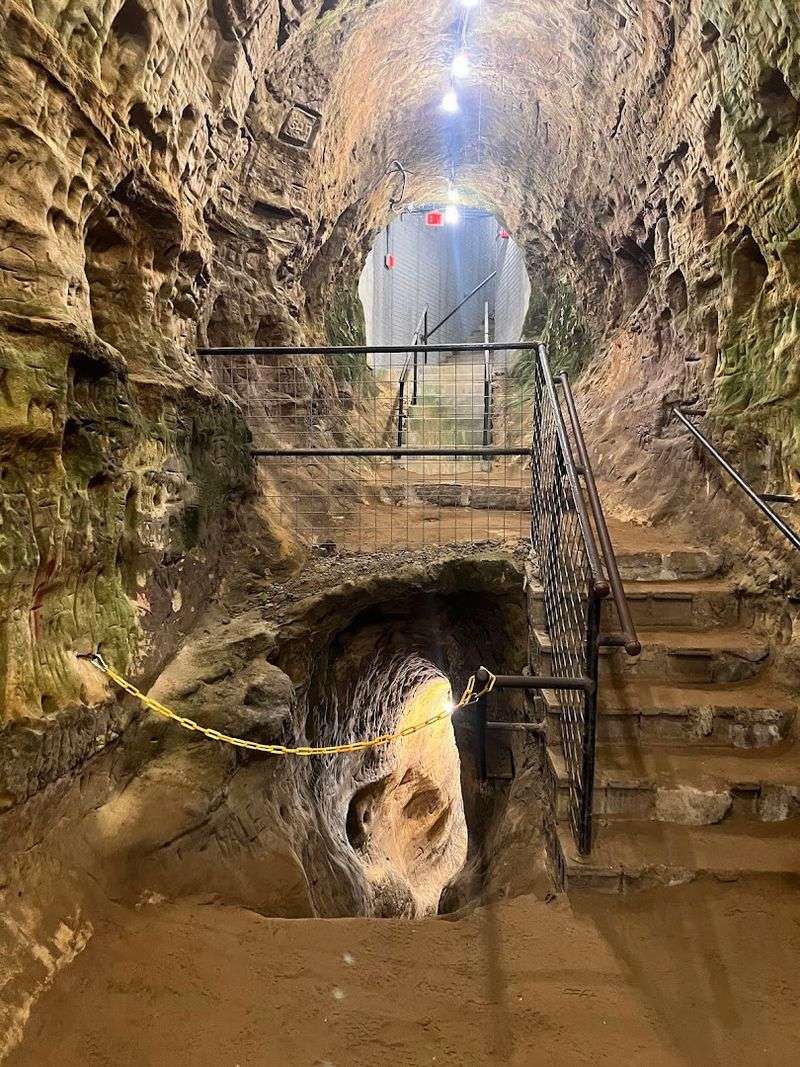
Photography enthusiasts tend to find Robber’s Cave particularly rewarding, and the good news is that visitors are welcome to take photos throughout the entire guided tour.
The cave’s environment offers a genuinely unusual visual landscape, with carved sandstone walls, layered etchings, low-lit passages, and the occasional surprising spatial opening that creates compelling compositional opportunities.
Every turn in the tunnel tends to offer something different to capture.
The lighting inside the cave is atmospheric rather than bright, so adjusting camera settings for low-light conditions can make a significant difference in the quality of the images brought home.
Smartphone cameras with night mode or manual exposure settings tend to handle the environment reasonably well.
Bringing a small portable light source can also help illuminate specific wall details worth documenting up close.
The cave’s distinctive aesthetic has made it a popular setting for special occasions, including wedding portraits, which speaks to its visual character beyond the typical tourist snapshot.
Being considerate of other tour participants while photographing is always appreciated, as groups tend to be relatively small and the pace is guided.
Those who take the time to photograph thoughtfully often leave with images that genuinely capture the strange, layered beauty of this underground historic space in the heart of Lincoln.
Feel The Underground Temperature Stay Near 55 Degrees
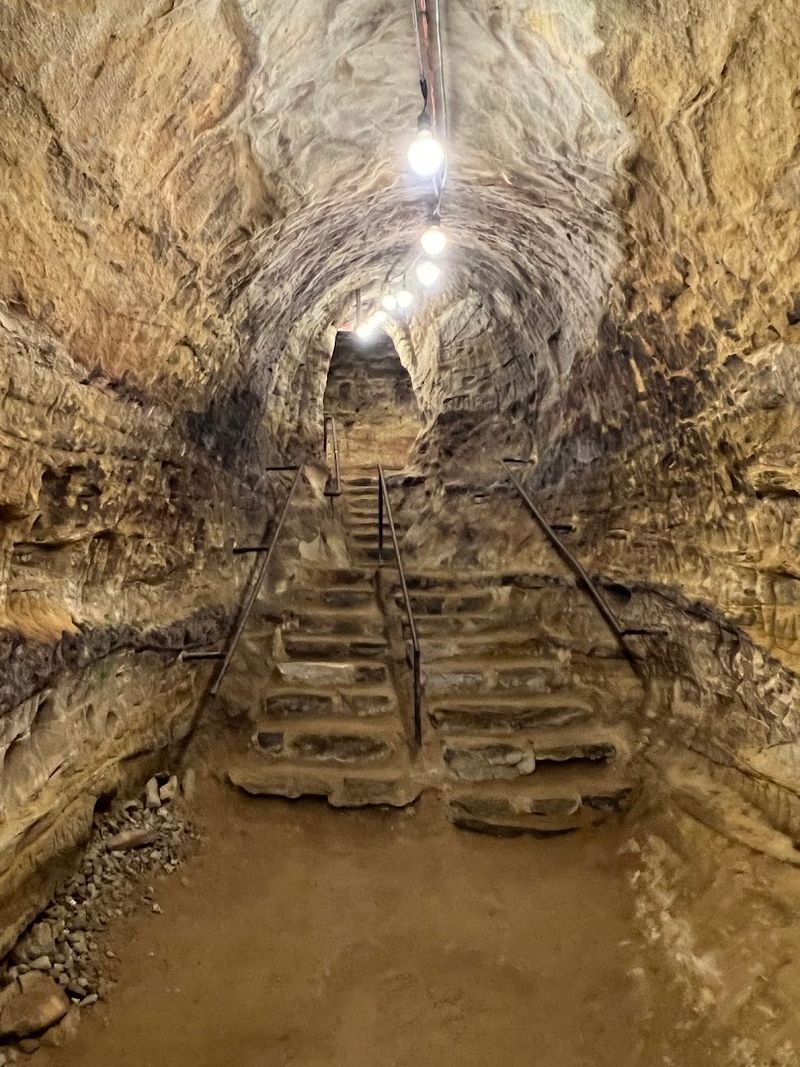
Stepping into Robber’s Cave brings an immediate and noticeable shift in the surrounding environment, one of the most sensory aspects of the entire experience.
The underground temperature holds steady at approximately 55 degrees Fahrenheit throughout the year, regardless of what is happening above ground.
On a sweltering Nebraska summer day, that coolness feels genuinely refreshing, while in the colder months it provides a mild, sheltered atmosphere that contrasts with the chill outside.
The original brewers who expanded the cave in the 1870s were well aware of this thermal stability and deliberately maintained it by engineering air shafts into the cave system.
Those shafts helped regulate airflow and temperature, which was critical for the lagering process that required consistent coolness to age beer properly.
The fact that this natural climate control still functions today is a testament to the thoughtfulness of the original design.
Visitors planning a tour are generally advised to bring a light jacket or layer, as the 55-degree environment can feel noticeably cool during an hour-long exploration, particularly for those who run warm in everyday settings.
Children especially tend to feel the chill more quickly as the tour progresses deeper into the passages.
Dressing appropriately makes it much easier to focus on the history and atmosphere rather than personal comfort during the experience.
Spend Nearly An Hour With A Knowledgeable Guide
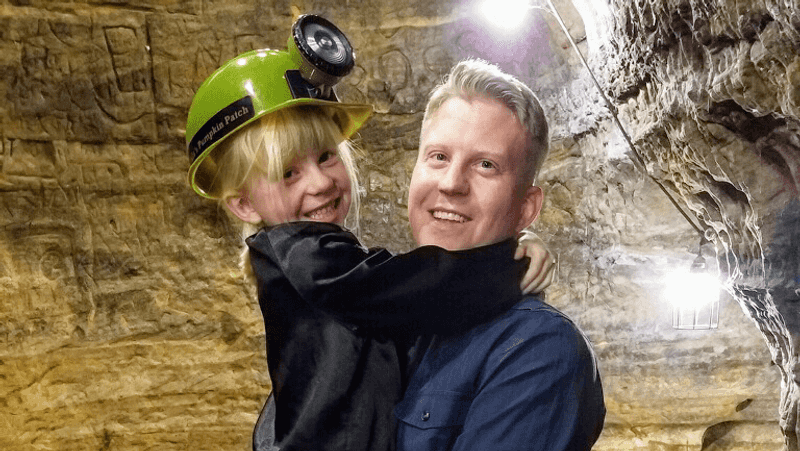
A tour of Robber’s Cave is not a self-guided wander through tunnels but a curated, story-driven experience led by guides with deep familiarity with the site’s layered history.
Tours typically run between 45 and 60 minutes, covering the cave’s geological origins, its industrial past, its colorful legends, and the many generations of visitors who left their marks on the walls.
The pacing tends to feel comfortable rather than rushed, allowing time for questions and closer observation of specific features.
Joel Green, author of the book “ROBBER’S CAVE: Truths, Legends, Recollections,” is considered one of the foremost experts on the cave and often leads tours himself.
His approach combines historical research with personal connection to the site, drawing on old photographs, video footage, and firsthand knowledge to bring the cave’s past to life in a way that feels both educational and genuinely entertaining.
The small group format makes the experience feel personal rather than like a crowded museum walkthrough.
At the end of the tour, there is typically time for additional questions and a visit to the gift shop, where the book about the cave’s history is available for purchase.
For those who want to carry a piece of the story home, it makes for a meaningful souvenir that extends the experience well beyond the hour spent underground.