This Nebraska Historical Marker Recalls Chief Standing Bear’s 1879 Civil-Rights Victory
A federal judge once had to decide whether a Ponca chief counted as a person under American law. The year was 1879, and the answer changed history.
The chief had walked hundreds of miles home to Nebraska to keep a promise to his son. He was arrested for it.
Then he stood in a courtroom, raised his hand, and said, “I am a man.”
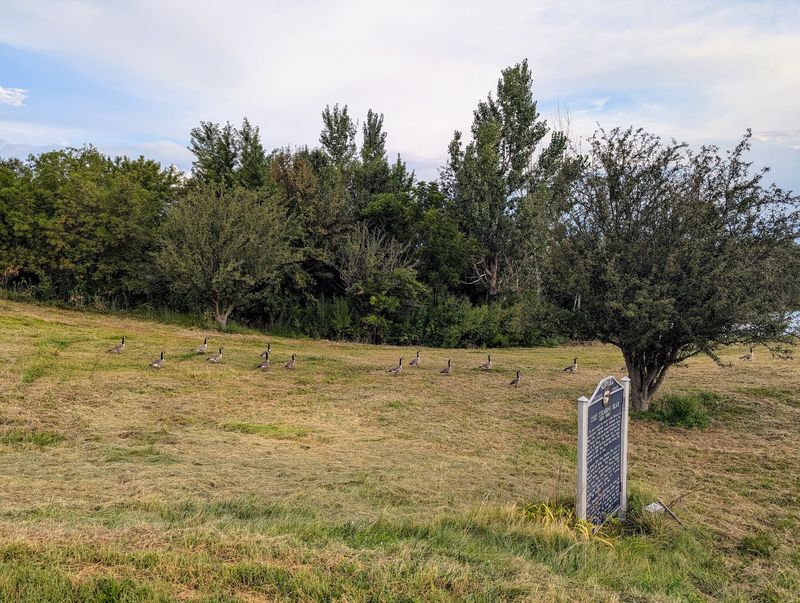
Today, a small roadside marker tells that story beside a city lake. Joggers loop past it.
Kayakers paddle nearby. Kids race to the playground without a second glance.
I like how a spot built for fresh air and fishing poles quietly carries one of the biggest legal moments this state ever saw. I can’t think of a better reason to slow down on a walk.
So what exactly does that marker say?
A Small Sign With An Enormous Message Waits By The Water
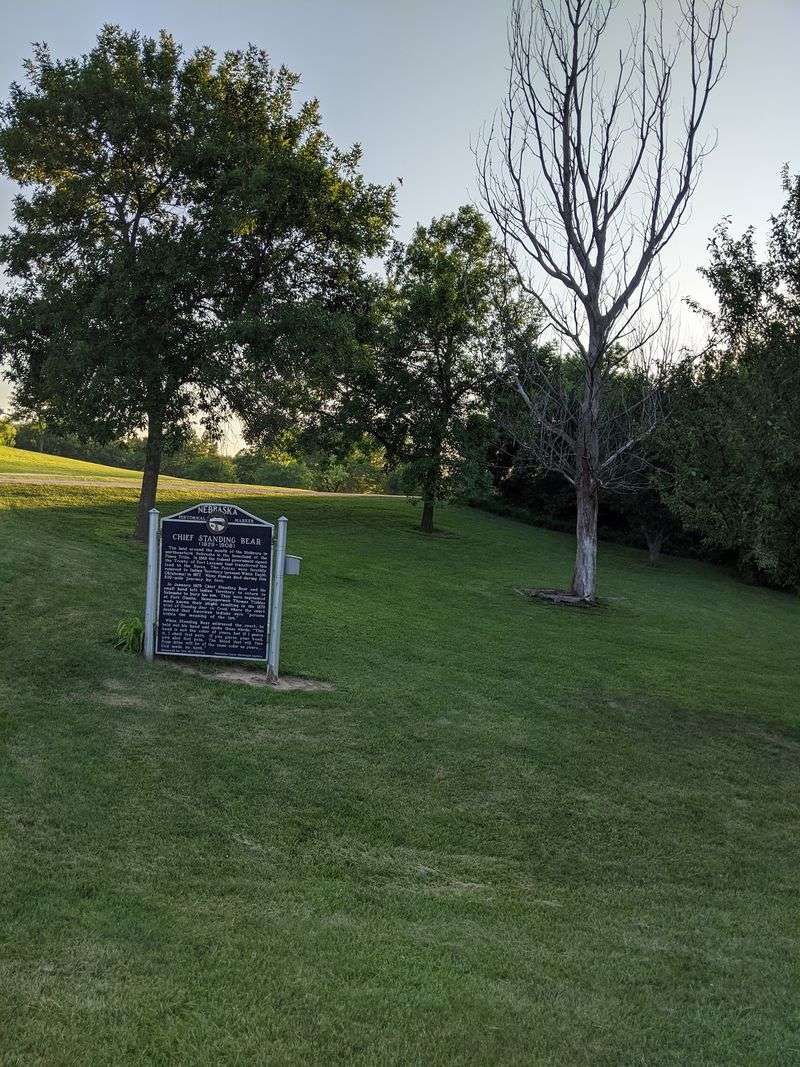
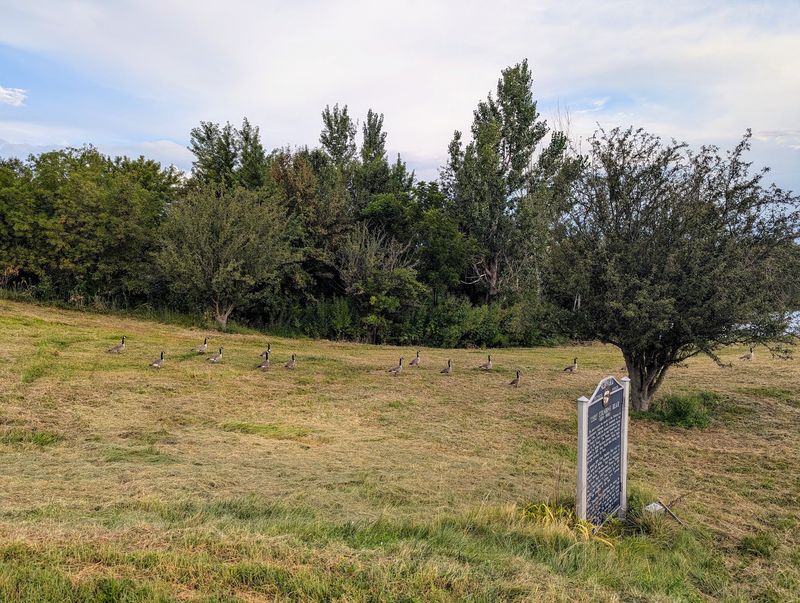
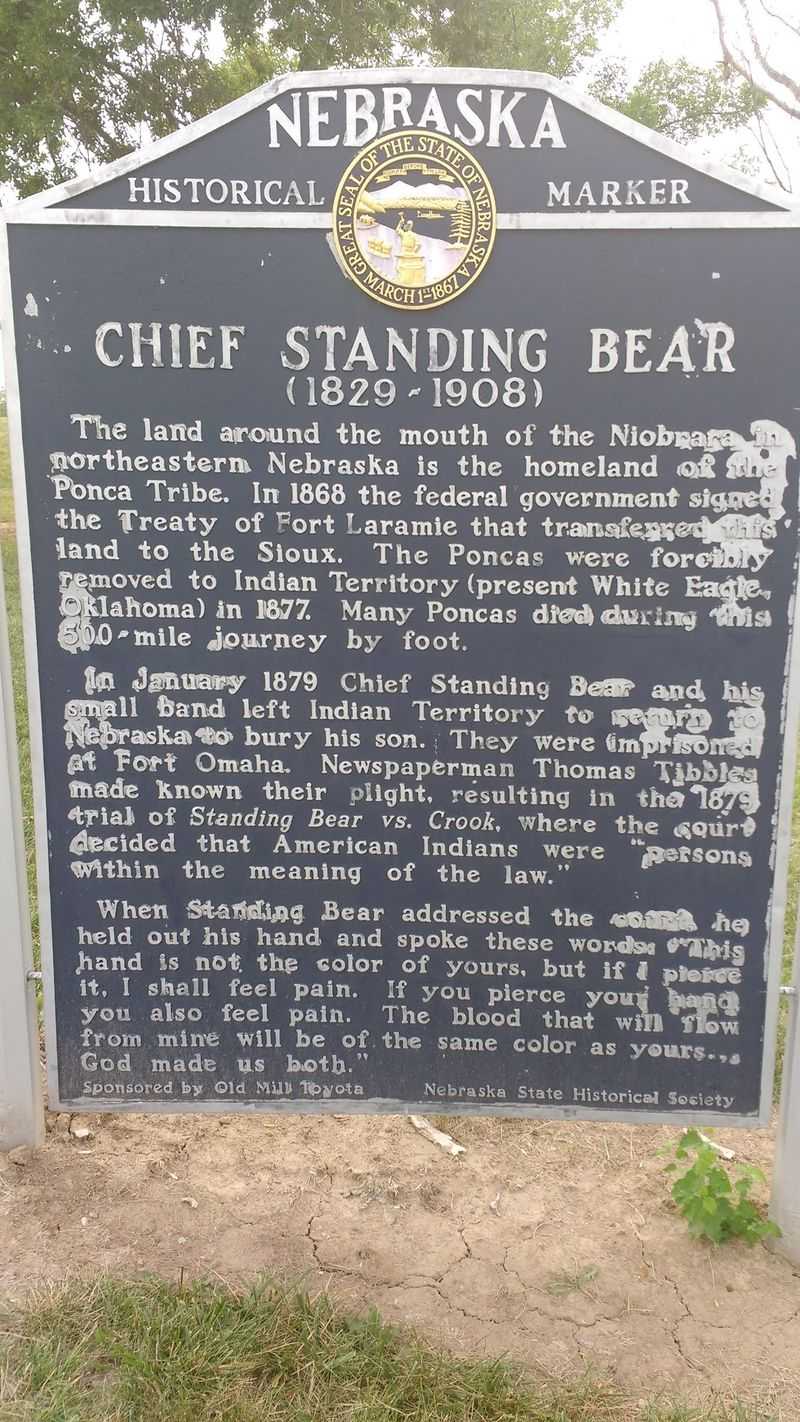
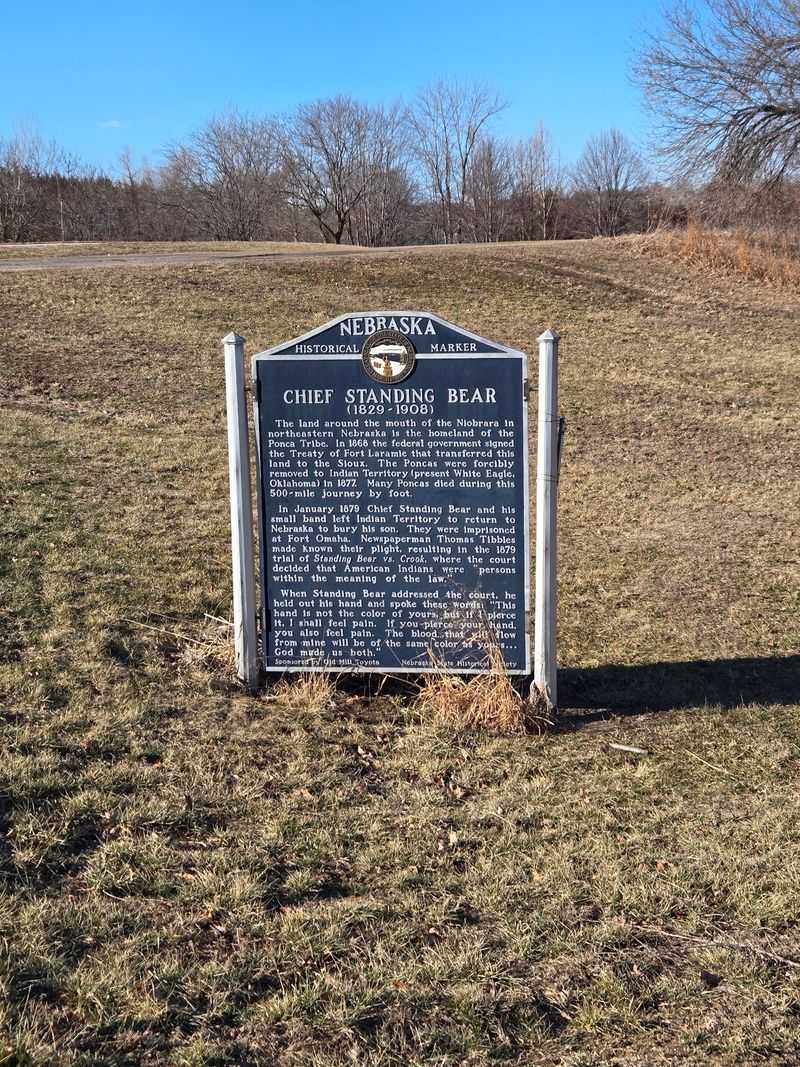
The Chief Standing Bear Historical Marker sits in the grass near Standing Bear Lake in northwest Omaha. It’s an official Nebraska roadside marker, the kind with raised lettering that tells a big story in a small space.
The listed location is Omaha, NE 68164, right in the middle of everyday city life. Houses, roads and a busy recreation area surround it on all sides.
That setting is part of the charm. You won’t find a museum lobby, a ticket booth or a gift shop here.
Instead, you get a lakeside park and a few hundred carefully chosen words. Those words explain how a Ponca chief changed what the law meant by the word person.
The marker is a physical trace you can stand beside today. The event it describes happened more than 145 years ago, just across town.
That gap between then and now is what makes the stop land. You’re not reading about history from a couch.
You’re standing in the same city where a judge heard the case and made his ruling. For Nebraskans who love a dated story they can actually visit, this one checks every box.
Why A Lake Carries A Chief’s Name
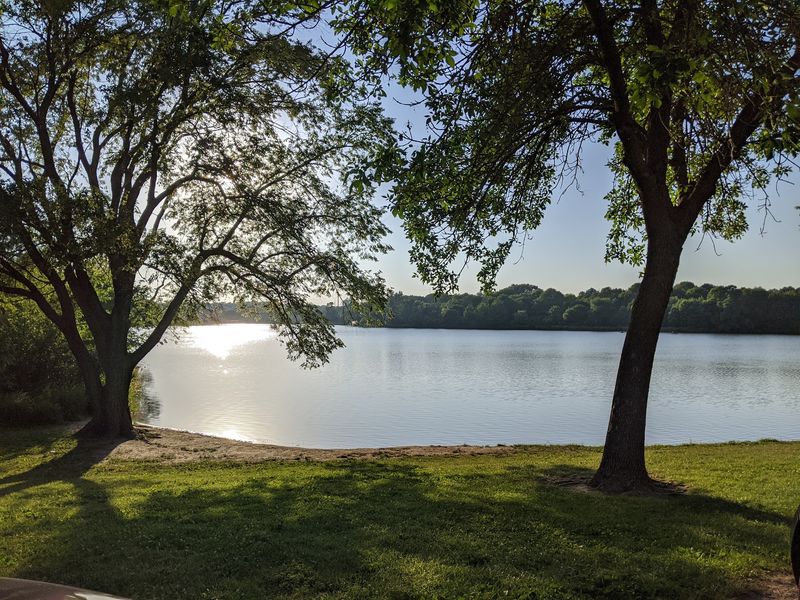
Plenty of Nebraska lakes are named after creeks, ranchers or the nearest town. Standing Bear Lake took a different route and honored a civil-rights pioneer.
The name puts the chief’s story on maps, trail signs and fishing reports across the metro. Every time someone says they’re heading to Standing Bear, they repeat his name without trying.
That’s a clever kind of memorial. It doesn’t ask for attention, yet it shows up in daily conversation.
The historical marker adds the missing piece. It answers the question many people never think to ask about the lake they’ve jogged around for years.
Omaha has plenty of parks, but few carry this much meaning in their title. The pairing feels fitting for a man who fought to return to his homeland.
Land, water and home were central to his story. A peaceful lake bearing his name echoes that connection in a gentle way.
So the next time you hear someone mention the lake casually, you’ll know the backstory. It’s a fun bit of local knowledge to share on your next stroll.
The Ponca Homeland Along The Niobrara
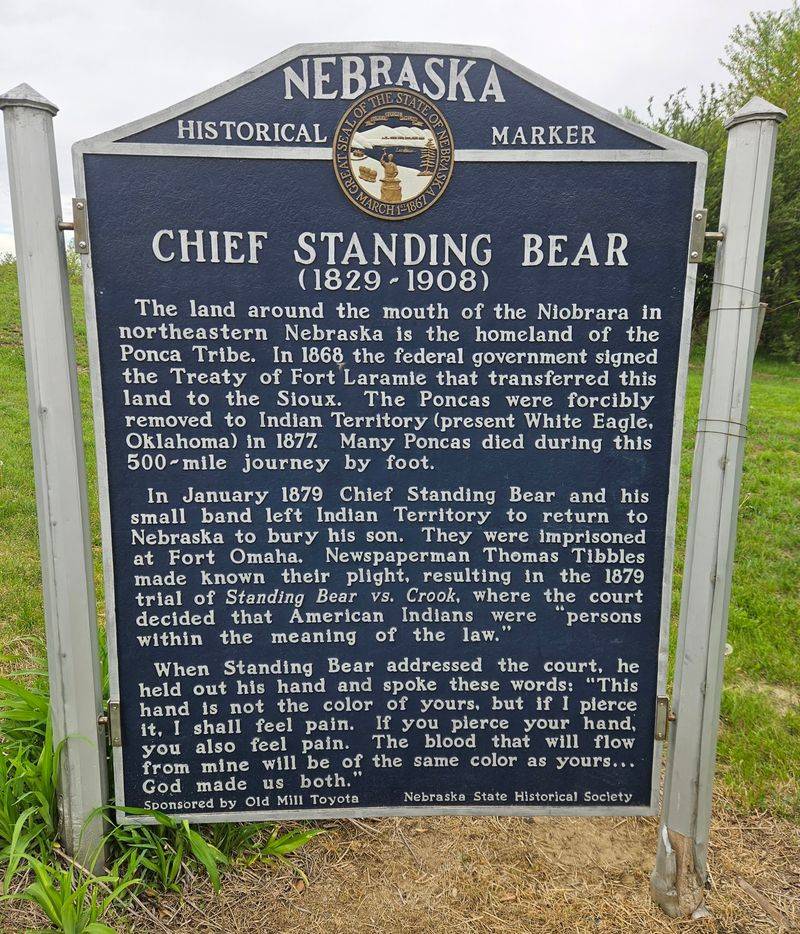
Long before any courtroom showdown, the Ponca people lived along the Niobrara River in northeast Nebraska. Their villages, fields and burial grounds sat on that land for generations.
In 1877, the federal government moved the Ponca south to Indian Territory, in present-day Oklahoma. The relocation traced back to a treaty mistake that placed Ponca land in the hands of another nation.
The journey covered several hundred miles. It brought great hardship to families who had never wanted to leave home.
Life in the new territory proved difficult from the start. Many Ponca people fell ill in the unfamiliar climate.
Chief Standing Bear lost his son, Bear Shield, during this period. The young man asked to be buried in the family’s homeland along the Niobrara.
That request became the turning point of everything that followed. A father’s promise would soon reach a federal judge in Omaha.
Understanding this background makes the marker hit harder. The court case wasn’t about abstract ideas, it was about a family going home.
A Winter Walk Home That Broke Federal Rules
January in Nebraska isn’t anyone’s idea of good hiking weather. Chief Standing Bear set out anyway in 1879.
He traveled north with about 30 members of his tribe. They carried his son’s remains, determined to honor the young man’s wish.
Leaving the reservation without permission broke federal rules at the time. The group knew the risk and walked on regardless.
They eventually reached the land of the Omaha Tribe, longtime friends of the Ponca. There, they found shelter and a brief rest.
Word of their arrival traveled fast. Soldiers under General George Crook were ordered to detain the group and send them back south.
The Ponca were taken to Fort Omaha, on the north side of the city. That detention set up one of the most important legal moments in Nebraska history.
It’s hard not to admire the resolve here. A long winter trek for a single promise says plenty about the man the marker honors.
An Arresting Officer Who Quietly Helped
Here’s a twist few people expect from this story. The general who detained Standing Bear became one of his quiet allies.
General George Crook had orders to return the Ponca to Indian Territory. After hearing their story, he grew sympathetic to their situation.
Crook delayed sending them south. That pause bought precious time for the public to learn what was happening.
He also met with a local newspaperman about the case. Historians often credit that conversation with helping launch the legal fight.
Crook still had a job to do, and he followed his orders on paper. Yet his choices behind the scenes helped open a door.
Fort Omaha, where the Ponca were held, still stands in north Omaha. Its historic grounds now host Metropolitan Community College.
Picturing a general sharing a detainee’s cause feels almost like a movie plot. In 1879 Nebraska, it was simply what happened, and it mattered enormously.
Newspaper Ink Turned Up The Volume
Every big story needs someone willing to tell it. For Standing Bear, that person was Thomas H.
Tibbles.
Tibbles worked as an editor at the Omaha Daily Herald. He wrote about the Ponca detention and pushed the story to readers far beyond Nebraska.
His reports stirred public sympathy across the country. Suddenly, people in distant cities were asking questions about a chief held at Fort Omaha.
That attention brought practical help. Two Omaha attorneys, John L.
Webster and Andrew J. Poppleton, offered to take the case without pay.
Volunteer lawyers taking on the federal government was no small thing. They believed the law itself was on Standing Bear’s side.
Their plan used a writ of habeas corpus. That legal tool lets a court decide whether someone is being held lawfully.
The government had a ready answer, though. It argued the Ponca chief wasn’t a person under the law at all.
Newspaper pages had set the stage. Now a courtroom would settle the question.
Four Words That Silenced A Courtroom
“I am a man.” Few speeches in Nebraska history hit harder than the one built around that phrase.
The case, known as Standing Bear v. Crook, went before the federal court in Omaha in the spring of 1879.
Near the end, the chief was allowed to speak.
He held up his hand for the courtroom to see. He said it was not the same color as the judge’s, but it would feel pain the same way.
He added that his blood would flow the same color too. Then he declared that the same God made them both.
Accounts say the room was deeply moved. A legal argument about definitions had become something much more human.
The chief didn’t need fancy legal terms. He used his own hand as the evidence.
That moment is the heart of what the marker commemorates. Reading about it beside a quiet lake gives the words fresh weight.
Some speeches age poorly. This one only gets stronger.
May 12, 1879: The Ruling That Rewrote A Definition
Judge Elmer Dundy issued his decision on May 12, 1879. His ruling declared that an Indian is a person within the meaning of the laws of the United States.
That sentence sounds obvious now. At the time, it was a groundbreaking first for a U.S. court.
The judge found the Ponca were being held without lawful authority. He ordered them released from custody.
The ruling didn’t grant citizenship or settle every question about tribal rights. Still, it opened the courthouse door to Native people seeking protection under the law.
Standing Bear was finally free to continue his journey. He returned to the Niobrara and buried his son in the homeland, keeping his promise.
Not many promises travel through a federal courtroom first. This one did, and it reshaped American law along the way.
The marker condenses all of this into a few lines of text. Knowing the full story makes reading it feel like finishing a great book’s final chapter.
From A Nebraska Courtroom To Statuary Hall
After the trial, Standing Bear became a national voice for Native rights. He traveled to eastern cities with Tibbles to share the Ponca story.
Crowds came to hear him speak. His message helped shift public opinion about how the government treated tribal nations.
His legacy kept growing long after his lifetime. In 2019, Nebraska placed a bronze statue of Standing Bear in the U.S.
Capitol’s National Statuary Hall.
Each state sends two statues to that collection. Nebraska chose to honor the Ponca chief, which says a lot about how the state views his story.
Lincoln also has a large Standing Bear statue near the Centennial Mall. His name appears on schools and public places across Nebraska too.
The Omaha marker is one of the humbler pieces of that legacy. It may also be the most approachable.
You can stand next to it in sneakers on a Tuesday morning. That kind of easy access fits a man who fought for everyday rights.
Bring Your Sneakers For The Paved Loop
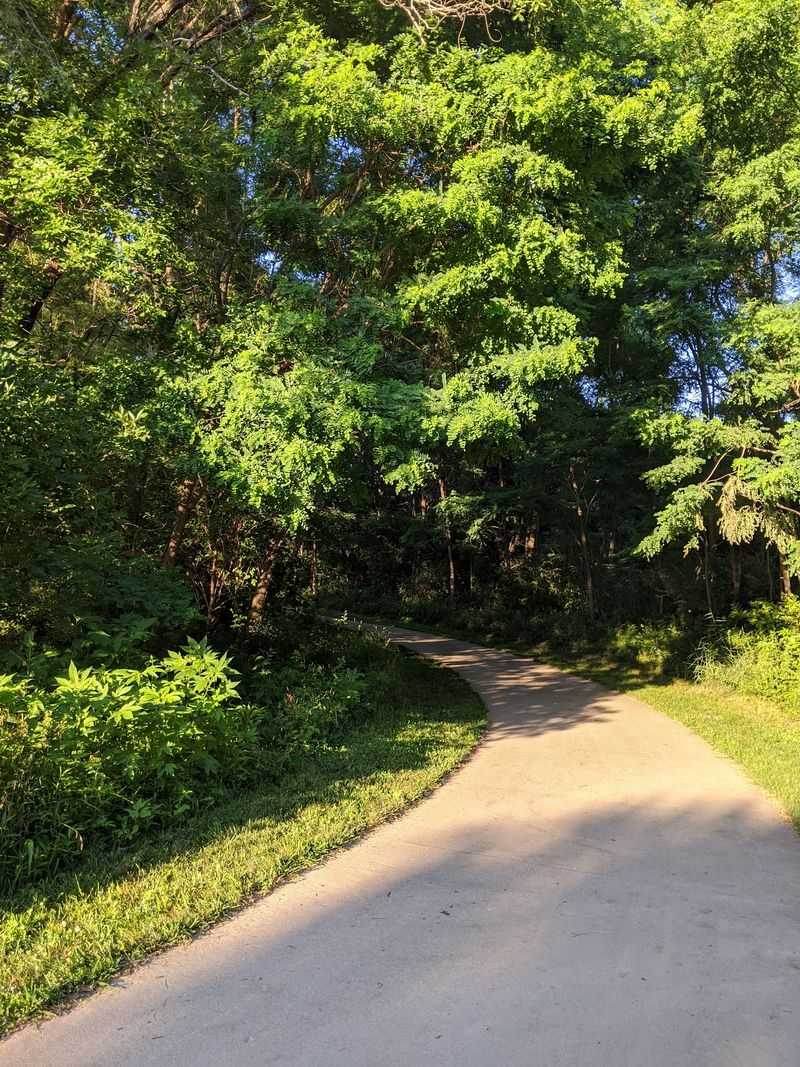
History plus cardio is an underrated combo. The park around Standing Bear Lake delivers both without much effort.
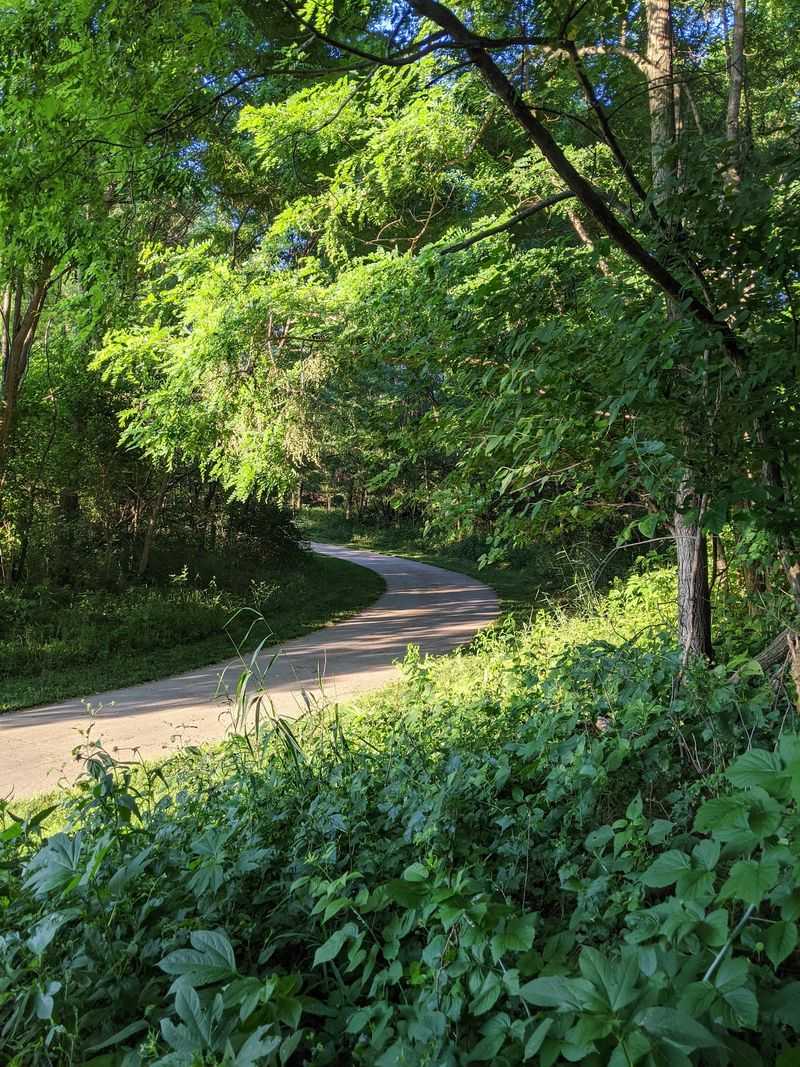
A paved trail circles the lake, making it a popular route for walkers, runners and cyclists. Strollers roll along it easily too.
Several access points let you hop on from different sides of the park. That makes it easy to plan a short loop or a longer outing.
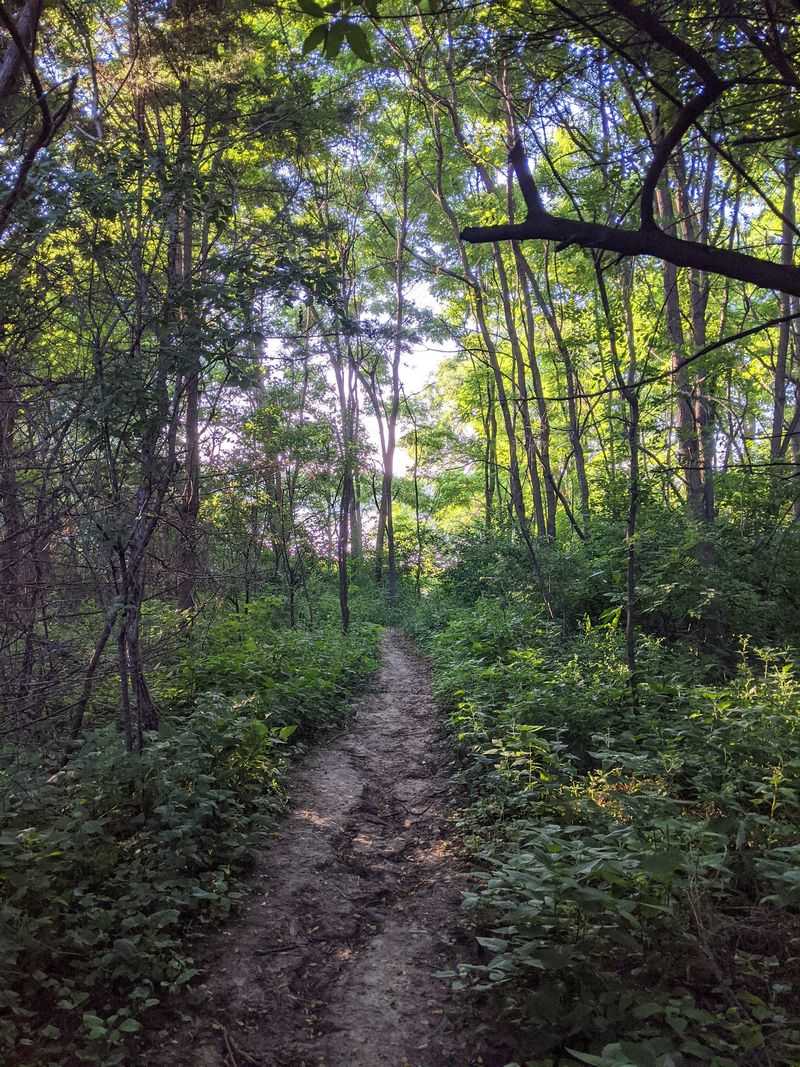
Some unpaved paths branch off as well, though the paved route gets most of the traffic. Pick your surface based on your shoes and your ambition.
One thing to know before you go looking for the sign. The marker sits in the grass rather than right on a trail.
So plan a short detour off the pavement to read it. Your wheels may need to wait a minute while you step over.
Leashed dogs make good trail buddies here as well. Your pup gets a walk, and you get a history lesson.
Paddles, Poles And A Speed-Limited Lake
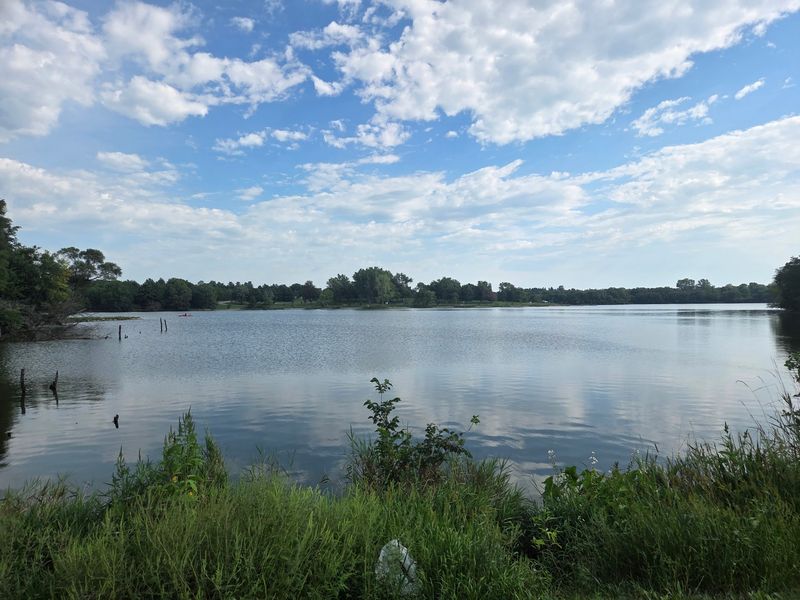
Kayakers have a soft spot for Standing Bear Lake, and it’s easy to see why. The water offers a calm city escape without a long drive.
Small boating docks make launching simple. Paddlers, small fishing boats and anglers on shore all share the space.
The lake has a speed limit for boats. That keeps the mood relaxed and friendly for kayaks and canoes.
Shoreline fishing spots dot the edges of the lake. Bring a pole and a valid Nebraska fishing permit, since state rules apply here.
Here’s a practical note worth knowing. The lake was drained a few years back for improvement work, so water conditions have changed over time.
Check with the City of Omaha parks department before hauling a boat over. A quick look saves you from an awkward empty-lakebed surprise.
When the water is up, paddling past the area named for Standing Bear feels fitting. His story was always tied to rivers and home waters.
Playground Breaks And Picnic Blankets
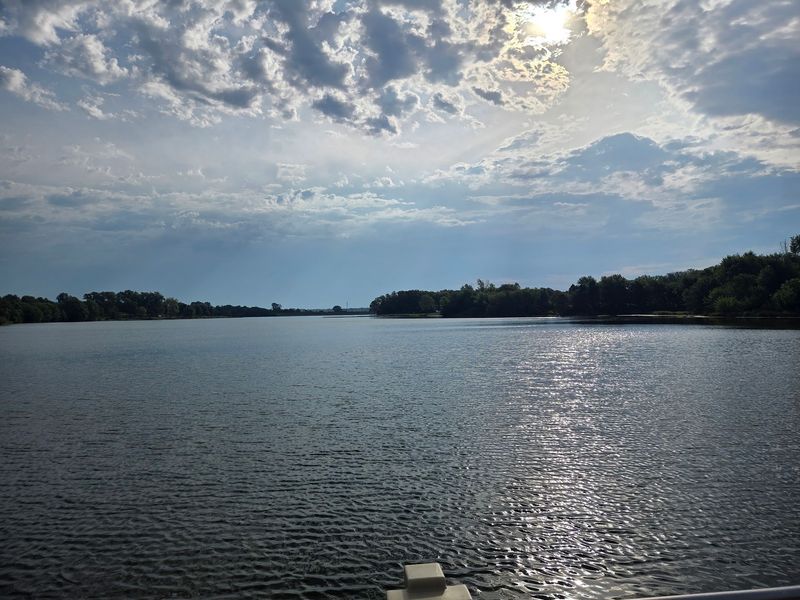
Kids rarely beg to read historical markers. A playground nearby makes the deal much easier to negotiate.
The park includes a playground area designed for little ones. It gives families a natural reward after a short history stop.
Picnic spots and lawn space round out the setup. Park benches sit near some of the access points too.
Tables can be limited, so a picnic blanket is a smart backup. Packing your own snacks keeps the outing simple and budget-friendly.
Here’s a teaching idea for parents and grandparents. Read the marker aloud, then ask kids what they think “I am a man” meant in 1879.
That one question can spark a surprisingly thoughtful conversation. Kids understand fairness better than adults sometimes give them credit for.
Then let them run wild on the slides. A balanced outing like that sticks in young memories longer than any textbook chapter.
Easy Timing And No Ticket Needed
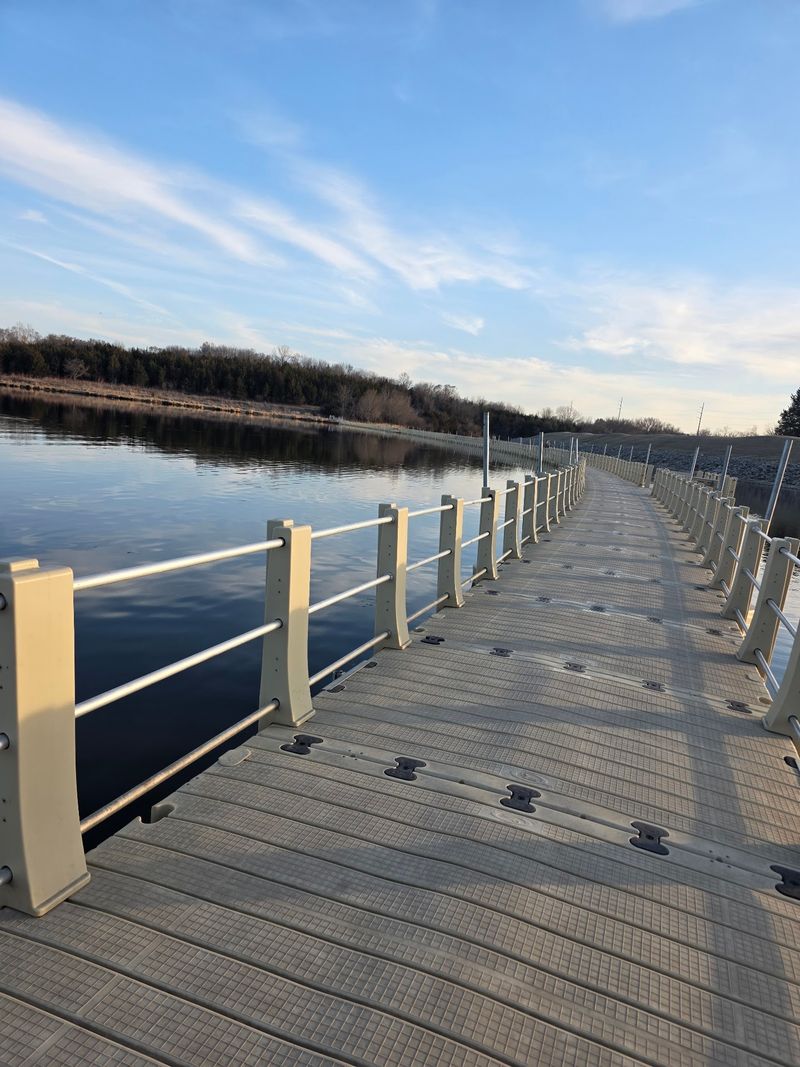
Good news for planners and spontaneous types alike. The marker sits in a public park with no admission booth in sight.
The listed hours run from early morning until late evening, every day of the week. That gives you plenty of room for a sunrise walk or an after-dinner stroll.
The listed location is Omaha, NE 68164, in the northwest part of the city. Standing Bear Lake is the landmark to aim for.
Driving is the easiest way to get there for most visitors. Multiple park entrances help spread out cars on busier days.
Road and park conditions can change with maintenance projects. Checking with Omaha parks before a big outing is always wise.
Plan on a few minutes for the marker itself. Add an hour or more if you want to loop the lake or paddle.
Daylight is best for reading the raised text. Evening light looks lovely, but small lettering gets tricky as the sun drops.
Worth The Detour Off Your Usual Loop
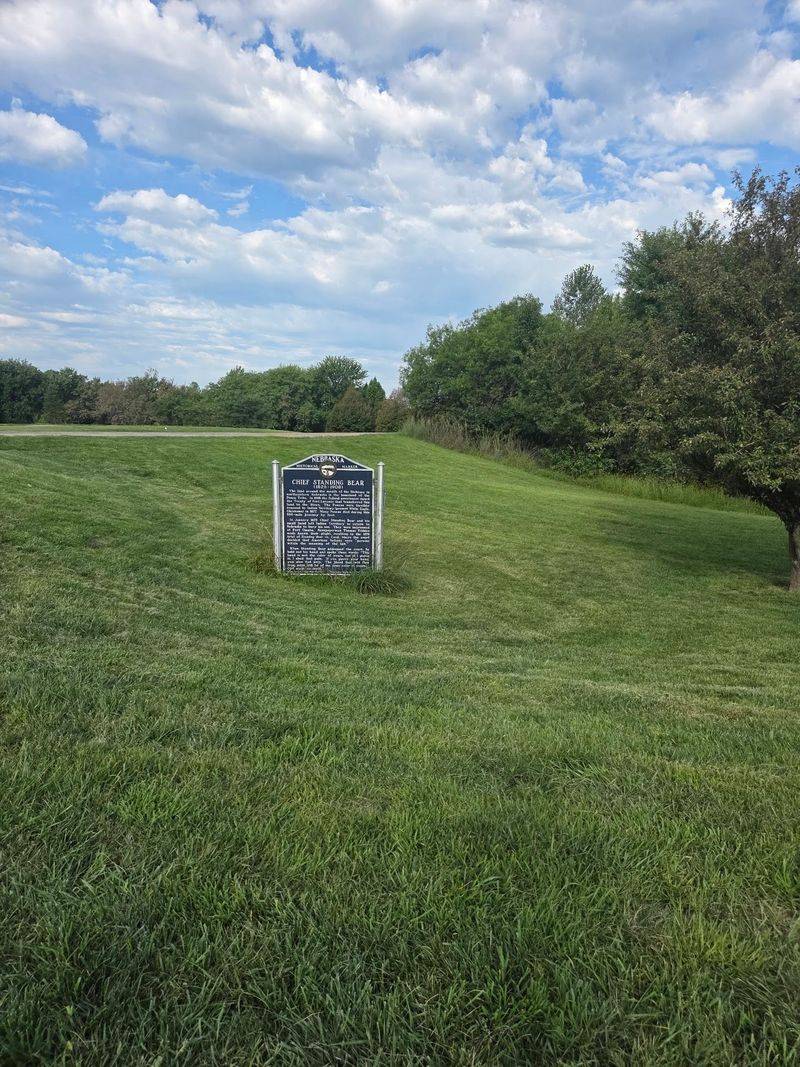
The Chief Standing Bear Historical Marker won’t overwhelm you with size or spectacle. It doesn’t need to.
A few sentences on a sign carry a story about a father, a promise and a ruling that changed American law. That’s a lot of history packed into one small stop.
Nebraska has plenty of grand monuments and big museums. This one wins by being casual, close and easy to reach.
You can pair it with a run, a paddle or a picnic. History fits into your afternoon instead of taking it over.
Locals who’ve circled the lake for years might discover the sign for the first time. That’s half the fun of a stop like this.
Visitors from across Nebraska can add it to an Omaha day trip in minutes. It slots in nicely before lunch or after a zoo visit.
Standing beside it, you’re connected to May 12, 1879. Not bad for a patch of grass by the water.