This Nebraska Living History Farm Brings Back 1920s Farm Life And Most Folks Have Never Visited
A farmer spent years restoring more than twenty old tractors, engines, and even a combine with his own hands. Then he left his whole farm behind so kids could learn how Nebraska farming used to work.
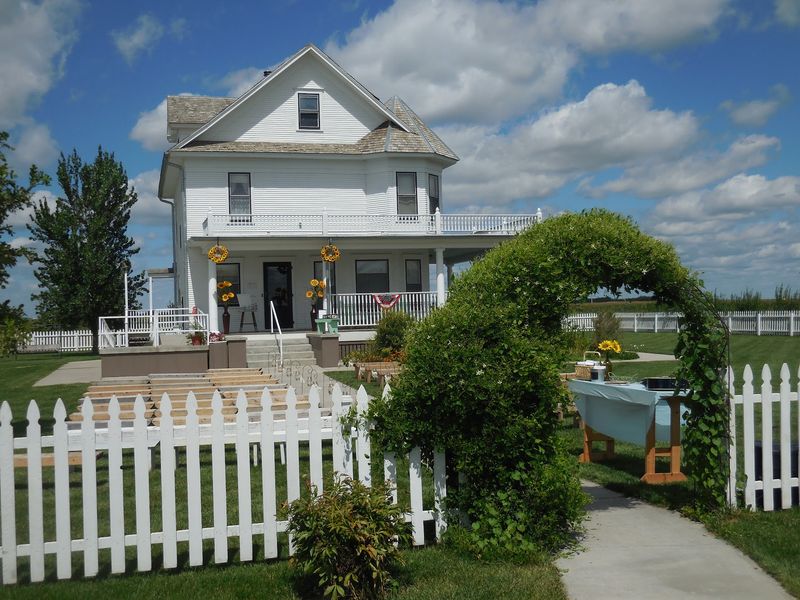
The farmhouse he lived in as an adult still stands there, fully furnished in 1920s style. Visitors can open the old oven, try vintage toys, and hear a scratchy 78 record spin.
Outside, chickens wander, miniature horses wait for snacks, and a one-room schoolhouse still holds slates and chalk. A white country church sits nearby, moved there from another town.
I like how this place lets you touch history instead of just reading about it. I can’t imagine a better way to show kids where their food once came from.
So why haven’t more people made the short drive?
A Farmer’s Gift Sitting Just Off I-80
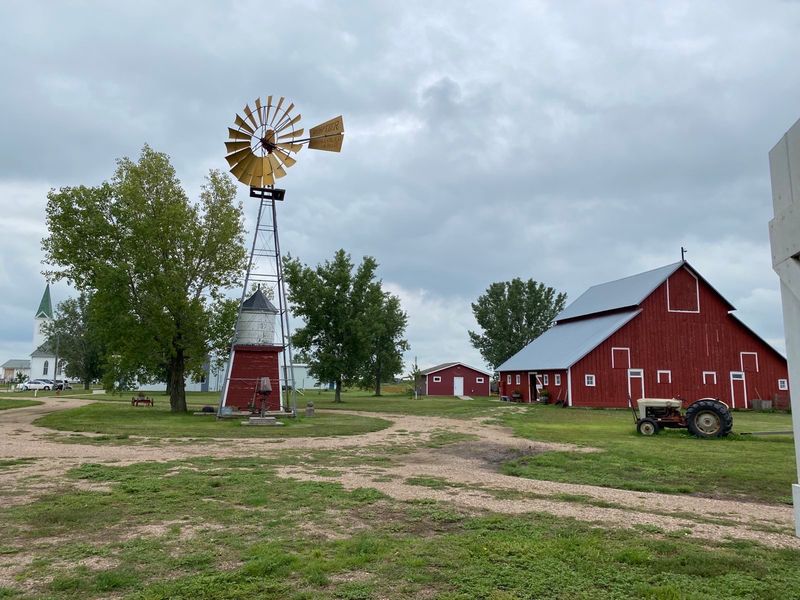
Wessels Living History Farm covers about 145 acres of open Nebraska ground near York. It recreates farm life from the 1920s, and it does it with real buildings, real machines, and real animals.
The whole idea came from David Wessels, a local farmer who wanted future generations to understand agriculture. He left his land for that purpose, and the farm opened its doors as a museum in 2005.
That backstory matters. You aren’t wandering a theme park built from scratch, because so much here comes straight from one man’s life and work.
The museum’s mission stays simple. It shows how farming has changed over the last hundred years, from horse-powered chores to the first big tractors.
Plenty of travelers zip past on Interstate 80 without a clue it exists. That’s a shame, since the farm sits only about a mile south of the highway at Exit 353.
Road trippers can treat it as a stretch-your-legs stop with a real payoff. Families from nearby towns can make it a full afternoon outing without a long haul.
Either way, the farm rewards anyone curious about the people who built rural Nebraska. Bring questions, because there’s plenty to learn.
The Farmhouse Where You’re Allowed To Touch Things
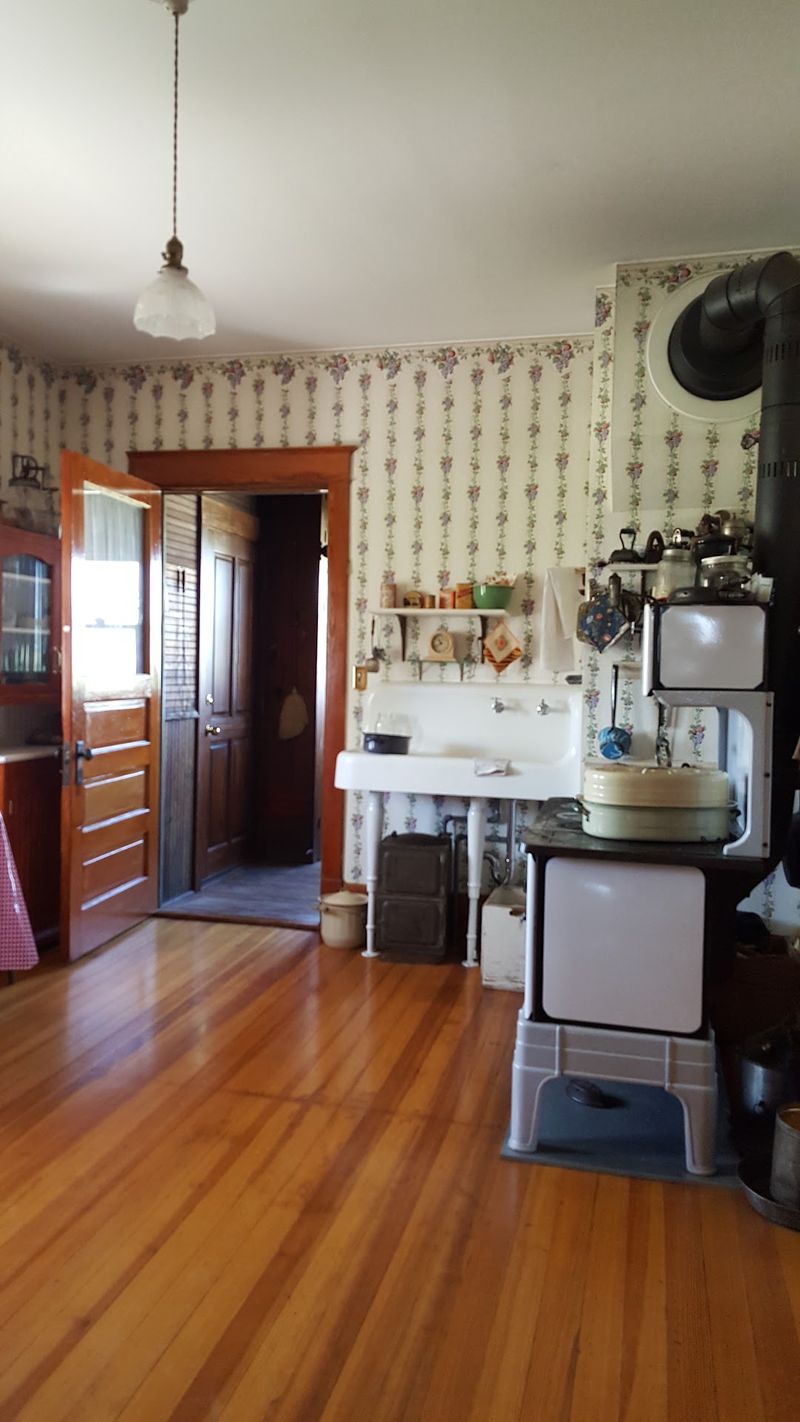
Museums usually come with a polite rule about keeping your hands to yourself. The farmhouse here flips that rule on its head, and kids notice right away.
The house once belonged to David Wessels himself during his adult years. It was moved from its original spot in York to anchor the property, and it’s fully furnished in 1920s style.
Tours often begin inside these rooms. Guides explain daily life from a century ago, and visitors may get to handle old kitchen tools, open the oven, or play the organ.
Vintage toys sit ready for small hands to test. A 78 record on the phonograph adds a soundtrack that no streaming playlist can match.
Moments like that make history feel personal instead of distant. A grandparent might recognize a familiar gadget, while a grandkid wonders how anyone cooked without a microwave.
The farmhouse also hosts hands-on workshops at times. Programs have included making old-fashioned toys and baking bread or popcorn in the old oven.
Honestly, few house tours let you open the oven door. That alone makes this stop feel different from a typical look-but-don’t-touch museum.
Tractor Fans Will Lose Track Of Time In These Sheds
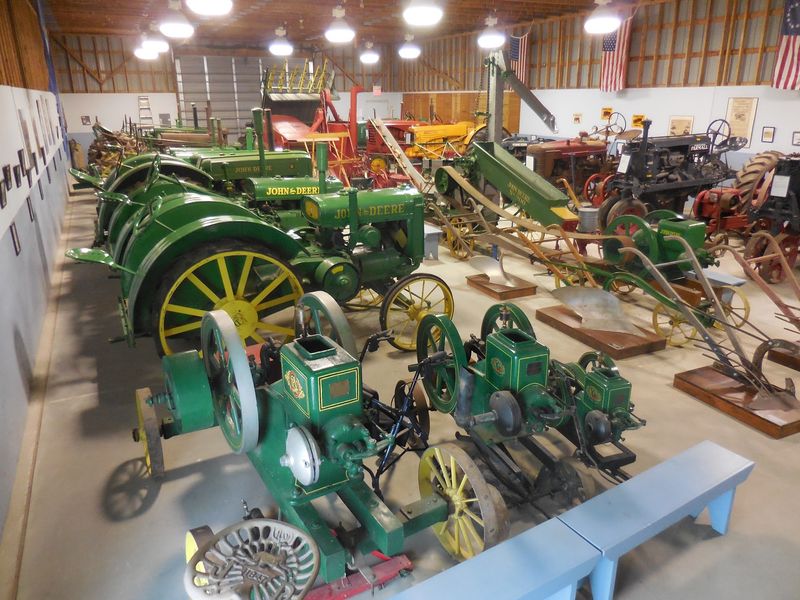
Over twenty restored tractors live on this farm, and many were brought back to life by David Wessels himself. He also restored stationary engines and even a combine.
Those machines fill several spaces around the property. A dedicated building holds many of them, and the barn shows off different makes, models, and generations of farm equipment.
Walking the rows feels like flipping through a history book with wheels. You can trace how farming went from muscle and horses to engines that changed everything on the plains.
The detail work deserves credit too. Restoring a single tractor takes patience, so a whole lineup represents years of careful effort.
Other outbuildings add even more to explore. One holds a sizable collection of carpenters’ tools, the kind that once built barns and fixed wagons by hand.
Another building houses a working corn sheller and corn grinder. Displays there explain how corn farming has changed over more than a century, which feels very fitting for Nebraska.
Gearheads, retired farmers, and curious kids all tend to find something here. Good luck pulling a tractor lover away early, because these sheds reward slow browsing.
A Church And A Schoolhouse That Traveled To Get Here
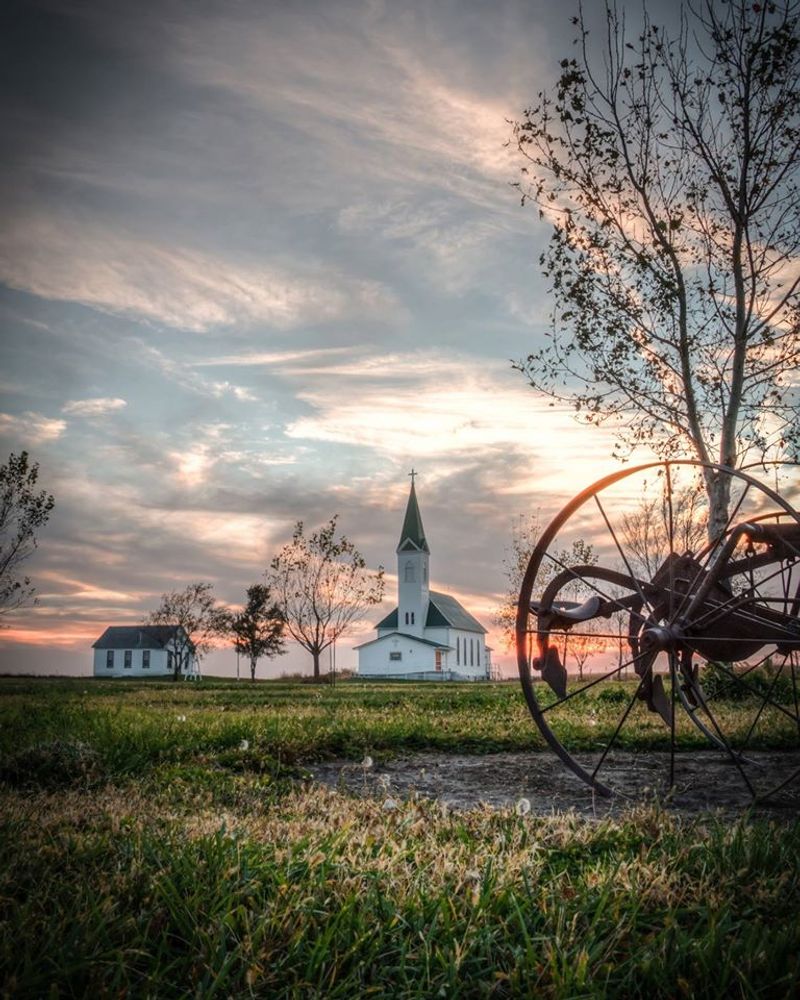
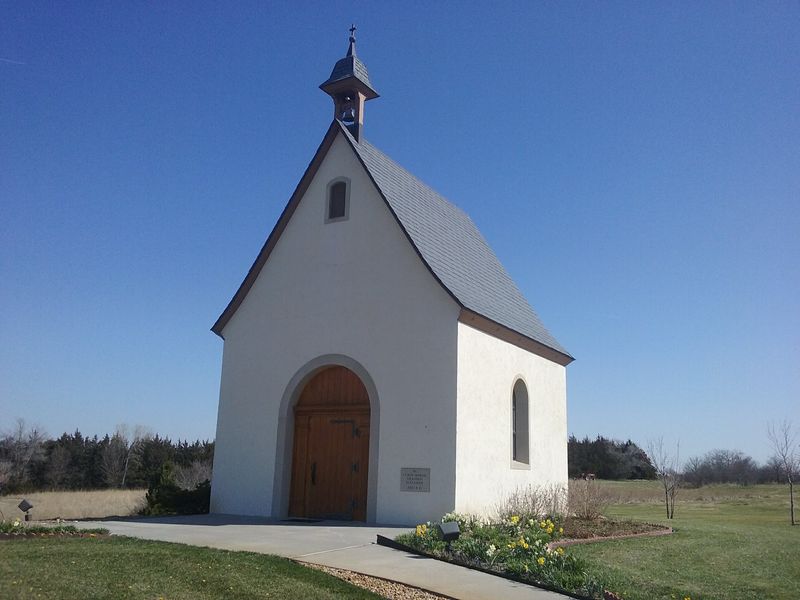
Moving a whole church sounds like a tall order. In 2014, the farm did exactly that with the 1905 Zion Lutheran Church from Thayer.
The little church now stands on the grounds as a reminder of rural social life. Back then, Sunday services and community gatherings often held scattered farm families together.
Close by sits a one-room schoolhouse built before 1900. It came to the farm from Sutton, another Nebraska town with deep farming roots.
Inside, the classroom looks ready for a morning roll call. You’ll spot teacher and pupil desks, slates and chalk, coat hooks on the walls, a wood stove, and old books.
Kids today may find it hard to believe all grades once shared one room. That reaction is half the fun, and it often sparks good questions on the drive home.
Together, these two buildings round out the picture of 1920s country living. Farm life wasn’t only chores, since faith, learning, and neighbors mattered just as much.
I like how the farm saved buildings that might otherwise have vanished. Each one carries a story from its original town, now kept safe in one spot.
Chickens, Mini Horses, And A Seesaw Worth Fighting Over
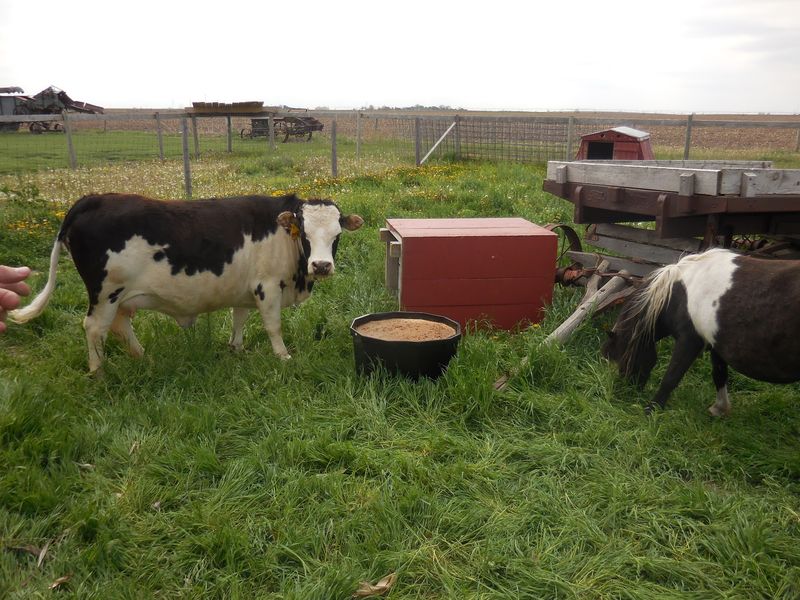
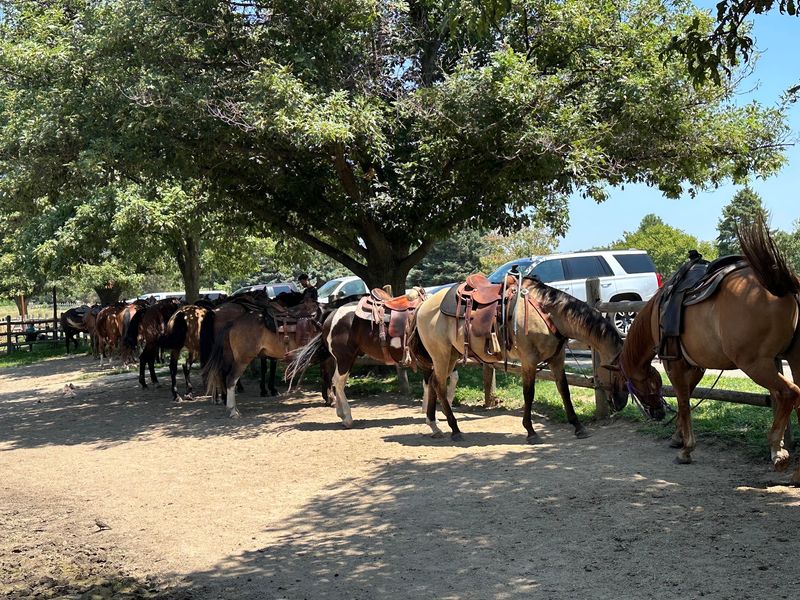
Animals steal plenty of attention at Wessels Living History Farm. Chickens roam the farmstead, and miniature horses and a sheep usually wait nearby for visitors.
Better yet, you can sometimes feed the horses and sheep alfalfa pellets. Few things make a young kid happier than a soft nose gently nibbling from an open palm.
The chicken coop also fits the 1920s story perfectly. Back then, eggs were a daily chore and a steady part of the family food supply.
Once the history lessons wrap up, a play area offers a well-earned break. A sandbox stocked with toy trucks keeps little builders busy for a surprising stretch.
There’s also a swing set and a classic seesaw. Expect at least one friendly debate over who gets the next turn.
Parents will appreciate the modern restrooms in three locations around the grounds. That small comfort makes a long visit with kids much easier.
All of this adds up to a stop that works for wiggly travelers. Kids get animals, play space, and history, while adults get a breather and a good story.
Events That Fill The Calendar All Year
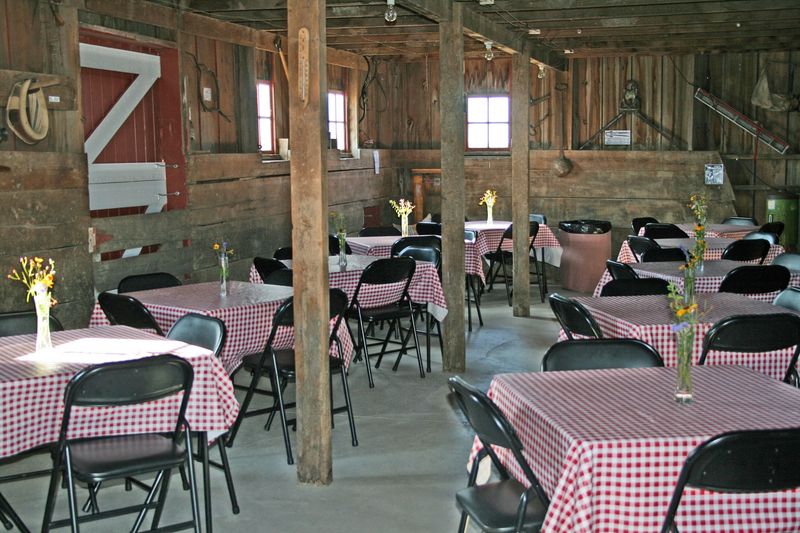
December brings one of the coziest traditions around. During Christmas on the Farm, visitors can admire a 1920s Christmas tree and taste cookies baked in a woodstove.
Guests can also string popcorn and learn how families once harvested ice. It’s a gentle, old-fashioned take on the season that feels miles from crowded shopping malls.
Spring has its own draw with an Easter egg drop. Kids scramble to gather eggs, and it turns the grounds into a lively playground.
Fall has featured Adult Boo on the Farm, a grown-up spin on Halloween fun. Summer has seen farm shows, car shows, and even a living history reenactment.
The farm also made a memorable splash during the 2017 solar eclipse. It hosted a big viewing event with food booths, and guests were allowed to set up sunshade tents.
Event lineups shift from year to year, so check the schedule before you go. Something new often lands on the calendar.
That variety gives locals a reason to come back season after season. One visit rarely covers everything this place offers.
Barn Weddings, Reunions, And A Shop Full Of Nebraska Goods
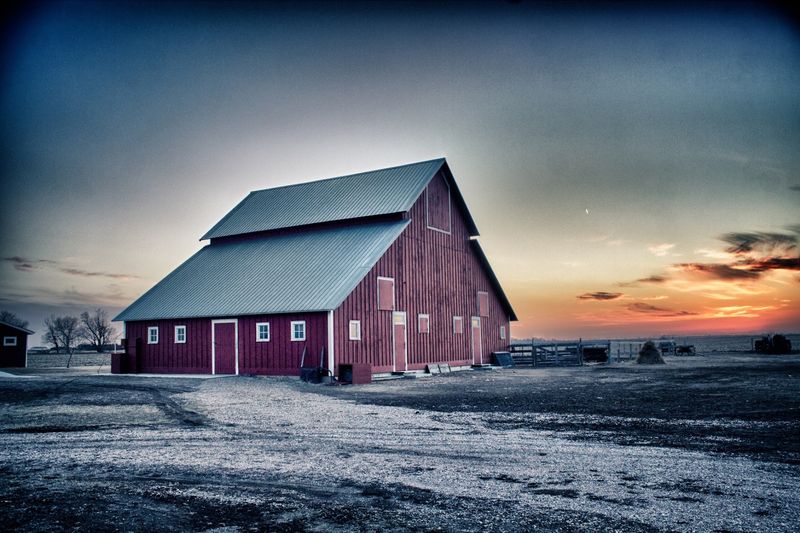
Rustic weddings need a real barn, and this farm has one waiting. The red timber-frame barn and historic buildings make a striking backdrop for special days.
Couples have tied the knot right here on the grounds. The farm also welcomes family reunions and other gatherings, so it works for more than just brides and grooms.
Picture the photos for a second. A tall windmill, a white country church, and wide Nebraska skyline add charm that no banquet hall can copy.
The church setting gives some couples a fitting spot for a ceremony. Afterward, the barn can carry the party into the evening.
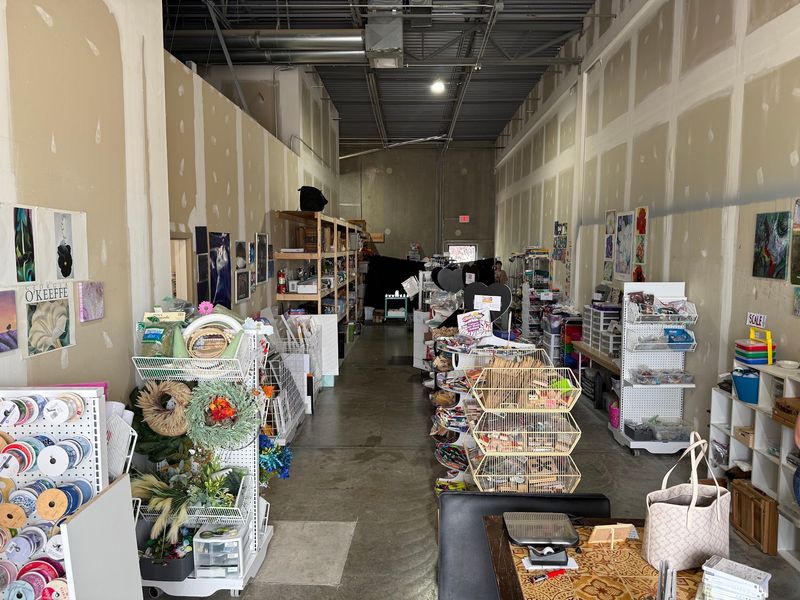
Before leaving any visit, stop by the Wessels Mercantile. It’s a certified GROW Nebraska store, which means shoppers can find goods from in-state makers and producers.
Browsing the shelves feels like a natural end to the day. A small souvenir from a Nebraska business beats a generic keychain every time.
Event planners and shoppers both win here. One group gets a memorable venue, while the other heads home with something homegrown.
Plan Ahead, Then Give Yourself A Few Unhurried Hours
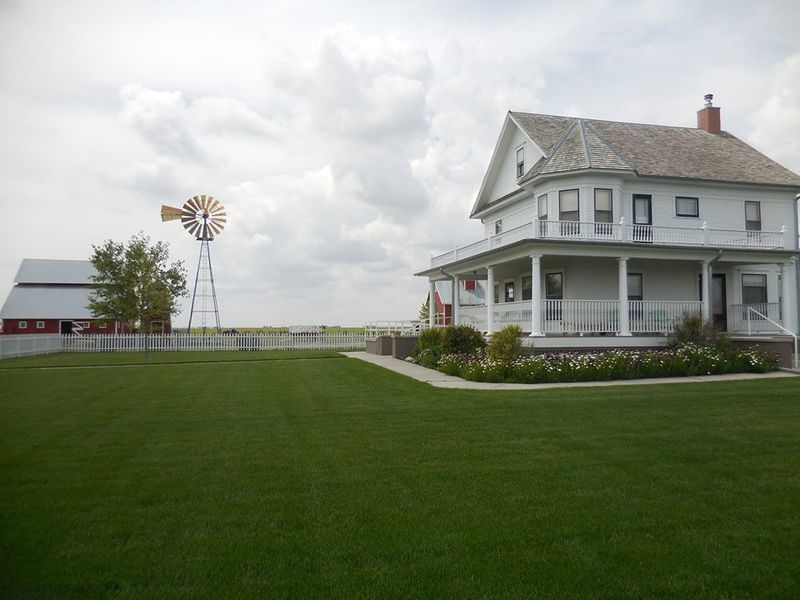
Finding the place couldn’t be easier. Wessels Living History Farm sits at 5520 S Lincoln Ave, York, NE 68467, roughly a mile south of I-80 from Exit 353 on Highway 81.
Timing takes more thought. Regular hours and seasons can change, and the farm has offered appointment visits in some months, so check ahead before you load the car.
Field trips run on weekdays during much of spring, summer, fall, and December. Group tours for clubs and organizations are welcomed too, which makes it handy for planners.
Admission is modest, with discounts for seniors, students, and young kids. Little ones under three get in free, which parents will happily note.
Leave yourself at least two hours, and longer if tractors call your name. Rushing through would mean missing the schoolhouse slates or a chat with a knowledgeable guide.
I believe this farm deserves a spot on any Nebraska day-trip list. It’s affordable, close to the interstate, and packed with history you can actually touch.
So next time you pass York, consider taking that exit. A 1920s farm morning might just beat another hour of highway.