This Nebraska Museum Is Dedicated To Bigfoot And Everything Mysterious
A museum full of giant footprints, strange sightings, and Sasquatch stories has one obvious advantage: curiosity arrives before you do.
In Nebraska, this quirky collection leans into Bigfoot lore with casts, maps, figures, unusual reports, and plenty of mystery for skeptics too.
Belief is optional. Curiosity is enough!
The exhibits mix local stories with broader folklore, turning the visit into part museum and part ongoing question. Some pieces invite a closer look, while others are simply fun to talk about afterward.
Give yourself time to read instead of racing through for a photo.
You may leave skeptical. You will probably leave with at least one new question worth debating in the car.
A House That Became A Museum
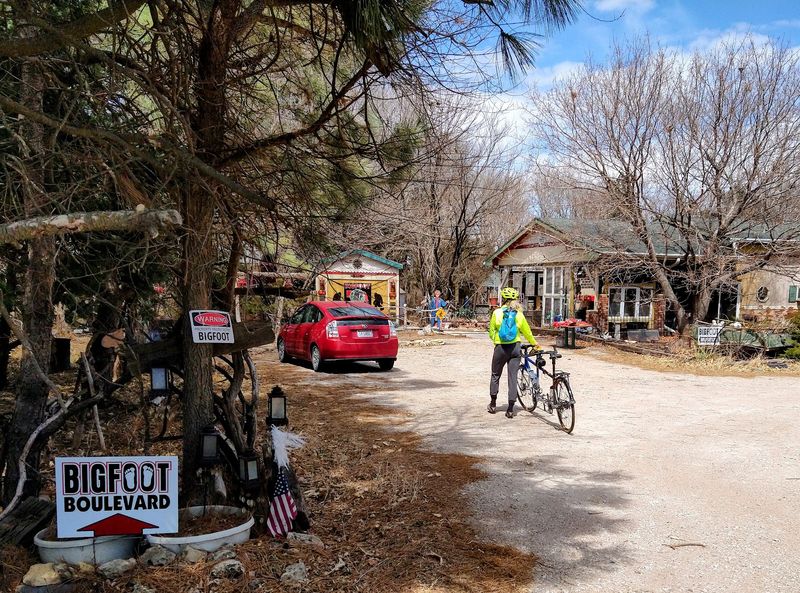
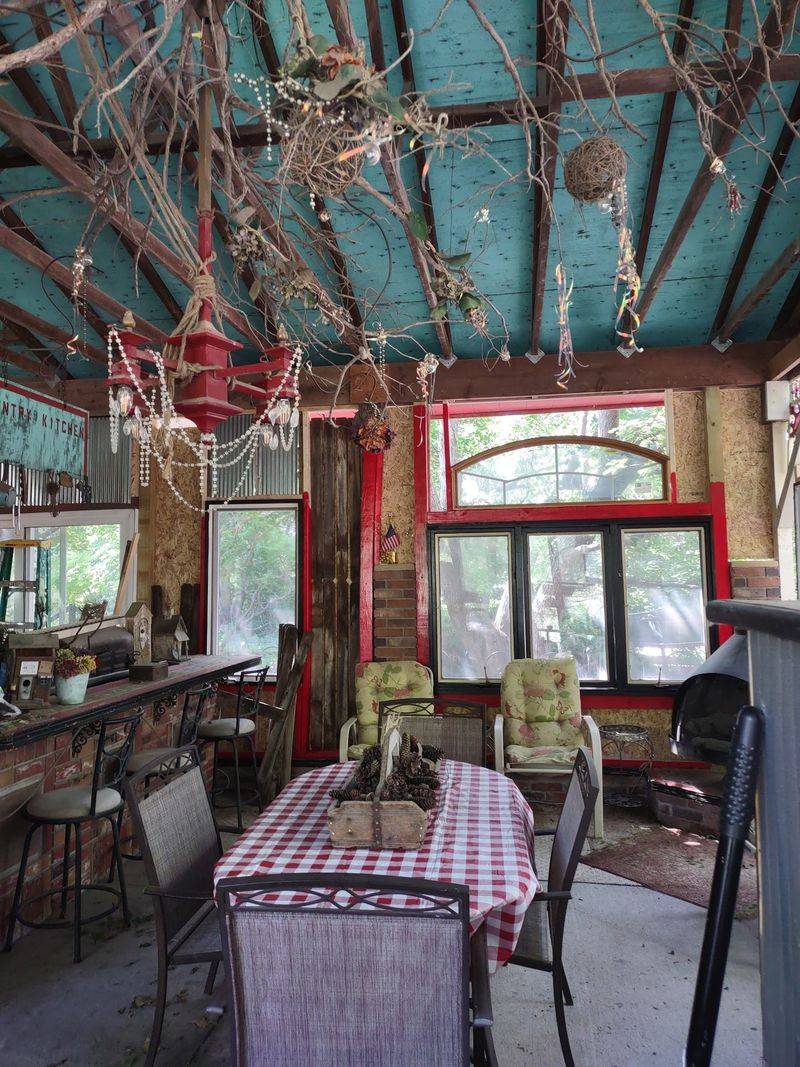
The museum sits on private property in an unassuming building that once served as Harriett McFeely’s wedding chapel before being converted into the Bigfoot collection visitors see today.
The Bigfoot Crossroads of America Museum sits in Hastings, a mid-sized town in south-central Nebraska.
What looks understated from the road opens into a collection of photographs, footprint and hand casts, bones, maps, figures, and material presented as possible Bigfoot evidence.
Founder Harriett McFeely opened the museum on September 12, 2018, her 73rd birthday, after decades of collecting Bigfoot-related material and research.
Because the museum grew from McFeely’s personal collection and occupies a former wedding chapel on private property, it has a much more personal character than a conventional institutional museum.
McFeely is known for giving visitors detailed explanations of the collection and discussing the stories and research behind many of its exhibits.
Rooms flow into each other in an unexpected order, which is part of the charm. I found myself doubling back twice, spotting things I had missed.
You will find the museum at 1205 E 42nd St in Hastings.
An Eight-Year-Old’s Spark
Every obsession has an origin story, and this one starts with a television broadcast.
McFeely says her fascination began at age eight after seeing a television report connected with Edmund Hillary’s Everest expedition that showed large footprints described as yeti tracks.
That single image never left her. It planted a question she has been chasing ever since.
Decades of research followed, along with travel, correspondence, and steady collecting. She gathered casts, photographs, notes, and artifacts from across the country and beyond.
By the time she opened the doors, the collection had outgrown ordinary storage. Sharing it publicly was the natural next step.
Recognition arrived too. In 2020, Gov. Pete Ricketts issued a proclamation naming McFeely the Nebraska Bigfoot Lady and designating October 20 as Bigfoot Crossroads of Nebraska Day.
Museum researcher Kenny Collins is known as the Bigfoot Guy and has worked alongside McFeely on the museum and Bigfoot research.
The museum was photographed by Carol M. Highsmith in 2021, and those photographs are now cataloged in the Library of Congress as part of the Carol M. Highsmith Archive.
Footprint Casts And Famous Photos
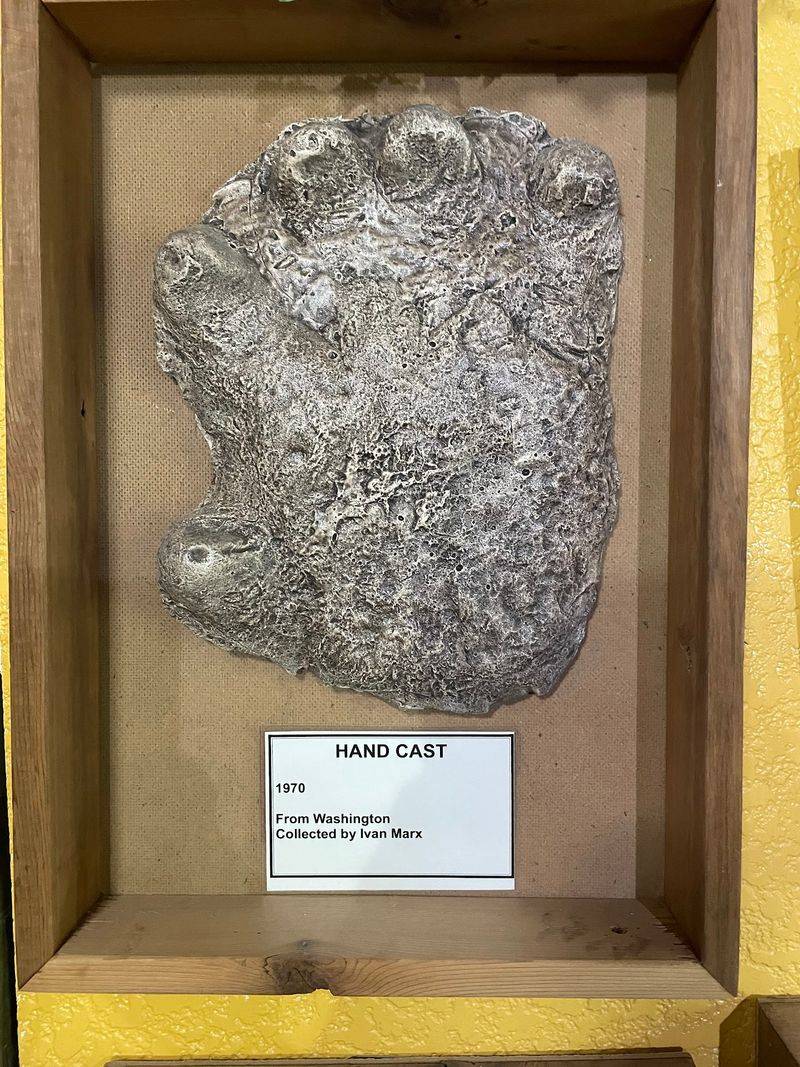
Plaster tells a story you can hold. One of my favorite displays lines up several footprint casts side by side so you can compare length, width, and toe spread.
Some are broad and blocky. Others are narrow and oddly delicate for their size.
Handprint casts sit nearby, and they are genuinely startling in scale. Placing my own palm beside one made the numbers feel real.
The walls are covered front to back with photographs and printed accounts. A famous 1967 image of the figure known as Patty holds a place of honor among them.
There is footage to watch as well, plus historical photos that stretch the timeline back further than most people expect.
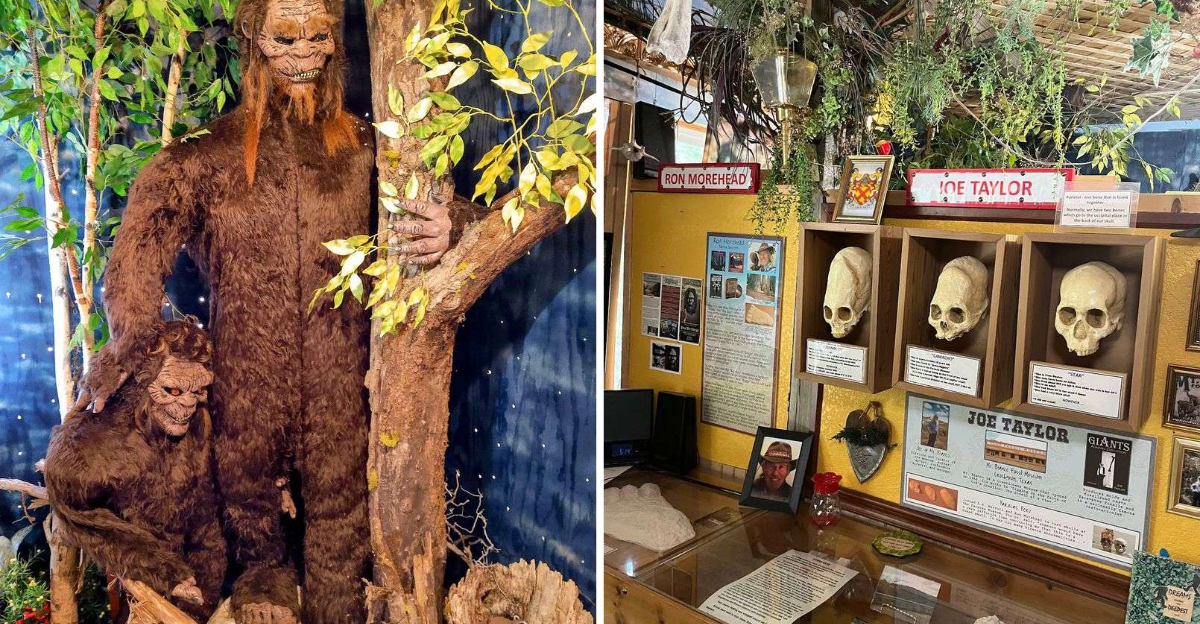
The collection also includes elongated skulls described as roughly 2,000 years old, displayed alongside questions about giants and other unexplained subjects rather than as scientifically established Bigfoot remains.
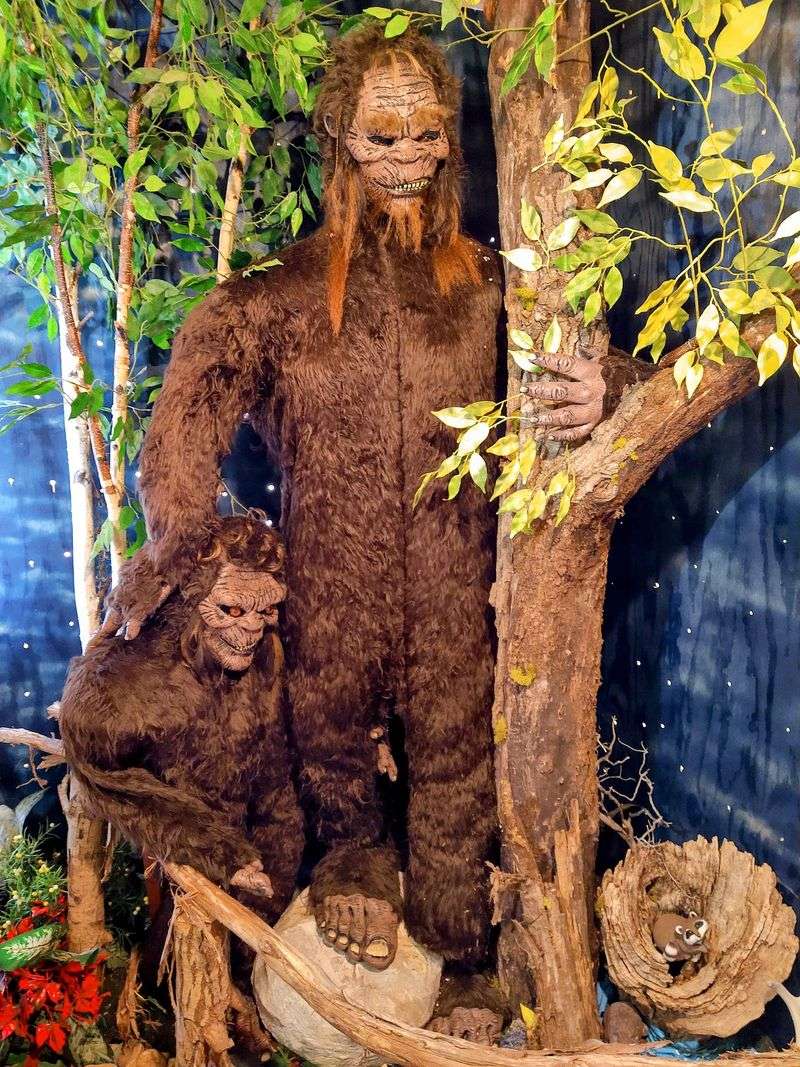
Life-size Sasquatch likenesses stand throughout the space. A towering figure named Forest greets arrivals and makes for an excellent photograph.
Small handwritten labels accompany many pieces, so read slowly if you want the full context. Ask questions freely, because the explanations are often better than the placards.
Braided Manes And Lake Monsters
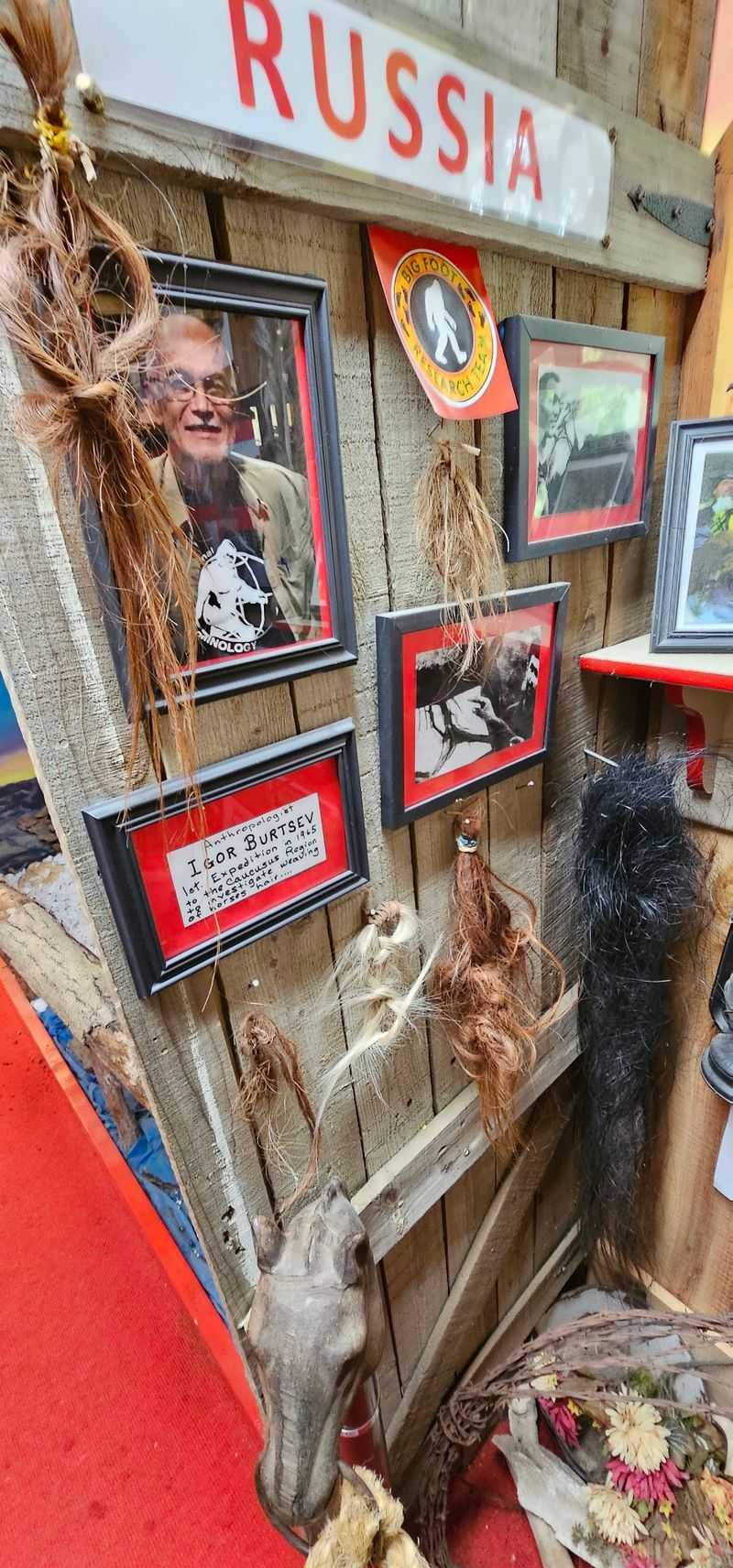
Sasquatch may headline, but the supporting cast is wonderfully strange.
The collection branches beyond Bigfoot into other unusual subjects, including elongated skulls, UFO reports, braided horse hair, and other unexplained claims collected by McFeely.
The oddest exhibit, and my personal favorite, involves braided horse manes. Samples collected from different locations hang on boards for close inspection.
McFeely has said that braided horse hair in the collection came from locations where other alleged Bigfoot activity was also reported, though that connection remains an interpretation rather than an established scientific finding.
Another exhibit covers reported extraterrestrial sightings and presents McFeely’s view that some locations associated with Bigfoot reports also produce UFO reports.
Seeing those threads pulled together in one house explains the museum’s name. Crossroads fits, because so many mysteries meet under one roof here.
I appreciated how the collection refuses to stay narrow. It treats the unexplained as one big sprawling subject rather than a single creature.
Visitors who arrive expecting only footprints may feel a little scattered at first. Lean into the detours and the rooms make more sense.
Midwest Sightings On The Map
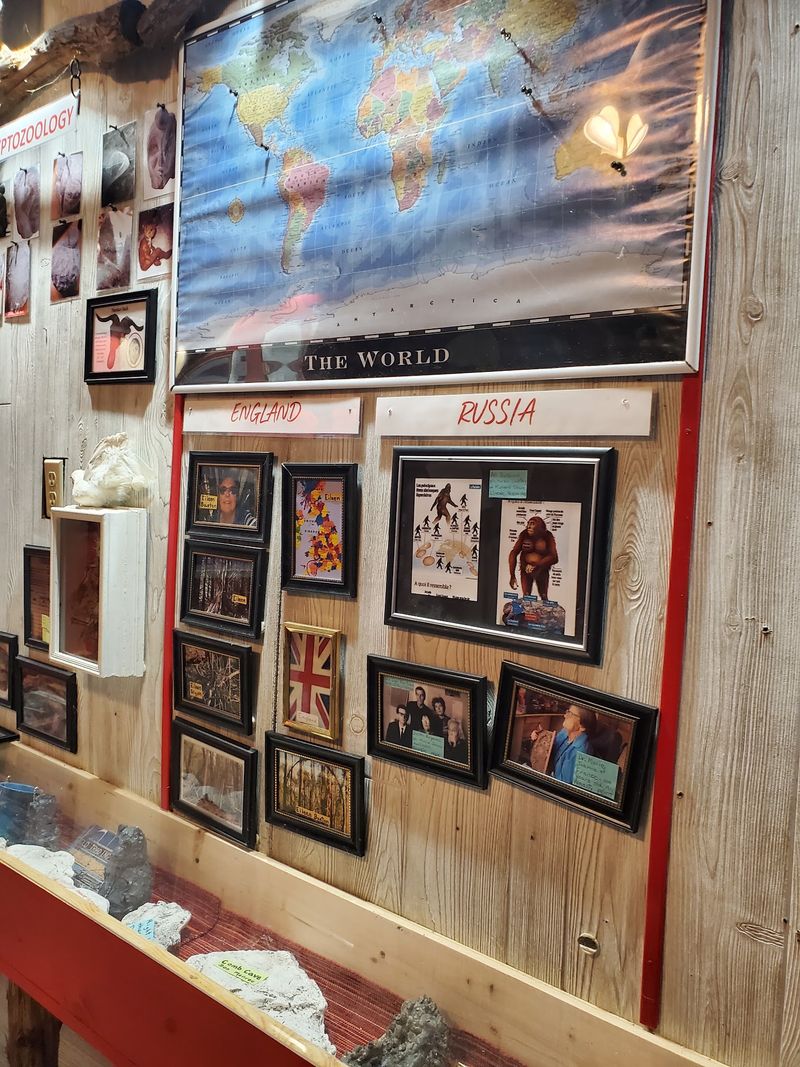
Most people picture misty Pacific Northwest forests when Bigfoot comes up. A wall map inside this Hastings collection quietly challenges that assumption.
Pins and markings track reported sightings across Nebraska and neighboring Kansas. Seeing familiar county names attached to strange encounters changes the tone of the whole visit.
Maps in the museum track reported Bigfoot sightings in Nebraska and Kansas, giving the collection a distinctly Great Plains focus.
Alongside the maps sit collected bones and written eyewitness accounts from the region. The material is presented as evidence for consideration rather than settled fact.
This local focus is what makes the place matter beyond novelty. Regional folklore rarely gets a dedicated home, and here it has one.
The museum presents itself as both a museum and research center, preserving reports and maps related to alleged Bigfoot activity in Nebraska and surrounding areas.
I grew up hearing that Nebraska was too flat and too farmed for legends. The map politely disagrees with a hundred small dots.
Standing there, I started mentally reviewing every odd shape I had ever glimpsed along a treeline at dusk. That kind of second-guessing is exactly the point.
Hands-On Rooms And Sounds
Footprint and hand casts are displayed prominently for comparison, and some exhibits are designed to help visitors understand the claimed scale of the prints.
Comparing the different casts and footprint reproductions gives visitors a clearer sense of how their shapes and sizes vary.
The Bone Room holds an assortment of skeletal material for close study. Comparing shapes and joints turned out to be surprisingly absorbing.
Another area, called Patty and Sassy’s Home, leans into personality and display. It anchors the tour with something visual and memorable.
Audio plays a big role too. Recorded calls attributed to Sasquatch echo through the space, and the sounds are genuinely odd.
Whoops, knocks, and low vocalizations filled the room while I listened. My skepticism did not vanish, but my attention certainly sharpened.
Harriett McFeely frequently gives visitors in-depth tours and explains the stories and theories connected with exhibits throughout the museum.
Give yourself enough time to read the displays and hear the stories behind the collection, especially if McFeely is available to provide additional context.
Skulls, Bears, And Comparisons
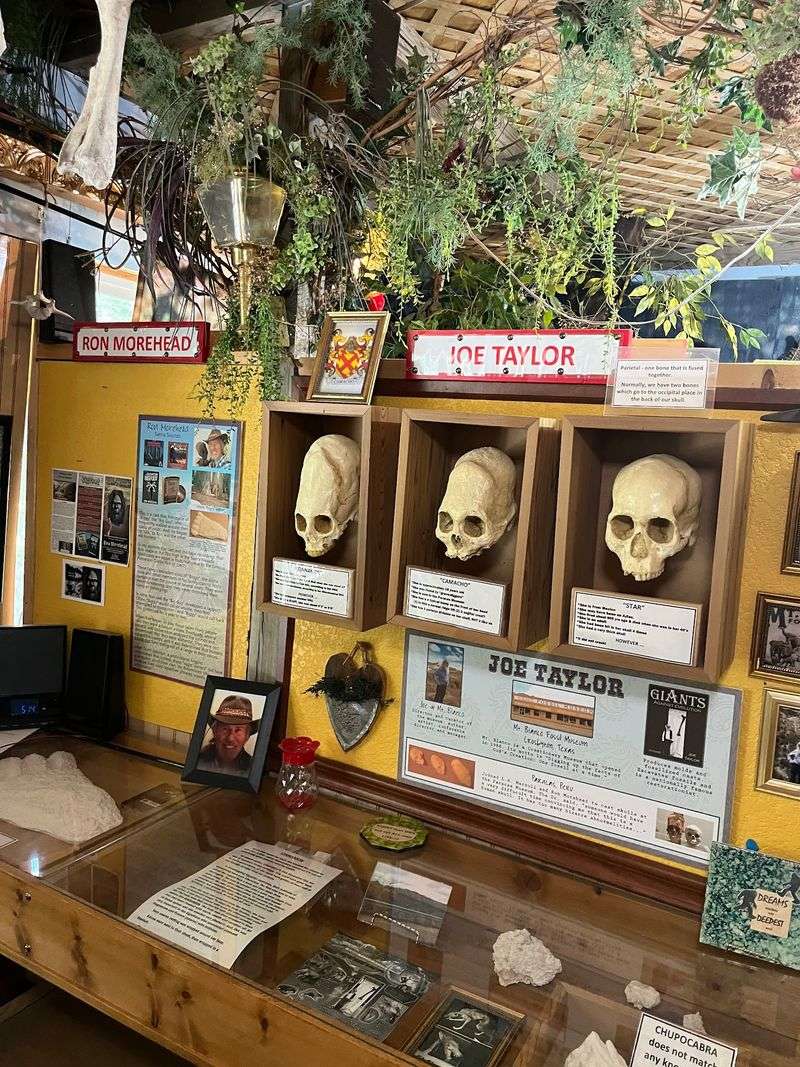
Skeptics get their own corner, and I respect that. Replica skulls of bears, gorillas, and Neanderthals sit lined up for direct comparison.
The point is anatomical. Brow ridges, jaw structure, and cranial size differ in ways that are easy to see once they are side by side.
Standing there, I understood the argument better than any article had explained it. Misidentification is a real issue, and the display addresses it head-on.
Rather than dodging doubt, the museum builds a small classroom around it. Visitors are asked to look closely and reach their own conclusions.
Harriett McFeely openly welcomes skeptics and bases her views on decades of collecting, field research, reported sightings, casts, photographs, and other material she considers evidence.
That openness makes the tour feel like a conversation instead of a sales pitch. Disagreement is welcome, and questions rarely go unanswered.
Bring your curiosity and your critical thinking, because both get exercised here. The comparisons reward slow, careful looking.
I left without a firm verdict, which felt like the honest outcome. Mystery, after all, is the whole reason anyone drives out to see this collection in the first place.
Conferences And Garden Plans
Big things are growing in the backyard.
The museum is currently developing a handicapped-accessible Bigfoot garden designed to give visitors a more accessible outdoor experience inspired by Bigfoot investigations.
Earlier tourism material described plans for an accessible sound garden featuring recorded calls, while the museum’s current website confirms that the broader accessible garden project is still a work in progress.
The museum has discussed expansion over the years, but current visitors should rely on the museum’s latest information for any new exhibit buildings or completed additions.
Beyond construction, the museum anchors a wider community of enthusiasts. The museum continues to host the Nebraska Bigfoot Conference, with the eighth annual event held April 24–25, 2026, in Grand Island.
The conference cements Nebraska’s role in cryptozoology far beyond a single roadside stop. Attendees swap findings, compare notes, and share field techniques.
The museum’s current website still describes its handicapped-accessible Bigfoot garden as a work in progress and is accepting donations and volunteer help for the project.