This Nebraska Sanctuary Gives Rescued Senior And Special-Needs Animals A Safe Place To Rest
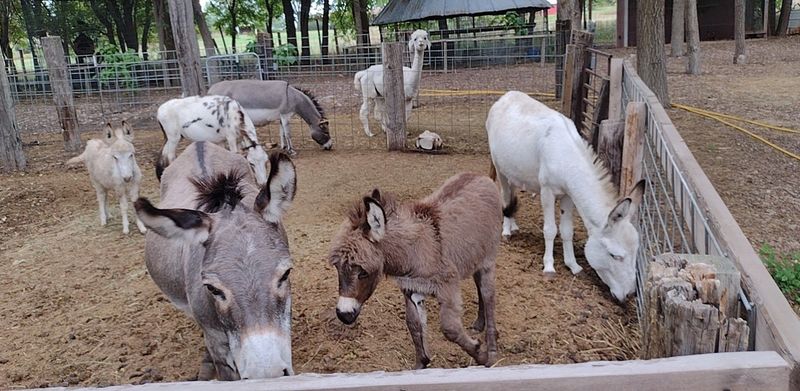
A crow named Amos, a Zebu cow named Moana, and two potbelly pigs called Wiggles and Piggles share the same historic farm. They are part of a crew of roughly 250 rescued birds and animals.
Many of these residents are seniors or have special needs. Some came from neglect, and some were born a little different, but every one of them gets to stay for good.
The ground they live on once sheltered more than 400 people who had nowhere else to go. I love that the mission never really changed, only the residents did.
This quiet corner of Nebraska runs on volunteers, donations, and a whole lot of hay. Old outbuildings still stand, and a small museum keeps the human story alive.
So who is waiting to greet you at the gate?
An Old County Farm Became A Forever Home For Animals Nobody Else Could Take
Out in the Elkhorn River Valley, the Old Poor Farm works as a no-kill sanctuary for rescued senior and special-needs animals. It sits in Dodge County, close to Fremont, on land with a very long memory.
The focus here is long-term care, not quick adoptions. Animals arrive with disabilities from birth defects, past abuse, or accidents, and they stay as long as they need.
Plenty of them are older, too. These are the golden-years residents who simply need a calm place to rest.
What makes the setup unusual is the variety. Instead of a building full of kennels, you get a working homestead filled with farm animals, birds, and a few surprise characters.
Local shelters often aren’t equipped for a blind pony or a pig with mobility issues. That gap is exactly where this sanctuary steps in.
The whole place runs as a 501(c)(3) nonprofit. Every visit, gift shop purchase, and donated bale helps keep the lights on and the water troughs full.
It’s a farm, a museum, and a retirement home rolled into one. Not bad for a few acres of Nebraska countryside.
More Than 400 People Once Found Shelter On This Same Ground
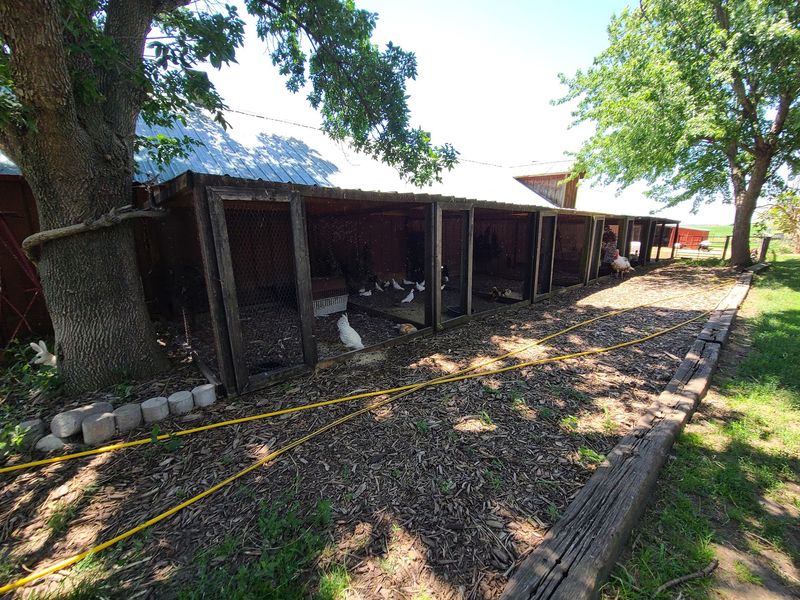
Long before the donkeys moved in, Dodge County bought this land in 1872. It became the Dodge County Poor Farm, a refuge for people facing poverty, illness, injury, or homelessness.
More than 400 individuals lived here over the decades. The farm was designed to be self-sufficient, so residents pitched in on daily chores and crops.
Poor farms were common across the country back then. Counties used them as a safety net before modern assistance programs existed.
Once Social Security and state programs arrived, the need for these farms faded. The county eventually sold the land in 1955, and it passed into private hands.
Then came 2001, and a brand-new chapter. The property officially became an animal sanctuary, carrying its caring purpose forward in a fresh way.
I can’t think of a more fitting second act for a place like this. It went from sheltering neighbors in need to sheltering animals in need.
That thread of compassion runs through everything you’ll see on a visit. History buffs and animal lovers can both find their corner here.
Original 1872 Outbuildings Still Do Important Work
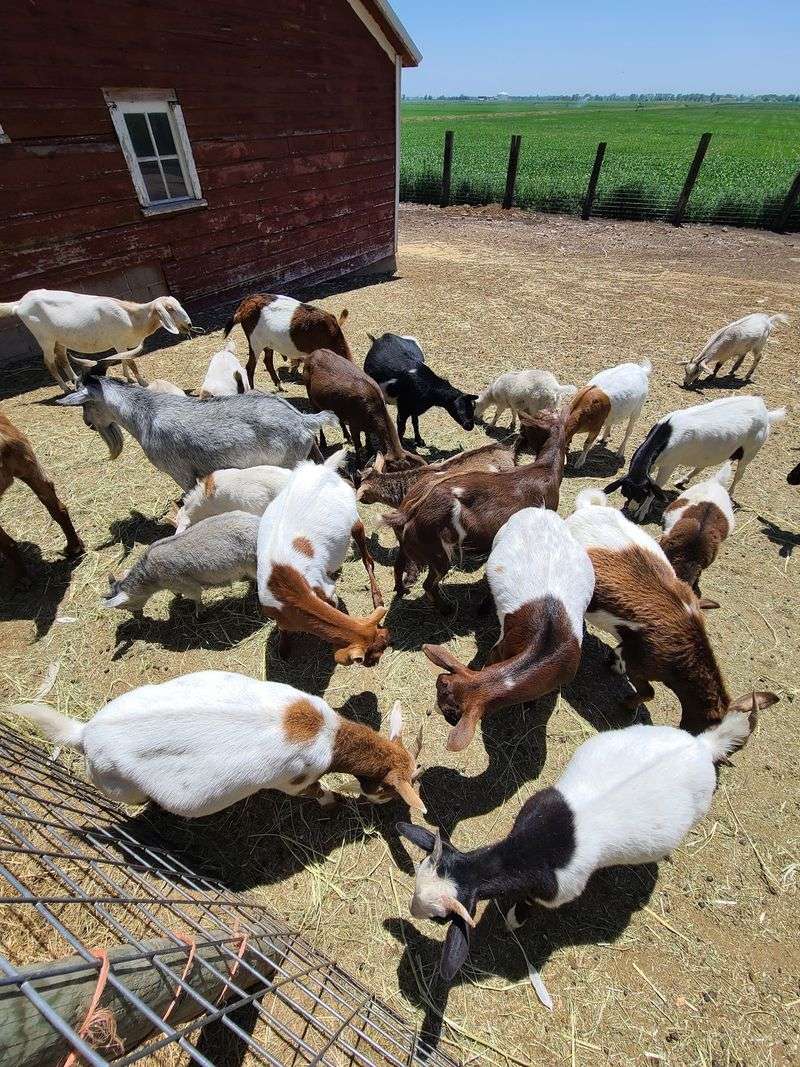
Some of the barns and sheds on this property date back to 1872. Instead of sitting empty, those old structures now house many of the animal residents.
That’s a pretty great use for a building older than most Nebraska towns. Hooves and feathers have replaced plows and potato sacks.
The homestead covers about four acres. It’s compact enough to explore on foot without needing a map or a golf cart.
Walking the grounds means moving between eras at every turn. You pass a historic outbuilding, then spot a miniature horse peeking out of it.
The blend of old and new is the real charm of the layout. Few places let you study county history and scratch a pony’s nose in the same afternoon.
Historic tours can be arranged by appointment if you want the deeper story. It’s a good option for groups, classes, or anyone with a long list of questions.
Bring comfortable shoes and a little patience for barnyard paths. The buildings have stood since 1872, so they can wait while you take your time.
You’ll Want To Learn Every Resident’s Name
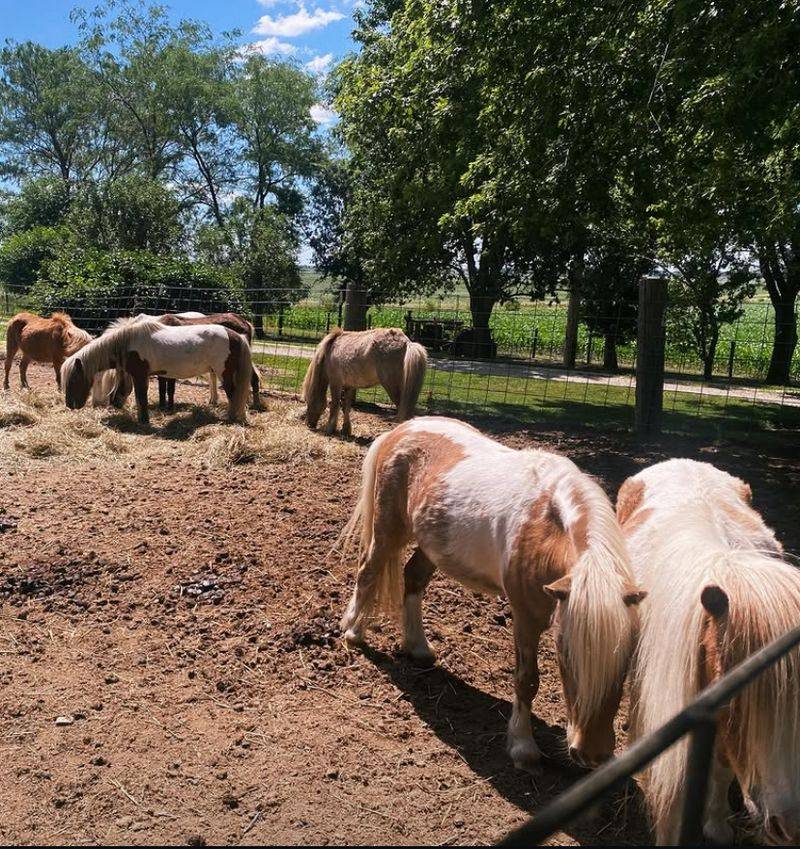
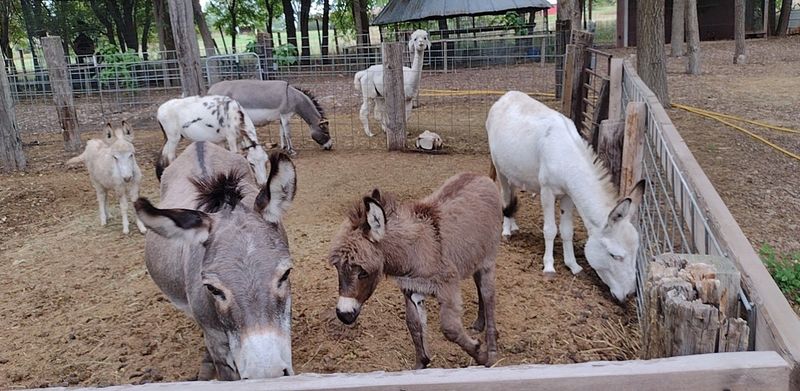
Ernie, Abby, and Ruby are miniature donkeys, and they share the pasture with Miss Ellie the sheep. That’s a lineup worth knowing before you arrive.
Camille and Misty are miniature horses with plenty of personality. Cocoa and Sargent, the ponies, round out the small-hooved club.
Then there’s Moana, a Zebu cow, which isn’t something you meet every day in Dodge County. Zebu cattle are known for the hump over their shoulders.
Meerkat is an Angus heifer, despite a name that suggests otherwise. Someone here clearly has a sense of humor about naming.
Wiggles and Piggles, the potbelly pigs, sound like a children’s book duo. Honestly, they could carry a whole series.
Roo the cat has fans of his own. There’s also a sweet cat with back legs that don’t work, getting all the care she needs.
Names make a big difference at a place like the Old Poor Farm. Every animal here is an individual with a story, not a number on a clipboard.
Keep An Eye On The Sky For Dash The Harris’s Hawk
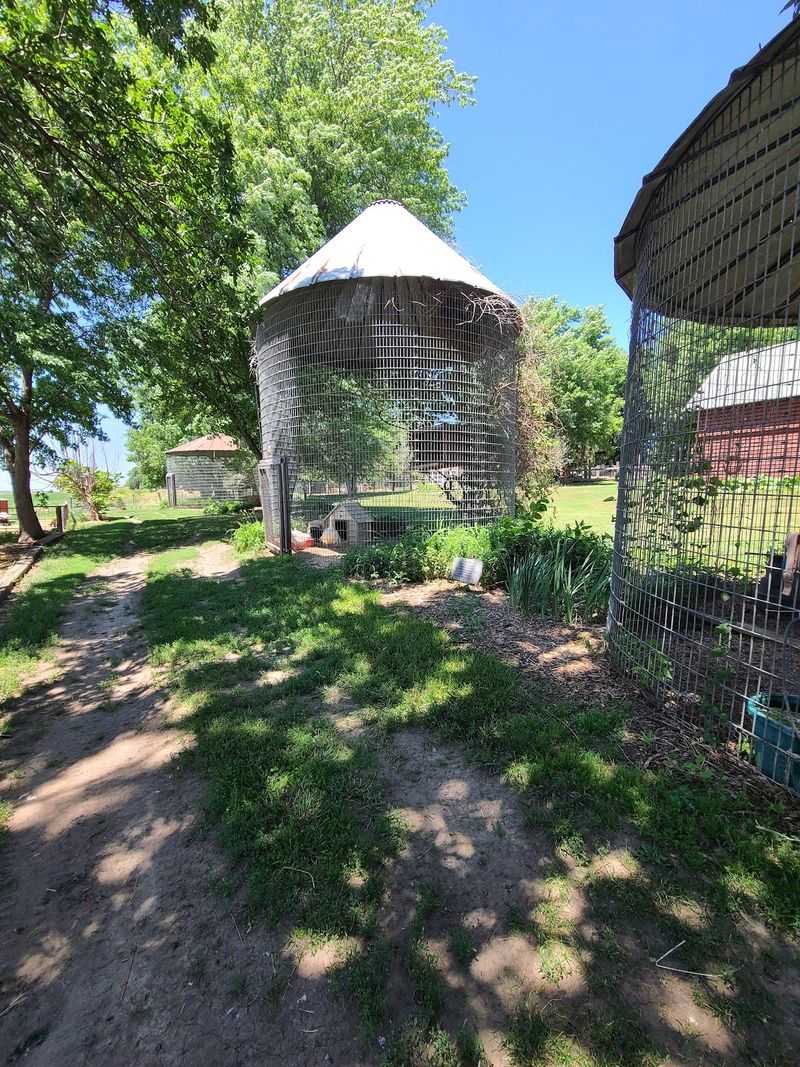
Birds get their own spotlight here, and two of them stand out. Dash is a Harris’s hawk, and Amos is a resident crow.
Harris’s hawks are sleek raptors with chocolate-brown feathers and rusty shoulder patches. Seeing one up close on a Nebraska farm is a real treat.
Crows, meanwhile, are famously clever birds. Amos fits right in among a crowd that already includes plenty of big personalities.
The sanctuary counts roughly 250 birds and animals in total. That means feathered residents make up a good share of the population.
Exotic birds sometimes land here, too. Like the farm animals, they often need specialized care that typical shelters simply can’t provide.
Kids tend to love the bird side of the farm. A hawk has a way more dramatic look than your average backyard robin.
Just remember these birds live here for rest and recovery, not for shows. Quiet voices and calm movements help everyone stay relaxed, from the hawk to the hens.
Special Needs Get Special Patience Here
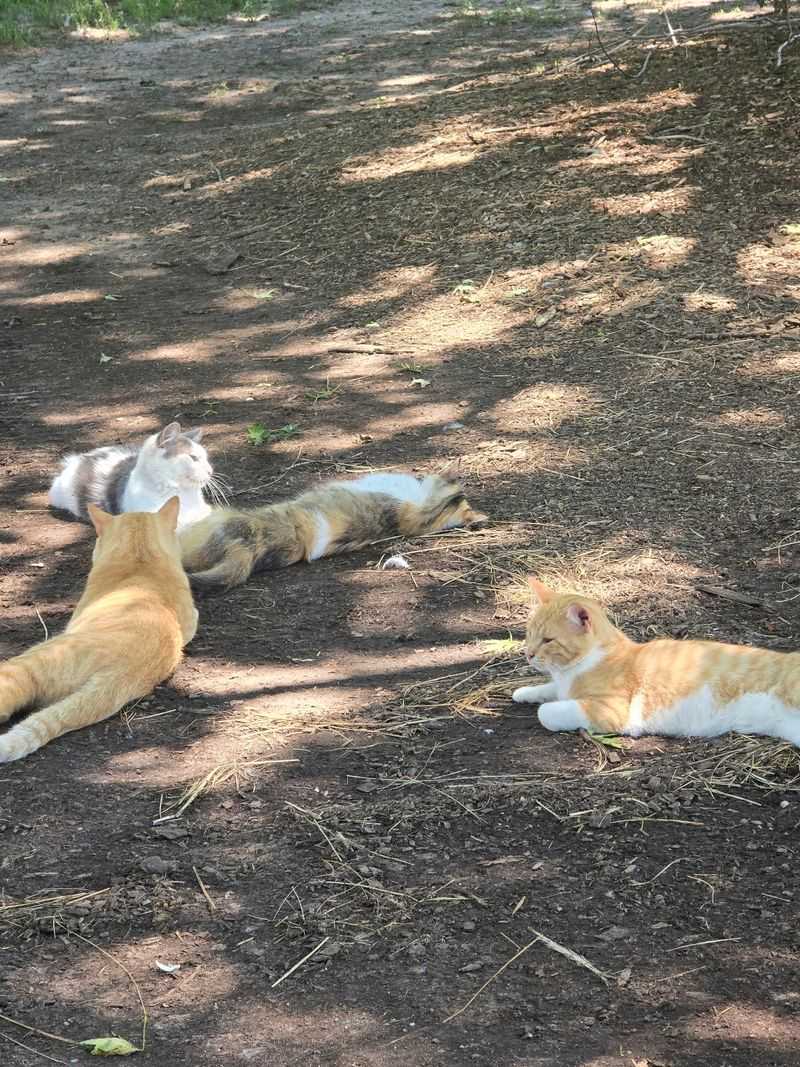
Imperfections don’t count against anybody at this sanctuary. A cat with two non-working back legs is treated like royalty, not like a problem.
Many residents arrived neglected or unwanted. Some were born with birth defects, while others came through abuse or accidents.
Here, there’s no countdown clock and no pressure to find a new home. The stay is permanent, which is rare in the rescue world.
Severely disabled dogs and cats have occasionally found space here as well. Still, the specialty is species that local shelters usually aren’t set up to handle.
A pony with chronic issues or an elderly pig needs very specific care. Hooves, diets, and shelter all look different than a standard kennel setup.
That’s why the work matters so much. Without places like the Old Poor Farm, many of these animals would have nowhere to go.
I find that commitment genuinely moving. Choosing the hardest cases on purpose says a lot about the people behind the gate.
Watching an older animal simply rest in the sun feels like the whole point. Peace is the main item on the menu.
A Fluffy Welcome Committee Might Meet You At The Car
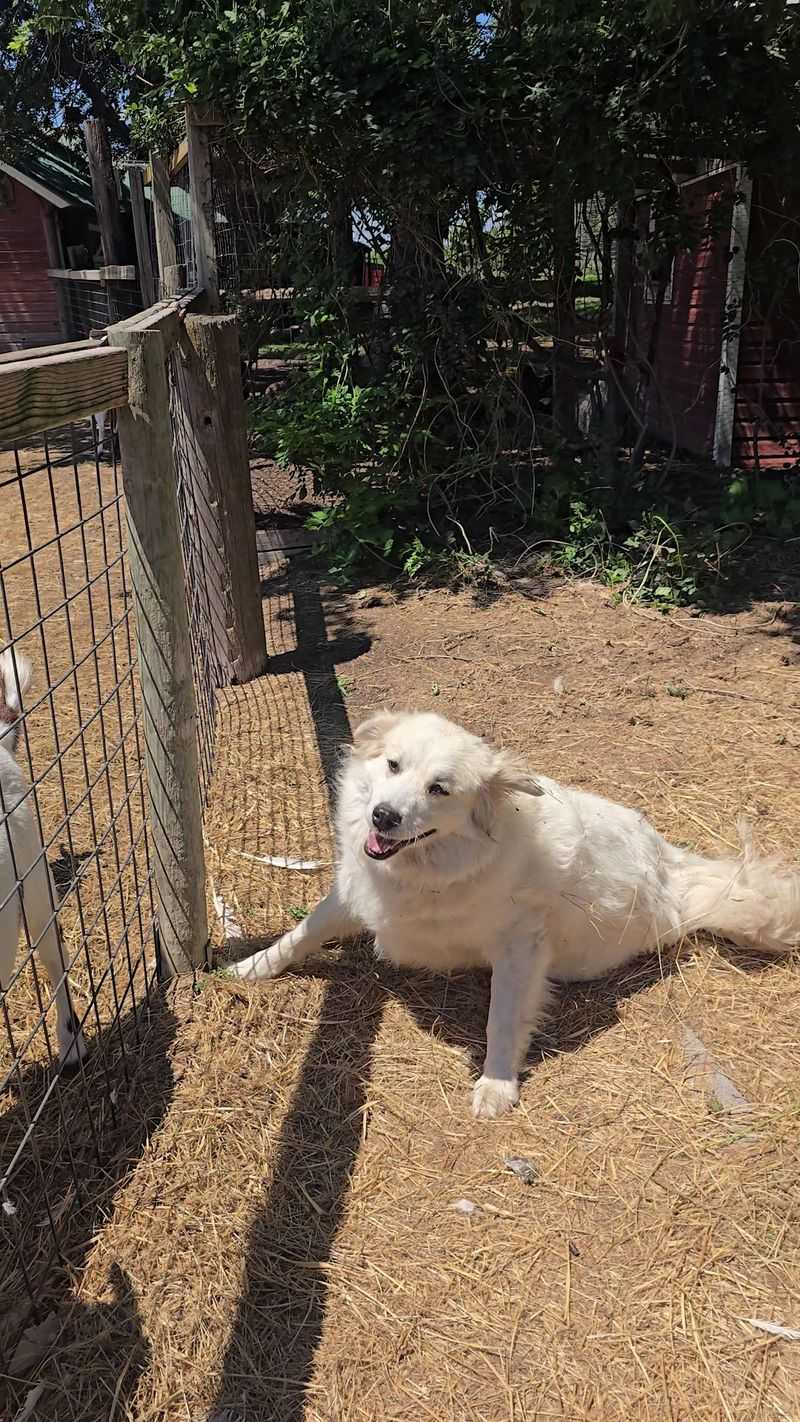
Don’t be surprised if a big fluffy dog escorts you from the parking area. Arrivals at this farm sometimes come with a four-legged greeter.
Check-in happens at the house, and the stroll there sets the tone. Things move at farm speed, which is to say relaxed.
Courtney lives on the farm and helps run it alongside a small team. She’s known for sharing the property’s history and plenty of animal stories.
Those stories are half the fun. Every resident here comes with a backstory, and the people caring for them know those details by heart.
A friendly white fluffball named Marshmallow has also been known to tag along with guests. Having a personal tour buddy is hard to beat.
The animals tend to be chatty, too. Expect a chorus of honks, bleats, and oinks while you explore.
The overall mood leans calm rather than busy. If you need a break from screens and schedules, a slow walk among the pens does the trick.
Go with questions ready. The answers are often better than any sign could offer.
Volunteers And Hay Bales Keep Everything Running
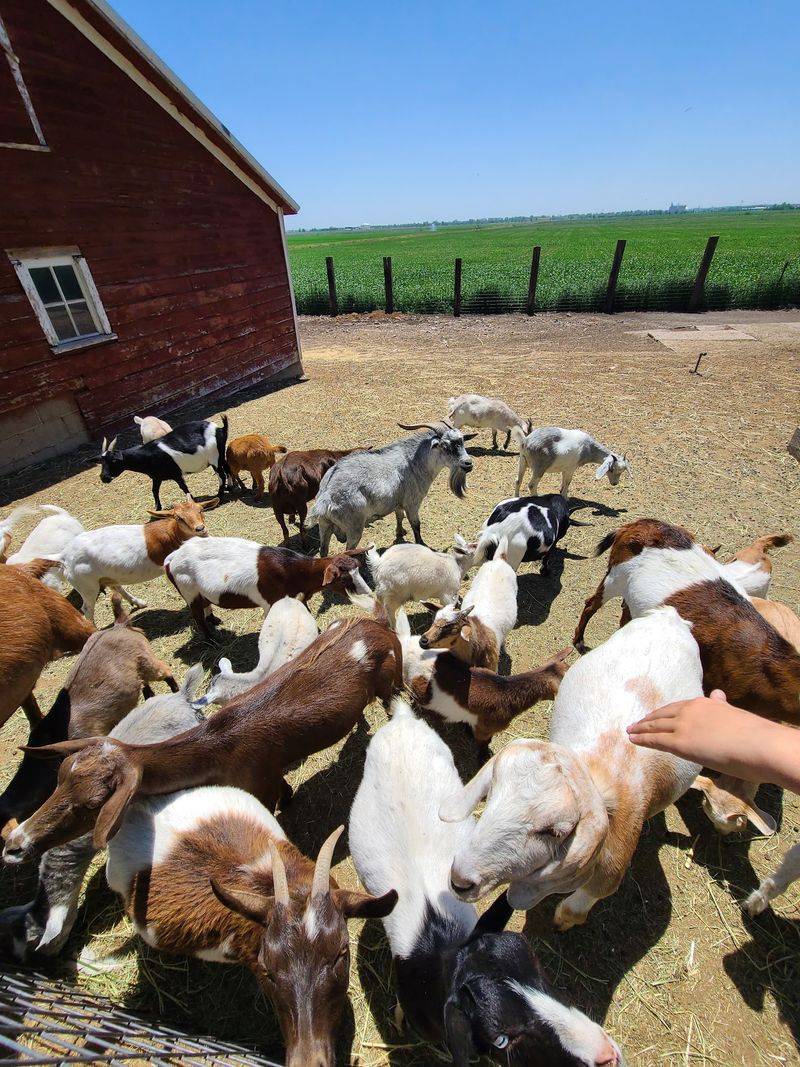
Here’s a fun fact that’s also a little humbling. The entire sanctuary relies on volunteers who donate their time purely out of love for the animals and the farm’s history.
Caring for around 250 creatures is a full-time job and then some. Feeding, cleaning, repairs, and vet visits never take a day off.
More helping hands are always welcome. Animal lovers who can spare a few hours make a real difference here.
Donations go directly toward the animals. That covers food, veterinary care, and fixes to shelters that see heavy use.
Money isn’t the only way to pitch in. The sanctuary also accepts supplies and food donations.
Hay is a big one, especially with so many grazers on the property. If you’ve got a farm connection, that might be the most useful gift of all.
Memberships are another way families stay involved over the years. Becoming a supporter keeps you connected to the residents long after your visit ends.
Small gestures add up quickly on a place like this. Even one afternoon of help counts.
The Museum And Gift Shop Are Worth A Slow Browse
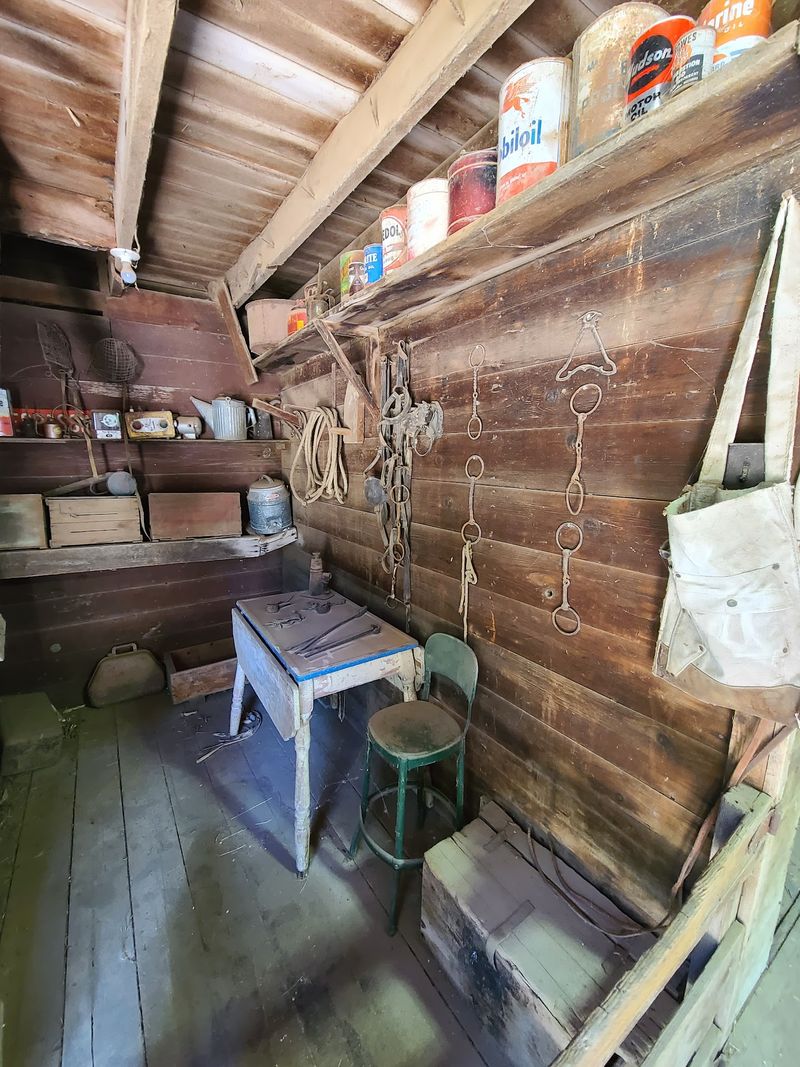
Animals steal the show, but the indoor museum deserves your attention too. It tells the story of the Dodge County Poor Farm and the people who lived there.
Exhibits help explain how a county safety net worked in the late 1800s and early 1900s. It’s a slice of Nebraska history most of us never learned in school.
The museum gives the barns and fields fresh meaning. Once you know who worked this land, the old outbuildings look different.
A small gift shop sits on the property as well. Purchases there help support the sanctuary’s daily care.
Picking up a souvenir becomes an easy way to give back. Think of it as shopping with a bonus side of hay money.
Families with curious kids will find plenty to talk about on the ride home. History and animals make a surprisingly natural pairing.
Plan a little extra time for this part of your visit. Rushing past the museum would mean missing half of what makes the Old Poor Farm so unusual.
Plan Your Trip Around The Seasonal Gates
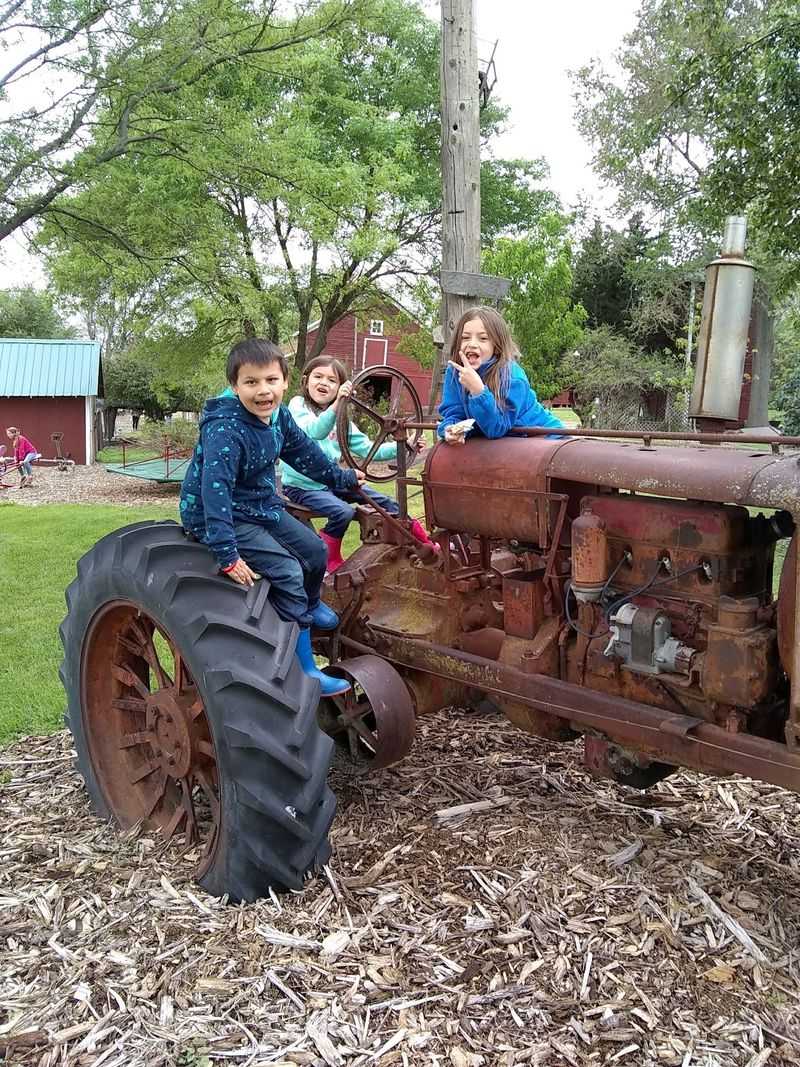
Timing matters with this one. The Old Poor Farm welcomes visitors seasonally, from spring through the end of fall.
During the season, the gates open Wednesday through Sunday in the afternoons. Mondays, Tuesdays, and holidays are closed, so check before you hit the road.
You’ll find the sanctuary at 1777 County Road 23 in Nickerson, Nebraska 68044. It’s an easy country drive from Fremont and a reasonable day trip from Omaha.
Admission is modest, and it goes right back into animal care. Children under five get in free, which helps young families.
Historic tours are available by appointment. Call ahead if you want that deeper look at the poor farm’s past.
Wear shoes that don’t mind a little dirt. This is a working farm, after all, not a shopping mall.
Bringing a donation of supplies is a thoughtful touch. Hay, food, and other farm basics always find a good use.
An afternoon here pairs well with a stop in Fremont afterward. Just don’t be shocked if the donkeys win the day.
Why This Little Farm Deserves A Spot On Your List
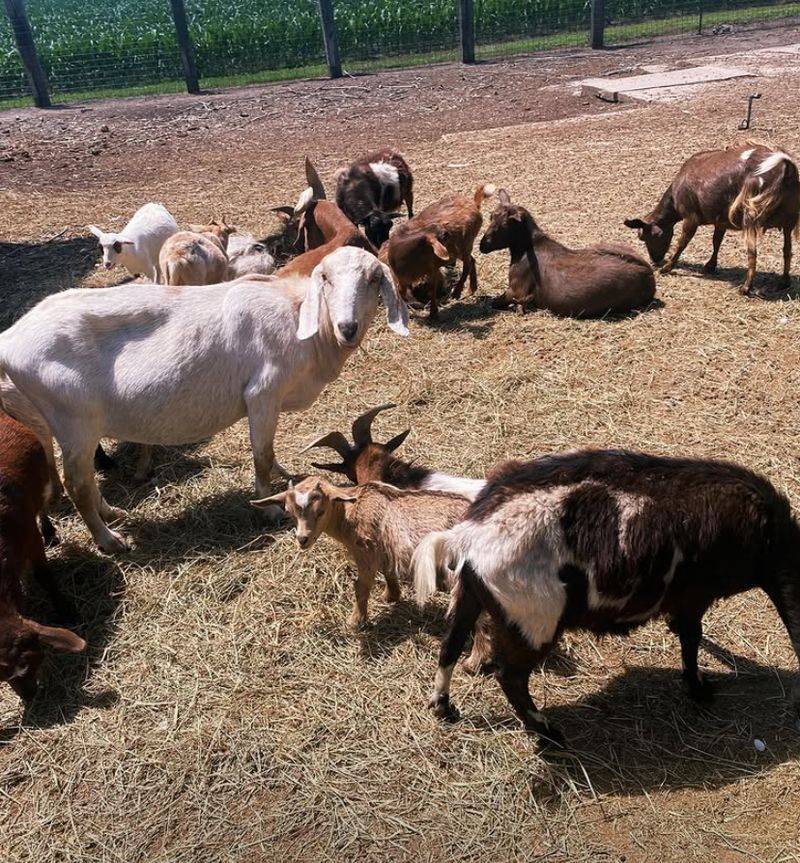
Few places manage to honor two very different kinds of history at once. This sanctuary keeps the memory of 400-plus residents alive while giving rescued animals a peaceful retirement.
That double purpose makes a visit feel meaningful. You leave knowing more about Nebraska and feeling good about where your admission went.
Animal lovers get a cast of memorable characters. History fans get original 1872 buildings and a museum full of context.
Families get an affordable outing with room for kids to ask a hundred questions. Quiet seekers get a slow afternoon away from the noise.
The work here is hard, steady, and mostly invisible. Yet the payoff shows up in every relaxed pony and snoozing pig.
I believe places like this make a state richer in ways that rarely make headlines. A former poor farm caring for overlooked creatures is a story worth sharing.
So plan a visit while the season is open. Say hello to Moana, look for Dash overhead, and maybe bring a bale of hay for good measure.