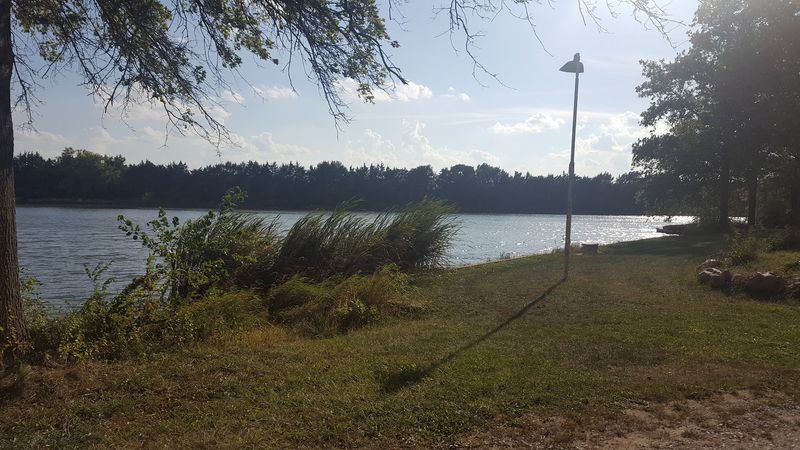
This Nebraska Sanctuary Is Famous For Cranes, But Winter Brings Bald Eagles To The Platte
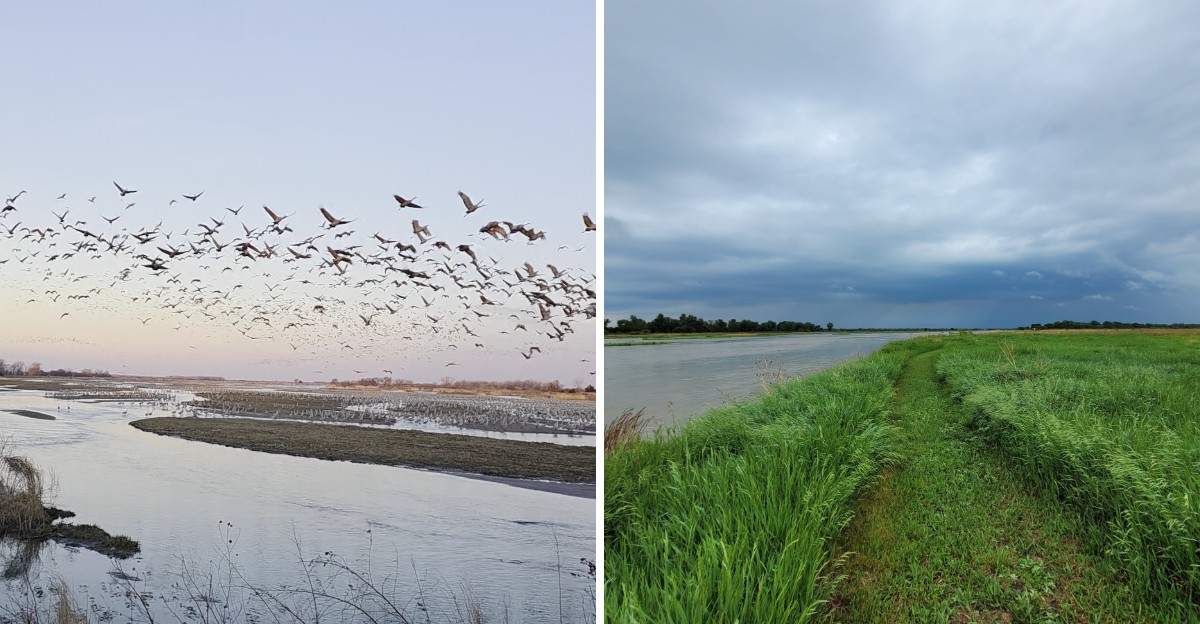
More than a thousand bald eagles spend part of each winter and early spring in Nebraska. Some of them hunt fish and waterfowl along one quiet stretch of the Platte River.
Most people know this riverbank for something else entirely. Every spring, hundreds of thousands of sandhill cranes pack its sandbars, and the crowds follow.
Winter tells a calmer story.
I like how the same water that hosts a famous spring spectacle keeps working all year. The eagles get the river with far fewer people watching.
Songbirds visit feeders outside big picture windows. A straw bale building sits right on the bank.
I can’t imagine a better excuse for a cold-weather drive in the middle of the state. So why does a place built for cranes deserve your attention when the cranes are gone?
A Riverbank Refuge That Works Every Season
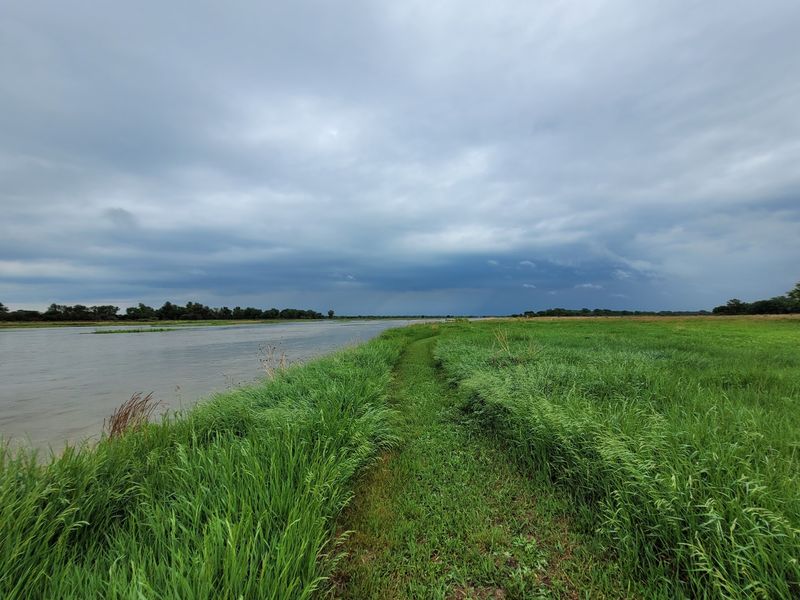
Along the central Platte River, the Iain Nicolson Audubon Center at Rowe Sanctuary guards about 3,000 acres of prime bird habitat. The National Audubon Society runs it as a sanctuary built for cranes and other migratory birds.
Most folks circle spring on the calendar and call it good. That leaves a lot of river unexplored for the rest of the year.
The sanctuary covers roughly five miles of river channel. Wet meadows, prairie and farm fields fill in around the water.
Each habitat pulls in its own crowd of feathered regulars.
Nebraska lands on bucket lists because of the crane migration. Still, the sanctuary documents more than 230 bird species across the seasons.
Spring is simply the loudest chapter.
Winter brings a quieter headliner with a seven-foot wingspan. Bald eagles hunt along the Platte when the cold settles in.
They hunt fish and waterfowl over the open channels.
A visitor center sits right on the riverbank as the home base. Big windows face the water, so the view starts before you even put on gloves.
Few wildlife spots make the opening act this easy.
How One Woman’s Gift Became Five Miles Of Protected River
Lillian Annette Rowe never saw the sanctuary that carries her name. She was a psychologist and an Army veteran who left part of her estate to the National Audubon Society in 1967.
Her request was simple and generous. She wanted the money used to create a bird sanctuary in the United States.
Audubon followed through along the Platte. The first land purchase came in 1974 and covered about 440 acres.
That modest start set the foundation for everything visitors see today.
Over the decades, the acreage grew to roughly 3,000 acres. The river channel protected now stretches about five miles.
That’s a lot of riverbank from one thoughtful bequest.
The mission stayed focused the whole time. Sandhill cranes, whooping cranes and other migratory birds need safe places to rest.
Rowe Sanctuary gives them a reliable stop on a long journey.
Nebraskans can claim a real piece of conservation history here. A single estate gift turned into one of the most important crane habitats on the continent.
Not bad for a plan written decades before most current visitors were born.
Bald Eagles Take Over When The River Turns Cold
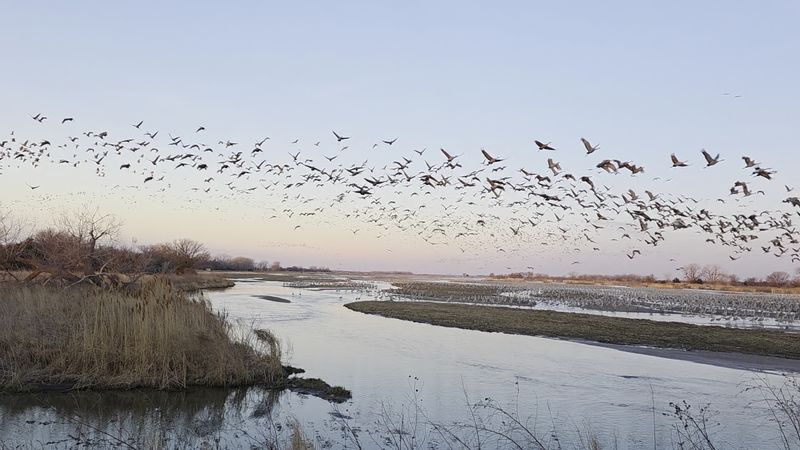
White heads against gray winter sky make an easy target for binoculars. Bald eagles show up along the Platte during the coldest months, and they come to work.
Fish and waterfowl keep them busy along the channels. Open water draws hunters, and these birds are excellent at the job.
Over a thousand bald eagles spend time in Nebraska during winter and early spring. The central Platte gives them prime real estate.
Rowe Sanctuary sits right in the middle of it.
Here’s a nice perk for patient watchers. Winter visits skip the big spring crowds tied to crane season.
You get room to breathe and time to scan the treetops.
The visitor center windows face the river directly. Spotting scopes inside let you check distant perches while staying warm.
Climate-controlled birding feels like a small luxury in January.
Eagle sightings are never guaranteed, of course. Wild birds keep their own schedules and ignore ours.
Bundle up, bring good optics, and give the river a little time. The payoff for patience can be a powerful one.
Half A Million Wings Make Spring The Loudest Season
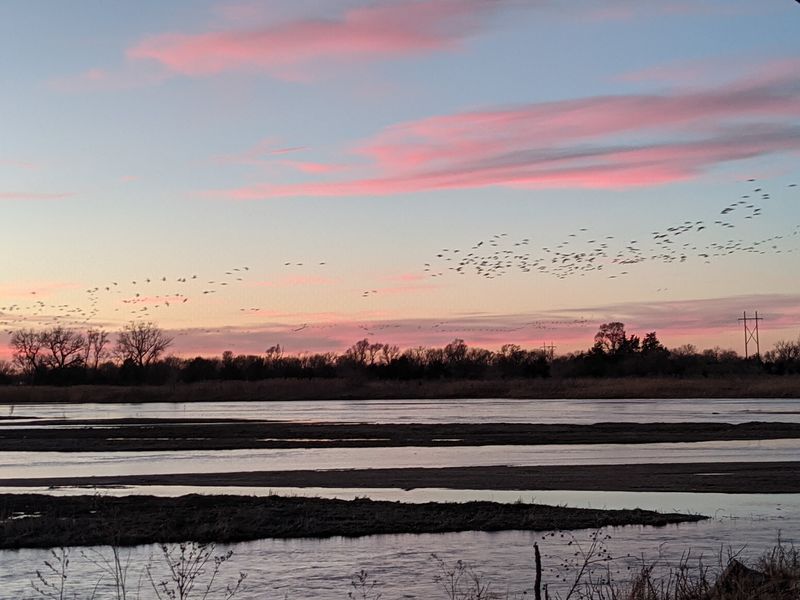
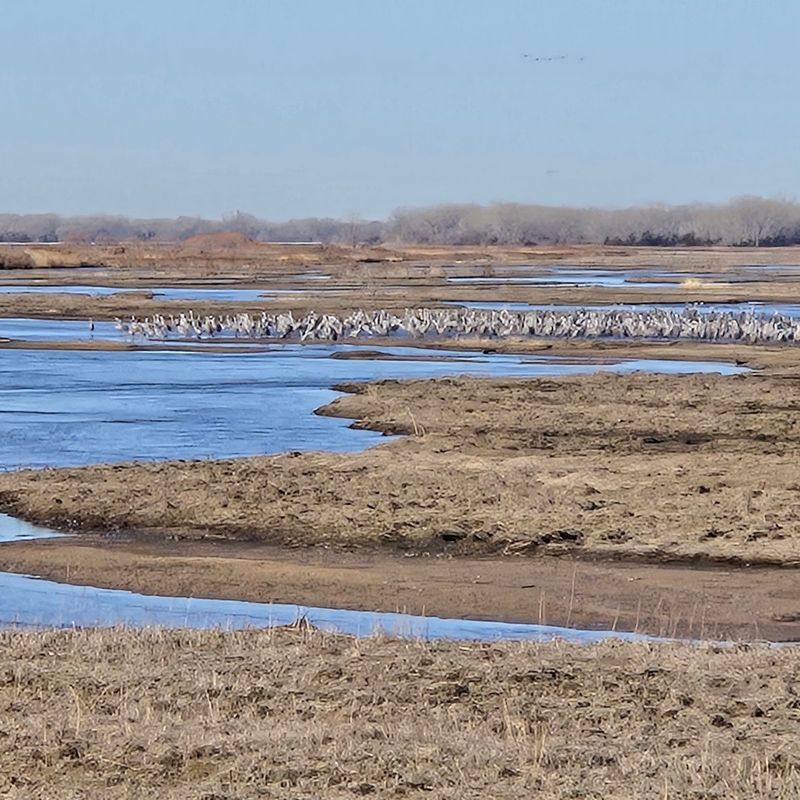
Hundreds of thousands of sandhill cranes crowd the Platte each spring. Some years the count tops a million birds across the river valley.
The migration runs from about mid-February into early April. Peak numbers usually arrive in mid to late March.
Nights belong to the river. Cranes roost on shallow sandbars where predators have a harder time sneaking up.
Days are spent feeding in nearby fields before the evening return.
Guided crane viewing experiences run at sunrise and sunset from blinds along the water. Reservations typically open in January, and spots go fast.
The morning and evening sessions feel completely different.
Sunrise is the big liftoff, with thousands of wings rising together. Sunset brings long lines of birds gliding back to the sandbars.
Even the staff admits there’s a friendly debate over which one wins.
A dedicated photography experience allows tripods for serious shooters. Light sensors decide when cameras can come out, which protects the birds.
Rules feel strict, but a startled flock can collide with power lines. Respecting the cranes keeps the show going every year.
Straw Bale Walls And Picture Windows Facing The Water
Straw bales hold up more than you’d think. The original center, finished in January 2003, ranked among the largest straw bale buildings in the country.
A major renovation wrapped up in 2024. The refreshed space added a new parking lot and more room for learning.
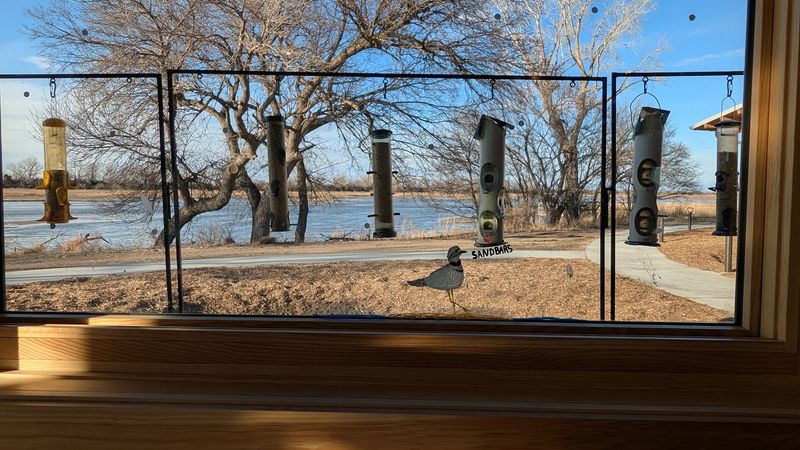
Big bay windows look straight out at the Platte River. Spotting scopes stand ready for anyone who wants a closer look.
Bird feeders sit just outside, so songbirds put on a show at arm’s length.
Exhibits explain cranes and the wider river ecosystem. The Anne M.
Hubbard Education Center hosts programs, and meeting rooms round out the building. A gift shop waits near the exit for souvenir hunters.
Thoughtful touches pop up in surprising places. Red lights in the parking lot and building at night help reduce disturbance to wildlife.
Even the bulbs respect the birds.
Electric vehicle drivers will find a ChargePoint charger on site. That helps on a long Nebraska road trip.
Charging the car while watching chickadees at a feeder is a pretty good trade.
Trails, Warblers And A Breakfast Worth Waking Up For
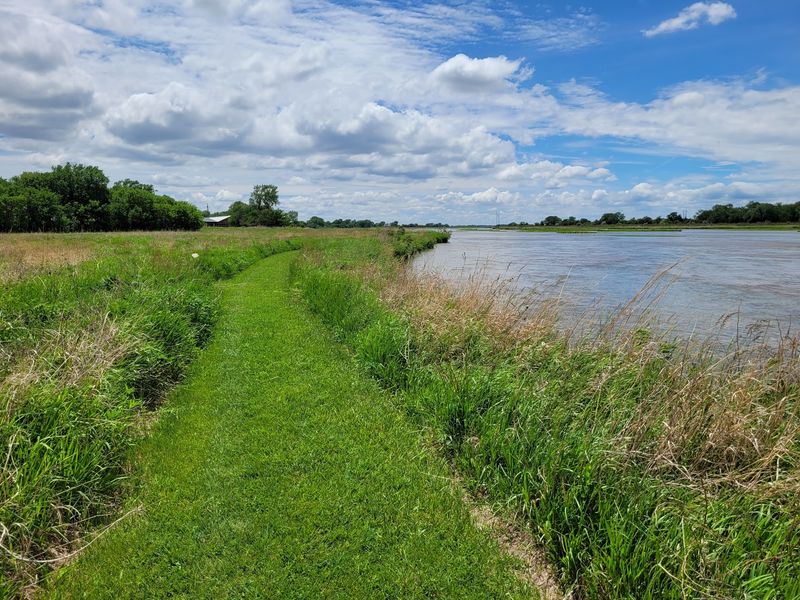
Warblers, orioles and flycatchers nest in the riverside trees during warmer months. Meanwhile, prairie birds like dickcissels, bobolinks and upland sandpipers work the grasslands.
Geese, ducks, swans and pelicans forage in the shallow river water. The species list stretches past 230, so there’s always someone new to meet.
Walking trails wind through the property and stay well maintained. They’re open from dawn to dusk.
During crane season, though, trail access closes from 10 a.m. to 4 p.m. to keep the birds undisturbed.
Early risers have a special option called Breakfast with the Birds. It’s a free guided walk with knowledgeable staff.
One recent outing turned up more than 30 species by sight or sound.
Classes on crane behavior run daily during the migration. A Speaker Series brings in experts from conservation groups.
Family story times and workshops give younger birders a place to start.
Some programs are free, while others need registration and a fee. Either way, the volunteers here know their stuff.
Ask a question and expect an enthusiastic answer.
Getting There Takes Just Four Miles Off I-80
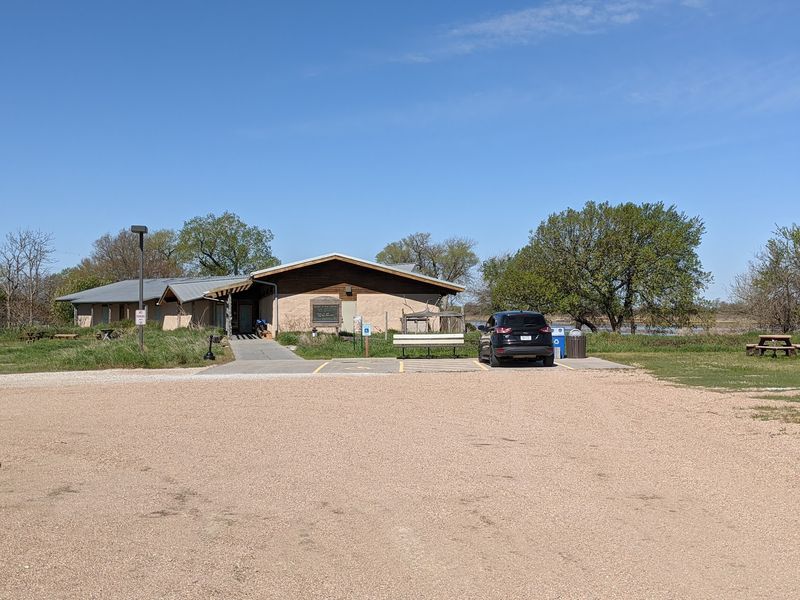
Interstate 80 travelers get a gift here. The sanctuary sits about four miles off the highway and roughly 20 minutes east of Kearney.
Plug in 44450 Elm Island Road, Gibbon, NE 68840. The drive across central Nebraska farmland is part of the charm.
The visitor center keeps daytime hours Tuesday through Saturday and stays closed Sunday and Monday. Schedules shift during crane season, so check ahead before you roll out.
Private events sometimes close the building too.
Admission to the center and trails is free. Guided crane blinds and the photography experience carry separate fees.
Proceeds support the sanctuary’s work along the river.
Picnic tables outside make a nice lunch stop. Dogs can come along on a leash in the parking lot and a designated exercise area.
Trails are off limits for pets, and drones are prohibited.
Visitors who need help walking have options during blind tours. Golf carts have been offered to get guests to and from the blinds.
Can’t snag a blind reservation? Public spots like the Plautz Crane Viewing Deck and Fort Kearny Bridge offer open-air views.
Why The Quiet Months Might Steal Your Heart
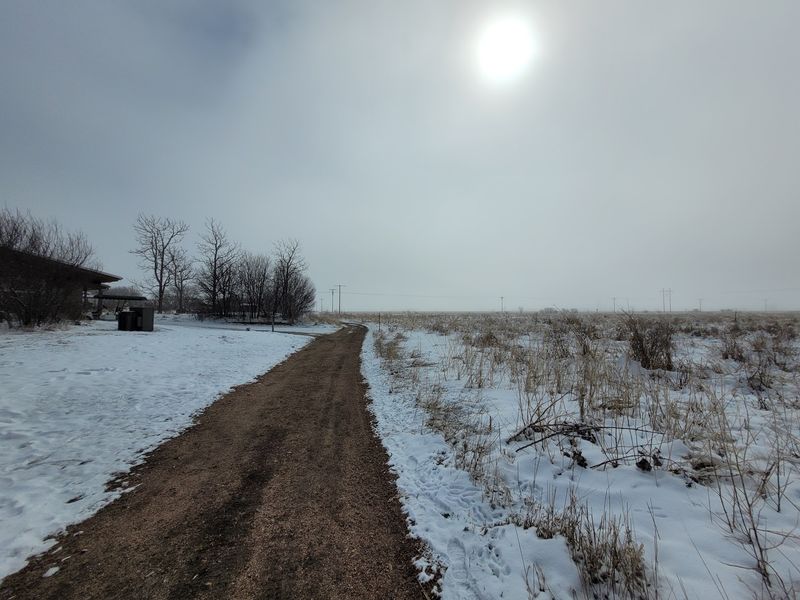
Crane season will always grab the headlines, and it deserves them. Still, the Iain Nicolson Audubon Center at Rowe Sanctuary rewards people who show up off-script.
Winter brings eagles, warm windows and room to watch without a crowd. That combination feels rare for such a famous spot.
Families get free trails and an easy introduction to birding. Photographers get scopes indoors and wide river views.
Retirees on a day drive get a comfortable building with friendly volunteers ready to talk birds.
The real magic is how the place changes with the calendar. Cranes in spring, warblers in summer, eagles in winter.
One riverbank delivers a different show each time.
Nebraska pride runs deep along this stretch of the Platte. A veteran’s bequest became protected habitat that birds rely on every single year.
That story alone makes the trip meaningful.
So go for the cranes if you must. Then come back when the river turns cold and the treetops grow white heads.
The second visit might just become your favorite.