This Nebraska Star Party Brings Six Nights Of Stargazing This July
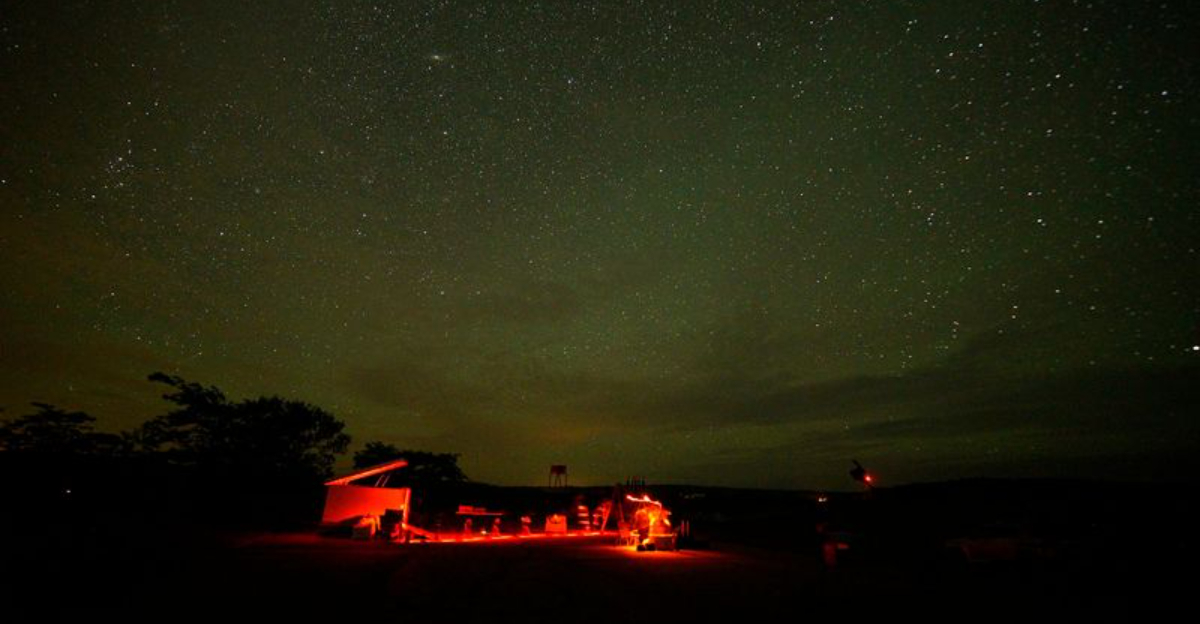
Six nights under a dark Nebraska sky can make regular summer plans look painfully indoors.
This is not backyard stargazing with porch lights ruining the mood. It is the kind of night where the Milky Way actually gets a chance to show off.
Telescopes start pointing in every direction, and people who came “just to look” suddenly learn how easy it is to stay up way too late.
Out here, Nebraska turns the night sky into the headline act.
The magic is in the scale. Wide-open land gives the stars room to take over, and the crowd is part of the fun.
Serious astronomers bring gear that looks ready for a space mission. First-timers bring curiosity and questions they did not know they had until the sky got dark.
July makes the whole thing feel even better. Warm nights and that slow hush before everyone looks up again give the event a rhythm all its own.
The Six-Night Stargazing Schedule
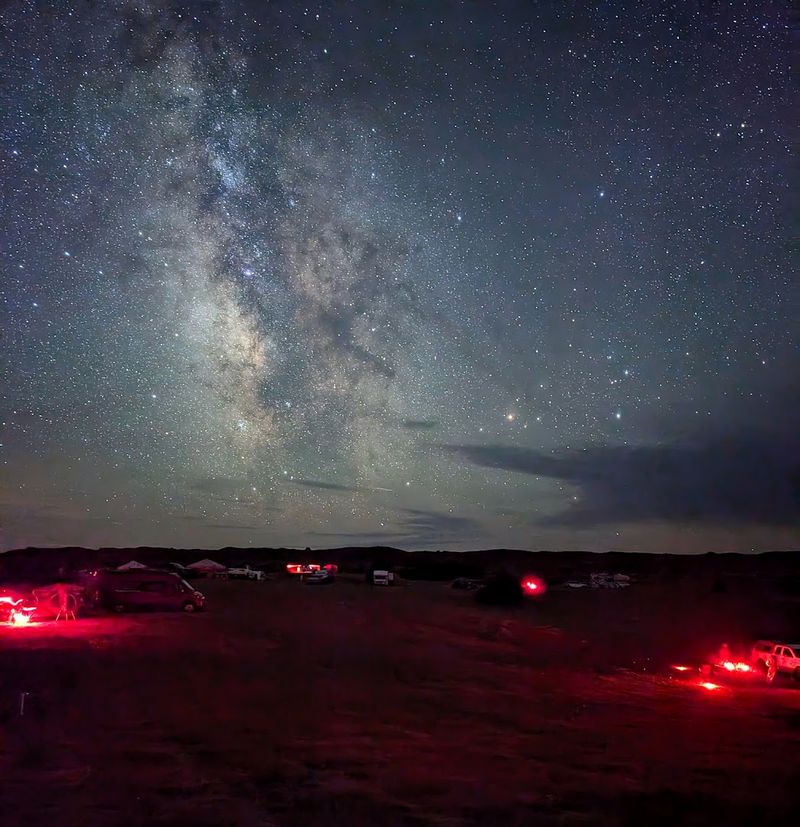
Six nights give this event real breathing room, and that extra time changes everything about how stargazing feels.
Instead of treating the night sky like a quick roadside stop, the Nebraska Star Party lets attendees settle into the rhythm of darkness, adjust their eyes properly, and try again if one evening brings haze or unexpected clouds.
The official 2026 dates run July 12 through July 17 at Merritt Reservoir, with the 2027 event already listed for August 1 through August 6.
Many people may choose to attend for just a few nights rather than the full stretch, but the complete week is where the event becomes something more than a casual glance upward.
Attendees gain time to learn the observing field, connect with people who know what they are doing, and move past pretending to identify constellations without help.
Stargazing is not a side activity here or a bonus feature tucked after dinner.
It is the entire reason the Sandhills suddenly become a summer destination worth planning around, and the schedule reflects that commitment from the very first evening.
Head For Merritt Reservoir Near Valentine
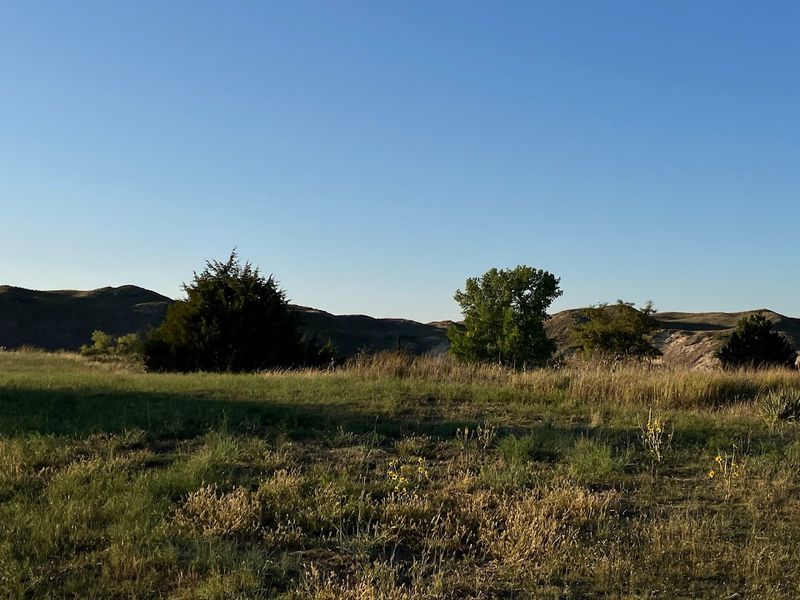
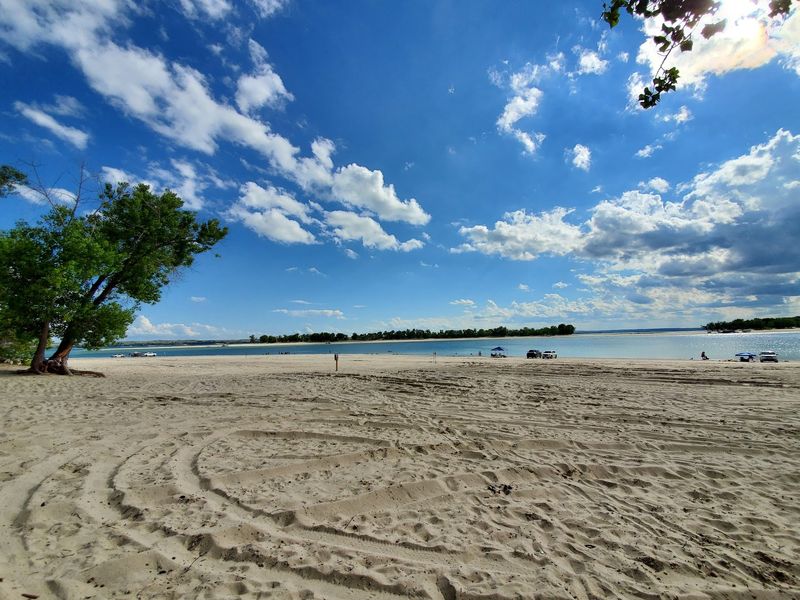
Merritt Reservoir near Valentine, Nebraska, gives this event its strongest practical angle because the location does half the work before anyone sets up a telescope.
Official Nebraska Star Party pages list the site as Merritt Reservoir in Valentine, describing it as a remote and sparsely populated area with very few lights within miles of the viewing area.
That remoteness matters more than it might initially sound. Fewer nearby lights mean genuinely darker skies, and darker skies mean faint objects actually stand a fighting chance of being seen.
Someone arriving from Omaha or Lincoln may need a quiet moment to adjust to how much sky appears after sunset out here.
The reservoir setting also keeps the trip from feeling like a single-purpose outing built entirely around one hobby.
Daytime can still include water, sand, campground routines, and relaxed meals before everyone transitions into amateur astronomers after dinner.
Valentine provides the nearest town base for supplies and lodging, while the lake itself offers a wide-open stage that few other event locations in Nebraska can honestly match for sheer sky visibility and natural quiet.
Watch Merritt Reservoir’s Dark Sky Status Do Its Job
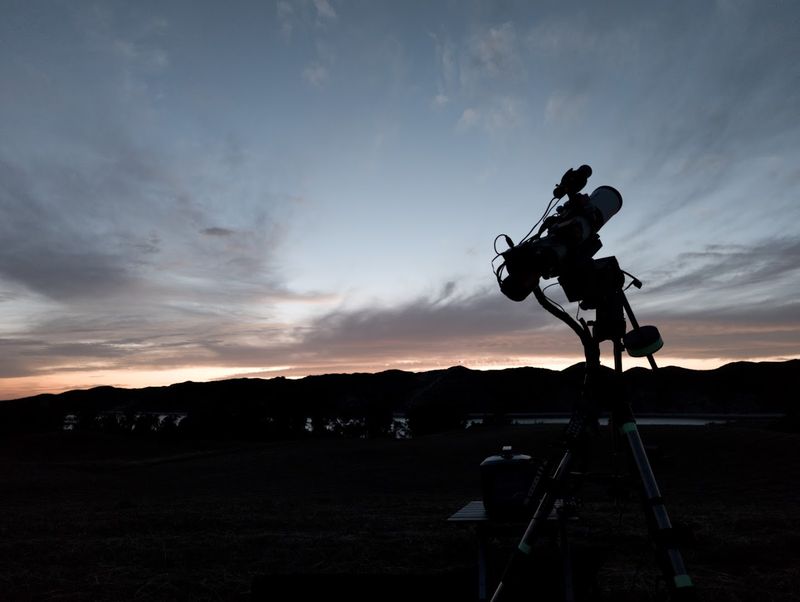
Merritt Reservoir State Recreation Area carries certification as an International Dark Sky Park, a designation awarded by the International Dark-Sky Association.
Nebraska’s first certified Dark Sky Park earned that recognition in September 2022, making it the 200th certified Dark Sky Place in the world at the time.
The observing fields sit at roughly 2,985 feet in sparsely populated ranching country, according to the event’s official dark-sky page.
That level of detail lifts this event well above a simple summer calendar listing. People travel specifically for dark skies because light pollution changes the entire experience of looking up.
Under genuinely dark conditions, familiar constellations reveal background texture that city skies completely wash out, the Milky Way becomes difficult to ignore, and deep-sky objects become realistic targets,
Casual visitors can feel that difference quickly without needing to know every nebula by name.
Official information also confirms that conditions support observing and imaging faint deep-sky targets, giving experienced astrophotographers a concrete reason to make the trip rather than simply admiring the idea of it from a brighter zip code.
Find The Observing Field Near Snake Campground
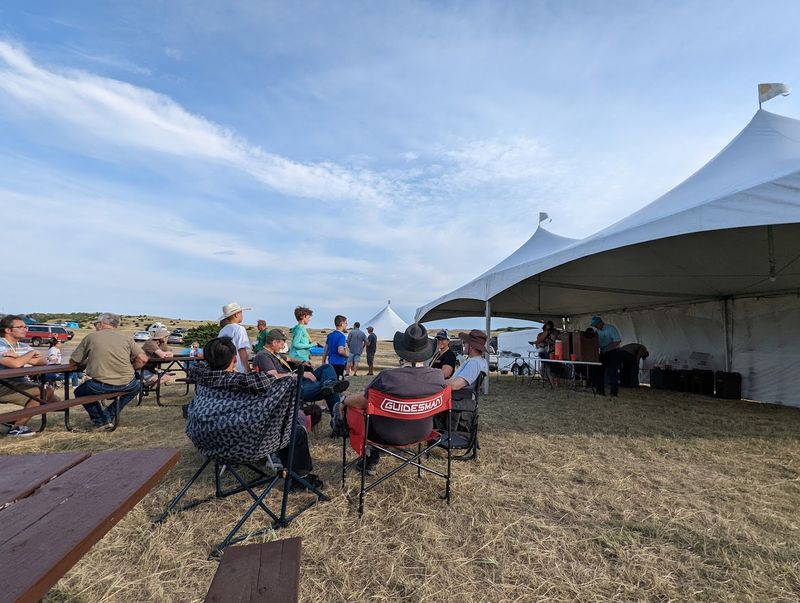
Event activity centers around the observing field located near Snake Campground, where the official schedule places the large Nebraska Star Party tent as the main gathering point.
That setup gives the week a social anchor that first-timers genuinely benefit from having nearby.
Star parties can feel intimidating when the mental image involves rows of serious telescope owners whispering in technical language while everyone else quietly pretends to follow along.
A central tent removes that pressure. Attendees know exactly where to check in, where organized activities happen, and where to find familiar faces before spreading back out under the open sky.
The observing site itself is described as gently rolling grassy hillocks along the southern shore of Merritt Reservoir, on lands managed by the Nebraska State Game and Parks Commission.
Readers approaching this event for the first time should understand it is not a planetarium with cushioned seats and a climate-controlled ceiling.
It is an outdoor, campground-style gathering where the natural setting matters as much as any printed schedule, and where the ground beneath a camp chair becomes a perfectly acceptable place to spend several hours.
Let The Beginner’s Field School Save You From Guessing
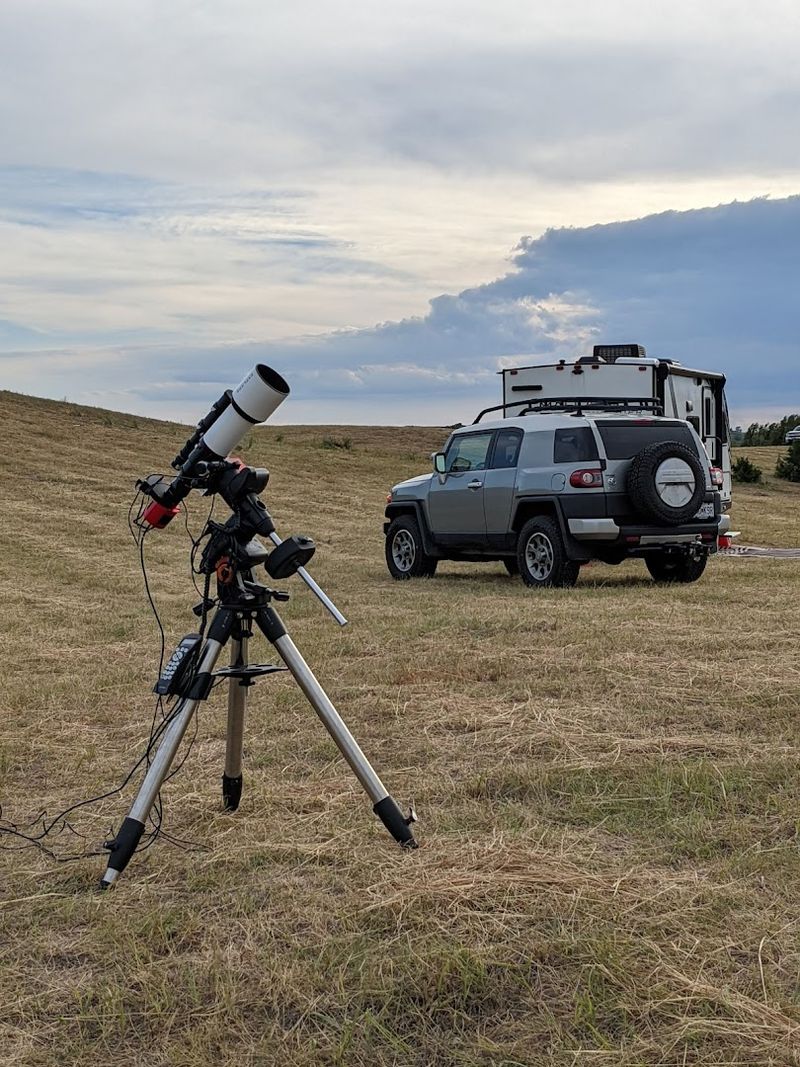
Not knowing the difference between a refractor and a reflector is not a reason to skip this event.
The Beginner’s Field School runs Monday, Tuesday, and Wednesday during the event week, with two-hour sessions designed specifically for newcomers who want more than just a front-row seat to someone else’s hobby.
Monday and Tuesday classes run from 2 to 4 PM at Valentine High School, while the third session begins at 10 AM on Wednesday.
The first day covers star party etiquette, navigating the sky with charts and software, and binocular selection.
Day two moves into telescopes, eyepieces, and essential gear, and the final session focuses on actually observing the Moon, planets, and deep-sky targets.
That progression makes a real difference for someone who worries about arriving underprepared.
Nobody wants to drive hours into the Sandhills only to discover everyone else speaks fluent telescope while they are still figuring out which end to look through.
By the end of the week, a beginner may still have plenty left to learn, but they will likely know enough to stop calling every bright object in the sky probably Venus.
Bring Binoculars Even Without A Telescope
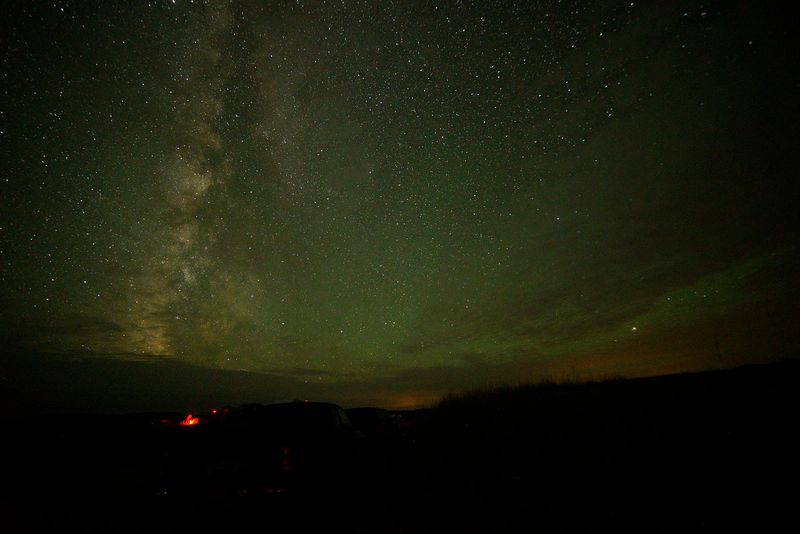
Owning a telescope is not a requirement for attending the Nebraska Star Party, and the official FAQ makes that reassuringly clear.
Beginners are encouraged to bring binoculars, with 7×50 models noted as a practical starting point.
Many attendees with varied equipment are also typically happy to demonstrate their scopes and talk through what they are looking at.
Dark skies make simple optics feel more rewarding than most people expect.
Wide-field viewing with binoculars can reveal star clusters, the broad sweep of the Milky Way, and details on the Moon that feel genuinely surprising after years of only seeing those objects from light-polluted backyards.
Someone who has only used binoculars at a sporting event or while trying to identify a bird on a fence post may find the overhead view unexpectedly absorbing.
The event strikes a balance that matters for long-term appeal. Experienced observers still find a serious playground with dark skies and like-minded company.
Curious newcomers are not excluded or made to feel underprepared for showing up without a custom-built Dobsonian.
A star party that works only for people who already own expensive gear is missing the point, and Nebraska Star Party seems to understand that clearly.
Save Wednesday For The Bigger Daytime Programs
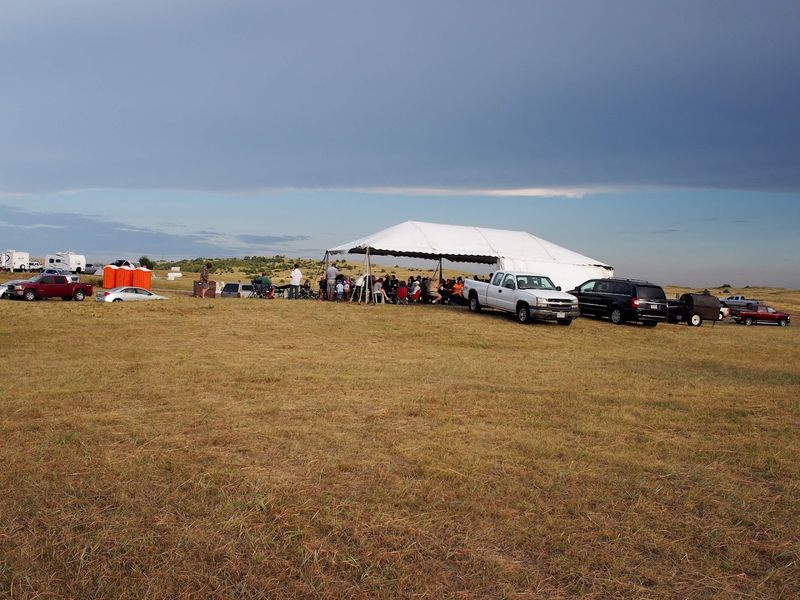
Wednesday shifts the week’s rhythm in a way that feels well-timed after several late nights under an open sky.
The day’s activities move to Valentine High School and include the final Beginner’s Field School session, registration, a swap meet, photo contest judging, and contest awards, before dusk-to-dawn observation resumes.
The swap meet adds a casual treasure-hunt quality for gear enthusiasts who enjoy browsing eyepieces, mounts, and accessories without committing to a specific purchase list.
Speaker programs give curious visitors more context about what they have been observing during the earlier nights.
Stargazing remains the main reason people make the drive, but a week with this much structure has enough going on to carry a full story from Monday arrival through Friday night finale.
Add A Niobrara River Float Or Nearby Nature Stop
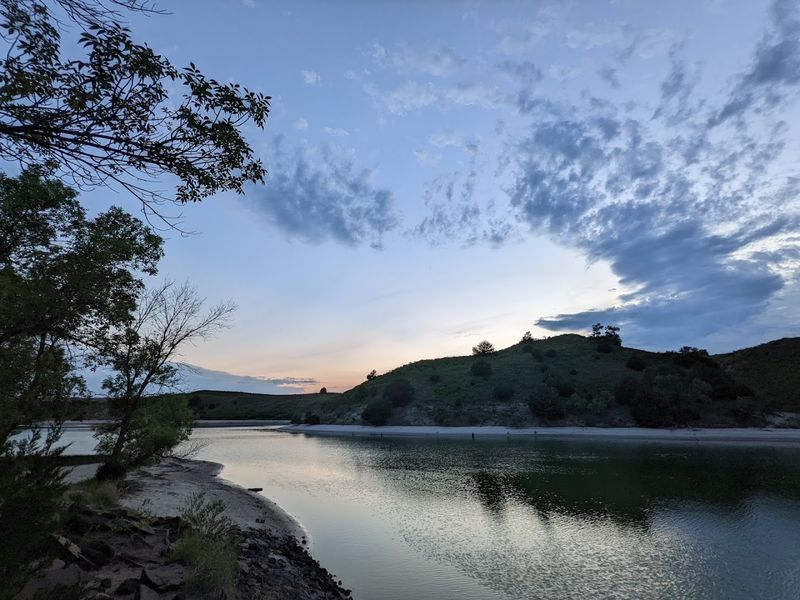
Longer visits can stretch comfortably beyond the observing field without losing the spirit of the trip.
Official Nebraska Star Party activity information mentions tubing and canoeing on the spring-fed Niobrara River, with Valentine serving as a natural starting point for river trips.
Nearby nature stops include Valentine National Wildlife Refuge and Fort Niobrara National Wildlife Refuge, both within reasonable reach of the reservoir.
Fort Niobrara National Wildlife Refuge sits five miles east of Valentine on Highway 12, offering driving tours, hiking trails, and river floating downstream from Cornell Dam.
A visitor center is open Monday through Friday from 9 AM to 4 PM, and a small fee applies for launching watercraft at the Fort Niobrara Launch site.
These options matter because driving all the way to north-central Nebraska for a single evening feels like an inefficient use of a long summer weekend.
A star party anchors a broader Sandhills getaway more convincingly when daytime side trips fill the hours before the sky becomes useful again.
Niobrara floats and wildlife refuges work best as supporting characters in the story rather than competing headliners.
Used with the right balance, they make the overall trip feel more complete and worth the mileage without pulling attention away from the main reason everyone gathered at Merritt Reservoir.
Stay For The Friday Public Star Party
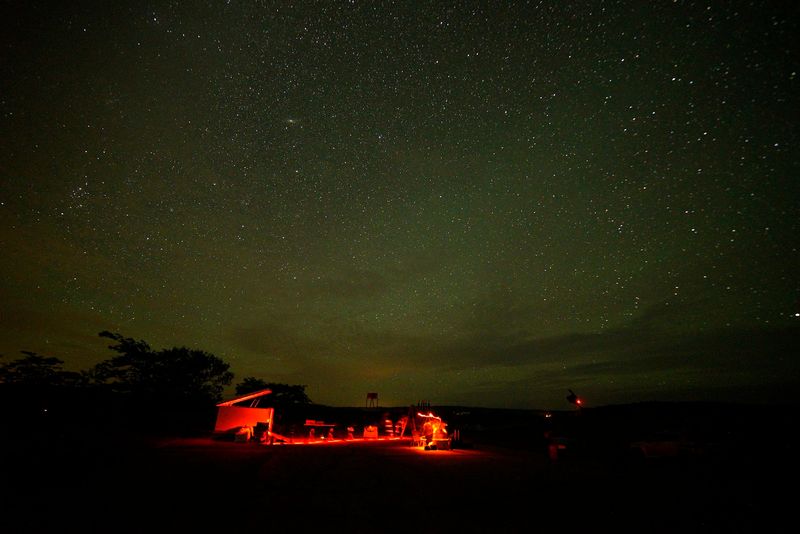
Friday provides a natural and emotionally satisfying finale for the week.
The official schedule lists a Public Star Party at 9 PM on Friday at the Observing Field, with no other Nebraska Star Party events scheduled during the day, though an optional Niobrara float trip is available.
That public-facing Friday night creates an accessible entry point for readers who may not be ready to commit to the full six-night experience.
People nearby or travelers building a weekend around Valentine and Merritt Reservoir can arrive for a single evening and still get a meaningful taste of what the event offers.
By Friday, the serious observers have logged their long nights and found their deep-sky targets.
Beginners from the field school have enough vocabulary to point with genuine confidence rather than enthusiastic guessing.
Families have settled into the campground rhythm and stopped wondering where the vault toilets are.
Everyone gathers under the same sky together, and Merritt Reservoir gets one final chance to demonstrate that July in Nebraska is not solely about heat, crowded highways, and lake towels drying on a tent rope.