This Nebraska Sushi Spot Turns One Meal Into An All-You-Can-Eat Japanese Feast
There is a point in every all-you-can-eat meal when confidence becomes dangerous.
At first, the plan feels disciplined. A few sushi rolls. Maybe some sashimi. Something hot from the hibachi side.
Then the table starts filling, one order inspires another, and suddenly everybody is negotiating how much room is actually left.
This Nebraska sushi spot turns dinner into the kind of feast where pacing matters almost as much as appetite.
Try something outside your usual order. Compare rolls across the table. Leave space for the hot dishes instead of treating the first round like a final exam.
The smartest diners know that loading up too quickly is how good intentions collapse.
That is what makes an all-you-can-eat setup so tempting. The meal keeps giving you another chance to rethink the plan.
Start With The All-You-Can-Eat Experience
Marking boxes on a paper order sheet is how dinner begins here, and that small detail explains almost everything about the format.
The all-you-can-eat menu at Izumi Sushi & Hibachi covers far more than rolls. Sashimi, nigiri, hibachi plates, teriyaki, curry, tempura, soups, salads, appetizers, and desserts all fall under the same single price.
Nothing comes from a steam table or a chilled buffet line. Every item is made to order in the kitchen and carried out to the table, which means food arrives hot when it should be hot and cold when it should be cold.
Ordering happens in rounds rather than all at once. A table might start with soup and a couple of rolls, then send the sheet back for more once those plates are cleared.
Pacing matters with a format like this. Ordering smaller batches keeps everything fresh and gives the kitchen a manageable rhythm, and it also helps avoid ending up with more food than anyone can finish.
The restaurant does ask guests to eat what they order, with a charge applied to significant leftovers as a way to limit waste.
Servers usually explain the guidelines at the start, so asking questions before the first order is completely normal and genuinely useful.
Order Sushi Without Sticking To Just One Roll
Choosing a single roll and hoping it lands well is the usual sushi gamble, and that pressure disappears with this format.
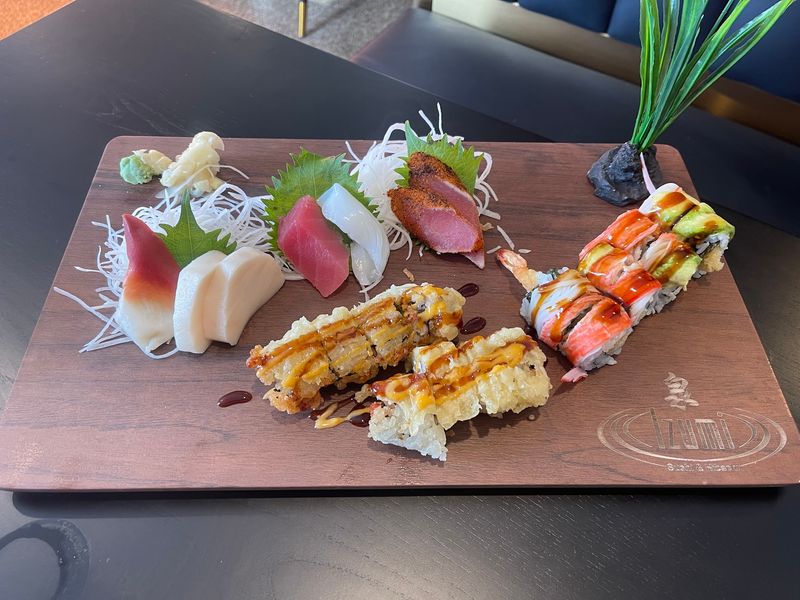
Classic options and specialty rolls both appear on the all-you-can-eat list, so a table can work through several styles in one sitting.
Someone curious about eel might try it alongside something familiar like a cucumber roll, with no real risk attached.
Nigiri and sashimi also fall within the same menu, which opens the door for anyone who prefers fish without much rice. Fried and baked rolls sit next to raw options, giving a range of textures across one meal.
Sampling works best in small waves. Two or three rolls per round lets everyone actually taste each one instead of racing through a crowded table of plates.
Ginger and wasabi come alongside, and asking for extra ginger is a common request that servers handle easily. A light dip of soy sauce on the fish side rather than soaking the rice keeps flavors balanced.
Popular picks among guests include the crispy crab roll and spicy crab roll, though availability of specific items can shift over time.
Checking the current order sheet is the surest way to see what the kitchen is running that day.
Switch From Sushi To Hot Hibachi Plates
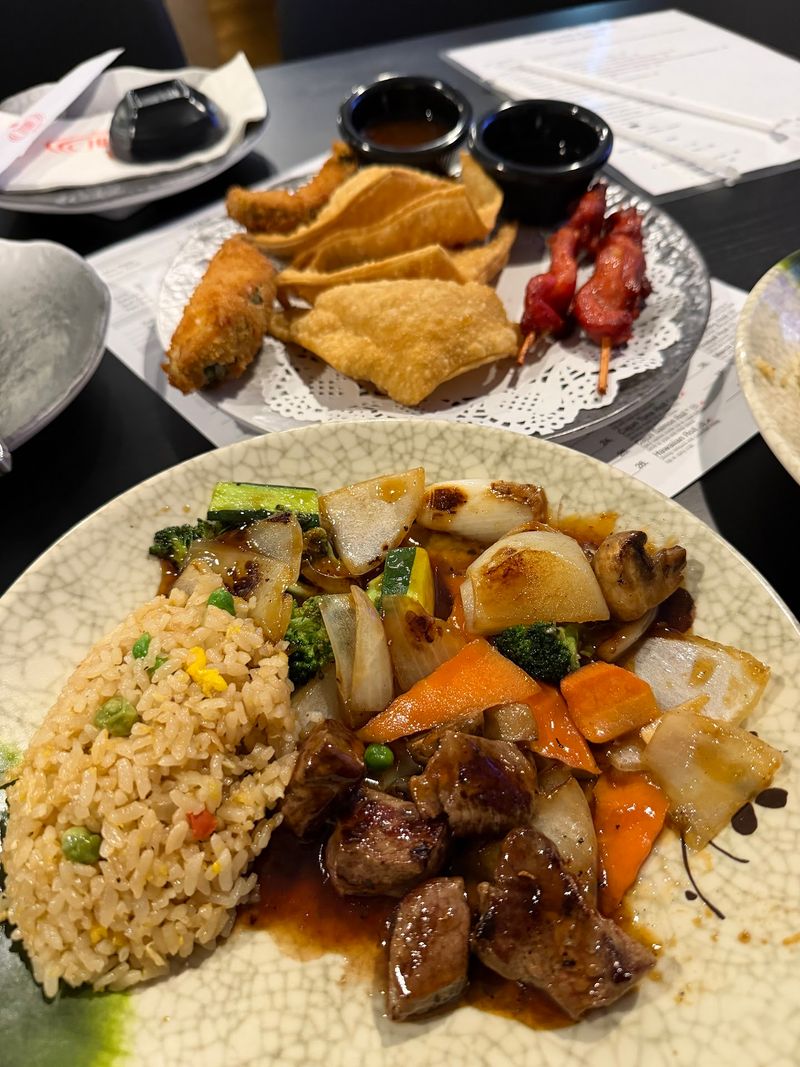
Grilled plates carry equal weight here, and treating hibachi as an afterthought would mean missing half of what the kitchen does.
Numerous hibachi choices appear on the menu, covering individual plates and combination options.
Rice, noodles, and vegetables typically accompany the grilled proteins, which makes these plates noticeably heartier than a round of rolls.
Worth knowing ahead of time: there are no grills built into the tables.
Cooking happens in the kitchen and plates come out to the table, so the tableside knife-flipping show that some hibachi restaurants offer is not part of this experience.
That setup keeps the dining room calmer and the service quicker. Food arrives as it is finished rather than waiting for a chef to come around.
Ordering a hibachi plate midway through a meal gives a nice change of temperature and texture after cold sushi. Warm rice and grilled vegetables can feel grounding between rounds of raw fish.
Portions run generous, which is something to keep in mind given the leftover policy. Splitting a hibachi plate between two people is a practical approach, especially when sushi is still on the way.
Chicken, Steak And Shrimp Give Hibachi Fans Plenty To Work With
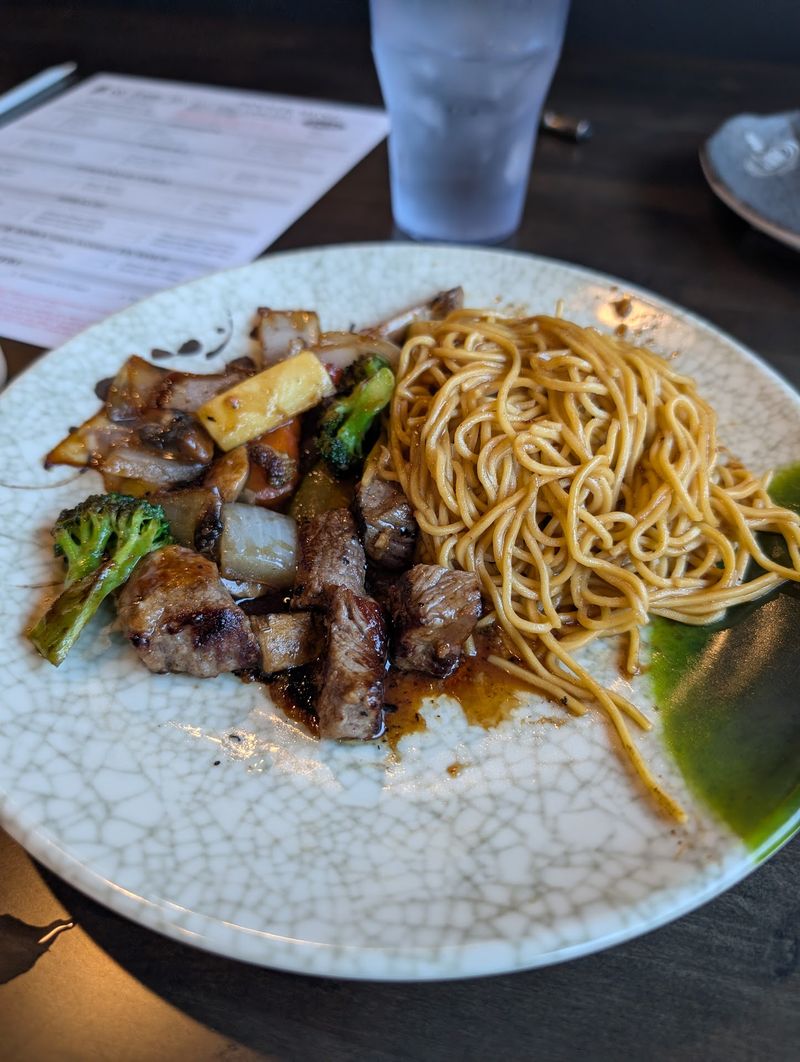
Protein choices decide a lot about how a hibachi plate tastes, and there is real range on this list.
Chicken, steak, shrimp, and salmon all appear as options. Combination plates pair chicken with steak, shrimp, or salmon, which suits anyone who cannot pick just one.
Chicken tends to be the safest starting point for kids or cautious eaters. Steak brings a firmer chew, while shrimp cooks up quickly and stays tender.
Salmon behaves differently from the others on a grill. It flakes rather than slices, and its richer flavor pairs naturally with the vegetables and rice served alongside.
Combination plates are useful for tables that want to compare. Two people can split one order and each get a taste of both proteins without ordering twice.
Teriyaki dishes also fall under the same umbrella, and teriyaki chicken skewers have drawn steady interest from guests. Skewers work nicely as a shared starter before larger plates arrive.
Sauces are served with most hibachi items, and asking for them on the side is a reasonable request for anyone watching salt.
Since recipes and menu items can be adjusted over time, glancing at the current sheet keeps expectations accurate.
Lunch Opens Up A Different Way To Try The Menu
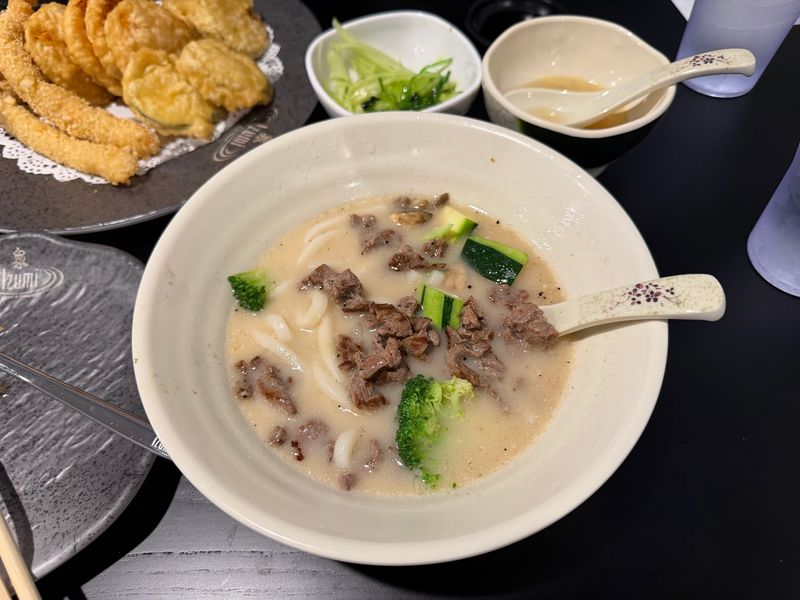
Midday visits come with their own set of options, and the lighter pace suits anyone who does not want a marathon meal.
Weekday lunch specials run Monday through Friday from 11 a.m. to 3 p.m., excluding holidays. Individual hibachi options are part of that lineup, which helps diners who prefer a single plate over the full feast.
An all-you-can-eat lunch is also available at a lower price point than dinner. Reported lunch pricing has ranged from roughly $17.95 to $21 per person, though numbers can change and should be confirmed at the restaurant.
The room feels different earlier in the day. Natural light comes through the front windows and the noise level generally stays lower than during a busy weekend evening.
Service also moves briskly at lunch, which works well for anyone on a limited break. Ordering in one or two rounds instead of many keeps things efficient.
Arriving right at opening or after the noon rush usually means a shorter wait for a table. Weekdays around 1:30 p.m. often feel calmer than the middle of the lunch hour, making it easier to linger over a second round of rolls.
The All-You-Can-Eat Dinner Has Its Own Pricing
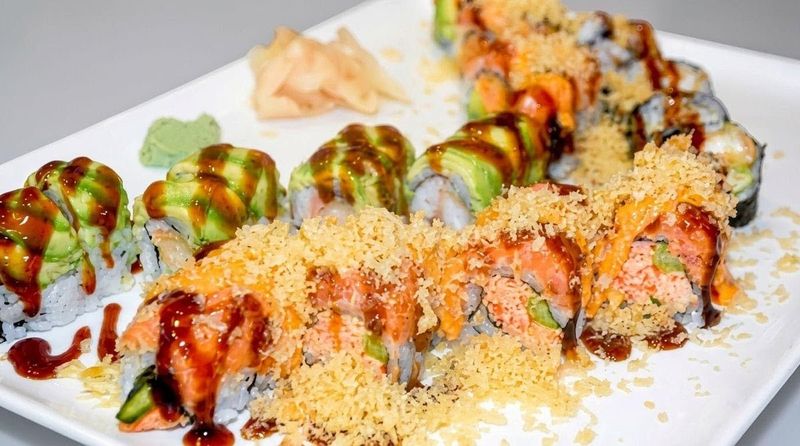
Knowing the number before sitting down makes the whole meal easier to plan.
The current online menu lists the adult all-you-can-eat dinner at about $30.95 per person. Children ages seven through ten have separate pricing, listed at around $20 for the same option.
Prices shift over time at any restaurant, so checking the posted menu or calling ahead is the reliable move. The restaurant can be reached at +1 531-772-0041.
What the price covers is the part worth understanding. Dinner menu items fall within the all-you-can-eat option, including sushi, sashimi, nigiri, hibachi, teriyaki, tempura, soups, salads, appetizers, and desserts.
There is also a leftover charge for food that goes uneaten, applied as a way to cut down on waste. Ordering in smaller rounds keeps that from becoming an issue.
Groups sometimes assume a fixed price means rushing to get value. A steadier approach works better, since the kitchen sends items out quickly and there is no shortage of chances to order again.
Servers typically walk through the guidelines at the start of the meal, and asking for clarification on anything unclear is completely fine.
This Omaha Location Is Still A Very New Arrival
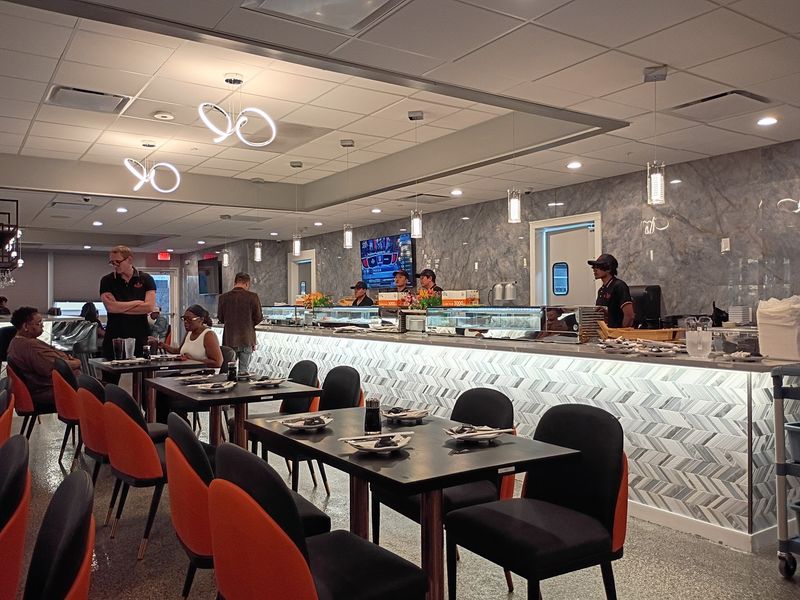
Fresh paint, new signage, and a menu still finding its rhythm all point to a restaurant in its early chapter.
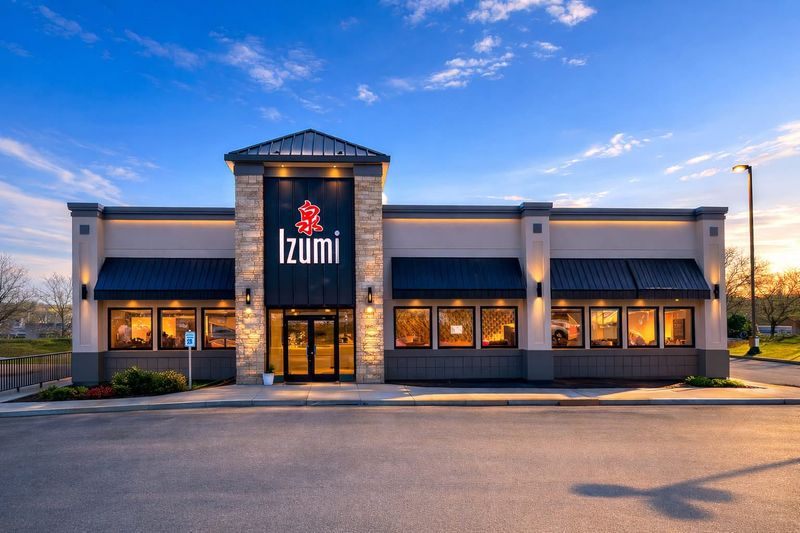
Doors opened at this location on April 16, 2026, making it a recent addition to the northwest Omaha dining scene.
Guests visiting during the opening weeks noted the usual first-days adjustments that come with any new restaurant.
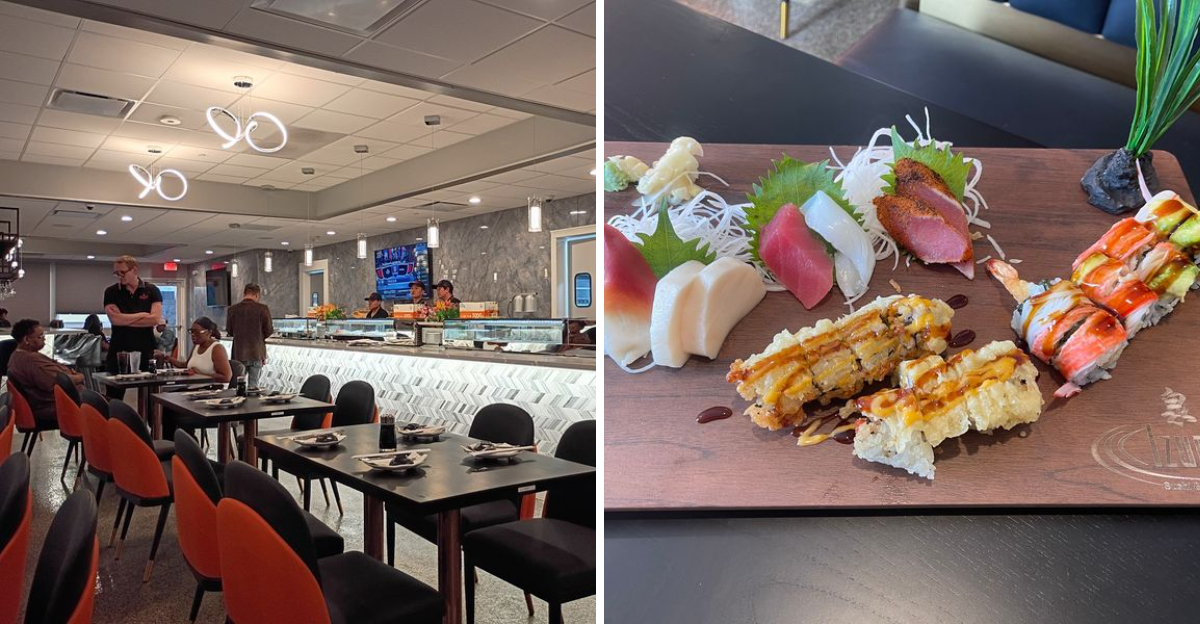
Interior design has drawn steady positive attention. Modern light fixtures, warm tones, and thoughtful wall treatments give the dining room a polished feel rather than a plain strip-mall look.
Being new also means details can evolve. Menu items, pricing, and even service routines may be refined as the team settles in, so treating any single detail as permanent is not wise.
Overall feedback has leaned positive, with a strong rating on Google Maps and frequent mentions of the all-you-can-eat format. As with any newer spot, experiences can vary from visit to visit.
Visiting early in a restaurant’s life has its own appeal. There is a chance to watch a place grow, and staff often have more time to explain how ordering works and answer questions about unfamiliar dishes.
You Can Visit Seven Days A Week
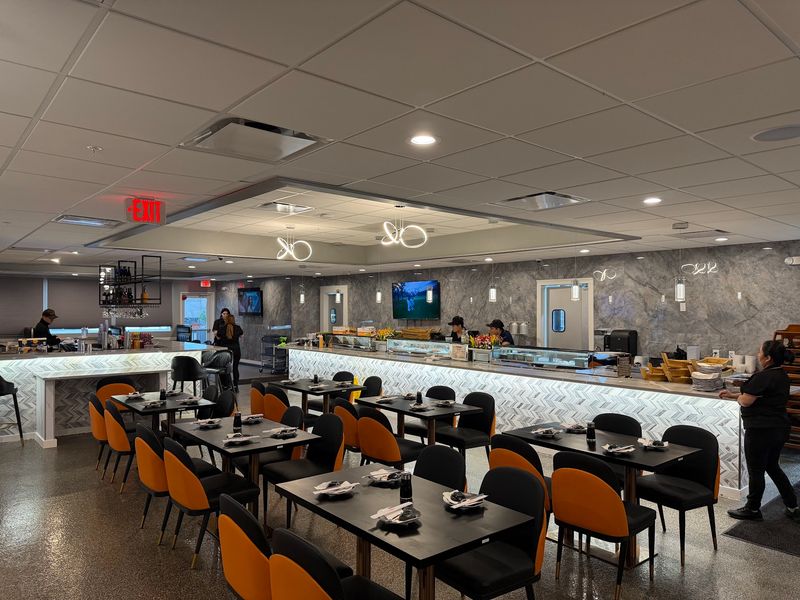
Flexible hours take a lot of pressure off planning a visit.
Doors are open every day of the week at Izumi Sushi & Hibachi, located at 4707 N 72nd St, Omaha, Nebraska 68134.
Service runs from 11 a.m. to 10 p.m. Monday through Thursday, until 10:30 p.m. on Friday and Saturday, and until 9:30 p.m. on Sunday.
Later weekend closings give more breathing room for a long dinner. An all-you-can-eat meal spread across several rounds takes time, so arriving well before closing is the better call.
Weeknights generally feel quieter than Friday and Saturday evenings. Conversation is easier to hold when the room is not full, which matters for anyone planning a longer sit-down.
Holiday hours can differ from the regular schedule, and lunch specials exclude holidays. A quick call before heading out avoids surprises.
Arriving about ninety minutes before closing gives the kitchen enough time to handle multiple orders comfortably. Showing up in the final half hour limits how much of the menu can realistically be explored.
Hours may be adjusted over time, so confirming through the restaurant directly remains the most dependable approach.