This Nebraska Tavern Has Served Travelers Since 1876 And Still Looks Nearly Untouched By Time
Some places feel old because they try too hard. This one does not need to.
The clapboard building, simple rooms, worn details, and long history already do the work. It feels like the kind of tavern where travelers have been sliding into chairs for generations.
Not for polish. Not for spectacle. Just for a drink, a burger, a story, and a little shelter from the road.
A Nebraska tavern can carry nearly 150 years of history without acting like a museum.
The charm comes from what has not been smoothed away. Old signs still matter. The building still feels plain in the best way.
Every corner seems tied to someone who stopped in before, from local regulars to travelers passing through Columbus.
Nothing about it feels staged. That is the point.
The place has survived because it stayed useful and stubbornly itself. Sit down, look around, and the past feels close without needing a costume.
Nebraska’s Oldest Continuously Operating Tavern
Holding a title that very few establishments in the entire country can claim, Glur’s Tavern stands as Nebraska’s oldest continuously operating tavern.
In Columbus, Nebraska, the building has welcomed patrons without a single permanent closure since 1876, a span of nearly 150 years.
That kind of unbroken run is genuinely rare in the American dining and hospitality landscape.
Many historians and tavern enthusiasts also recognize it as the longest continuously operating tavern west of the Missouri River.
Some accounts place it as the second oldest west of the Mississippi River, trailing only the Gold Pan Saloon in Breckenridge, Colorado. Either way, the distinction carries real weight.
Walking through the front door feels less like entering a restaurant and more like stepping into a living museum.
The building has not been dramatically renovated or modernized, which means the experience of sitting inside today is not entirely different from what a traveler in the late 1800s might have known.
For anyone who appreciates history served alongside a good meal, this tavern earns its reputation without needing any extra polish.
The Original Bucher Saloon Story From 1876
Before the name Glur’s Tavern ever appeared on a sign, the establishment opened its doors under a completely different identity.
Founded in 1876 by Swiss immigrant brothers William and Joseph Bucher, the original saloon was known simply as Bucher’s Saloon.
The Bucher brothers set up shop in Columbus at a time when the town was still finding its footing on the Nebraska frontier.
In those earliest days, the saloon was not just a place to sit and socialize. It was primarily known for selling cigars and tobacco, which were common staples of frontier commercial life.
The combination of a social gathering space and a goods-selling counter made it a practical stop for travelers moving through the region.
Frontier saloons in the 1870s served a very different social function than modern bars or restaurants. They were community hubs where news traveled, deals were made, and weary travelers could rest.
The Bucher brothers tapped into that need effectively, and the foundation they built proved durable enough to outlast generations of ownership changes, economic shifts, and even a national Prohibition.
That original 1876 story is the root from which everything else about this remarkable place grew.
Swiss Brothers Built The White Wooden Landmark
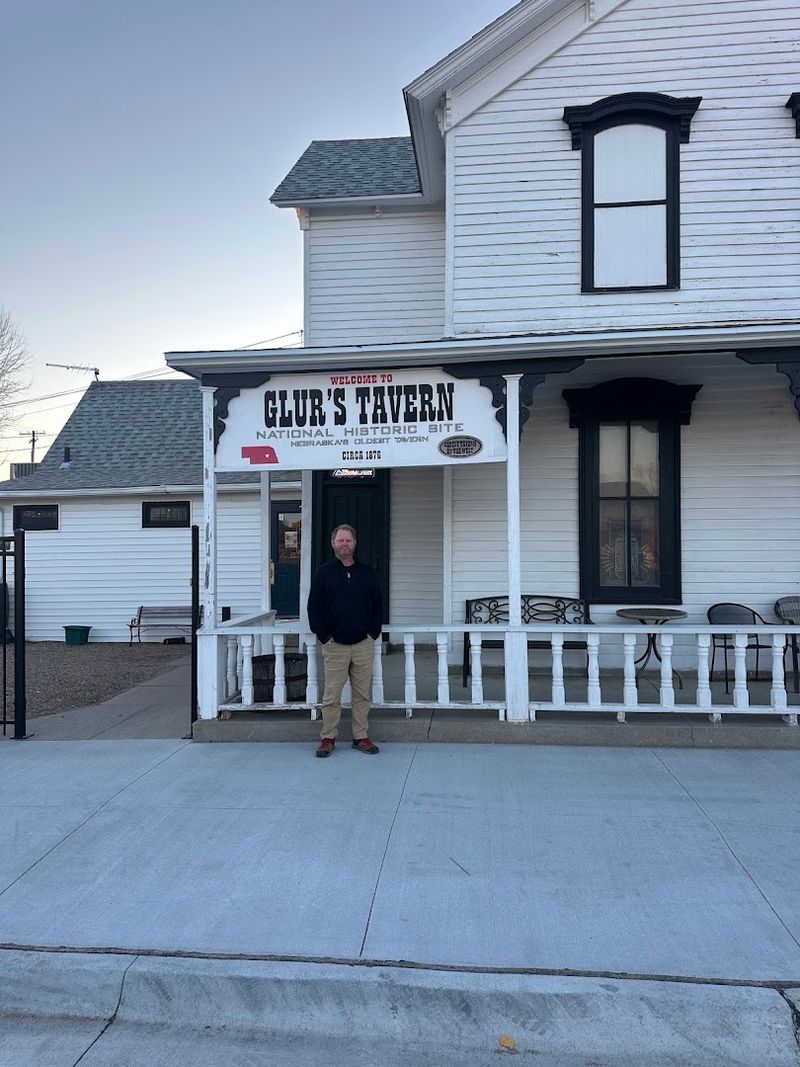
The structure was built by William and Joseph Bucher, two brothers who had emigrated from Switzerland and settled in Nebraska during the 1870s.
Their decision to construct a two-story frame building in Columbus turned out to be one of the most enduring architectural choices in the state’s history.
The building itself is covered in clapboard siding and follows a simplified Italianate design style.
That architectural approach was fairly common for commercial buildings of that era, but what makes this one stand out is how little it has changed since the brothers first raised it.
The white exterior, though worn by decades of Nebraska weather, still carries the same basic silhouette it had in the nineteenth century.
There is something quietly impressive about a structure built by immigrant hands in the 1870s still standing and functioning today.
The Bucher brothers likely had no idea their modest wooden building would become a landmark recognized by the National Register of Historic Places.
The simplicity of the construction, combined with its remarkable longevity, gives the building a character that no amount of modern renovation could replicate or replace.
National Register Recognition Arrived In 1975
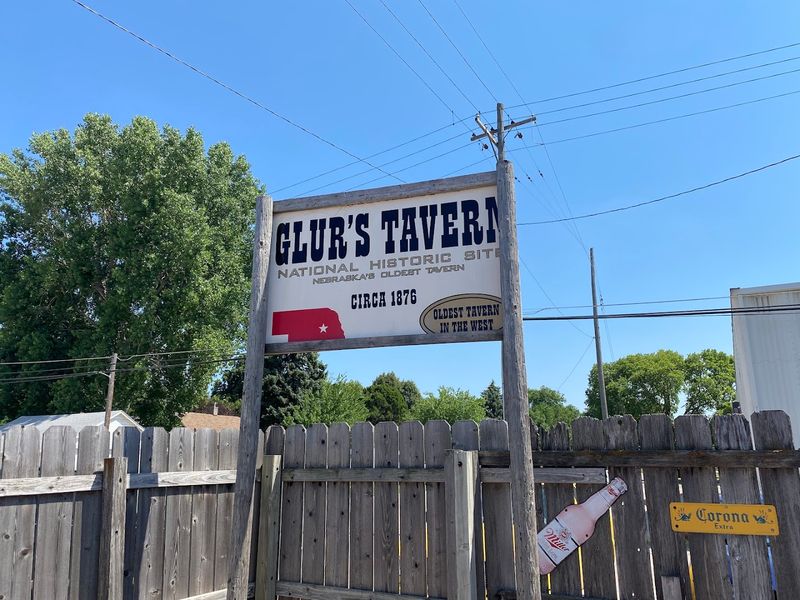
Recognition from the National Register of Historic Places is not handed out casually.
A building must demonstrate genuine architectural significance, historical importance, or both before earning that designation.
Glur’s Tavern met that standard in 1975, nearly a century after it first opened, when it was officially added to the register under reference number 75001100.
The listing acknowledges the two-story frame building for its enduring architectural integrity and its role in Nebraska’s social and commercial history.
Buildings that receive this kind of recognition are expected to maintain a degree of their original character, which aligns well with how Glur’s Tavern has actually been managed over the years.
The minimal modernization of the structure was not just a stylistic choice but a form of preservation.
For visitors, the National Register designation adds a layer of credibility to the experience.
Knowing that historians and preservation experts have formally evaluated and recognized the building makes the visit feel more grounded in fact rather than just local legend.
The tavern does not rely on the designation as a marketing tool so much as it simply exists as a place that earned that recognition through nearly a century of authentic, uninterrupted operation.
You Can Still Order The Famous Glur Burger
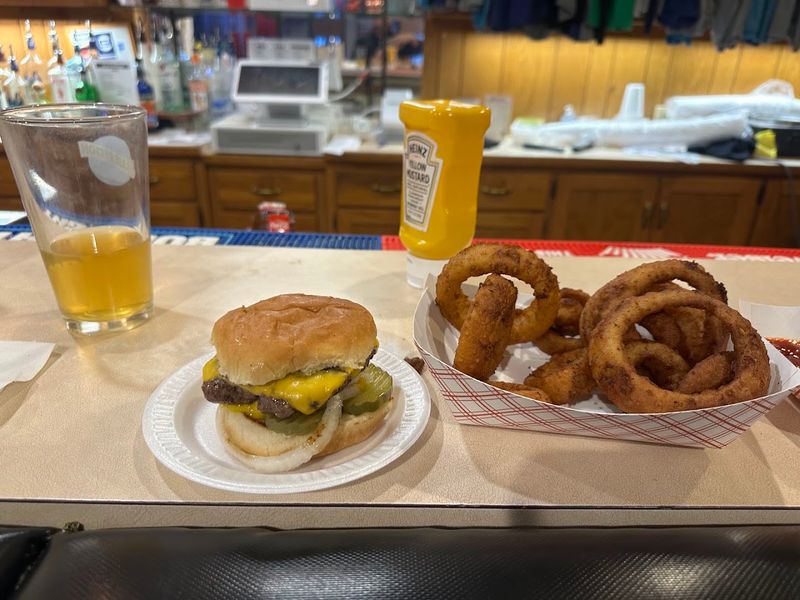
History alone does not keep a tavern busy for nearly 150 years. The food has to deliver, and at Glur’s Tavern, the burger is the undisputed centerpiece of the menu.
Served on a paper plate in keeping with the no-frills spirit of the place, the burger has developed a reputation that draws visitors from well beyond Columbus.
The menu also features signature fried potatoes that pair naturally with the burger and keep the overall experience rooted in straightforward, satisfying comfort food.
There is nothing pretentious about the offering, which is exactly the point. The kitchen focuses on doing familiar things well rather than chasing trends or overcomplicating the menu.
Glur’s Tavern sits at 2301 11th Street, Columbus, Nebraska 68601, and is generally open Tuesday through Saturday starting at 11 AM.
The tavern is closed on Sundays, so timing a visit accordingly helps avoid disappointment.
The casual atmosphere inside means there is no dress code or formal service structure to navigate, and the food tends to arrive when it is ready rather than on a rigid schedule.
That relaxed pace fits the character of the place perfectly and makes the meal feel like part of the broader experience rather than just a transaction.
Vintage Signs Preserve The Old-Fashioned Appearance
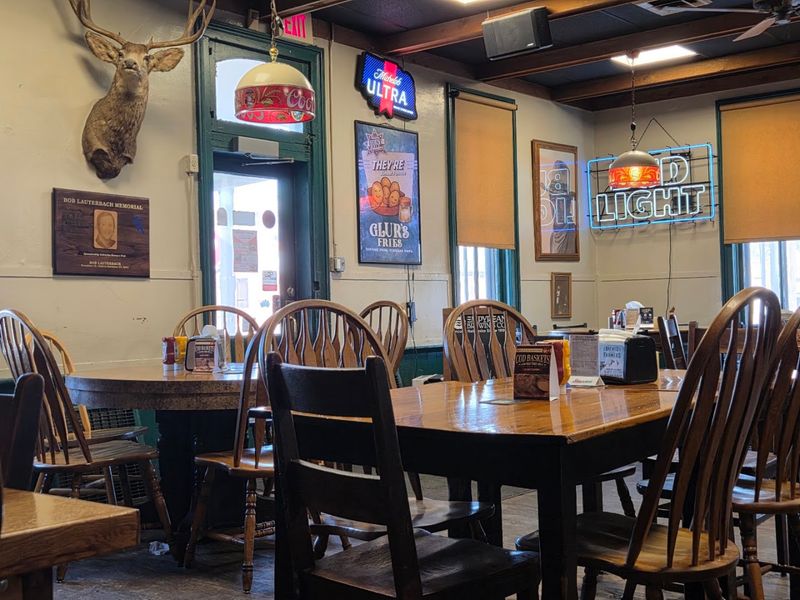
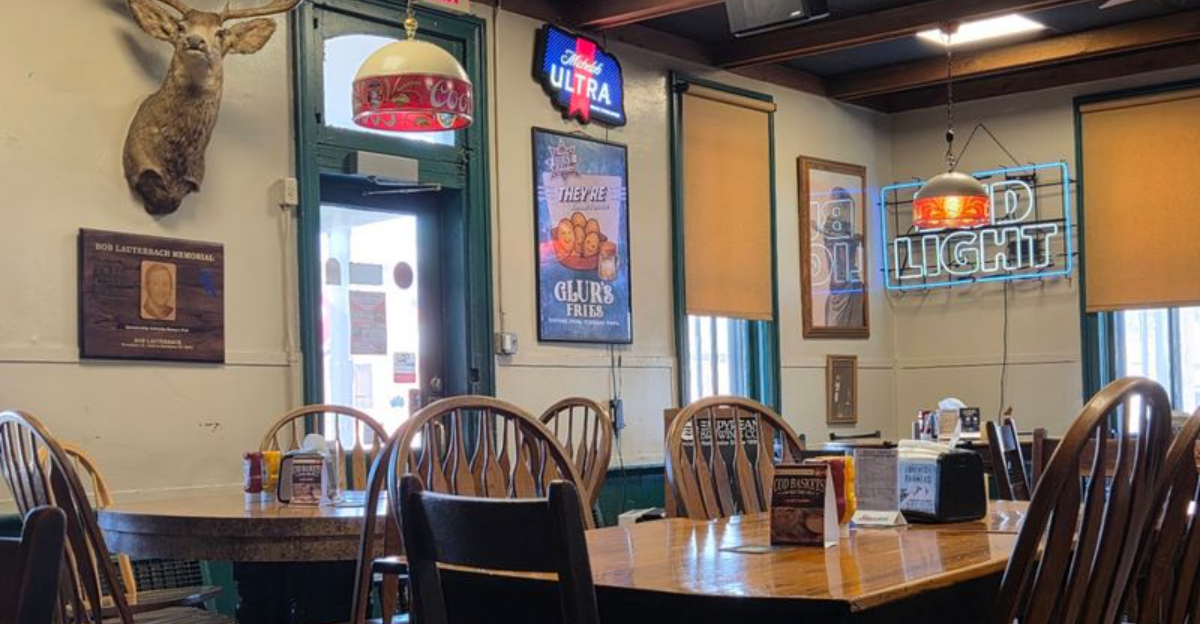
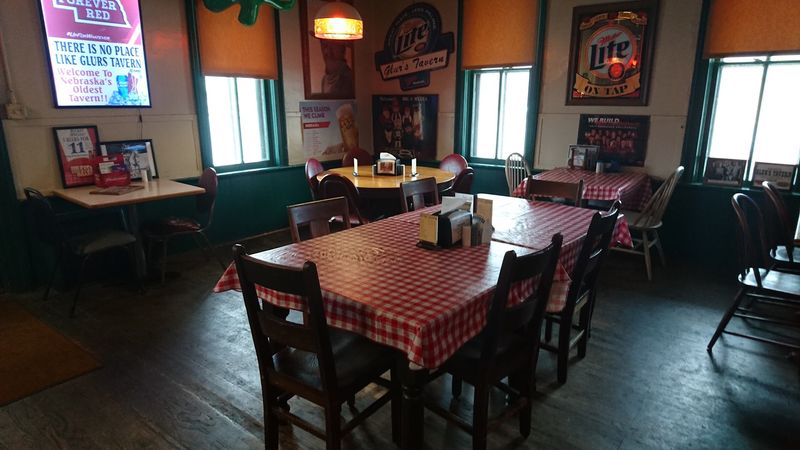
Stepping inside Glur’s Tavern is a sensory experience that starts before a single word is spoken. The original oak floors creak slightly underfoot, worn smooth by generations of boots and shoes.
Heavy oak tables, some believed to be original to the building, are topped with classic red and white checked tablecloths that feel like a direct nod to a much earlier era of American dining.
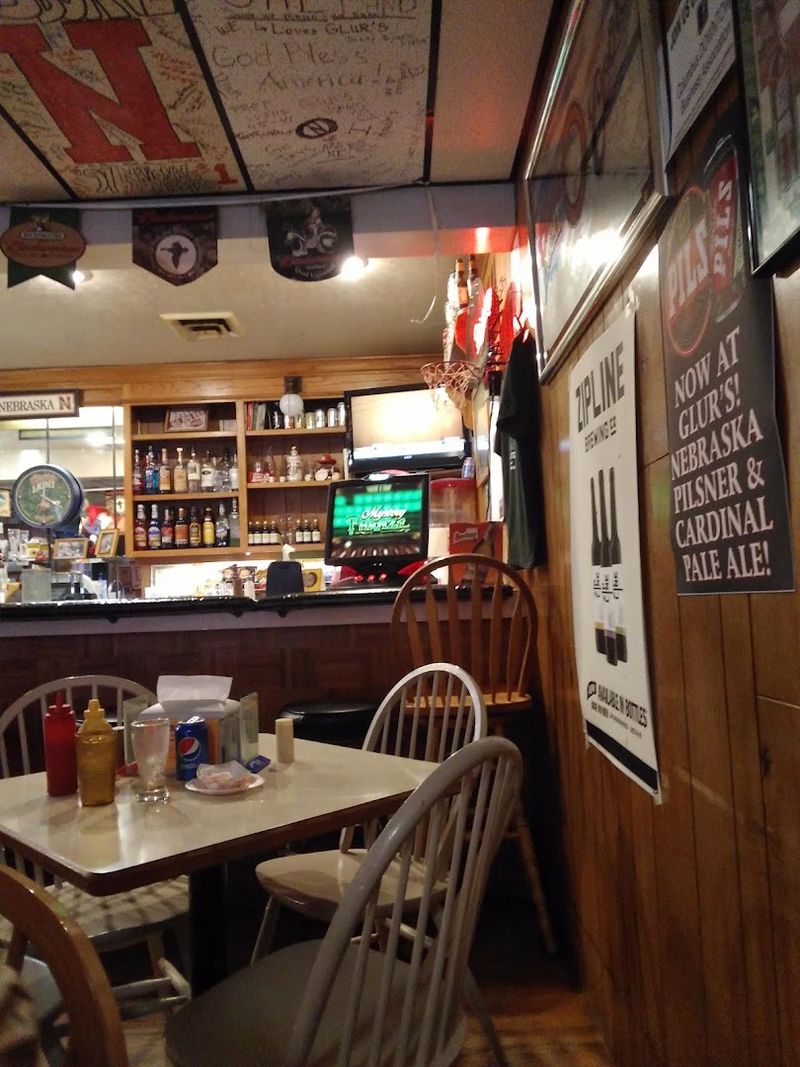
The walls are covered with a collection of vintage signs, stuffed deer, pheasants, geese, and memorabilia that has accumulated over decades.
Old metal ceiling fans hang overhead, and a late 1880s German clock occupies its own quiet corner of the room.
Above the front porch entrance, an old sign reading SALOON still greets anyone who looks up as they walk in.
None of these details feel staged or artificially assembled for the sake of theme. They are simply what the place looks like after more than a century of continuous use and minimal intervention.
The patina of age on every surface, from the woodwork to the signage, communicates something that no renovation could replicate.
The interior of Glur’s Tavern is not preserved because someone decided it should be a museum. It looks this way because it has always looked this way, and that authenticity is immediately noticeable.
Ownership Changed Without Ending The Tavern’s Run
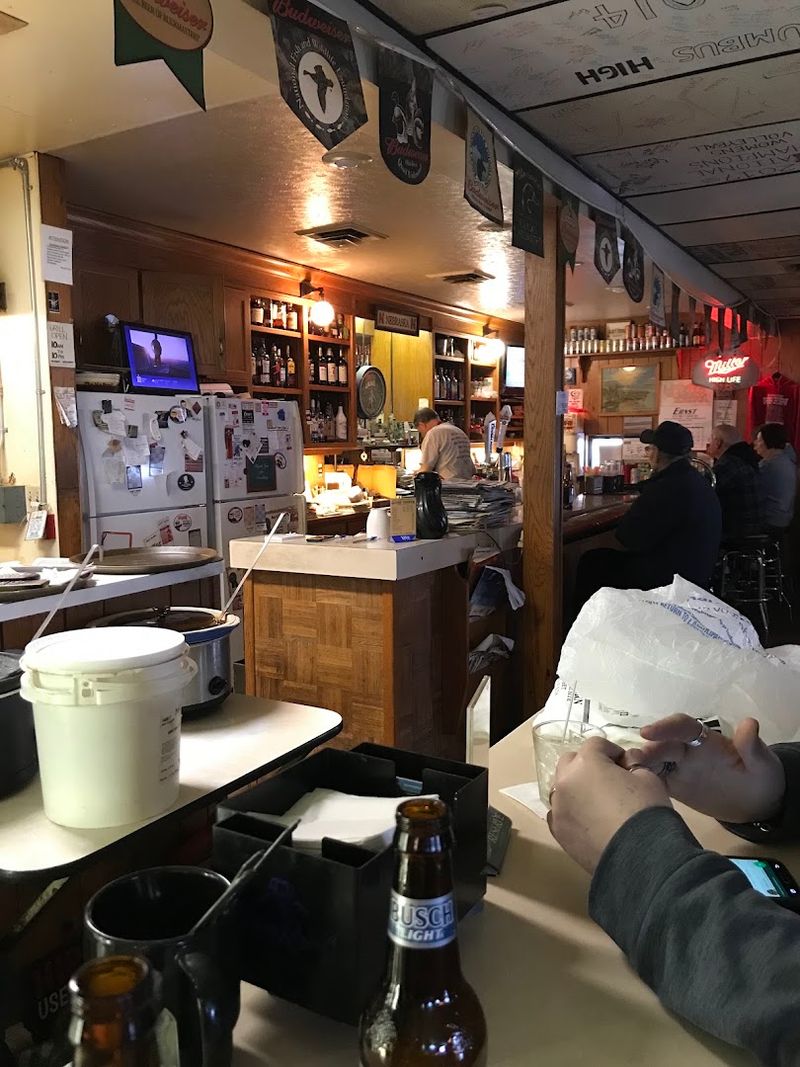
One of the most impressive aspects of Glur’s Tavern is not just its age but the fact that multiple ownership transitions never managed to break its continuous operation.
When Prohibition arrived in the 1920s, Louis Glur adapted by pivoting to soft drinks, ice cream, card games, and slot machines, keeping the doors open and the community coming in.
The Glur family held onto the establishment until 1978, more than six decades after Louis first purchased it. After that, the tavern passed through other hands while retaining its name and character.
Todd and Carrie Trofholz owned and operated it for 32 years before transferring ownership on August 2, 2024.
New owners stepped in with an expressed intention to continue the historical legacy rather than reinvent it.
That pattern of stewardship, where each new owner honors what came before rather than erasing it, is what has allowed the tavern to maintain its identity across such a long timeline.
The building has seen Nebraska grow and change around it while remaining remarkably consistent in what it offers.
That consistency is not accidental but reflects a deliberate choice by each generation of owners to prioritize preservation over transformation.
An Outdoor Garden Adds Space Beyond The Historic Rooms
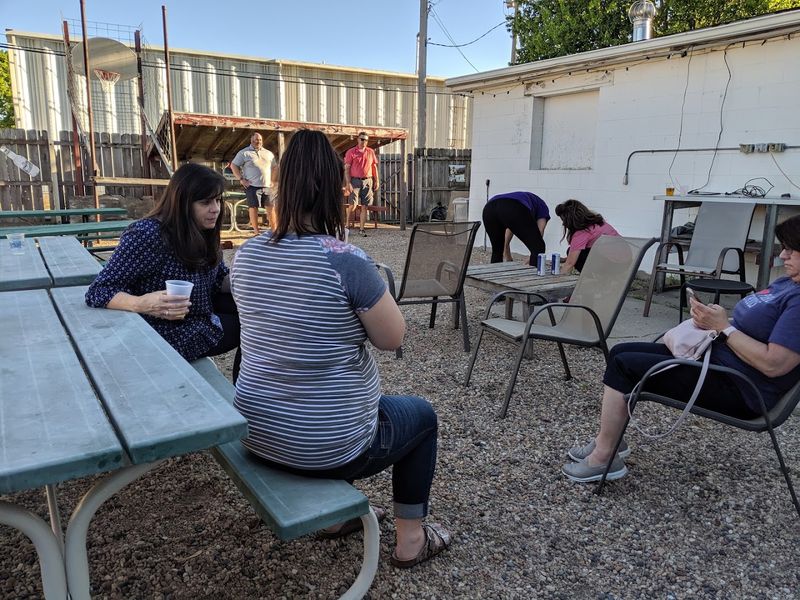
The interior of Glur’s Tavern gets most of the attention, and understandably so, but the outdoor space deserves its own mention.
Beyond the historic rooms and the worn oak floors, the tavern offers an outdoor garden area that extends the experience into the open air.
The space includes a basketball hoop and a sand volleyball court, which give it a relaxed, neighborhood-park quality that fits well with the tavern’s unpretentious personality.
The outdoor garden has historical roots of its own.
During Louis Glur’s ownership in the early twentieth century, the space was maintained as a European-style outdoor garden where traveling German bands would perform for guests.
That tradition of using the outdoor area as a social and entertainment space reflects the broader cultural influences that the Bucher and Glur families brought with them from Europe.
Today, the outdoor area provides a welcome option for guests who want a bit of fresh air alongside their meal.
On pleasant days, the garden can shift the mood of a visit significantly, offering a lighter and more open alternative to the dim warmth of the interior rooms.
Both spaces have their appeal, and together they give the tavern a range of atmospheres that can suit different kinds of visits and different kinds of company.