This Nebraska Wildlife Rehab Center Treats Thousands Of Injured Animals Each Year Before Sending Them Back Outdoors
More than 1,200 wild animals arrived at one rescue center in just the first half of a single May. The staff expected to pass 2,000 before the month ended.
That’s baby bunnies, squirrels, songbirds, turtles and bats, all needing help at once.
The building caring for them has a CT scanner, digital X-rays and a full surgical suite. Those tools usually belong to a hospital for people.
Here, the patients have feathers, fur and shells.
I like how this place treats a tiny possum with the same seriousness as a hawk. It ranks among the largest wildlife rehab facilities in the country.
And it sits right here in Nebraska, close enough for an easy drive.
So what happens after someone carries in a shoebox holding a scared little animal? The answer covers medicine, patience and a very happy goodbye.
An Animal Hospital Where Every Patient Is Wild
Nebraska Wildlife Rehab, Inc. runs one of the busiest animal hospitals in the state, and none of its patients have owners. Every bird, mammal and reptile that comes through the doors is wild.
The nonprofit works under permits from the Nebraska Game and Parks Commission and the U.S. Fish and Wildlife Service.
Those permits matter, because caring for wild animals legally takes training and oversight.
The mission has two parts. First, rescue, rehabilitate and return native Nebraska wildlife and migratory birds to the wild.
Second, teach people why wildlife and native ecosystems are worth protecting.
That second goal might sound like a bonus feature. It’s actually central to everything they do.
Teaching people how to live alongside animals can prevent many injuries before they ever happen.
The scale is hard to wrap your head around. The group cares for more than 8,000 wild animals a year.
It also helps over 25,000 community members with wildlife questions annually.
That’s a lot of phone calls about baby birds on the lawn. Somebody has to answer them, and this team does it seven days a week.
From Spare Bedrooms To A Full-Blown Wildlife Center
Long before the shiny equipment, this work happened in people’s homes. For decades, wildlife rehab in the area ran as a home-based, all-volunteer effort.
Nebraska Wildlife Rehab, Inc. formed in 1999. Volunteers kept caring for orphaned and injured animals in their own houses for years afterward.
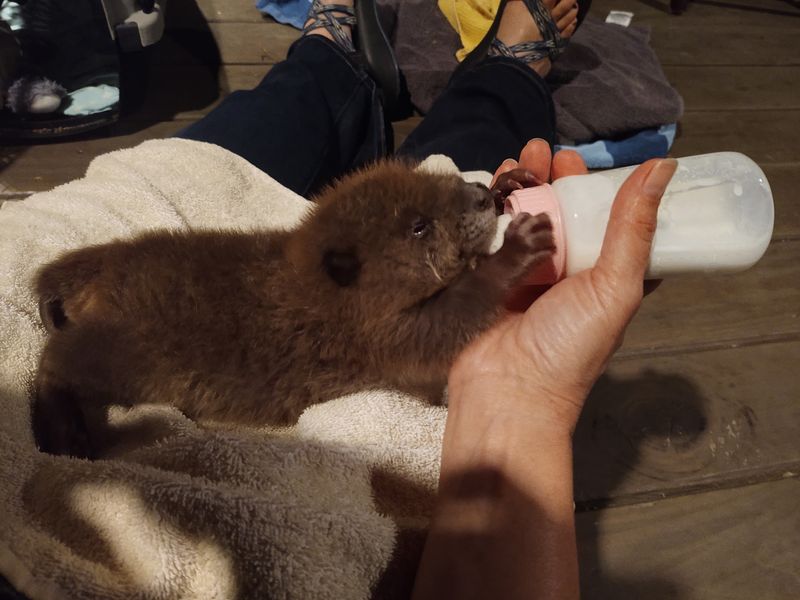
Think about that for a second. Baby squirrels in laundry rooms and songbirds on kitchen counters, all handled by people who simply cared.
A big step came in 2010. A donation provided a starter center, giving operations a real home base for the first time.
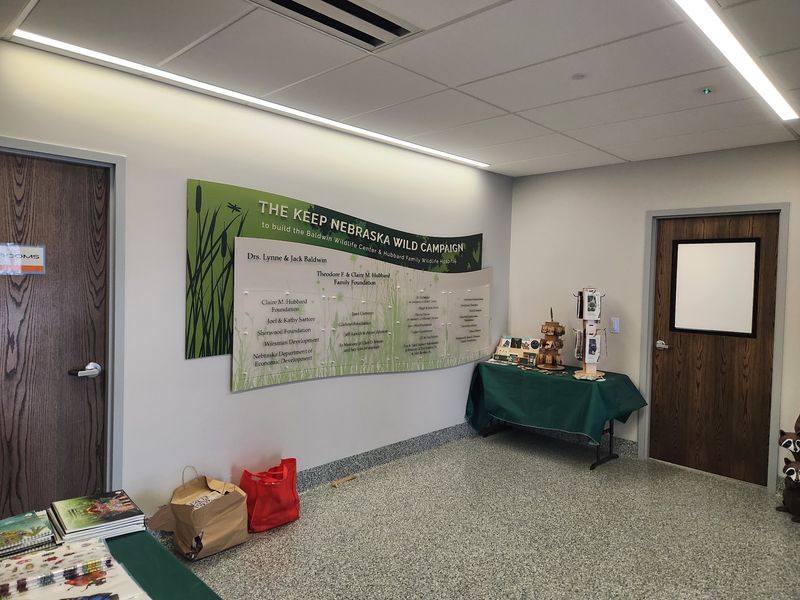
Then 2021 changed everything. The Baldwin Wildlife Center opened, giving the organization a state-of-the-art hospital and rehabilitation center.
It’s a classic Nebraska story in many ways. A group of determined neighbors started small, kept showing up, and eventually built something remarkable.
The growth didn’t happen because animals suddenly needed more help. It happened because people kept finding them and needed somewhere to turn.
Today the organization describes its commitment as protecting the health, habitat and heritage of Nebraska’s wildlife. Not bad for a group that once worked out of spare rooms.
CT Scans And Surgery For Squirrels And Songbirds
A CT scanner for a sparrow? It sounds wild until you realize how fragile these patients are.
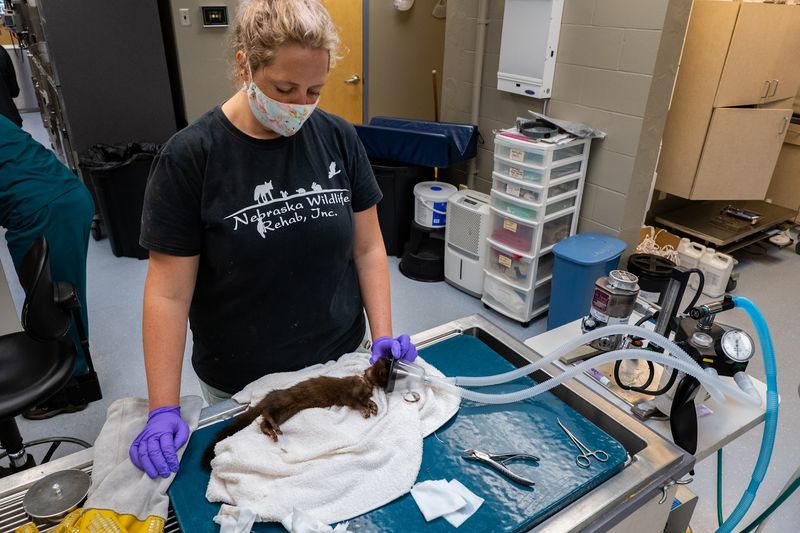
The hospital at the Baldwin Wildlife Center has digital radiography, CT, endoscopy and ultrasound. There’s also a surgical suite and an extensive laboratory.
That lineup lets the team find problems that aren’t visible from the outside. A bird might look fine yet hide a fracture or internal injury.
Advanced diagnostics mean quicker answers. Quicker answers can mean better outcomes for animals that don’t handle stress well.
The equipment also helps with hard decisions. Wildlife rehab aims to return animals to the wild, so each patient needs a realistic path to independence.
Release is the goal, not keeping animals in captivity. Accurate diagnostics help the staff decide what care gives each patient its best chance.
It’s the kind of setup many people never expect to find for wildlife. Most of us picture a cardboard box and a heat lamp.
Here, a cottontail might get the same kind of imaging you’d get after a fall. That’s a pretty good deal for a rabbit.
Bats Get Their Own Spotlight Here
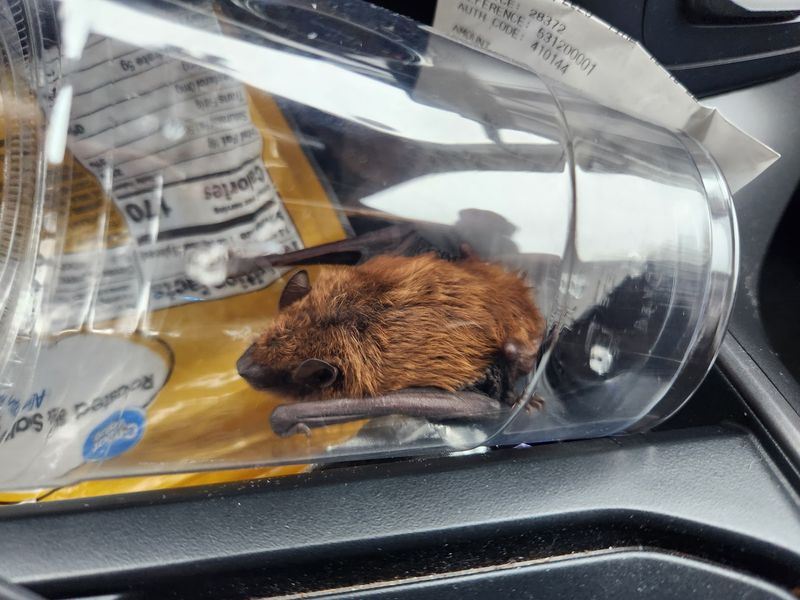
Few people know that Omaha hosts one of the largest bat rehabilitation centers in the United States. Yes, bats.
Nebraska Wildlife Rehab takes in a wide range of bat patients. These little flyers often need help when cold weather leaves them sluggish or when pups get separated from their mothers.
Bats might not win popularity contests. Still, they play a big role in keeping insect numbers in check.
The best part comes each spring. The organization hosts a public bat release, a rare chance to watch recovered bats head back out into Nebraska skies.
How often do you get to cheer for a bat? This is one of those Nebraska experiences that makes for a great story later.
A quick safety tip fits here too. If you ever find a bat, don’t touch it with bare hands, and contact the center for guidance.
Gentle containment and quick contact give the animal its best shot. The experts take it from there.
Honestly, a town that rallies around bats has its priorities in a pretty good place.
Hawks, Owls And A Powerful Partnership
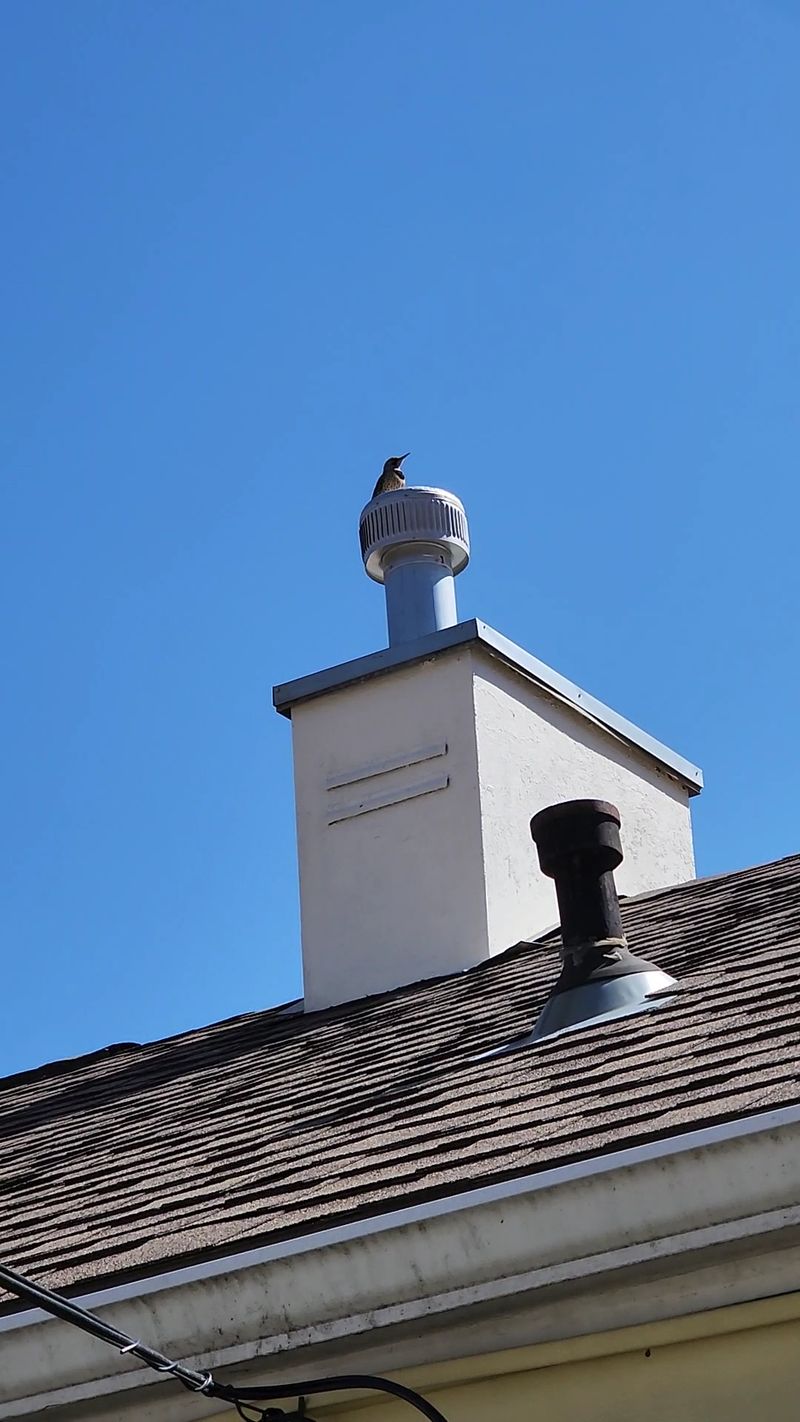
Raptors bring a different set of challenges. Sharp talons, powerful beaks and very specific care needs come with every hawk and owl.
That’s why Nebraska Wildlife Rehab partners with Raptor Conservation Alliance. The teamwork pairs NWR’s veterinary resources with RCA’s raptor rehabilitation expertise.
Raptor Conservation Alliance brings serious experience to the table. It carries a 45-year history under Raptor Recovery Nebraska.
Its facilities have admitted more than 14,000 raptors over that time. That’s a mountain of experience with eagles, hawks, owls and falcons.
The collaboration makes a lot of sense. One group offers advanced diagnostics and surgery, while the other knows how to get birds of prey flight-ready again.
Raptors need strong flying and hunting skills before release. A bird that can’t catch its own food won’t do well outside.
Working together means injured and ill raptors across Nebraska get specialized medical treatment. It’s a smart example of two groups doing what they do best.
Next time you spot a hawk perched on a highway sign, it might be a former patient. You’d never know it.
Spring Turns The Nursery Into A Very Busy Place
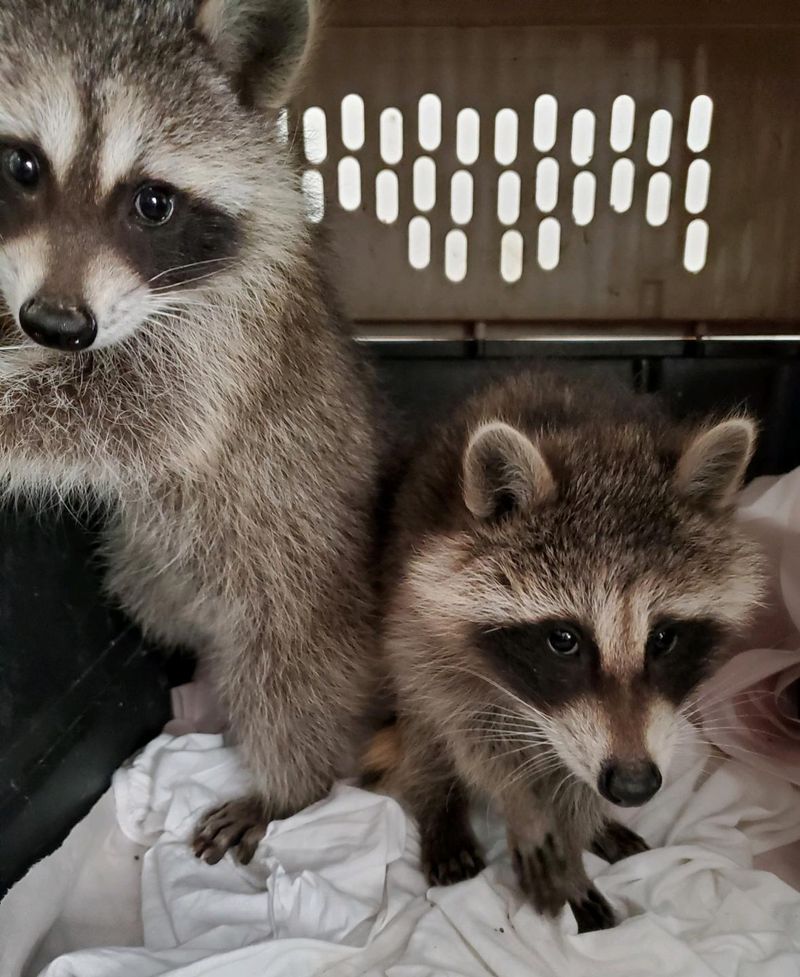
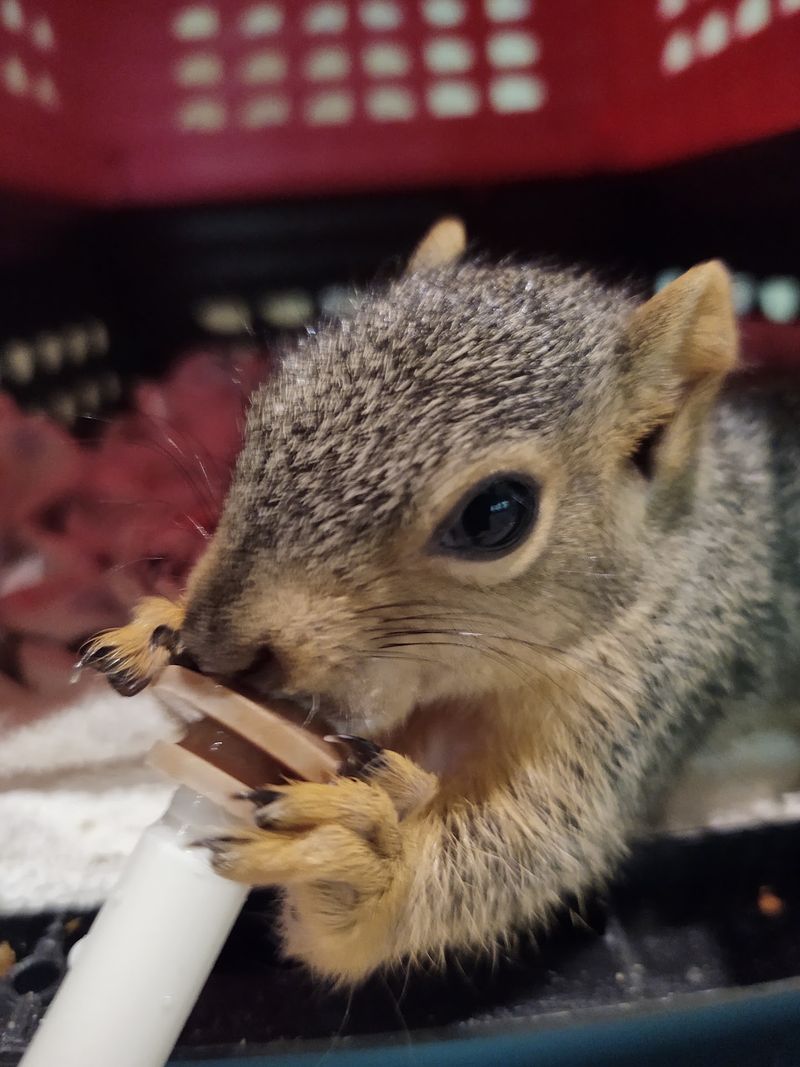
Baby season hits like a tidal wave. The numbers from May show it clearly, with over 1,200 animals arriving in just two weeks.
Bunnies, baby squirrels, nestling birds and young opossums fill the nurseries. Many come in after storms, mowing, or a curious family dog.
Here’s a twist many people don’t expect. Not every baby animal alone actually needs rescuing.
Fledgling birds often hop on the ground while parents feed them nearby. Rabbit mothers usually visit their nests only briefly, so an empty-looking nest may be just fine.
That’s why calling first helps. Staff can talk you through whether a reunion with the parents makes more sense than a trip to the center.
Turtles get seasonal attention too. If you help one cross a road, move it in the direction it was already heading.
For those who love watching from home, NWR offers patient webcams. Some show the nurseries, where tiny patients eat, sleep and grow.
Good luck closing that browser tab. Baby animals have a way of stealing an entire lunch break.
Classrooms, Interns And Future Wildlife Heroes
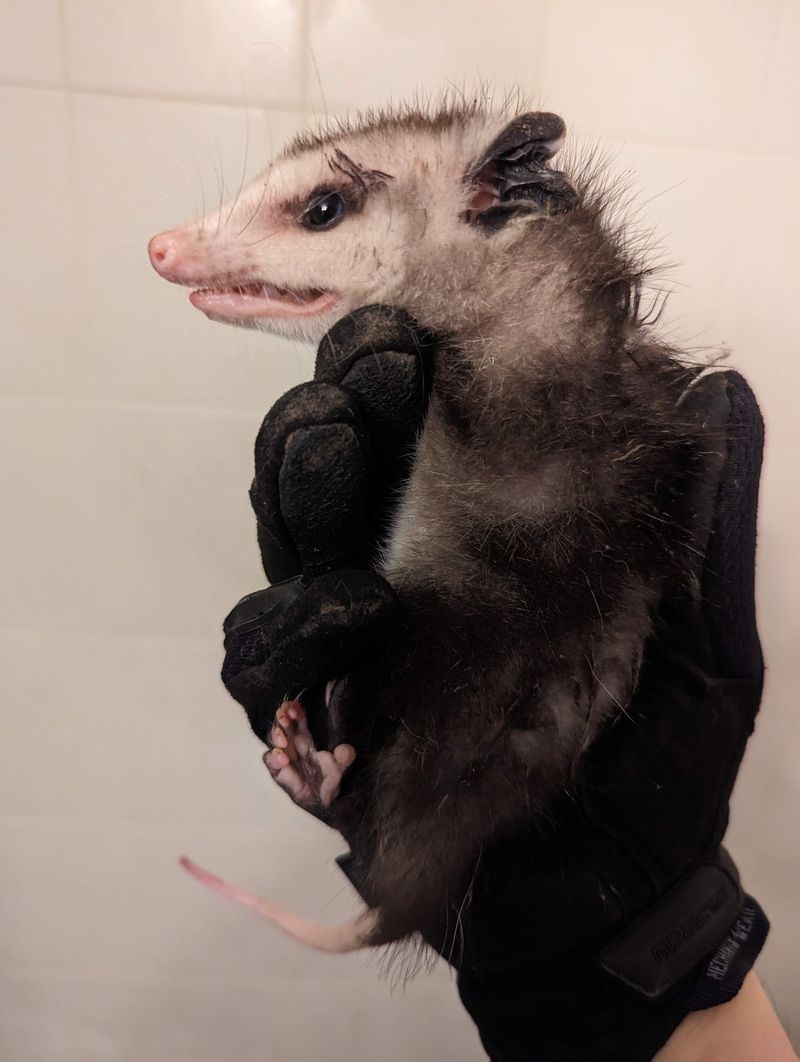
Education isn’t an afterthought here. It’s half of the mission, and the programs reach students of nearly every age.
Elementary and middle school kids take part in after-school programming. Older students can join a High School Science Academy.
University students get an even deeper experience. The organization offers 15 full-time summer internships, and they’ve been fully paid since 2024.
That paid detail matters. It opens the door to students who might not afford an unpaid summer otherwise.
Dozens of additional wildlife programs run throughout the year too. The goal is simple, helping people understand how to share space with wild neighbors.
A lot of wildlife injuries happen by accident. Better knowledge can reduce those accidents over time.
NWR also serves as the wildlife partner for the Nebraska Humane Society and other animal control agencies. It offers them training and rescues wild animals they encounter.
So a kid learning about bats today might be a vet tomorrow. That’s the kind of ripple effect Nebraska can be proud of.
What To Know Before You Bring In An Animal
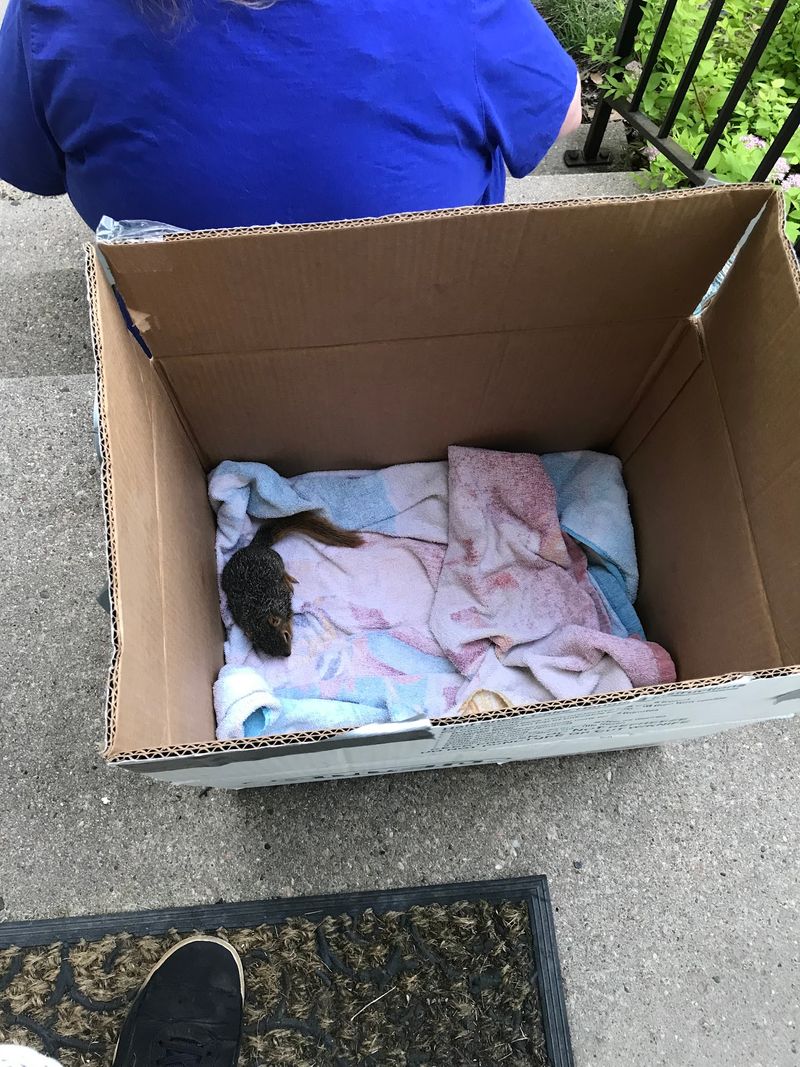
Found an animal that needs help? Head to the Baldwin Wildlife Center at 9777 M Street in Omaha, NE 68127.
Drop-off hours run from 11 a.m. to 7 p.m. every day of the week. Those hours are a bit different from a typical clinic, so plan ahead.
Calling first is a smart move. Staff can help decide whether the animal truly needs care or might reunite with its family.
Be ready to transport the animal yourself. The center generally relies on the public to bring wildlife in.
A ventilated box with a lid works well for most small animals. Keep it somewhere quiet, dark and warm while you travel.
Skip the food and water unless staff tell you otherwise. Well-meaning snacks can sometimes cause more harm than good.
Once inside, handling stops at the front desk. The center limits human contact to protect animals from stress and people from disease.
Kids may want one last snuggle. Prepping them ahead of time can make the goodbye a little easier.
A Place Worth Cheering For, Even From Your Backyard
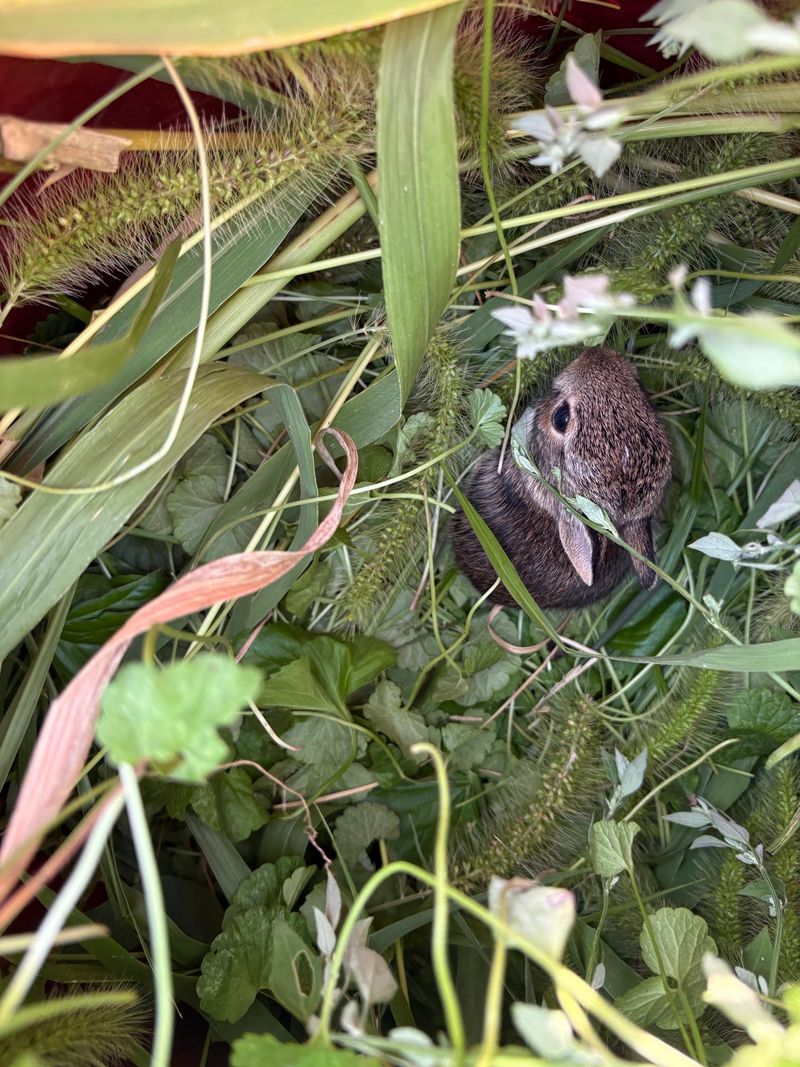
Plenty of Nebraskans will meet this place in a moment of panic. A bird hits a window, a nest falls, or the dog finds something small and furry.
Nebraska Wildlife Rehab turns those moments into second chances. Thousands of animals each year get care and, whenever possible, a return home.
Support can be surprisingly simple. The center accepts donations, including fresh produce from backyard gardens for the patients.
Extra zucchini finally has a purpose. Your garden surplus could become lunch for a recovering rabbit or turtle.
Amazon Wish Lists cover critical supplies too. There’s also a gift shop at the center, with purchases helping fund the work.
I believe this is one of the most quietly important spots in Omaha. It touches suburban yards, farm fields and city sidewalks all across Nebraska.
You might not need it today. Still, it’s good to know where to go when a tiny life lands in your hands.
And that springtime bat release? It might be the most uniquely Nebraska outing you didn’t know you were missing.