This Nevada Mining Outpost Has A Basque Kitchen Where Strangers Become Neighbors
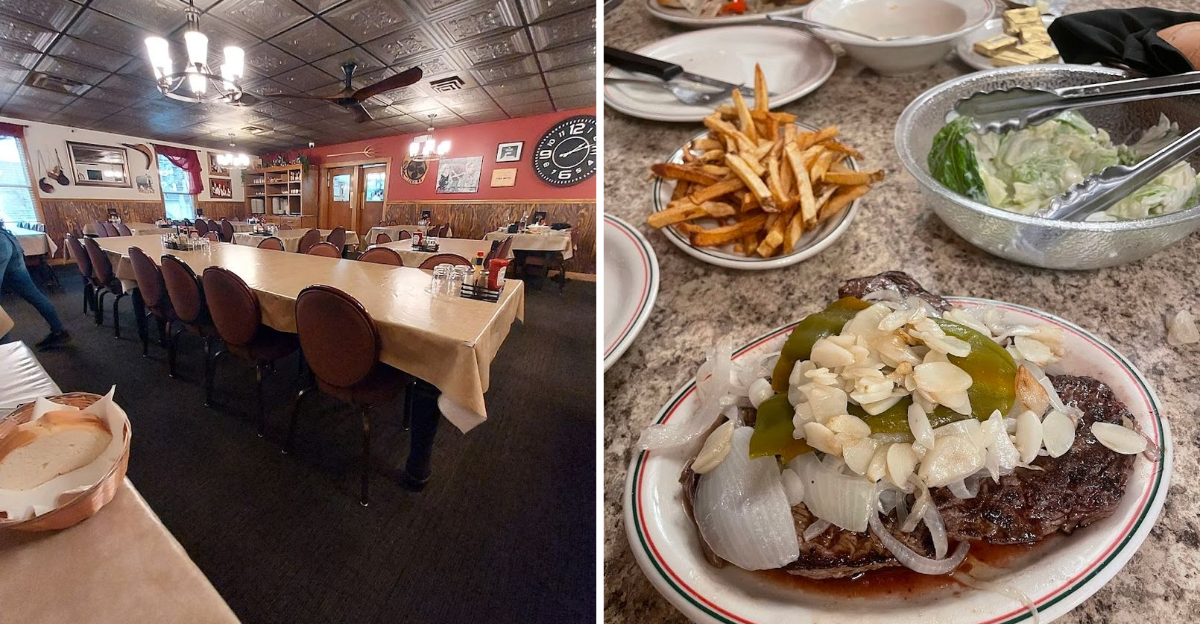
In a remote Nevada mining outpost, dinner is not a solo experience. Long tables fill up fast, and strangers quickly become tablemates.
This is communal Basque dining, a tradition brought over by immigrant miners and still alive today. Hearty, family-style meals arrive in waves, meant to be shared and talked over.
There is no rush, just conversation, passing dishes, and meeting people you did not expect to sit with.
The setting feels raw, historic, and completely different from modern restaurants. It is one of those rare places where food is only part of the story.
And by the end of the night, you might find yourself thinking, isn’t that what dining is supposed to be?
Mining Roots Of The Town
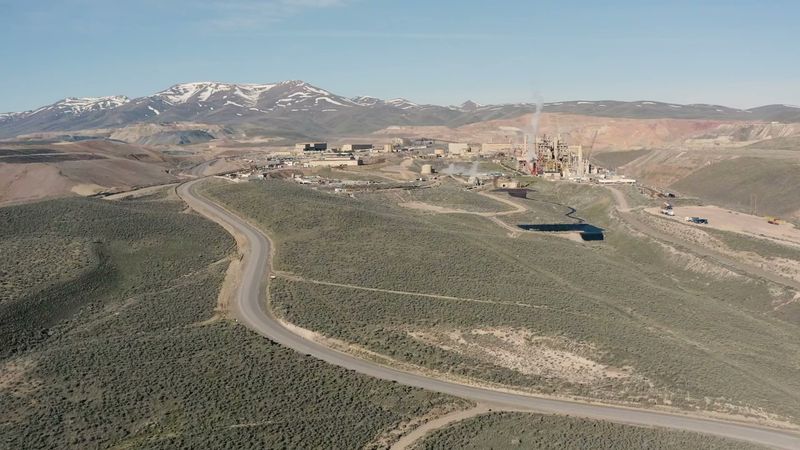
The settlement was established during the expansion of iron rails across the high desert during the late nineteenth century.
Gold and silver finds in the nearby peaks drew fortune seekers from every corner of the continent. The village expanded with incredible speed to meet the needs of the growing population.
It quickly became an important regional hub in northeastern Nevada. Extraction of precious metals has remained the backbone of the local economy since those early days.
The experience inside The Star Hotel Basque Dining is rooted in a much larger story that begins with mining.
Large-scale mining operations in the surrounding region still contribute significantly to Nevada’s gold production today. Specific geological formations north of the city hold some of the deepest deposits in North America.
Strolling through the center of town reveals a persistent frontier spirit that defines the region.
Northeastern Nevada Museum documents this evolution from simple tools to massive modern machinery. Every exhibit tells a story of perseverance and hard labor in a harsh environment.
The city owes its existence to the riches hidden beneath the desert soil. Miners arrived with dreams of striking it rich.
Their legacy is visible in the architecture and the layout of the streets. This foundation allowed the community to thrive despite the isolation of the desert.
Basque Immigration History
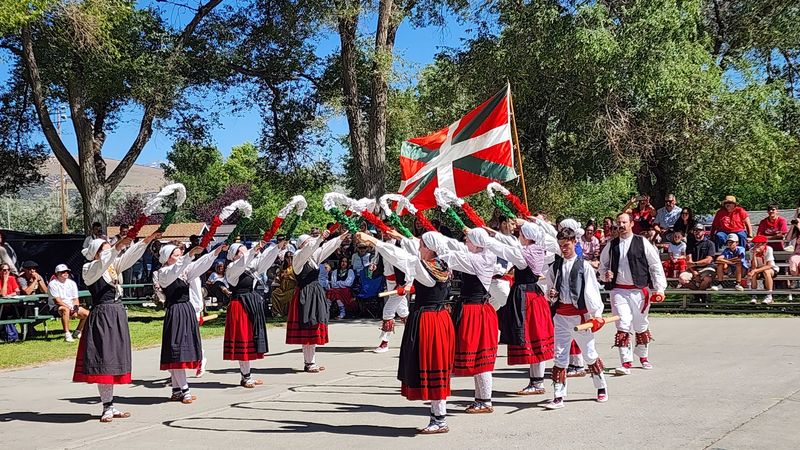
The communal tables at The Star Hotel Basque Dining trace back to the arrival of Basque immigrants in the late 1800s.
The rugged rangelands were ideal for herding sheep, a vocation these newcomers understood deeply from their distant homelands. They took positions on isolated territories to manage large flocks while enduring the solitude of the open range.
When these herders returned to the village, they required a place to rest and reclaim their sense of belonging. This practical need led to the creation of unique boarding houses that served as the social heart of the community.
Elko grew into a primary center for this heritage where families raised children and established lasting traditions. While the National Basque Festival celebrates this legacy through music and dance, the most enduring connection is found at the table.
The resilience required for survival on the range transformed into a culinary culture built on generosity and shared strength. Today, this living history is best experienced through the robust flavors and communal rituals of a traditional Basque kitchen.
Shared Plates In The High Desert
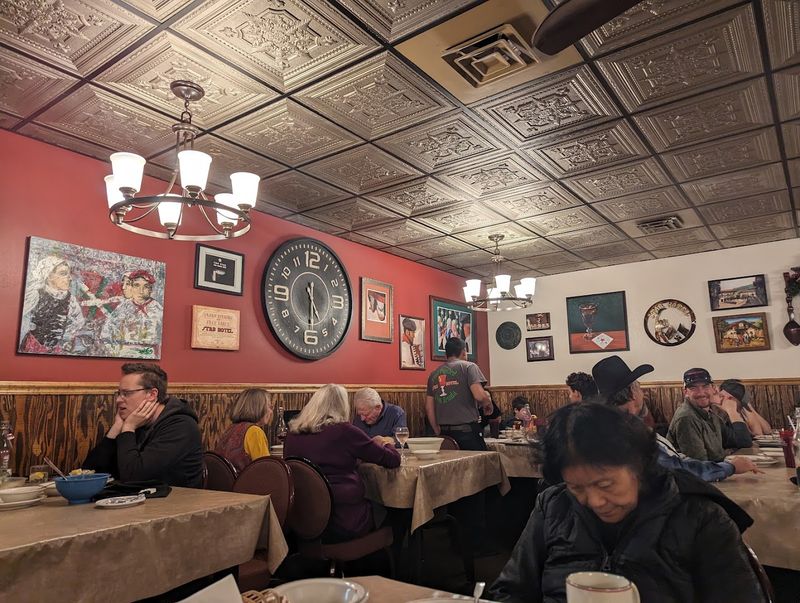
Inside The Star Hotel Basque Dining, solitary dining is rarely the norm. Huge wooden surfaces fill up quickly as guests sit beside individuals they have never met before.
This is the essence of communal gathering in the Great Basin. It is a custom established by workers from overseas that remains a cornerstone of the community.
Robust, shared platters arrive in a continuous flow from the kitchen. Everyone is encouraged to participate in the feast and the dialogue.
There is no pressure to finish quickly or leave early. The night revolves around passing plates and making unexpected acquaintances.
The environment is unpolished and rich with historical significance. You will quickly realize that nutrition is only one part of the narrative.
By the end of the evening, you might rethink what a social gathering should look like. The simplicity of the arrangement encourages a rare type of openness among strangers.
Laughter often echoes against the old walls as the night progresses. It is a stark contrast to the quiet, isolated dining experiences common in modern cities.
A Century Of Culinary Heritage
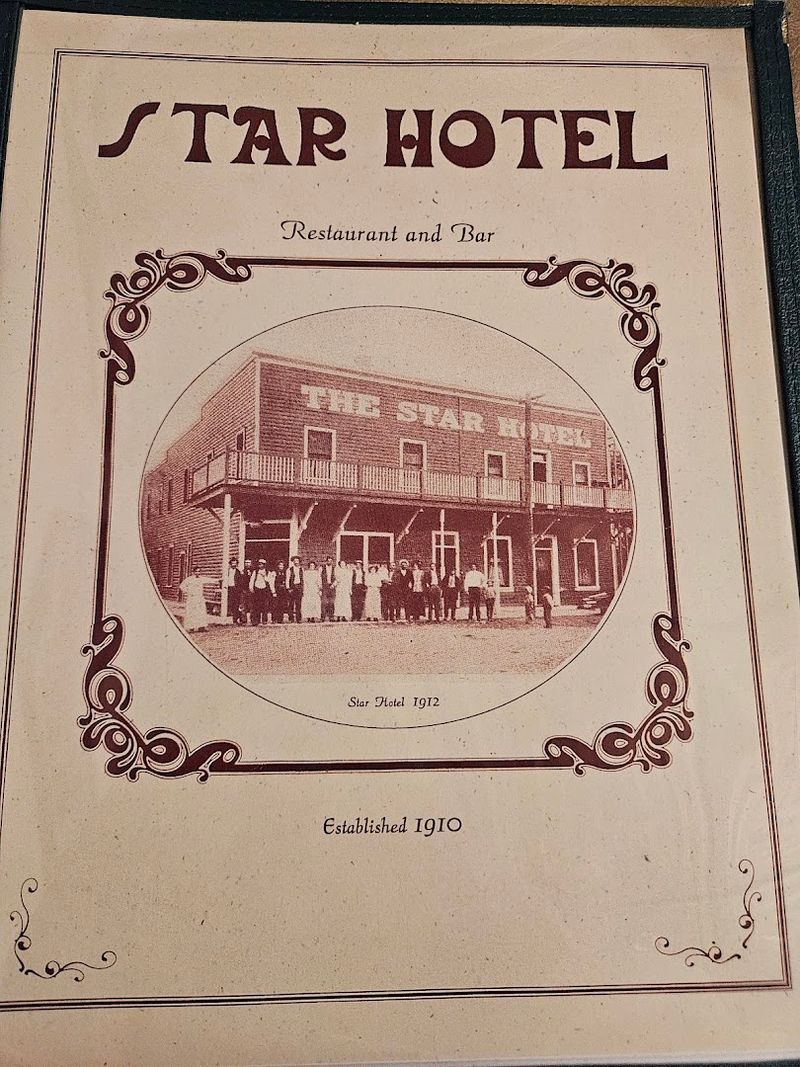
Since its doors first opened, this iconic establishment has stood as a steadfast guardian of Basque tradition in the American West.
A visit through the door at 246 Silver Street feels like crossing a threshold into a different era where recipes remain untouched by fleeting modern trends.
It is one of the last remaining links to the historical era of great sheep drives, preserving a cultural history that is tasted in every spoonful of soup and every crusty slice of freshly baked bread.
The building itself exudes a sense of permanence, with its weathered exterior hiding a world of warmth and culinary consistency that has survived world wars, economic shifts, and the changing landscape of Nevada.
For over a hundred years, the kitchen has been the beating heart of this structure, churning out meals that tell the story of immigrants who brought their flavors across the ocean to the high desert.
This isn’t just about food; it is about the endurance of a people and the preservation of a way of life that refuses to be modernized or diluted.
The dedication of the staff at The Star Hotel Basque Dining ensures that future generations can still experience the true soul of Basque heritage. Every visitor contributes to a narrative that has been written over a century of service and community spirit.
The Authentic Boarding House Experience
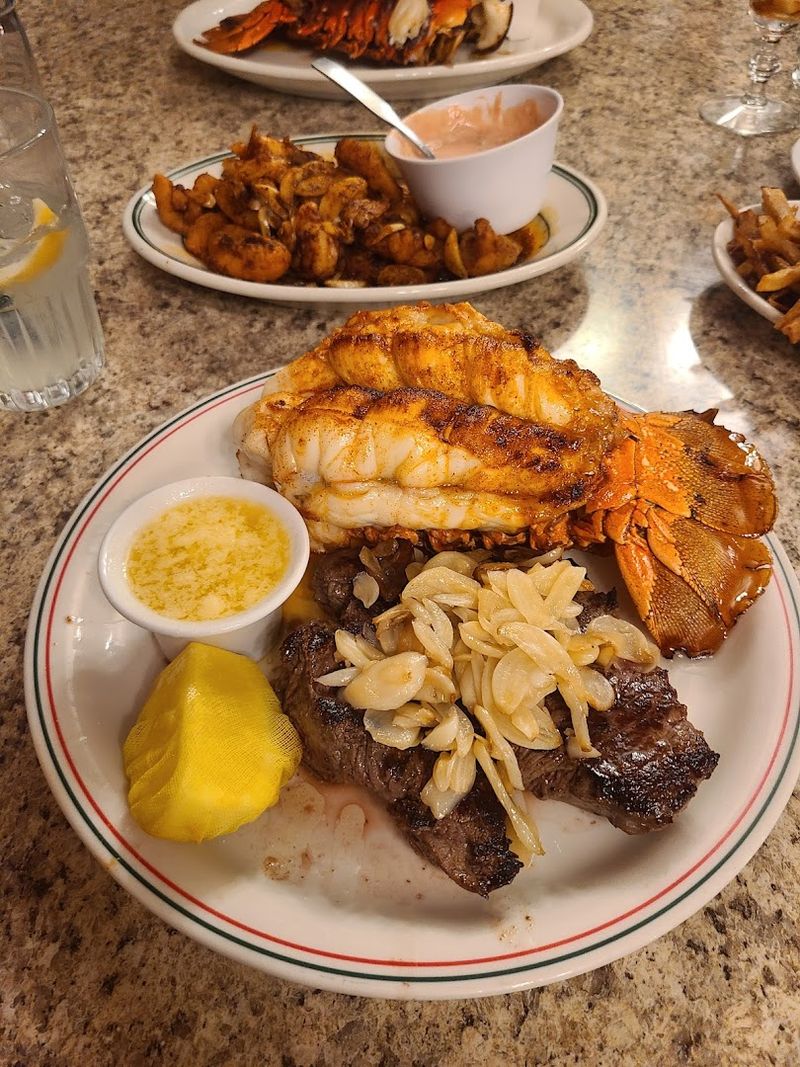
The Star Hotel remains remarkably true to its original purpose as a vital refuge for lonely shepherds seeking a genuine taste of home.
Unlike modern restaurants that prioritize high turnover, digital reservations, and individual privacy, this unique space thrives on the old-world boarding house model.
Here, the hospitality is raw, honest, and entirely unpretentious, focused on providing a weary traveler with a warm seat, a cold drink, and the comforting knowledge that they are part of a larger community.
The layout of the dining hall encourages a specific type of social interaction that has become increasingly rare in our isolated world.
There are no secluded booths or quiet corners for private whispers. Instead, the architecture of the room forces you to acknowledge the person sitting next to you.
This style of service grew out of a practical necessity for immigrant workers, but it has evolved into a cherished cultural ritual.
When you dine here, you are participating in a century-old tradition of collective care. The staff moves with a sense of purposeful familiarity, treating every guest not as a customer to be processed, but as a temporary member of a large, hungry, and welcoming family.
Generational Flavors And Hearty Comfort
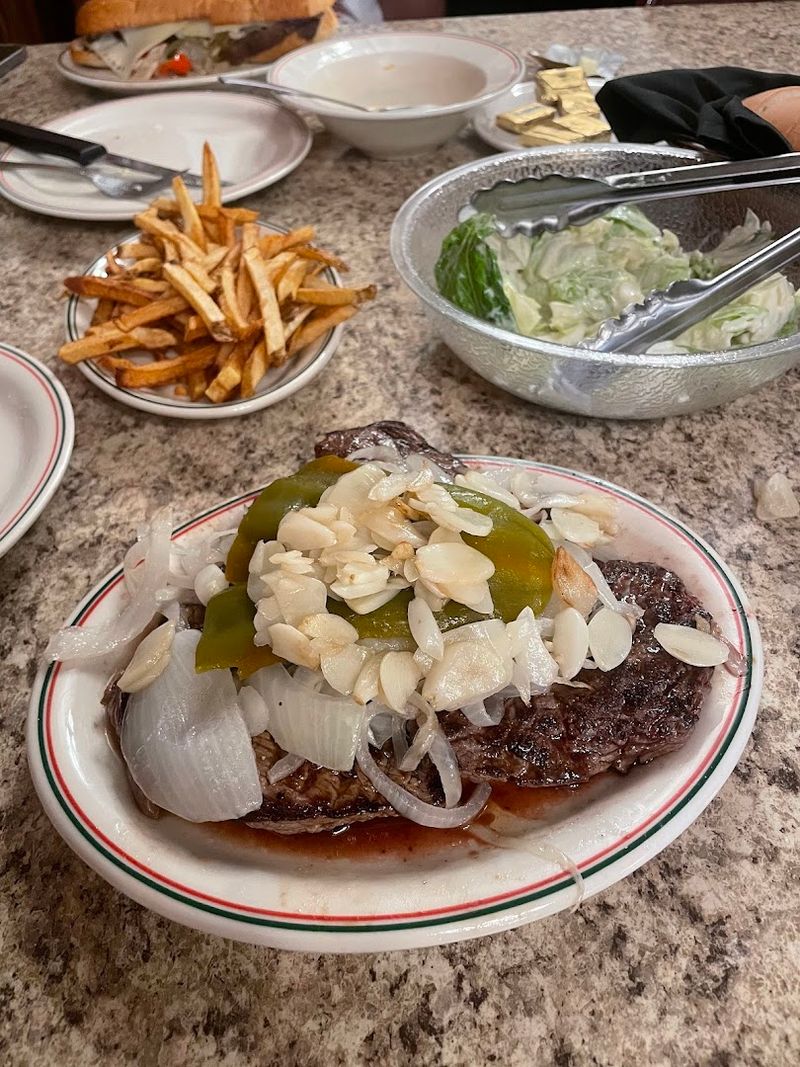
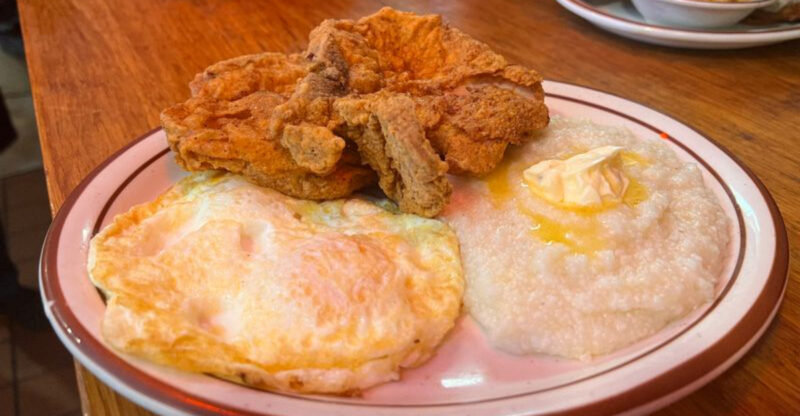
The menu at The Star is a masterclass in simplicity, endurance, and culinary grit. Every meal begins with the famous setup, a continuous parade of cabbage soup, fresh salad, slow-cooked beans, and golden fries that could easily stand alone as a feast.
These are dishes specifically designed to fuel hours of hard physical labor, served in massive portions that challenge even the most ravenous visitor.
The flavors aren’t masked by complex reductions or experimental garnishes; they rely entirely on the inherent quality of the meats and the seasoned soul of a traditional Basque kitchen.
From the tender leg of lamb to the perfectly seared steaks, the main courses are a testament to the region’s ranching roots. Eating here requires a certain level of commitment, as the food keeps coming until every person at the table is satisfied.
It is a style of cooking that values substance over style, prioritizing the kind of comfort that lingers long after the meal has ended.
For decades, the kitchen has maintained these exact standards, ensuring that a guest returning after thirty years will find the same nostalgic flavors they remember from their very first visit.
The Social Heart Of Downtown Elko
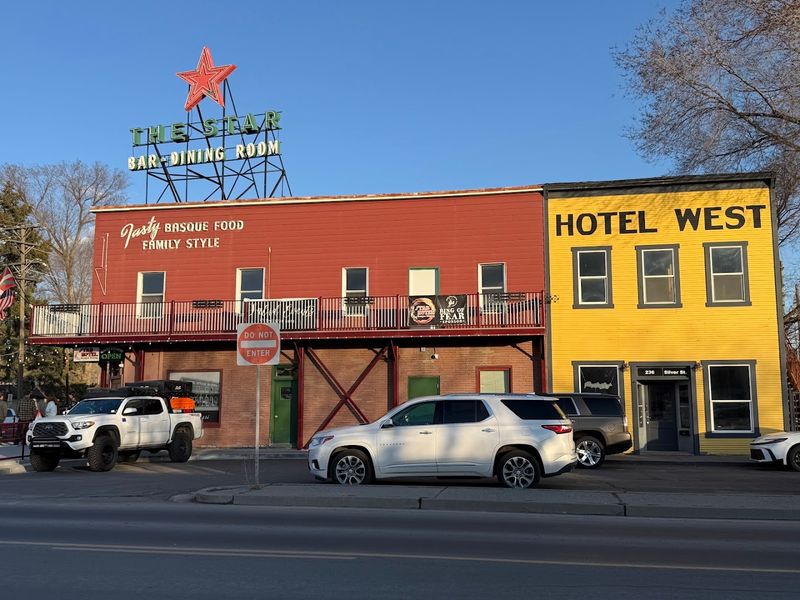
While the high desert has shifted through mining cycles and development, The Star Hotel remains a constant pillar of the downtown scene.
It is the sacred place where local families have gathered to celebrate weddings, graduations, homecomings, and anniversaries for multiple generations.
The atmosphere inside is thick with the accumulated stories of the people who call Elko home, making it far more than just a commercial place to eat.
It is the living room of the entire community where the weight of history is felt in the creaking floorboards and the quiet hum of conversation.
The building provides a bridge between the town’s rugged past and its evolving future, offering a sense of continuity in a fast-paced world. If you are a local rancher or a curious tourist passing through Nevada, you are treated with the same level of neighborly respect.
This establishment serves as a social anchor, holding the community together through shared experiences and the simple, universal act of gathering under one roof. Guests leave with a full stomach and a deeper understanding of the local culture and its enduring spirit.
Legacy Of The Long Wooden Table
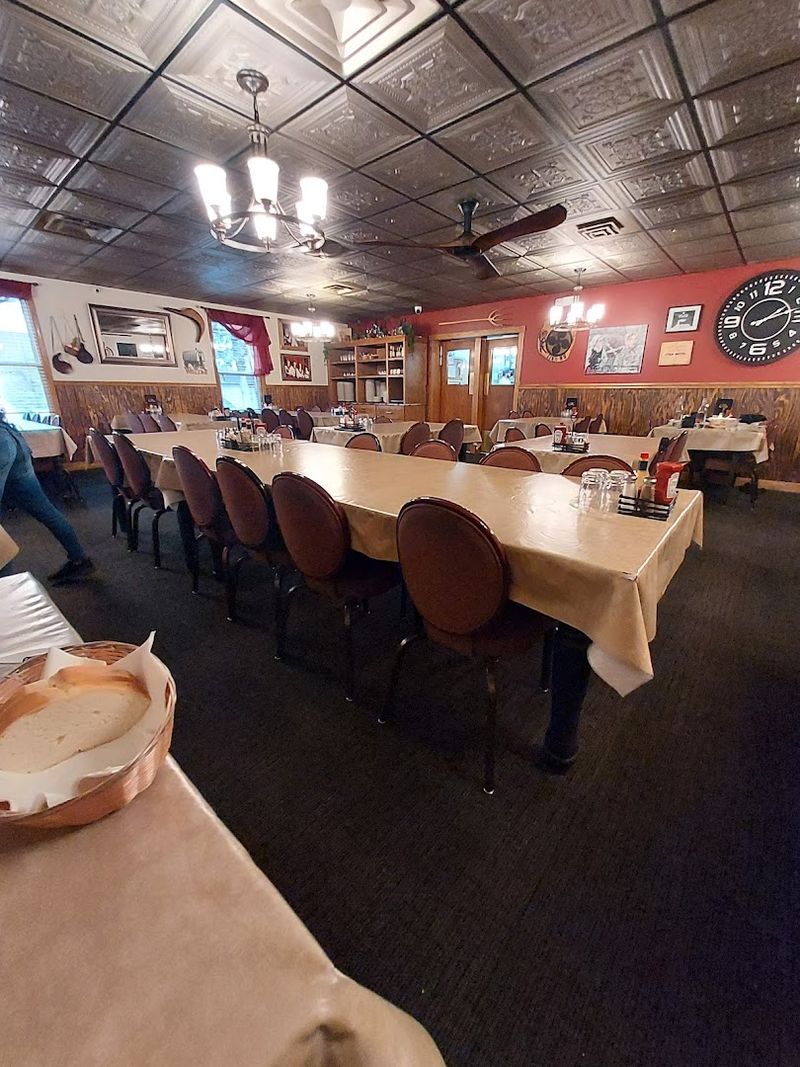
The true magic of the dining hall happens around its famous long wooden tables. In an age dominated by digital distractions and personal screens, the Star Hotel reinforces a different, more profound kind of human connection.
You might find yourself seated next to a veteran rancher who has lived in the Great Basin for eighty years, or a young traveler seeing the vastness of the high desert for the very first time.
As the heavy platters are passed from hand to hand, the artificial distance between strangers begins to evaporate.
Conversations spark over the passing of bread, proving that the simplest arrangement of a shared meal on a common surface is still a powerful way to bring people together.
This dissolves social barriers with remarkable speed, turning a room full of individuals into a temporary neighborhood.
By the time the coffee arrives, the initial silence has usually been replaced by laughter and the exchange of stories. This legacy of the shared table is the hotel’s greatest gift to its guests, offering a rare opportunity to step out of isolation and into a collective experience.