This New Hampshire Town Offers New England Charm Without The Boston Markup
Everyone loves that classic New England charm until they see the Boston price tag. You want the cobblestone streets and cozy cafes, not the second mortgage.
This New Hampshire town gives you the whole postcard without the painful bill. Picture historic architecture, walkable streets, and that easy small town warmth.
You get the scenery and the character at a fraction of the cost. Local shops actually feel local instead of polished for tourists.
The restaurants serve real flavor without charging you for the zip code.
You can wander, browse, and linger without watching your wallet shrink. It feels like New England slowed down and remembered to be affordable.
Weekend trips here leave you relaxed instead of financially bruised. Bring your camera and a healthy appetite for wandering.
This is the charm you came for, minus the sticker shock. So pack light and let this town show you a better deal.
The Downtown Historic Main Street
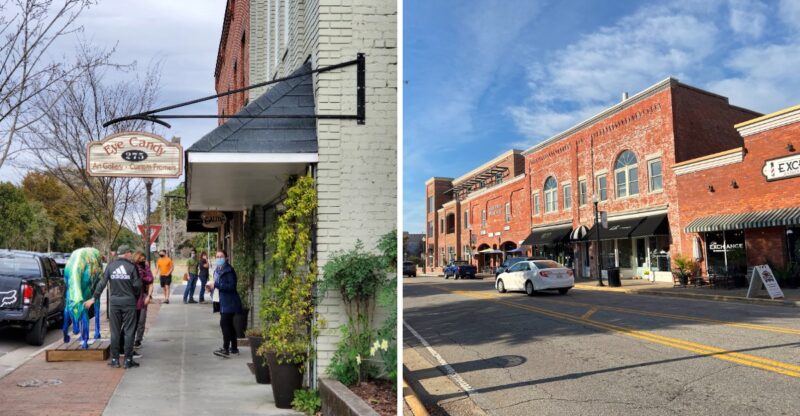
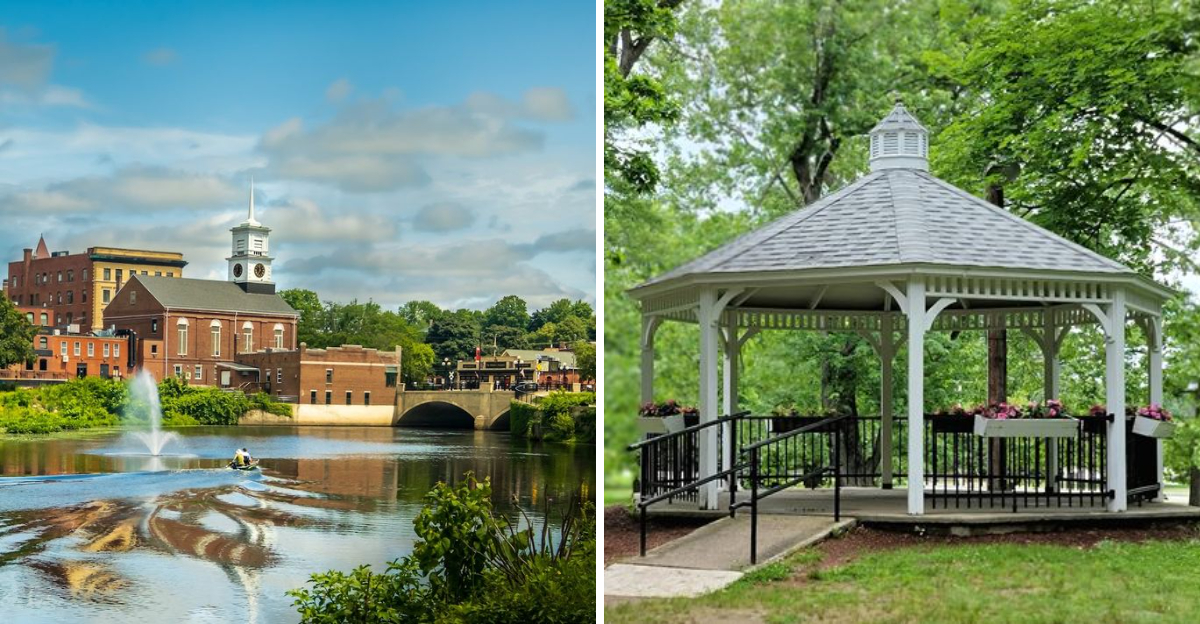
Nashua’s Main Street does not try to impress you. It just does.
The brick storefronts, the wide sidewalks, the mix of locally owned shops and cafes create a scene that feels genuinely lived-in rather than curated for tourists.
Visiting this stretch on a Saturday morning, you notice families stopping for coffee, neighbors chatting outside a bookstore, and absolutely no one rushing. That pace is rare.
It is also contagious.
Main Street has been the commercial heart of Nashua since the 1800s, and much of the original architecture remains intact. The buildings are not just pretty backdrops.
They house real businesses run by real people who actually know your name after a couple of visits.
Unlike Boston’s Newbury Street, where every storefront seems to charge a premium just for existing, Nashua’s Main Street keeps things refreshingly affordable.
A great lunch here costs what a mediocre lunch costs elsewhere. That alone makes it worth the drive up Route 3.
Mine Falls Park
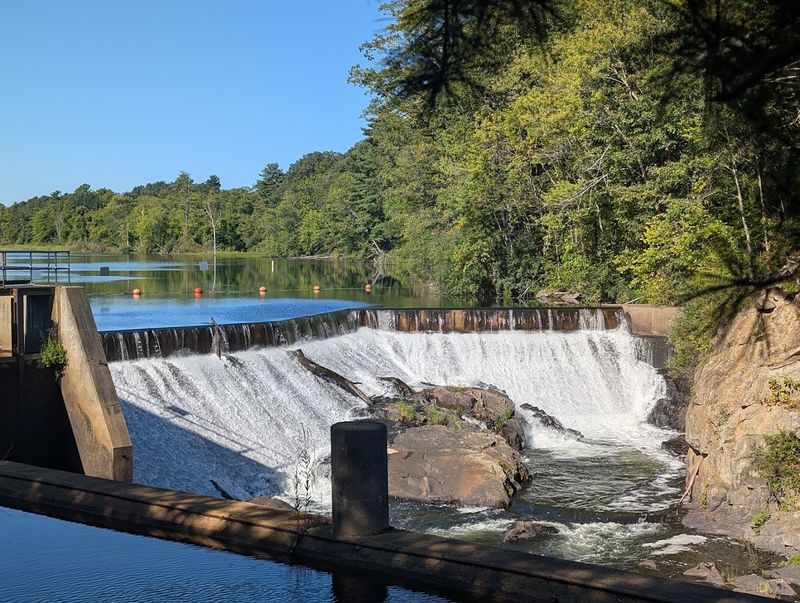
Mine Falls Park is the kind of outdoor space that makes city people question every life choice they have ever made.
Over 300 acres of trails, canals, and open meadows sit right inside the city limits, which sounds impossible until you are standing in the middle of it wondering where the traffic went.
The canal trail runs alongside a historic waterway originally built to power Nashua’s textile mills in the 19th century. Today it is a flat, easy path that works for everyone from serious trail runners to grandparents with strollers.
Few parks manage that kind of universal appeal without feeling bland.
Fall is the obvious time to visit, when the trees along the Nashua River turn every shade of orange and red imaginable. But honestly, spring is underrated here.
The wildflowers come in early, the crowds are thin, and the light through the new leaves is something worth getting up early for.
Best of all, parking is free and the trails are open year-round. No reservation required, no entry fee, no gift shop.
Just a genuinely excellent park doing exactly what a park should do.
The Nashua Farmers Market
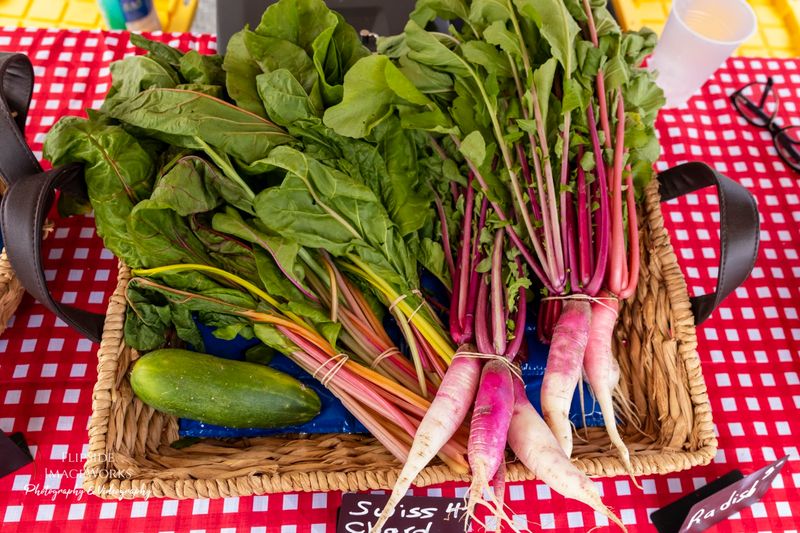
The Nashua Farmers Market is the kind of Saturday morning ritual that turns skeptics into regulars after exactly one visit.
Local growers, bakers, and makers set up along the riverfront, and the energy is cheerful without being overwhelming.
I picked up the best maple syrup I have ever tasted from a small family farm out of Merrimack County. The vendor spent ten minutes explaining the difference between grades, and I walked away with two bottles and a genuine education.
That interaction alone was worth the trip.
The market runs seasonally from May through October, with vendors rotating based on what is actually in season. That means you are never looking at tomatoes in April or squash in June.
Everything feels honest and timely, which is rarer than it should be.
Prices here are noticeably lower than comparable farmers markets in the Boston metro area, sometimes by a significant margin.
Fresh eggs, handmade bread, local honey, and seasonal vegetables are all priced for people who actually live here, not for weekend tourists looking for an experience to photograph.
Millyard Museum
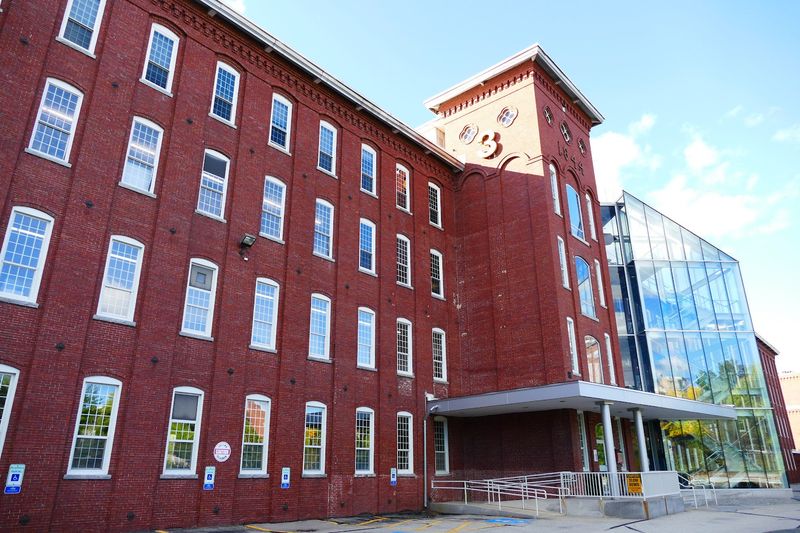
Nashua’s industrial past is not something the city hides. The Millyard Museum celebrates it with the kind of specificity that makes history feel personal rather than textbook.
The building itself is a former textile mill, and the bones of that structure are part of the exhibit.
The museum traces Nashua’s transformation from a small colonial settlement into one of New England’s most productive manufacturing cities during the 19th century.
Machinery, photographs, worker testimonials, and hands-on displays make the story easy to follow and genuinely interesting, even for people who do not consider themselves history buffs.
Kids respond surprisingly well to this place. The interactive sections are well-designed, and the scale models of the old mill operations give younger visitors something concrete to engage with rather than just glass cases full of old documents.
Admission is affordable, staff are knowledgeable and happy to talk, and the whole visit takes about 90 minutes at a comfortable pace.
For context on why Nashua looks and feels the way it does today, this museum is the best starting point. Understanding the city makes every other part of the visit land a little differently.
Holman Stadium
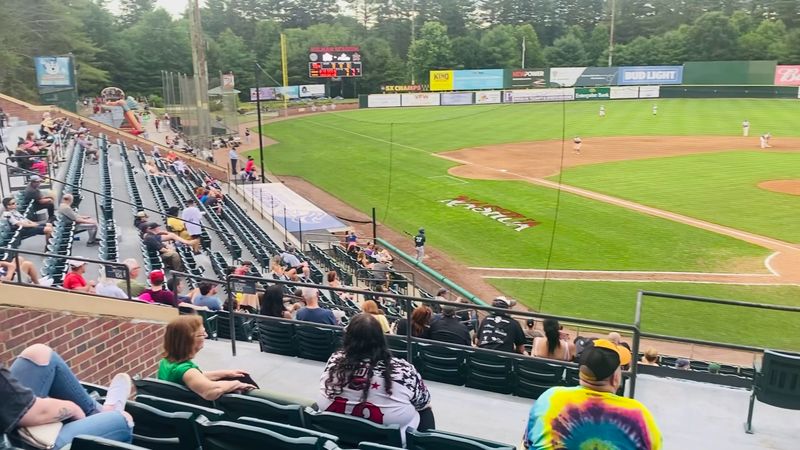
Minor league baseball has a specific kind of magic that major league parks have mostly engineered out of existence. Holman Stadium, home of the Nashua Silver Knights, still has it in abundance.
The seats are close, the atmosphere is relaxed, and the hot dogs are reasonably priced.
The Silver Knights compete in the Futures Collegiate Baseball League, which means you are watching talented young players who are hungry, focused, and playing for something.
The quality of play is genuinely high, and the games move at a pace that keeps even casual fans engaged through all nine innings.
Holman Stadium itself has a history worth knowing. It opened in 1937 and once hosted the Nashua Dodgers, a team that made history in 1946 as one of the first integrated professional baseball teams in the country.
That story alone gives the place a weight that the modern stadium experience usually lacks.
Summer evenings at Holman are a Nashua tradition for good reason. Families spread out across the bleachers, kids chase foul balls, and the sunset behind the outfield fence arrives right around the fifth inning like it was scheduled.
Tickets cost less than a movie.
Local Restaurant Scene On West Pearl Street
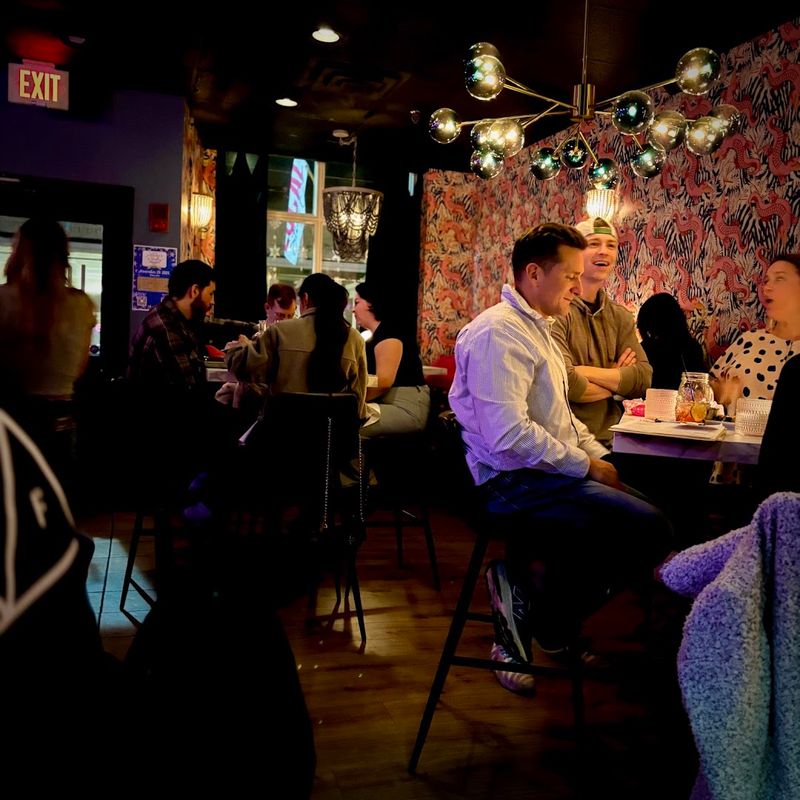
West Pearl Street is where Nashua’s food scene shows off without making a big deal about it.
The block has a rotation of independently owned restaurants covering enough ground to satisfy any craving, from Portuguese to Thai to classic New England seafood done right.
One dinner I had here involved a bowl of clam chowder so thick and properly seasoned that I genuinely stopped mid-bite to appreciate it.
No cream overload, no filler, just good clams and a broth that tasted like someone actually cared. That is the standard this street holds itself to.
Reservations are easy to get, even on weekends. That alone separates Nashua from Boston’s dining scene, where snagging a Friday table at a mid-tier restaurant can require a two-week lead time and a willingness to eat at 5:15 p.m. or 10:30 p.m.
Prices reflect a local economy, not a tourist premium. A full dinner for two with appetizers and dessert routinely comes in under what a single entree costs at a comparable Boston spot.
The quality gap? Barely noticeable.
In some cases, Nashua’s kitchens are simply better because they are cooking for neighbors, not for reviews.
Greeley Park
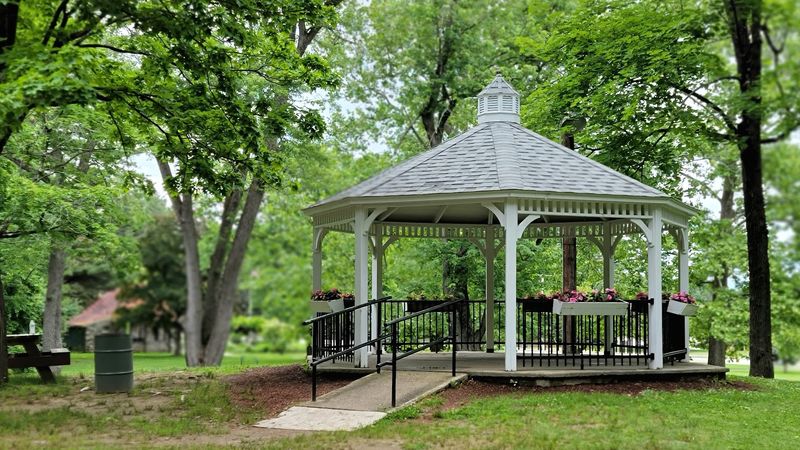
Greeley Park is the kind of place that reminds you what a public park is supposed to feel like.
Named after Nashua native Horace Greeley, the 100-acre space includes a bandstand, rose garden, sports fields, a small splash pad for kids, and enough shade trees to make a hot July afternoon genuinely pleasant.
The summer concert series held at the bandstand draws a loyal crowd every week. Bring a blanket, grab food from one of the nearby spots on Daniel Webster Highway, and settle in.
The lineup rotates through local and regional acts covering a range of styles, and the whole thing is free.
What strikes me most about Greeley Park is how well-maintained it is relative to its size. The grounds are clean, the facilities work, and there is a clear sense that the city takes pride in this space.
That kind of civic care is visible, and it says something good about the community that uses it.
Families with young children especially appreciate the layout. The splash pad and playground sit close together, which means parents can actually sit down for a moment without losing track of anyone.
That practical design detail is more valuable than any fancy amenity.
Proximity To The Massachusetts Border
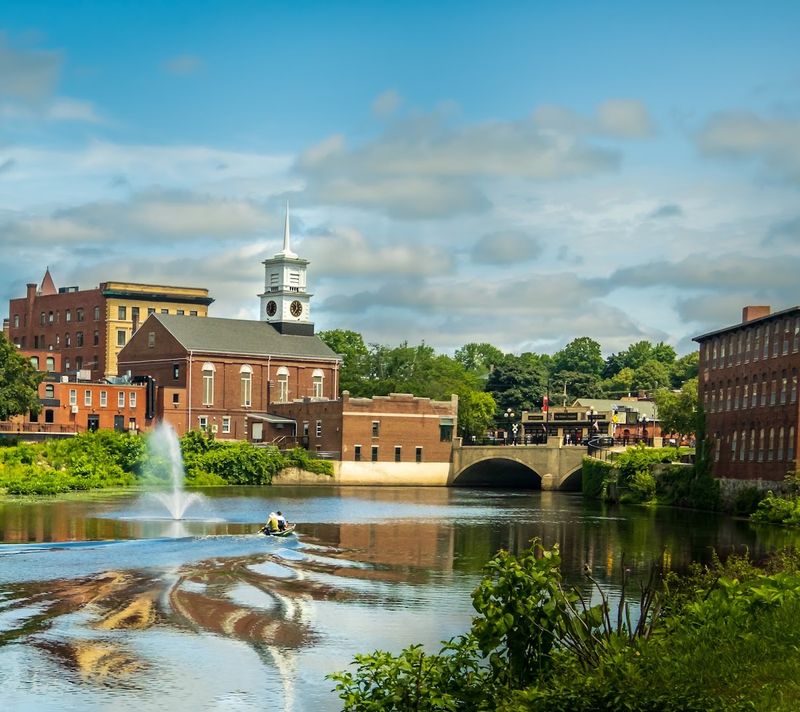
New Hampshire has no sales tax. That sentence is worth reading twice if you have spent any time shopping in Massachusetts, where the 6.25 percent rate quietly adds up over the course of a weekend trip.
Nashua sits less than two miles from the state line, which is not an accident in terms of why the city’s retail sector is so healthy.
The Pheasant Lane Mall in Nashua is one of the busiest shopping centers in New England specifically because of this tax advantage.
Shoppers from southern New Hampshire and northern Massachusetts make the drive regularly. Clothing, electronics, outdoor gear, and home goods all come out cheaper on the Nashua side of the border.
Beyond the mall, the concentration of outlet stores, big box retailers, and specialty shops along Daniel Webster Highway gives visitors real options across every budget.
It is practical rather than glamorous, but saving money on things you were going to buy anyway is its own kind of travel win.
Combine the tax-free shopping with Nashua’s lower restaurant prices and affordable lodging options, and a full weekend here costs noticeably less than a comparable trip to any major New England city.
The math is not complicated, and it works clearly in your favor.