This New 65-Acre North Carolina All-Inclusive National-Park Resort Is Hiding A Whole Smokies Adventure
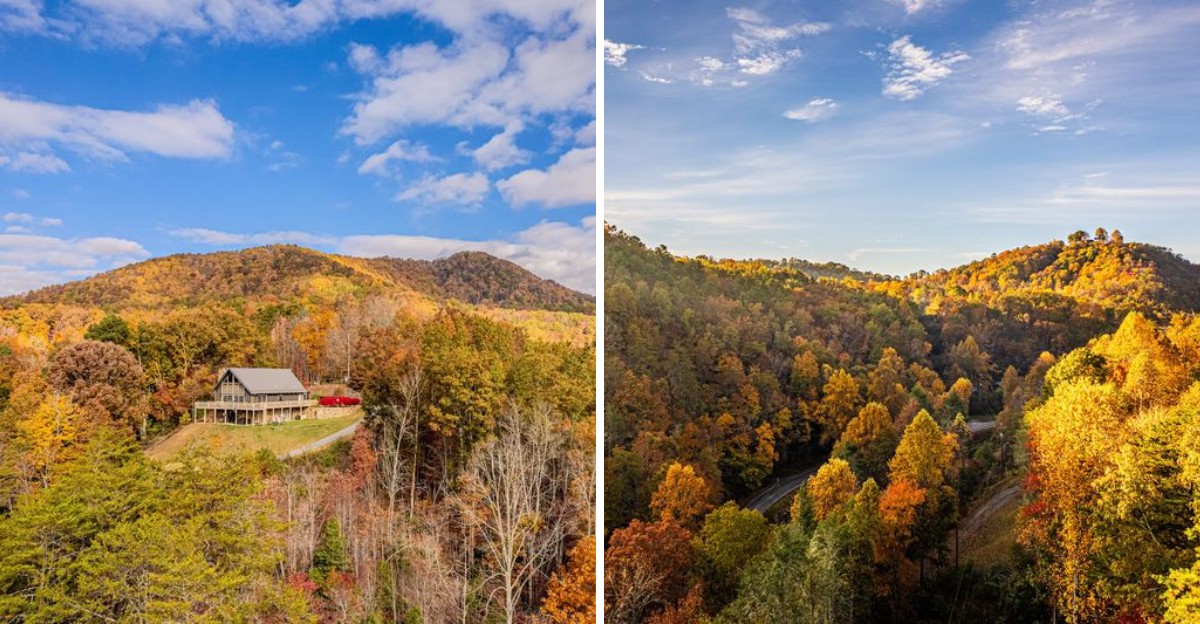
Somewhere beside the Smokies, somebody has quietly removed the most annoying part of a mountain vacation. The planning.
At this new North Carolina retreat, the idea is simple enough to feel suspicious.
You arrive, settle in, and let the mountain do most of the work.
Sixty-five acres gives the place room to breathe, which is exactly the point.
Nothing feels crowded or overly scheduled.
Even the national park next door somehow seems more private from here.
By evening, the whole stay starts feeling less like a hotel booking and more like borrowing your own little piece of the Smokies.
That is a dangerous thing to get used to.
More Than 65 Private Acres Sit Right Beside Great Smoky Mountains National Park
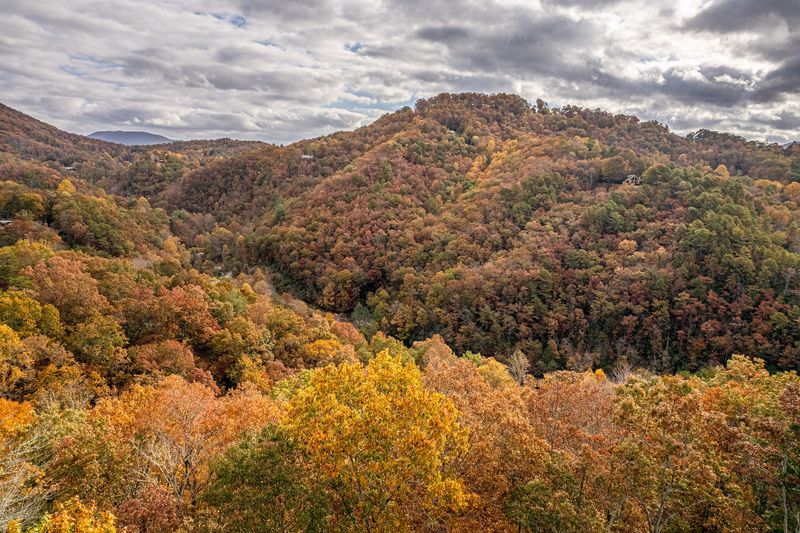
Step outside your door and the edge of Great Smoky Mountains National Park is right there, with no shuttle ride or parking-lot hunt involved.
The land rolls across more than 65 acres of hardwood forest, creek bottoms, quiet ponds, and a wooded ridge that climbs steeply behind the cabins.
Three Little Bears Retreat stretches along the Lakeview Drive gateway into the park, roughly five minutes from historic downtown Bryson City.
That proximity puts shops, cafes, and the railroad depot within easy reach while the property itself stays hushed and green.
A private trail network threads the acreage, following two creeks past hand-lettered signs that explain the plants and stones you pass.
The narrow valley keeps light pollution low, so the night sky turns unusually crowded with stars.
Children gravitate toward the pond and the hidden playground while adults drift uphill for the long view.
For a mountain property in North Carolina, this blend of elbow room and park access is genuinely uncommon, and it shapes every hour of a stay here.
You will find the entrance at 147 Nuwati Way, Bryson City, NC 28713.
Vintage Land Rovers Turn Wildlife Watching Into A Smokies Safari
Boxy, sure-footed Land Rovers idle near the trailhead while a guide flips through the morning’s tracking notes.
Doors close with a solid metal clunk that sets the tone for the day ahead.
The retreat calls these outings Smoky Mountain Safaris, and they turn ordinary wildlife watching into a proper expedition.
Riders scan for the region’s Big Five: bear, elk, boar, bobcat, and coyote.
Deer and wild turkey appear often, usually along meadow edges in the softer light of early morning or late afternoon.
Routes wander toward hidden waterfalls, high overlooks, and streams that chatter over mossy stone.
Windows down, you catch cool air, damp leaf litter, and the mineral smell of wet rock.
Guides stop for photographs and share the stories behind old homesites and the names printed on the map.
Nothing else in the Smokies offers quite this kind of luxury safari, and the pace suits mixed-age groups well.
Bring binoculars, a light jacket, and patience, because the finest sightings tend to arrive right after everyone stops talking and lets the forest settle back into its own rhythm.
Your Stay Can Include Everything From Waterfall Hikes To Fly-Fishing Adventures
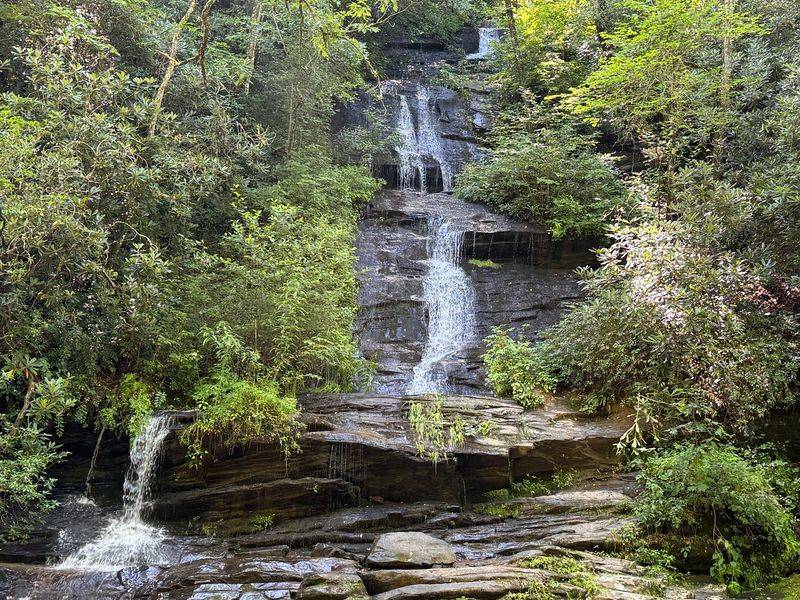
Waterfalls first, if you like.
Guided expedition hikes range from easy creekside strolls to summit climbs and routes leading to historic fire towers, matched to whatever your group can comfortably handle.
Mist often lingers in the coves at dawn, which makes early starts worth the effort.
Guides treat these walks as interpretive journeys rather than simple exercise.
They point out the geology underfoot, the ferns crowding the trail edge, and the human history folded into these hollows, explaining why the forest changes character as you gain elevation.
Anglers get their own program.
Fly-fishing excursions include guided backcountry trips to celebrated trout water in this corner of North Carolina, where cold streams tumble through rhododendron tunnels.
Expect wet boots, quiet casting, and the electric tug of a wild fish.
The activity list keeps going with animal tracking, e-bike rides, kayaking, archery, and slower mornings of tai chi or yoga.
Private trails, mountain streams, and still ponds on the property invite wandering whenever you skip the schedule.
Pack layers, broken-in shoes, and a refillable bottle, since mountain weather shifts quickly and the best days mix sun, drizzle, and surprise views.
Five Secluded Cabins And Lodges Make This Feel Nothing Like A Typical Resort
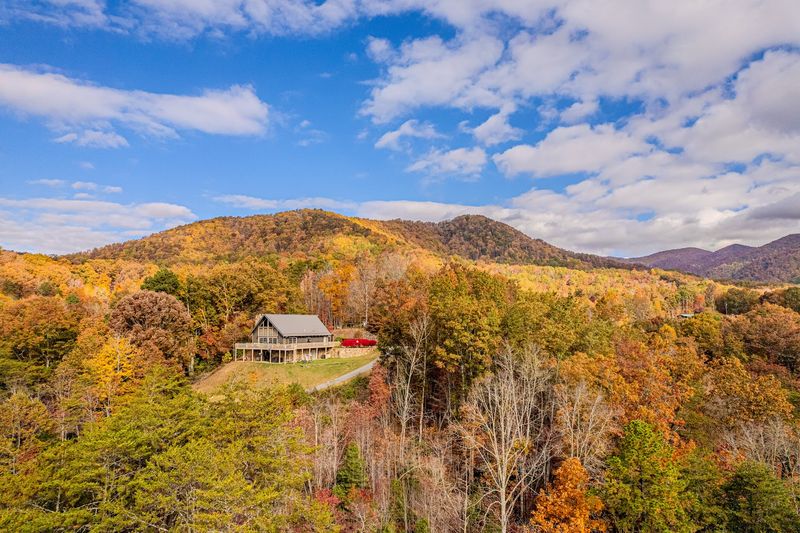
Forget long corridors, elevator chimes, and identical door numbers.
Five standalone retreats, a mix of cabins and lodges, sit spread across the property so each one feels like its own address in the woods.
Sizes stretch from snug quarters built for two to roomy lodges that sleep as many as 14.
Livingstone Station Lodge Retreat and The Teddy Frontier Lodge Retreat both hold multiple bedrooms and bathrooms, with names honoring famous explorers and conservationists.
Inside, Appalachian craftsmanship shows in timber beams, stonework, and small thoughtful details.
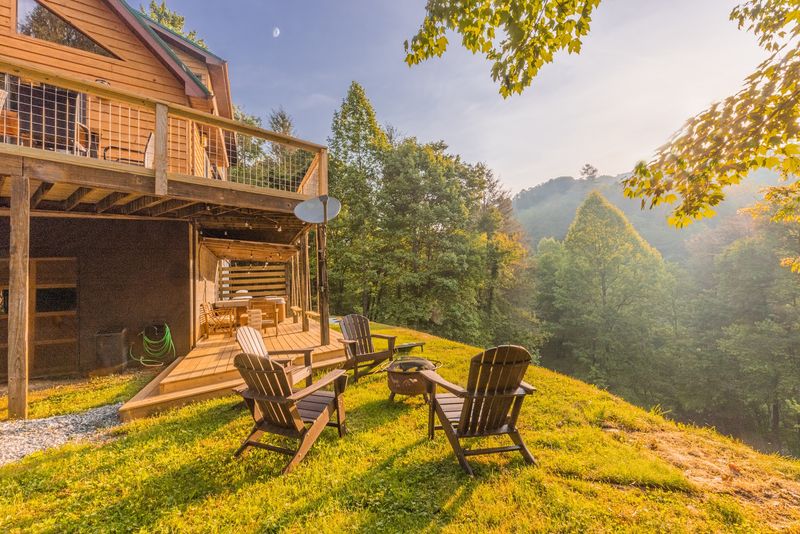
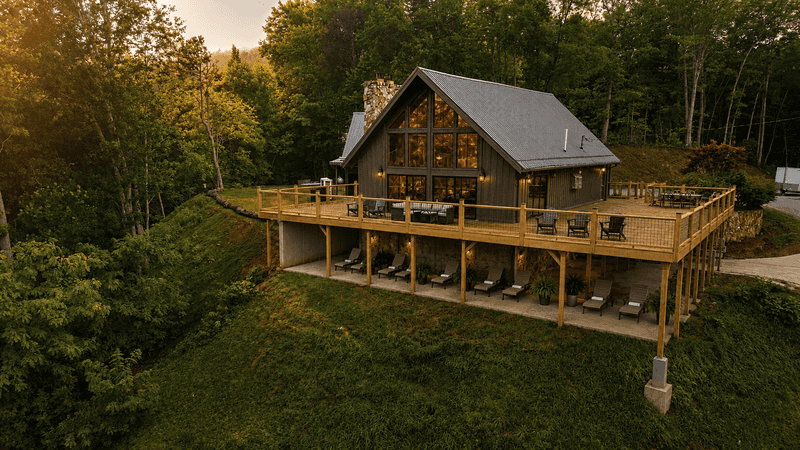
Modern comforts arrive without fuss: private hot tubs, outdoor fire features, full kitchens in some buildings, and wide decks angled toward the ridgeline.
Spacing matters here as much as design.
Buildings sit far enough apart that creek water and birdsong replace neighbor noise, yet close enough to shared amenities that nobody feels stranded up a mountain.
Multigenerational groups often reserve a lodge for gatherings and let smaller retreats handle couples who want quiet.
Ask about floor plans when booking, because bedroom arrangements, bathroom counts, and deck orientation differ noticeably from one building to the next.
Private Guides Handle The Planning Before You Ever Hit The Trail
Planning a Smokies trip can swallow a week of evenings: trail research, closures, shuttle times, and endless weather checks.
That work vanishes before you arrive.
Private guides design the days, reading trail conditions, wildlife corridors, and shifting mountain weather to pick routes that actually pay off.
By the time the Camp Cookery breakfast plates are cleared, the itinerary is already settled and the vehicles are ready. Along the way, guides hand over stories rather than scripts.
You hear local history, learn which ridge you are staring at, and find out why one particular cove stays cool and damp through August.
Group safaris and privately arranged excursions both bend to the people involved.
Families with young children get shorter loops and more snack breaks, while stronger hikers push farther toward high overlooks and quieter water.
The retreat calls its approach Decision-Free Luxury, with meals and scheduled experiences designed to reduce the amount of daily planning guests have to handle themselves.
Dinner Gets Wild Too With Open-Fire Cooking Inspired By Appalachian Traditions
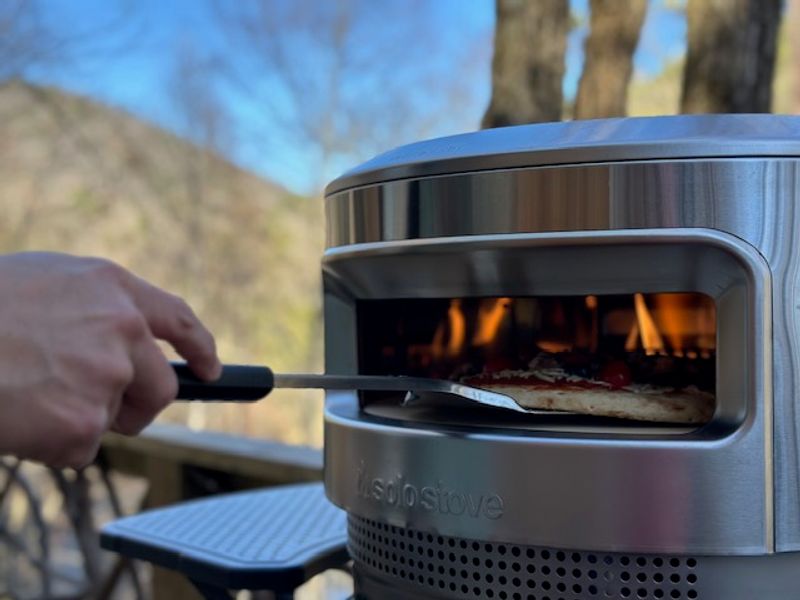
Supper begins with the sound of a fire catching, that soft crackle and pop that pulls everyone toward the hearth.
An award-winning chef runs the farm-to-table dining program, which serves guests only.
Menus lean on Appalachian tradition and seasonal ingredients, with the kitchen drawing on Kephart-inspired camp cookery for its philosophy.
Heritage recipes passed down through mountain families show up beside bright produce picked at its peak. Meals are largely communal, often served in the main lodge, which claims the finest long-range views on the property.
Breakfast runs hearty enough to fuel a full day of trails, and dinner stretches into several courses.
Those multi-course Camp Cookery Wild Flame Dinners are the headline event.
Food cooked over live fire picks up a faint smokiness that no stovetop can copy, and vegetables come off the coals blistered and sweet.
Hands-on cooking classes let curious guests work alongside the culinary team, learning fire management and simple mountain techniques worth repeating at home.
Each meal doubles as a story about the land, the seasons, and the people who settled these valleys long before any resort existed.
Come Back From The Mountains To Hot Tubs, Firepits And Serious Ridge Views
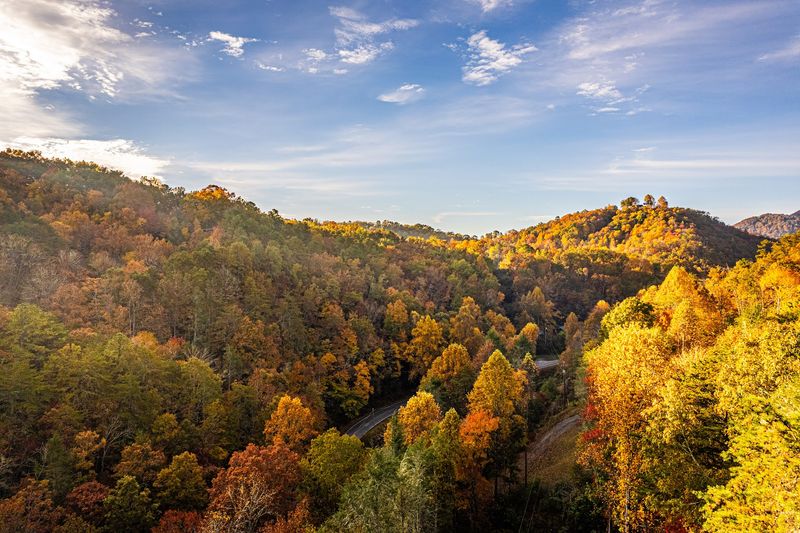
Tired legs, dusty boots, and a hot tub waiting on the deck make a fine combination.
Every accommodation includes its own tub, so soaking under open sky never involves a reservation or a crowded pool deck.
Firepits become the evening gathering spot once the light fades.
Embers glow, marshmallows toast, and the day’s sightings get retold slightly larger than they happened while stars fill the gap above the ridgelines.
Placement of the lodges is no accident.
Buildings such as The Livingstone and The Teddy face layered, long-range mountain views, with Lands Creek murmuring nearby and cool air sliding down the slopes after sunset.
Wellness runs alongside adventure rather than competing with it. Spa services, yoga sessions, and guided mindfulness give guests a way to unwind muscles and slow their thinking after big days outdoors.
Rainy afternoons turn out to be underrated here too.
Porches with rocking chairs, a book, and steady drumming on the roof make a convincing argument for staying put, and the forest smells wonderful afterward, all wet bark, cold stone, and green leaves.
Why This New Bryson City Retreat Is Rethinking The Entire National Park Vacation
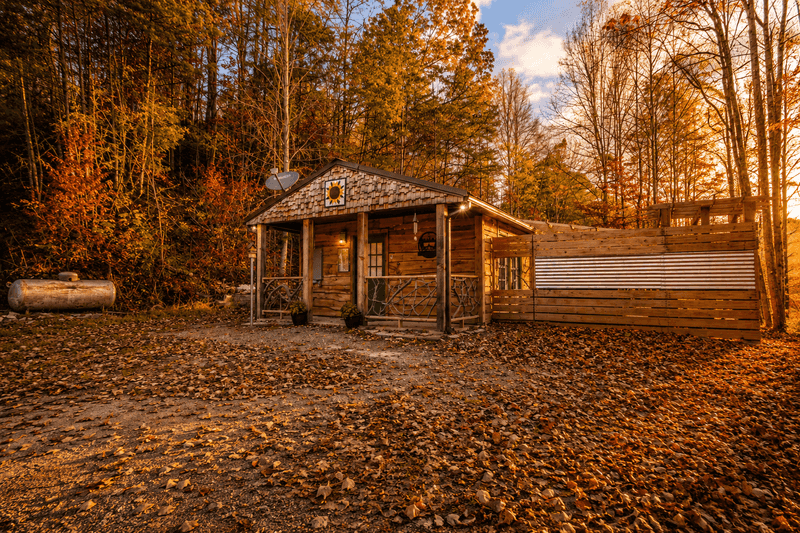
Old expedition camps and the grand lodges of early national park travel clearly shaped the thinking behind this place.
The result is a curated mountain life rather than a room key and a brochure rack.
Cherokee heritage and the legacy of Horace Kephart influence the retreat, while its Nuwati wellness philosophy uses a Cherokee word the resort translates as medicine and connects with renewal and balance.
Those ideas explain why stewardship sits at the center instead of the margins.
Calling itself a regenerative resort, the retreat works to improve the land it occupies, support wildlife, and strengthen the surrounding community.
Stays help fund conservation efforts for nature and wildlife in the area.
For visitors, the payoff is practical as well as philosophical.
Lodging, meals, and guided adventures arrive as one package, which removes the usual scramble of booking outfitters, restaurants, and trail plans separately.
Few destinations in North Carolina attempt this combination of comfort, wilderness access, and heritage.
Guests leave having slowed down, learned something about these mountains, and contributed to keeping them wild for the families who follow.