This New York Nonprofit Rehabilitates Injured Birds And Lets Visitors In For Free
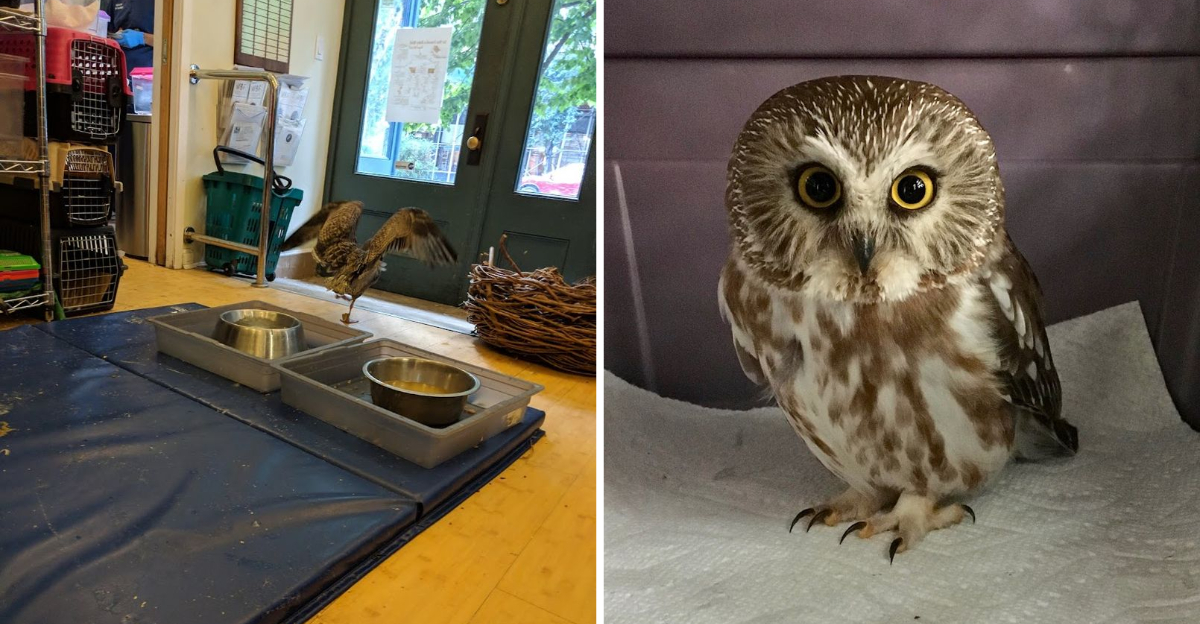
Injured hawks and pigeons get a second chance here. A real wildlife hospital hides between the buildings. You do not picture this in a big city.
New York surprises you like that sometimes. Volunteers nurse sparrows, hawks, even the odd squirrel. Admission costs nothing, and the doors stay open.
I visited on a weekday and left moved. The space buzzed with quiet, focused purpose. It restores a little faith in people fast.
Urban wildlife finally gets a champion downtown. This counts among the city’s best-kept secrets. Cages line the bright back room.
You leave rooting for every patient. Stop in and watch the rescue work.
How This Center Got Started
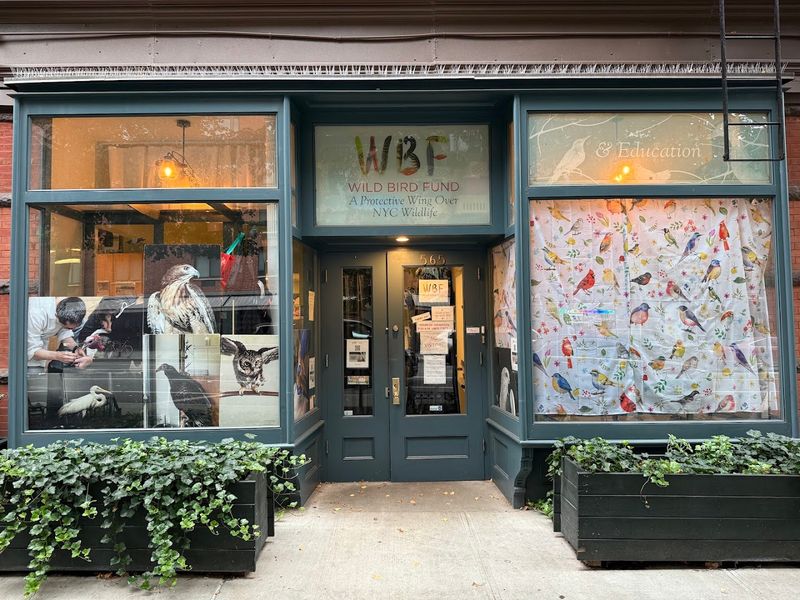
Not every great idea starts in a boardroom.
The Wild Bird Fund grew from a simple but urgent need: New York City had no dedicated wildlife rehabilitation center for birds.
Founded in the early 2000s, it became the first and only nonprofit of its kind in New York, built entirely on volunteer energy and community donations.
The mission was clear from day one. Injured and orphaned birds found on city streets needed professional care, not just a cardboard box and a prayer.
New York State wildlife regulations played a role in shaping how the center operates. Rehabbers must hold proper state permits to treat wild animals.
That legal framework pushed the organization to build a team of genuinely skilled wildlife professionals.
Over the years, the center expanded its intake to include not just birds but also small mammals like squirrels and opossums.
The organization set up a proper intake system, trained rehabbers, and opened its doors at 565 Columbus Avenue, between West 87th and West 88th Streets.
What The Space Actually Looks Like
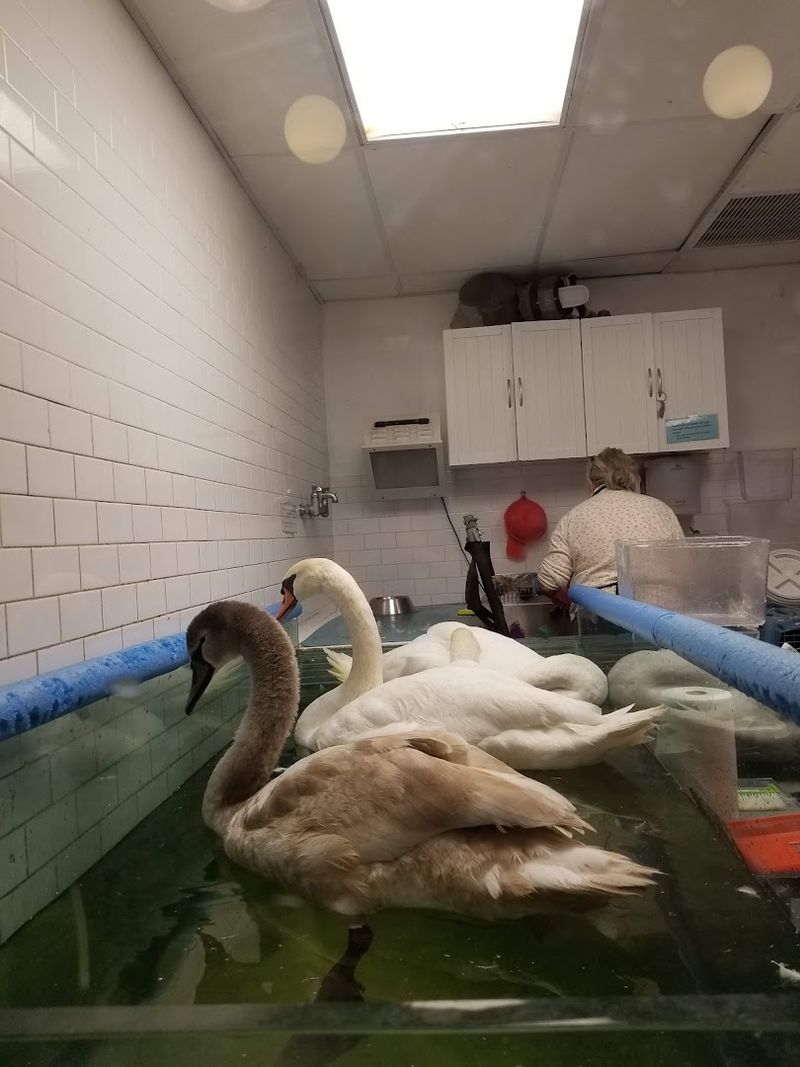
The space is compact, as most things in New York tend to be, but it is organized with impressive precision. Recovery cages line the walls, each one labeled and monitored.
The smell is earthy but not overwhelming, and the sounds are exactly what you would imagine: soft chirps, the occasional flutter of wings, and the calm voices of staff moving between stations.
The center feels more like a working clinic than a tourist attraction, which is part of what makes visiting so interesting. You are not watching a performance.
You are seeing real rehabilitation work in progress.
Birds at various stages of recovery occupy different areas of the room, from fresh intakes wrapped in towels to stronger birds practicing flight in larger enclosures.
Natural light filters in from the front windows, which helps keep the atmosphere from feeling clinical or cold. The walls display educational materials about local bird species found across New York State.
Volunteers move with quiet efficiency, and the whole room hums with purpose.
Birds You Might See During A Visit
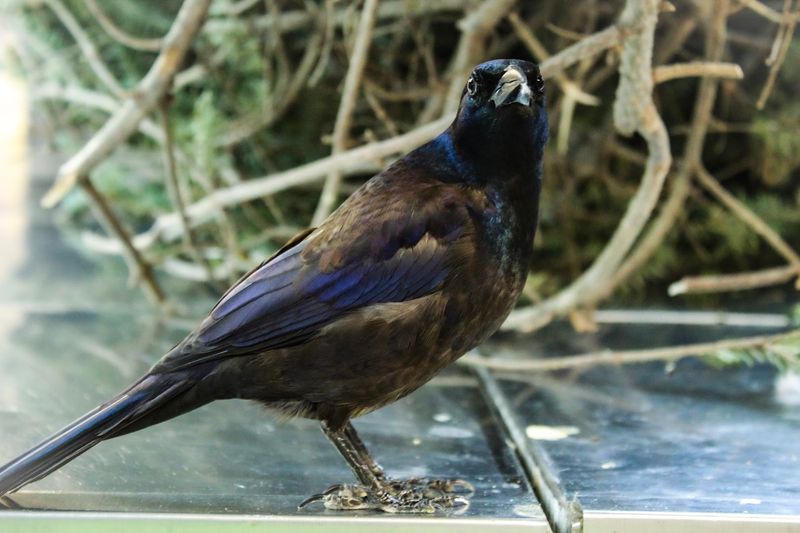
Pigeons get a bad reputation in this city, but they make up a huge portion of the intakes at the Wild Bird Fund. Seeing one up close, held carefully by a trained rehabber, changes your perspective fast.
These are not pests. They are living creatures with injuries that deserve attention, and watching the staff treat them with the same care you would expect at any animal hospital is quietly humbling.
Beyond pigeons, the center treats a remarkable range of species. Red-tailed hawks are brought in fairly regularly, often after window collisions or encounters with vehicles.
Mourning doves, sparrows, starlings, and grackles cycle through the facility throughout the year. During migration season, the variety increases significantly, with warblers and other songbirds making appearances.
New York State sits along a major bird migration corridor, which means the center stays busy during spring and fall. I spotted a recovering hawk perched calmly in a large cage near the back during my visit.
Staff explained its injury and expected recovery timeline with genuine enthusiasm.
The Drop-Off Process For Injured Birds
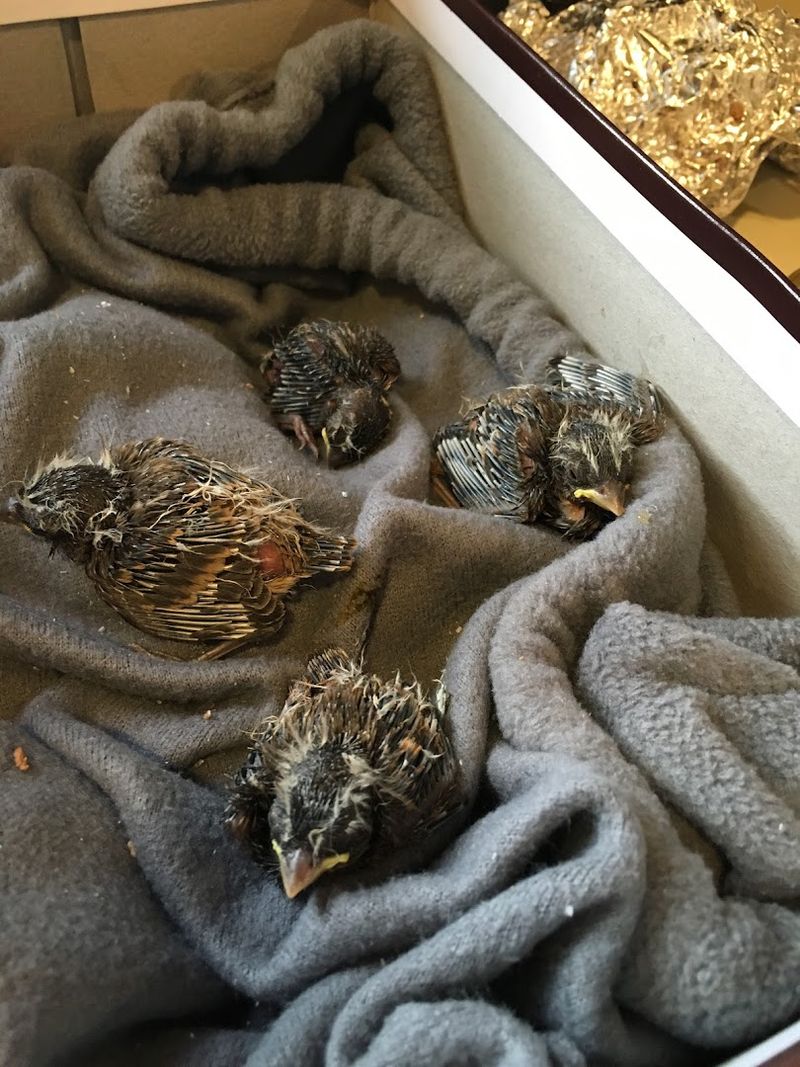
Finding an injured bird on a New York sidewalk is more common than most people realize.
The Wild Bird Fund has made the drop-off process as smooth as possible, which matters a lot when you are standing on a street corner holding a stunned sparrow and not sure what to do next.
The center accepts walk-in drop-offs during operating hours, which run from 9 AM to 7 PM every day of the week.
When you arrive, a staff member or volunteer meets you at the door. They ask a few quick questions about where and how you found the bird, which helps them assess its condition and likely cause of injury.
You fill out a short intake form with your contact details, and the organization gives you a reference number so you can follow up on the bird’s progress later.
Staff are trained to give calm, clear instructions over the phone about how to safely contain and transport a bird before you arrive.
New York State requires that injured wildlife be transferred to licensed rehabbers promptly, and this center makes that handoff genuinely easy.
Volunteering And Getting Involved
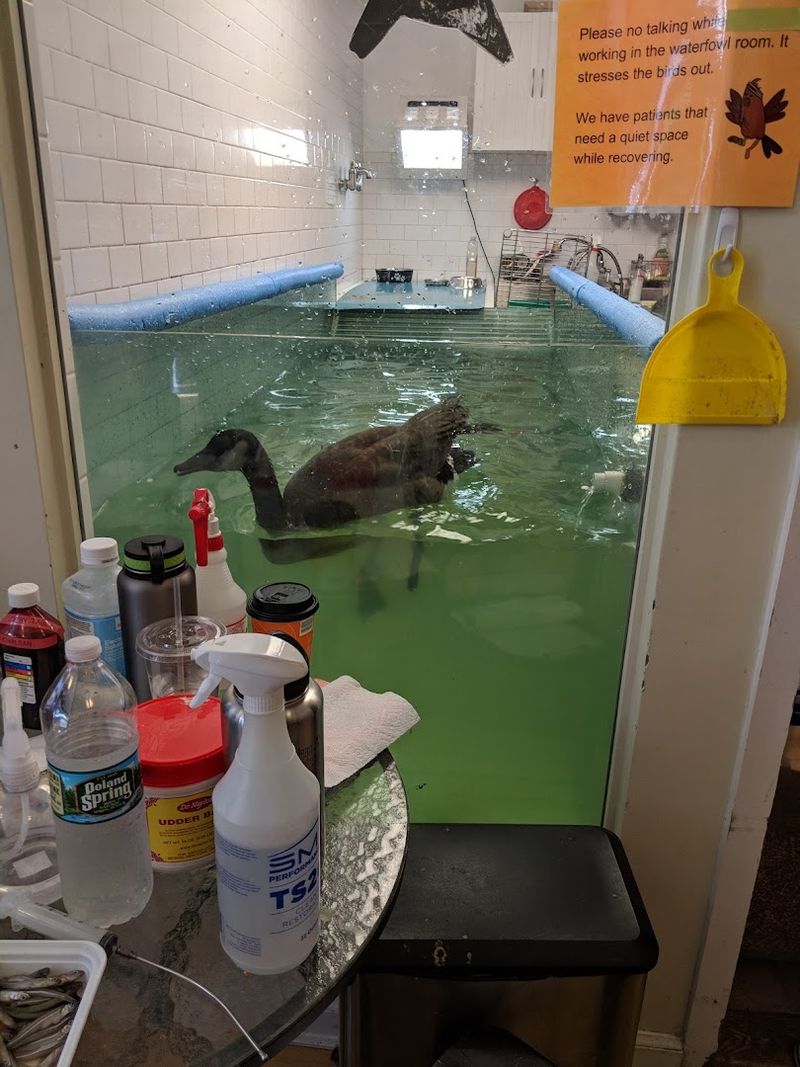
If visiting once leaves you wanting more, the Wild Bird Fund offers a genuine path to deeper involvement.
The organization runs a volunteer and intern program that welcomes people from all backgrounds, whether you have animal care experience or are starting completely fresh.
Many volunteers come in as curious newcomers and leave with hands-on skills they never expected to develop.
Volunteer shifts involve tasks like feeding recovering birds, cleaning enclosures, assisting with intake procedures, and supporting the medical team during treatment.
The center also maintains an Amazon wish list where supporters can purchase specific supplies the organization needs, from feeding syringes to heating pads. Monetary donations go directly toward medical care, food, and facility upkeep.
New York State’s urban wildlife population depends heavily on organizations like this one, and keeping the center funded is an ongoing community effort.
If you give an afternoon or a monthly donation, the impact is tangible and the team makes sure you feel it. Involvement here tends to stick with people long after they leave.
Why This Place Welcomes Visitors Freely
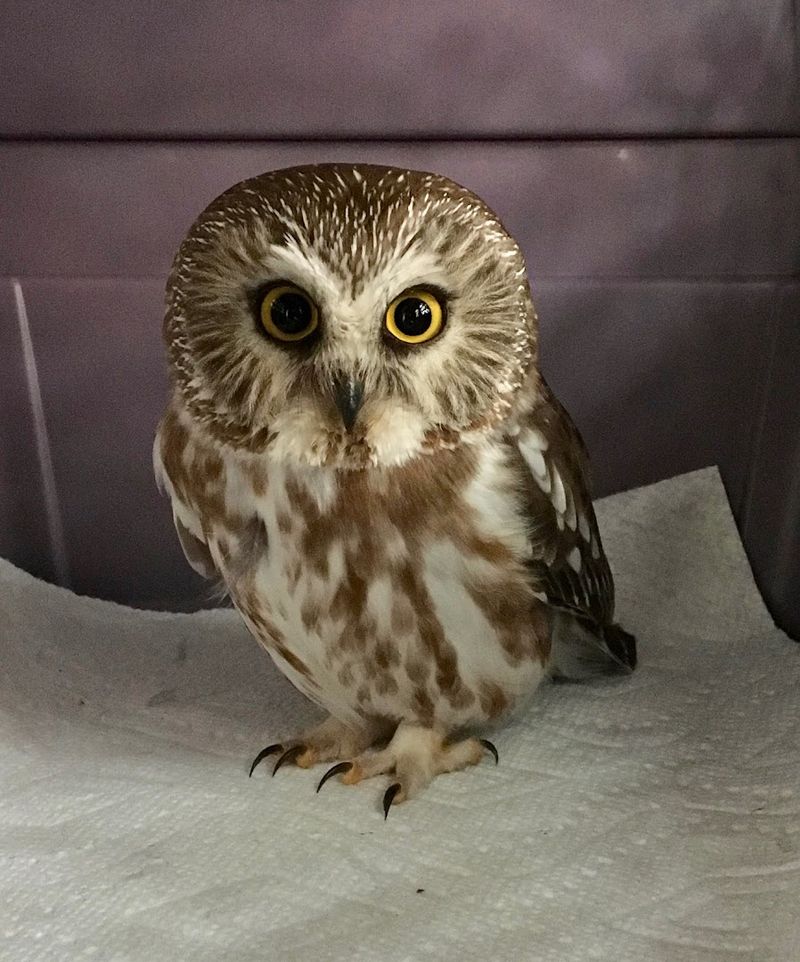
There is something quietly radical about a wildlife rehabilitation center that charges nothing for a visit.
Most places with this level of expertise and operational complexity would find a way to monetize the experience. The Wild Bird Fund takes a different approach entirely, treating public access as part of its educational mission rather than a revenue opportunity.
The open-door policy serves a practical purpose too. When New Yorkers feel comfortable walking in, they are more likely to bring injured animals rather than leaving them on the street.
More people know the place exists, more animals get the care they need, and more supporters discover ways to contribute.
Education happens naturally during a visit. Staff do not deliver formal lectures, but they answer questions freely and explain what they are doing as they work.
Watching a rehabber assess a bird’s wing or prepare a specialized feeding formula is more informative than any brochure.
New York City can feel overwhelming and disconnected at times, and this small center on Columbus Avenue offers something rare: a place where the city’s wildlife and its human residents genuinely look out for each other.
Small Mammals And Surprise Intakes
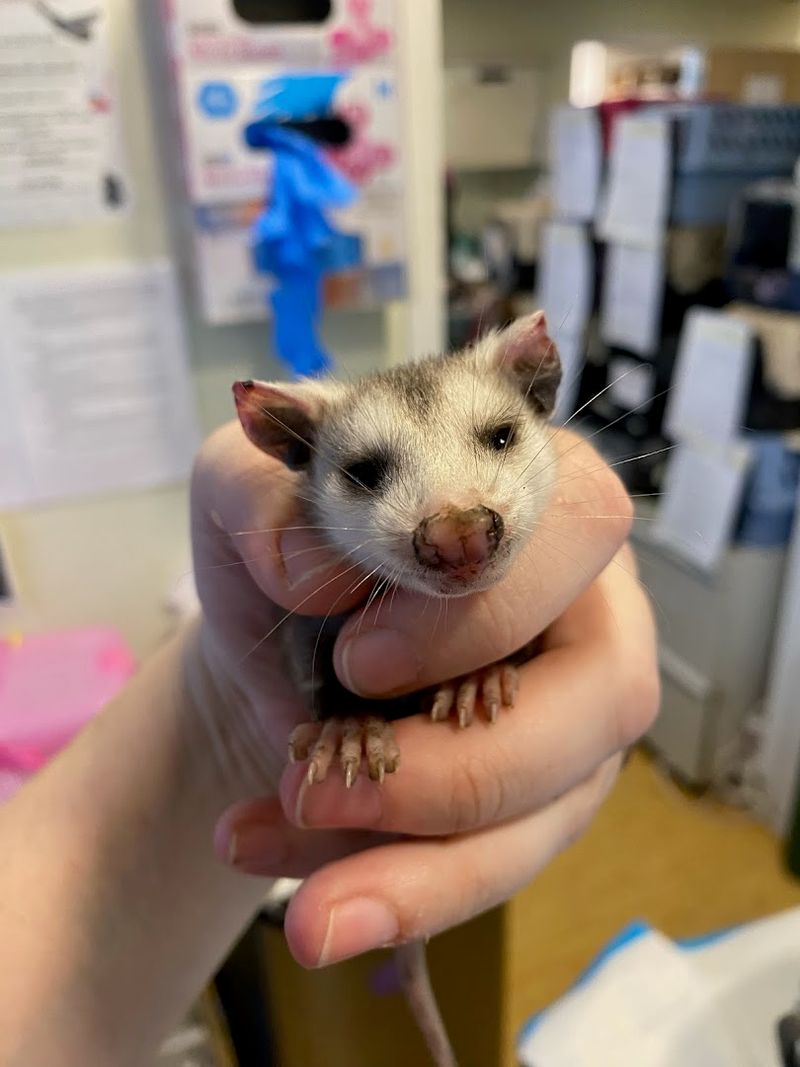
Birds are the headline act, but the Wild Bird Fund has quietly expanded its scope over the years.
The center now accepts small native mammals as well, including squirrels, opossums, and other urban wildlife that turn up injured or orphaned across the five boroughs.
Baby opossums are a surprisingly common intake, often found after their mothers are injured near roadways. Squirrel cases frequently involve suspected hawk or falcon attacks, which are more common in New York State than most city dwellers realize.
Each mammal intake follows a similar process to bird cases, with a quick assessment, an intake form, and placement into appropriate care based on the animal’s condition and species needs.
The center’s willingness to handle mammals reflects the broader philosophy driving the organization. Urban wildlife does not sort itself neatly by category, and neither does the compassion of the people who bring animals in.
For a city as dense and fast-moving as New York, having a place that says yes to the unexpected is more valuable than it might sound.
Planning Your Visit To The Upper West Side
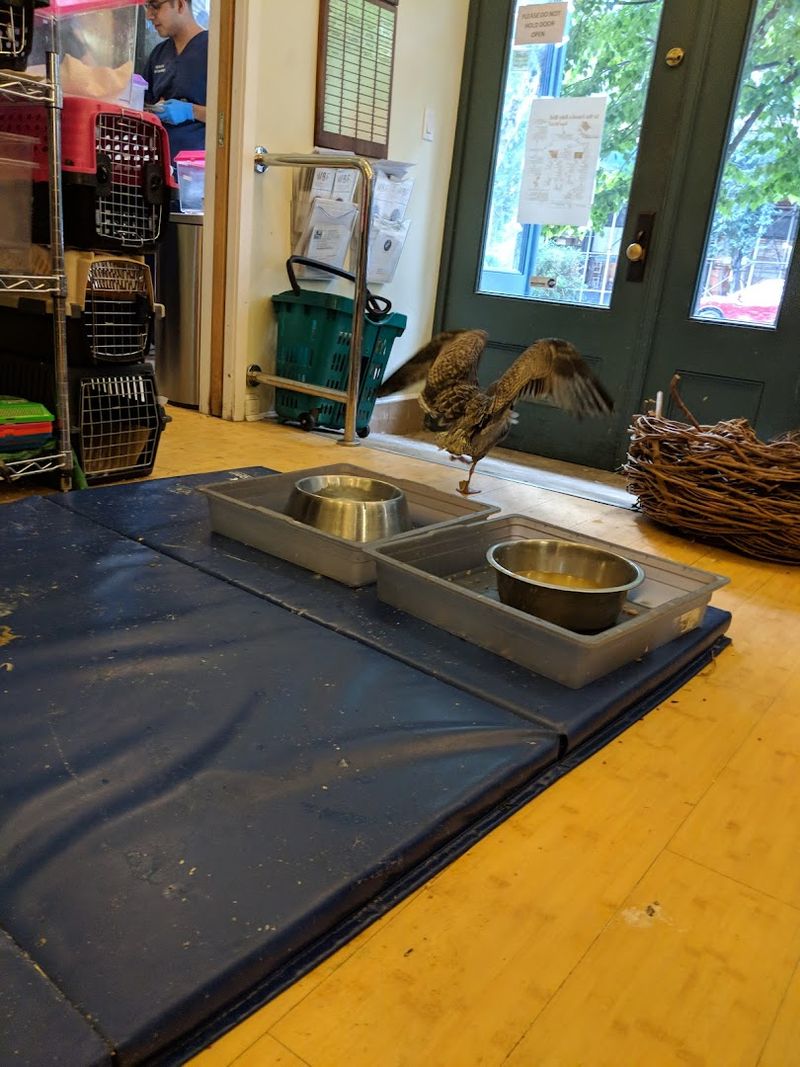
Getting to the Wild Bird Fund is straightforward from most parts of Manhattan.
The center sits on Columbus Avenue between West 87th and West 88th Streets, right in the heart of the Upper West Side. The B and C subway lines stop at 86th Street, putting you less than two blocks away.
Hours run from 9 AM to 7 PM every day of the week, which gives most schedules a workable window. There is no admission charge and no reservation required for a general visit.
New York State summers bring peak intake season, so expect the center to be busiest between late spring and early fall. Visiting during a quieter weekday morning gives you more opportunity to speak with staff and observe the rehabilitation work at a relaxed pace.
This corner of New York rewards curiosity, and a visit here is one of those experiences that quietly changes how you see the city around you.