This New York Warehouse Lets Artists Stock Up On Cheap Creative Supplies
A sprawling warehouse where raw creativity and real sustainability collide waits on a gloriously oversized scale.
New York runs a warehouse where castoff supplies quietly fuel an artist’s wildest budget dreams.
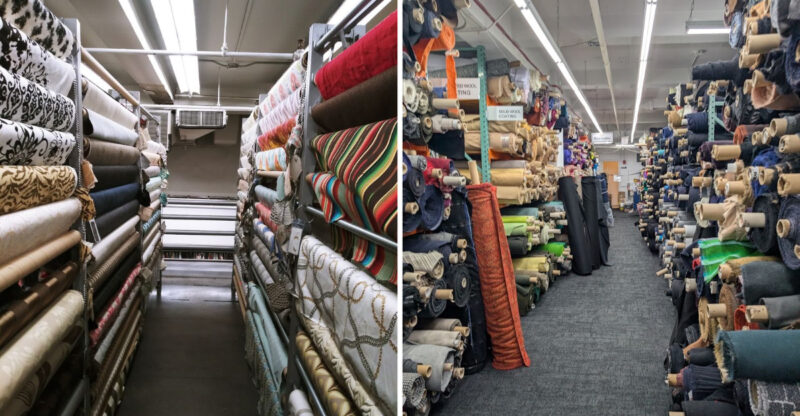
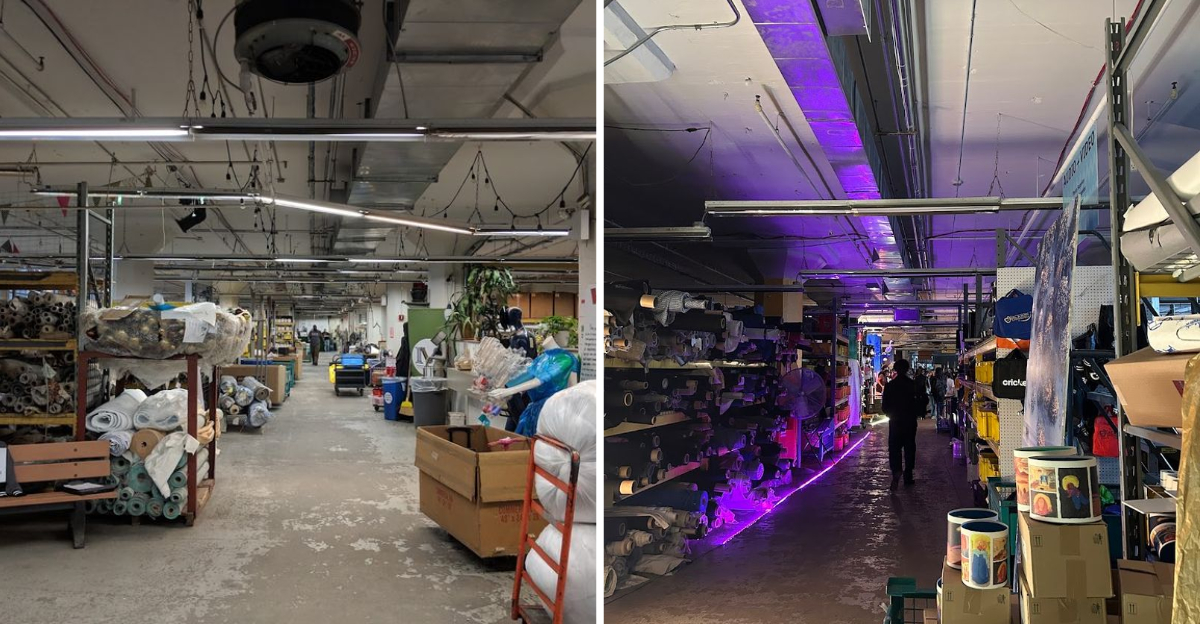
Donated goods pour in daily by the truckload, then get redistributed to artists, teachers, and nonprofits. Bolts of bright fabric, cans of paint, spare furniture, and oddball props fill towering metal shelves.
The sheer overwhelming volume feels impossible to believe until you roam the crowded aisles yourself.
Prices stay almost laughably low, so even a shoestring budget still stocks a whole studio.
Ready to fill an entire art studio for roughly the humble price of a nice lunch?
The Story Behind The Warehouse
Not every great idea starts with a big budget. Materials for the Arts was born from a simple but powerful question: what if one organization’s unwanted stuff became another creator’s treasure?
Founded as part of New York City’s Department of Cultural Affairs, this program has been quietly changing how artists and educators in this state access creative supplies.
The concept is rooted in sustainability. Businesses, production companies, and individuals donate materials they no longer need.
Those donations are then sorted, organized, and made available to registered nonprofits, public schools, and city agencies across the state.
The warehouse is open Monday through Friday, from 9 AM to 5 PM. It is a program that has grown steadily over the decades, becoming a cornerstone of the creative community and a model that other cities have looked to for inspiration.
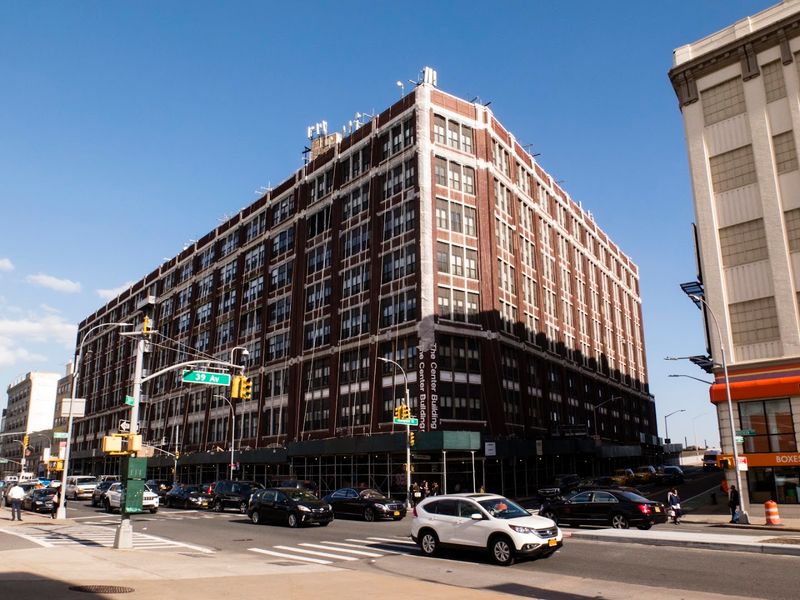
You can find Materials for the Arts at 33-00 Northern Blvd, 3rd Floor in Long Island City.
What The Warehouse Actually Holds
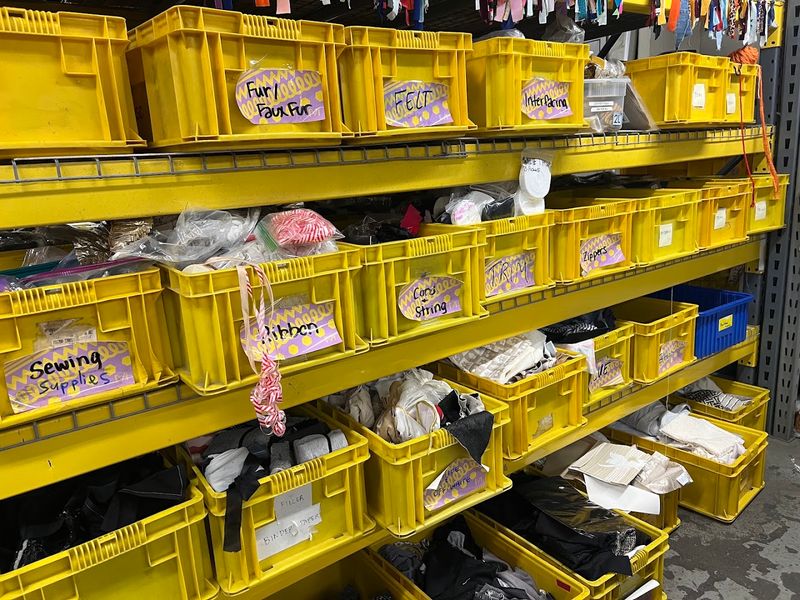
Every category you can imagine is represented here.
Fabric rolls line one section, while shelves of paint, brushes, and canvases stretch across another. Office furniture, theater props, picture frames, and even lighting equipment all find their way into this space.
The range of materials shifts constantly because donations arrive on a rolling basis. One week you might find a bin overflowing with single designer shoes, another week a surplus of specialty paper or foam.
Teachers have walked away with enough supplies to outfit an entire classroom. Set designers have sourced props for full productions.
Artists have discovered unusual textures and materials that sparked entirely new bodies of work.
The warehouse does not just stock supplies. It stocks possibilities, and in a city like New York, where studio space and budgets are tight, that kind of resource carries real weight for the creative community.
Who Gets To Shop Here
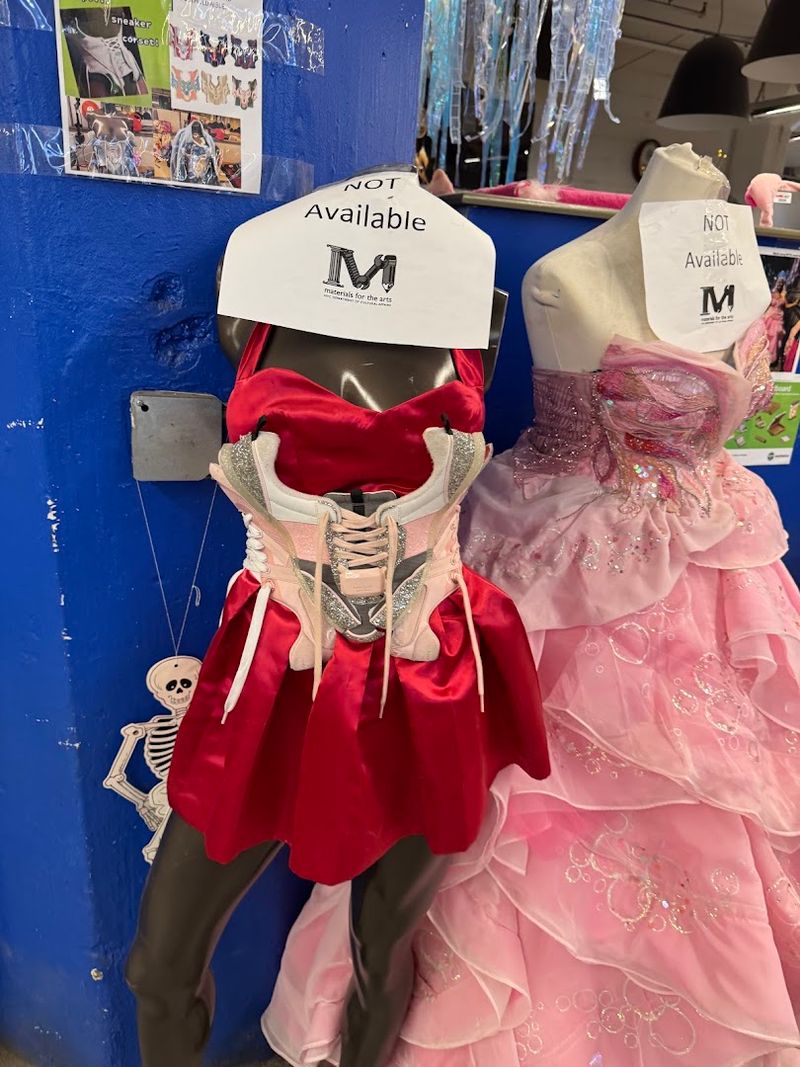
Not just anyone can walk in and start filling bags, and that structure is actually what makes the whole system work.
Materials for the Arts operates on a registration model. Eligible organizations include New York City public schools, registered nonprofits, and city-funded cultural organizations.
Once approved, members can schedule shopping appointments and visit the warehouse during operating hours.
The appointment system keeps things organized and fair. Each time slot is cleared before the next group arrives, so every visitor gets a clean, browsable floor without competition for the best finds.
It also means the staff can give proper attention to each visiting group, which regulars say makes a noticeable difference in the quality of the experience.
For individual artists who are not affiliated with a qualifying organization, the path in is a little different. Connecting through a registered nonprofit or school is the most common route.
The system is designed to direct resources where they create the most community impact, keeping the mission of Materials for the Arts focused, purposeful, and rooted in serving this state’s broader creative ecosystem.
The Atmosphere Inside The Space
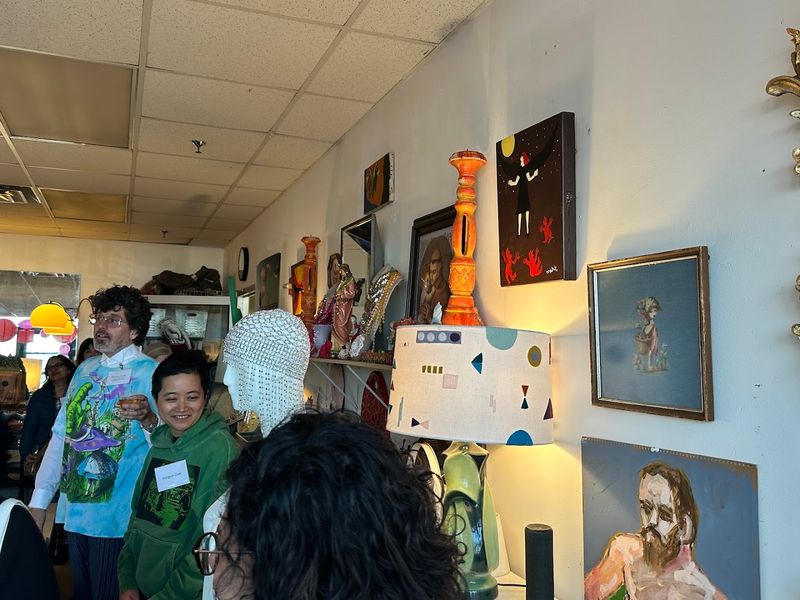
There is a certain electric quality to the air inside the warehouse that is hard to put into words.
Rows of colorful textiles, stacks of canvases, and bins of hardware create a sensory experience that immediately gets the creative brain firing. It feels less like a storage facility and more like a space where ideas are waiting to be born.
The staff and volunteers add a lot to the atmosphere. Friendly, knowledgeable, and genuinely enthusiastic about what they do, they help visitors navigate the floor and locate specific materials.
If you describe a project you are working on, they will often point you toward exactly what you need, or toward something even better that you had not thought of.
The mix of people you encounter on the floor is equally interesting. On any given visit, you might find yourself browsing alongside art teachers, theater designers, community organizers, or school group chaperones.
Workshops And Educational Programs
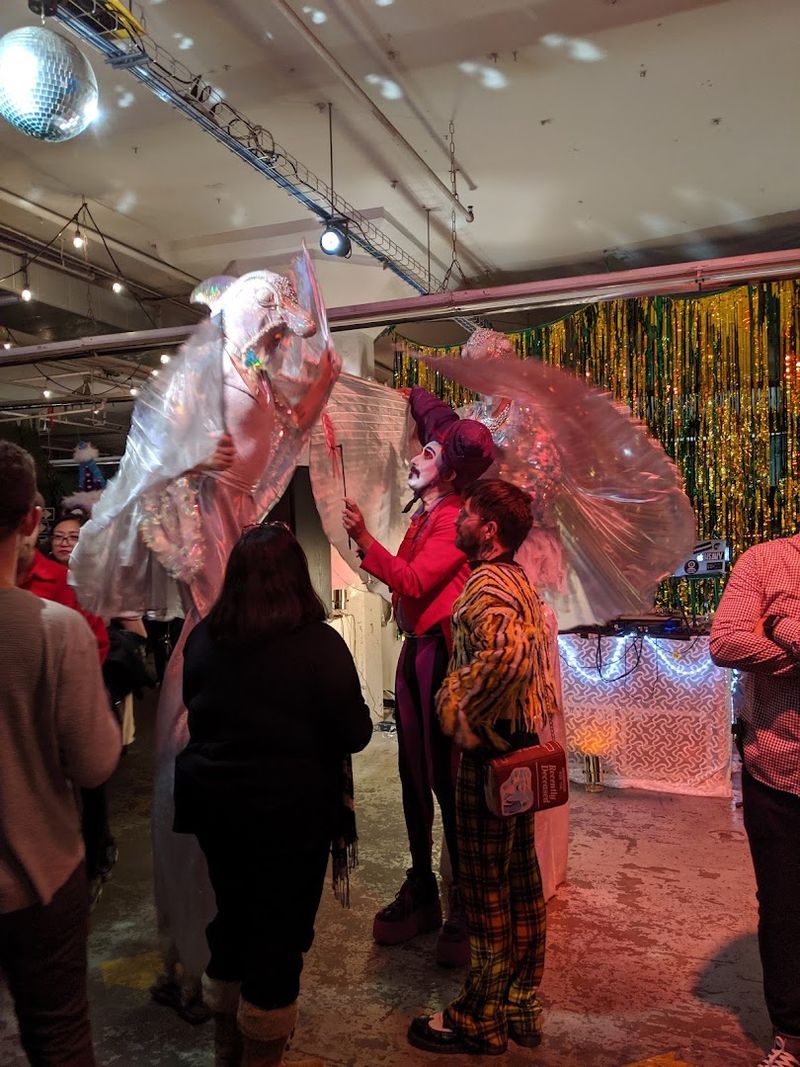
Beyond the warehouse floor, Materials for the Arts runs a genuinely impressive lineup of workshops and educational programs.
These sessions are designed for teachers, artists, and community members who want to build skills alongside stocking up on supplies.
The programming covers everything from paper design to storytelling, and the hands-on format means participants leave with both new techniques and fresh inspiration.
Teacher-focused workshops are particularly popular. The sessions are practical by design, offering strategies that can be applied immediately in a school setting without requiring additional funding or fancy equipment.
Many of these professional development courses even allow educators to earn official continuing education credits while exploring creative reuse.
It gives teachers a fun, tangible way to meet their professional goals while keeping sustainability at the heart of their lesson plans.
Public storytelling events have also found a home here. The warehouse has hosted events like MOTH storytelling workshops and story slams, turning the space into a venue for spoken word and community connection.
Sustainability At The Core

Sustainability is not a buzzword at this warehouse. It is the entire reason the place exists.
Every item on the floor arrived because someone chose to donate it rather than discard it.
That single decision, multiplied across thousands of donors over many years, has kept an enormous volume of usable material out of New York’s waste stream.
The environmental impact is significant. Production companies donating leftover set materials, offices clearing out surplus furniture, retailers offloading unsold stock.
For organizations operating on tight budgets, this cycle of reuse is not just environmentally responsible. It is financially essential.
There is also something philosophically satisfying about the model. The same creativity that goes into making art is applied to the question of how art gets resourced.
Materials for the Arts treats waste as a design problem and solves it with a system that benefits artists, educators, the environment, and the broader community simultaneously.
Visitors often leave with a heightened awareness of material value, and many have said that browsing the warehouse changed how they think about what they use and what they throw away in their own studios and classrooms.
Tips For Making The Most Of Your Visit
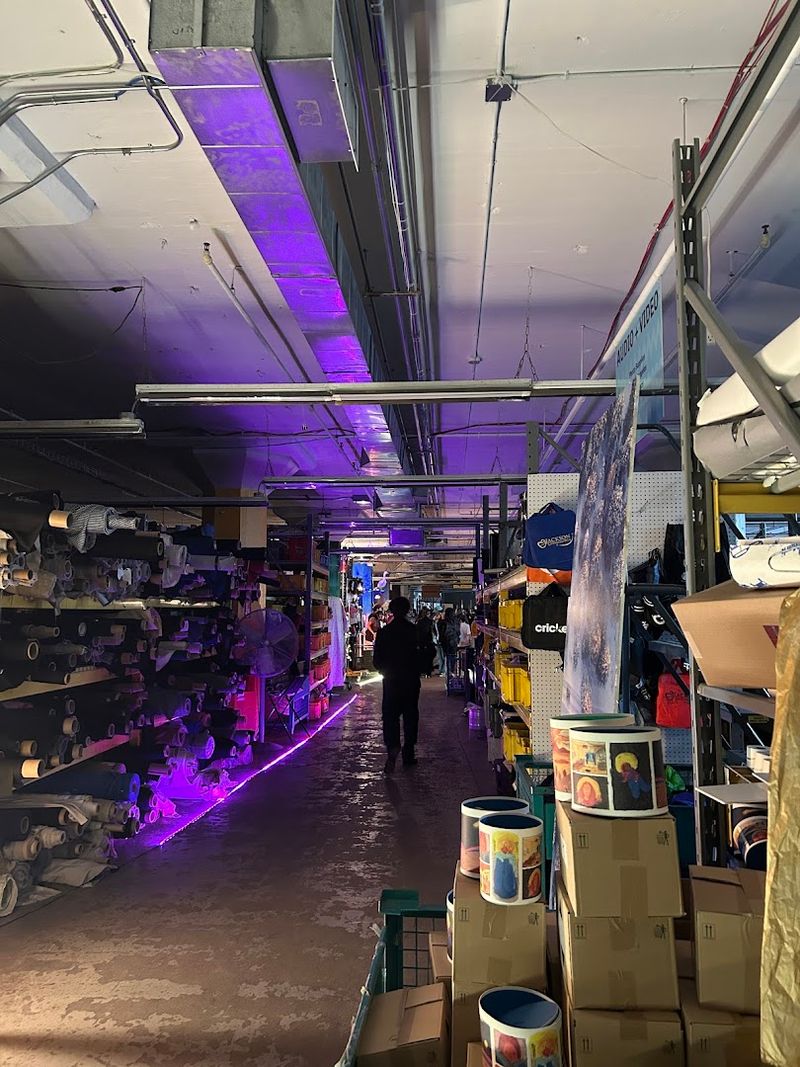
A little preparation goes a long way when you visit the warehouse. Bringing large, sturdy bags is one of the most practical pieces of advice you will hear.
The floor covers a lot of ground, and if you find something worth taking, you will want both hands free to keep browsing. Having a second person with you is also smart, so one of you can guard the haul while the other keeps exploring.
Eating before you arrive is genuinely useful advice. Shopping appointments run on a schedule, and each slot is focused and timed.
You want your full attention on the floor, not on where you are going to grab lunch. Coming in with a list of what your current project needs helps too, though experienced visitors will tell you to stay open to surprises.
Make sure your organization’s registration number is ready at check-in. The process moves quickly when everyone is prepared, and the staff appreciates it.
Materials for the Arts is open Monday through Friday, 9 AM to 5 PM, and is located in Long Island City in New York.
Why This Place Matters to New York
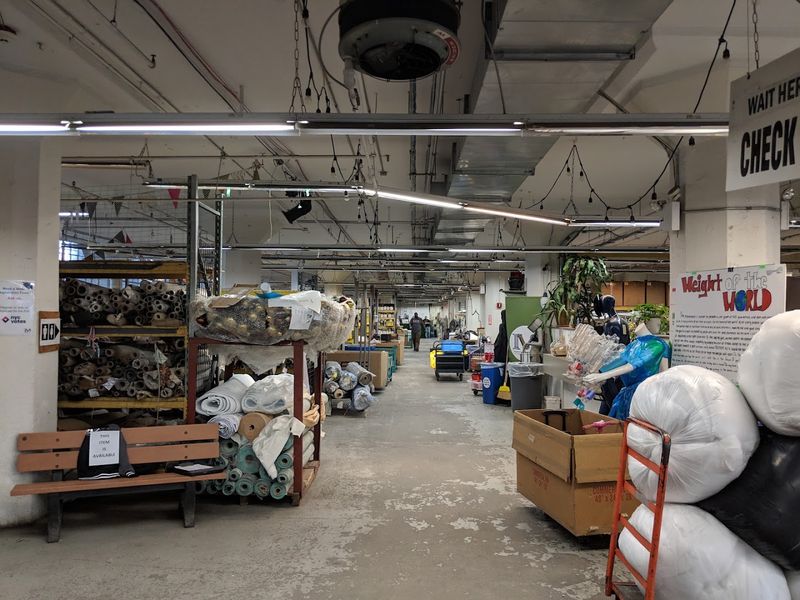
In a city where studio space is expensive and arts funding is never guaranteed, a resource like this one carries outsized importance.
Materials for the Arts fills a gap that no commercial supplier can, offering free access to a rotating inventory of creative materials to the organizations and individuals who need them most.
That is not a small thing in New York, where the cost of creating can quickly outpace the joy of it.
The program also strengthens connections between the corporate world, the arts community, and the education sector.
Donors range from major production companies to small businesses, all contributing to a shared creative commons. That web of relationships gives the warehouse a kind of institutional resilience that makes it more than just a supply room.
For anyone who cares about the future of arts education and community creativity, Materials for the Arts represents something worth supporting, visiting, and telling others about.
Sometimes the most important places in a city are not the loudest ones. They are the ones where real work quietly gets done, day after day, for the people who need it most.