This North Carolina Beach Feels Like A Secret You’re Not Supposed To Find
Picture a place where no roads lead, no buildings stand, and the only footprints in the sand are yours and the shorebirds’. That’s exactly what you’ll discover when you venture to one of North Carolina’s most enchanting hidden treasures.
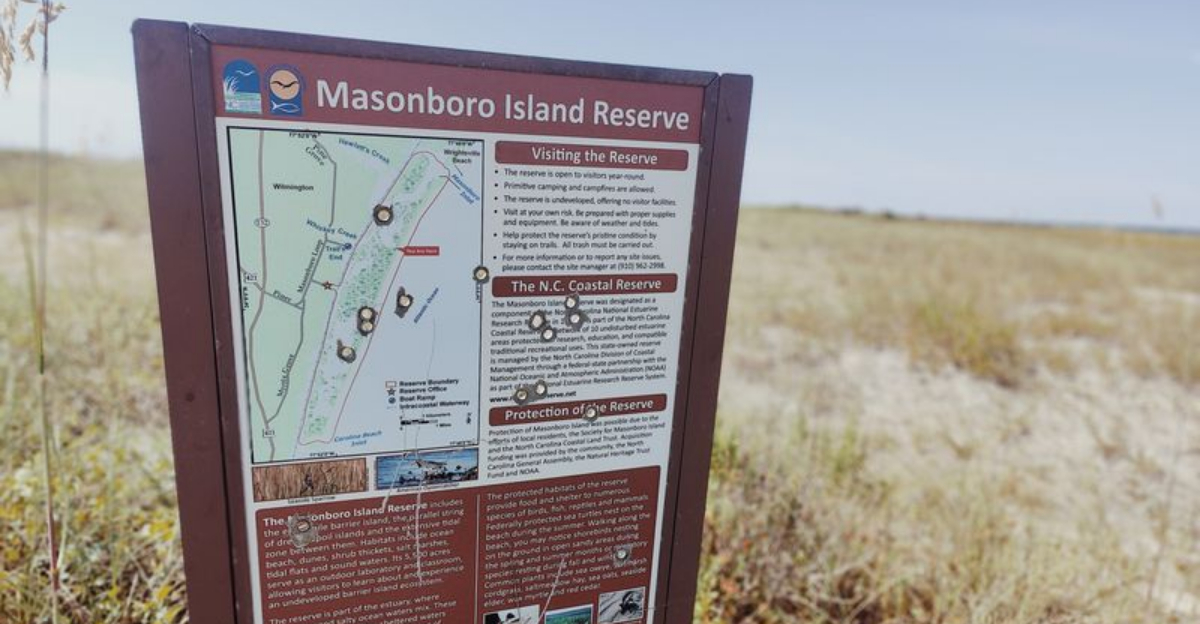
Masonboro Island Reserve stretches over 8.4 miles of pure, untouched coastal paradise just southeast of Wilmington, where the Atlantic Ocean kisses pristine beaches and maritime forests whisper ancient secrets. When North Carolina wants to show off its wildest, most authentic coastal beauty, it sends you here.
This isn’t your typical beach vacation spot with umbrella rentals and snack bars, it’s an adventure into a world that feels frozen in time, where nature rules supreme and every visit feels like stumbling upon something extraordinary.
Located at Masonboro Island State Natural Area in Wilmington, this barrier island spans over 5,600 acres of protected wilderness that demands respect, rewards curiosity, and leaves every visitor wondering how such magic still exists so close to civilization.
1. Boat-Only Access Creates Ultimate Exclusivity
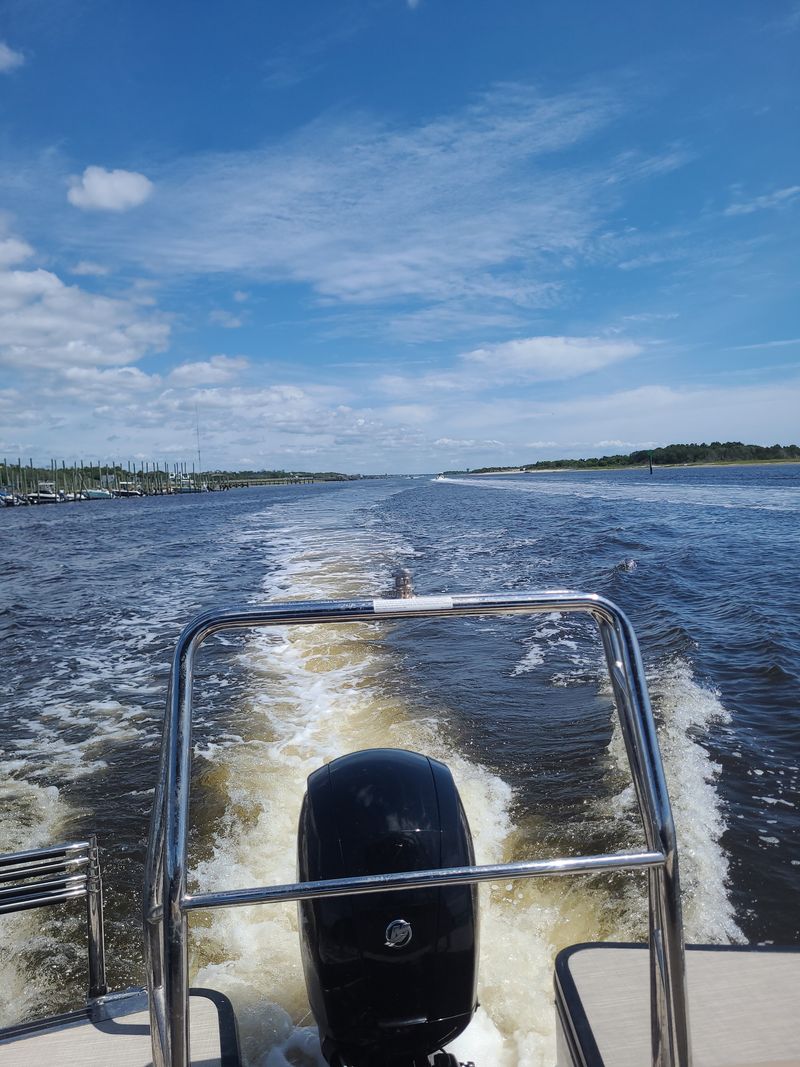
Getting to this coastal gem requires actual effort, and that’s precisely what keeps it magical. No bridges connect Masonboro Island to the mainland, which means your journey begins on the water, whether you’re piloting a motorboat, paddling a kayak, gliding on a paddleboard, or cruising in a canoe.
The adventure starts before you even touch the sand.
Launching from spots like Trails End Park, visitors navigate the Intracoastal Waterway, timing their trips with tidal movements for easier paddling. Smart adventurers check tide charts before heading out, catching the incoming tide for a boost toward the island and riding the outgoing current back to shore.
The crossing itself becomes part of the experience, with dolphins occasionally surfacing nearby and pelicans diving for breakfast.
This boat-only access naturally limits crowds, creating an exclusive atmosphere without velvet ropes or admission fees. On any given day, you might share miles of beach with just a handful of other explorers, all of whom earned their spot through the same waterborne journey you did.
2. Largest Undeveloped Barrier Island Along Southern Coast
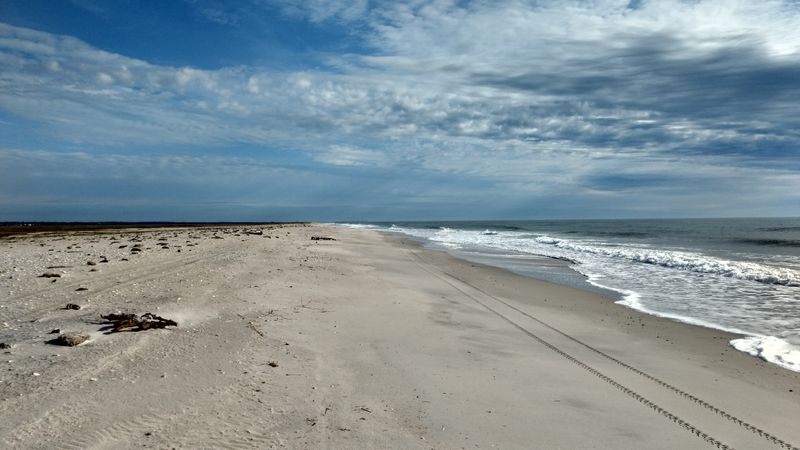
Spanning an impressive 8.4 miles in length and covering over 5,600 acres, Masonboro Island holds the title as the largest undeveloped barrier island in the southern portion of North Carolina’s coastline. Imagine an entire island, bigger than many state parks, with absolutely zero development, no buildings, no roads, nothing but natural coastal ecosystems thriving exactly as they have for centuries.
It’s almost unbelievable in today’s overdeveloped beach landscape.
The Atlantic Ocean crashes against the eastern shore while the calmer Intracoastal Waterway laps the western side, creating two completely different water experiences on one island. Between these boundaries lies an ecosystem so diverse and intact that scientists study it as a living laboratory of coastal processes.
Walking the full length takes serious dedication and rewards you with constantly changing scenery, from wide sandy expanses perfect for beach sports to narrow stretches where dunes crowd close to the waterline. Every step reminds you that size matters when it comes to preserving wild places, and this island’s substantial footprint ensures wildlife has room to thrive.
3. Critical Sea Turtle Nesting Sanctuary
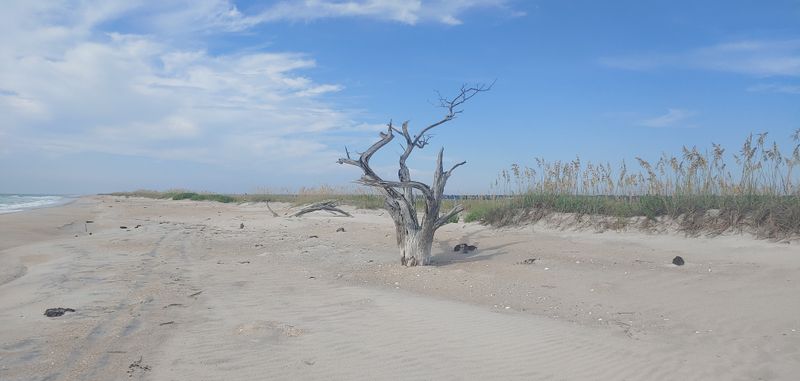
Between May and August, something extraordinary happens on these shores: federally protected loggerhead and green sea turtles haul themselves onto the beach under cover of darkness to dig nests and deposit their precious eggs. Masonboro Island serves as one of the most important nesting sites for these ancient mariners along the entire North Carolina coast.
Watching a turtle nest (from a respectful distance) ranks among nature’s most moving experiences.
Conservation teams regularly patrol the beaches during nesting season, marking nests and monitoring hatching success rates. These efforts have proven crucial for species recovery, with Masonboro contributing significantly to regional sea turtle populations.
The island’s undeveloped status means no artificial lighting confuses hatchlings trying to find the ocean, and no beachfront construction destroys nesting habitat.
Visitors during summer months might spot the distinctive flipper tracks leading from water to dune, looking like small tractor treads in the sand. If you’re incredibly fortunate, you might witness tiny hatchlings making their frantic dash to the sea, though disturbing nests or interfering with turtles carries serious legal consequences and ethical violations.
4. Protected Bird Species Paradise
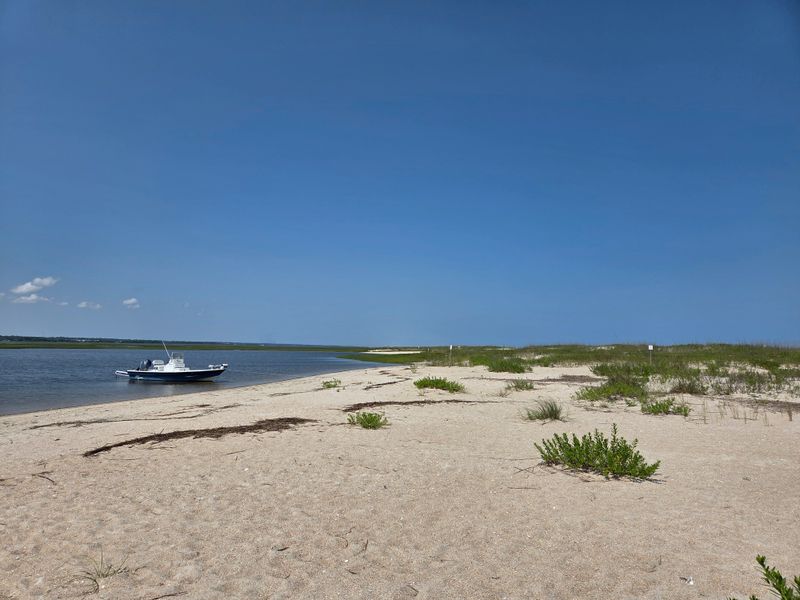
Birdwatchers arrive with binoculars and field guides, knowing Masonboro delivers species they won’t easily find elsewhere. The island provides critical nesting habitat for American oystercatchers with their outrageous orange beaks, diminutive Wilson’s plovers, and the petite least terns.
These shorebirds depend on undisturbed beaches for successful reproduction, making the island’s protected status literally a lifesaver.
During breeding season, sections of beach get roped off to protect nesting areas, and visitors must respect these boundaries. The birds nest directly on sand, their eggs camouflaged so perfectly that you could walk within inches without noticing.
One careless step could destroy an entire nest, which is why staying alert and following posted guidelines matters tremendously.
Beyond nesting residents, the island serves as a stopover for migrating species traveling the Atlantic Flyway. Depending on season, you might spot everything from sanderlings racing the waves to majestic ospreys hunting fish.
Bringing binoculars transforms a beach day into an ornithological adventure, with new species appearing around every bend in the shoreline.
5. Diverse Coastal Ecosystems In One Location
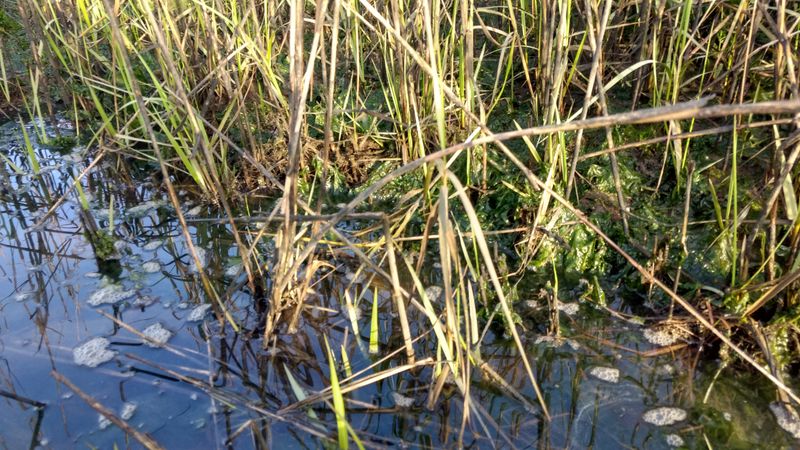
Most beaches offer sand and water, but Masonboro Island packs an entire ecological textbook into its acreage. Tidal flats on the Intracoastal side teem with marine life during low tide, while salt marshes provide nursery habitat for countless fish species.
Moving inland, you’ll encounter primary dunes anchored by sea oats, then secondary dunes supporting maritime shrubs adapted to salt spray and harsh conditions.
The island even hosts patches of maritime forest in more protected areas, where gnarled live oaks and cedars create shady pockets that feel worlds away from the exposed beach. Each ecosystem supports specialized plants and animals found nowhere else, creating biodiversity that scientists find endlessly fascinating and visitors find simply beautiful.
This variety means you can experience multiple environments in a single visit, wading through marsh channels watching fiddler crabs, climbing dunes for panoramic views, exploring shrub thickets where songbirds hide, and finally reaching the pristine Atlantic beach. It’s like visiting five different natural areas without ever leaving one island, offering educational opportunities that help visitors understand how coastal systems function as interconnected wholes.
6. Primitive Camping Under The Stars
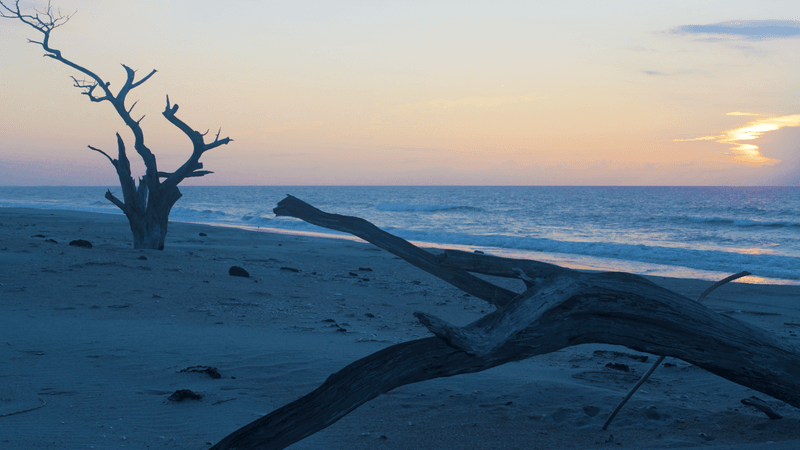
Spending the night on Masonboro Island ranks among coastal North Carolina’s most memorable experiences, though it’s definitely not glamping. Primitive camping is permitted, meaning you pack in everything you need and pack out everything you bring, leaving absolutely no trace of your visit.
No facilities exist, no bathrooms, no water sources, no picnic tables, nothing but sand, sky, and sea.
Experienced campers use existing trails and established camping areas to minimize impact on fragile dune vegetation. Your tent becomes your only shelter, so checking weather forecasts and preparing for wind, heat, and potential storms proves essential.
Successful island campers bring plenty of water, sun protection, and supplies for cooking simple meals on portable stoves.
The reward for this effort? Falling asleep to waves crashing mere yards away, waking to spectacular sunrises over the Atlantic, and experiencing the island’s nocturnal side when ghost crabs emerge and stars blaze without light pollution.
On clear nights, the Milky Way stretches overhead in stunning detail, reminding you what darkness looked like before electricity conquered the night.
7. Exceptional Shell Collecting Opportunities
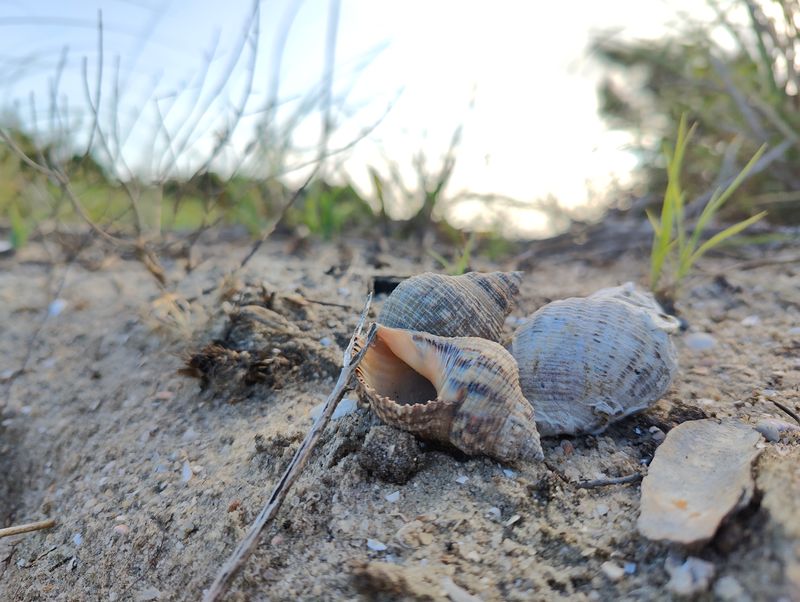
Shell enthusiasts consider Masonboro Island a treasure trove, with pristine beaches yielding specimens that developed beaches have long since been picked clean of. The island’s undisturbed nature means shells wash ashore constantly, replenishing the supply and offering collectors genuine finds rather than broken fragments.
Whelk shells appear frequently, their spiral forms perfect and unblemished, while scallop shells display their characteristic fan shape in various colors.
Low tide reveals the best hunting grounds, particularly along the wrack line where waves deposit shells along with seaweed and driftwood. Patient collectors who walk slowly and scan carefully often discover unusual specimens, from delicate angel wings to sturdy oyster shells to the occasional sand dollar.
Each shell tells a story of the creature that once inhabited it and the ocean currents that delivered it to this shore.
Ethical collecting means taking only empty shells, never removing live creatures, and being mindful that shells also provide homes for hermit crabs. Many visitors photograph exceptional shells rather than removing them, preserving the island’s natural abundance while still capturing memories of their finds.
8. Important Fish Nursery Waters
While visitors enjoy the island’s beaches, the surrounding waters quietly perform crucial ecological work as nursery grounds for numerous fish species. Spot, mullet, flounder, and pompano all spend their juvenile stages in the sheltered waters between Masonboro Island and the mainland, growing in the nutrient-rich environment before migrating to deeper ocean waters.
This nursery function supports both commercial and recreational fisheries throughout the region.
The mixing of fresh water from mainland runoff and salt water from the ocean creates brackish conditions perfect for young fish. Salt marshes fringing the Intracoastal side provide hiding places from predators and abundant food sources, allowing fish populations to thrive during vulnerable early life stages.
Without healthy nursery areas like these, fish populations would crash, devastating coastal ecosystems and economies.
Anglers fishing from the island or nearby waters benefit directly from this nursery function, though regulations protect many species until they reach mature sizes. Watching mullet jump in the Intracoastal or spotting schools of baitfish in tidal pools reminds visitors that the island’s value extends far beneath the water’s surface.
9. Part Of National Estuarine Research Reserve System
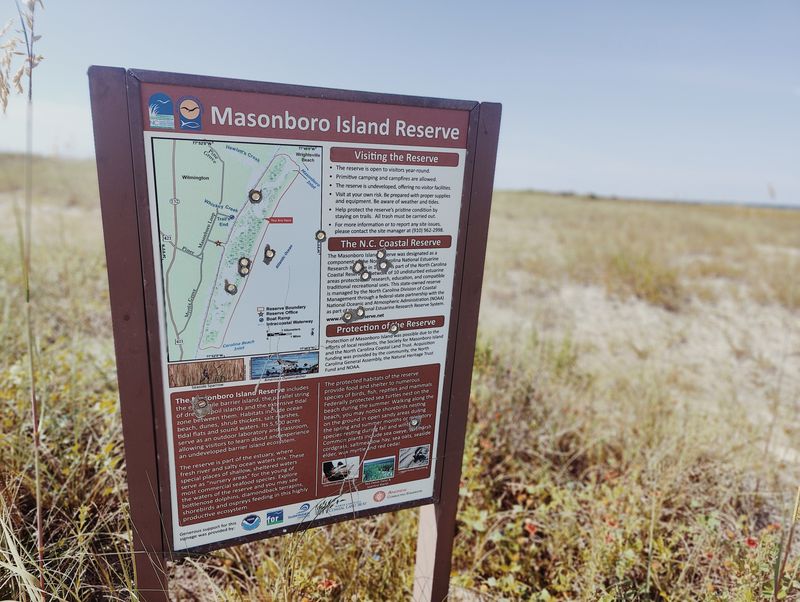
Since 1991, Masonboro Island has held protected status as part of both the North Carolina Coastal Reserve and the National Estuarine Research Reserve system, placing it among America’s most valued coastal ecosystems. This designation isn’t just bureaucratic paperwork, it represents recognition that the island provides irreplaceable scientific, educational, and ecological value worth preserving in perpetuity.
Federal and state cooperation ensures long-term protection.
Research Reserve status means scientists regularly conduct studies on the island, monitoring everything from sea turtle nesting success to dune migration patterns to water quality in surrounding estuaries. This research informs coastal management decisions across the region and contributes to our understanding of how barrier islands function and respond to climate change, sea level rise, and storm impacts.
Educational programs bring students and community groups to learn about coastal ecosystems firsthand, though these activities are carefully managed to avoid damaging the resources they’re meant to protect. The reserve system balances public access with conservation needs, allowing people to experience and appreciate coastal environments while ensuring these places survive for future generations to study and enjoy.
10. Tidal Considerations For Safe Visiting
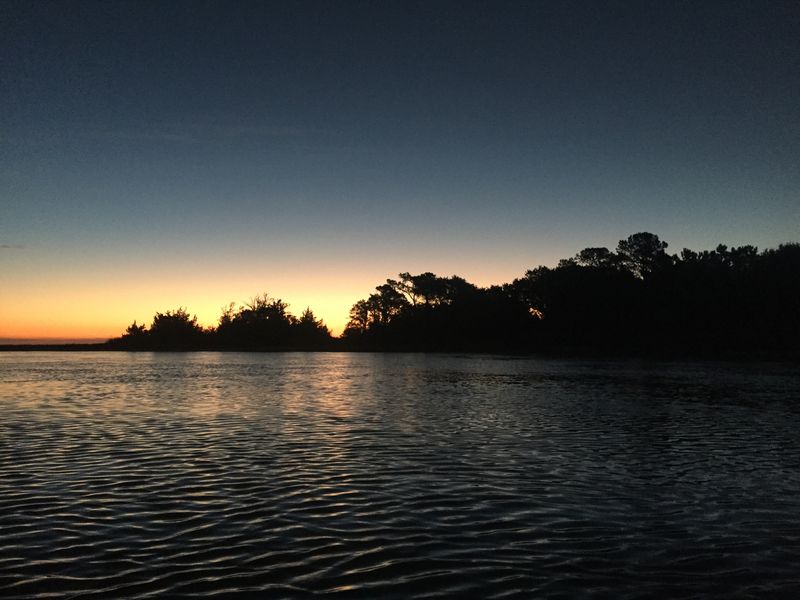
Understanding tides transforms from academic knowledge to practical necessity when visiting Masonboro Island, especially for paddlers making the crossing from mainland launch points. Low tide can turn the Intracoastal Waterway into mudflats, leaving kayakers stuck far from water and facing exhausting portages across sticky, boot-sucking mud.
Checking tide charts before your trip isn’t optional, it’s essential for a successful visit.
Smart visitors time their outbound journey to catch incoming tide, getting a helpful push toward the island while water levels rise. Planning your return for outgoing tide provides similar assistance, letting natural forces do some of the work.
This tidal timing can mean the difference between an enjoyable paddle and a grueling slog against current and through shallows.
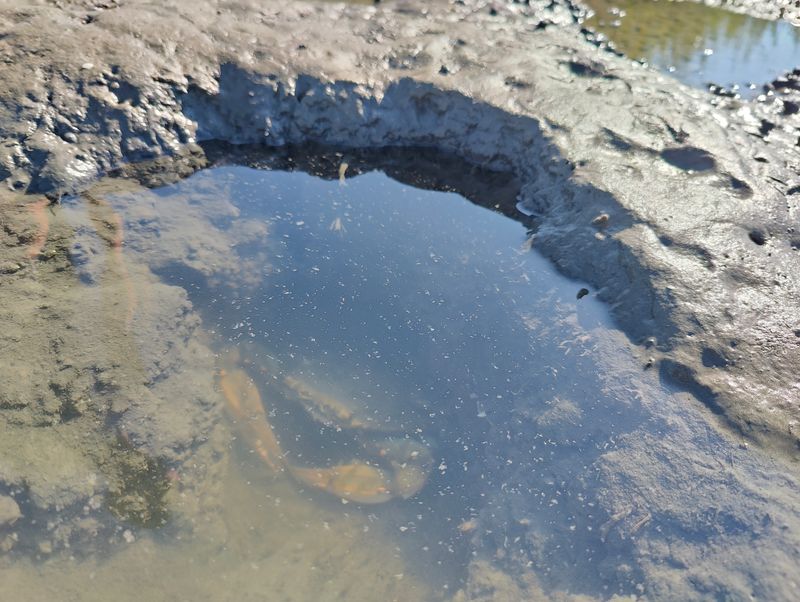
Tides also affect what you’ll see on the island itself. Low tide exposes tide pools teeming with small fish, crabs, and other marine creatures, creating natural aquariums perfect for observation.
High tide brings waves closer to dunes and may cover favorite beach spots, but also offers better swimming conditions. Working with rather than against tidal rhythms makes every visit more enjoyable and safer.
11. No Facilities Means Complete Self-Sufficiency Required
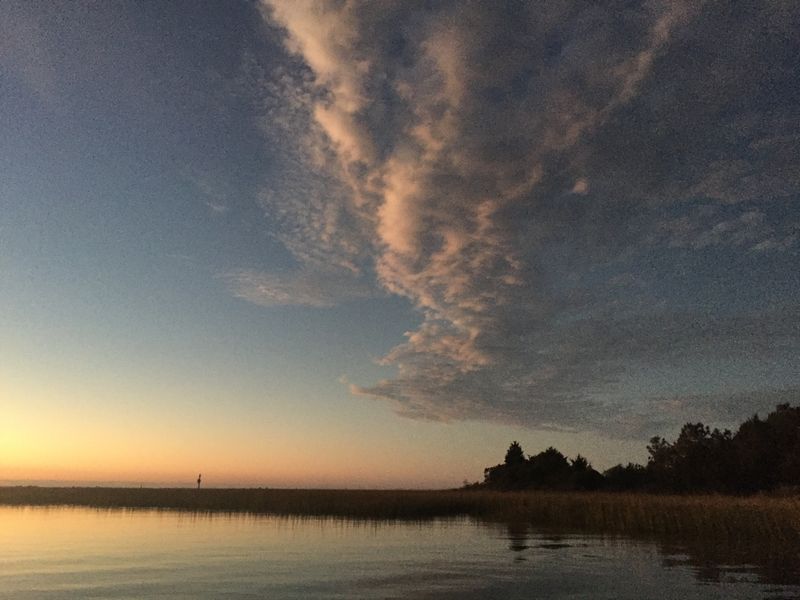
Masonboro Island operates on a strict BYOE policy, Bring Your Own Everything. No bathrooms exist anywhere on the island, no water fountains provide refreshment, no snack bars sell forgotten supplies, and no lifeguards watch over swimmers.
This complete absence of facilities preserves the island’s wild character but places full responsibility for safety and comfort squarely on visitors’ shoulders. Preparation isn’t just recommended; it’s mandatory for enjoyable visits.
Successful island visitors pack abundant water (far more than seems necessary), sun protection including sunscreen and shade structures, all food and snacks, first aid supplies, and bags for packing out every scrap of trash. Some bring portable toilets for longer stays, while day-trippers plan accordingly before launching.
The island’s pristine condition depends entirely on visitors respecting leave-no-trace principles.
This self-sufficiency requirement actually enhances the experience for many visitors, creating a true wilderness adventure just minutes from civilization. The lack of amenities filters out casual beachgoers, ensuring that those who make the effort genuinely appreciate what they find and understand the responsibility that comes with accessing such special places.
12. Wildlife Encounters Beyond Birds And Turtles
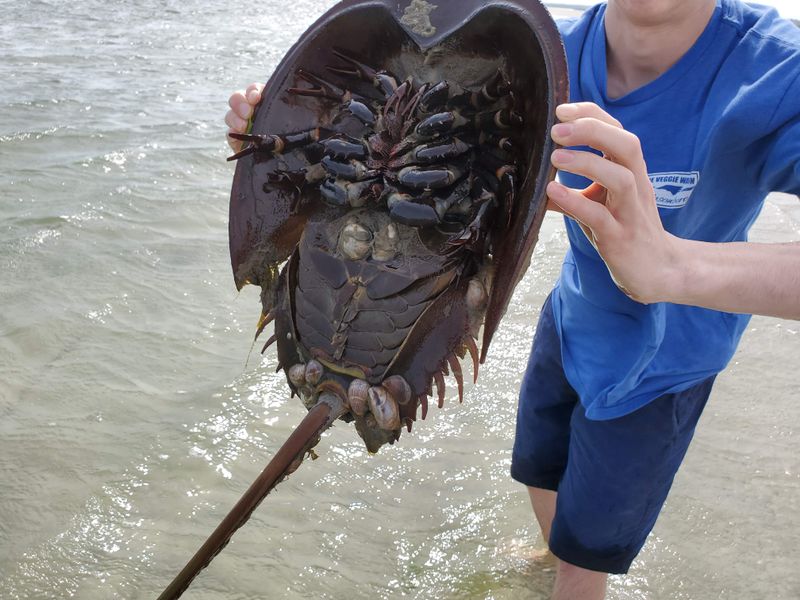
While sea turtles and shorebirds get most attention, Masonboro Island hosts an entire supporting cast of creatures that make every visit unpredictable and exciting. Ghost crabs scuttle sideways across sand at remarkable speeds, disappearing into burrows when approached.
Horseshoe crabs, unchanged for millions of years, sometimes wash ashore or can be spotted in shallow waters, their prehistoric appearance never failing to fascinate.
Dolphins frequently patrol waters surrounding the island, their dorsal fins breaking the surface as they hunt fish or simply travel along the coast. Lucky visitors might witness entire pods passing by, occasionally bow-riding waves or engaging in playful behavior.
In summer months, jellyfish appear in varying numbers, requiring swimmers to stay alert though most species are more annoying than dangerous.
Fiddler crabs populate marsh areas, males waving their oversized claws in territorial displays. Hermit crabs inhabit borrowed shells across the island, from tiny specimens to surprisingly large individuals.
Even the occasional shark sighting occurs, though these are typically small species cruising shallows rather than threatening swimmers. Every visit offers potential for unexpected wildlife encounters that create lasting memories.
13. Recent Natural Phenomena And Ongoing Research
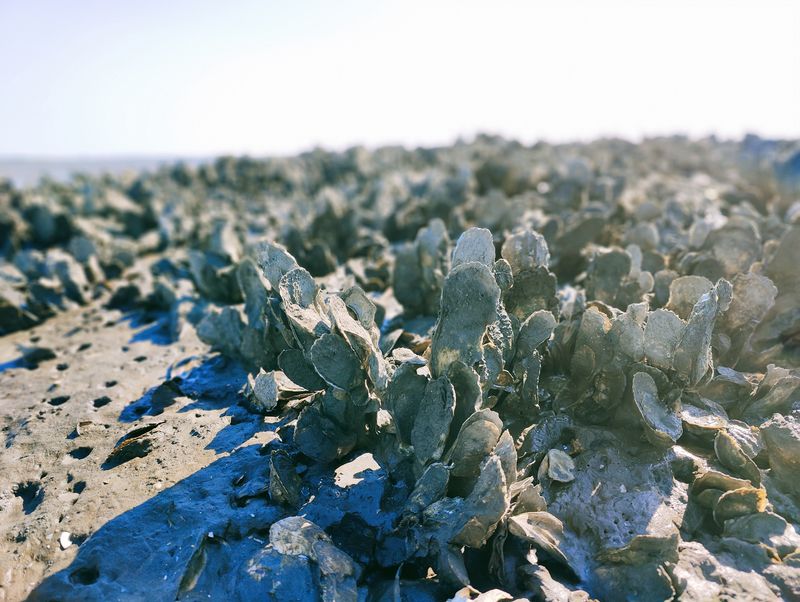
Nature sometimes reminds us how little we truly understand about coastal ecosystems, as happened in September 2024 when over 50 sharks mysteriously washed ashore on Masonboro Island. The North Carolina Department of Environmental Quality investigated this unusual event but couldn’t determine a definitive cause.
The sharks showed no visible injuries and no fishing gear was present, though some exhibited bleeding from mouth or gills, deepening the mystery.
Such events, while disturbing, provide valuable research opportunities and highlight why protected areas like Masonboro matter for scientific understanding. Researchers regularly monitor the island for changes in wildlife populations, vegetation patterns, shoreline erosion, and how the island responds to storms and sea level rise.
This long-term data proves invaluable for coastal management decisions throughout the region.
The island essentially functions as a living laboratory where natural processes occur without human interference, allowing scientists to observe and document coastal dynamics in their pure form. For visitors, knowing that the island contributes to scientific knowledge adds another layer of significance to their experience, transforming a beach day into participation in something larger and more important than simple recreation.