This North Carolina Beach Turns Fall Walks Into A Hunt For Colorful Sea Glass
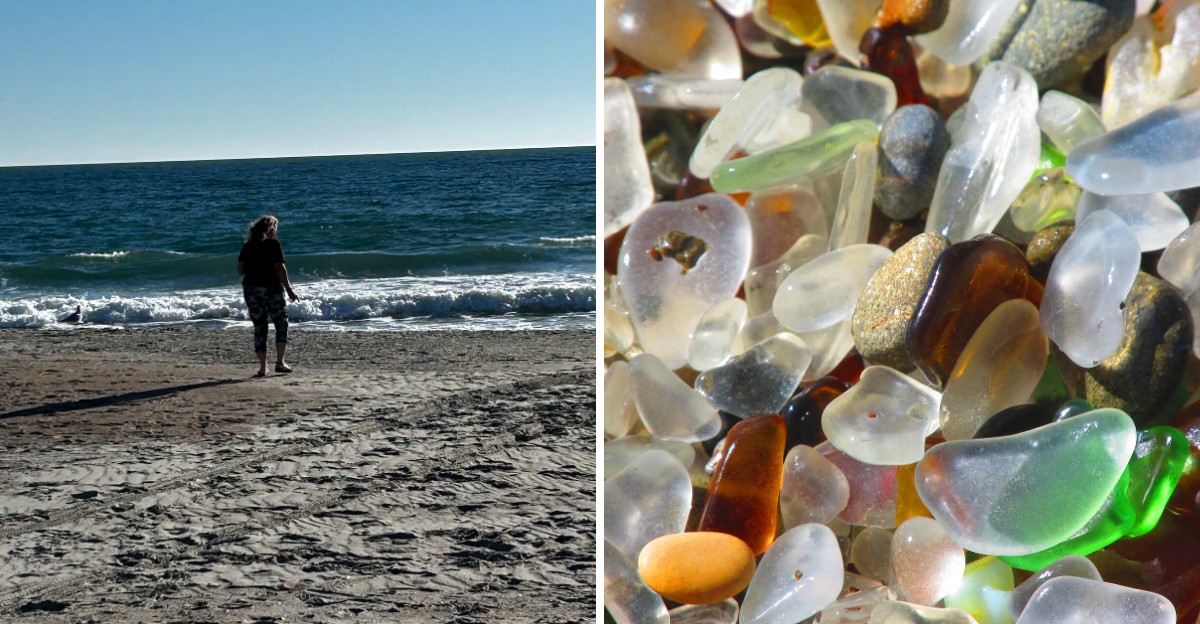
Splashhhh. A wave pulls back, and suddenly something blue is glinting in the sand.
That is the kind of beach walk I could get addicted to.
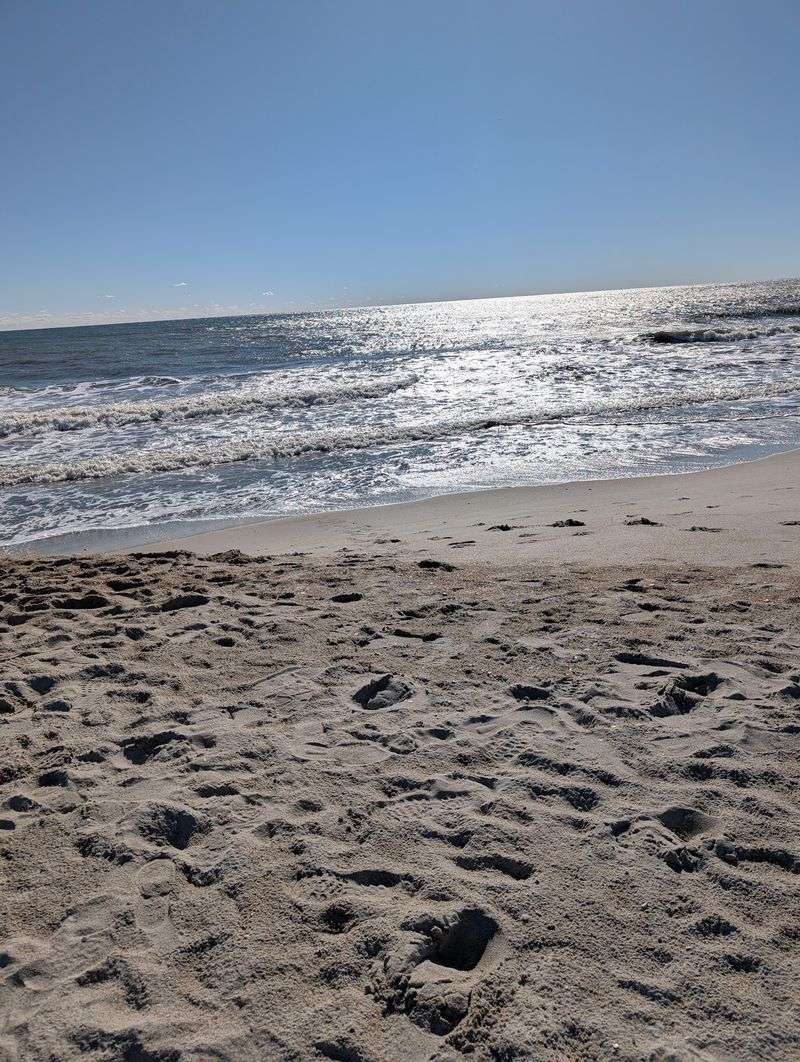
Rough fall and winter surf can stir up old sea glass here, along with pieces of pottery that have spent who knows how long tumbling beneath the water.
I like that the ocean does all the hiding.
Nobody knows what the next tide will uncover, which turns an ordinary North Carolina shoreline into a giant scavenger hunt. The backdrop makes it even stranger.
An old brick fort stands beside the beach while treasure hunters scan the wrack line for tiny flashes of color.
I would probably tell myself I was only taking a quick sunrise walk. Then one green shard would appear.
And suddenly I am hunched over the sand like the Atlantic just handed me a clue.
Strong Waves Do The Heavy Lifting Here
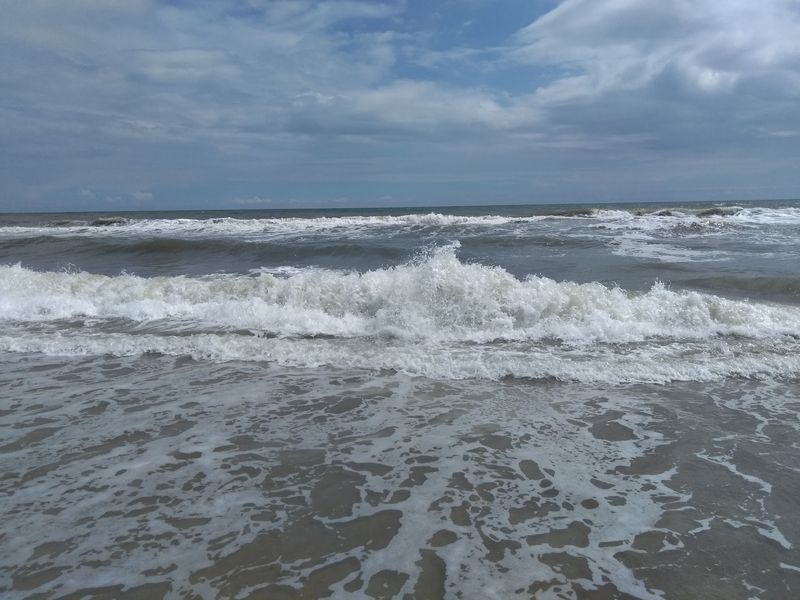
Strong currents and powerful surf near Beaufort Inlet continually reshape this shoreline. That’s great news for anyone hoping to find smooth, frosted glass in the sand.
Fort Macon State Park sits at the eastern tip of Bogue Banks in Atlantic Beach. The stretch of sand inside the park is commonly called Fort Macon Beach, and beachcombers treat it like a treasure map.
Water surrounds the park on three sides. The Atlantic Ocean, Beaufort Inlet, and Bogue Sound all meet here, so the coastline stays busy and always changing.
Those powerful waves carry glass from offshore spots and drop it onto the beach. Over time, the sea tumbles sharp edges until they turn soft and cloudy, almost like candy.
The beach is known for blues and greens. Lucky searchers sometimes spot rarer pink or amber pieces, which feel like winning a tiny lottery.
Glass isn’t the only surprise, either. Pottery shards, old dishes, and bits of crockery can show up too, each one carrying a small mystery about where it started.
So the next time the surf looks rough, don’t grumble. Those waves are basically working the night shift for you.
Fall Is When The Beach Starts Paying Out
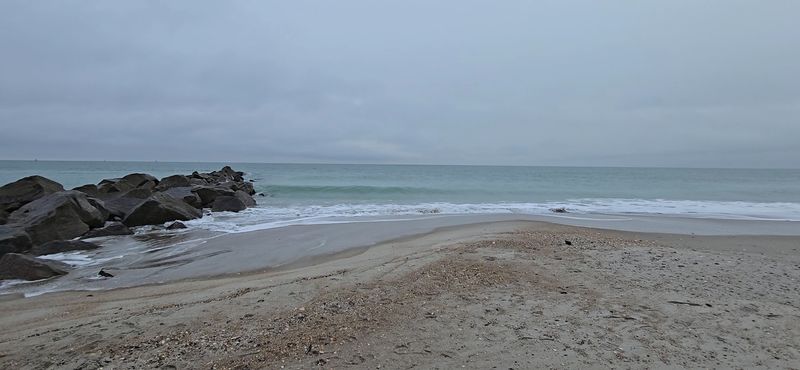
Collectors call fall and winter the rough months. It sounds gloomy, but for sea glass hunters it’s the start of prime season.
The best stretch runs from about October through March. Winter months bring even more storms, and that extra churning often stirs up fresh finds from the seabed.
Fall gives you a sweet middle ground. Temperatures are milder, the beach is quieter, and the wide sandy shore feels like it belongs to the searchers.
Fewer people also means fewer footprints over the good stuff. When the beach isn’t packed, your odds of spotting a glint of green go way up.
Bird migration is active in fall too. So while you’re staring at the sand, the sky might put on its own show overhead.
Bring a light jacket and sturdy shoes. A small mesh bag or bucket is handy for your finds, and it keeps your pockets from turning into sand traps.
Honestly, autumn here feels like the beach finally exhaling after summer. It’s calmer, cooler, and much more generous to anyone willing to look closely.
You’ll find the park at 2303 E Fort Macon Rd, Atlantic Beach, NC 28512. It sits on the eastern edge of this Crystal Coast beach town.
Timing Your Walk Can Double Your Luck
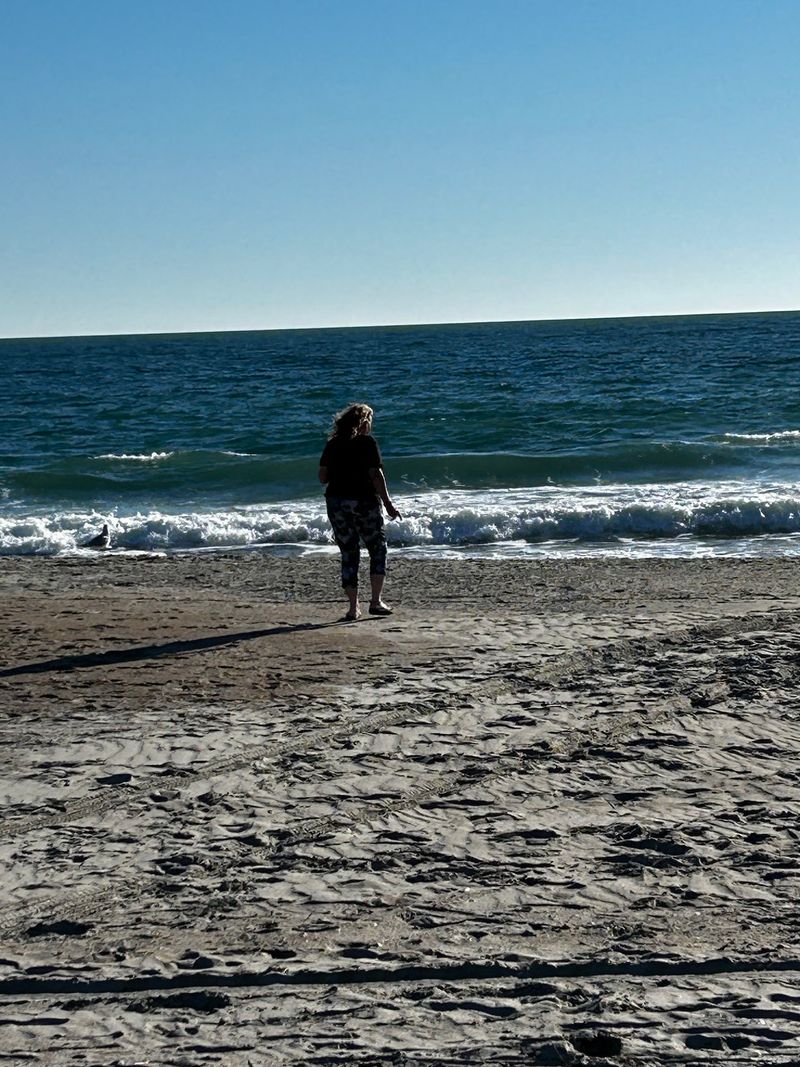
Want the secret recipe? Check the tide chart before you even grab your keys.
Low tide exposes more beach, and that means more ground to search. A falling tide works best, so aim to arrive about an hour before low tide when more sand becomes exposed.
Each retreating wave can leave something new behind. It’s a bit like the ocean flipping cards over one at a time.
Storms change the game too. The first day or two after an onshore storm is often the single best window, once conditions are safe again.
Big swells and strong winds stir up the seabed. That movement can expose glass deposits that were buried and out of reach.
Early mornings also help. The beach and fort parking areas open at 8 AM, so an early visit can still give you time to explore before larger crowds arrive.
Here’s a sneaky pro move. Walk slowly and scan a few steps ahead instead of right at your toes, because your eyes catch color better that way.
Patience matters more than speed. The slow walkers usually end up with the fullest buckets.
Pebble Patches And Seaweed Lines Hide The Good Stuff
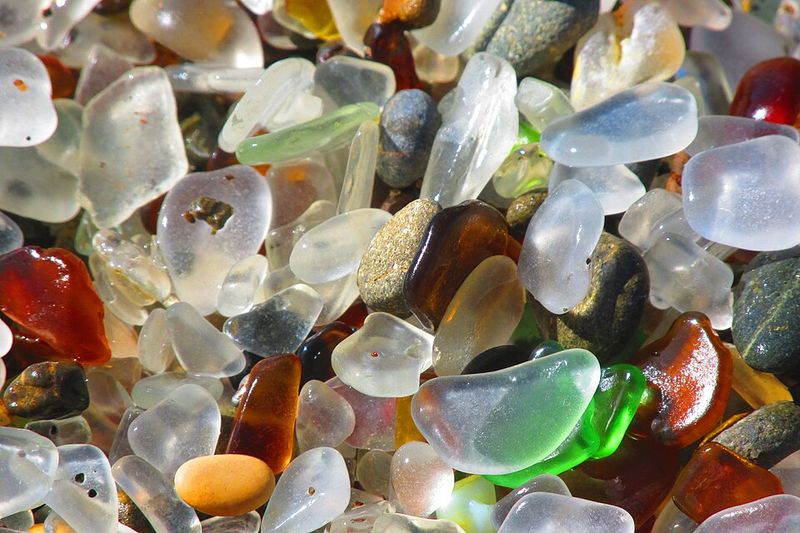
Sea glass loves company. It tends to gather where rocks and pebbles collect along the shoreline.
Those spots act like natural traps. Waves drop small heavy pieces there, and the glass gets stuck alongside the stones instead of washing back out.
The wrack line deserves your attention too. That’s the line of seaweed and debris left by the highest waves, and glass often gets tangled inside it.
Gently poke through it with your fingers or a stick. You might find a frosted green piece hiding under a clump of seaweed like it’s playing hide-and-seek.
Shells are plentiful on this beach. That’s fun for collectors, but it also means tender feet should stay covered, so sturdy shoes are a smart call.
Watch for shapes that don’t look like shells. Pottery shards and old dish pieces sometimes appear, but potentially historic artifacts should be photographed and left undisturbed.
Train your eye to notice color instead of shape. Blues and greens stand out against tan sand once you get the hang of it.
After a few minutes, you’ll start seeing glass everywhere. Fair warning, the habit is hard to shake.
A Brick Fortress Waits Just Past The Dunes
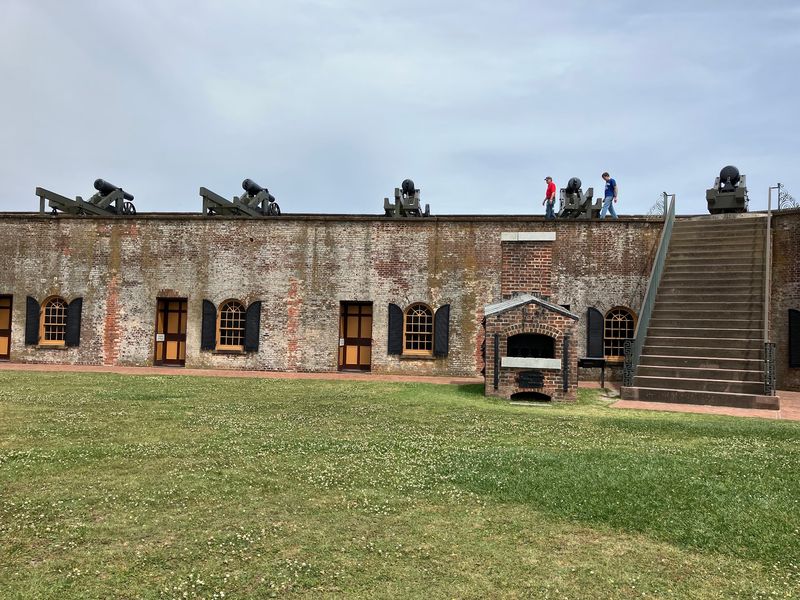
Few beaches let you swap sea glass for cannons in a matter of minutes. At Fort Macon Beach & Historic Landmark, the fort is the star neighbor.
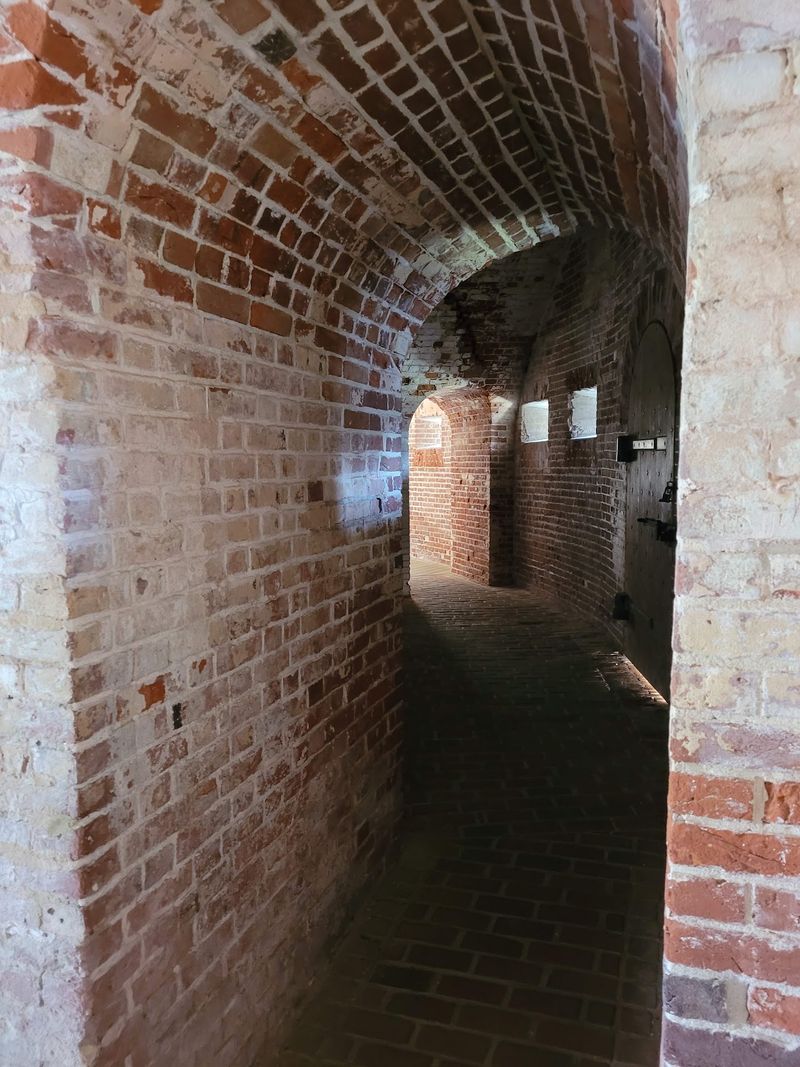
The pentagonal brick fort was built between 1826 and 1834. It has been carefully restored, and wandering through it feels like stepping into a giant puzzle box.
Its walls measure about 4.5 feet thick. Inside, 26 vaulted rooms hold exhibits about life at the fort.
The fort played a role in three American conflicts. It endured a siege in 1862 and later served as a federal prison.
Admission to the fort costs nothing. That makes it an easy add-on after a morning of beachcombing.
The stairs on the fort are narrow and have no railings. Take your time, especially with kids in tow.
Rangers lead tours, and the park often hosts cannon and musket demonstrations. Hearing a cannon boom near the ocean is a memorable way to learn history.
A beach full of old glass beside a fort full of old stories? That pairing just makes sense.
The Visitor Center Turns Curiosity Into Answers
Shipwrecks, barrier islands, and brick-laying all share space under one roof here. The Visitor and Coastal Education Center is a smart first stop.
Its museum-quality exhibits cover local marine ecology and how the fort was built. Displays also explore the many shipwrecks found in the area.
That shipwreck history adds fun context to your beach walk. The ocean along this coast has been moving objects around for a very long time.
Families get a lot out of the interactive displays. They explain the barrier island ecosystem and local wildlife in a hands-on way.
Kids who just collected a pocketful of shells may suddenly have plenty of questions. This is a good place to find the answers.
A bookstore sits inside too. It’s a handy spot for picking up a field guide or a souvenir that won’t crumble in the car.
Like the fort, the visitor center has free admission. Your wallet can relax while your brain gets a workout.
Stop in before you hit the sand. You’ll look at the shoreline with fresh eyes afterward.
Trails Wind Through Marsh, Forest, And Dunes
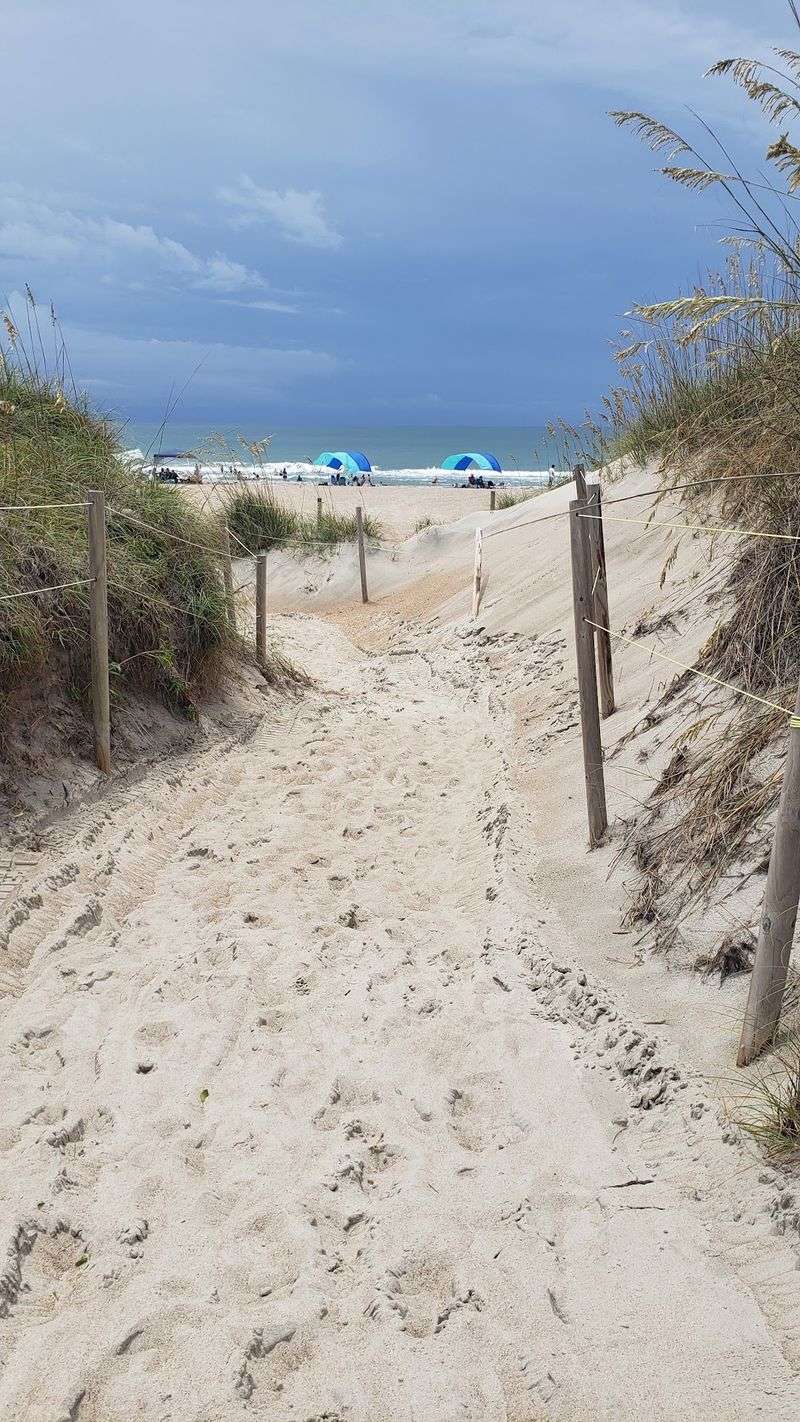
Nearly five miles of trails and beachfront walking routes stretch across this 424-acre park. Not bad for one of the smallest state parks in North Carolina.
The Elliott Coues Nature Trail is a 3.2-mile loop through salt marsh, maritime forest, and dunes. The route is rated moderate, so allow extra time for sandy terrain and stops along the way.
You’ll pass through a surprising mix of scenery. Salt marshes, maritime forests with live oaks and yaupon, and rolling dunes all share this small piece of land.
Craving a shorter walk? Yarrow’s Loop offers a peaceful quarter-mile nature trail near the fort parking area.
Educational signs introduce visitors to the surrounding plants and animals. For sea glass searching, head to the shoreline instead.
The park also offers a 1.5-mile beach walk along the shoreline. This route provides a different perspective on the island’s coastal scenery.
Wear comfortable shoes and bring water. Sand can make even short walks feel like a leg day at the gym.
Mixing a trail hike with beachcombing makes for a full, happy day. Your step counter will be thrilled.
Keep One Eye On The Sky And Waves
More than 300 bird species have been recorded at the park. Birdwatchers basically hit the jackpot here.
Fall bird migration keeps things lively. While you’re bent over hunting glass, take breaks to look up now and then.
Marshes, forests, and shoreline give birds plenty of places to rest and feed. That variety is a big reason the park draws so many species.
Dolphins sometimes appear offshore too. Spotting a fin rolling through the water can make even a glass-free morning feel like a win.
Pack a pair of binoculars if you have them. They’re light, easy to carry, and great for checking out distant shapes over the water.
Ranger-led nature walks and programs are also offered. They’re a fun way to learn which feathered locals you’re actually seeing.
Wildlife adds a gentle rhythm to the day. You search, you pause, you watch, and then you search again.
Honestly, that might be the most relaxing kind of multitasking out there. Nobody ever complained about birds interrupting a beach walk.
Easy Logistics Make Return Trips Tempting
Free parking and free admission? That’s a rare combo on any beach, and it makes repeat visits painless.
The park opens daily year-round and closes only on Christmas Day. Hours shift a bit by season, so check before you head out.
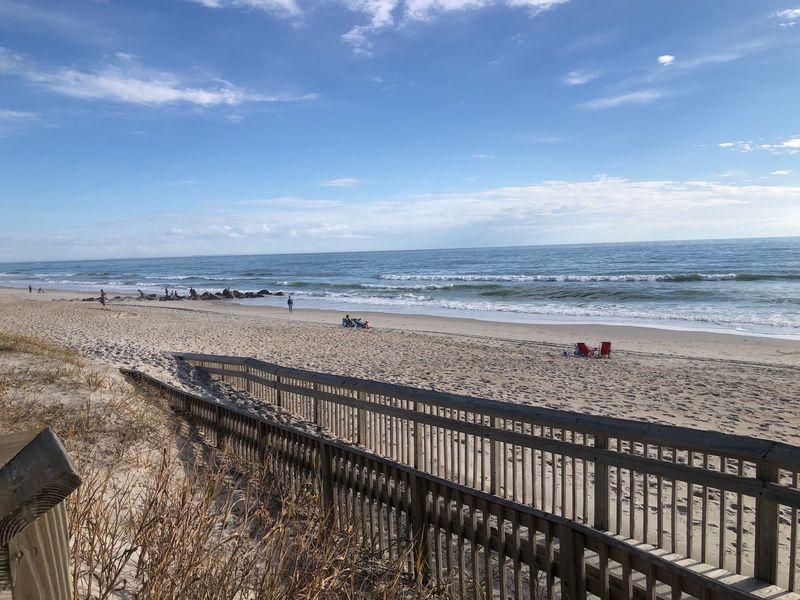
Amenities make beach days easier. Restrooms, picnic areas, and a seasonal bathhouse are all available.
Swimming is allowed in designated areas when conditions are safe. The beach near the fort is set aside for fishing, so plan accordingly.
Fort Macon State Park opened in 1936 as one of the state’s first functioning state parks. In 2025, it was North Carolina’s second most visited designated state park, welcoming more than a million visitors.
Late afternoon can feel peaceful as daily crowds thin out. Combine that calm with a falling tide, and you’ve got a fine recipe for discovery.
Leave room in your bag. Fall walks here rarely end empty-handed.