This North Carolina Blacksmith Shop Lets Complete Beginners Fire Up The Forge And Try Blacksmithing
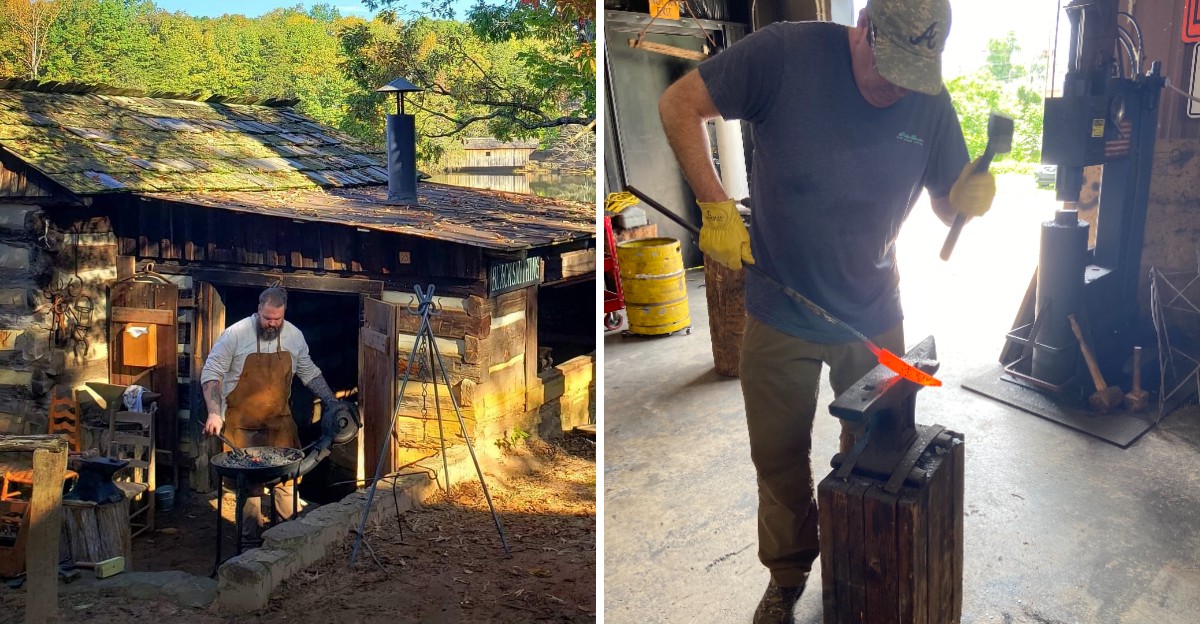
Few hobbies let you hit something with a hammer and call it craftsmanship.
That already gives blacksmithing a strong advantage. Inside a North Carolina forge, beginners get the rare chance to trade watching for actually doing.
The first swing may feel awkward, but confidence tends to arrive surprisingly fast once the metal begins to respond.
There is something deeply satisfying about shaping an object with your own hands instead of clicking “add to cart.”
Mistakes are part of the process, which makes the whole experience feel refreshingly human.
By the end, you may understand why people have been obsessed with this craft for centuries.
Apparently, pounding metal can be very persuasive.
Complete Beginners Can Book A Class And Leave With A Knife They Forged Themselves
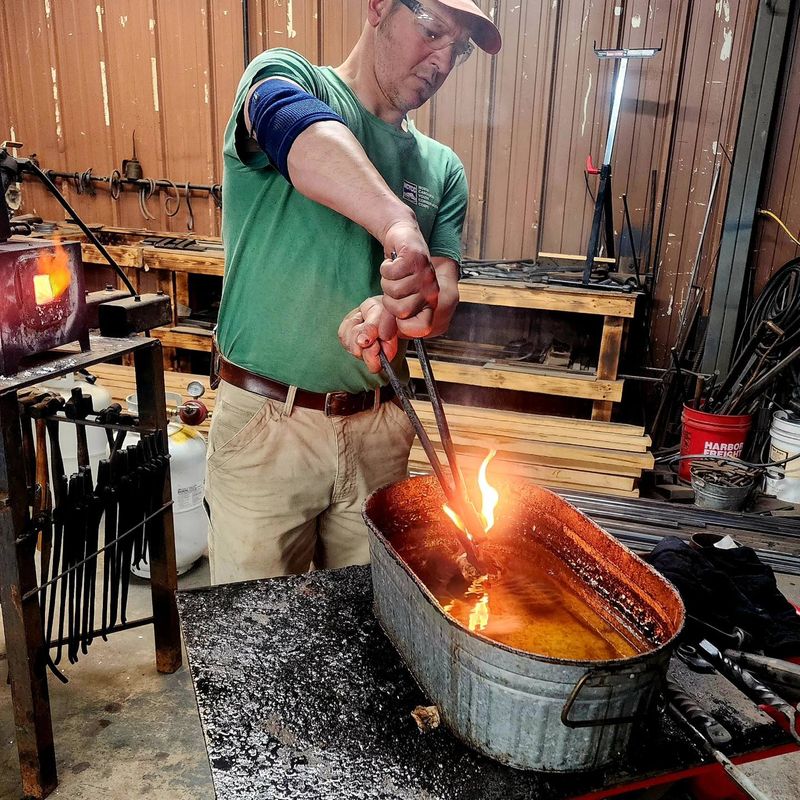
Few souvenirs carry a story quite like something you shaped with your own hands.
Night Owl Iron Works welcomes beginners to learn metalworking through guided classes in Rutherfordton. You do not need to arrive knowing how to hold a hammer like a professional.
The instructor explains each stage and helps students work at a pace that makes sense for their class.
Heat softens the metal so it can be shaped; careful finishing gives the piece its final form.
Watching that change happen is part of the fun, especially if you have never stood beside a working forge. Pay close attention to the safety directions and ask whenever a step feels unclear.
Choose your session based on how much time you want to spend learning.
The horseshoe project offers a brief introduction, while longer workshops leave more room to practice and make design choices.
Wear clothes suited to a hands-on workshop, and check current booking details for any specific footwear or age rules before you go.
At this North Carolina shop, the finished piece is a reminder of more than a class: it marks the moment an unfamiliar skill began to feel possible.
You can find the shop at 174 N Cleghorn St, Rutherfordton, NC 28139.
The Fastest Class Turns A Horseshoe Into A Blade In About 30 Minutes
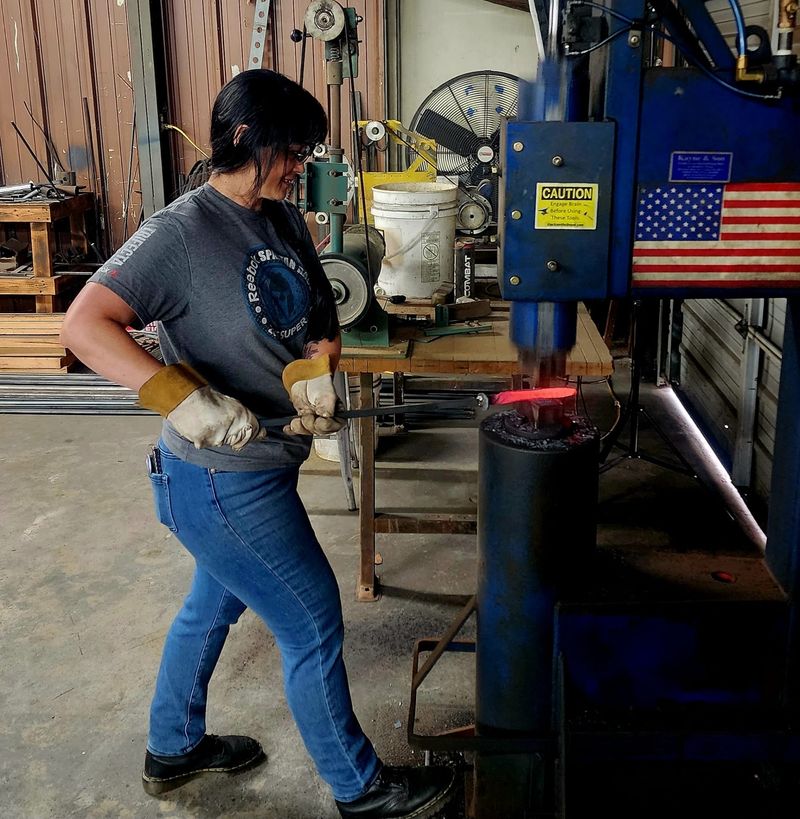
A familiar horseshoe gets an unexpected second life in the shop’s quickest class.
The Horseshoe Knife class takes about 30 minutes, making it an appealing choice if you want to try forging without setting aside a whole afternoon.
Its short length also makes the change in the metal easy to follow, from recognizable curve to finished class project. That half hour is still time at a real forge, not a quick demonstration you only watch.
Listen closely as the instructor explains where to stand, when to work the heated metal, and how to handle tools safely.
The pace can feel lively because each step leads to a visible result.
If you are bringing someone along, check availability first: this class is limited to two participants, so a pair can share the experience while still getting direct guidance.
For visitors exploring Rutherfordton, the session can fit into a day without taking over the schedule.
Confirm the current class time before making other plans, and allow extra time around your booking so you do not arrive rushed.
In the forge’s warm light, a plain horseshoe starts looking like the beginning of a craft you may want to try again.
Railroad Spikes Become Fully Finished Knives During A Three-Hour Workshop
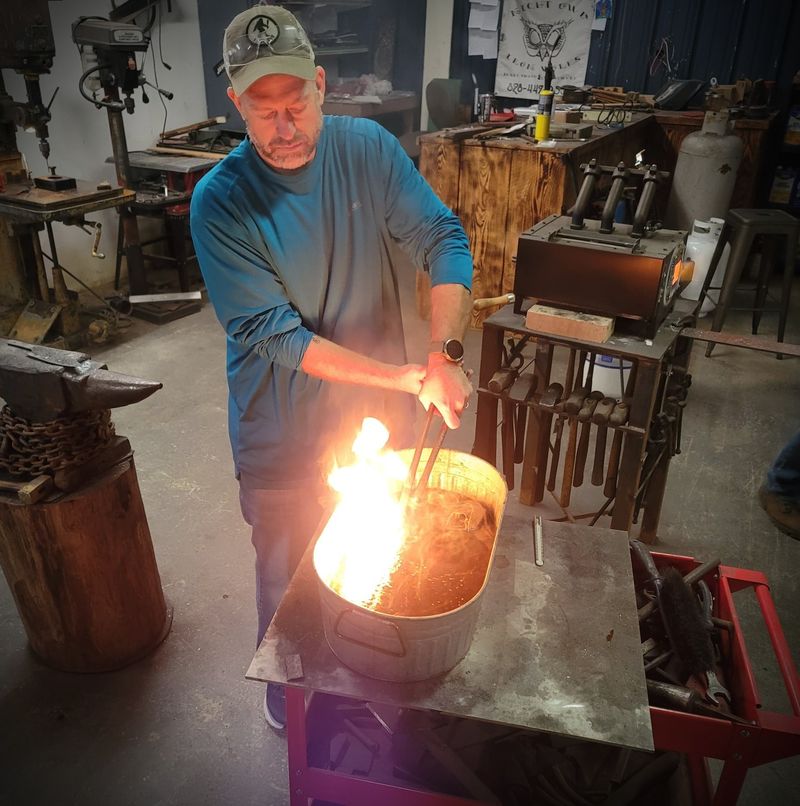
A railroad spike gives this class a strong visual starting point: you can see the old shape even as the metal begins to change.
Night Owl Iron Works offers a workshop built around turning one into a finished knife.
It is a longer commitment than the horseshoe session, giving students more time to follow the stages of the work. Plan for roughly three hours, but confirm the current workshop length when booking because class details can change.
During the session, the instructor guides the forging and finishing rather than leaving beginners to figure out unfamiliar equipment alone.
Notice how the material looks at each stage, especially the contrast between its original squared form and the shaped result.
Questions about heating, hammering, and finishing can make the process more interesting, so speak up when curiosity strikes.
For a day trip across North Carolina, reserve a spot before building your schedule around the workshop.
A small-group class is easier to enjoy when you are not watching the clock, so leave some breathing room afterward.
The project connects an everyday piece of metal with the patient work of the forge. By the time the session ends, you will understand why changing a material can be as memorable as taking the finished piece home.
Small Class Sizes Mean You Get Plenty Of Hands-On Help At The Forge
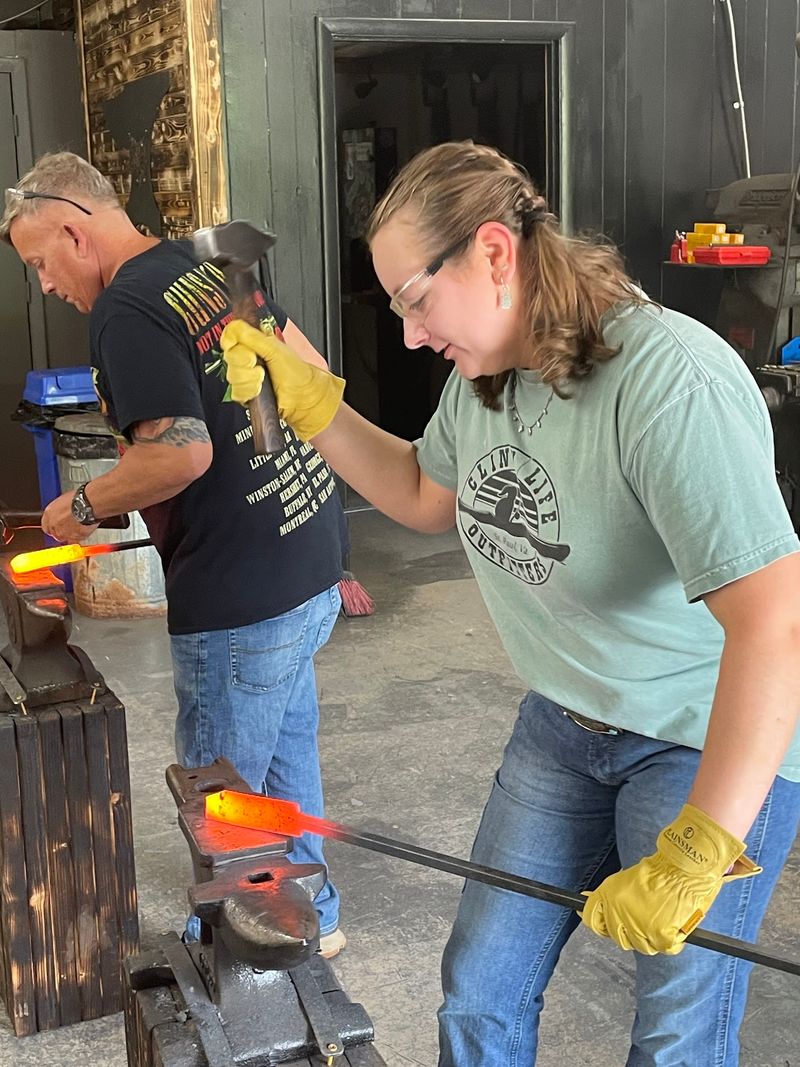
When the metal is hot and the tools are new to you, having an instructor nearby makes a difference.
Night Owl Iron Works keeps its classes small so students can take part instead of getting lost in a crowd.
The Horseshoe Knife class is limited to two participants, while the Railroad Spike, Pack Knife, and Custom Knife classes are each capped at four. Those numbers shape the feel of a visit.
There is room to watch a demonstration, try a step yourself, and ask what comes next before moving on.
You might notice how a small adjustment in where the hammer lands changes the piece in your hands.
Treat the instructor’s safety directions as part of the craft, not an interruption; careful habits matter whenever a forge and tools are in use.
If you hope to attend with a friend or family member, check the spaces available for the exact class you want.
A group of three, for example, should not assume it can book the two-person horseshoe session together. Small classes also mean popular dates may fill, so planning ahead is sensible.
The reward is a workshop where the ringing tools and bright forge still feel lively, yet you have the chance to pause, learn, and keep up with each stage of your own project.
The Custom Knife Class Lets You Design The Blade Before You Ever Swing A Hammer
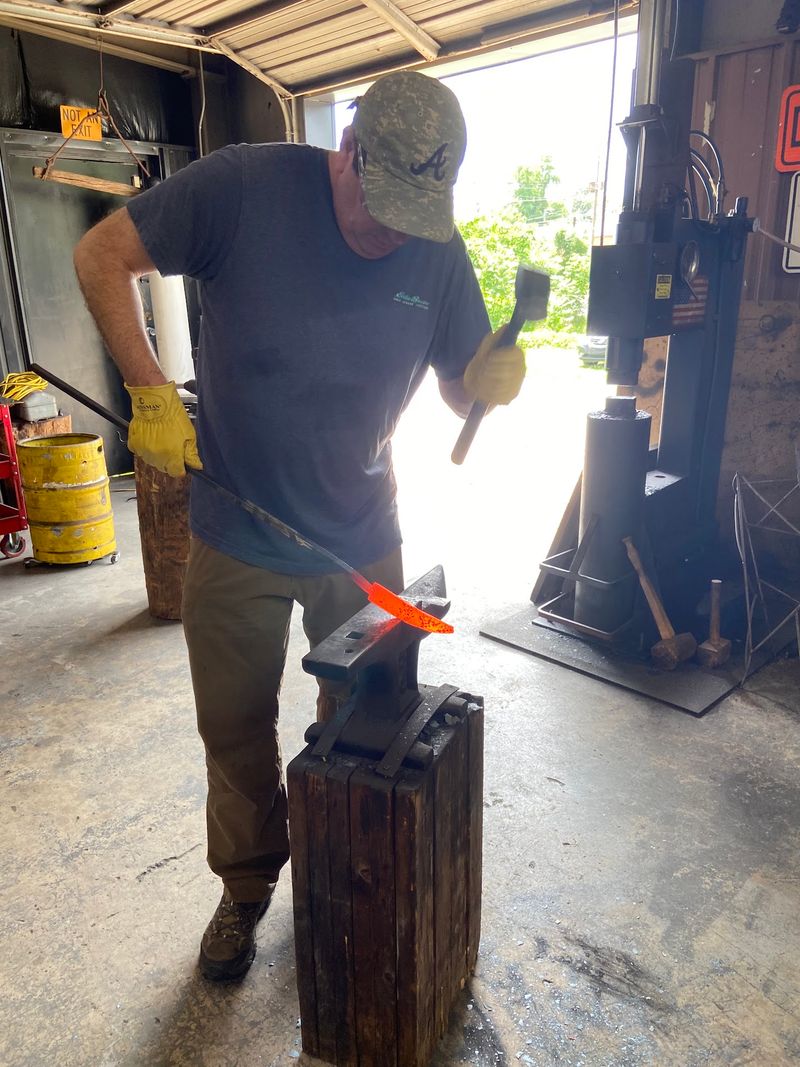
The first decision in this class happens before the forge gets involved.
Students in the Custom Knife Class design their blade, then work through the steps needed to make that plan real.
It is an eight-hour experience, suited to someone who wants a full day of learning rather than a quick introduction. Design changes how you look at the finished object.
A line drawn on paper has to make sense once it becomes metal, and the class covers essential design skills along with foundational and intermediate forging techniques.
Students also learn expert grinding methods as the piece moves toward its final form.
You can arrive with ideas, but staying open to the instructor’s guidance will help you make practical choices.
Bring your questions; understanding why a step matters can be as satisfying as seeing it completed.
Lunch is provided during the workshop, a useful detail when planning such a long session.
Check the current booking information for anything else you should bring, and keep the rest of the day fairly clear.
After hours spent following one idea from sketch to forge, even small features can feel meaningful. The experience offers a close look at how planning, steady practice, and careful finishing work together in the shop.
One Workshop Uses High-Carbon Steel To Make A Serious Pack Knife From Scratch
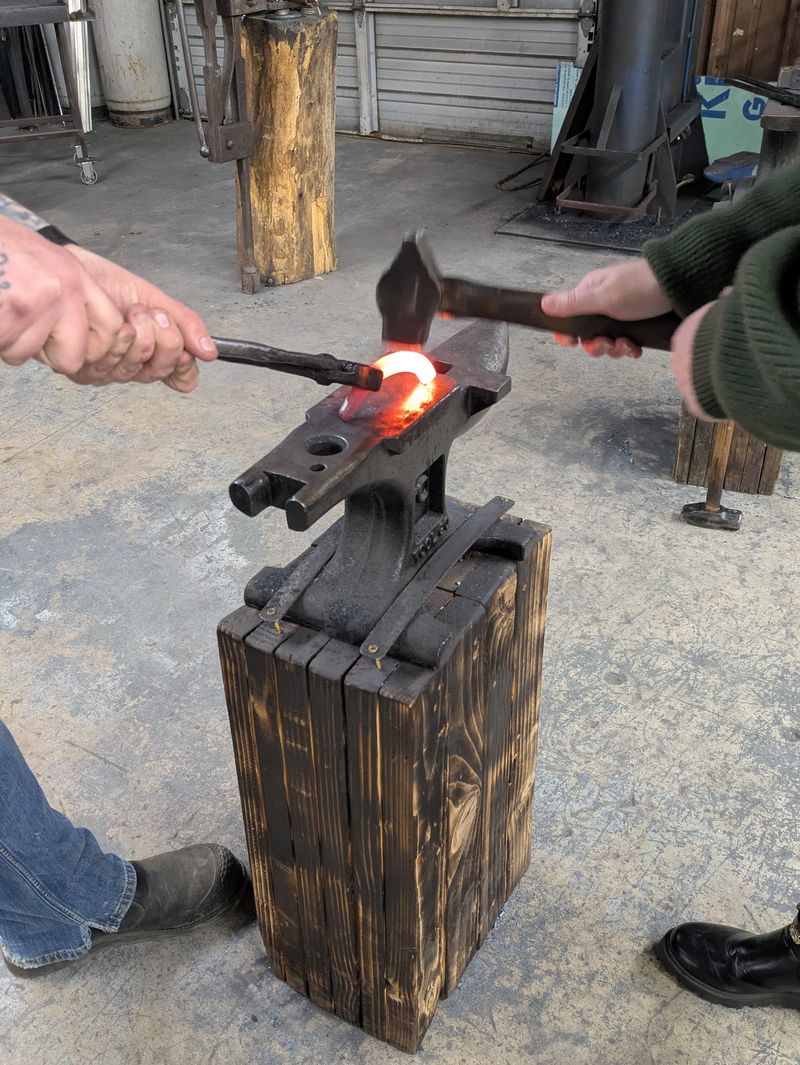
Some classes begin with a familiar object; the Pack Knife class begins with steel chosen for the job.
Night Owl Iron Works uses 1095 high-carbon steel for this four-hour workshop.
That material gives students a chance to learn why the starting stock matters, not just how a finished piece looks. Over the course of the class, a simple piece of steel takes shape through guided work.
The longer schedule offers more time to notice the link between each step and the result: heating makes shaping possible, while later work refines the form.
You do not need to know the metal’s name before arriving, but remembering it can help you compare this class with the shop’s horseshoe and railroad spike projects.
Follow the instructor’s directions closely, particularly when moving between the forge and the work area.
Four hours is a substantial part of a day, so eat beforehand and check the current class listing for what to wear and bring.
If this is your first visit to a North Carolina forge, decide whether you would enjoy a longer project or prefer a shorter introduction. Either way, the Pack Knife class makes the lesson tangible: materials and careful work both play a part in what leaves the shop with you.
The Shop’s Founder Is A Forged In Fire Champion Who Still Teaches Traditional Techniques Night Owl Iron Works
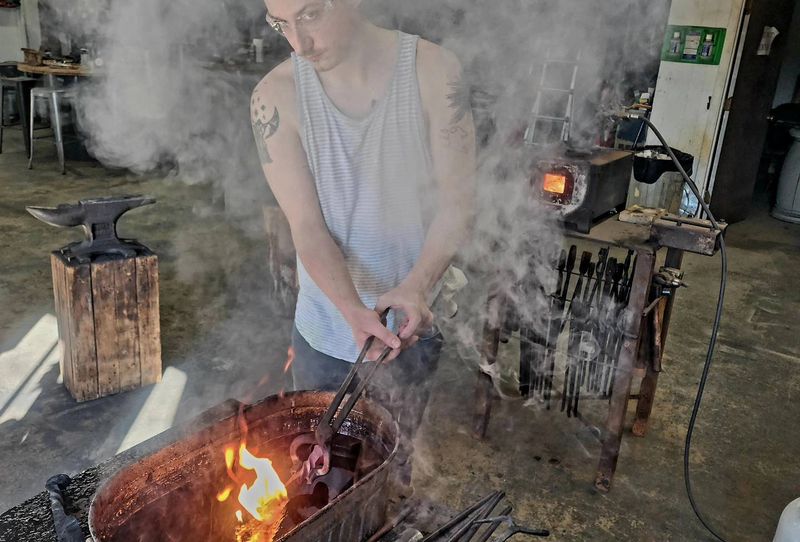
Behind the classes is a working craftsperson with a story of his own.
Jordan Jackson founded Night Owl Iron Works in 2016 and continues to teach traditional forging techniques there.
His experience gives students an opportunity to learn from someone who practices the skills beyond the classroom.
Jackson won on the History Channel’s Forge of Fear special in June 2021, earning a Forged in Fire championship. That television achievement may catch your eye, but the everyday work at the shop is what shapes a class visit.
Rather than expecting a dramatic competition, expect instruction that helps you understand what the tools do and why the sequence of steps matters.
Watching a skilled blacksmith explain a movement can reveal details that are easy to miss when you try it alone.
The studio has another creative side, too.
Rachel Jackson joined the team in 2019 and added custom leather craftsmanship to its offerings. Together, those fields show that the shop is devoted to making useful objects by hand, not simply hosting an activity.
If you are curious about traditional skills, ask about the techniques you see during your workshop.
The sounds of hammering and the sight of careful work offer a direct connection to the craft Jordan teaches.
Why This Working Blacksmith Shop Feels More Like An Adventure Than A Craft Class
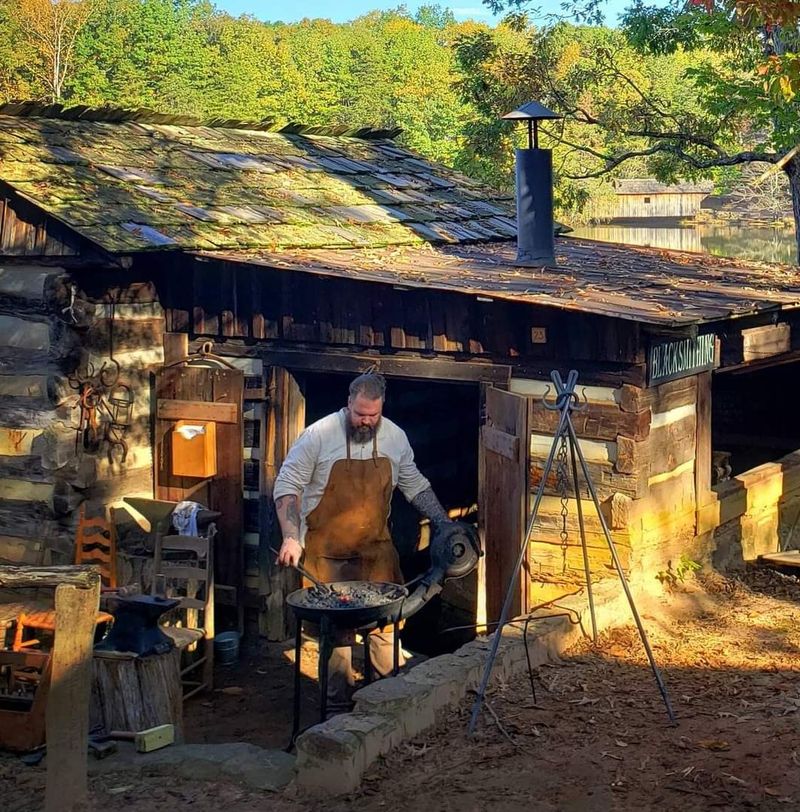
The sound of metalwork can change the mood of a room in an instant.
At Night Owl Iron Works, you are visiting a working blacksmith and leathercraft shop, not just sitting at a table assembling a project.
The forge, tools, and workbenches give the experience a sense of purpose before your class even begins. What makes the visit engaging is the chance to take part in a real process.
You watch a demonstration, follow safety guidance, and see your own work change as you move through the lesson.
Each class offers a different scale of experience, from a brief horseshoe session to the full-day custom workshop.
Pick the one that fits your time and curiosity rather than assuming the longest option is the best place to start.
Before heading to Rutherfordton, check the shop’s current schedule and reserve the class you want.
Confirm participation rules for anyone joining you, and give yourself enough time to arrive ready to listen and work. The pace of the forge rewards attention: bright heat, measured movements, and the steady sound of tools all point toward the piece taking shape.
In this North Carolina workshop, the memorable part is not only what you make, but what you learn while making it.