This North Carolina Buddhist Temple Has A Giant Sleeping Buddha Hiding In Plain Sight
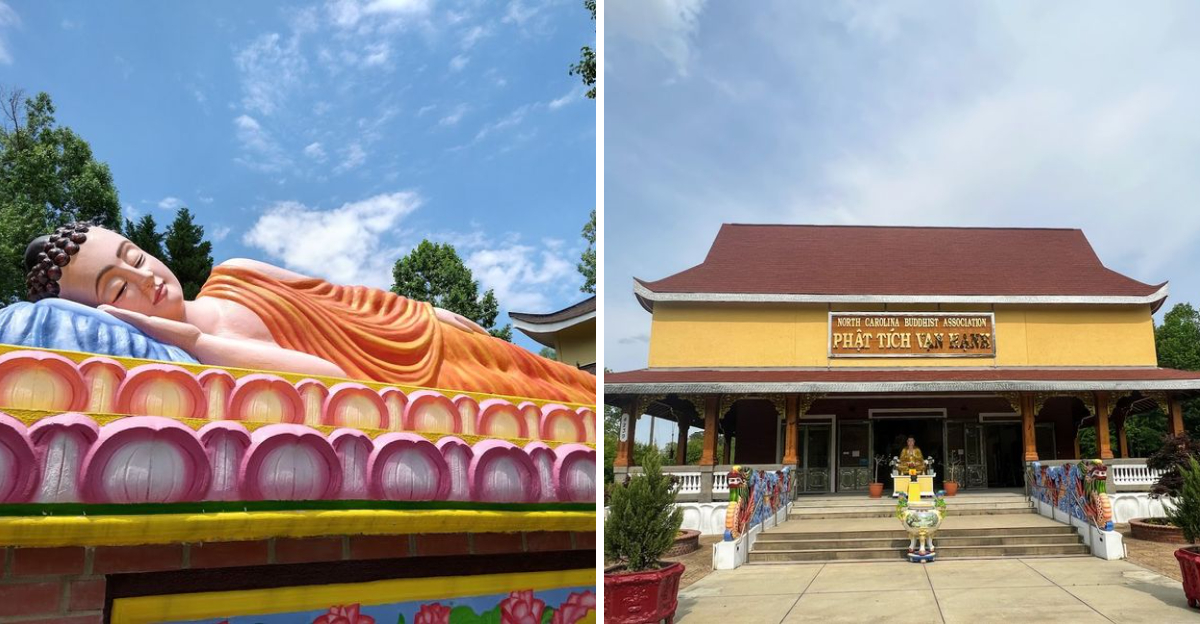
Some places do not announce themselves from the road.
They wait until the world feels a little too loud, then offer something still enough to make people slow down.
On six peaceful acres in Raleigh, a Vietnamese Buddhist temple holds a sight that feels both gentle and unforgettable.
The reclining Buddha rests with a presence that does not need grandeur to feel powerful.
Step onto the grounds, and the mood changes.
Traffic fades. The pace softens.
Even the air seems to ask for a little more respect.
North Carolina has plenty of surprising places, but this one feels different because its beauty is not trying to impress anyone.
It simply invites visitors to pause, breathe, and notice how rare true calm can feel.
The Reclining Buddha Makes The Grounds Feel Unexpected
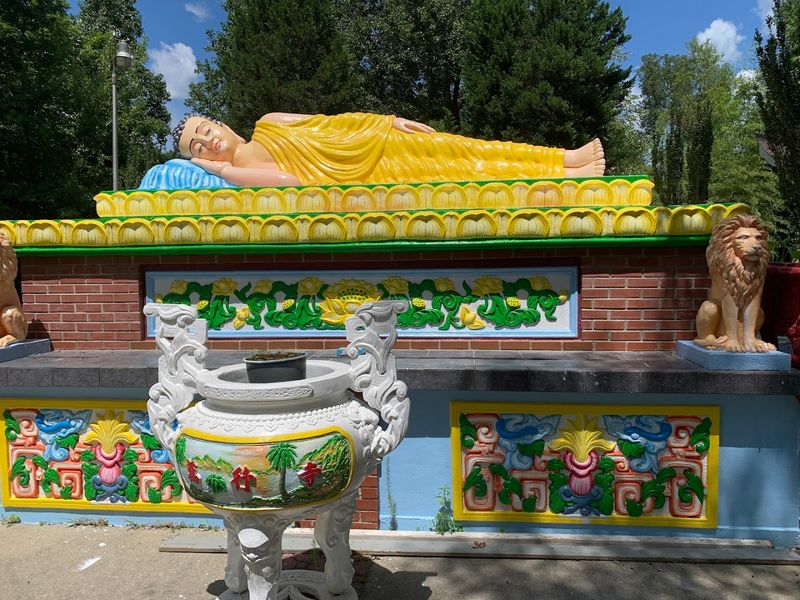
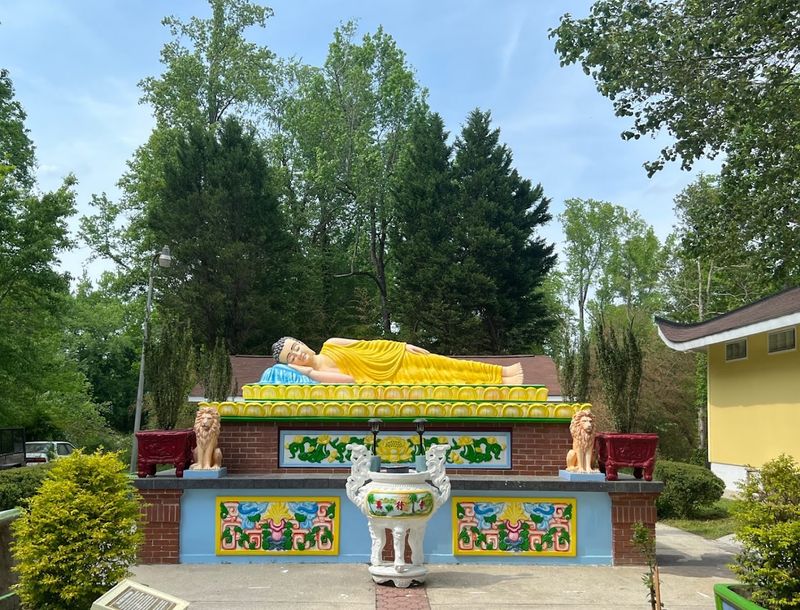
A reclining Buddha in Raleigh is not the sort of thing most drivers expect to find behind a turn off Forestville Road. That surprise is part of what makes Phật Tích Vạn Hạnh feel so memorable on a first visit.
The large outdoor figure immediately changes the mood of the grounds, shifting the experience from simple curiosity to something more reflective.
In Buddhist tradition, reclining Buddha images often represent the Buddha’s final passing into parinirvana, a sacred moment tied to release, peace, and the end of earthly suffering.
Seeing that image in an open North Carolina setting gives the temple garden a strong emotional center. The sculpture is not just big for the sake of being impressive.
It points visitors toward a deeper story within Buddhist teaching. Around the grounds, other statues and shrines help create a wider spiritual landscape, so the reclining figure feels connected rather than isolated.
Visitors who come only for a quick photo may still be impressed, but those who slow down will notice more. The posture, expression, scale, and placement all invite quiet attention.
That is the real power here. The statue may be visible, but its meaning asks for more than a glance.
Forestville Road Hides A Peaceful Raleigh Temple
Ordinary roads make the best hiding places for extraordinary stops. Phật Tích Vạn Hạnh is at 4229–4239 Forestville Road, Raleigh, NC 27616, in a part of the city where a passing driver might not immediately expect a Vietnamese Buddhist temple.
The official site lists daily public hours from 7 a.m. to 5 p.m., though visitors should still check current information before making a special trip because temple schedules and events can change.
Once on the property, the contrast with the surrounding city feels quick and noticeable.
Forestville Road belongs to everyday Raleigh, but the temple grounds ask people to move differently. Walk slower.
Speak softer. Look longer.
The space serves the local Vietnamese Buddhist community as a living religious center, which gives the visit a different weight than a public garden or cultural display.
Chanting services, observances, and community gatherings are part of its ongoing life.
That matters for visitors. The temple welcomes respectful curiosity, but it is not built around tourism.
Its calm comes from faith, routine, care, and community use. Finding it near a busy modern city makes the experience feel even more striking, as if peace has been waiting in plain sight.
You Notice The Statues Before The Quiet Fully Sinks In
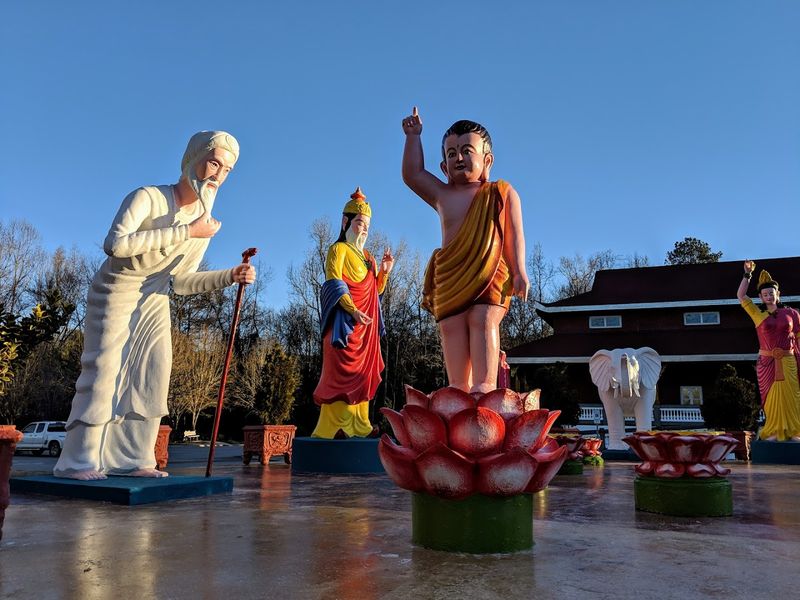
Eyes get busy before the mind catches up. Around the temple grounds, statues and devotional features create an outdoor setting that feels layered, colorful, and carefully arranged.
Some figures stand with serene expressions, others appear in teaching or contemplative forms, and each one adds to the sense that the property is telling a story without rushing anyone through it.
Official nonprofit records from the North Carolina Buddhist Association show ongoing investment in temple maintenance and religious decorations. They also document recent purchases of Arahan statues, reflecting continued care and development of the grounds.
For visitors, that care is visible in the way the space feels tended rather than forgotten. The sculptures are not random ornaments.
They belong to a devotional environment shaped by Vietnamese Buddhist practice, community effort, and spiritual intention. Walking among them feels different from moving through a sculpture park because the purpose is not simply aesthetic.
These figures support reflection, reverence, and teaching. The quiet may settle in gradually, but the visual details begin working immediately.
One statue leads to another, then another, until the grounds feel less like a single attraction and more like a path through belief, memory, and care.
Outdoor Shrines Give The Visit A Story To Follow
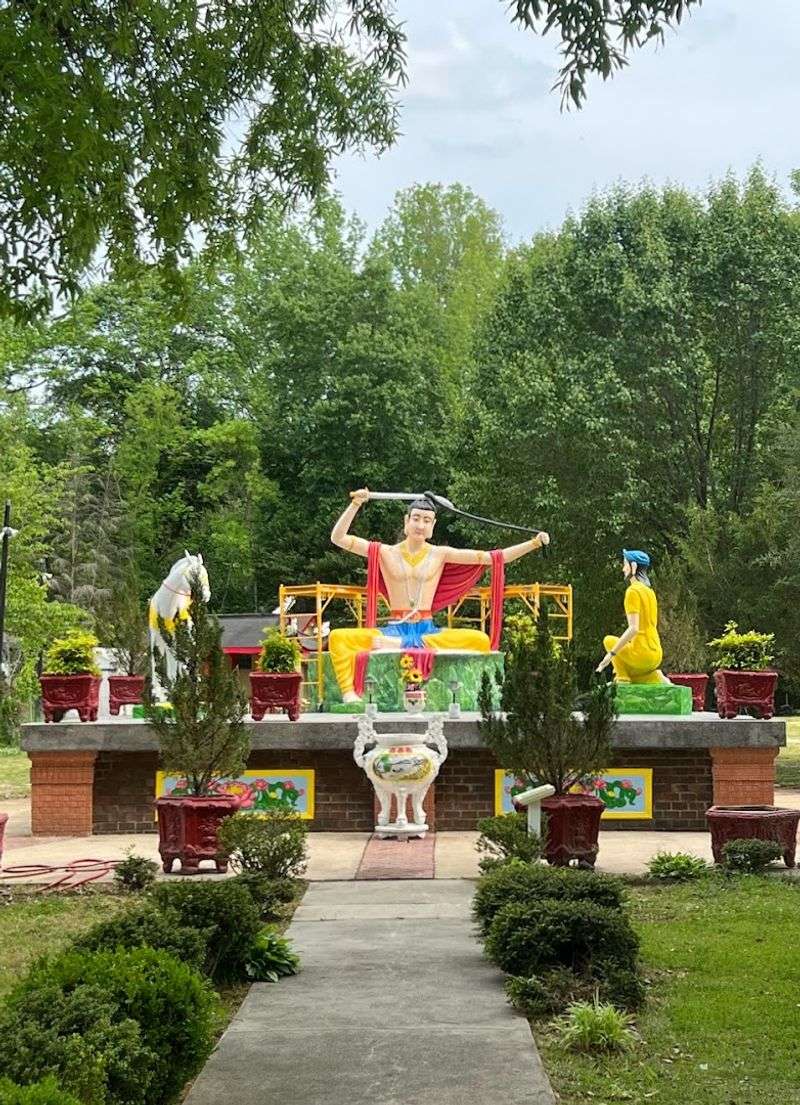
Movement helps the visit unfold naturally. Instead of standing in one spot and trying to take everything in at once, visitors can follow the outdoor shrines, statues, paths, and devotional spaces across the temple grounds.
That slower progression gives the property a gentle narrative quality. Certain images connect to important moments in the Buddha’s life and teachings, while others reflect compassion, wisdom, guardianship, and devotion within Buddhist practice.
A pond and garden features add softness to the setting, making the walk feel meditative even for people who are new to the tradition. The best approach is not to rush from one photo angle to the next.
Pause. Notice how the shrines are placed.
Watch how the plants, water, statues, and temple buildings relate to one another. A space like this rewards attention because the meaning is spread across the grounds rather than concentrated in one object.
Families, solo visitors, and culturally curious travelers can all learn something here, but respect should lead the visit. Outdoor shrines are still sacred spaces.
Keeping voices low, staying on appropriate paths, and avoiding intrusive behavior helps preserve the atmosphere for worshippers. The story is there to follow, but it should be followed gently.
Vietnamese Buddhist Traditions Shape The Whole Setting
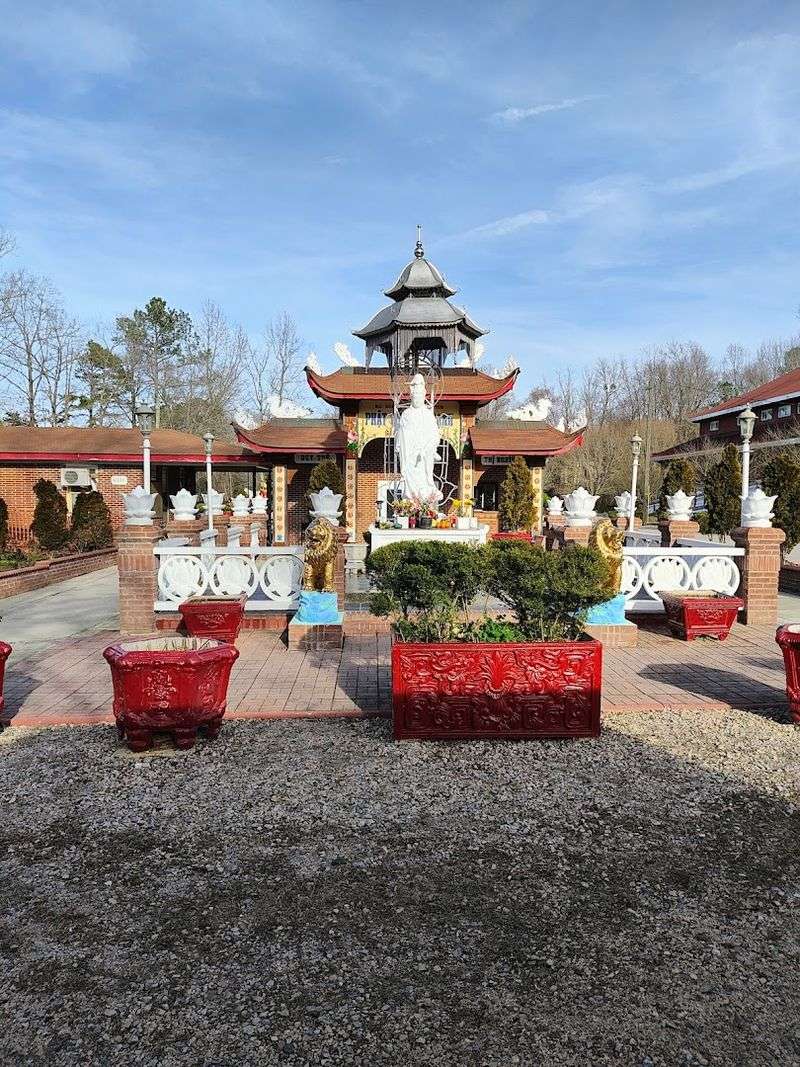
Every part of the temple is rooted in a specific community, not a generic idea of spirituality. Phật Tích Vạn Hạnh is connected to the NC Buddhist Association and serves Vietnamese Buddhist worshippers in Raleigh through services, observances, chanting, and cultural-religious events.
The official calendar includes annual Buddhist ceremonies and Vietnamese lunar-year observances, showing that the temple remains active throughout the year. That living tradition shapes the grounds more deeply than any single statue can.
Visitors may hear Vietnamese spoken or chanted, see offerings, notice devotional images, or arrive during a time when worshippers are gathering. Those moments should be treated with care.
This is not a museum where everything exists for outside interpretation. It is a place where people pray, remember, celebrate, mourn, and maintain a spiritual community far from Vietnam.
That cultural depth is what makes the experience so valuable for respectful visitors. The temple offers a window into Vietnamese Buddhist life in North Carolina, but it does so on its own terms.
Arriving with humility matters. People do not need to understand every symbol to behave well.
A quiet presence, modest clothing, and willingness to observe without interrupting go a long way.
The Temple Grounds Feel Calm Without Feeling Empty
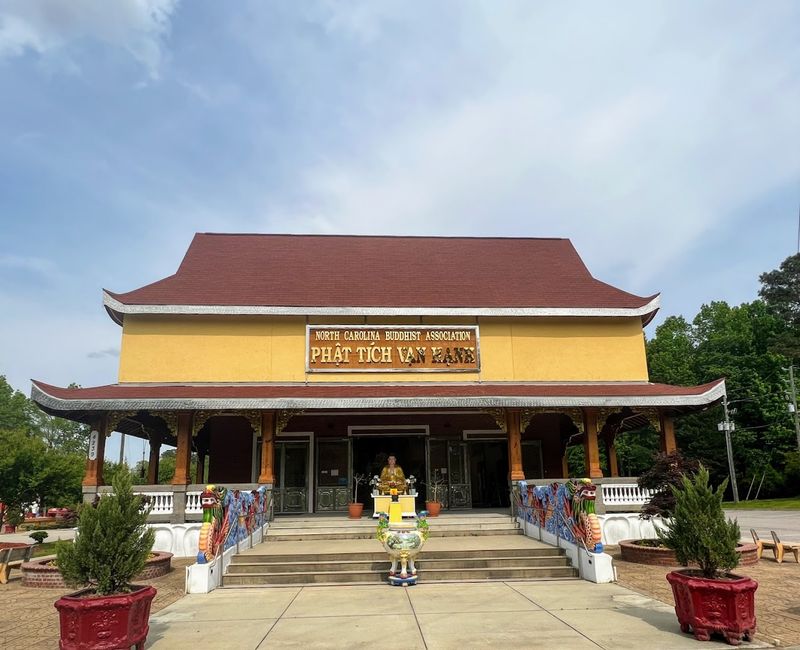
Stillness here has substance. The grounds feel calm because they are cared for, used, and shaped by devotion, not because nothing is happening.
Pathways, statues, shrines, temple buildings, plants, and gathering spaces create a setting that invites reflection while still giving visitors plenty to notice. That balance is what makes Phật Tích Vạn Hạnh so compelling.
A purely empty place can feel lifeless, but this temple feels peaceful because it holds intention. People come to worship, maintain traditions, attend ceremonies, and spend time within a spiritual environment.
Visitors should remember that their behavior affects that atmosphere. Modest dress is a thoughtful choice, and shoes may need to be removed before entering certain interior or sacred areas.
Photography should be handled respectfully, especially if worshippers are present. Asking before photographing people or ceremonies is always wise.
Outside, the garden-like grounds allow room to breathe and observe, but the same respect still applies. The calm is not a backdrop for loud conversation or careless posing.
It is part of the temple’s identity. Spending time here can leave a person feeling quieter than when they arrived, which is a rare gift in a busy city.
Respectful Visitors Find More Than A Quick Photo Stop
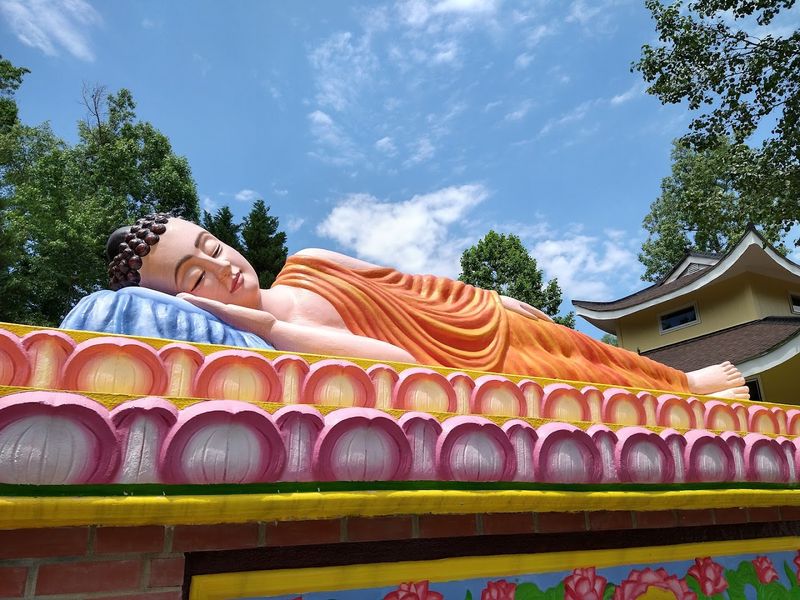
A giant reclining Buddha may bring people in, but the visit becomes richer when photography is not the whole point. Respectful visitors who slow down will notice how the temple functions as a community center, a worship space, a cultural anchor, and an outdoor place of contemplation.
The official site lists daily public hours, but active temple life means services, observances, and community events may shape the atmosphere on any given day.
Arriving during a chanting service or ceremony can be moving, though visitors should observe quietly and avoid treating sacred practice like a performance.
The best experience comes from paying attention to the setting as a whole: the statues, pond, shrines, architecture, offerings, paths, sounds, and people who sustain the place. Reading the room matters here.
If worshippers are praying, give them space. If an area seems private or restricted, do not enter.
If shoes are removed near a doorway, follow that cue. These small gestures help visitors receive more from the experience because respect opens the visit up.
Phật Tích Vạn Hạnh is beautiful, but beauty is only one layer. The deeper reward is understanding that this Raleigh temple is alive with faith, memory, and community.
This Raleigh Sanctuary Turns A Small Detour Into A Moment
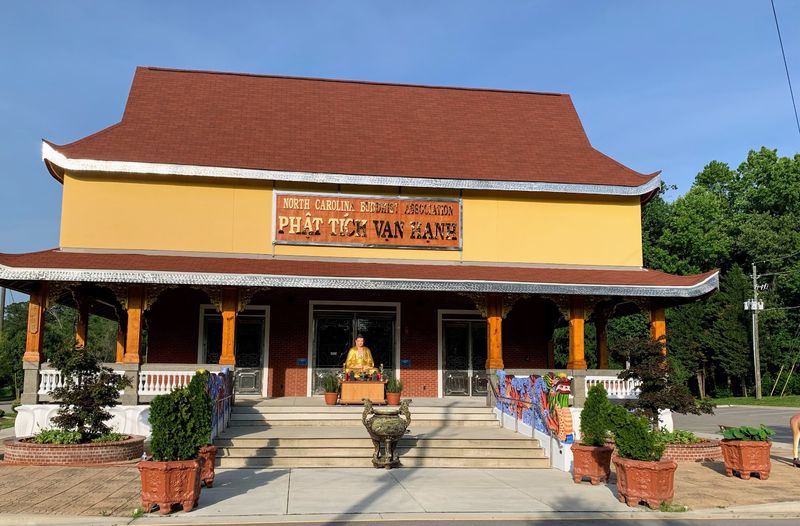
Short detours can change the tone of an entire day. A turn onto Forestville Road brings visitors to Phật Tích Vạn Hạnh, where the reclining Buddha, outdoor shrines, Vietnamese Buddhist traditions, and peaceful grounds create an experience that feels much larger than the drive required.
The temple’s official address, 4229–4239 Forestville Road, Raleigh, NC 27616, places it within reach of everyday city life, which makes the calm feel even more surprising.
This is the kind of place that asks visitors to stop measuring a trip by how many attractions can be squeezed into one afternoon.
One thoughtful visit may be enough. Stand quietly near the reclining Buddha.
Walk the grounds without rushing. Notice the statues and the care behind them.
Listen if chanting is taking place. Let the setting do its work.
North Carolina has gardens, museums, historic sites, and scenic overlooks, but this sanctuary offers something different: a living spiritual landscape shaped by an immigrant Buddhist community and sustained through devotion. A quick stop can become a meaningful pause.
That is what makes the temple memorable long after the road outside feels ordinary again.