This North Carolina City Blends Military History, 1960s Charm, And A Surprisingly Lively Downtown
The weekend starts with a perfectly reasonable plan.
Then the city starts adding footnotes.
A block that looked ordinary from the car suddenly has a story attached to it. Around the corner, something colorful pulls you off course.
Before long, lunch is late and the original itinerary has been quietly abandoned.
That is the fun here.
This North Carolina destination carries a lot of history, but it refuses to behave like a place built only for looking backward. Downtown feels active and easy to explore, with enough personality hidden into the streets to keep changing the mood as you wander.
You may arrive expecting a straightforward stop.
Instead, the city keeps slipping extra chapters into the day.
By Sunday, the only thing still following the original schedule is checkout time.
Mid-Century Buildings Still Give Parts Of Town A Distinct 1960s Feel
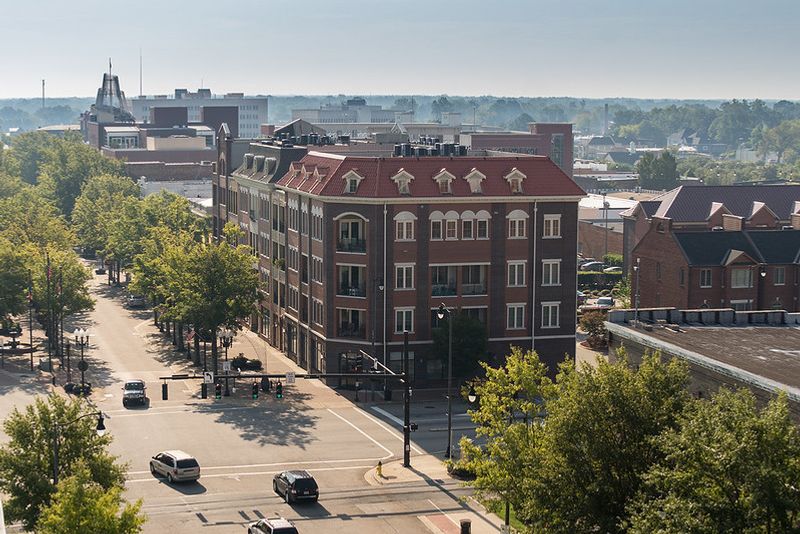
Drive slowly along Bragg Boulevard and the decades start to peel back. Angular rooflines, breeze-block walls, and low horizontal windows reveal a building boom that reshaped Fayetteville when the population grew rapidly in the mid-1900s.
Preservationists have taken this era seriously. The 2009 Fayetteville Modern Architecture Survey documented roughly seventy modernist buildings across the city, including houses, commercial spaces, and institutional structures.
Among the residential examples is the Doris L. and Dale A. Dutcher House, completed in 1965, with the clean geometry and open feeling typical of the period.
Public projects followed the same design language, including the 1966 YMCA building and several academic buildings at Methodist College.
Roadside architecture is where the nostalgia hits hardest. The circa-1960 Knights Inn at 2848 Bragg Boulevard is one surviving example of the corridor’s mid-century roadside architecture.
Bring a camera and take your time. Morning light flatters these facades, and hunting for them turns an ordinary drive across Fayetteville into a low-key architectural treasure hunt.
Downtown Has Filled Out With Restaurants, Shops, And Local Events
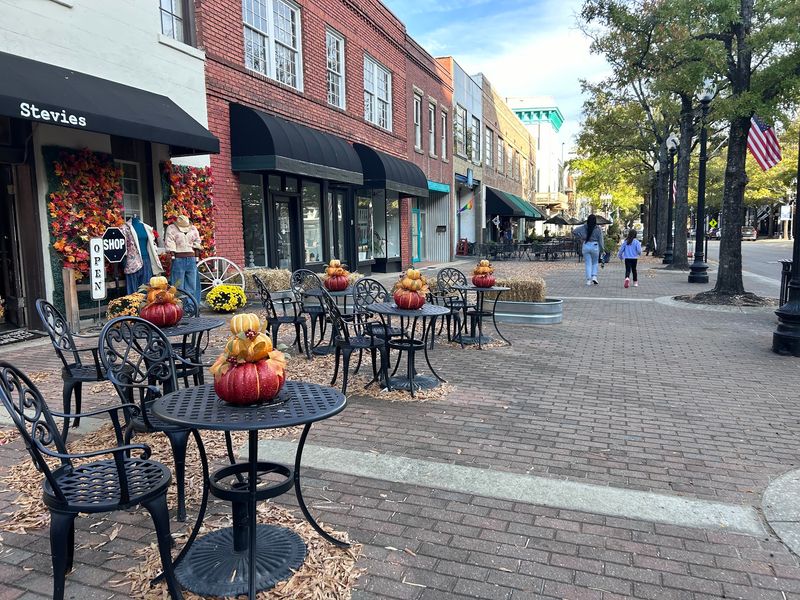
Dinner downtown can take you a long way from the Carolinas. At Taste of West Africa, 116 Person Street, plates of Ghanaian jollof rice and peanut stew arrive warm, richly spiced, and generous.
Craving something Mediterranean instead? Pierro’s Italian Bistro plates careful, classic Italian cooking, with the chew and char you would hope for in Naples.
Shopping stretches along Hay Street and Franklin Street, where more than 200 local shops, boutiques, and markets keep browsers busy.
Years Gone By Antiques rewards patient digging, and A Bit of Carolina is the spot for gifts that actually feel regional.
Then there is the calendar. The Fourth Friday series runs monthly from March through October, filling sidewalks with performers, craft vendors, and food carts under strings of light.
Arrive hungry, park once, and let the evening unfold on foot. That combination of global flavors and small-town street energy is what makes downtown Fayetteville feel genuinely alive rather than simply restored.
Fort Bragg Gives The City One Of The Strongest Military Connections In The State
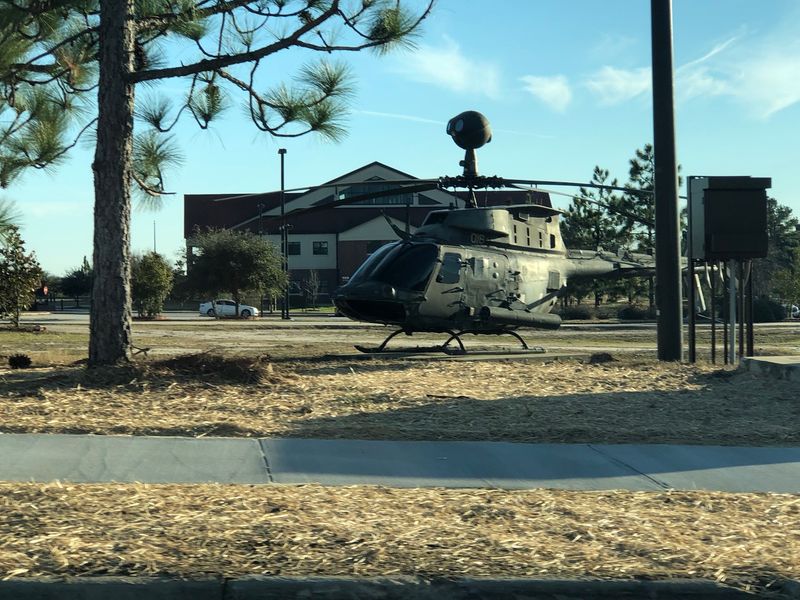
Few American communities are shaped so directly by soldiers and their families. Fort Bragg, the largest U.S. military installation in terms of population, sits immediately northwest of Fayetteville.
Tens of thousands of active-duty personnel live and work there, and their presence shows up in small, everyday ways.
You will notice it in the flags on porches, the yellow ribbon decals on car windows, and the number of restaurants serving flavors carried home from postings around the globe.
The financial side is just as significant. Billions of dollars move through the regional economy each year because of defense work, retail spending, and services connected to the base, making military life a genuine economic engine rather than a background detail.
Fayetteville honors that relationship openly through monuments, welcome-home celebrations, and civic events that recognize the Airborne and Special Operations legacy. For travelers, this creates a city with an unusually international mix of people and food.
Understanding Fort Bragg is the first step to understanding Fayetteville, because the two histories have grown together for more than a century.
Historic Streets Preserve Layers Of Fayetteville Architecture
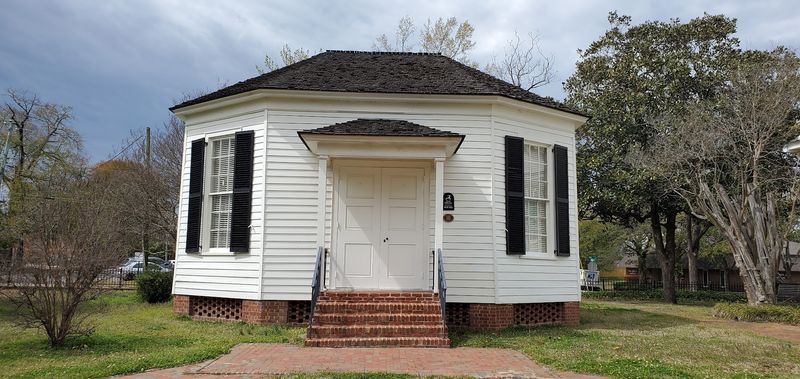
Brick sidewalks, iron railings, and buildings dating to the late 18th and 19th centuries give parts of downtown their historic character.
The Downtown Historic District joined the National Register of Historic Places in 1999 and includes 113 contributing buildings dating from the 1780s through 1949.
Styles shift as you walk. On the north side of Person Street, Liberty Row preserves some of downtown’s earliest surviving commercial buildings.
Fire shaped much of what stands today. After the Great Fire of 1831 swept through, residents rebuilt with determination, and those replacement buildings form the backbone of the district’s streetscape.
Heritage Square gathers some of the finest survivors, including the Sandford House and the Baker-Haigh-Nimocks House. Their wide porches, tall windows, and shaded lawns offer a quiet pause from traffic noise.
Comfortable shoes matter more than a guidebook. Read the plaques, glance up at cornices and dates carved into stone, and notice how easily one century leans into the next.
Few visitors expect this much preserved history in Fayetteville, which is exactly why the walk sticks with them.
Museums Keep The Military Story Front And Center Without Taking Over The Whole Visit
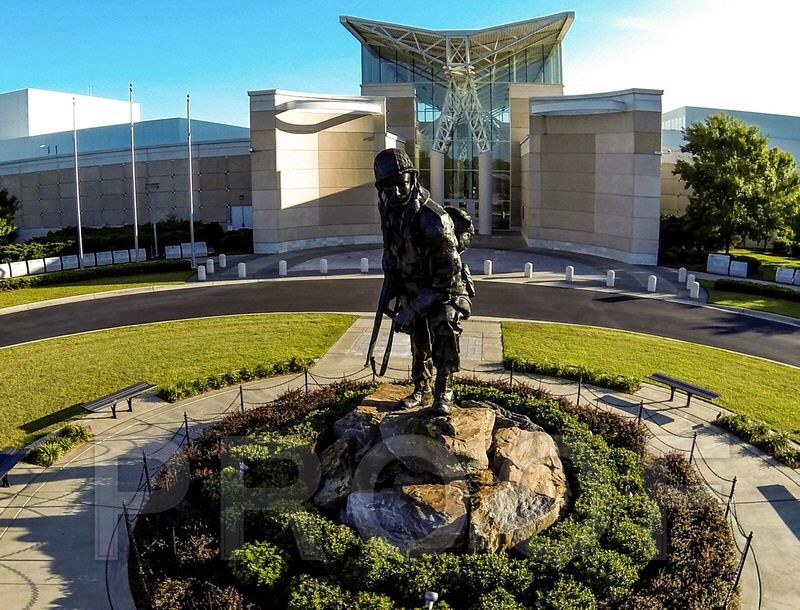
Start with the big one. The museum uses artifacts and large-scale displays to trace U.S.
Army Airborne and Special Operations history. Admission is free, and a new $15 Airborne V/R Experience is scheduled to open on September 10, 2026.
Best detail for travelers on a budget: admission is free, so families can spend an hour or a whole morning without watching the clock.
The city’s story does not stop at parade grounds, though.
The Museum of the Cape Fear Historical Complex covers southeastern regional heritage from Native American communities through the Civil War era, and includes the carefully preserved 1897 Poe House with its late-Victorian furnishings.
Train lovers get their moment too. The Fayetteville History Museum occupies the restored 1890 Cape Fear and Yadkin Valley Railroad Depot and includes exhibits on local and transportation history.
Together the three make a satisfying half-day loop. You leave with a fuller picture of Fayetteville, one where military service is central but never the entire narrative.
Public Art And Murals Bring A More Creative Side To The City Center
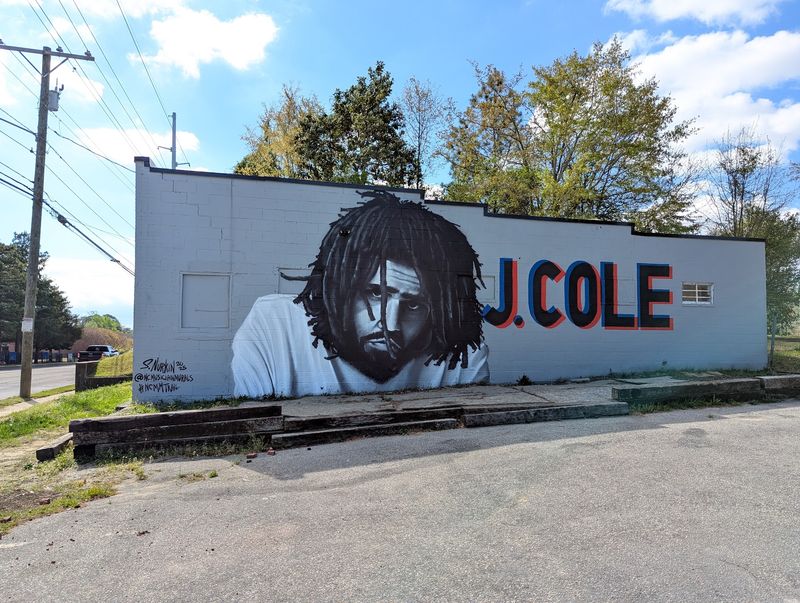
Color turns up in unexpected places downtown, from alley walls to utility boxes. The Painted Path is a self-guided mural trail that threads through the city center, linking bold street art with ready-made photo stops.
Two pieces draw the most attention. The Lady Muriel mural brightens Person Street, and the Welcome to Fayetteville mural at 208 Rowan Street features hometown music icon J.
Cole alongside nods to local history.
Rotating installations keep things from feeling static. ArtScape, a public art program run by the Arts Council of Fayetteville and Cumberland County, regularly places new sculptures and works in shared spaces around downtown.
Sculpture fans should look for Kirk Seese’s The Feather, whose shimmering surface catches sunlight differently through the day. Nearby, geometric patterns and tropical-inspired scenes add unexpected bursts of pattern to weathered brick.
Walk it in the late afternoon when shadows soften and the paint colors deepen. This creative layer is one of the friendliest, most photogenic surprises waiting in Fayetteville, and it changes often enough to reward repeat visits.
Local Cafes And Independent Businesses Make Downtown Easy To Explore On Foot
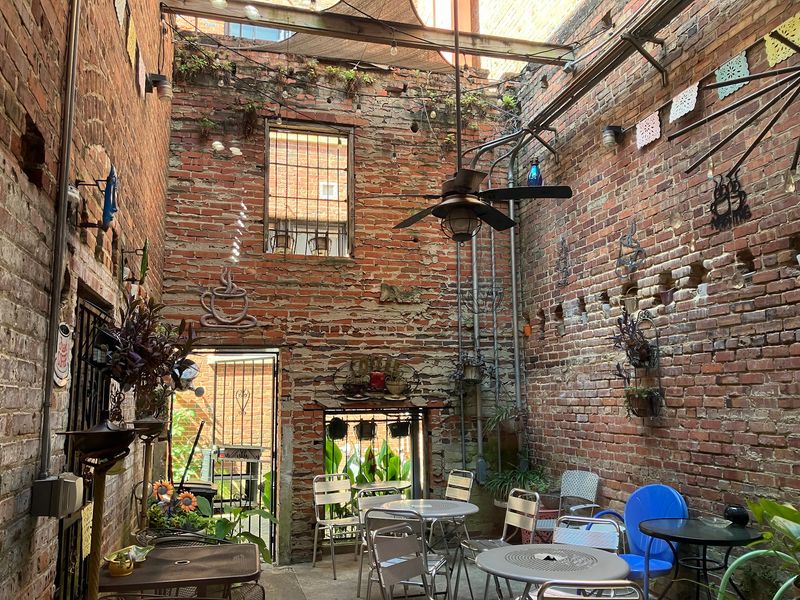
The smell of fresh espresso is a good compass here. Vagabond Cafe at 108 Hay Street serves specialty coffee with syrups made in-house.
A few blocks over, Rude Awakening Coffee House on Hay Street has been fueling regulars for more than two decades. High ceilings, worn wood, and the steady hiss of the steam wand make it a natural place to linger over a second cup.
Between caffeine stops, independent shops keep the walk interesting. Cursive sells cottage-style home furnishings, vintage finds, and small gifts, and you will find it at 223 Franklin Street.
Distances stay short. Sidewalks are wide, crosswalks are frequent, and most of the interesting doorways sit within a few walkable blocks of each other.
Leave the car parked and give yourself an unhurried afternoon. Browsing, snacking, and people-watching at this relaxed pace is how downtown Fayetteville shows its friendliest side, one storefront and one warm mug at a time.
The Mix Of Old And New Gives The City Much More Personality Than Its Reputation Suggests
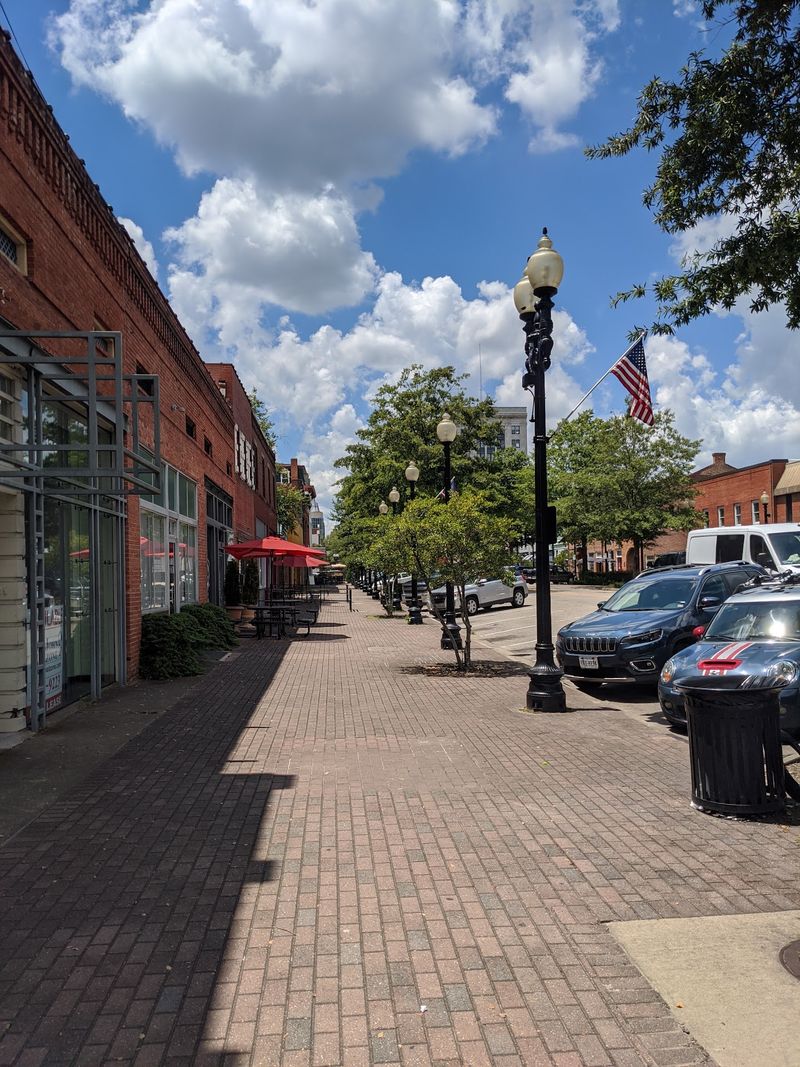
Reputation rarely tells the whole story, and that gap is part of the fun here. Century-old brick buildings now hold bakeries, galleries, and family restaurants, while marble plaques nearby recall names from the 1800s.
Contrast is the city’s signature. Quiet tributes inside the Airborne and Special Operations Museum sit minutes from splashy murals painted across weathered walls, and mid-century motel signs still glow along boulevards leading toward newer developments.
Cape Fear Botanical Garden adds another layer near downtown, with extensive camellia collections, seasonal plantings, a children’s garden, and paths near the Cape Fear River.
What holds it together is a willingness to keep changing without erasing anything. Festivals fill restored streets, new businesses move into old storefronts, and long-time residents share the sidewalk with newcomers from every corner of the map.
Give the place two days and it stops feeling like a stopover on the way somewhere else. Fayetteville rewards curiosity with layered history, honest food, and an unhurried welcome that lingers well past the drive home across North Carolina.