This North Carolina City Has One Of The Largest Arab Communities In The State
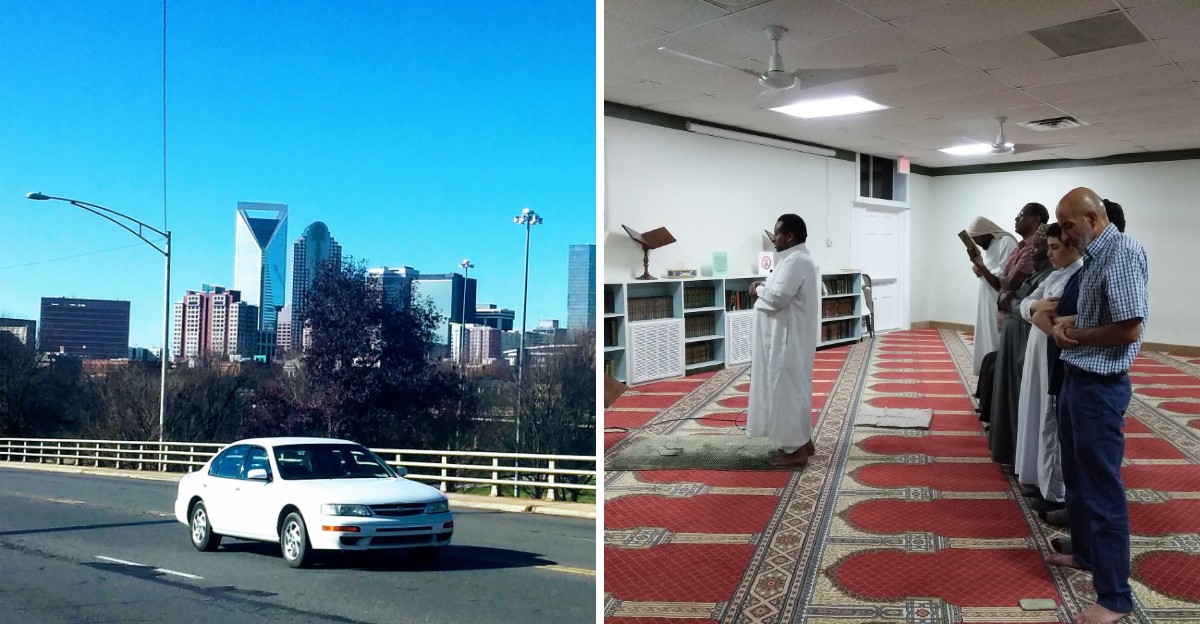
One of North Carolina’s biggest cultural surprises hides in a city most travelers think they already understand.
The skyline gets plenty of attention. The deeper story lives closer to the ground.
Across ordinary neighborhoods, generations of Arab American families have built a community whose influence reaches far beyond a few restaurants or shops.
You notice it gradually. A familiar street suddenly feels connected to places thousands of miles away.
Then the food, language, and family traditions start filling in the picture.
What looks like a modern Southern city from a distance has another identity woven quietly through it.
Most visitors simply never think to look for it.
One Of The State’s Largest Arab Communities Is Hiding In Plain Sight
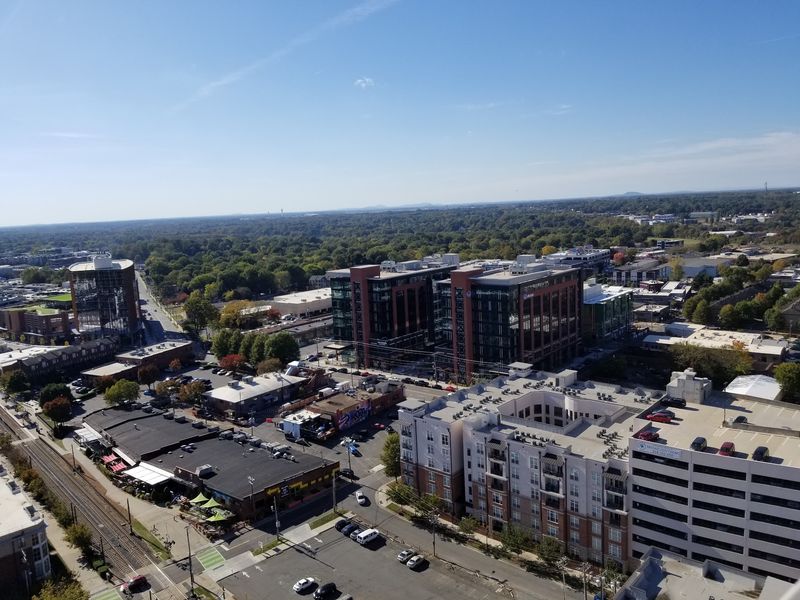
Charlotte does not have one officially designated Arab district.
Arab and Middle Eastern businesses instead appear in several parts of the city.
Central Avenue is one of Charlotte’s broader international corridors, with businesses representing many different cultures. Charlotte’s Arab community includes multiple national and cultural backgrounds rather than one single place of origin.
Many settled around University City, where the 28262 zip code holds a notable share of Arab residents.
For a first look at daily life, start along the Central Avenue corridor, which runs east from Uptown toward Plaza Midwood. History runs deeper than most people guess.
Across North Carolina, Arab immigrants from Lebanon and Syria began arriving in the late 1800s, often working as traveling merchants before opening their own shops.
Today, their descendants and newer arrivals share the same streets, keeping language, faith, and family recipes alive. Want to spot it yourself?
Look instead to restaurants, markets, coffeehouses, cultural organizations, and public events that reflect parts of Charlotte’s Arab community.
That cultural footprint extends across more than one neighborhood.
Middle Eastern Food Has Become A Serious Part Of The Local Dining Scene
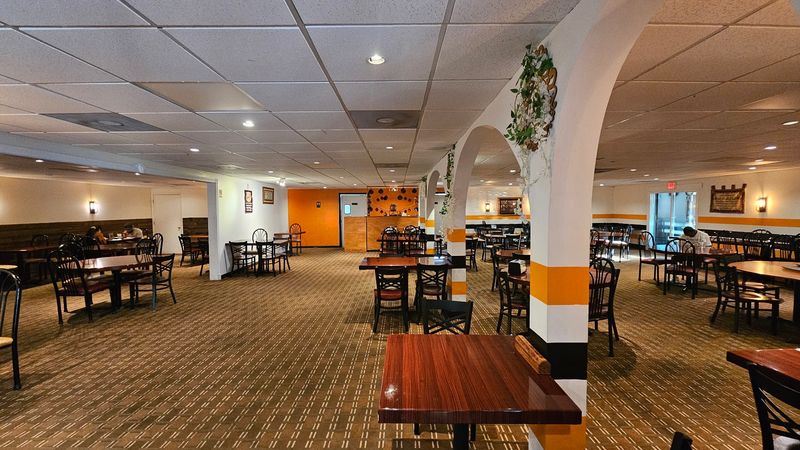
Not long ago, a plate of truly homemade hummus in the Queen City felt like a lucky find.
That has changed in a big way. Middle Eastern cooking now sits comfortably beside barbecue and Southern comfort food on local restaurant lists, with menus ranging from quick lunch counters to sprawling family feasts.
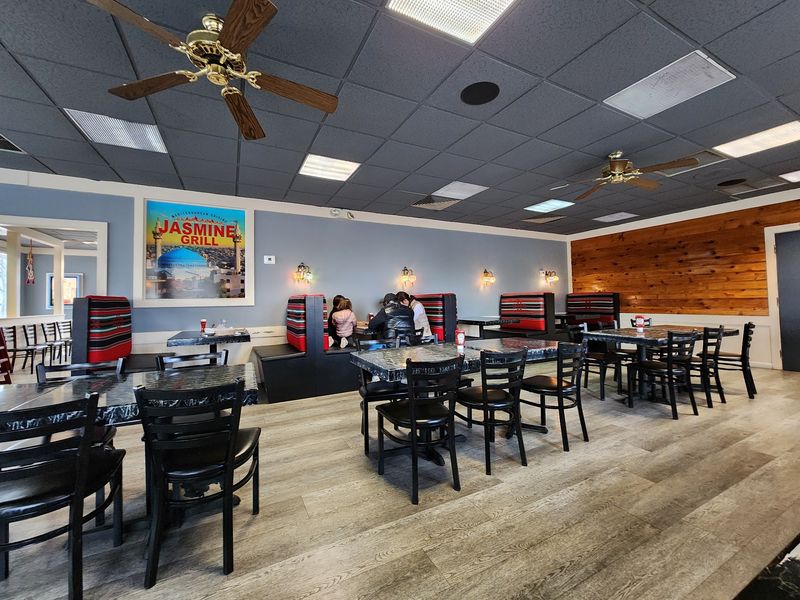
One current option is Jasmine Grill, which serves Mediterranean and Middle Eastern dishes on South Boulevard.
Its menu includes kebabs, shawarma, hummus, falafel, and family-style platters.
You can find it at 5033 South Blvd, Charlotte, NC 28217.
Expect smoky kabobs pulled straight from the grill, their edges lightly charred and their centers juicy.
Fluffy rice, bright salads dressed with lemon and olive oil, and warm pita round out the plates.
Vegetarians are well covered too, with plant-based options built around fresh vegetables, legumes, and healthy fats. The menu includes family-style mezze and mixed-kabob platters.
Larger combinations bring several items together in portions designed for groups.
That makes sharing different dishes easy without generalizing about how every family eats.
Yemeni Coffeehouses Are Bringing Something Completely Different To The Table
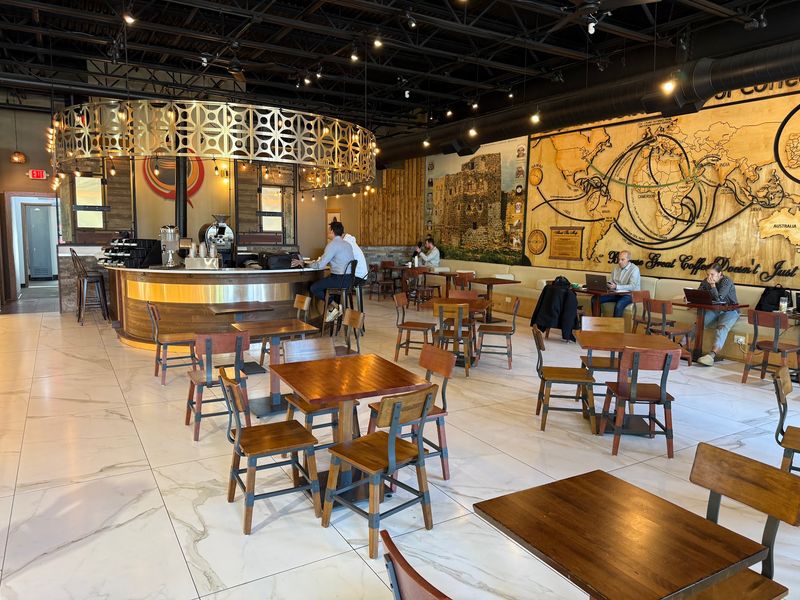
Coffee first reached the wider world through Yemen, where traders shipped beans from the port of Mocha centuries ago.
That legacy is now brewing in Charlotte.
Yemeni coffeehouses have opened across the city, offering spiced drinks and a social scene that feels completely different from a typical drive-through run.
Haraz Coffee House is a growing Yemeni coffee brand with four Charlotte locations. Its menu includes drinks such as Harazi Mufawar, Adeni chai, and cardamom-spiced coffee.
The Central Avenue location is at 1204 Central Ave #100, Charlotte, NC 28204. Over in Plaza Midwood, Qahwah House is known for slow-brewed coffee and traditional pastries.
Drinks often come in a dallah, a large pot designed for pouring into several small cups. Sharing is the whole point here.
Step inside almost any of these cafes and the warm aroma of cardamom greets you at the door.
Several of Charlotte’s Yemeni coffeehouses keep evening hours, making them convenient stops after dinner.
Try a Yemeni-style latte with a flaky pastry, then settle in for a long, easy chat.
Honey-soaked sweets pair beautifully with that first fragrant sip.
Shawarma, Knafeh And Cardamom Coffee Are Only The Beginning
Hungry travelers often arrive expecting a quick wrap and leave planning their next three meals.
Shawarma is the usual gateway, and for good reason.
Thin slices of marinated chicken or beef are shaved from a slowly turning vertical spit, then rolled into bread with pickles, tomatoes, and garlicky sauce.
Plenty of kitchens in Charlotte serve it, from casual counters to sit-down dining rooms. Each cook guards a slightly different spice blend, so comparing versions becomes a tasty game.
The Central Avenue corridor, stretching east from Uptown, makes an easy place to start sampling. Dessert deserves its own spotlight.
Knafeh layers soft, stretchy cheese under golden shredded pastry, all soaked in fragrant sugar syrup.
Baklava brings flaky sheets of dough packed with chopped nuts and sticky sweetness. Menus go much further, though.
Falafel arrives crunchy outside and tender inside, hummus comes swirled with olive oil, and tabouli bursts with parsley and lemon.
Kabob platters, sprinkled with tangy sumac, cumin, and coriander, round out the table. Cardamom coffee, poured at Yemeni cafes, is just one of many spiced drinks worth trying.
Food lovers from across North Carolina can easily turn these flavors into a weekend tasting tour.
One Side Of Town Has Become A Hotspot For Middle Eastern Flavors
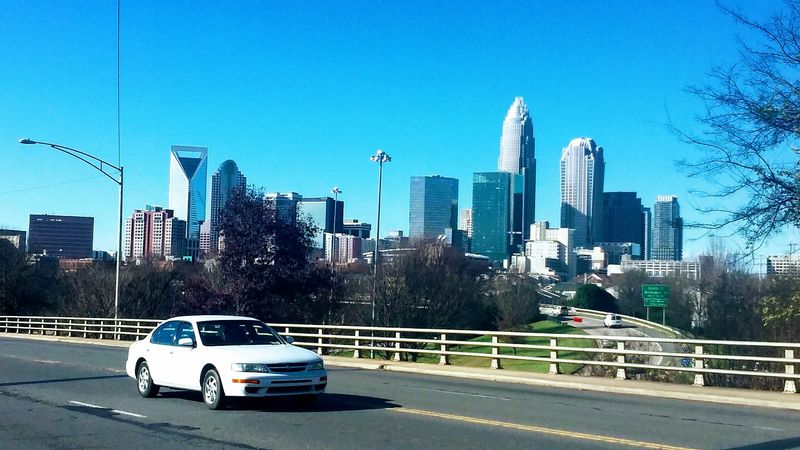
Follow the smell of charcoal and toasted bread and you will likely end up on Central Avenue.
This busy road stretches east from Uptown, lined with bakeries, grills, coffeehouses, and small shops in low brick buildings and colorful strip centers.
Few streets in the city pack so many global flavors into such a short drive.
Plaza Midwood, a lively neighborhood along the corridor, adds even more choices to Charlotte’s Middle Eastern map. Its walkable blocks mix vintage shops, murals, and cafes where cardamom scents the air.
Qahwah House, one of the area’s best-known Yemeni coffee spots, sits right in this part of town.
Parking options vary from business to business along the corridor.
Because the area spans several neighborhoods, planning individual stops is more reliable than assuming every destination sits in one compact cluster. Bring comfortable shoes, since hopping from a bakery to a grill to a cafe is half the fun.
Farther northeast, University City tells a related story.
The 28262 zip code has a notable concentration of Arab residents, and smaller restaurants and markets serve that neighborhood.
Exploring both areas gives you a fuller picture of how this community has spread across the city.
Family-Run Markets Offer Ingredients You Won’t Find In Every Grocery Store
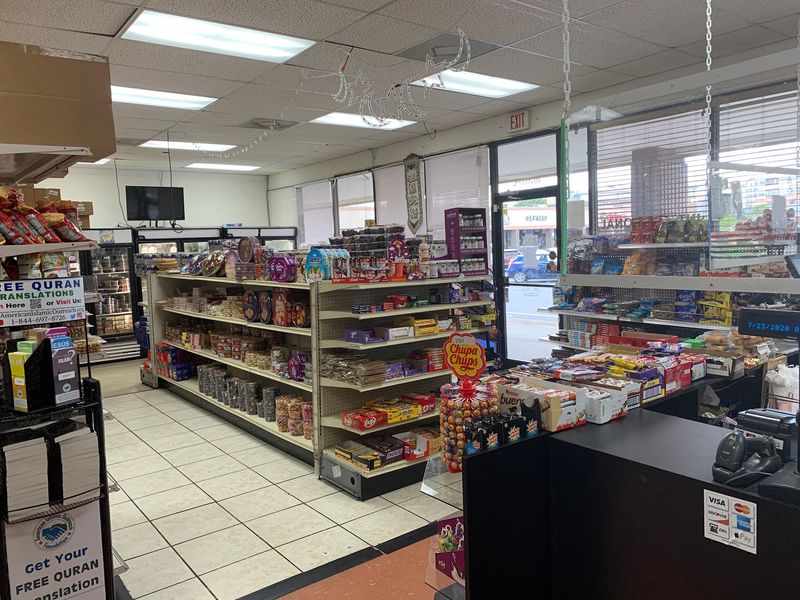
Walking into a halal market for the first time feels a little like opening a treasure chest.
Burlap sacks of lentils, towers of olive oil tins, and jars of pickled vegetables crowd the shelves, while fresh bread cools near the front.
Every aisle invites a closer look.
Yafa Halal Market is a standout in Charlotte, offering a wide range of halal meats and pantry staples from across the Arab world. Turkish and Indian specialties share shelf space with Lebanese and Syrian favorites.
The store sits at 10703 Park Road, Charlotte, NC 28210.
Spice lovers should grab a bag of za’atar, a blend of thyme, sesame, and sumac that tastes wonderful on warm bread with olive oil. Pomegranate molasses adds a sweet-tart punch to salads and grilled chicken.
Stacks of soft pita make easy lunches all week.
Zaytuna Halal Market is another helpful stop, stocked with Middle Eastern and international groceries for home cooks.
Both stores give home cooks access to halal meat, spices, breads, and international pantry staples.
Home cooks from across North Carolina can stock a pantry for weeks in one trip.
Ask the staff for suggestions, since an unfamiliar ingredient often comes with a great cooking tip.
Cultural Festivals Bring Music, Food And Traditions Together
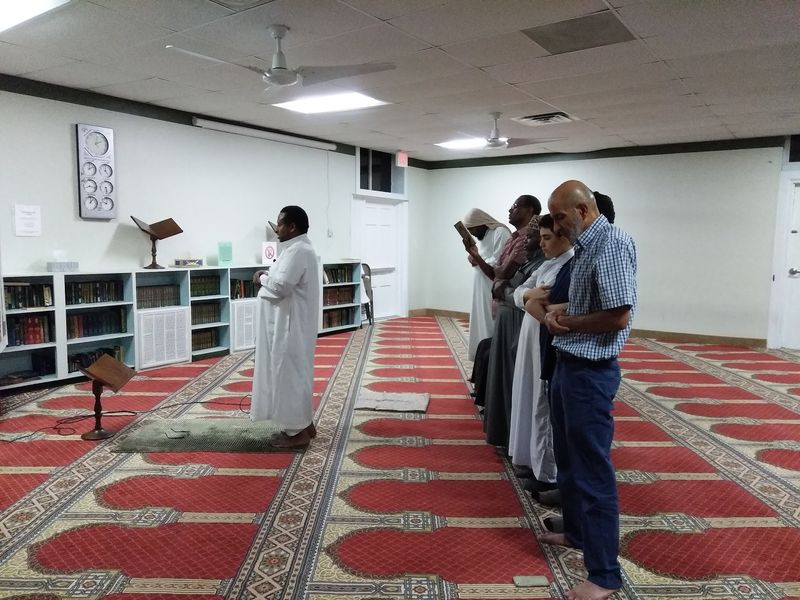
Drums, clapping hands, and the smell of grilled meat drifting across a crowd set the mood before you even find the food tents.
Cultural festivals give Charlotte’s Arab community a chance to open its doors wide.
Everyone is welcome, and first-timers quickly feel part of the celebration.
In 2026, the Islamic Center of Charlotte hosted the Queen City Eid Celebration on March 20 to mark Eid al-Fitr at the end of Ramadan. The event included food vendors, desserts, local businesses, and family activities.
It took place at ICC’s Al-Nour campus at 8310 Harrisburg Rd.
The Festival of Lebanon returns September 25 and 26, 2026, at St. Matthew Catholic Church’s gym.
St. Stephen Maronite Catholic Church presents the event. The program features Lebanese food, live music, culture, and a kids’ area. Admission is free.
This Growing Community Is Quietly Changing The Local Food Scene
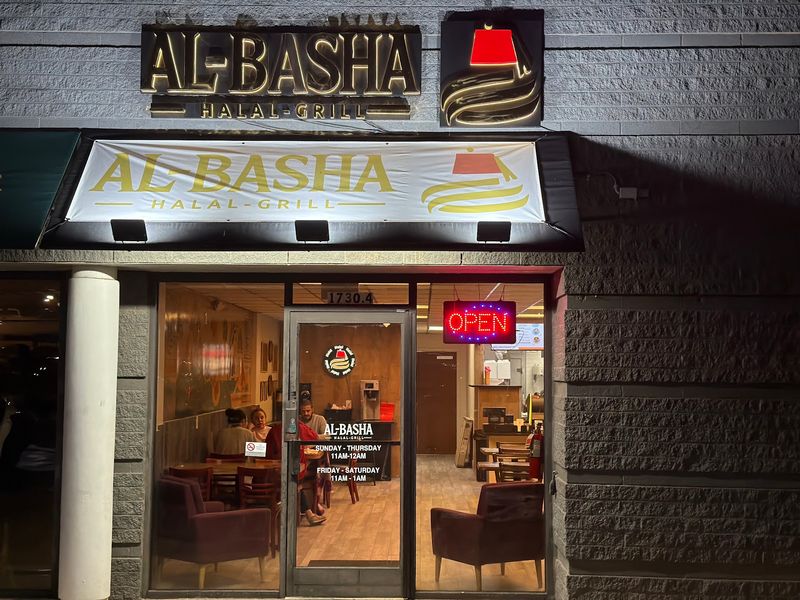
Charlotte’s Yemeni coffee scene has expanded in recent years.
Haraz Coffee House now lists four Charlotte locations, while Qahwah House operates in Plaza Midwood.
Together they give the city several dedicated places for Yemeni-style coffee and tea. Yemeni coffee shops are a clear example of that change in Charlotte, giving residents a late-night gathering option built around conversation and cardamom rather than loud nightlife.
Their menus pair traditional coffee and tea preparations with pastries and other sweets.
The city’s Arab and Middle Eastern food presence extends beyond coffeehouses.
Restaurants, markets, and cafes now operate across several Charlotte neighborhoods. Current menus and store inventories include family-style platters, pastries, coffee traditions, and specialty groceries.
Arab cultural life in Charlotte is visible through businesses, community organizations, restaurants, markets, cafes, and public events serving people from many backgrounds.
For visitors, that means one simple thing: more delicious reasons to explore.
Grab a map, pick a neighborhood, and taste your way through the Queen City.