This North Carolina County Rejected A Massive Data Center After Residents Spent Months Fighting The Proposal
Project Iron Spur sounds like a spy movie, not something proposed across from a small-town hall.
The plan called for a huge data center campus on roughly 129 acres, with several massive buildings rising near homes.
I can see why people started paying attention.
More than 100 residents packed an April meeting, and the opposition did not disappear once the chairs were folded up.
Neighbors came back again in June with concerns about what the project could mean for daily life.
Noise became part of the debate.
So did water use and bright nighttime lighting.
Questions about possible Native American artifacts added another layer.
What interests me most is how persistent the community became.
This North Carolina fight did not end with one angry meeting.
People kept showing up, and eventually the project took a turn few expected.
A Quiet Corner Of The County Suddenly Had A Giant On Its Doorstep
Rural Hall is a small town in Forsyth County, North Carolina, and it likes its open space. So imagine the shock when plans appeared for a hyperscale data center right across from Rural Hall Town Hall.
The site covered roughly 128 to 129 acres. That is a huge chunk of land for a place where many people moved to enjoy fields, trees, and quiet evenings.
A data center is a building packed with computers that store and process information. Hyperscale ones are the biggest kind, built to power things like artificial intelligence and online services.
Plenty of communities across the country are now facing the same kind of question. Tech companies need lots of land, power, and water.
Small towns often have exactly that, which makes them attractive targets.
For residents, the location felt personal. The project would have stood near the heart of their town, not on some far-off industrial strip.
Here’s a useful tip for anyone in a similar spot. Learn where proposed projects sit compared to schools, homes, and town buildings.
Location often shapes how much a project affects daily life, and it gives your concerns a clear, specific focus.
Project Iron Spur Was Bigger Than Most People Realized
Four buildings. That was the plan behind Project Iron Spur, a proposed hyperscale data center complex backed by a Charlotte-based developer.
The developer projected an investment of roughly $3 billion to $6 billion, a staggering figure for a project proposed beside a small North Carolina town.
Montrose LLC was named as a representative for the project’s management group. Reports also connected a company called The Drox Group to the proposal.
Big numbers can sound exciting at first. More money flowing into an area often means more tax revenue for schools and roads, and supporters of data centers usually point to that.
Still, residents asked a simple question. What would they actually give up in return?
A project this large changes traffic, power demand, water use, and the look of the land itself.
Code names like Iron Spur are common in this industry. Companies often keep details private early on, which can make neighbors feel left out of the conversation.
If a mystery project ever shows up near you, start by finding the rezoning case. Public records usually list the land size, the developer, and meeting dates you can attend.
More Than 100 Neighbors Packed One Meeting In April
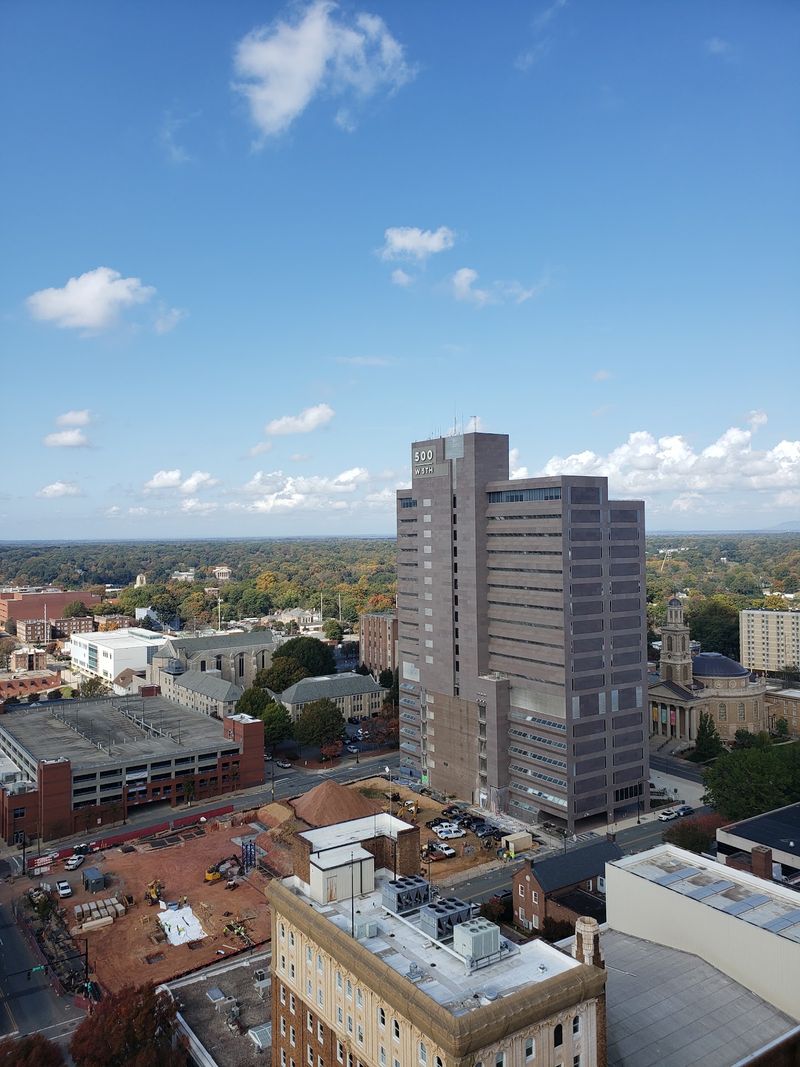
Talk about a full house. In April 2026, more than 100 residents showed up at a Rural Hall town hall meeting to speak out against the data center.
That kind of turnout is rare for a local zoning issue. Most planning meetings draw a handful of people and a few folding chairs.
The process had started earlier. A planning meeting for the project took place in March 2026, and word spread fast after that.
Neighbors shared information, made plans, and decided to show up in person. Their message was loud and clear.
Many wanted to keep Rural Hall rural.
Showing up matters more than many people think. Local officials notice when a room fills up, and spoken comments become part of the public record.
Want to make your voice count at a meeting like this? Keep your comments short and specific.
Mention how the project affects your street, your family, or your daily routine.
Bring facts when you can, and stay respectful. Leaders listen better to calm, clear speakers than to angry shouting.
Rural Hall residents proved that steady effort can build real momentum.
The Worry List Was Long, And Every Item Hit Home
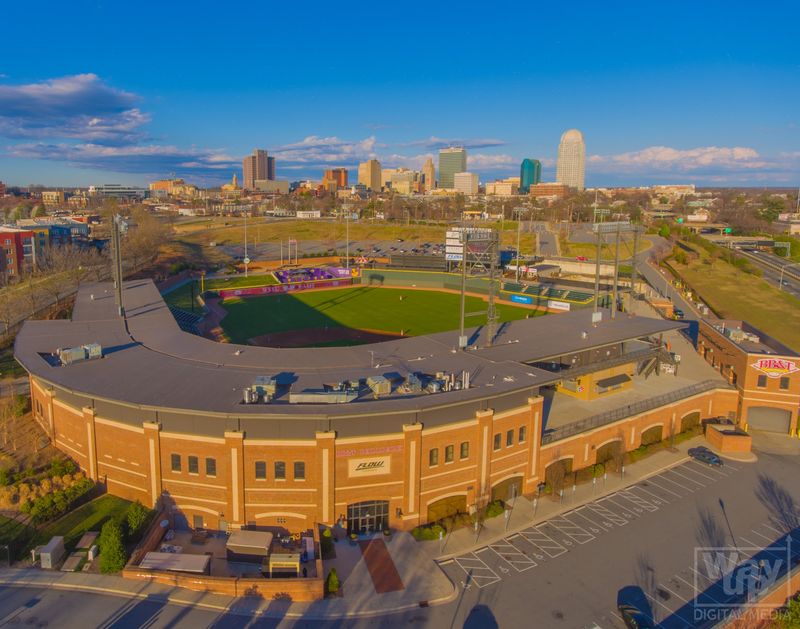
Noise came up again and again. Data centers run cooling equipment around the clock, and residents feared a constant hum drifting over their homes.
Light pollution was another big one. In a rural area, dark night skies are part of the charm, and nobody wanted a glowing complex washing out the stars.
Then there was water. Large data centers can use a lot of it for cooling, so people raised questions about water use and water quality.
Heavy construction traffic worried families too. Months of trucks rumbling down small roads can change how safe and peaceful a town feels.
Property values rounded out the list. Many homeowners feared their biggest investment could lose value if a giant facility moved in nearby.
What I like here is how practical these concerns were. They weren’t vague complaints.
Each one tied directly to everyday life, from sleeping well to drinking clean water.
That’s a lesson worth remembering. When you speak up about any project, focus on real effects you can explain.
Specific worries are much harder for decision makers to brush aside.
History Under The Soil Added A Surprising Twist
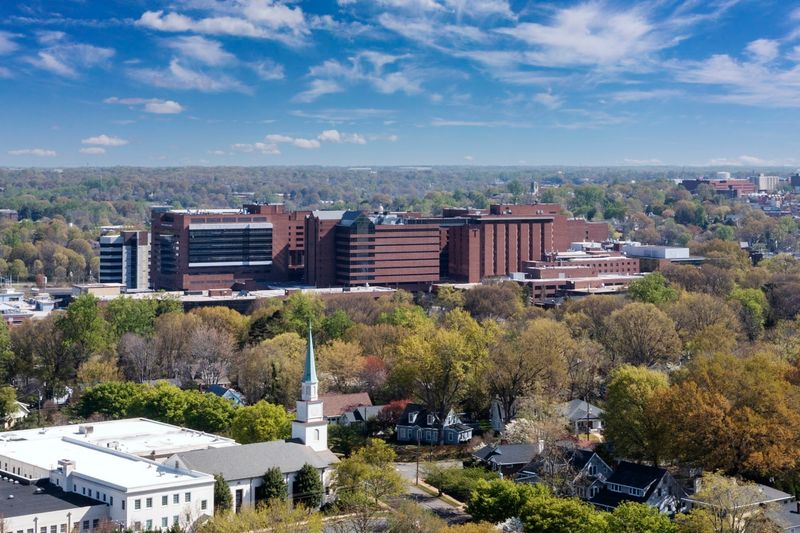
Not every concern was about the future. Some residents wondered what the land might already hold from the past.
Speculation spread that the property could contain Native American artifacts or burial grounds. That raised serious worries about disturbing sites that might carry deep cultural meaning.
These claims were not confirmed in the reporting. Still, the question itself mattered, because big construction can permanently change land before anyone takes a careful look.
The Piedmont region of North Carolina has a long human story stretching back thousands of years. Native peoples lived, traveled, and farmed across this area long before modern towns appeared.
That history is easy to forget when you drive past an empty field. Yet the ground under our feet often holds more than we expect.
Here’s something helpful to know. Many states have offices that track archaeological sites and can review land before major building projects begin.
If you suspect a site near you holds historical value, reach out to your state historic preservation office. Asking early can protect important places and give everyone accurate information instead of rumors.
The Planning Board Heard Them Loud And Clear In June
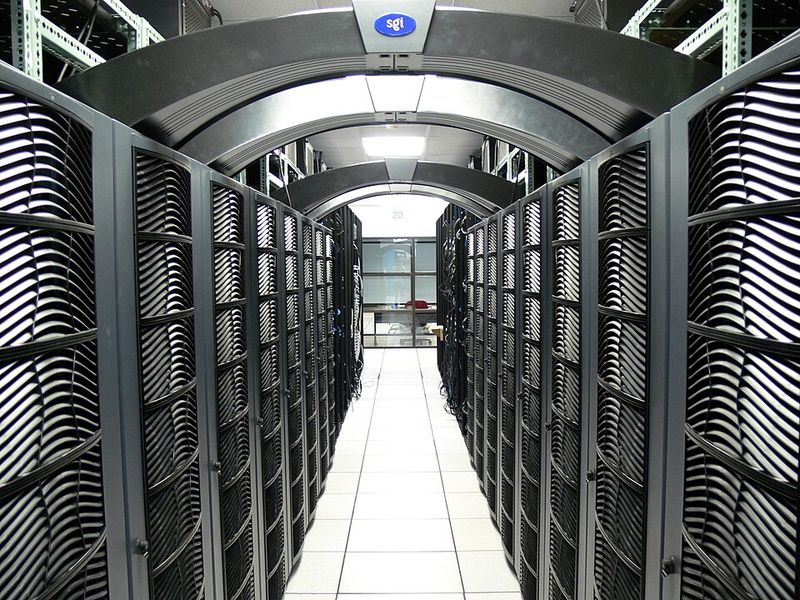
June 2026 brought round two. The Winston-Salem/Forsyth County Planning Board held a hearing, and dozens more speakers lined up to share their concerns.
Planning boards usually don’t make the final call. Their job is to study a request and recommend what elected leaders should do.
After hearing from residents, the board recommended denying the rezoning request. That was a huge boost for people who had spent months organizing.
Rezoning is the key word in this story. Land is assigned uses, like homes, farms, or industry, and a developer must ask permission to change that.
So the data center couldn’t simply be built. It needed the land’s rules changed first, which gave the public a real chance to weigh in.
Think of a planning board recommendation like a strong hint. Commissioners can still disagree, but a clear denial carries weight.
Here’s a practical tip. Follow your local planning board’s agenda online or through public notices.
Those meetings happen before final votes, and that’s often the best moment to shape a decision in your community.
A 5-2 Vote Sealed The Deal On July 30
Months of meetings came down to one evening. On July 30, 2026, the Forsyth County Commissioners voted 5-2 to reject the rezoning request for the proposed AI data center.
For residents, that vote was the finish line they had been chasing since spring. Their persistence had paid off in a very official way.
Elected commissioners have the final say on rezoning in the county. They weigh public input, staff reports, and the planning board’s recommendation before deciding.
In this case, everything lined up. Residents spoke out, the planning board recommended denial, and a clear majority of commissioners agreed.
I can’t imagine how tense that room must have felt before the vote. Picture months of effort riding on a few raised hands.
This outcome shows how local government works when people participate. Big companies have money and lawyers, but neighbors have voices and votes.
Want to stay ready for moments like this? Learn who your county commissioners are and how to contact them.
A short, polite email before a vote can matter just as much as speaking at the podium.
The Moratorium Idea Hit A Wall Of Its Own
Winning one fight raised a bigger question. Could Forsyth County pause all large data center projects while it figured out a plan?
In late September 2026, commissioners discussed a six-month moratorium on large data center development. A moratorium is basically a temporary pause button.
It didn’t pass. At a September 28, 2026 briefing, commissioners considered a proposed six-month pause on new large data centers.
Only Dan Besse and Tonya McDaniel supported moving ahead, and the proposal failed to advance after the county attorney warned of potential legal challenges.
Legal worries drove the decision. County Attorney Gordon Watkins warned about possible lawsuits, and most commissioners didn’t want to risk costly court battles.
Commissioners Dan Besse and Tonya McDaniel were the only two who supported the pause. Their votes showed that the debate inside the board was real.
This twist is a good reminder that local leaders juggle many factors. Even when they share residents’ concerns, state law can limit what they’re allowed to do.
If you follow issues like this, pay attention to legal advice given during meetings. It often explains why leaders choose one path over another, even when the public expects something different.
Not Anti-Data Center, Just Picky About The Spot
Commissioners made one point very clear. They said they weren’t anti-data center at all.
Instead, they wanted to figure out where these facilities actually belong. That’s a smart question for a growing county with both busy city areas and quiet countryside.
Forsyth County sits in the northwest Piedmont of North Carolina. With about 382,590 people counted in the 2020 census, it ranks as the state’s fourth-most populous county.
Winston-Salem serves as the county seat. Towns like Rural Hall add a more relaxed, small-town feel just outside the city’s reach.
That mix makes planning tricky. A site that works near industrial land might feel totally wrong across from a small town hall.
The Rural Hall story offers a helpful model for other places. Communities can welcome new technology while still protecting neighborhoods, water, and peace and quiet.
My take? The best outcome isn’t saying no to everything.
It’s choosing the right places with care. Residents here showed that steady, respectful involvement can shape that choice, and that lesson reaches far beyond one county line.