This North Carolina Fall Festival Turns A Tiny Mountain Community Into One Giant Appalachian Celebration
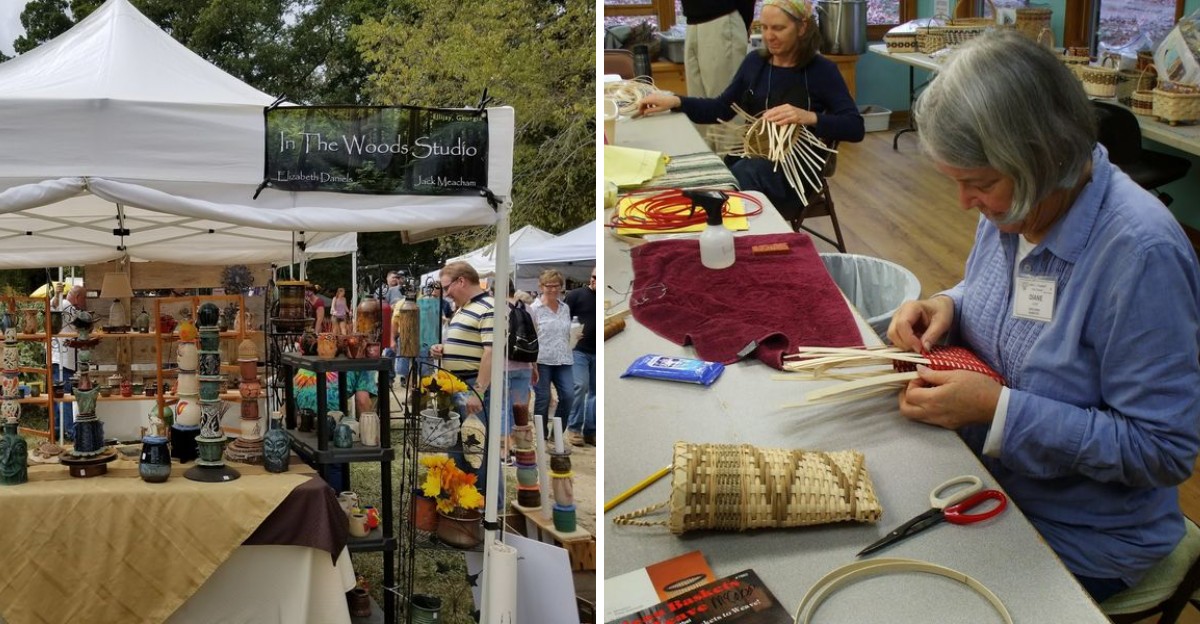
Fifty years is a long time for a festival to keep people coming back to the same mountain valley.
Apparently, this one figured out the secret.
Each fall, generations of North Carolina tradition spill out into the open air and turn an ordinary weekend into something that feels wonderfully rooted.
The 2026 celebration marks half a century, which gives the whole event a little extra swagger.
You can feel the history without the day ever becoming stiff or museum-like.
Old skills stay alive because people are still using them, sharing them, and finding new reasons to care.
By Sunday, you may understand why fifty years never managed to wear this tradition out.
More Than 230 Makers Turn The Mountain Campus Into One Giant Craft Village
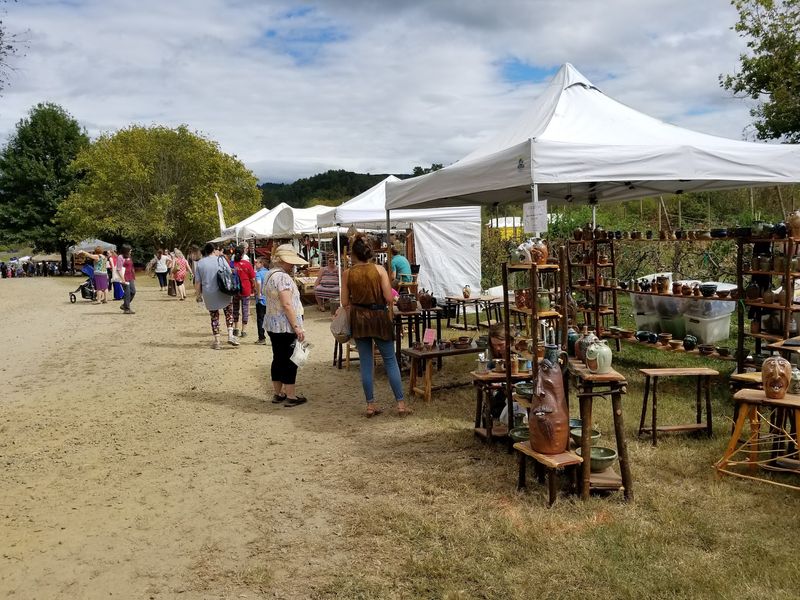
A painted bowl might catch your eye first, but the next booth could hold a handwoven basket or a piece of carved wood.
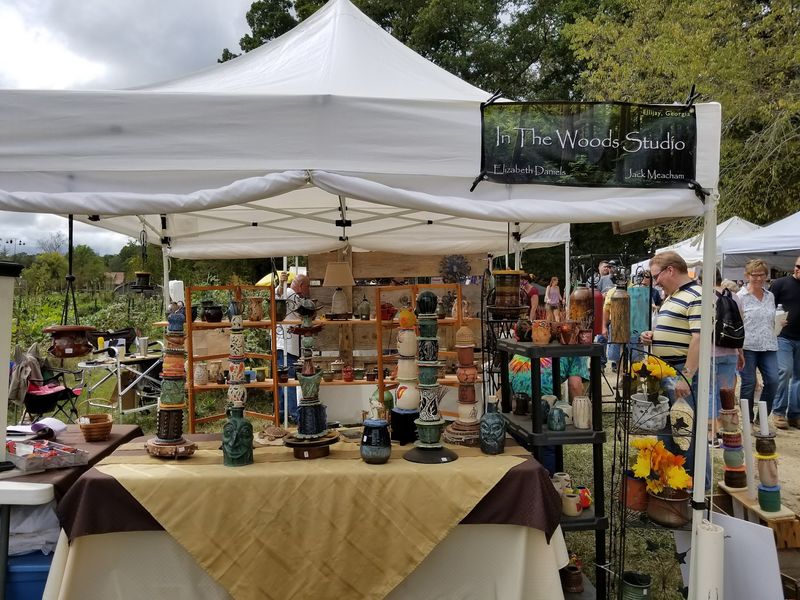
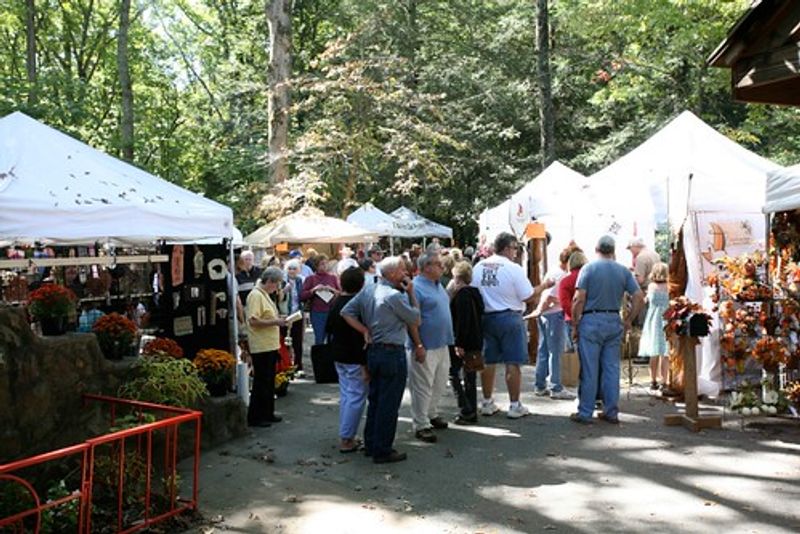
More than 230 craft vendors bring their work to the festival, turning a walk across the campus into a hunt for details.
Because festival goods must be handmade, browsing offers a chance to notice the small differences that make each piece its own.
At John C. Campbell Folk School, makers spread through outdoor spaces rather than lining a single indoor aisle.
Give yourself time to circle back if something interests you; a quick look rarely shows the texture of a weave or the care in a carved edge.
You do not need to buy anything to enjoy the craft village.
Look for the shapes and colors that different artists favor, and ask about a material when a maker has time to talk.
If you plan to take home a gift, think about how you will carry it along the paths. A small bag can protect a lighter purchase while leaving your hands free for browsing.
In this part of North Carolina, the pleasure is as much in meeting the people behind the work as in finding something to keep.
The school is at One Folk School Rd, Brasstown, NC 28902.
Watch Blacksmiths, Woodworkers And Traditional Artists Create Right In Front Of You
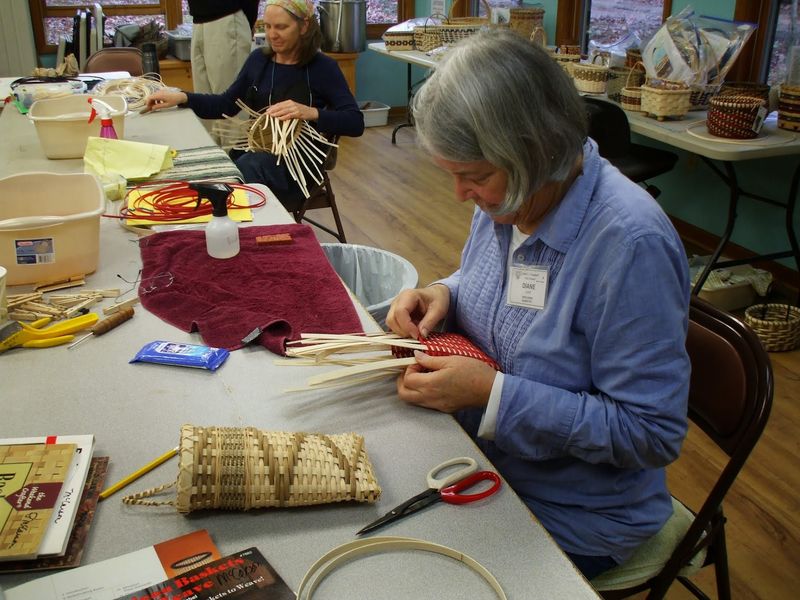
Wood shavings on a workbench can tell a story before a maker says a word.
At the Fall Festival, demonstrations let you follow that story from a rough material toward a finished object.
More than 50 makers demonstrate across the campus, including at the Woodcarving Studio, the Woodworking porch, and the Blacksmith Shop. Start by watching a few minutes without rushing to the next booth.
Notice how a woodworker changes the angle of a tool or pauses to check a shape.
The Brasstown Carvers also open their studio, where visitors can see carving in progress and browse finished pieces.
Watching the steps makes a simple object feel less simple, especially when you can see how much care goes into its surface.
Demonstrations are useful for families because there is something to notice even if you have never tried a craft.
Children might enjoy spotting how a maker measures, smooths, or joins materials, while adults may pick up ideas for a future class. Give working artists room and wait for a natural break before asking a question.
You will leave with a better sense of what handmade really means, even if the only thing you carry away is a memory of the process.
More Than 30 Bands Keep Appalachian Music Rolling Across Multiple Stages
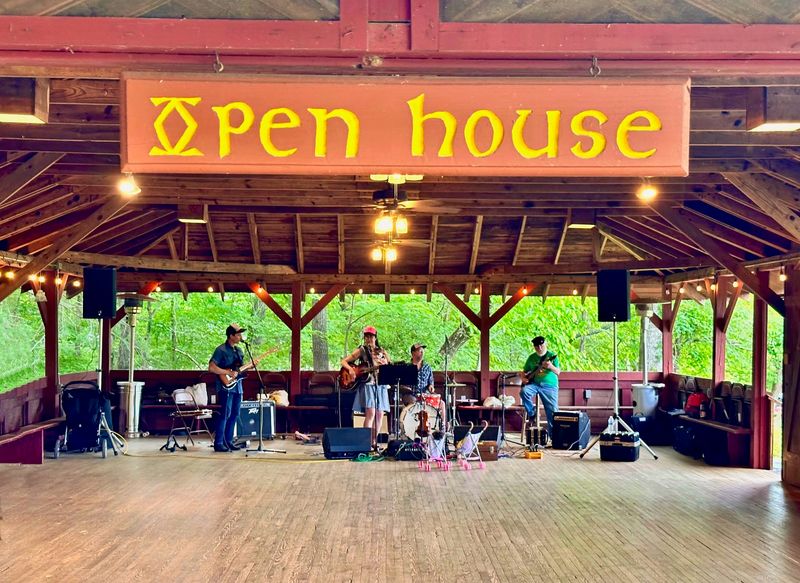
A tune drifting between the trees can change the pace of your whole afternoon.
The festival plans more than 30 bands across two music and dance stages, giving visitors plenty of chances to stop and listen.
Folk, roots, and dance music connect the busy paths with the sounds of the Southern Appalachians. Rather than trying to catch every performance, let the music shape a break in your day.
Find a spot where you can hear clearly, rest your feet, and enjoy a few songs before heading back to the craft areas.
One set may have a bright rhythm that makes people move; another may invite you to pay closer attention to a melody or a story.
That range is part of the fun.
If music is a main reason for your trip, check the festival schedule when it becomes available and mark the acts you do not want to miss.
Leave room for a surprise, too, since a sound you hear while walking may lead you to a stage you had not planned to visit.
Families can use a performance as a natural meeting point after browsing nearby booths.
For a moment, the large campus feels like one shared gathering place.
Fifty Demonstrating Makers Bring Old Mountain Skills Back To Life
A skill survives when someone practices it, then shows another person how it works.
That idea sits at the heart of the festival’s maker demonstrations.
More than 50 participating makers show crafts across studios and demonstration areas, making older methods visible to people who may only know the finished results.
Look beyond the completed pieces and pay attention to the repeated movements.
In fiber work, for example, the path of a strand matters as much as its color. Woodworking asks for steady hands and careful choices about shape.
Makers may use different methods, but each demonstration shows that useful knowledge can be passed along by watching closely and asking thoughtful questions.
The folk school has long focused on learning through making, so these festival moments fit the place as well as the season.
Visitors from North Carolina and neighboring areas can see why a familiar basket, carving, or textile carries a history of practice.
If a technique catches your interest, note the name of the craft so you can learn more about the school’s classes later. Young visitors can try describing each step they see, which turns watching into a small lesson.
It is a lively way to understand tradition without treating it like something frozen in the past.
Four Huge Vendor Areas Make It Nearly Impossible To See Everything Quickly
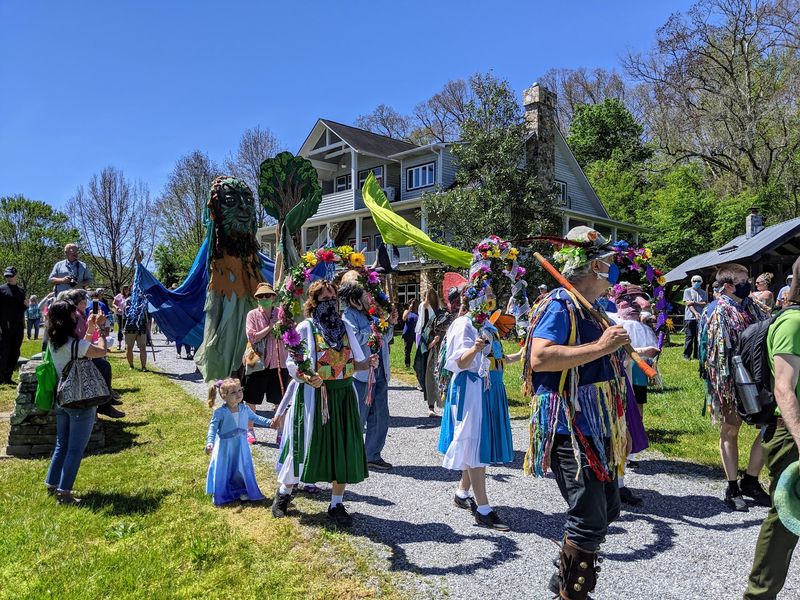
Trying to see every booth in one quick loop is a little like trying to read a book by turning all its pages at once.
The festival spreads vendors among four areas: Festival Barn, Studio Row, Studio Row Annex, and the non-juried Marketplace.
Each area gives you another reason to slow down and look again.
Begin with the section nearest your arrival point, then make a simple plan for the rest.
A photo of the event map, if one is provided, can help you keep track of where you have been.
Comfortable walking shoes matter on a campus this broad, especially when outdoor paths connect booths, studios, stages, and food stops.
Keep an eye on your group as you move between areas, and choose an easy landmark where everyone can meet.
Browsing in stages also makes room for the setting.
Autumn color frames the paths, while the mix of buildings and outdoor spaces keeps the walk from feeling like an ordinary shopping trip. Take a first pass to spot what interests you, then return to compare pieces before making a choice.
Even if you leave an area unexplored, that is no failure.
The pleasure here comes from following your curiosity, not from completing a checklist.
More Than 25 Food Vendors Turn The Weekend Into A Serious Fall Feast
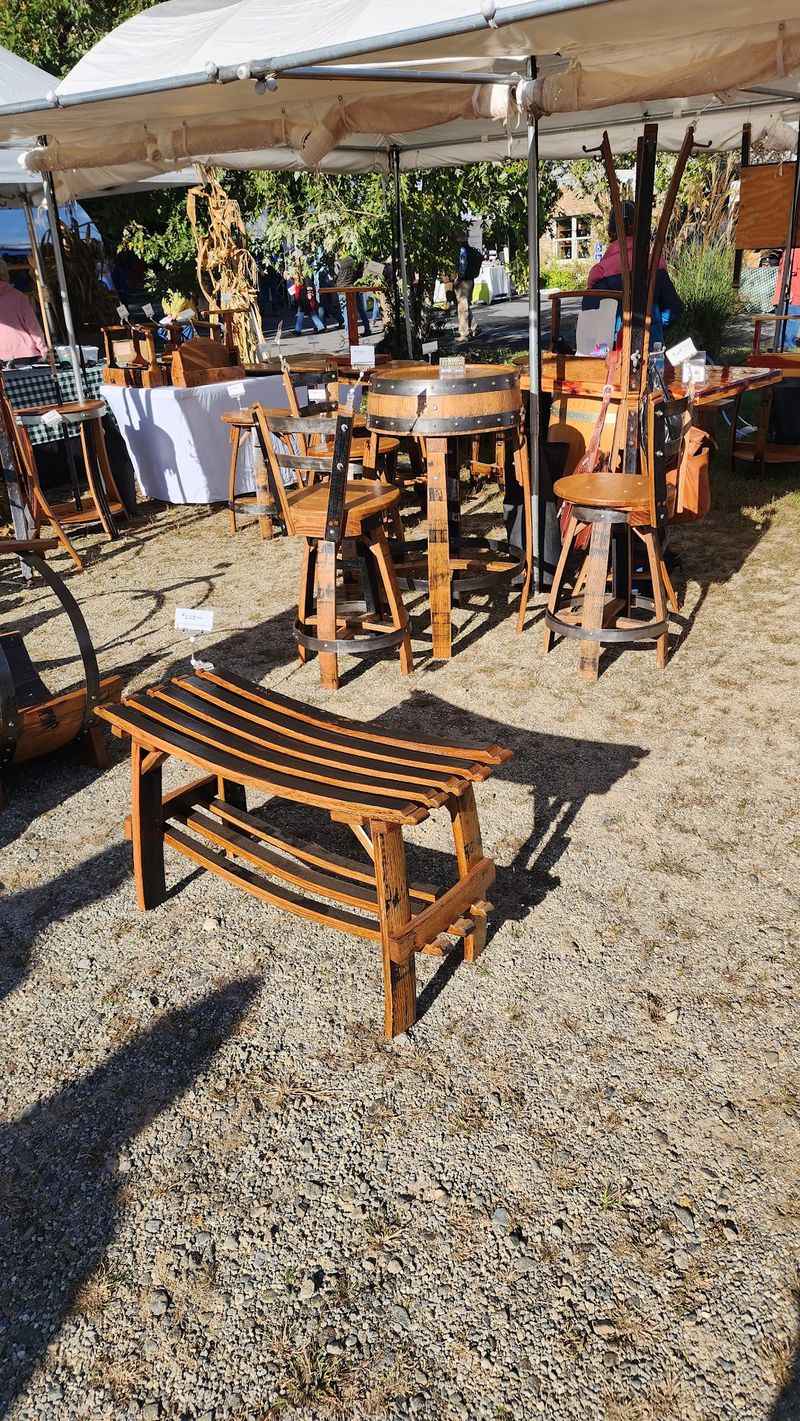
After a morning of walking, the scent of lunch can be as inviting as any craft display.
More than 25 food vendors are planned for the festival, with choices in a food alley and other spots around the campus.
The spread gives families a chance to pause, compare menus, and pick what sounds good rather than settling for the first stand they pass.
Menus can change from vendor to vendor and year to year, so check the posted offerings before joining a line.
If you travel with someone who has food needs, ask the seller about ingredients instead of guessing.
A shared snack can work well when you want to keep exploring, while a full meal gives everyone a longer break from the busy paths.
Bringing water is sensible for a day spent outdoors. Food adds its own rhythm to the Fall Festival.
You might hear music in the distance while finding a place to sit, then head back toward a studio once everyone is ready.
With vendors serving visitors from across North Carolina and beyond, the meal break becomes part of the community scene.
Leave a little time between performances or demonstrations for eating; rushing through lunch means missing one of the weekend’s easiest pleasures.
Over 10,000 Visitors Come From Across The Southern Appalachians For This Tradition
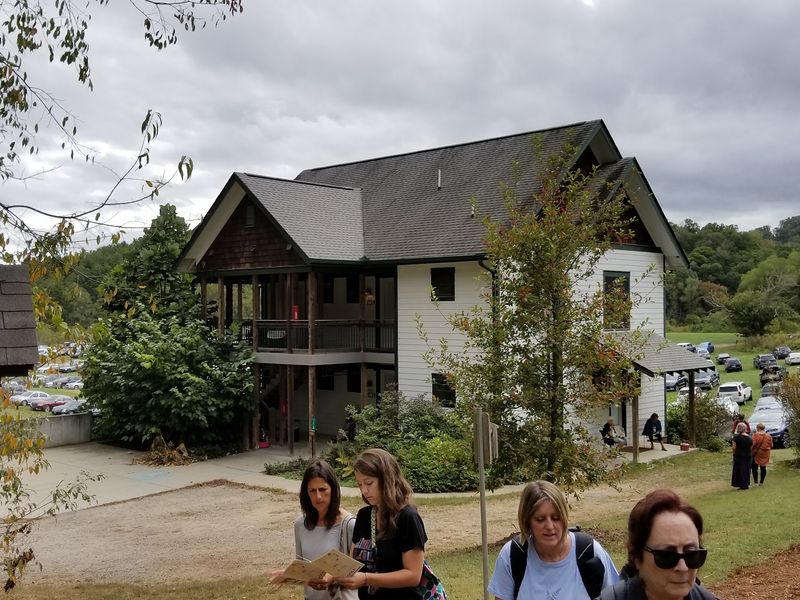
For one weekend, tiny Brasstown takes on the feel of a regional reunion.
The Fall Festival draws more than 10,000 visitors, bringing a steady flow of people past craft booths, music stages, and working studios.
Its size is striking, but the reason for gathering is easy to understand: people come to see Appalachian skills, hear music, and spend time together.
A crowd that large calls for a little planning. The 2026 event is scheduled for October 3 and 4, from 10 a.m. to 5 p.m. each day.
Decide which demonstrations or performances matter most to you, and check current festival information before setting out for details such as entry and parking.
Arriving with a flexible plan can make a busy day feel much easier.
The festival also offers a chance to notice how one mountain community welcomes a much wider region.
Visitors move between activities at different speeds: some linger over a maker’s work, while others follow a tune toward a stage.
If you are traveling with children, agree on a meeting spot before you start browsing.
Leave space in your schedule to simply watch the gathering unfold. That shared energy is part of the tradition, and no ticketed performance is needed to notice it.
Why The 50th Anniversary Could Be The Biggest Celebration Yet
Fifty fabric leaves offer a fitting way to picture fifty festival years.
Folk School instructor Lee Chappell Monroe created a commemorative quilt with a leaf for each year, giving the 2026 celebration a handmade symbol.
It is a reminder that the event’s history is built from individual acts of making, teaching, and returning.
The festival began in 1974, and its 50th annual gathering is planned for October 3 and 4, 2026.
Organizers expect more than 10,000 visitors for the anniversary weekend, with travelers arriving from across the Southern Appalachian region.
Alongside that milestone are the familiar reasons to visit: hundreds of craft vendors, working makers, food stands, and music across the campus.
The scale may be grand, but you can still experience it one booth or song at a time.
Before traveling, check the John C. Campbell Folk School’s current festival updates for schedules and visitor details.
If the anniversary quilt is on display during your visit, take time to look at how its leaves differ; the small choices are part of its meaning.
Then step back outside and see the same spirit at work throughout the grounds.
For North Carolina travelers, it is a chance to celebrate a mountain tradition while watching its next chapter take shape.