This North Carolina Farm Still Preserves A Tobacco Drying Tradition Most People Have Forgotten
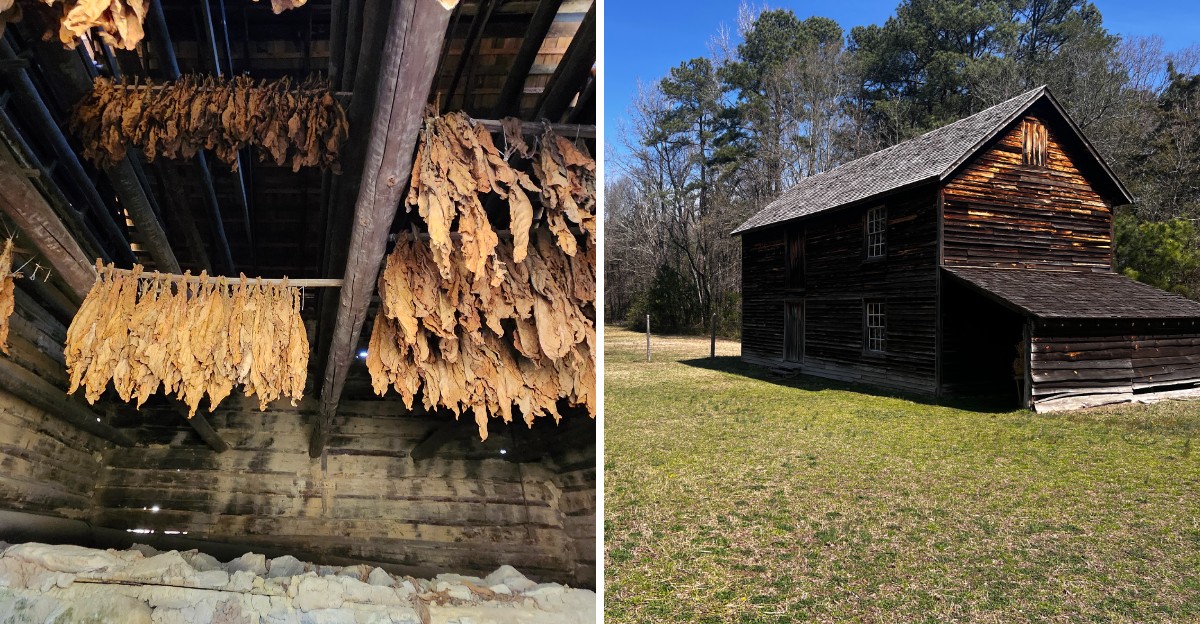
Brick furnaces once sent heat through metal flues inside tobacco-curing barns, slowly turning green leaves a bright golden yellow. Farmers carefully tended the fires for days to get the color just right.
That color helped one family build a business empire that reshaped a whole city.
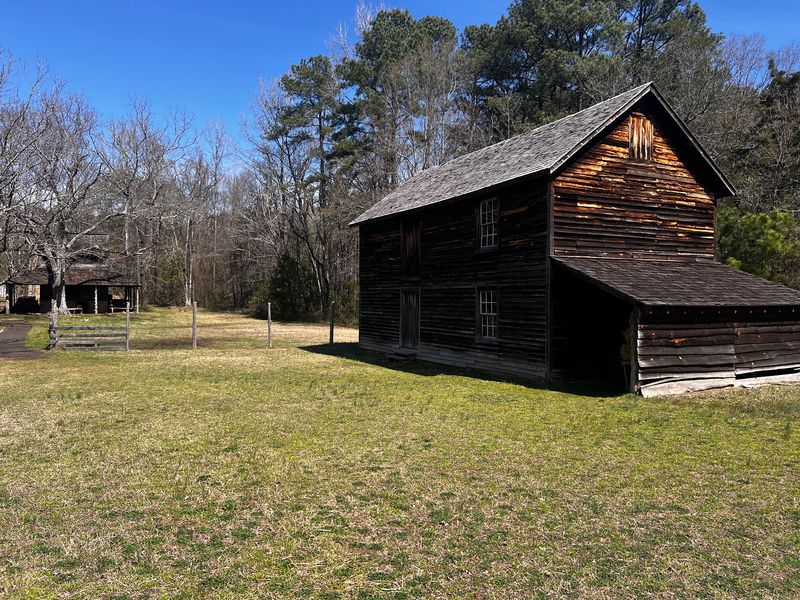
A historic curing barn now stands on the preserved North Carolina farm, near the Duke family’s original 1852 farmhouse. The barn was moved here from another Durham County farm to show visitors how the old process worked.
I like how small everything feels here, from the fields to the plain wooden buildings. I can’t imagine many famous fortunes with humbler roots than a farm road and a hot barn.
Most people today have never heard of the drying method that started it all. So how did a barn full of heat change the future of an entire American region?
A Free Farm Visit That Packs In Way More Story Than You Expect
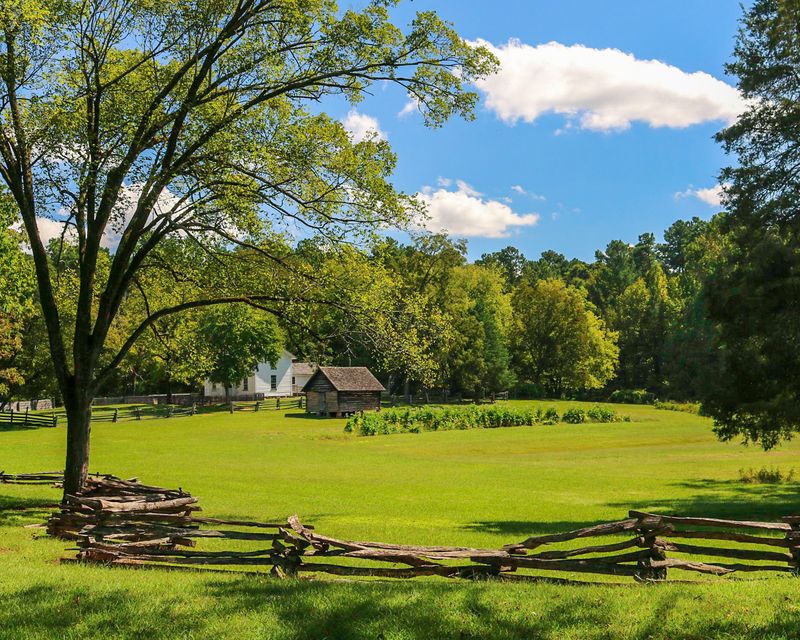
Free admission and a famous family name make a pretty great combo. Duke Homestead State Historic Site and Tobacco Museum lets you explore the grounds and museum without paying a thing.
The site sits in Durham, North Carolina, on the farm where Washington Duke and his family lived from 1852 until 1874. Their story grew from this quiet land into one of the biggest businesses the world had ever seen.
Doors open Tuesday through Saturday, from 9 a.m. to 5 p.m. The site closes on Sundays, Mondays, and most major state holidays, so plan around those days.
Guided tours carry a small fee, but self-guided exploring costs nothing. That means you can wander at your own pace and decide later if you want an expert along.
The property has a long official history too. It became a National Historic Landmark in 1966 and a State Historic Site in 1974.
Duke University acquired the land in 1931, then deeded it to the state in 1973. Not bad for a farm that started with one family and a few fields.
The Barn With A Fire In Its Belly
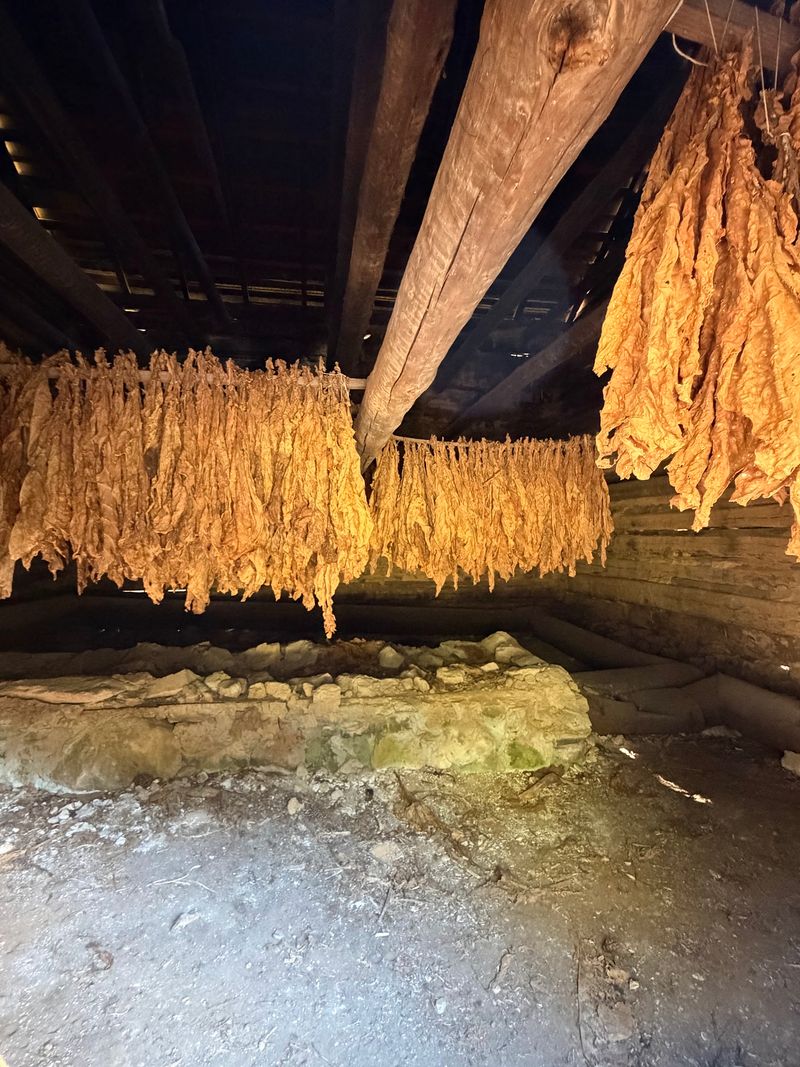
Brick furnaces inside the curing barn heated metal flues that carried warmth through the building. For several days, farmers tended the fires and gradually increased the temperature to cure the hanging leaves.
That heat is the secret behind a drying tradition most people have long forgotten. It’s called flue-curing, and it turned ordinary green leaves into something farmers could sell for much more.
Tobacco leaves hung from wooden sticks inside the barn while heated metal flues circulated warmth through the enclosed space.
Too little heat, and the leaves stayed dull. Too much, and a whole batch could be ruined, so farmers had to get the timing just right.
The curing barn at the homestead helps you picture that patient, sweaty work. It’s one of the main stops on the walk through the historic area.
I believe this little building explains more about the region than any textbook paragraph could. A fire, a barn, and a lot of careful attention built an industry.
Honestly, it makes waiting for toast seem pretty easy.
Golden Leaves Became The Color Of Money
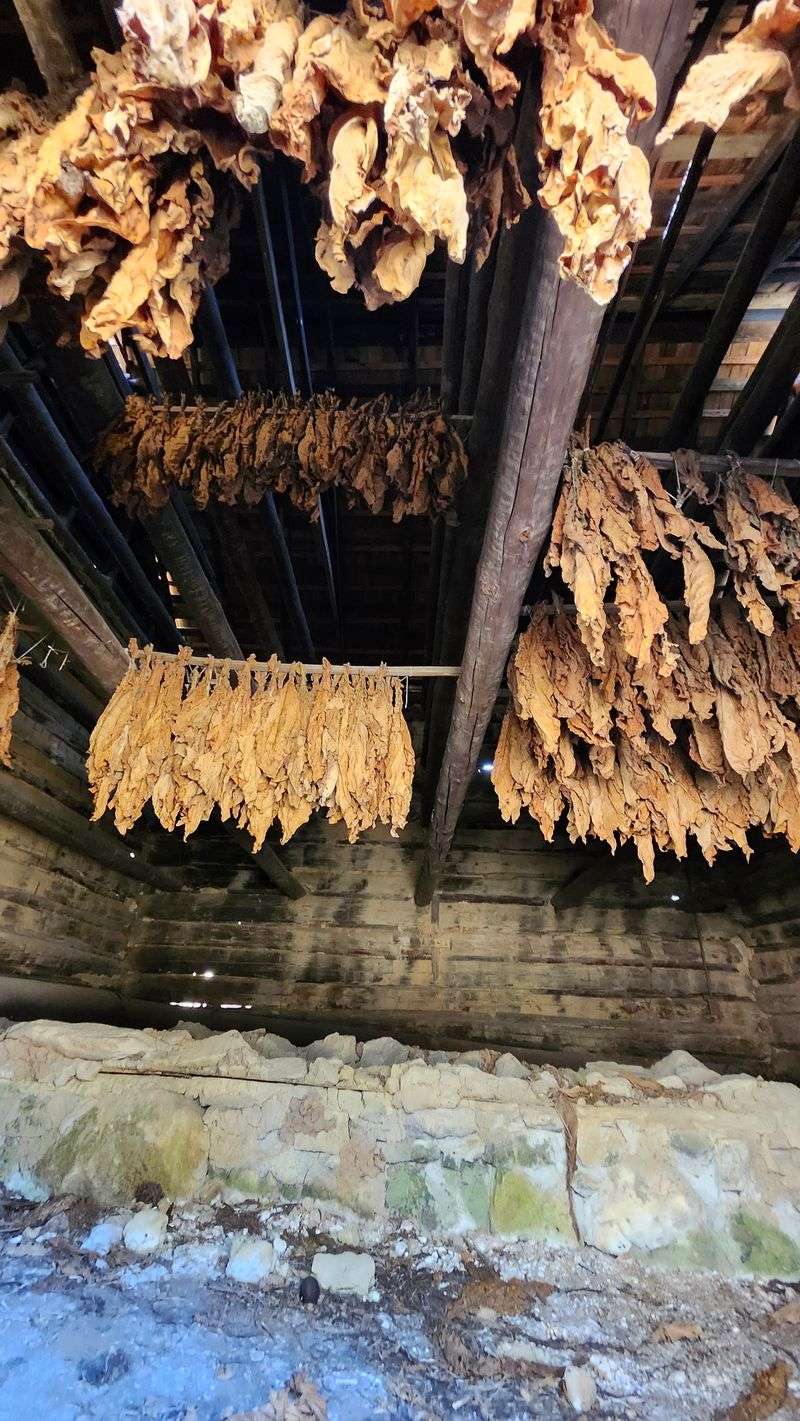
Gold is usually something people dig for. On this farm, it hung from wooden sticks inside a hot barn.
The leaf grown and cured here became known as golden brightleaf. Flue-curing dried it to a distinctive golden yellow, and that bright color set it apart from other kinds.
Buyers loved the look and the milder quality. That demand helped turn the Duke family from farmers into business giants.
The method didn’t appear overnight. It was developed over generations by farmers and enslaved laborers who learned through trial, error, and plenty of hard work.
The site makes a point of sharing that full story. You learn that the golden color came from skill passed down by many hands, not one clever inventor.
It’s a good reminder that big success often has quiet beginnings. Somewhere, someone stood beside a furnace at night, hoping the color would come out right.
Next time you see a field in North Carolina, you might look at it a little differently. A simple leaf once carried a whole state’s economy on its back.
Washington Duke’s House Keeps Things Refreshingly Simple
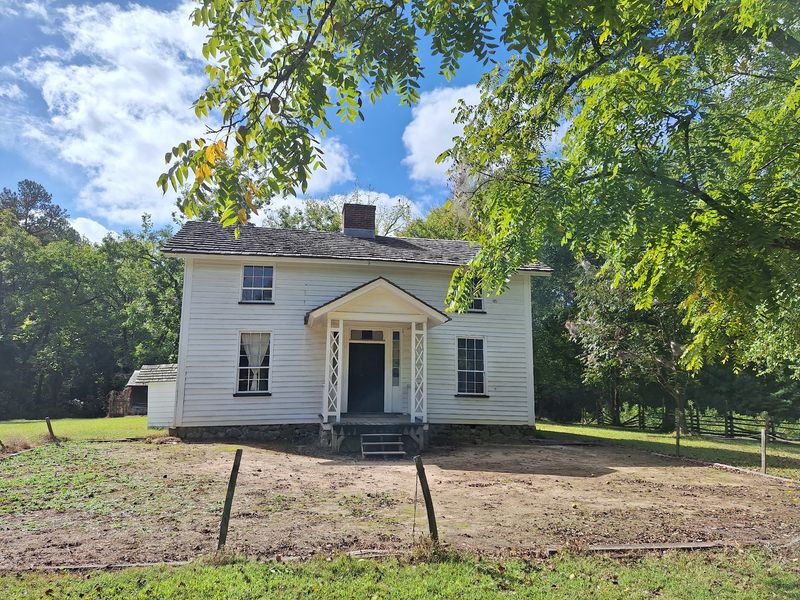
For a family linked to a world-famous fortune, the house is surprisingly modest. Washington Duke built it around 1852, and it has been restored for visitors today.
The family lived here until 1874. Those years covered farming, the Civil War, and the early days of their growing business.
Life inside looked very different from modern homes. There was no electricity, no running water, and no indoor bathroom to run to on a cold night.
Seeing it helps the history feel real. You start to picture busy mornings, crackling fireplaces, and a family planning its next big move.
The home is a stop on the guided tour of the historic area. The tour also heads to the factories, curing barn, and pack house, so the house is just one chapter.
I like that the place doesn’t try to look fancy. It shows exactly where the family started, which makes their later success feel even more surprising.
Bring some curiosity and maybe a little gratitude for your fridge. A visit here makes modern comforts feel like small miracles.
A Tiny Log Factory Started A Massive Business
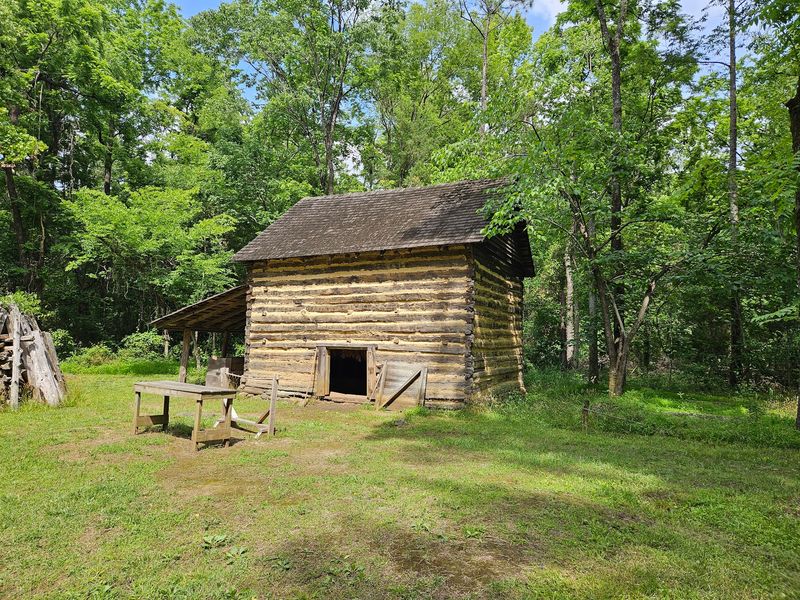
Around 1865, Washington Duke came home from the Civil War and got to work. He turned an old corn crib on the homestead into the family’s first small factory, where he and his children began processing tobacco by hand.
He sold his product under a catchy Latin name, Pro Bono Publico. It means for the public good, which is quite a confident label for a homemade start.
Business grew fast. By 1869, the family had built a third, larger factory on the property to keep up.
That 1869 building is original, and you can still see it today. A reconstruction of the first factory stands on the grounds too, so you can compare their sizes.
In 1874, the family moved manufacturing to downtown Durham. Later, Washington Duke’s sons created The American Tobacco Company, which became the largest company of its kind in the world.
Standing near these plain wooden buildings, the jump feels almost wild. A small farm workshop led to a global giant in just a few decades.
Talk about a side hustle that got out of hand. The family garage startup story clearly isn’t new.
Lace Up Real Shoes For The Walk Through History
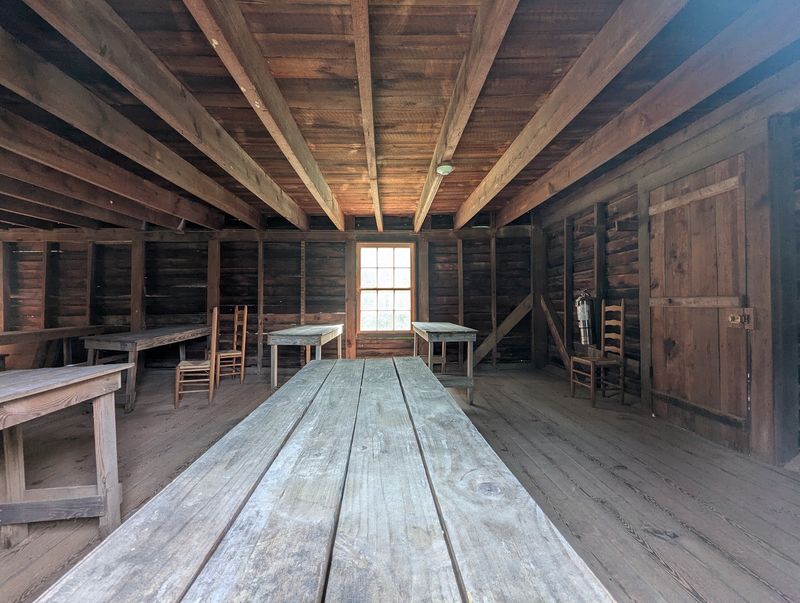
Sandals might regret this trip. The guided tours lead visitors along uneven, unpaved paths through the historic area.
Each guided tour lasts about 45 minutes. Stops include the home, the factories, the curing barn, and the pack house.
The pack house is easy to overlook, but it mattered a lot. After curing, the dried leaves were stored and prepared for market in buildings like this one.
Following the route in order helps the whole process click. You go from field to barn to packing to factory, almost like following the leaf itself.
Guided tours have a small fee, and they add plenty of detail you’d miss alone. Self-guided tours are available too, which works well if you prefer to roam.
Tour times can vary, so it’s smart to call ahead before you go. That way you won’t be stuck waiting when you’d rather be walking.
The site also offers demonstrations of early farming methods and manufacturing work. Seeing the hands-on steps up close turns old history into something you can actually picture.
Air Conditioning, A Short Film, And Old-School Ads
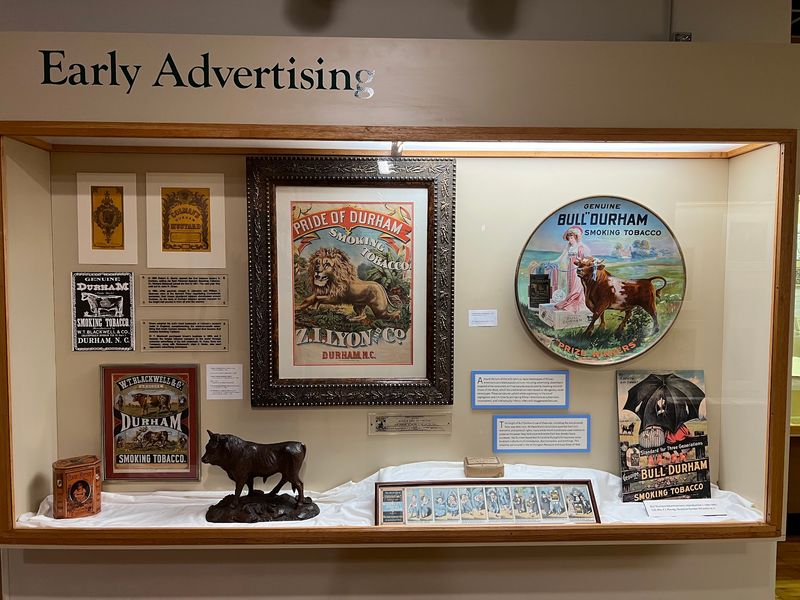
Hot day outside? The visitor center makes a great first stop at 2828 Duke Homestead Road in Durham, NC 27705.
Inside, the museum covers 5,500 square feet of exhibits. They trace the story of the leaf from Native American times all the way to the present.
You’ll find sections on farming, manufacturing, and advertising. The old machines show how hand work slowly gave way to speedy factory production.
The advertising displays are a fun peek at how companies grabbed attention long ago. Some of those vintage pitches feel almost silly by today’s standards.
Don’t skip the 17-minute orientation film, Legacy of the Golden Leaf. It covers the Duke family and the industry’s history in North Carolina.
Watching it first gives the farm buildings more meaning later. You’ll walk outside already knowing who lived where and why it mattered.
You can do the film, museum, and grounds in any order you like. Still, I believe the film-first plan makes the curing barn hit harder when you finally see it.
The Farm Tells The Whole Story, Not Just The Shiny Parts
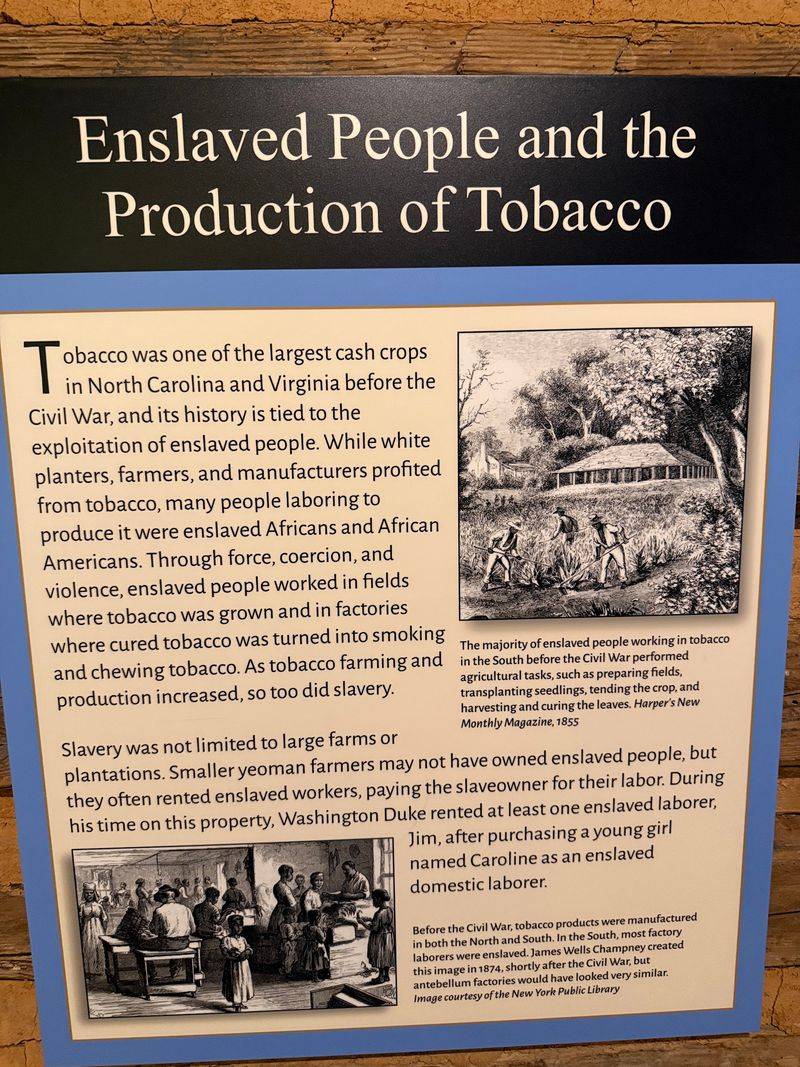
Honest history takes courage. Duke Homestead State Historic Site and Tobacco Museum openly shares the stories of enslaved people who worked on the Duke farm.
Two of those names are Caroline and Jim. Remembering them by name gives real people their rightful place in the farm’s story.
Their work was part of the foundation that made the farm run. The skills behind flue-curing were shaped in part by enslaved laborers, too.
Leaving those details out would make the story feel too neat. Including them helps visitors understand who truly carried the weight of this land.
I respect how the site handles this thoughtfully. It doesn’t hide the hard parts behind the success story of a famous family.
This makes the homestead a meaningful place for families and students. Kids can ask real questions and get thoughtful answers rooted in local history.
Take a quiet moment near the fields during your walk. It’s a simple way to honor the many people whose labor shaped this corner of North Carolina.
Fall Auctions And Candlelit Evenings Are Worth Marking Down
Harvest season brings a lively change of pace to the historic farm. During the 2026 Brightleaf Harvest Day in August, visitors watched tobacco harvesting and traditional leaf-looping demonstrations, learning how workers once prepared the crop for curing.
Visitors could even try their hand at looping leaves onto wooden sticks. It’s a simple-looking task that reveals just how much patience went into preparing each harvest.
December brings something cozier. Christmas by Candlelight returns on December 4 and 11, 2026, with historic holiday traditions, music, costumed interpreters, and candlelit walks through the grounds.
Special events happen throughout the year, so it pays to check the schedule before you go. Some workshops and programs fill up, and nobody likes missing the fun part.
Planning a regular day instead? The site has a picnic area, so packing lunch is an easy win.
Give yourself about an hour or two to see the museum, film, and grounds. That’s enough time to enjoy it without rushing past the good stuff.
For a free stop near downtown Durham, it’s a pretty sweet deal. Few places let you walk through the birth of an industry before lunch.