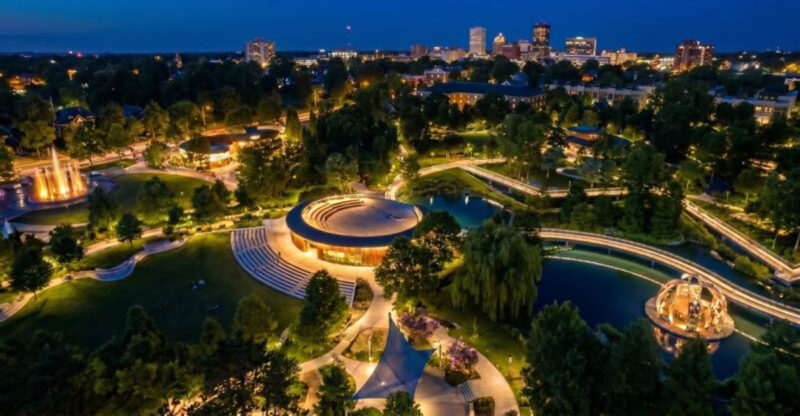
This North Carolina Festival Is Turning 50 With More Than 250 Artists This Weekend
Fifty years is a long time to keep people voluntarily walking around outside in August.
Apparently, good art is persuasive.
This weekend, a beloved North Carolina festival celebrates its half-century mark by turning downtown into one enormous open-air gallery. More than 250 juried artists are expected, which means “I’m just going to look” has very little chance of surviving past the first block.
Admission costs nothing, making spontaneous purchases dangerously easy to justify.
Music carries through the grounds while visitors drift between booths, and somewhere nearby, kettle corn is doing its usual excellent job of convincing everyone they suddenly need a snack.
The festival has lasted since the 1970s without losing the community energy that made it stick around in the first place.
So consider the weekend plans handled.
Just leave a little room in the car. Nobody ever intends to come home with a painting.
Celebrate 50 Years Of One Of Cary’s Biggest Summer Traditions
Back in 1977, a small gathering of craftspeople set up shop in downtown Cary, inspired by local artist Jerry Miller. Five decades later, that idea fills the Cary Town Hall Campus at 316 N.
Academy St. with tents, music, and thousands of visitors. Reaching the 50th annual edition puts this event among the longest-running summer traditions in North Carolina.
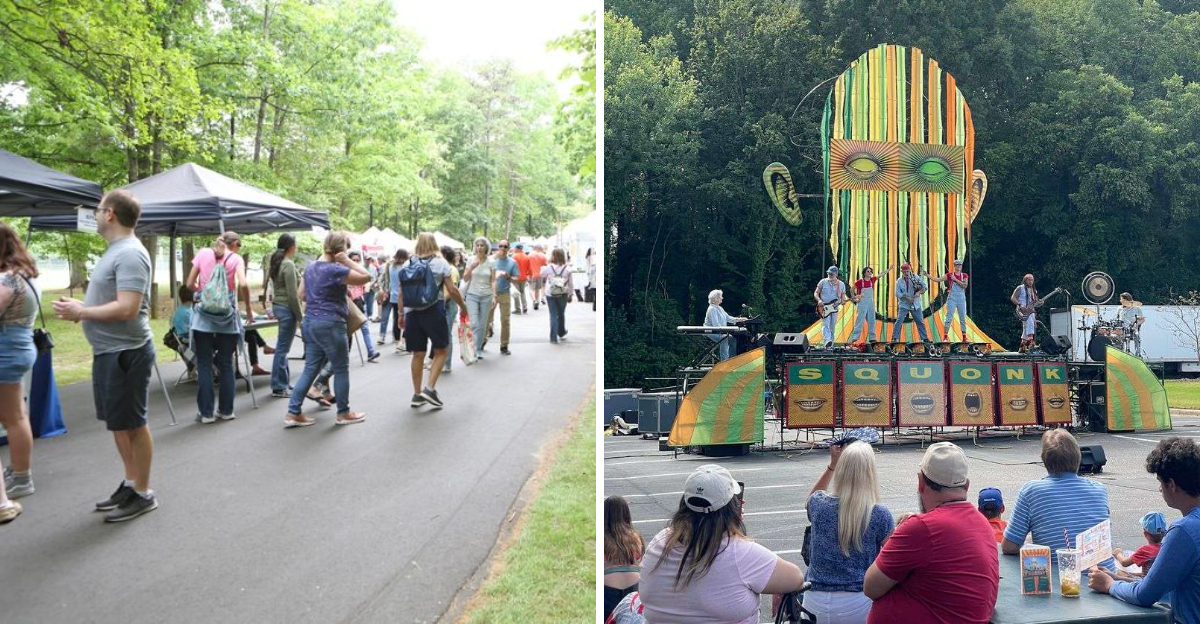
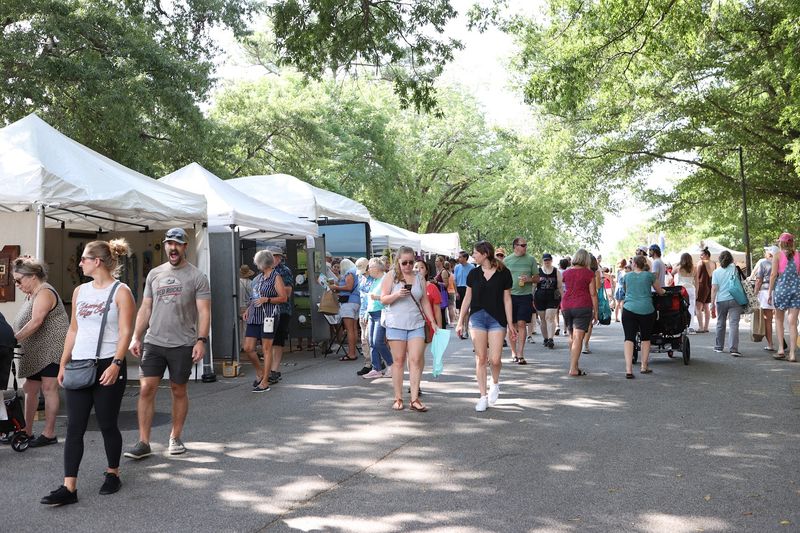
Admission stays free, which is part of why families keep coming back year after year. Shade trees line the walkways, brick sidewalks curve between booths, and the whole downtown feels like one wide open-air gallery.
Nearly every block holds something worth a second look, from folk art to fine jewelry.
Anyone who grew up nearby probably has a Lazy Daze memory: a first pottery purchase, a hand-painted ornament, or a paper cone of shaved ice melting fast in August heat.
Arriving early gives you the calmest stretch of the day, when artists are still arranging displays and the music is just warming up.
Bring a sturdy tote, because small treasures add up quickly. The Lazy Daze Arts and Crafts Festival cannot wait to start.
Browse Work From More Than 250 Juried Artists From Across The Country
Every tent here earned its place through a review process, so the work you see has been chosen rather than simply signed up.
More than 250 juried artists travel from across the country, filling the campus with pottery, blown glass, turned wood, hand-dyed textiles, photography, jewelry, and metal sculpture.
Walking the rows, you notice how different the textures feel: cool stoneware glazes, rough reclaimed timber, silky scarves lifting in the breeze. Watercolors sit beside bold acrylics, and tiny enamel pins share space with tall iron garden stakes.
Talking with makers is half the fun. Many gladly explain where their clay comes from or how many firings a single bowl needs.
Prices stretch widely, from small prints and earrings that cost about as much as lunch to larger pieces meant to anchor a room.
One practical approach: walk the full loop once without buying, then circle back to your favorites. Booth numbers and the printed festival map make it easy to find that one photographer again, and many artists will hold a piece while you keep browsing.
Catch Live Entertainment Spread Across Four Festival Stages
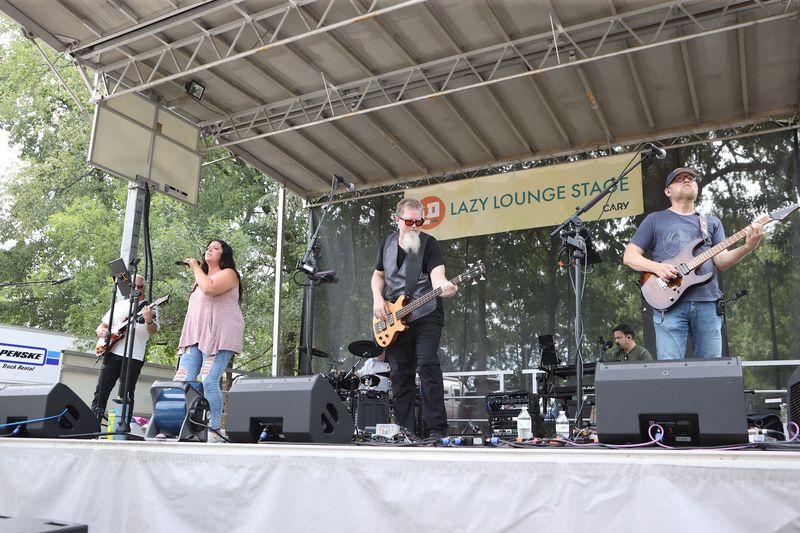
Sound carries oddly well across a busy street fair, and by mid-morning you can hear three different rhythms depending on where you stand.
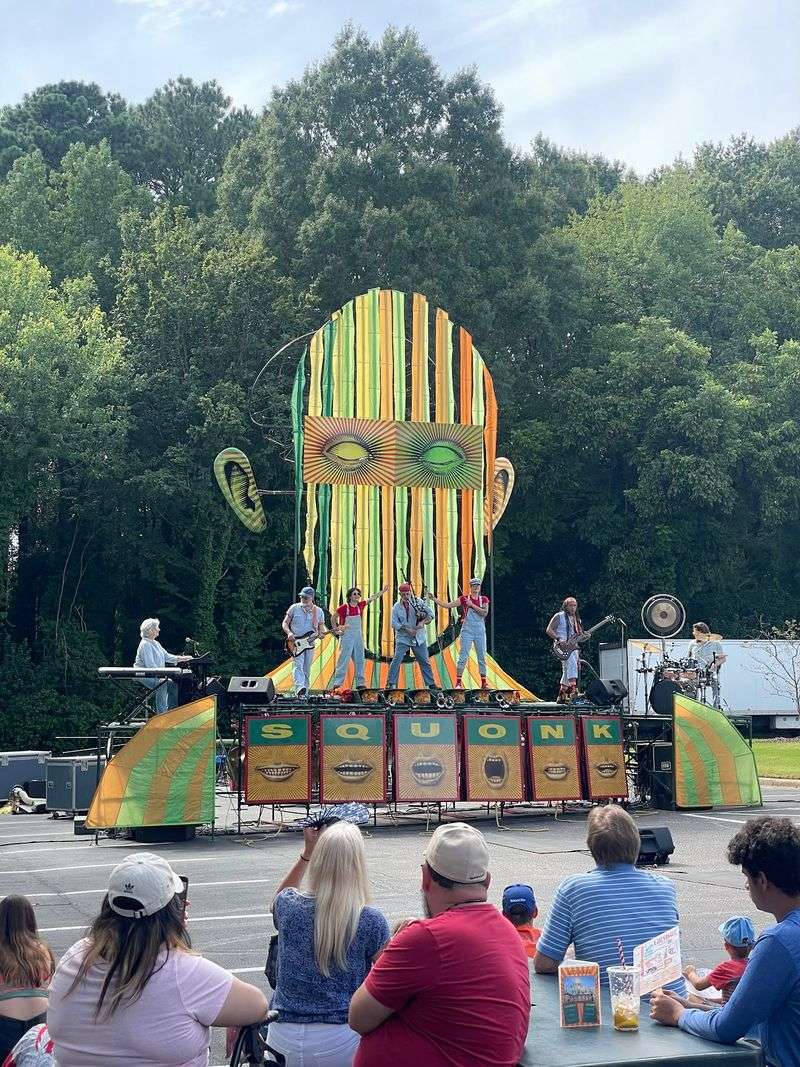
Four stages spread across the festival grounds keep performances running all day, so there is nearly always a set starting somewhere.
Programs mix genres in a way that feels genuinely local: acoustic singer-songwriters, brass and jazz combos, gospel harmonies, string bands, dance troupes, and youth ensembles that draw proud crowds of relatives with cameras.
Bring a folding chair or a picnic blanket if you like to settle in for a while. Shade is uneven, so a hat and a refillable water bottle help during the warmest stretch between noon and three.
Kids often end up dancing in front of the stage long before adults do.
Stage schedules are posted online and around the grounds, which makes it simple to build a loose plan around one or two acts. Few summer events in North Carolina pack this much live music into a single weekend, and the sound of it following you between booths is part of the charm.
Watch Artists Demonstrate How Their Work Comes Together
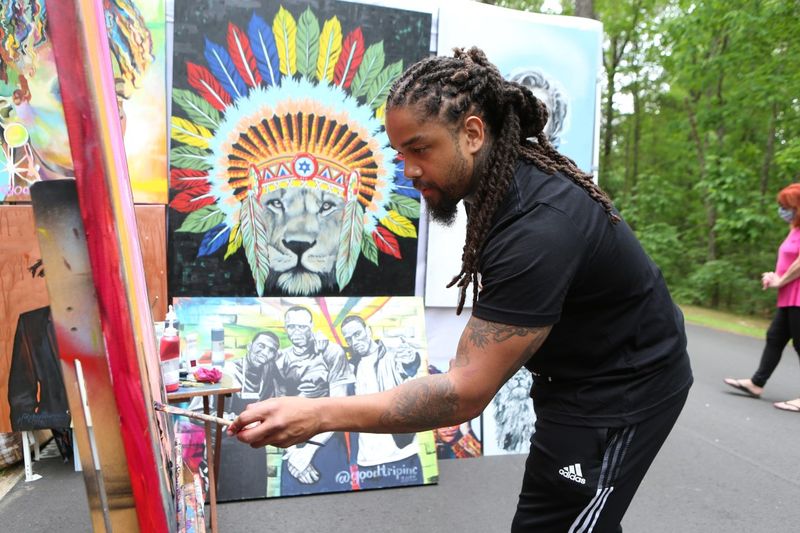
Watching something being made changes how you see it. Professional artisans set up interactive demonstrations throughout the weekend, turning quiet craft into live theater.
The Cary Town Hall Campus at 316 N. Academy St. gives them room to spread out, with pavement and lawn space for messier work.
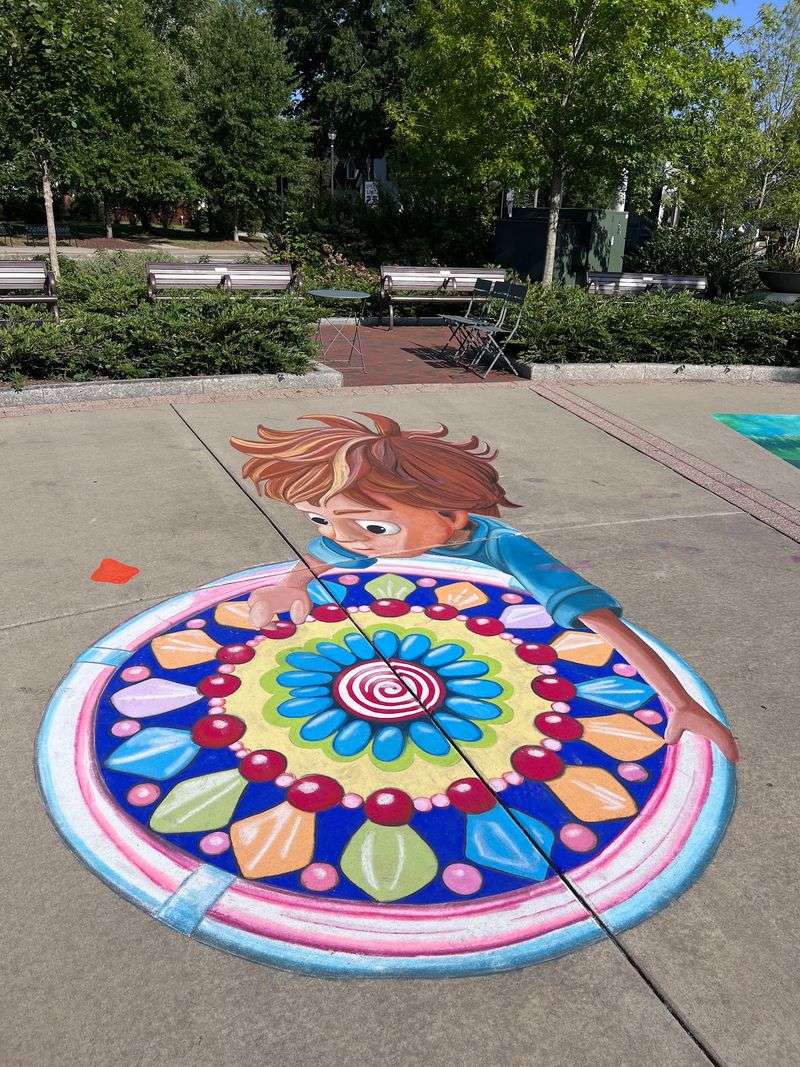
The Academy Street Chalk Walk is the showpiece. Fifteen street painters work on the pavement over two days, kneeling over squares of color that slowly turn into portraits, landscapes, and playful optical illusions.
Coming back a few hours later is worth it, because a rough outline in the morning may be a finished mural by late afternoon. Kneel down for photos at the artist’s angle and the drawing suddenly snaps into perspective.
Demonstrations also give kids a natural reason to slow down and ask questions. Potters at the wheel, woodcarvers shaving curls of pine, and jewelers tapping metal all draw small, patient crowds.
Ask an artisan what the hardest part of the process is, and the answer is usually something surprising that younger visitors remember long after the tents come down.
Explore Kid Daze And Hands-On Art Activities Between Booths
Handing a child five dollars and watching them shop for real art is a small kind of magic. The Kid Collectors Market lets young visitors buy pint-sized pieces made by Lazy Daze artists, so kids leave with something they chose themselves.
Prices are set low on purpose, and the artists behind the table treat the transaction seriously.
Kid Daze also includes an outdoor play space, plus an air-conditioned Play Zone inside the Herb Young Community Center Gym for when the pavement gets hot. That indoor stop is a quiet lifesaver in August.
Grown-ups get a break too. The Caretaker’s Retreat offers a calmer spot to sit, rest, or let a tired toddler reset before heading back out.
Shade, seating, and a moment of quiet do more for morale than any souvenir.
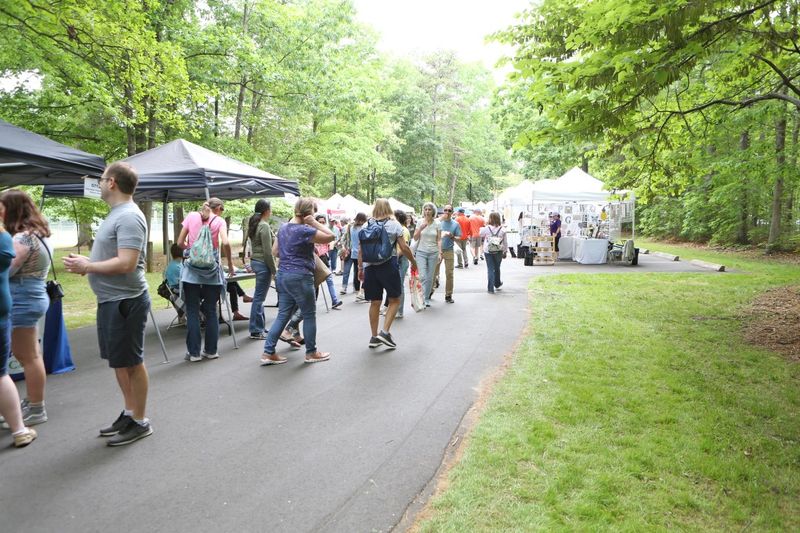
Hands-on activities pop up between booths, which keeps the day moving for short attention spans. Strollers roll fine on the paved paths, though early afternoon is the most crowded stretch.
Packing wipes, snacks, and a change of clothes covers most chalk-dust emergencies.
Grab Something From More Than 25 Food Vendors During The Day
The smell hits you before the sign does, usually somewhere between the kettle corn and the roasted corn stand. More than 25 food and beverage vendors work the grounds, serving tacos, empanadas, barbecue sandwiches, noodle bowls, and warm pretzels.
Portions are generous and most items are easy to carry with one hand.
Sweet treats hold their own. Shaved ice in paper cones, funnel cakes dusted with sugar, hand-scooped ice cream, mini doughnuts, and fresh lemonade poured over ice all reward a mid-afternoon detour.
A cold cup pressed against your wrist works surprisingly well when the humidity climbs.
Vendors use fully compostable serviceware as part of the festival’s sustainability effort, so sorting your trash into the right bin genuinely matters here. Seating is limited, so many visitors eat standing or find a shaded curb.
Lines grow long between noon and two, which is the single most useful thing to know about eating here. Ordering at 11 a.m. or after three cuts your wait dramatically.
Few art fairs in North Carolina offer this many flavors within a few walkable blocks, so arrive hungry.
Look For Special Anniversary Displays Honoring Five Decades Of Creativity
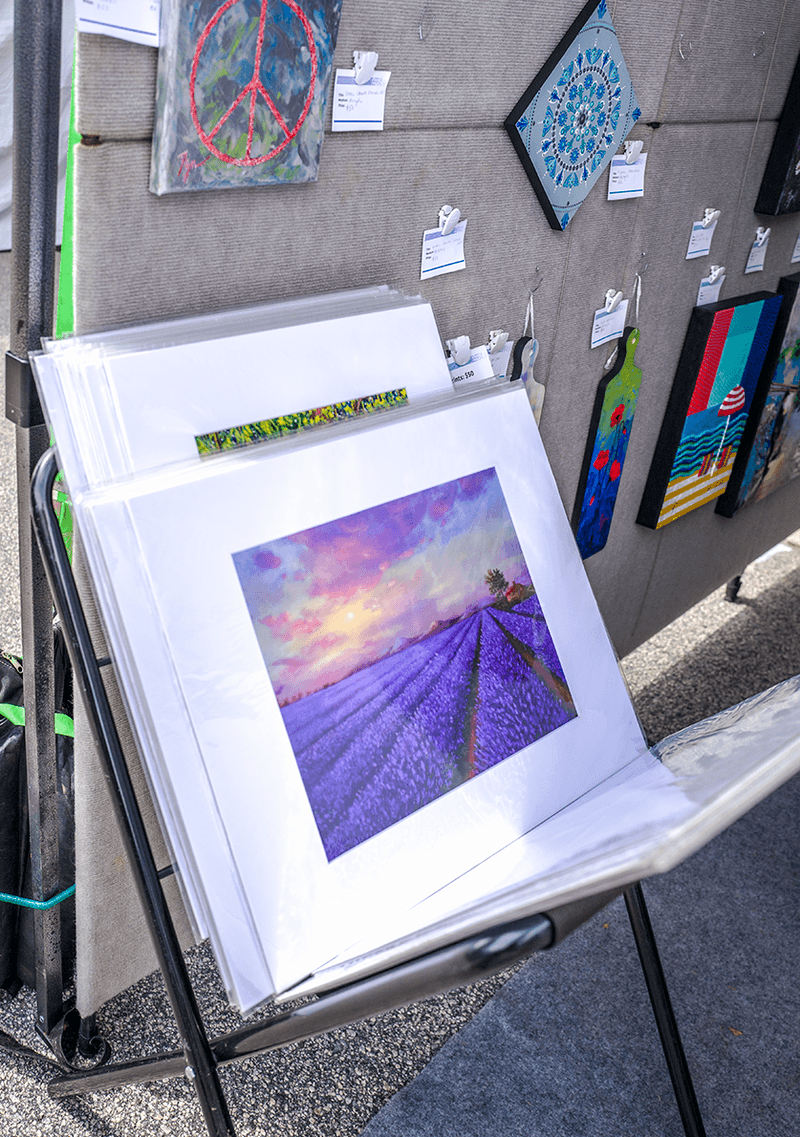
Half a century of art fairs leaves a paper trail: old posters, faded T-shirt designs, and photographs of tents standing on the same lawn decades ago. The 50th anniversary leans into that history rather than hiding it.
Displays honoring five decades of creativity are scattered through the grounds.
The 50 Daze countdown filled the weeks before the festival with pop-up art experiences and special downtown activities, so the celebration starts well before the tents go up.
Those smaller events give longtime visitors a chance to revisit favorite memories while newcomers get a preview of what the main weekend feels like.
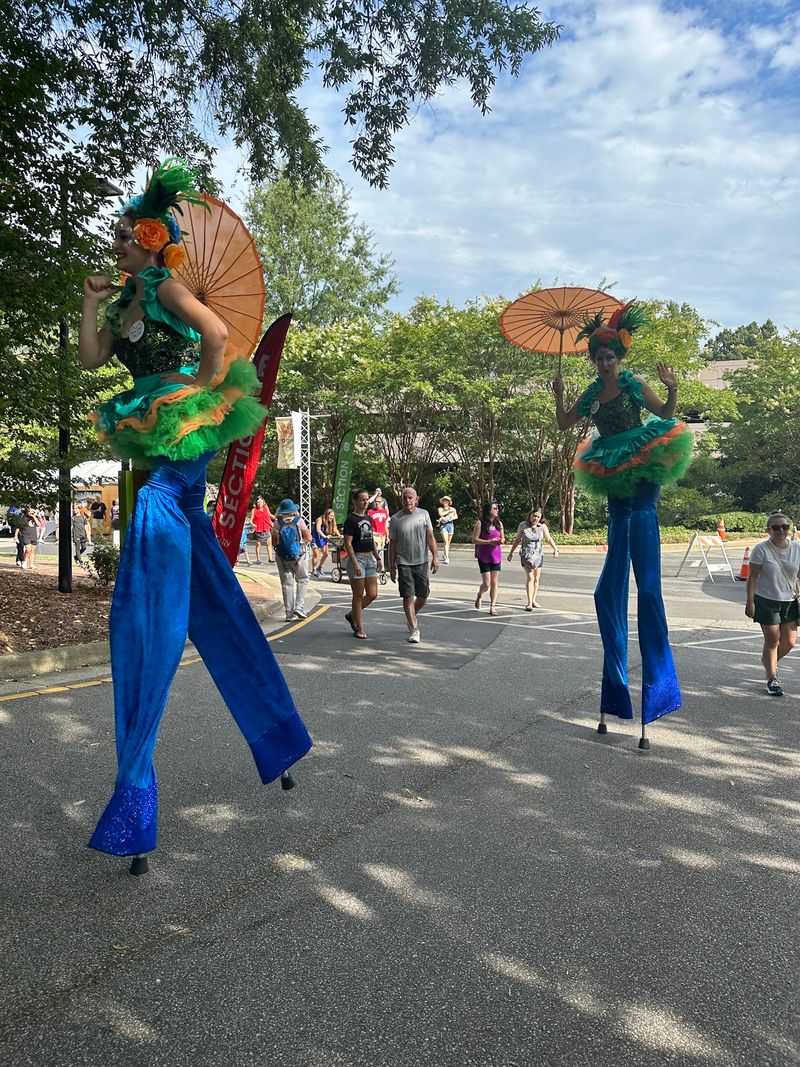
Returning favorites round out the weekend. Art Festival Bingo gives you a reason to study booths you might otherwise walk past, and roaming entertainers turn ordinary sidewalks into small stages.
Both keep the mood light even when the walkways get busy.
The Lazy Lounge is the spot to catch your breath, sit down, and compare purchases. Watching for anniversary displays pays off, because a milestone year brings out photos, signage, and tributes that will not be on the grounds again.
Spend August 22 And 23 Exploring The Festival From 9 To 5
Two days, eight hours each, and no ticket needed. The festival runs Saturday, August 22, and Sunday, August 23, 2026, from 9 a.m. to 5 p.m. both days.
Everything centers on the Cary Town Hall Campus at 316 N. Academy St., an easy stroll from downtown shops and coffee counters.
Morning hours bring cooler air and thinner crowds, while late afternoon often delivers softer light for photos.
Riding in beats circling for a space: complimentary air-conditioned shuttles run from South Hills and Green Hope High School, and fare-free GoCary fixed-route service is another simple option.
Shuttle waits can stretch late in the day, so heading back before the 5 p.m. close saves time.
Limited accessible parking sits at the Fire Department Administration lot. Arriving before 10 a.m. gives you the quietest walkways and the shortest lines at every stand.
Comfortable shoes, sunscreen, a water bottle, and cash for smaller booths cover the essentials.
Fifty years in, this remains one of the warmest, most walkable weekends on the North Carolina summer calendar, and the kind of event people build their August around.