This North Carolina Festival Lets You Travel Back To WWI And WWII, Right Down To The Sights, Sounds And Smells Of Camp Life
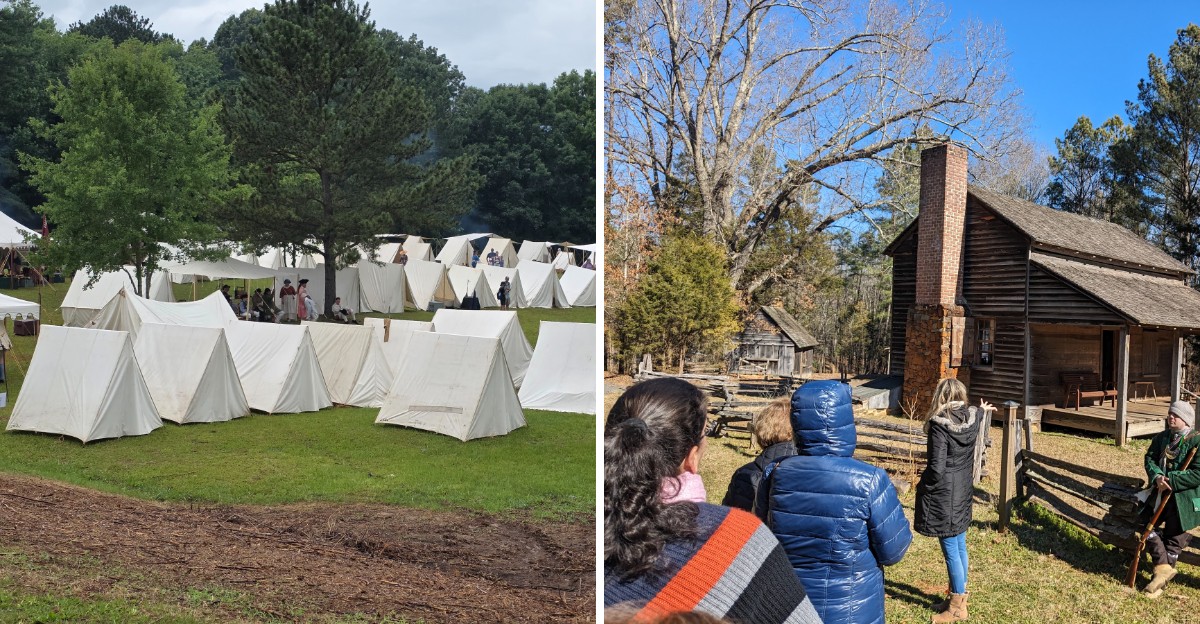
Smoke curls above canvas tents. Boots cross the grass.
Then somebody in a World War II uniform starts explaining what daily life actually felt like.
That is when this North Carolina museum stops feeling like a museum.
For one weekend, living historians turn the grounds into a moving timeline where visitors can ask questions instead of reading everything from behind glass.
The setting makes the experience even stranger in the best way.
An 1840s log house stands nearby while scenes from decades later unfold just across the property.
I would probably spend half the afternoon forgetting which century I was supposed to be in. That is what makes this event stick with me.
History is not sitting quietly on a shelf here.
It is walking around, talking back, and making the past feel uncomfortably close.
Camp Life Comes Back To Life For One Big Weekend
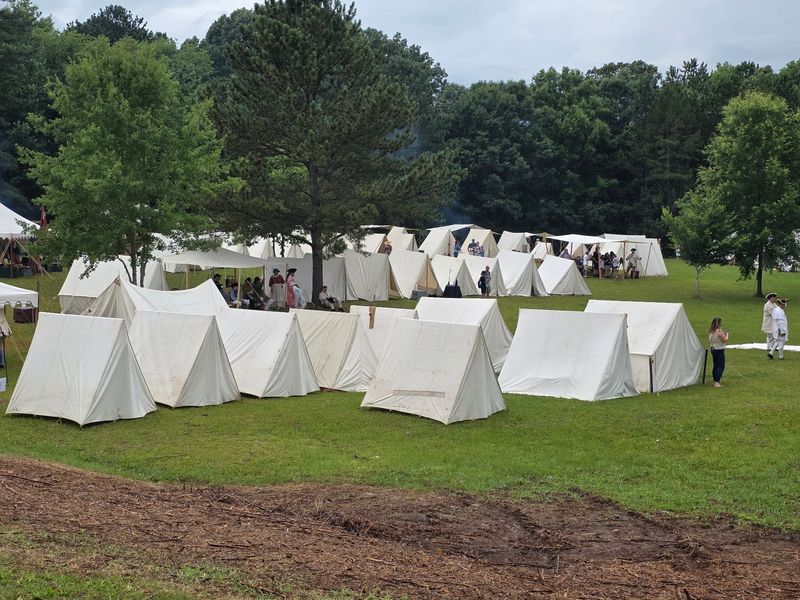
Canvas tents, field gear, and campfire smoke set the scene at the Museum of the Waxhaws during its WWI and WWII Living History Event. The museum calls it a chance to step into the sights, sounds, and stories of two defining eras.
Detailed encampments recreate military and civilian life from both periods. That means you can see how soldiers organized their space, stored gear, and passed long hours between duties.
The museum also hosted a related event called Century of Courage in February 2026. The upcoming November gathering is officially titled WWI & II Living History Weekend.
Either way, the heart of it stays the same. Real people in period clothing turn a museum lawn into a working camp you can wander through.
My tip is simple. Go slowly and look closely at each tent, because small details often tell the biggest stories.
A folded blanket or a tin cup might spark a question you never thought to ask. Living historians usually love those questions most.
Bring curiosity, comfortable shoes, and maybe a notebook for young history fans. You will want to remember the stories later, trust me.
Your Nose Gets A History Lesson Too
Most museums ask you to look and not touch. This one also invites your ears and nose to join the fun.
The Museum of the Waxhaws brings history to life through recreated military camps, equipment displays, and hands-on demonstrations. The sights, sounds, and atmosphere offer a different way to experience the past.
That changes how history sticks. Reading about camp life in a textbook is one thing, but smelling woodsmoke makes it feel real.
Sounds play a big part too. Demonstrations can be loud, so families with little ones might want to keep earmuffs handy.
I believe senses build memories faster than facts alone. Kids may forget a date, yet they will remember that smoky smell for years.
Wear clothes you do not mind smelling a bit like a campfire. Honestly, it is a small price for time travel.
Also check the weather before you head out. Much of the action happens outdoors, so sunscreen or a light jacket can make the day more comfortable.
Treat it like a camping trip with way better storytelling. Your senses will do the rest of the work.
Ask The Soldiers Anything, They Actually Want You To
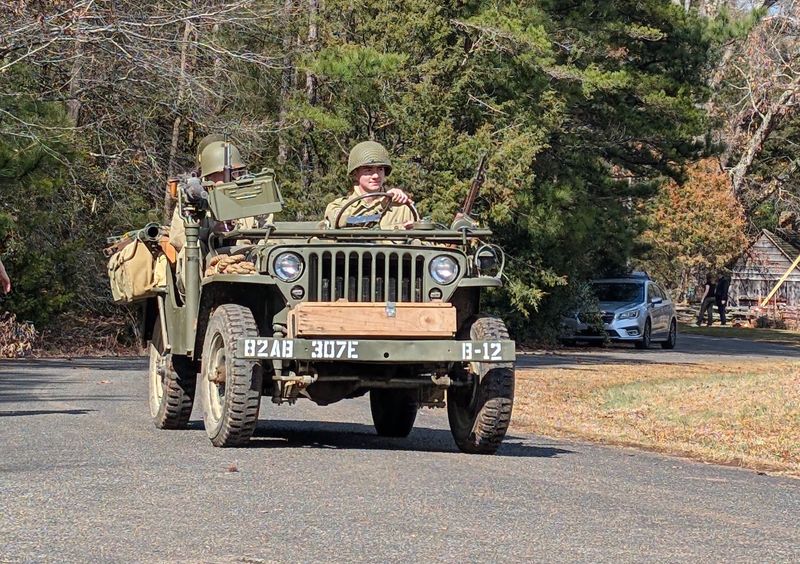
Ever wanted to ask a WWI soldier what he packed in his bag? At this event, someone dressed for the part can answer.
Living historians are the stars here. They portray soldiers, civilians, and families, sharing stories from both the front lines and the home front.
These folks study their roles carefully. They know the gear, the routines, and the everyday challenges people faced during those years.
The best part is the conversation. You are not stuck reading a sign, because you can ask follow-up questions on the spot.
Kids especially shine in this setting. A shy child might start with one small question and end up chatting for ten minutes.
Here is a friendly idea. Before you go, have each family member think of one question to ask during the day.
Questions about food, letters home, or uniforms are easy starters. You might be surprised how deep the answers go.
Remember that home front stories matter too. Civilians kept communities running, and their experiences round out the picture beautifully.
Every portrayal adds a human face to history. That is something no textbook can fully copy.
Real Gear You Can Get Surprisingly Close To
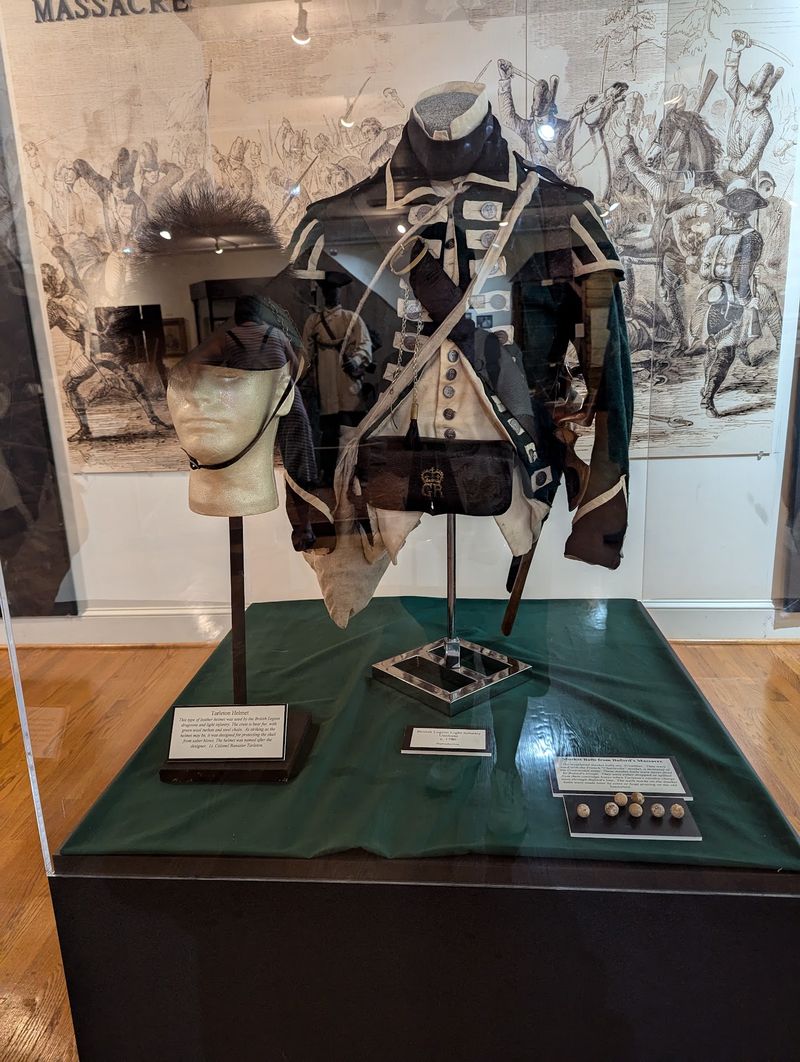
Helmets, field equipment, and military displays line the grounds during the living history weekend. Seeing authentic items up close makes the scale of those eras easier to grasp.
Visitors can learn how each piece of equipment was used. Living historians explain the purpose behind gear that might look puzzling at first.
That context is the magic ingredient. A plain metal object suddenly becomes a tool someone relied on every single day.
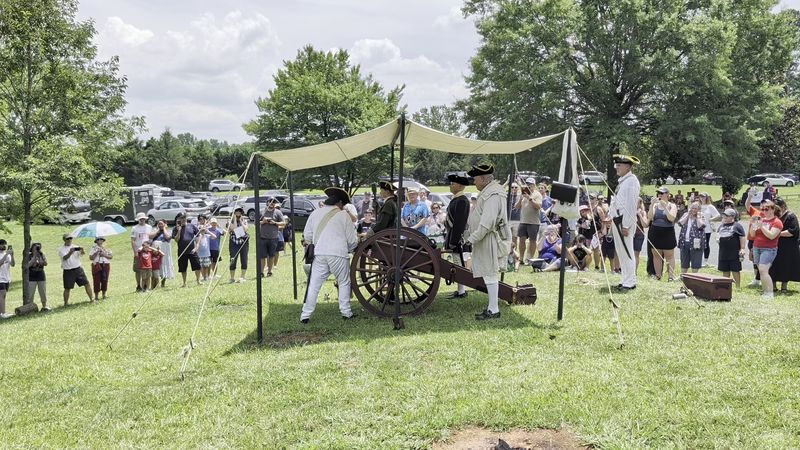
Hands-on demonstrations add another layer. Depending on the program, you might see how certain equipment worked or how daily tasks got done.
Educational presentations also run during the event. Historians and reenactors share specifics about the wars in a way that feels approachable.
I like that the displays respect the past without feeling stiff. Everything is presented to teach, not just to impress.
Plan to check the schedule when you arrive. Presentations happen at set times, and you will not want to miss one.
Snap photos, but ask first when people are involved. Most reenactors are happy to pose, yet a polite ask goes a long way.
Swing Music Might Pull You Onto The Dance Floor
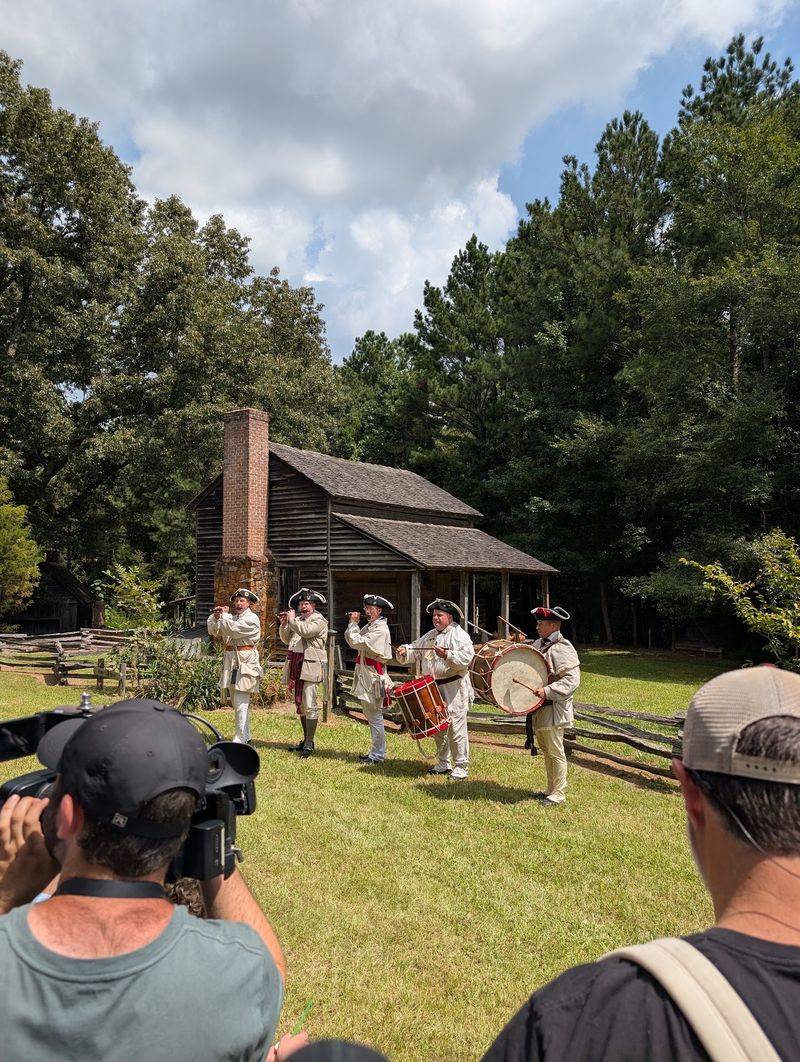
Some versions of the WWII event have included a Hangar Dance. It captures the spirit of the 1940s with music, dancing, and a wartime atmosphere.
Not every edition features one, so check before you go. When it happens, though, it adds a lively twist to the history lesson.
The 1940s had a sound all its own. Big band tunes and swing rhythms helped people find joy during hard times.
You do not need fancy footwork to enjoy it. Watching couples twirl can be just as fun as joining in.
Want to dress the part? Victory rolls, saddle shoes, or a simple vintage dress can make the evening feel extra special.
Gentlemen can try suspenders or a classic fedora. Nobody expects perfection, just good spirits.
I think dances like this show the home front side beautifully. Life went on, and music kept hearts lifted.
Families can turn it into a fun learning moment. Ask grandparents what songs they remember hearing growing up.
Those conversations might be the best souvenir of all. Plus, you may discover someone in the family has surprisingly smooth moves.
An 1830s Homestead Shares The Same Backyard
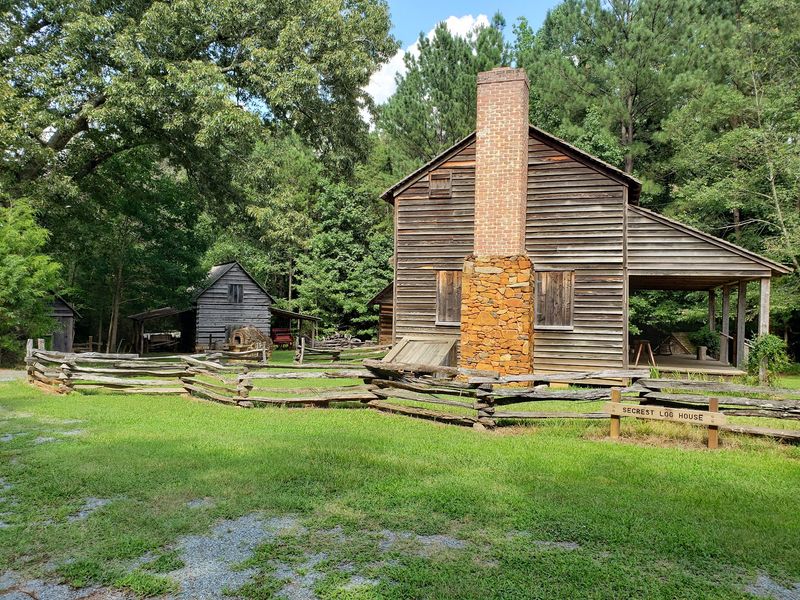
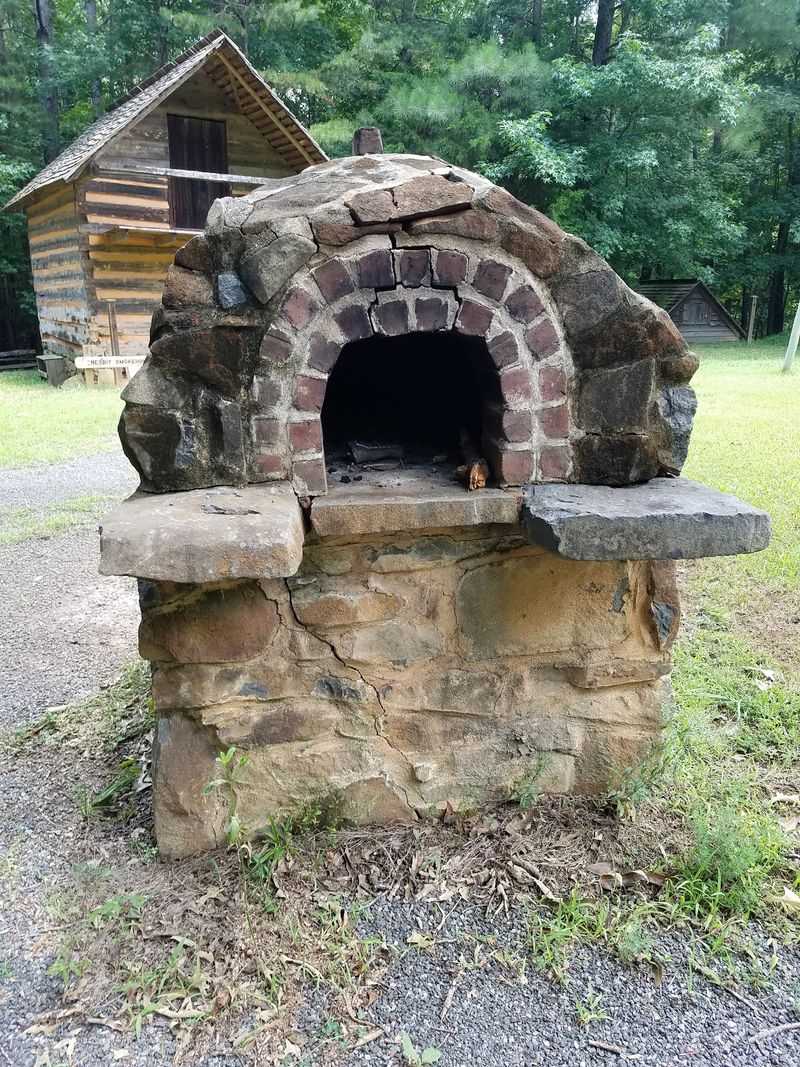
Even on regular days, the Museum of the Waxhaws offers plenty of history. The grounds include a 19th-century homestead, a smokehouse, and an heirloom vegetable garden.
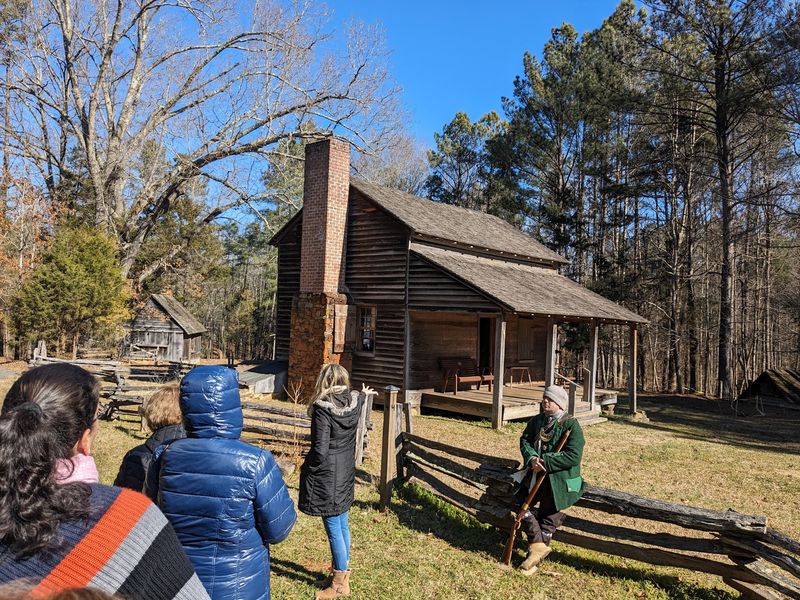
The Secrest log house likely dates to the 1840s. Several outbuildings stand nearby, offering visitors a glimpse of everyday life in nineteenth-century North Carolina.
That mix makes the living history weekend feel layered. One moment you are near a 1940s camp, and the next you are beside a pioneer-era home.
The heirloom garden is worth a peek. It shows the kinds of plants families grew long before grocery stores existed.
The smokehouse tells its own story. Before refrigerators, preserving food took real skill and lots of patience.
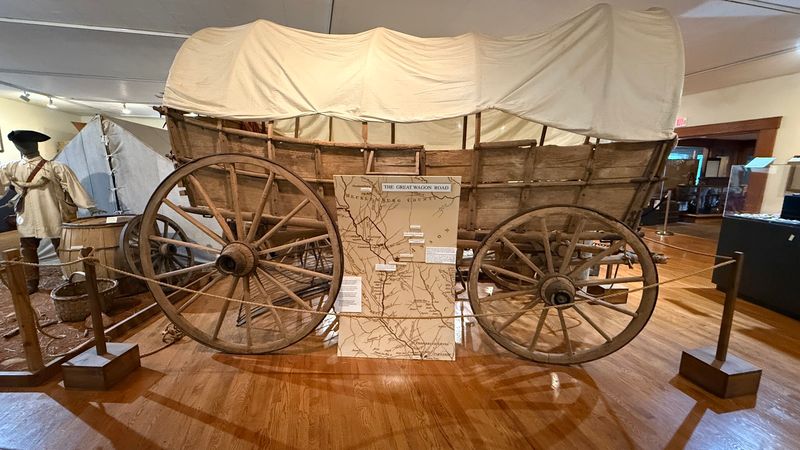
Inside the main building, exhibits cover local history. The museum also features displays connected to Andrew Jackson, who was born in the Waxhaws region.
Give yourself extra time to see it all. Rushing past the homestead would mean missing a huge part of the charm.
Think of it as two field trips in one. This North Carolina museum packs a lot of centuries into a single visit.
Bring The Whole Crew, Even The Littlest Recruits
Good news for families on a budget. Children five and under often get in free to this living history event.
Military personnel and veterans have also received free admission. It is a thoughtful way to honor people who served.
General admission has stayed affordable too. Ticket details can change, so look at the museum’s event page before heading out.
The event is designed to be meaningful and engaging for all ages. Younger kids enjoy the sights and sounds, while older ones dig into the stories.
Here is a parenting hack worth trying. Turn the day into a scavenger hunt for helmets, tents, flags, and old radios.
Snacks and water bottles help keep everyone cheerful. Outdoor history is fun, but hungry kids rarely appreciate field gear.
Strollers may be handy for toddlers. The grounds include grassy areas, so sturdy wheels beat flimsy ones.
If you bring a veteran relative, ask about their own memories. Hearing family stories next to reenactors can be powerful.
Moments like that turn a fun outing into something lasting. Kids may remember it far longer than any classroom lecture.
Plan Around These Hours And Skip The Guesswork
The WWI & WWII Living History Weekend takes place November 21 and 22, 2026. Saturday’s hours run from 10 a.m. to 4 p.m., while Sunday’s event runs from 10 a.m. to 3 p.m.
The Living History Event returns on different dates through the year. Checking the museum calendar is the easiest way to catch the next one.
You will find the museum at 8215 Waxhaw Hwy, Waxhaw, NC 28173. Free parking is available for event guests, which is always a welcome surprise.
On regular weeks, the main museum keeps limited hours. It currently opens Friday and Saturday from 10 a.m. to 5 p.m.
Arriving early gives you a calmer start. You can scope out the camps before presentations begin.
Sunday closes a little earlier, so plan accordingly. Nobody wants to rush past the best encampment at the last minute.
Comfortable walking shoes are a must. The event spreads across the grounds, and you will be on your feet a lot.
A small backpack works well for water and sunscreen. Leave room for any treasures from the gift area too.
A little planning keeps the day relaxed. Then you can focus on the fun parts.
Keep Your Calendar Open For More Time Travel
Once the WWI and WWII camps pack up, the Museum of the Waxhaws keeps the history train rolling. Its calendar includes other reenactments, demonstrations, and seasonal events.
Past programs have featured battle reenactments and talks on colonial-era surgeons and herbalists. There has even been a Pirate Day, which sounds like pure fun.
The museum also hosts camps for kids. Young history lovers can get hands-on time beyond the big weekend festivals.
Community gatherings show up too. Waxhaw Food Truck Friday events have brought food trucks and vendors to the area.
I love how one small museum covers so many eras. Revolutionary days, pioneer life, and world wars all share this patch of North Carolina.
Following the museum online is the smartest move. Event dates shift, and new programs pop up throughout the year.
Consider making it a seasonal tradition. Each visit can spotlight a different chapter of history for your family.
Honestly, it is hard to visit just once. With this much going on, you might need a calendar dedicated to time travel.