This North Carolina Foraging Tour Lets You Hunt For Wild Mushrooms In The Asheville Woods
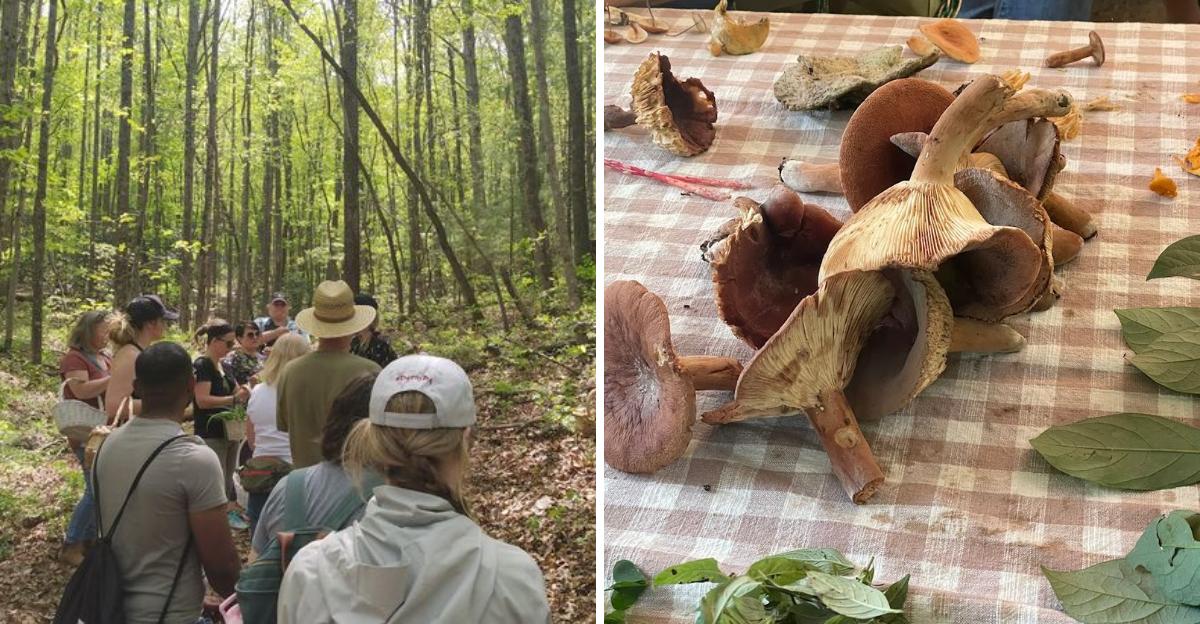
Forest trails feel different when dinner might be hiding under a leaf.
Outside Asheville, a guided North Carolina foraging trip turns a regular walk in the woods into something closer to a treasure hunt with dirt on its boots.
Every step comes with the possibility of spotting something edible, learning why it matters, and realizing the forest has been keeping a much busier kitchen than anyone guessed.
That is what makes the adventure so exciting.
You are not just looking at nature from a distance.
You are reading it, following clues, and learning how much flavor can grow in places most people pass without noticing.
For curious explorers, this is the kind of outing that makes the woods feel wild, generous, and suddenly full of secrets.
Of course, no one should snack straight from the forest like a cartoon raccoon, so expert guidance and careful identification are absolutely essential.
Follow A Guide Into The Woods Before You Touch Anything
Safety has to come first when mushrooms are involved, because the forest does not label the dangerous ones for convenience.
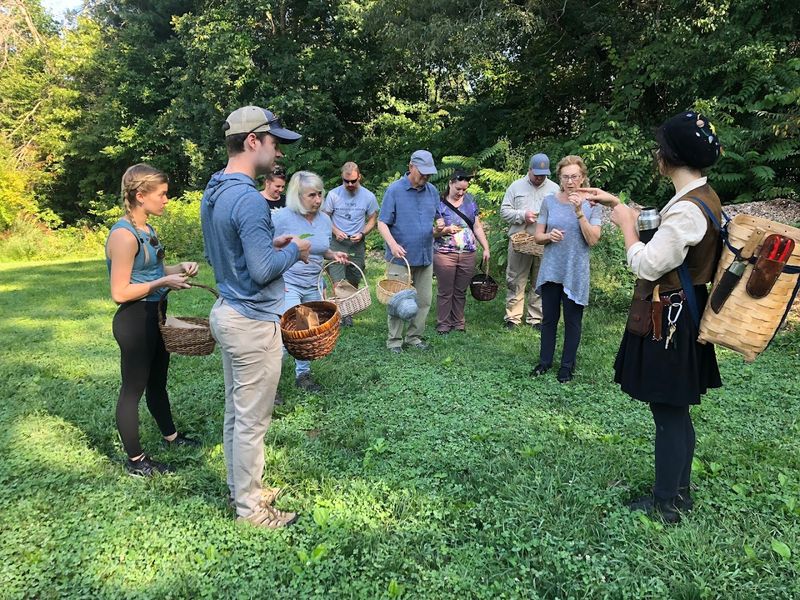
No Taste Like Home builds its Asheville-area foraging tours around expert guidance, which is exactly what makes the experience approachable for beginners.
Guests do not meet at a fixed storefront and wander off alone.
Tour locations are selected from several options 5 to 45 minutes from downtown Asheville, with the exact meeting place chosen by 5 p.m. the day before the tour.
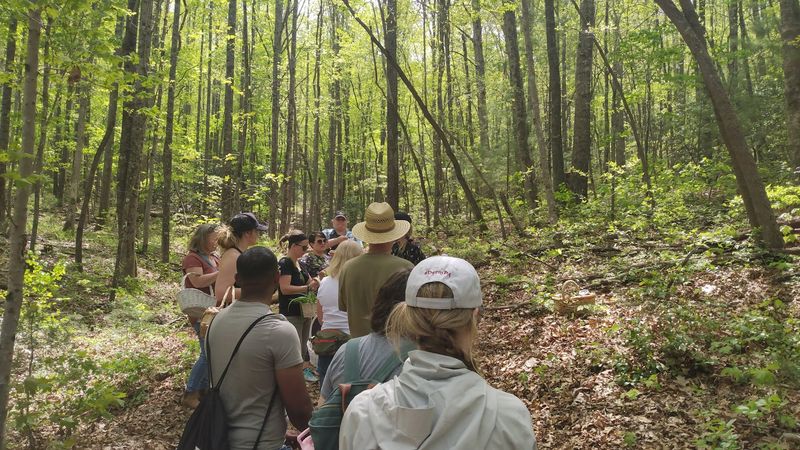
That keeps each outing tied to current conditions, seasonal growth, and whatever the landscape is offering at the moment. Once the group gathers, the guide leads the way through a slow, hands-on introduction to edible wild foods.
The pace is not a strenuous hike; the company says tours cover less than half a mile on mostly level ground with frequent stops. That slower structure matters because good foraging is mostly observation.
Guests learn to notice leaf shape, habitat, lookalikes, texture, smell, and context before anything goes into a basket. North Carolina’s mountain forests are rich with biodiversity, but that abundance deserves respect.
A skilled guide turns curiosity into careful discovery instead of risky guesswork.
Let The Forest Turn Lunch Into A Treasure Hunt
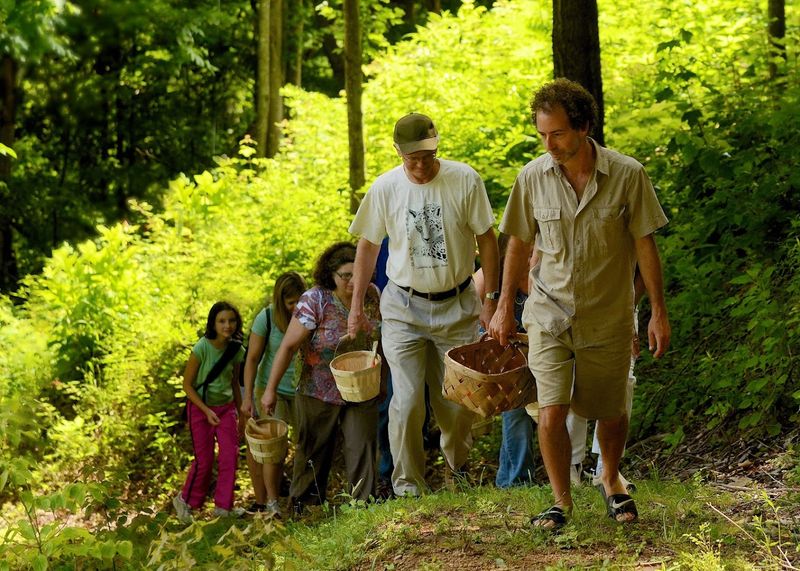
Hunger feels more exciting when lunch might be hiding under leaves.
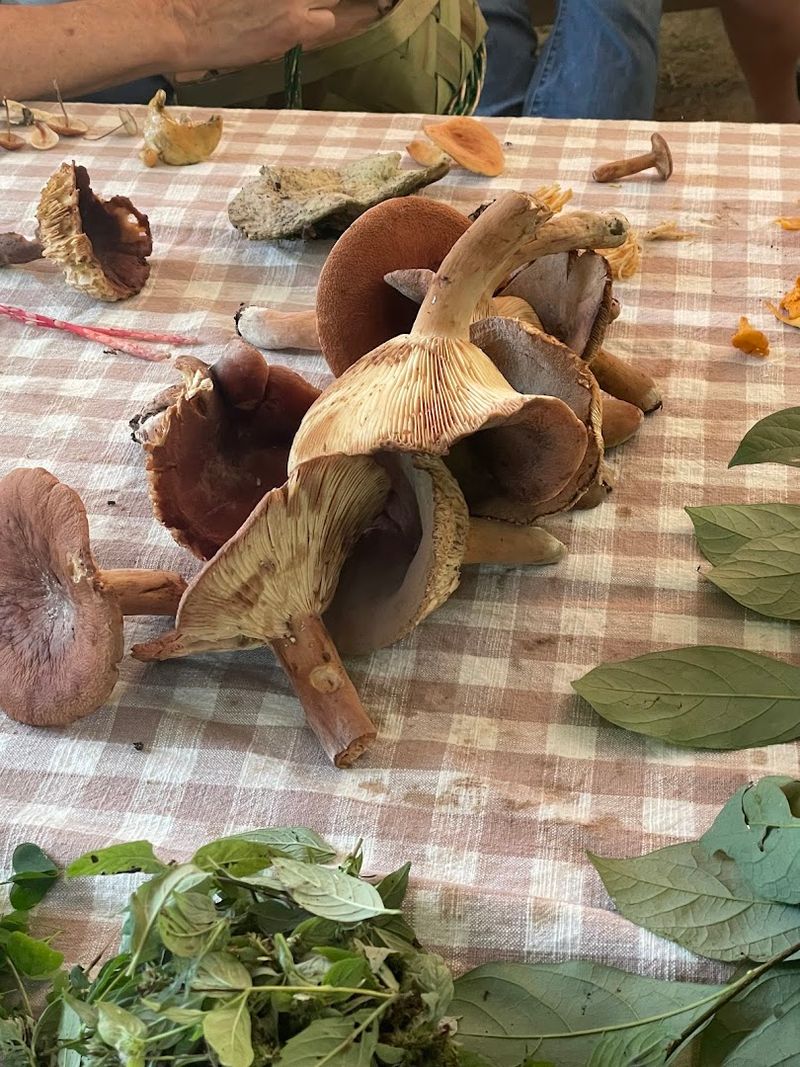
No Taste Like Home’s 3-hour foraging tour sends guests “off the eaten path” to find more than a dozen wild edibles, which may include mushrooms, greens, fruits, roots, berries, flowers, nuts, and other seasonal finds.
That variety is important because mushroom hunters can get tunnel vision fast. The company is honest that mushrooms are never guaranteed, and that honesty makes the tour better.
Instead of treating the woods like a vending machine for chanterelles, guides help guests understand the wider edible landscape. A trail edge, sunny patch, fallen log, damp slope, or weedy corner can all become part of the search.
Every find feels earned because guests are actively looking, not simply watching someone else collect ingredients. The thrill comes from realizing how much most people walk past without noticing.
North Carolina’s Blue Ridge region has enough plant life to keep the hunt lively in every season, though what appears depends on weather, temperature, rainfall, and timing. Some days may bring mushrooms.
Others may bring greens, berries, nuts, or roots. The forest decides the menu, and the tour teaches guests how to read it.
Look For Mushrooms Without Expecting The Same Finds Twice
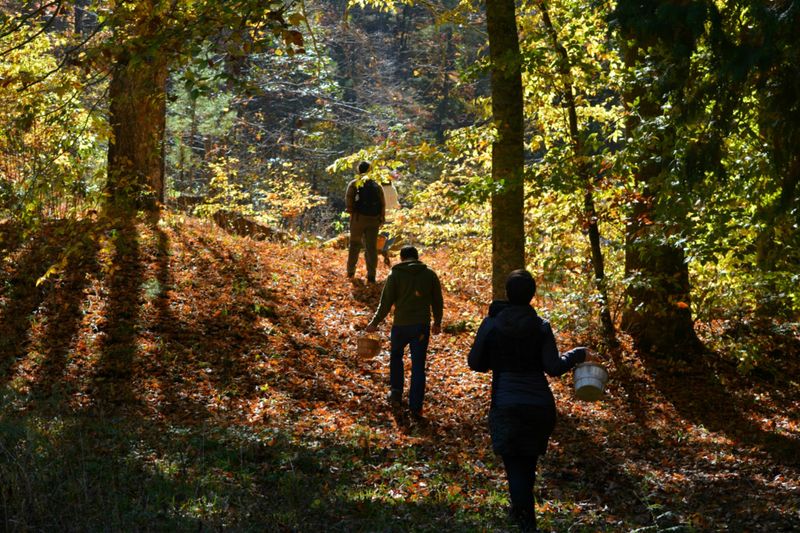
Mushrooms do not care about your schedule, which is rude but educational. No Taste Like Home makes that unpredictability part of the experience by reminding guests that every tour depends on season, weather, and what the woods are actually producing.
Spring may bring tender greens, roots, or the possibility of morels in the right conditions. Summer can shift attention toward chanterelles and other warm-weather finds when moisture cooperates.
Fall may offer different fungi, nuts, fruits, and late-season surprises. Winter can still produce wild foods too, especially in sunny areas where growth persists.
That changing rhythm keeps repeat visits from feeling repetitive. The same trail or region can look completely different a month later, and a guide helps guests understand why.
Mushroom-focused visitors should arrive excited but flexible. The smartest foragers do not march into the woods demanding one species.
They watch for what the land is offering that day. No Taste Like Home’s approach helps guests appreciate that bigger lesson.
Wild food is not a fixed grocery list. It is a conversation with the season.
Sometimes the star is a mushroom. Sometimes the better discovery is a green, berry, root, flower, or nut that was hiding in plain sight.
Learn Which Wild Foods Are Hiding In Plain Sight
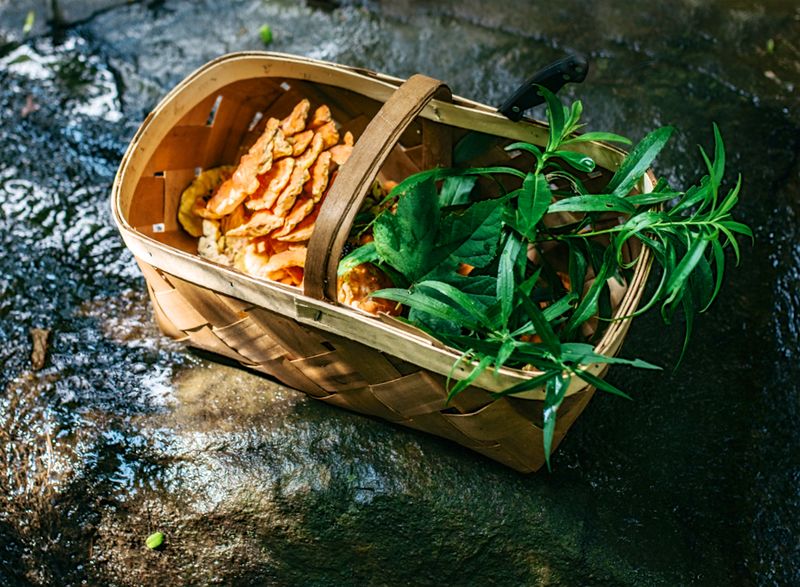
Most people walk past food every day without realizing it. No Taste Like Home specializes in changing that perspective, teaching guests to recognize edible wild plants and fungi that may grow in forests, fields, sunny edges, yards, and trail corridors around Asheville.
The company’s “What’s in My Yard?” offering also reflects that larger mission, helping people discover wild edibles close to home while learning about harvesting, preparation, lookalikes, and traditional uses. On the foraging tour, that same idea comes alive outdoors.
A plant that looked like background greenery suddenly has a name, a history, a flavor, and a safety lesson attached.
Guides explain how to identify features carefully, where a plant likes to grow, what similar species might cause confusion, and how to harvest responsibly without damaging the ecosystem.
Families often find this part especially engaging because kids are naturally good at noticing small things adults ignore. Still, the tour is not about turning everyone loose to forage unsupervised afterward.
It is about building respect, curiosity, and a safer foundation. North Carolina’s woods can feel familiar and completely new at the same time once someone shows you what has been growing there all along.
Taste Your Trail Finds Before The Tour Is Over
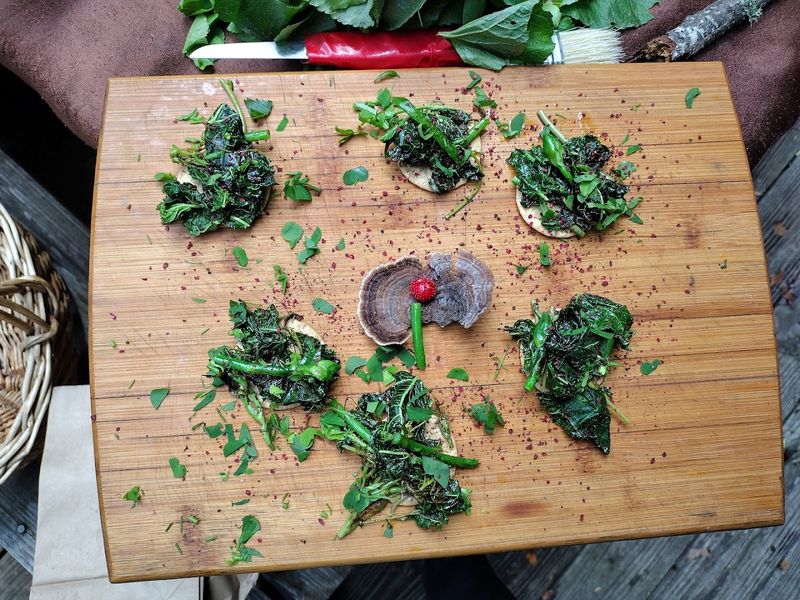
Finding wild food is exciting, but tasting it makes the lesson stick. No Taste Like Home includes a cooking demonstration and small tasting as part of the 3-hour foraging tour, turning the day’s discoveries into something guests can actually sample before heading home.
That detail separates the tour from a simple plant-identification walk. The finds move from forest floor to guide-led preparation, giving participants a clearer sense of how wild ingredients can become food rather than just interesting names on a list.
The tasting depends on what the group finds, so it may change with the day’s conditions. That flexibility keeps the experience fresh and keeps expectations realistic.
Guests can also take home the rest of their finds, using the knowledge gained on the trail to prepare them safely later.
No Taste Like Home adds another clever layer with its restaurant-partner option: participants may bring their finds to a partner restaurant for a complimentary appetizer with a separately purchased meal.
That turns a morning in the woods into a forage-to-table story that can continue over dinner in Asheville. It is one thing to eat local food.
It is another to help find it yourself, then watch it become part of a meal.
Bring Curiosity Because The Woods Keep Changing The Menu
Curiosity is the only item that works in every season. No Taste Like Home runs tours year-round, and that schedule makes sense because Asheville’s wild food calendar never really stops; it just changes its personality.
Spring may feel fresh and green, with tender shoots, roots, early mushrooms, and familiar plants appearing in unfamiliar edible forms.
Summer often feels lush and abundant, with berries, greens, flowers, and mushrooms all possible when moisture and timing cooperate.
Autumn can shift toward nuts, fruits, fungi, and cooler-weather finds. Winter may seem quiet at first, but sunny spots, bark, roots, evergreen plants, and cold-season fungi can still reward careful eyes.
The company’s standard foraging tour lasts 3 hours, while its shorter wild food stroll offers a gentler introduction without the full foraging, cooking demo, or restaurant option. That gives visitors different ways to fit wild food education into an Asheville trip.
No matter which format guests choose, the best mindset is openness. The woods are not obligated to produce the ingredient you saw online.
They may offer something better, stranger, smaller, or more surprising. A good guide helps guests stop treating nature like a menu and start treating it like a living place.
Turn An Asheville Food Trip Into Something Much Wilder
Asheville already feeds visitors extremely well, but No Taste Like Home takes the city’s food reputation out of the dining room and into the woods.
Founded by Alan Muskat in 1995, the company has spent decades teaching people how to safely identify, gather, appreciate, and taste wild foods in the Blue Ridge region.
That history gives the tour more depth than a trendy outdoor activity built for photos. It connects Asheville’s restaurant culture with the surrounding landscape, showing how local food can begin before a chef ever sees an ingredient.
The experience also changes the role of the visitor. Instead of simply ordering something seasonal, guests participate in the search, learn from the guide, taste the results, and possibly bring their finds to a local restaurant for a specially prepared appetizer with a purchased meal.
That makes the tour ideal for food lovers who want a story behind the plate. It also works for hikers, families, gardeners, curious cooks, and travelers who like an outing with a little surprise built in.
North Carolina’s mountains are already beautiful. No Taste Like Home helps visitors understand that they are also edible, generous, complicated, and deserving of careful attention.
Leave With A New Way To Look At Every Trail
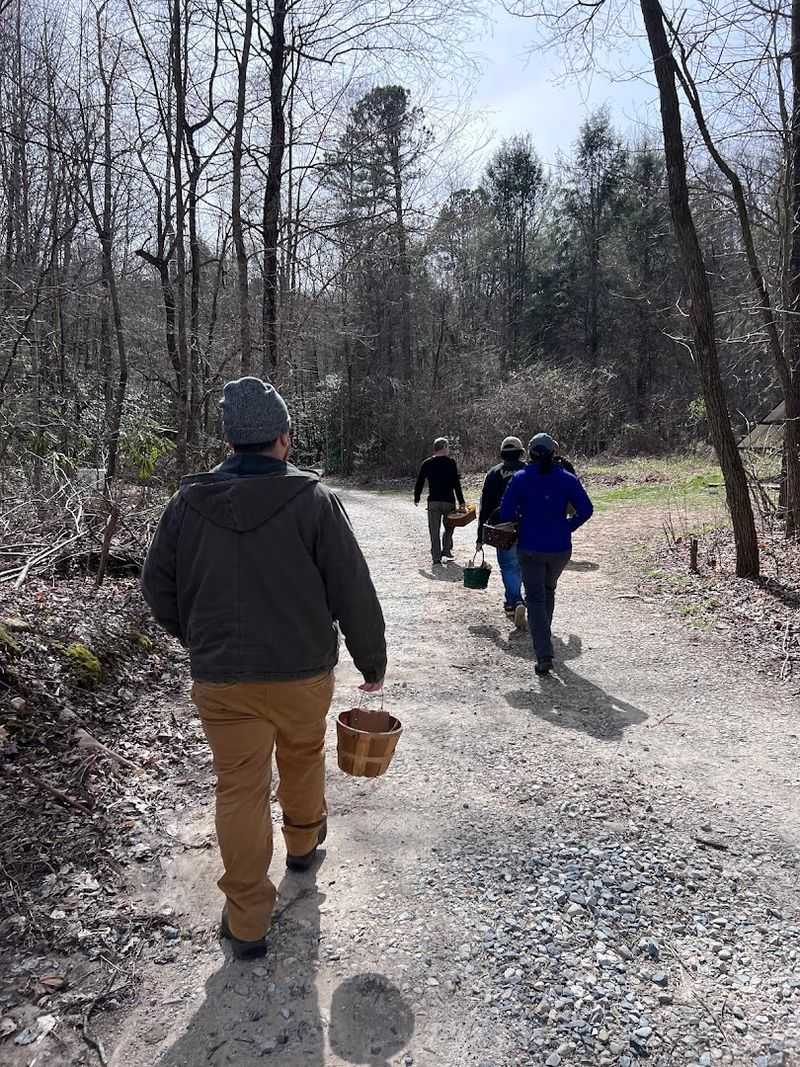
A good foraging tour changes what your eyes do afterward. After a few hours with No Taste Like Home, an ordinary trail can start looking more layered.
Leaves are no longer just leaves. Logs deserve a second glance.
Berries, nuts, flowers, roots, and mushrooms raise new questions. That shift is one of the best takeaways from the experience.
Guests may leave with a list of edibles, an introductory e-book, take-home finds, and memories of the tasting, but the real souvenir is a new habit of noticing.
The company’s guides teach practical identification while also stressing caution, similar-looking species, ethical harvesting, and respect for the ecosystem.
That balance matters because confidence without humility is dangerous in foraging, especially with mushrooms. No one should leave thinking they can identify every wild food after one tour.
The better lesson is slower and more useful: look carefully, ask better questions, learn from experts, and treat the natural world with respect.
For families, couples, solo travelers, and food lovers visiting Asheville, this outing offers more than a quirky afternoon.
It gives future walks a little extra electricity. Once the forest starts looking alive with possibility, every trail in North Carolina becomes harder to rush.