This North Carolina Highway Stretch Handles An Astonishing 200,000 Vehicles Every Day
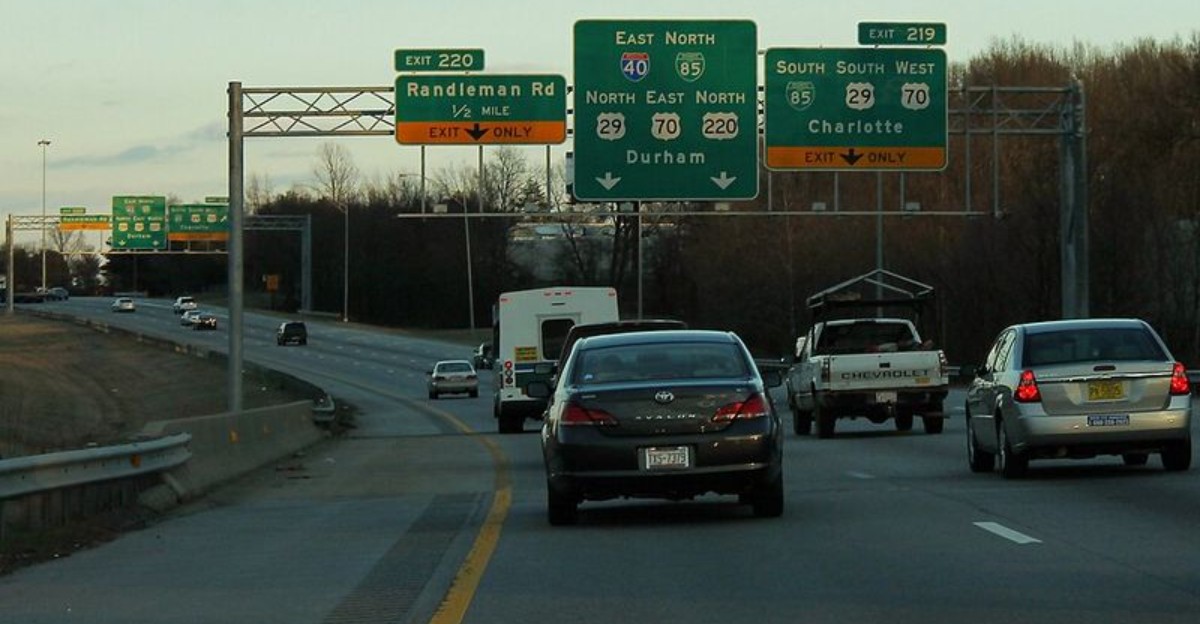
Two hundred thousand vehicles a day is no longer traffic.
That is a migration with turn signals.
On a particularly busy stretch of North Carolina interstate, the average daily count reached 200,529 vehicles in 2023. For several lanes of asphalt between two interchanges, that is an extraordinary amount of commuting packed into every sunrise and rush hour.
The number makes this corridor one of the busiest in the state, but statistics only explain part of the experience. Stand near it and the scale becomes audible.
Engines merge into a constant low roar while traffic keeps feeding the highway almost faster than it can disappear.
Calling this road “busy” feels inadequate.
At certain hours, it seems like half the city received the same directions at once.
Drive The Charlotte Stretch That Sees Around 200,000 Vehicles A Day
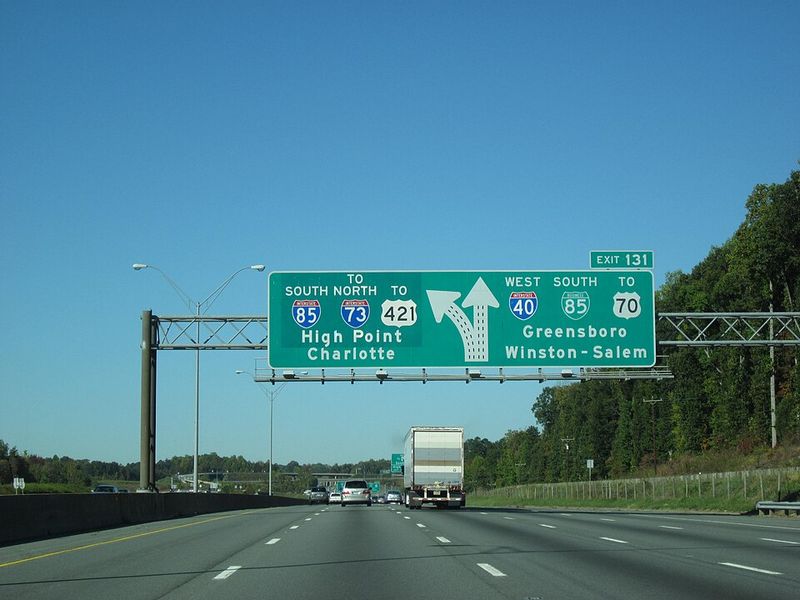
The 200,529 figure is an annual average daily traffic estimate, covering vehicles traveling in both directions across the entire day.
That is the reality on the segment of Interstate 85 running between the Statesville Avenue interchange and Graham Street, where 2023 counts reached 200,529 vehicles.
Behind the wheel, the experience feels less like a highway and more like a moving neighborhood. Delivery vans, family sedans, work trucks, and airport shuttles all funnel through the same pavement, each one heading somewhere specific.
Geography explains much of it. I-85 runs north of Uptown and connects with major routes including I-77, providing access between central Charlotte and communities across the region.
Drivers coming from Concord or Gastonia use it as their front door. Long-haul travelers treat it as a shortcut between Atlanta and the Triangle.
What makes the drive memorable is the skyline itself, appearing and disappearing between sound walls and bridge railings. Because traffic conditions can change quickly, checking live conditions before departure is more reliable than depending on a particular time of day.
Watch Eight Lanes Fill Up During The Busiest Parts Of The Day
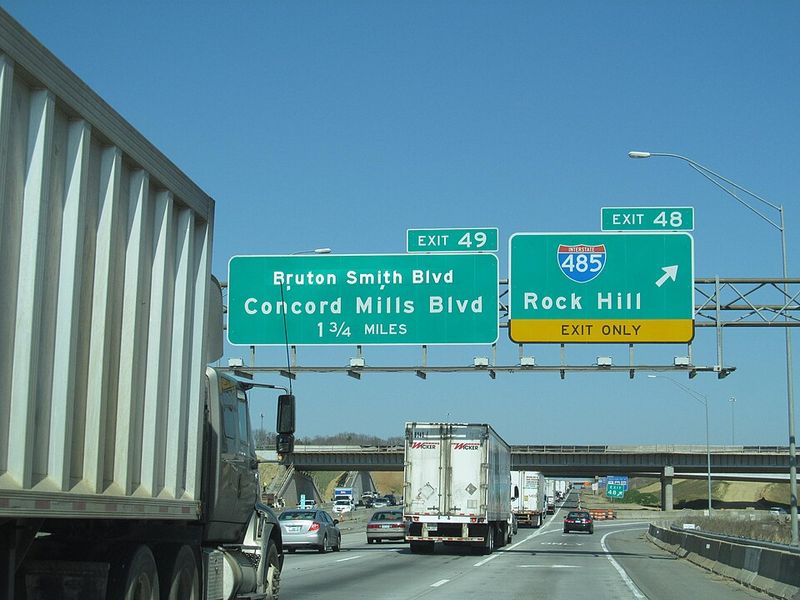
Stand on a pedestrian overpass in Mecklenburg County late in the afternoon and the pavement below looks like a slow river.
Segments of Interstate 85 here have been widened to eight lanes, and during peak periods nearly every one of them fills.
Timing matters more than most visitors expect. Congestion varies by day, incidents, construction, weather, and travel demand, so there is no single rush-hour window that accurately describes conditions every day.
Fridays deserve their own warning label. Weekend departures stack onto regular commuter volume, and the result is a longer, denser crawl than any other weekday.
There is something oddly fascinating about watching it happen. Lanes shift in sequence, gaps open and close, and merging traffic finds its slot without much drama.
For photographers, that late-day light bouncing off windshields makes a striking shot. For everyone else, the practical lesson is simple: aim for a mid-morning or mid-evening window, pack a snack, and let the eight lanes of Charlotte do their work without you sitting in the thick of it.
Pass The I-77 Interchange Where Charlotte Traffic Really Comes Together
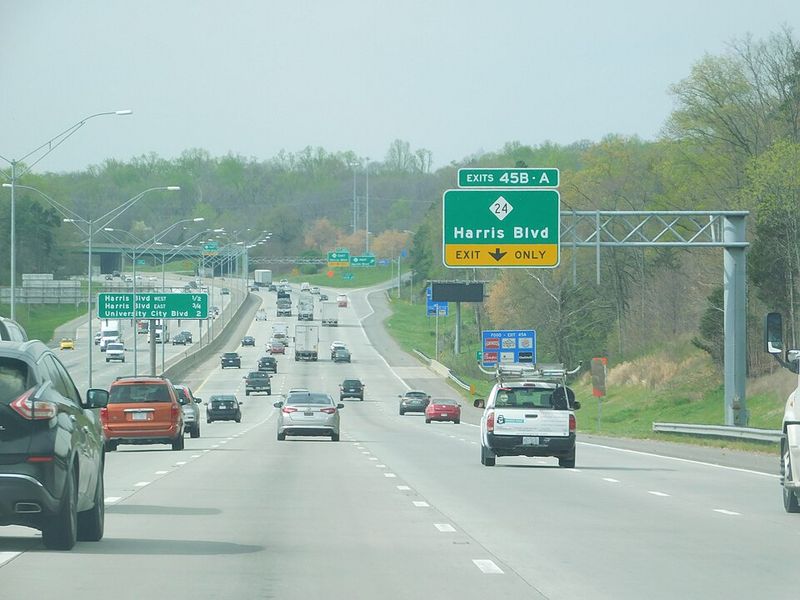
Just north of Uptown, I-85 meets I-77 and U.S. 21 at a major interchange immediately west of the Statesville Avenue exit.Traffic from four directions blends here in a matter of seconds.
The layout keeps drivers alert. The I-85 exit at Statesville Avenue sits immediately beside the I-77 and U.S. 21 exchange, so lane choices need to be made early rather than at the last painted stripe.
Engineers have spent years refining junctions like this one. Improvements at the I-485 and I-85 intersection in the western part of the city were undertaken with the same goal, easing bottlenecks and smoothing merges.
Newcomers often find the interchange intimidating on first pass. A quick look at the route before leaving, plus a habit of staying in the correct through lane, removes most of the guesswork.
Seen from above, though, it is genuinely elegant. That web of concrete curves is where the traffic of Charlotte truly comes together.
See Why This Corridor Matters So Much To Daily Commuters
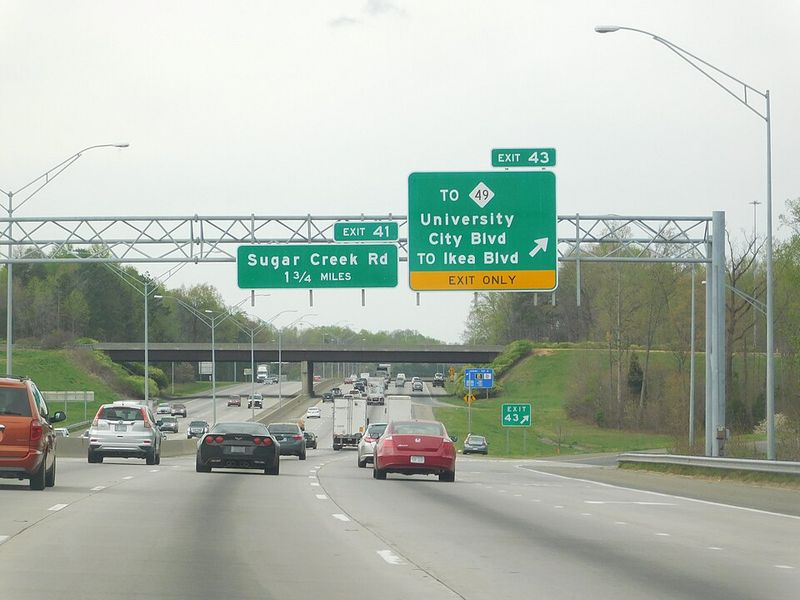
Ask anyone who drives to work here and the answer comes fast: this road is the schedule. Thousands of commuters build their mornings around it, deciding when to leave based on how the corridor is behaving.
Its reach extends far past county lines. Interstate 85 forms a direct link between the Queen City and other major urban centers including Greensboro and Durham, while also serving dozens of smaller communities strung along the route.
Consider what rides on those lanes each day. The highway supports a wide range of local and regional trips throughout the day.
That reliance turns the highway into an economic pathway as much as a commuter route. Warehouses, distribution centers, and office parks cluster nearby precisely because access is quick.
Peak periods bring heavy activity, yet the corridor keeps performing its essential job of connecting homes to workplaces, classrooms, and services.
Understanding that helps explain why every new lane and rebuilt ramp becomes local news in this part of North Carolina, and why residents of Charlotte pay such close attention to it.
Share The Road With A Constant Stream Of Cars And Trucks
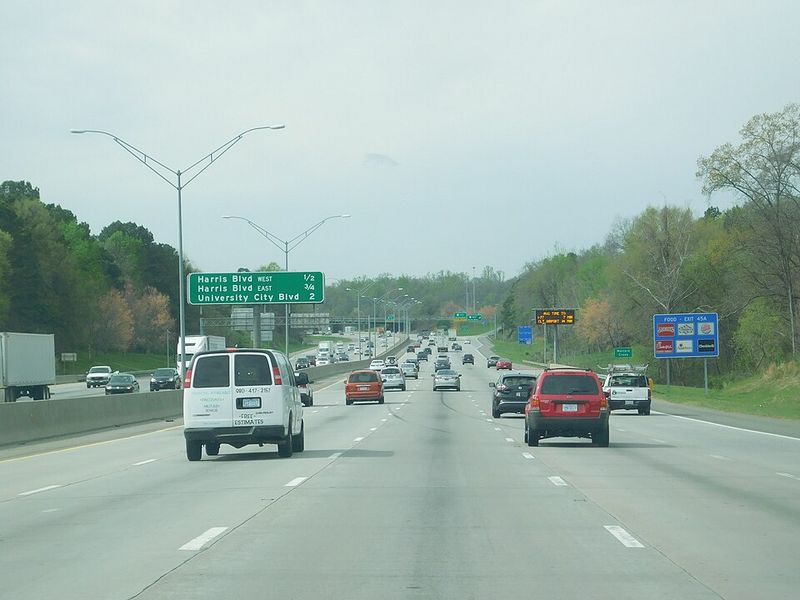
Freight is an important part of I-85’s role in North Carolina. NCDOT’s 2023 freight analysis estimated truck volumes of roughly 10,000 to 16,000 vehicles per day on different portions of I-85, making it one of the state’s most heavily used freight corridors.
The city sits at the heart of that network. Charlotte serves as a significant hub for the trucking industry, and connecting routes such as I-77 also carry a large share of trucks during busy stretches of the day.
Driving alongside them calls for a few habits. Leave extra following distance, pass on the left with purpose, and avoid lingering in a truck’s blind spots near the trailer wheels.
You will notice the soundtrack too: air brakes sighing at slowdowns, tires humming on concrete seams, engines pulling up the gentle grades.
All that motion carries something tangible. Groceries bound for neighborhood markets, building supplies, restaurant deliveries, and packages destined for front porches travel these lanes, quietly keeping kitchens stocked and construction sites busy throughout the region.
Notice How Much Traffic The Highway Handles Without Completely Grinding To A Halt
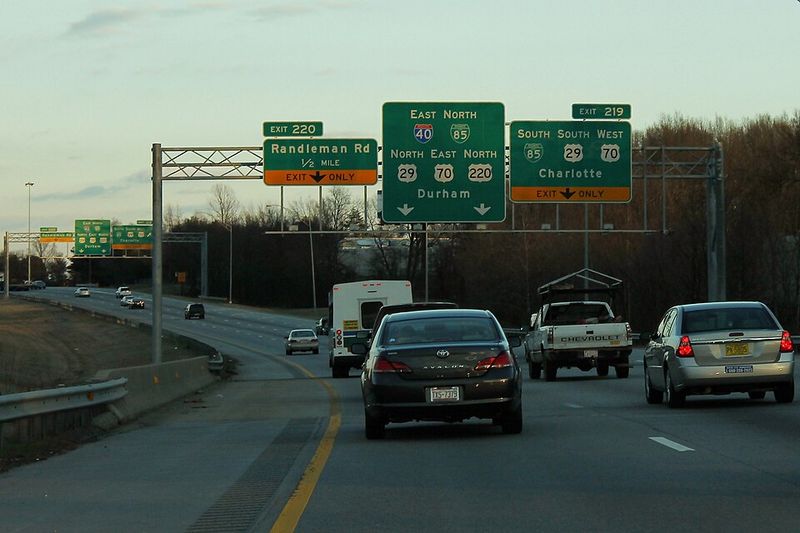
NCDOT collects traffic data statewide and publishes annual AADT estimates for planning and roadway analysis.
Interstate route volumes are generally collected each year, while the resulting AADT figures are seasonally adjusted estimates representing average daily traffic across an entire year.
Growth keeps testing the balance. Congestion and clearing are constant companions in expanding metropolitan areas, and this one experiences the same push and pull as its population climbs.
Improvement work continues in response. Widening projects along certain sections are designed specifically to relieve bottlenecks and raise the overall efficiency of the roadway.
Data drives those decisions. The North Carolina Department of Transportation monitors traffic counts and travel patterns year-round, using the numbers to plan where the next lane or rebuilt bridge will do the most good.
For drivers, the practical upshot is reassuring. Even at its busiest, the corridor through Charlotte tends to reward patience rather than punish it.
Expect Even More Cars When Major Events Bring Crowds To The Region
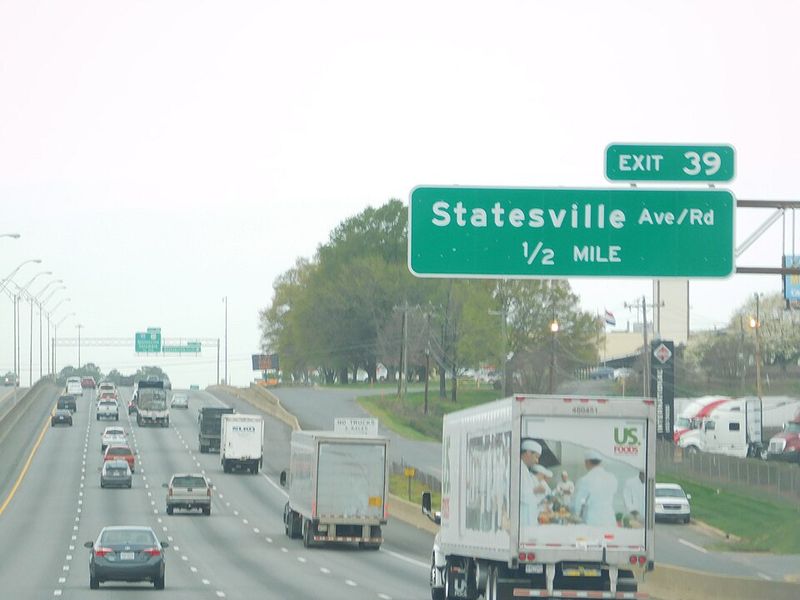
Game day changes everything. Panthers games, concerts, festivals, and other major Uptown events can increase traffic on streets and highways serving central Charlotte.
Weekends bring their own pattern. Instead of the tidy morning-and-evening peaks of a workday, traffic spreads out in long waves tied to kickoff times, concerts, and museum crowds heading toward Discovery Place or the NASCAR Hall of Fame.
A little planning goes a long way. Checking live traffic conditions and major-event schedules before departure can help drivers avoid unexpected delays.
Food is a good excuse to arrive early. Grab barbecue, a bowl of shrimp and grits, or a stack of buttermilk pancakes near the city center while the roads settle.
These surges show what the corridor really supports: the sporting, cultural, and culinary life of Charlotte, a city that keeps drawing people in from every direction across the surrounding region.
Check Traffic Before Heading Through Charlotte At Rush Hour
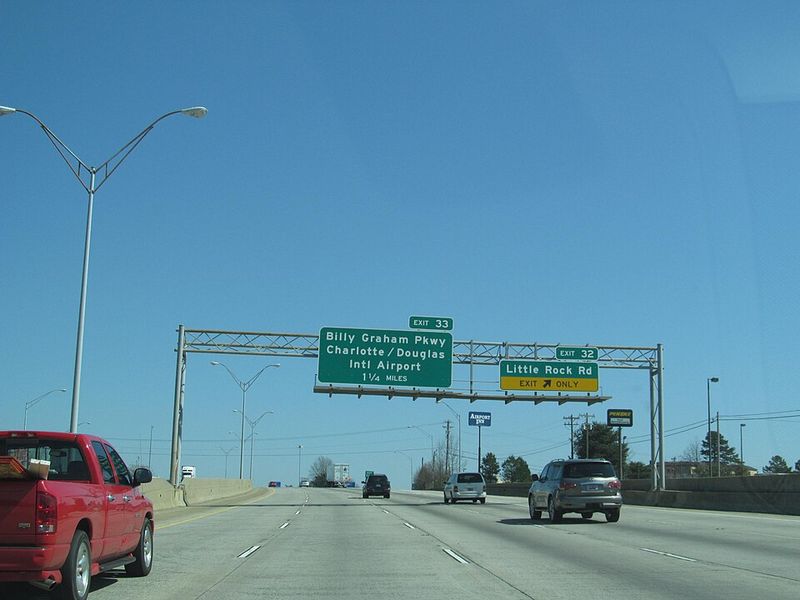
Five minutes of preparation can save an hour of frustration. Before rolling onto Interstate 85, pull up a live traffic map and see what the corridor is actually doing right then.
The rush windows here run unusually long. Traffic conditions vary throughout the day, and crashes, construction, weather, or unusual demand can extend delays beyond typical commuting periods.
Real-time apps make the difference. Tools such as Google Maps or Waze flag incidents, suggest alternate routes, and update estimated arrival times as conditions shift.
A few extra tricks help too. Keep the fuel tank comfortable, save your exit number somewhere visible, and choose your through lane well ahead of major interchanges.
Curious travelers can turn a delay into an opportunity. Detour toward Uptown for the Levine Museum of the New South, a coffee stop, or a plate of Southern comfort food, then rejoin the highway once the crowd thins.
Stay informed and this essential North Carolina route becomes far less stressful, whether you live in Charlotte or are simply passing through.