This North Carolina Landmark Connects Visitors To A Lesser-Known Colonial Story
Most people think they know American history. They learned the big names, the famous moments, the founding fathers.
But North Carolina has been quietly holding a secret for nearly three centuries, and almost nobody stops long enough to hear it. There is a place in Statesville where the ground itself remembers a story that shaped this continent before the United States ever existed.
State records show it nearly disappeared from history entirely. I almost missed it myself, rushing past on the way to somewhere else I have since forgotten.
That would have been a mistake. This is the kind of site that makes you pull out your phone, not to scroll, but to search for everything you did not know you were missing.
A Lesser Known Colonial Outpost Worth Discovering
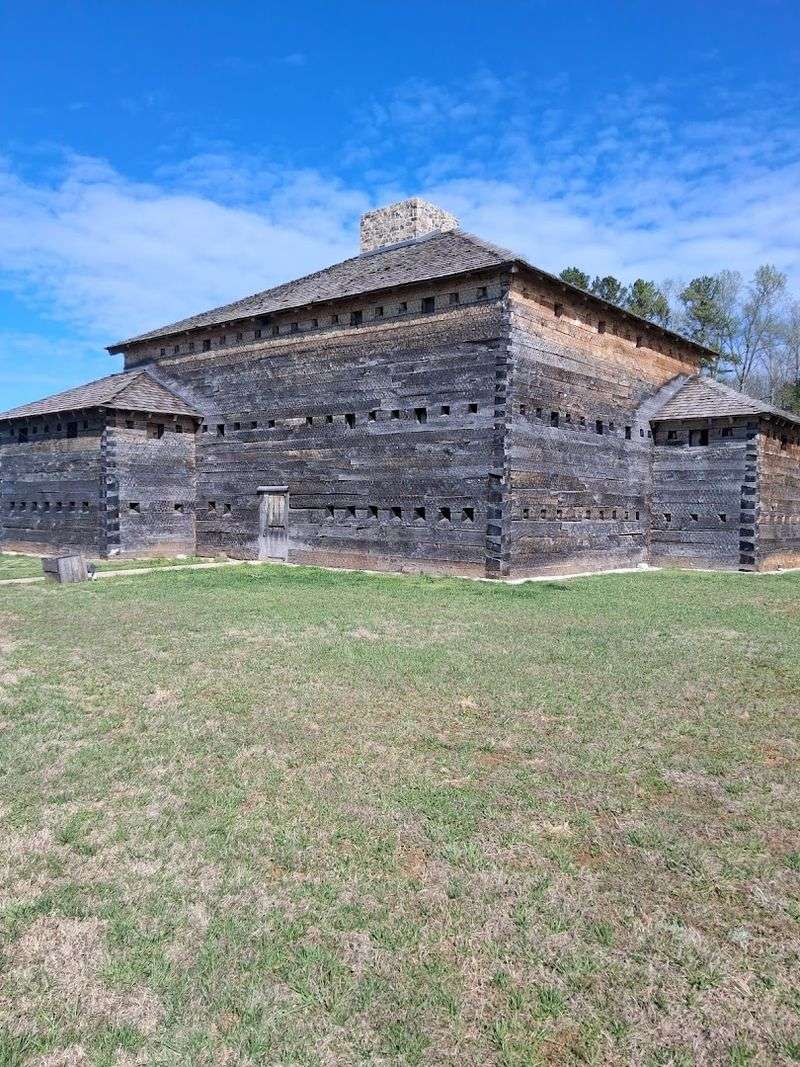
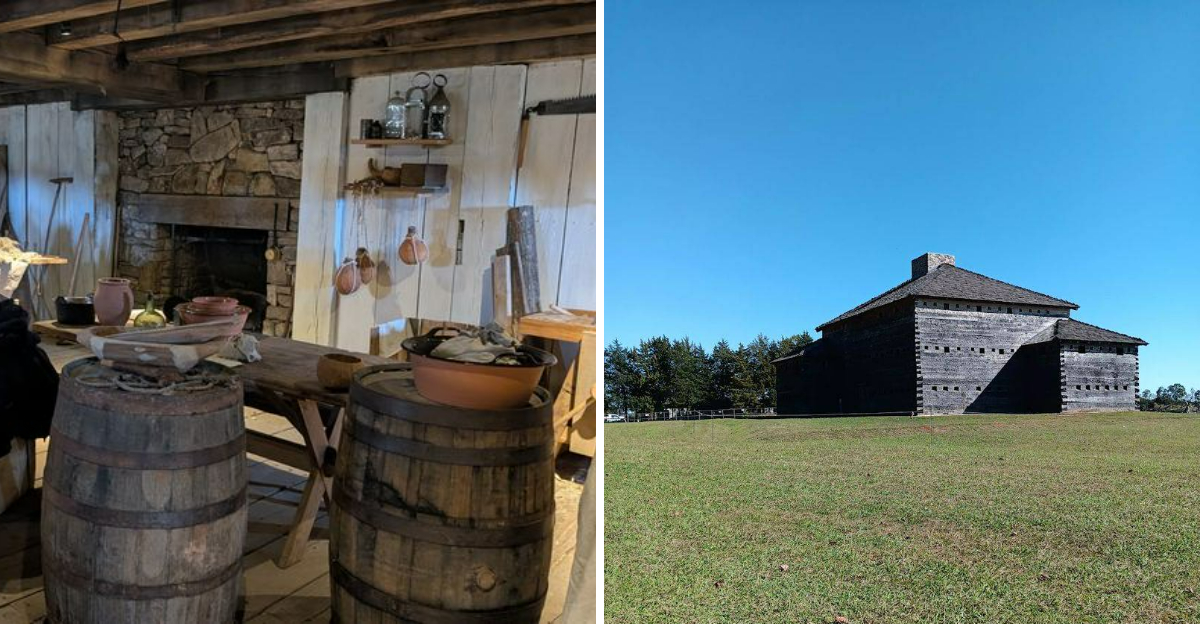
Most people can name a dozen famous historic sites without blinking. Fort Dobbs tells a completely different chapter, one set during an earlier colonial period, when the western Carolina frontier was an uncertain and unforgiving place to call home.
Built in the 1750s, the original fort served as the westernmost outpost in North Carolina at the time. It was designed to protect settlers and hold the line on an expanding colonial frontier that few people today even know existed.
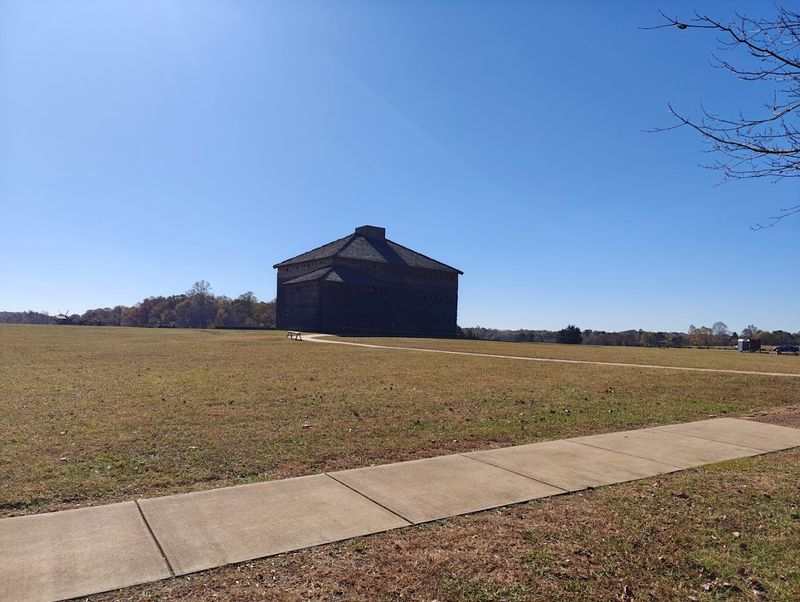
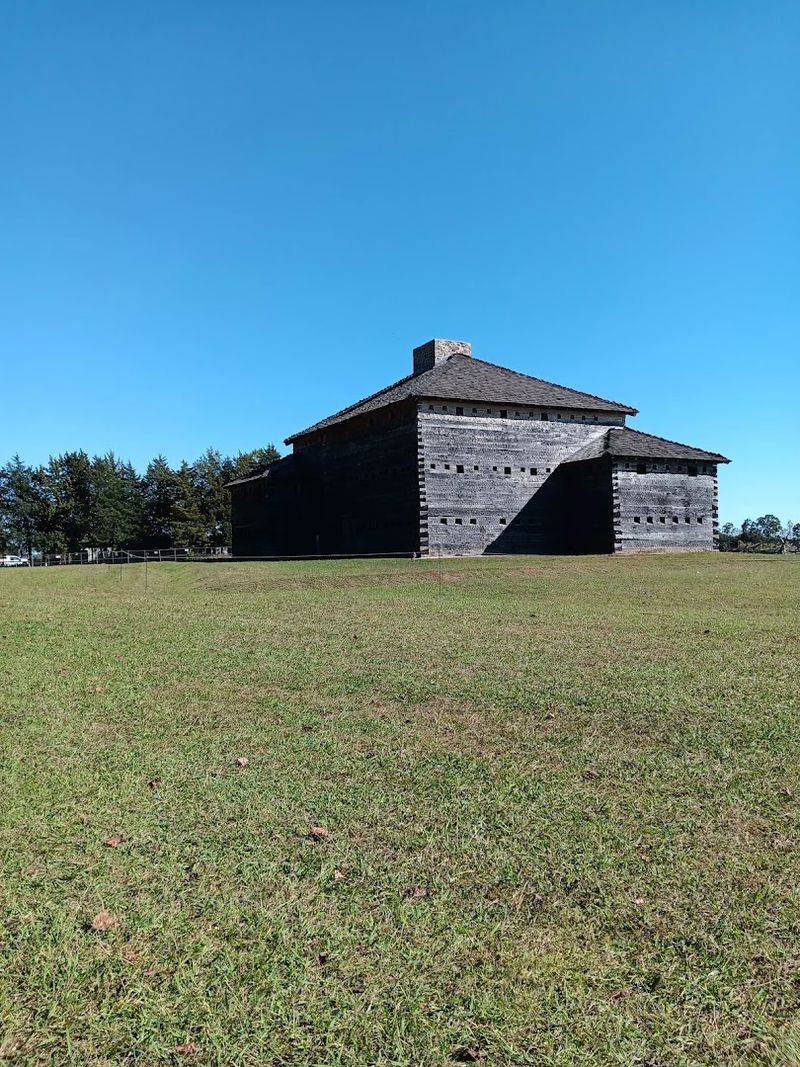
The reconstructed fort at 438 Fort Dobbs Rd, Statesville, NC 28625 is grounded in real archaeological research. Excavation findings informed every detail of the rebuild, which was completed in 2019.
Nothing here is guesswork.
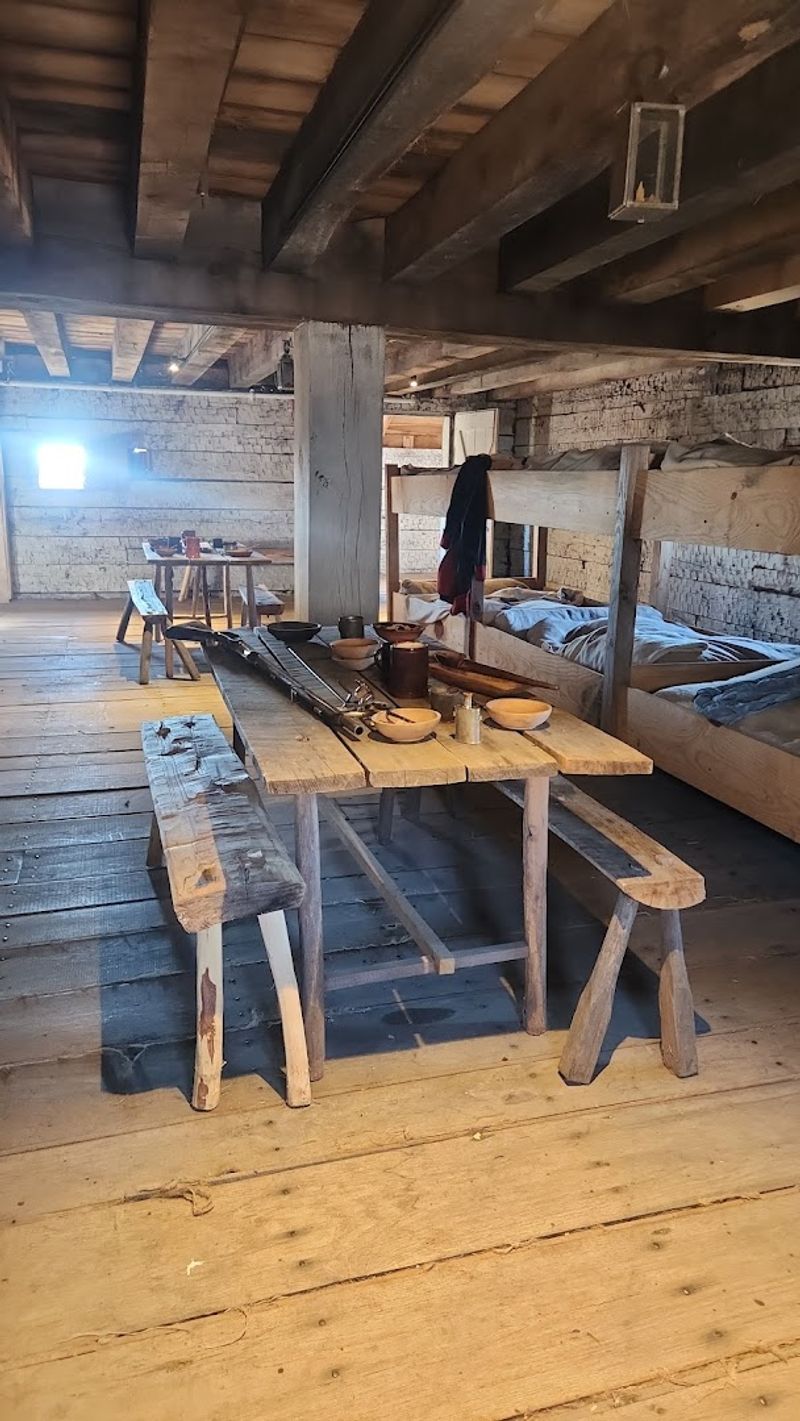
Standing inside those thick log walls, you feel the weight of that era immediately. The gun ports are low and narrow, the bunks are tight, and the whole structure communicates just how difficult life was for the people stationed here.
It is an honest, unglamourized piece of history that leaves a strong impression.
A Guided Tour That Brings The Story Into Focus
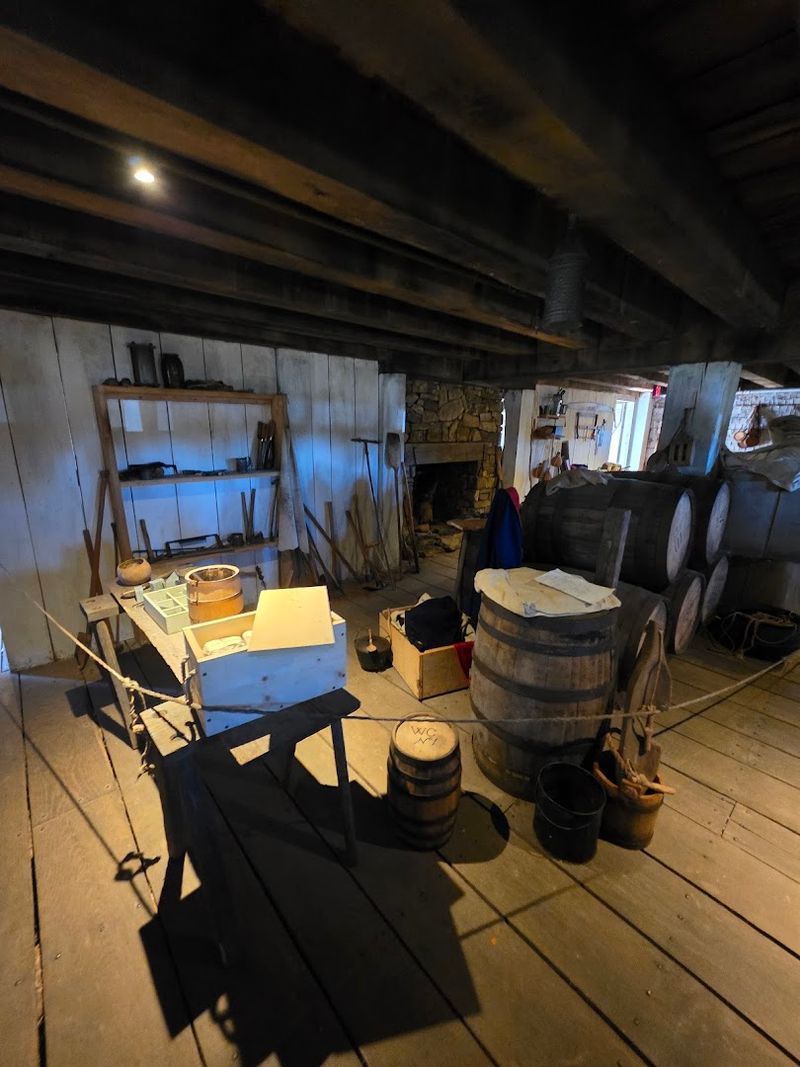
Bad museum tours exist. We have all suffered through them. Fort Dobbs is not that experience.
The guided tours run every 45 minutes and are affordably priced for what you receive. The guides are genuinely passionate and deeply knowledgeable, the kind of people who can answer follow-up questions without missing a beat.
One tour guide reportedly painted such a vivid picture of actual battles that visitors could look out through the gun ports and almost visualize the conflict unfolding outside. That is not a small thing.
That is the difference between reading a plaque and actually connecting with history.
Tours are the only way to access the interior of the fort, so they are worth planning around. Groups tend to be small, which means you can ask real questions and get real answers rather than being shuffled along with a crowd.
The experience lasts well over half an hour and consistently leaves visitors wanting more. Whether you are bringing kids or coming solo, the tour format makes this one of the most engaging historical experiences in the region.
Hands-On History That Kids And Adults Both Love
Touching things in a museum is usually forbidden. Fort Dobbs flips that rule completely on its head.
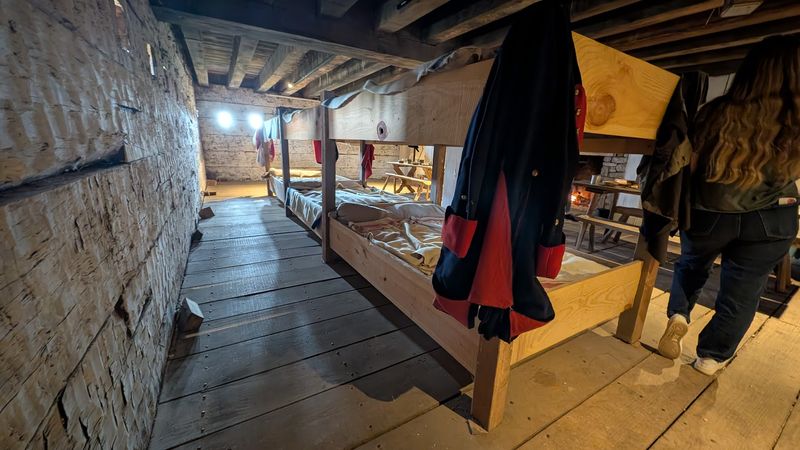
Because the fort interior is a reproduction rather than a preserved original, visitors are actually encouraged to interact with the objects inside. You can lie down on a straw mattress on a soldier’s bunk.
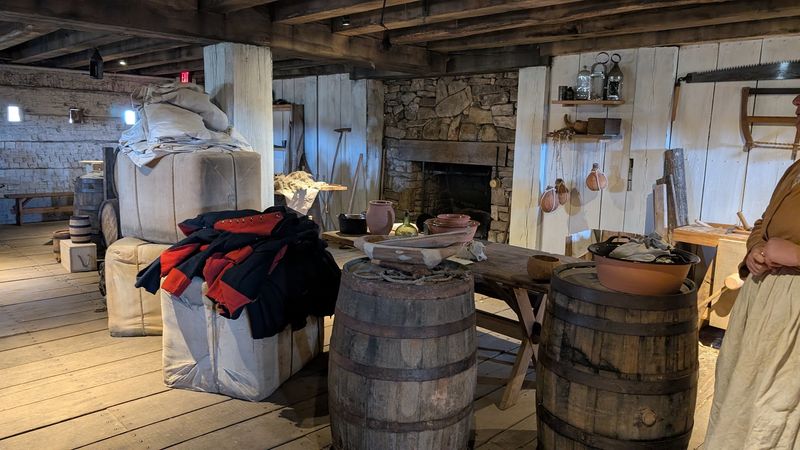
You can hold musket balls, pick up cooking pots, and try on a soldier’s coat. For kids especially, this transforms history from something abstract into something they can feel with their hands.
That physical connection is surprisingly powerful for adults too. Holding the actual weight of colonial-era tools and equipment changes how you understand the people who used them daily.
It stops being a story and starts feeling like a real life.
The staff clearly enjoy watching visitors engage with the space. There is no hovering or nervous energy about breakage.
Everything is built to be explored, and that open invitation makes the whole visit feel relaxed and genuinely fun rather than educational in a stiff, obligatory way.
Few historic sites anywhere in the country offer this level of tactile engagement at such an accessible price. It is the kind of experience that sticks with you long after you drive away.
Living History Reenactments That Change The Entire Experience
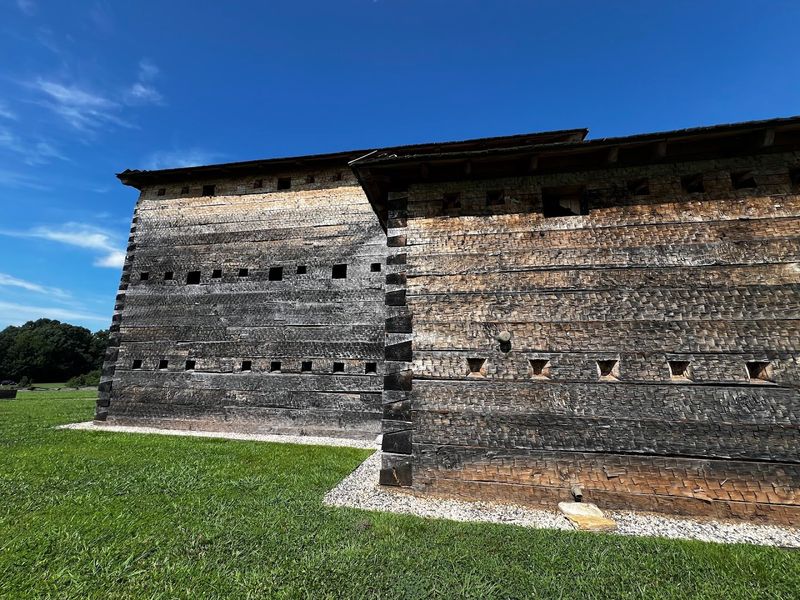
Some visits are good. Reenactment weekends at Fort Dobbs are on a completely different level.
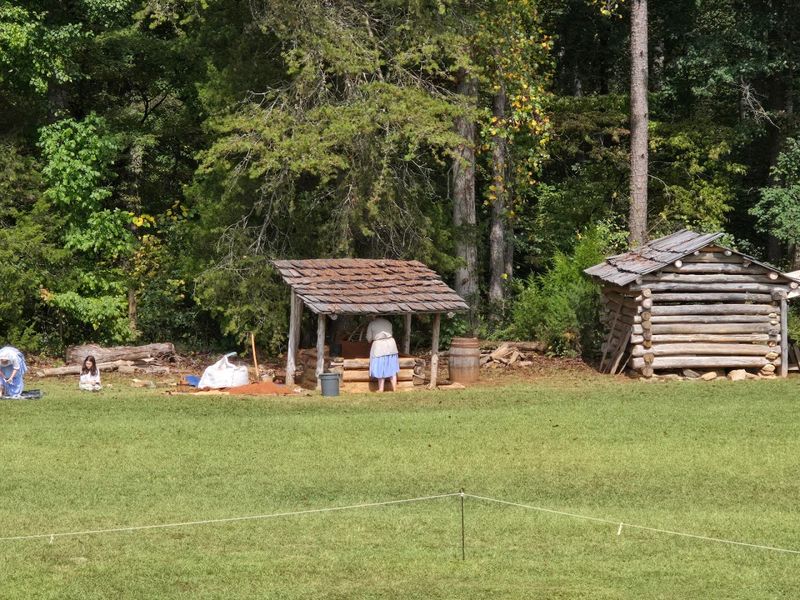
Throughout the year, the site hosts living history events featuring period-specific gear, demonstrations, and reenactors who bring the 18th century to life with serious attention to detail.
Past events have included living history displays and historic weapons demonstrations, which gives visitors a surprisingly wide lens on historical context.
The reenactors are passionate in a way that is immediately obvious. These are not people going through the motions in rented costumes.
They have studied their roles, they know their history, and they love sharing it with anyone willing to listen.
Planning around one of these events is absolutely worth the extra effort. The website at fortdobbs.org lists upcoming reenactment dates, and checking it before your visit will save you from missing something genuinely spectacular.
Even visitors who stumbled onto the site during a regular weekday have described leaving more curious and more interested in the history than when they arrived. Catching a full reenactment weekend takes that feeling and multiplies it considerably.
The grounds, which are free to access, provide plenty of space to watch, wander, and soak in the atmosphere without feeling rushed.
The Visitor Center And Gift Shop Add More Than You Expect
Before you even reach the fort itself, the visitor center earns its keep. Built in a log-cabin style that fits the overall atmosphere of the site, it houses artifacts, exhibits, and a gift shop that goes beyond the usual postcard-and-magnet selection.
The artifacts on display inside the visitor center are genuinely interesting, especially for anyone who wants context before stepping onto the grounds.
Archaeological finds from the original fort site are part of the collection, and they make the history feel grounded and real rather than purely reconstructed.
The gift shop has drawn specific praise for carrying items that feel thoughtful and relevant rather than generic. Whether you are looking for something educational for a child or a small keepsake for yourself, there is usually something worth picking up.
Staff at the visitor center are consistently described as helpful and enthusiastic.
The grounds surrounding the visitor center are free to explore, which means even a quick stop to walk the trail and take in the landscape costs nothing. That accessibility makes it easy to recommend to anyone passing through Statesville on a road trip.
The Grounds And Picnic Area Make It Easy To Stay Longer
Not every historic site thinks about what happens before and after the tour. Fort Dobbs has clearly thought about the whole visit.
The grounds are well-kept, spacious, and genuinely pleasant to walk through.
There is a picnic area that visitors have specifically called out as a great spot to have lunch before a tour, and the natural setting around the site gives the whole experience a relaxed, unhurried pace that you do not always find at historic attractions.
Walking the trail on the property adds another layer to the visit. The landscape itself has historical significance, and moving through it on foot gives you a sense of the terrain that the original fort inhabitants would have known.
One practical note: the ground can be uneven in spots, and the fort itself has stairs to reach the second floor, so it is worth keeping that in mind if mobility is a concern. The site is honest about accessibility on its website.
Overall, the combination of the fort tour, the visitor center, the artifact exhibits, and the outdoor space means you can easily fill two or three hours here without any sense of stretching it thin. Bring a lunch, take your time, and let the place breathe around you.
The Archaeological Story Behind The Reconstruction
A reproduction fort could easily feel hollow if the research behind it is thin. Fort Dobbs is anything but hollow.
The reconstruction completed in 2019 was informed by actual archaeological excavation of the original fort site. Researchers spent years uncovering what the original structure looked like, using physical evidence to guide every major decision in the rebuild.
That commitment to accuracy is what separates this site from a themed attraction.
Knowing that the logs, the layout, and the dimensions reflect real findings from the ground beneath your feet changes how you experience the space. You are not looking at someone’s best guess.
You are standing inside a structure built from genuine historical evidence.
The original Fort Dobbs was constructed around 1756 and played a real defensive role during the colonial period. It was not a large or heavily developed outpost, but its location on the far western edge of colonial North Carolina made it an important point for the settlers who depended on it.
That combination of modest scale and real historical weight is part of what makes the site so compelling. Big forts are everywhere.
A small, carefully researched outpost that actually mattered to real people in a forgotten conflict is something far rarer and more interesting.
Admission Pricing That Keeps The Visit Accessible
Guided tours are modestly priced, while the grounds remain free to access. That is actually what Fort Dobbs charges, and it remains one of the most remarkable value propositions at any historic site in the entire state.
The grounds themselves are free to access, so even if you arrive outside of tour hours, you can still walk the property, read the signage, and get a feel for the landscape without spending anything. That open-access approach makes the site genuinely welcoming rather than transactional.
For families especially, the pricing removes the usual mental math around whether a stop is worth the cost. With such accessible pricing, you can simply say yes and figure out how long you want to stay once you get there.
Most visitors end up staying far longer than they planned.
The low price point also means that donating a little extra at the gift shop feels natural rather than obligatory. The site is clearly run by people who care deeply about keeping it accessible, and supporting that mission costs very little.
For road trippers passing through Statesville, this is the kind of stop that turns a forgettable stretch of highway into the highlight of the whole trip. Check fortdobbs.org for current hours before heading out.
Why Fort Dobbs Deserves A Spot On Your North Carolina Itinerary
North Carolina has no shortage of historic sites. Most of them, though, tell the same familiar stories.
Fort Dobbs tells a different one entirely, and it is older than anything most visitors expect to find.
This period of early colonial history shaped the entire direction of American settlement, yet it rarely gets the attention it deserves. Visiting Fort Dobbs makes that era feel real in a way that reading about it simply cannot match.
The site earns strong praise from visitors for its engaging tours and knowledgeable staff. That kind of enthusiasm from a wide range of people says something genuine about the experience here.
Located at 438 Fort Dobbs Rd, Statesville, NC 28625, the site is easy to reach and pairs well with other stops nearby. History enthusiasts, curious road trippers, and parents looking for something educational will all find something worth their time.
History does not always shout to get your attention. Sometimes it waits quietly off a state road in Statesville, ready to share something you never knew you needed to hear.