This North Carolina Mosque Was Built By A Bosnian Community That Came Together In 2002
Ten years from a registered community to a finished mosque is the part I keep thinking about.
A group of Bosnian families in North Carolina began organizing officially in 2002, then spent years turning that idea into somewhere their children could grow up around the same faith and traditions.
The land came later. Then the mosque. Then the minaret.
I find the patience behind that timeline more impressive than any single building detail.
Kids now come for mekteb classes, while adults can start with the Arabic alphabet and keep learning twice a week.
Some evenings stretch beyond prayer into lectures and a shared dinner, which may be my favorite detail of all.
Because keeping a culture alive far from home is not really about one big opening day.
It happens quietly, week after week, with people continuing to show up.
A Bosnian Community Put Its Name On Paper In 2002
December 4, 2002, is the date that kicked everything off. On that day, the Islamic Community of Bosniaks in North Carolina became an officially registered group.
That community is the heart behind Shahid Masjid in Charlotte. Today, the mosque operates as the home base for that same Bosnian organization, often called ICBNC for short.
Registration might sound like boring paperwork. In reality, it gave scattered families a shared identity and a legal way to build something lasting together.
Bosniak families had already been organizing before that date. Their first organized classes for children in the area began in 2000, two years before the official registration.
So the 2002 date wasn’t really a starting line. It was more like the moment a group of neighbors decided to make their friendship official.
I love that the roots run this deep. Plenty of communities talk about building something, but this one actually wrote it down and followed through.
Today the community counts about 190 members. That’s not a giant crowd, which makes everything they’ve built feel even more impressive.
Small numbers, big plans. North Carolina got a lasting place of worship out of it, and that’s a pretty good trade for some forms.
Five Years Of Patience Turned An Empty Lot Into A Mosque
Late 2007 brought a big win for the community. On November 5, the group finalized its purchase of the property that would eventually become home to the mosque.
Owning dirt is exciting, but it doesn’t give you a roof. The group still had years of work ahead before anyone could pray inside a finished building.
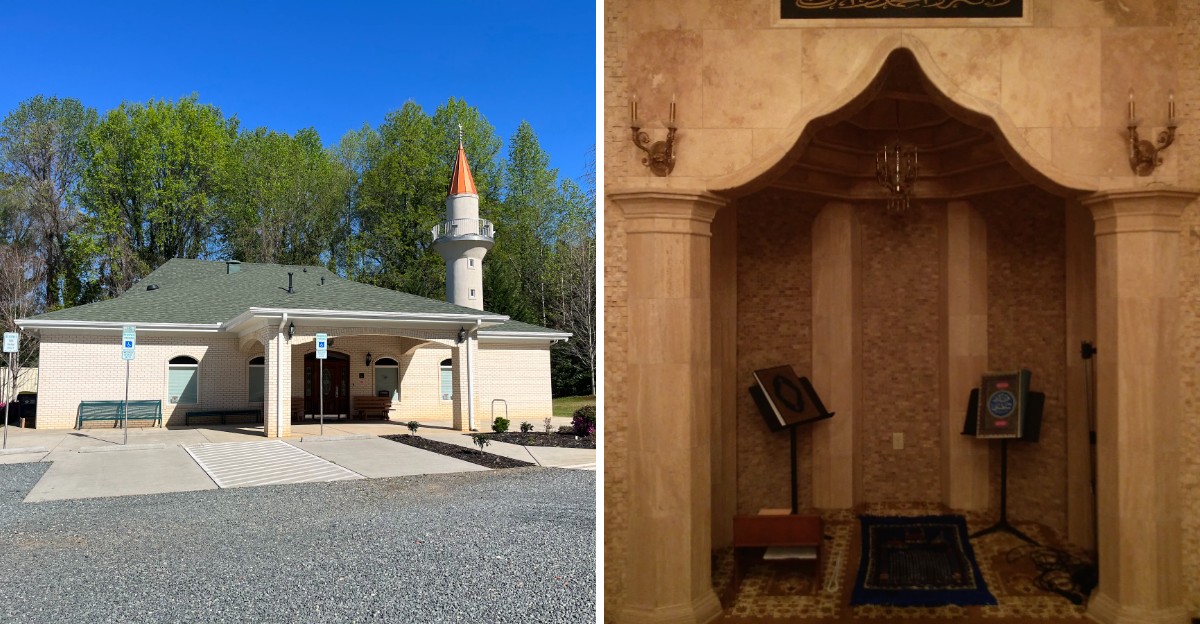
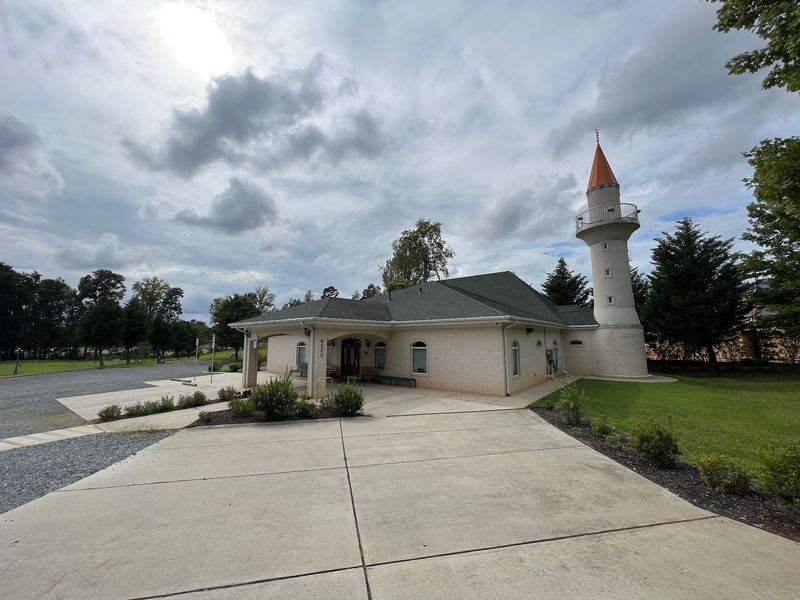
Then 2012 arrived, and the mosque was completed. The project included more than a prayer hall, which shows how carefully the community planned.
Ablution areas, classrooms, a kitchen, and an office were all part of the finished building. Each piece served a real purpose for families who wanted worship, learning, and food under one roof.
Think about that kitchen for a second. A community that plans a kitchen from day one clearly expects people to stick around after prayers.
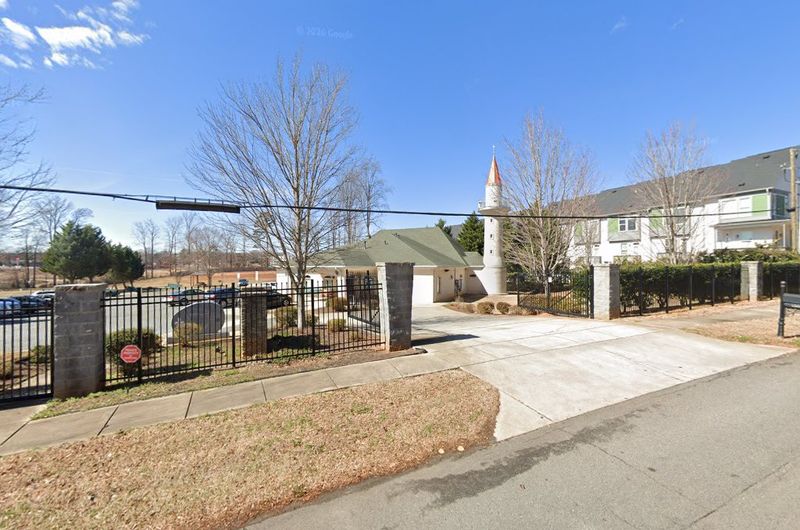
The minaret came later, added after the main construction wrapped up. It’s a nice reminder that the building kept growing alongside its members.
Patience isn’t flashy. Still, five years between land and a finished mosque says a lot about steady effort from a modest-sized group.
If you’ve ever saved up for something meaningful, you’ll probably appreciate this timeline. Good things often take longer than anyone planned, and they last longer too.
You Can Find It On A Quiet Road In East Charlotte
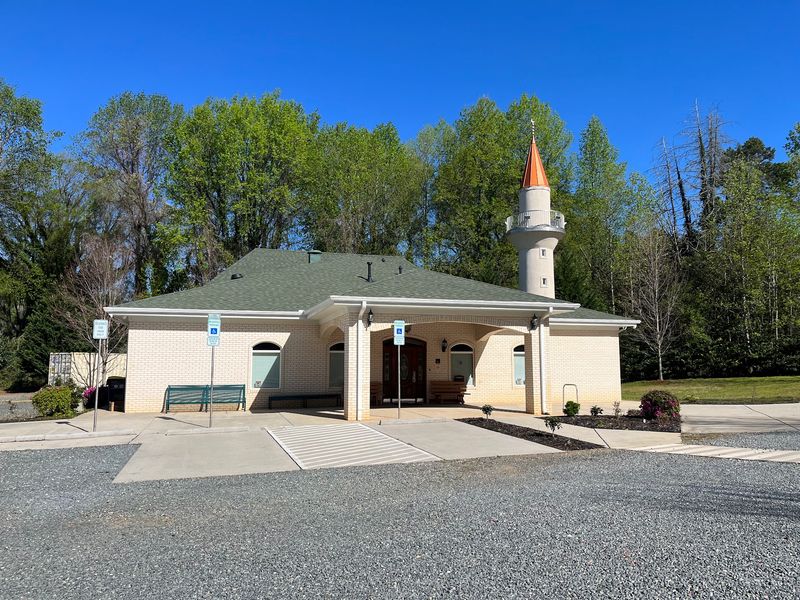
Wilora Lake Road isn’t the kind of street you’d expect to hold a slice of Bosnian heritage. That’s part of the charm.
Shahid Masjid sits at 6200 Wilora Lake Rd, Charlotte, NC 28212. It’s in the eastern part of the city, away from the uptown skyline.
Getting there is simple for drivers. The mosque offers ample parking, so you won’t spend your visit circling the block in frustration.
The mosque has wheelchair-accessible parking and an accessible prayer hall, although visitors should confirm restroom accessibility before arriving.
Those accessibility features can make visits easier for families and people with mobility needs, although checking individual facilities beforehand is still helpful.
Charlotte is a busy, fast-growing city. Having a calm place of worship on a neighborhood road gives local families an easy stop for daily prayers.
Planning your first visit? Check prayer times ahead, since the schedule shifts through the year with sunrise and sunset.
A little planning goes a long way. Arrive a few minutes early, park easily, and you’ll be ready before the call to prayer begins.
Five Daily Prayers Keep The Doors Busy From Dawn To Night
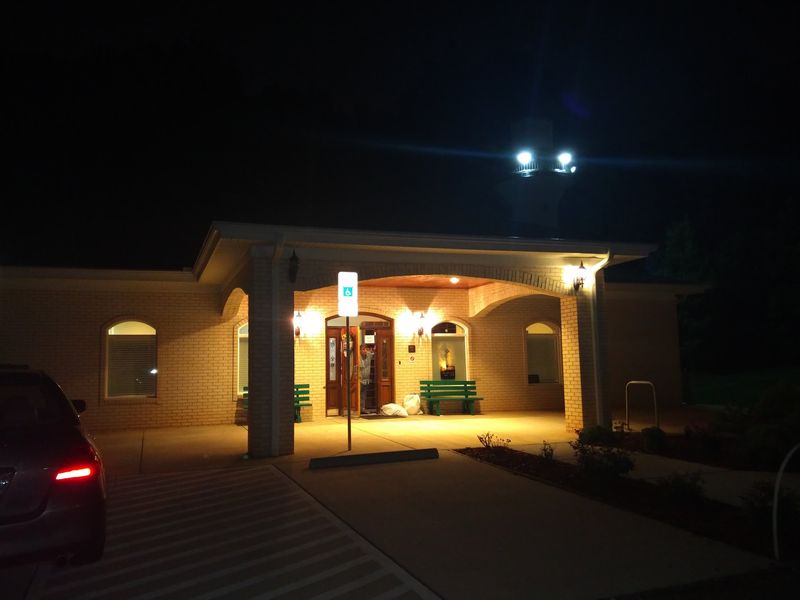
Fajr, Dhuhr, Asr, Maghrib, and Isha. Those five names shape the daily rhythm at Shahid Masjid.
Each prayer has its own set time, starting before sunrise and ending after dark. The mosque lists these times so worshippers can plan their day around them.
The mosque is generally open daily. That steady schedule makes it a dependable stop for anyone living or working nearby in Charlotte.
Prayer times move with the sun, so they change through the seasons. Summer evenings push Maghrib and Isha later, while winter pulls them earlier.
Here’s a practical tip for travelers. Muslims passing through North Carolina can look up the current times before heading over.
Inside, the space serves prayer, reflection, and community gathering. Those three uses blend together in a way that feels natural for a neighborhood mosque.
Daily prayer isn’t just a ritual on a clock. For many members, it’s also a chance to see familiar faces and check in on one another.
That’s how a building becomes a community anchor. Five times a day, people show up, and a shared rhythm keeps everyone connected.
Kids Learn The Quran In A School With A Bosnian Name
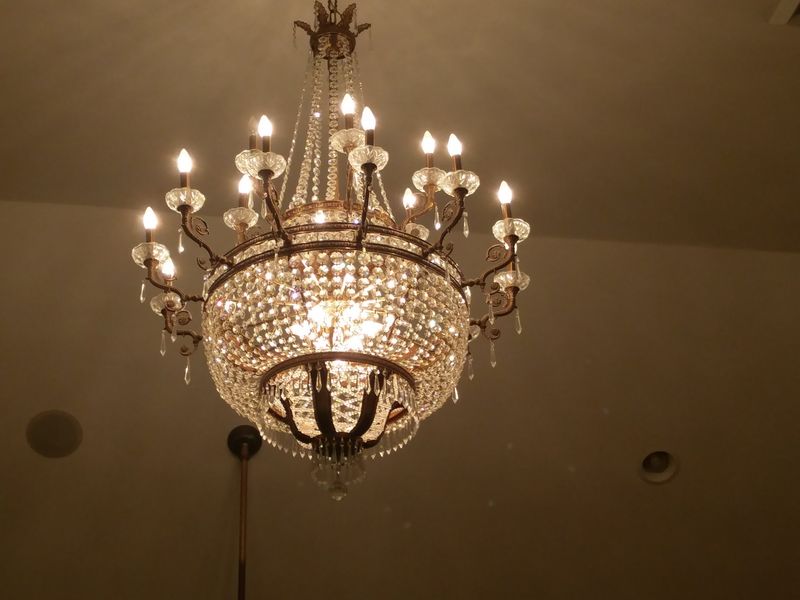
Mekteb is the Bosnian word for a children’s Quran school. At Shahid Masjid, that tradition crossed an ocean and found a new home.
The mosque offers mektebska education for children. Lessons focus on the Quran and the basics of Islamic faith and practice.
This learning has deep roots locally. The first organized classes for Bosniaks in the area started back in 2000, before the community even registered.
That says plenty about priorities. Before the building, before the land, these families made sure their kids had a place to learn.
The community also holds children’s mekteb lessons on Saturdays in Salisbury and Sundays at the mosque in Charlotte.
Many kids in immigrant families live between two worlds. School happens in English, while grandparents might share stories in Bosnian.
Classes like these give children a bridge. They can carry their faith and their family’s story forward without feeling torn in half.
Purpose-built classrooms were part of the 2012 construction. So lessons happen in dedicated space, not squeezed into a borrowed corner.
Grown-Ups Get Their Own Twice-A-Week Classes
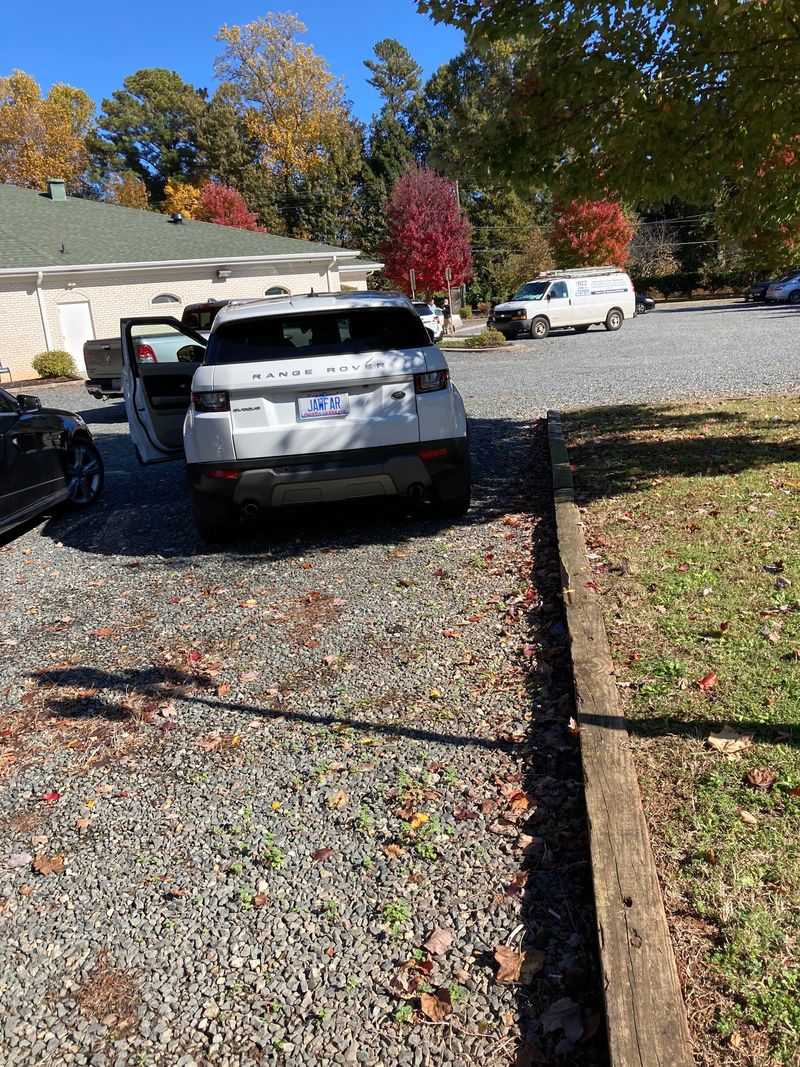
Never learned to read the Quran in Arabic as a kid? Plenty of adults are in the same boat, and this mosque has a plan for that.
Adults can join a Quran and Sufara course offered twice a week. Sufara is a beginner text used to teach the Arabic letters and how to read them.
Starting with the alphabet takes humility. It also takes courage, especially when you’re surrounded by people who learned as children.
A twice-weekly schedule helps a lot. Regular practice builds skills faster than cramming once in a while.
Quranic study classes are also part of the mosque’s offerings. Those give learners a way to go deeper once the basics feel comfortable.
I really like this idea. Learning shouldn’t stop when someone turns eighteen, and this setup proves it doesn’t have to.
Parents can benefit in a special way. Learning alongside their kids, even in separate classes, gives families something new to share at home.
Small steps add up. One letter becomes a word, one word becomes a verse, and before long the page starts to make sense.
First And Third Saturdays Bring Lectures And A Shared Dinner
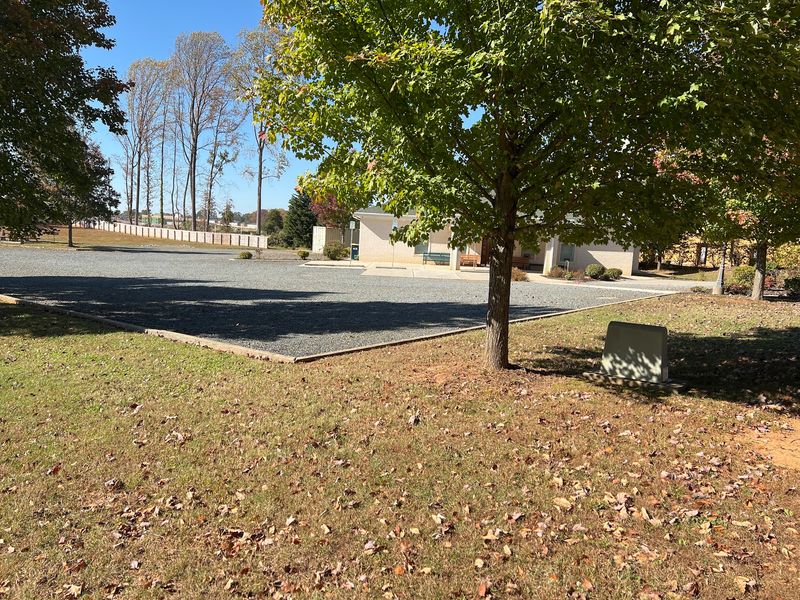
Mark your calendar for the first and third Saturdays of each month. Those nights follow a tradition the community clearly cares about.
Things begin with akšam-namaz, the Bosnian name for the evening prayer. A lecture follows, giving people something to think about before they eat.
Then comes dinner. After that, social time opens up for every age group, from little kids to grandparents.
Remember that kitchen built in 2012? This is exactly the kind of evening it was made for.
I believe shared meals do something lectures alone can’t. Food relaxes people, and conversation tends to flow once plates hit the table.
These gatherings also help newer families find their footing. Meeting people over dinner feels easier than introducing yourself in a parking lot.
For a community of about 190 members, twice-monthly events keep everyone close. Faces stay familiar, and news travels the friendly way.
Shahid Masjid uses these nights as a true focal point. Worship, learning, and fellowship all happen in one evening, which is pretty efficient planning.
Thoughtful Touches Make First-Time Visitors Feel Prepared
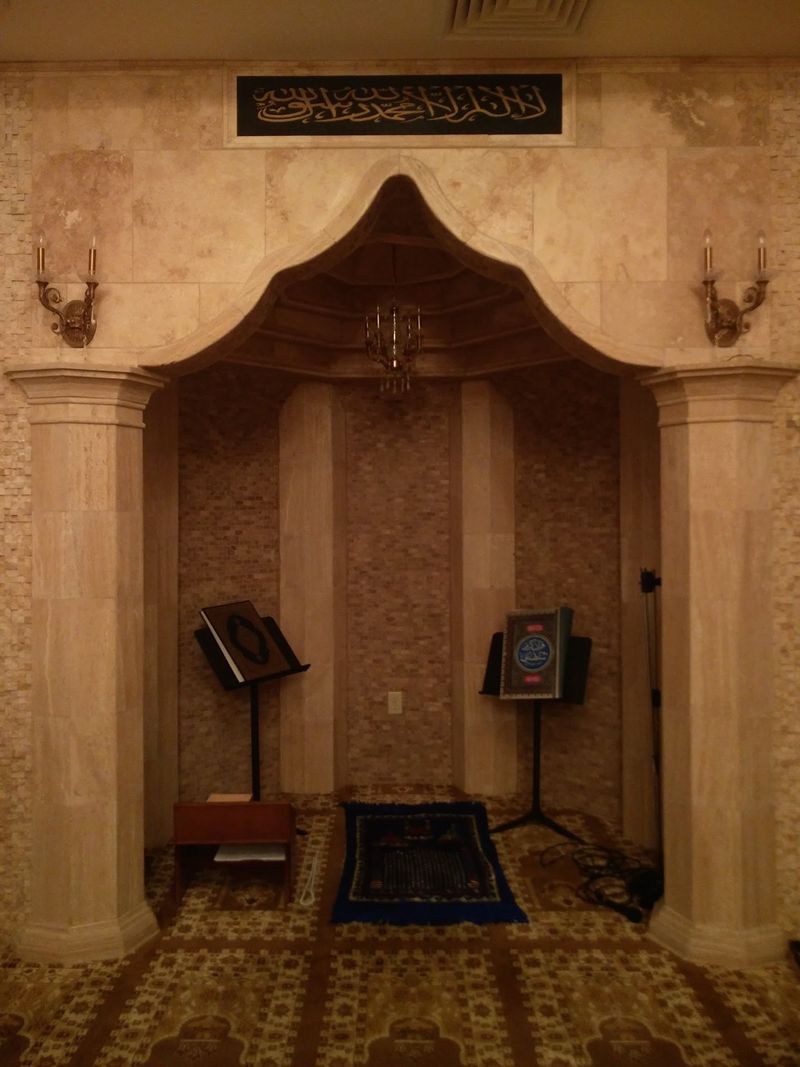
Shoes off, hands washed, and you’re ready. The facilities here make those steps easy, even for a first-timer.
Shahid Masjid has ablution areas for wudu, the washing done before prayer. There’s also shoe storage, so you won’t be hunting for a spot to leave your sneakers.
Restrooms are available on site, and the mosque provides prayer facilities for women.
People interested in visiting the mosque can contact the community beforehand to ask about visiting arrangements.
A little etiquette goes a long way. Modest clothing and quiet voices during prayer times show respect for the people worshipping.
Not sure what to do? Asking politely is always better than guessing, and most communities appreciate genuine interest.
Wheelchair-accessible parking and prayer space help visitors with mobility needs, although it’s worth confirming access to other facilities before visiting.
These details might seem small. Together, they turn a first visit from nerve-racking into comfortable, and that’s a real gift for newcomers.
Imams Have Guided The Community Through Every Chapter
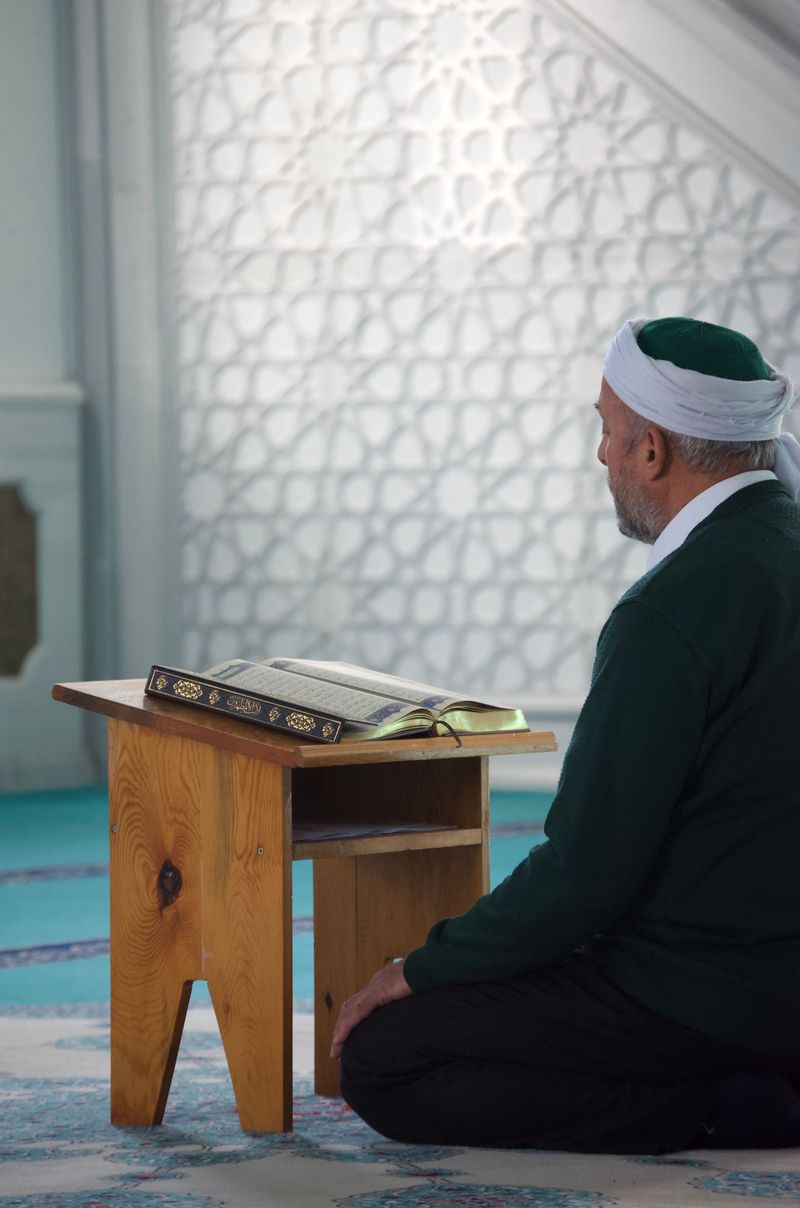
Sead ef. Isović currently serves as imam for the community.
The “ef.” stands for efendi, a respectful title used for imams in Bosnian tradition.
He follows earlier imams who helped shape the congregation. Ibran ef.
Salkić and Mersudin ef. Kasumović both served before him.
An imam wears many hats in a community like this. Leading prayers is only one part of the job.
Lectures on those Saturday evenings need someone to guide them. Classes for kids and adults benefit from steady leadership too.
Every name on that list represents a stretch of the mosque’s story. From early classes to the finished building, leaders helped carry the vision forward.
I like how the Bosnian titles stayed in use. Small language choices like “efendi” keep traditions alive in a Charlotte neighborhood.
Leadership changes, but the mission stays steady. The community still gathers, learns, and prays together at Shahid Masjid.
That continuity is the real success story here. A group that registered in 2002 still has a home, a teacher, and plenty of reasons to keep showing up.