This North Carolina Museum Is Packed With Antique Sewing Machines, Giant Looms, And A Working Knitting Machine
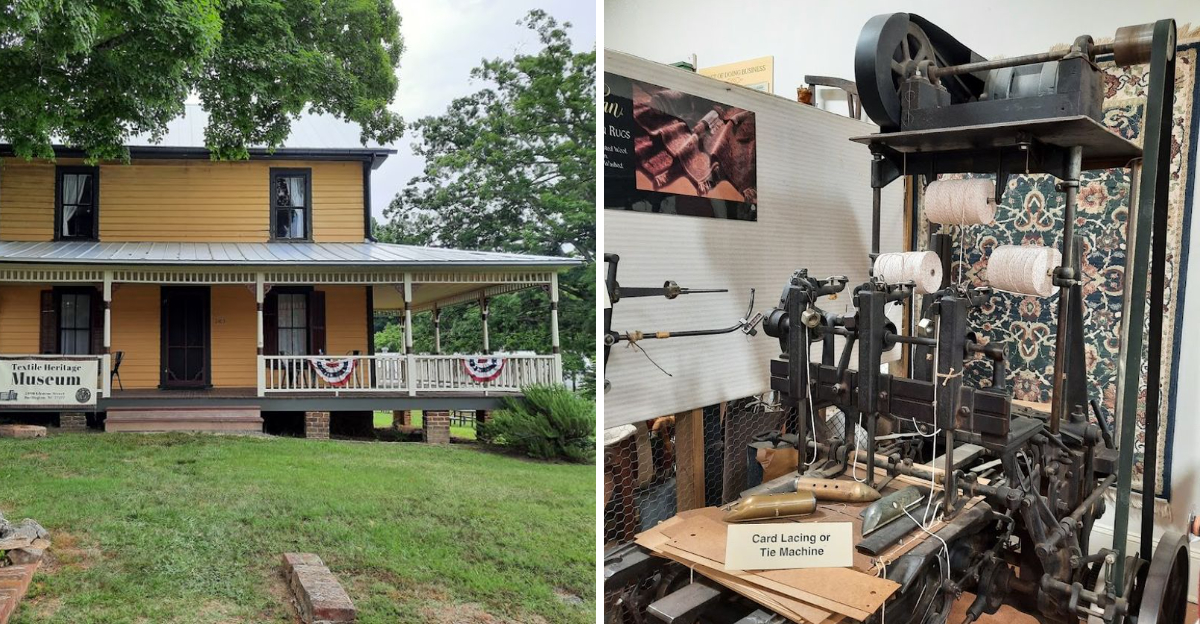
History has a different sound when the machines that built it are still standing.
Inside a former mill building in North Carolina, the past is preserved through the spaces where people worked, solved problems, and built a community around the textile industry.
Time shows itself naturally here, not through dramatic recreations but through authentic details that quietly connect everyday lives with a much bigger story.
Rather than rushing from display to display, the museum encourages a slower pace.
The building itself becomes part of the experience, making it easy to picture the rhythm of a working mill and the people whose daily routines shaped the surrounding village.
Admission is free, and the visit does not end at the museum door. A walk through the neighboring historic district adds another layer to the story, turning a simple stop into a thoughtful look at one of North Carolina’s best-preserved textile communities.
Massive Looms Make The Room Feel Industrial
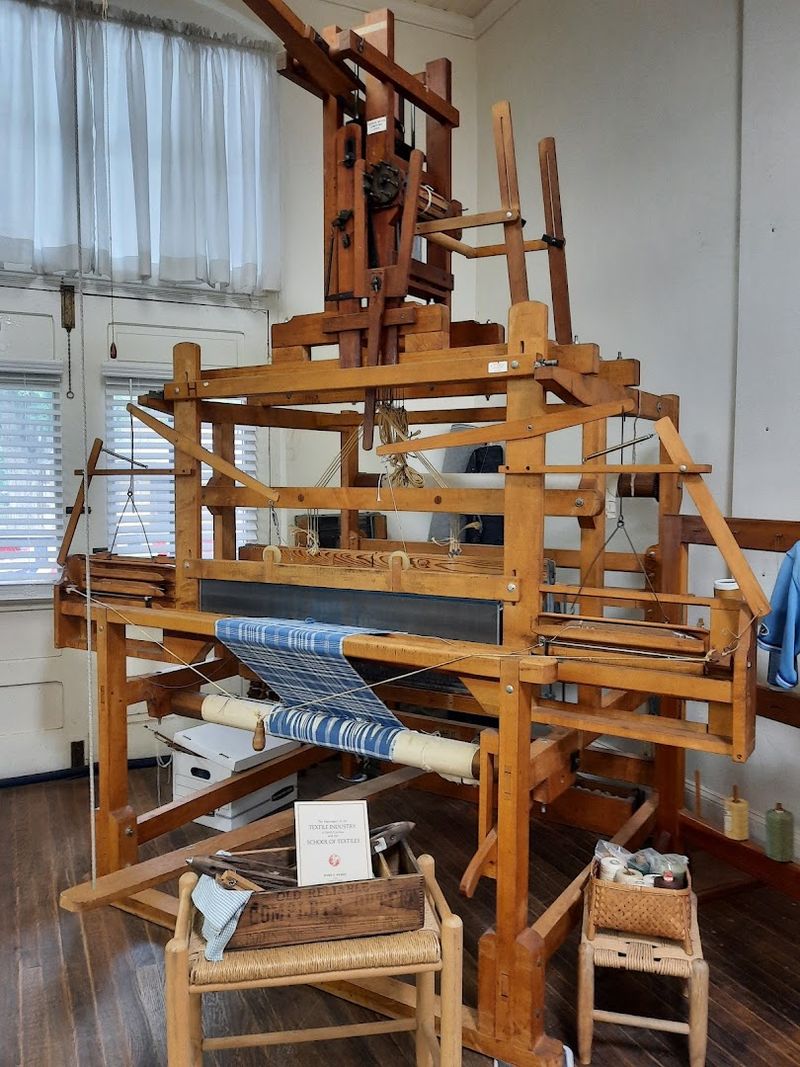
Looms give the museum its first real jolt. These machines do not sit politely in the room like quiet antiques.
They take up space, demand attention, and make you understand fast that textile history was loud, physical, and full of moving parts. You can stand close enough to notice the frames, shuttles, gears, and working logic behind fabric that most people handle every day without thinking twice.
That is the fun of this stop. Cloth suddenly stops feeling ordinary.
A shirt, blanket, towel, or plaid fabric begins to look like the result of timing, tension, skill, and machinery that had to behave perfectly for hours at a time.
Glencoe Cotton Mill produced cotton checks, stripes, and woven plaids, so the loom displays connect directly to the kind of fabric that helped shape this village’s reputation.
You do not need to be a machinery person to enjoy this room. The scale does the explaining.
Kids notice the size. Adults notice the complexity.
Anyone who has ever gotten annoyed untangling one thread may leave with new respect for people who managed thousands of them.
Antique Sewing Machines Turn Craft Into History
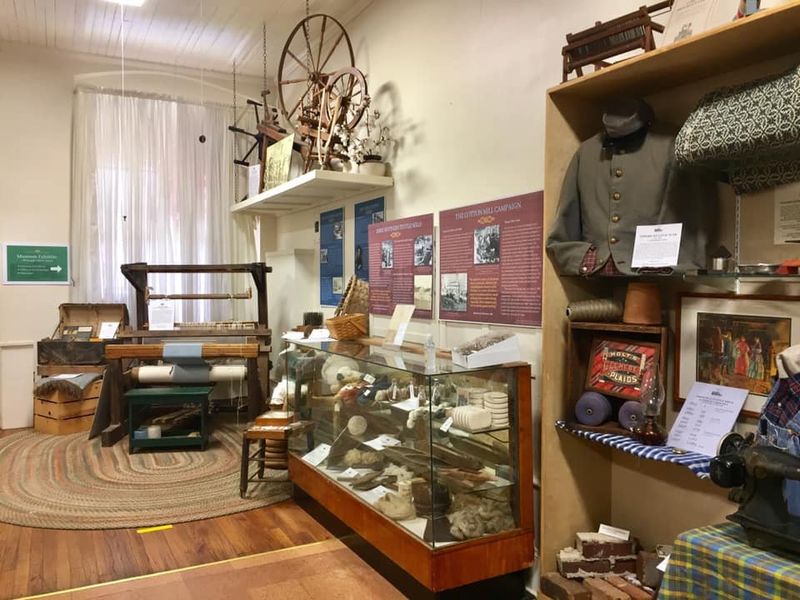
Rows of old sewing machines make small handwork feel surprisingly huge. You may think of sewing as something quiet at a kitchen table, but the museum shows how that skill connects to family life, repair work, clothing, factory production, and generations of practical knowledge.
The machines look beautiful in their own right, with metal bases, handwheels, worn surfaces, and details that remind you they were built to last. Some feel domestic.
Others look ready for serious production. Together, they create a timeline of changing tools and changing expectations.
You can imagine someone mending clothes after a long day, another person working piece after piece in a production setting, and another learning on a machine passed down through family. That personal connection is why this section works so well.
Visitors often recognize shapes from a grandmother’s house, an old sewing room, or a machine nobody was allowed to touch without supervision. The exhibit turns those memories into history instead of nostalgia alone.
It reminds you that sewing was not just a hobby or chore. It was skill, economy, creativity, and survival stitched into daily life.
Knitting Machinery Gives The Visit Its Best Surprise
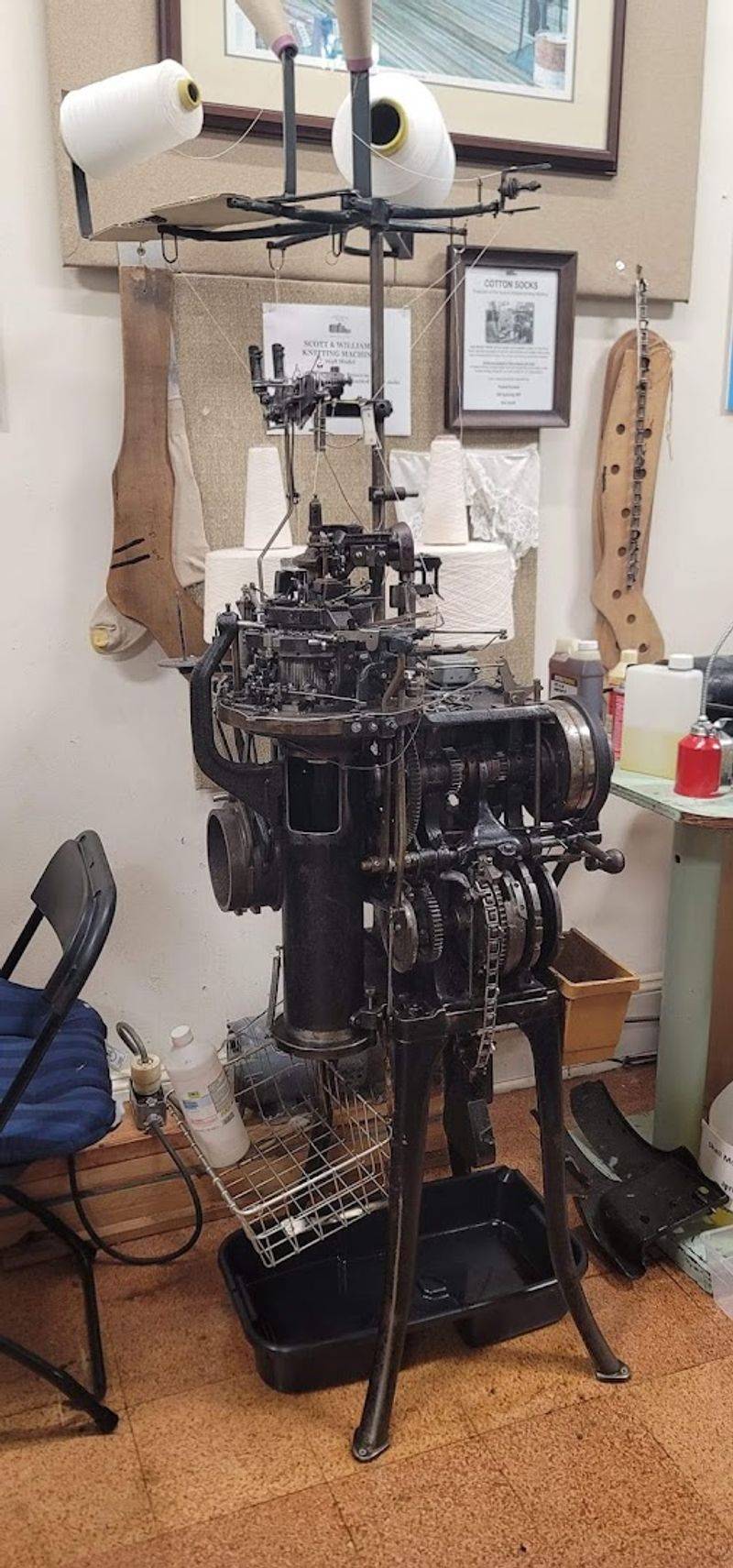
Sock-making becomes the best little surprise in the building. A knitting machine may not sound dramatic until you see how fast the idea comes together.
Thread moves, the machine works, and suddenly a basic everyday object feels like a tiny engineering achievement. That is where the museum gets especially memorable.
Antique looms are impressive because they are huge. The knitting machinery is impressive because it makes something so familiar feel complicated in the best way.
North Carolina’s hosiery history runs deep, and Burlington and Alamance County played a major role in that story. The museum helps you connect that larger industry to the machinery that actually produced socks and stockings.
Visitors can see how circular knitting machines changed the work, how thread became fabric, and why hosiery became such a major part of the state’s textile identity. When demonstrations happen, the room gets even better.
The sound, movement, and finished product make the history click. You are not just reading about mills or manufacturing.
You are watching a machine prove the point in real time. A sock may never look quite so simple again.
Glencoe’s Old Company Store Sets The Scene
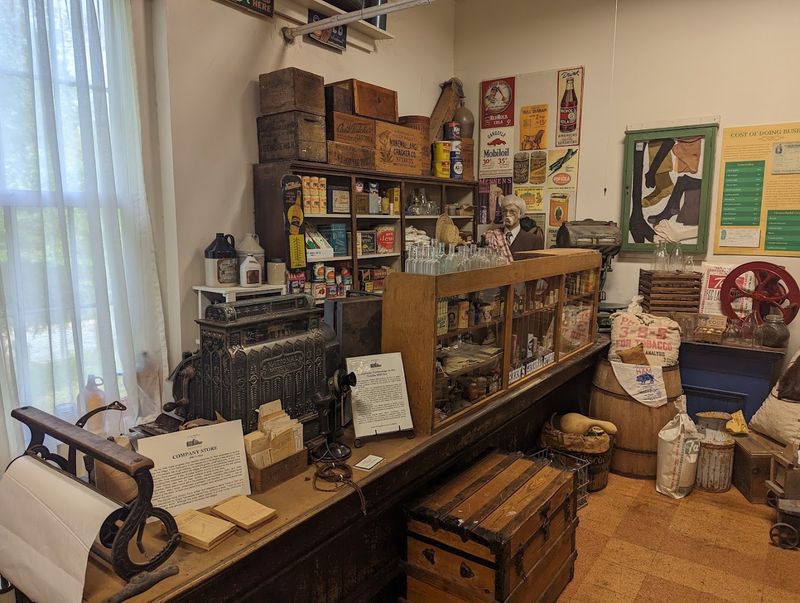
Company-store history wraps the exhibits in the right setting. The museum occupies the former Glencoe company store and office building, which gives every display more weight than it would have in a plain modern space.
You can feel why this building mattered to the old mill village. Company stores were not casual shops.
They were tied to paydays, groceries, rent, household needs, credit, conversation, and the routines that shaped mill-family life. That context makes the museum feel grounded before you even start studying individual artifacts.
Shelves, counters, office details, and store-style displays help you picture the daily rhythm of Glencoe when the mill was active. People did not just work near these buildings.
They lived around them, raised families near them, and built a whole community around the factory’s schedule. That is why the setting matters so much.
You are not looking at textile history from a distance. You are standing inside one of the places where that history was managed, paid for, supplied, and discussed.
The restored company-store atmosphere gives the museum a warmth that machinery alone could never create.
Mill-Village Stories Add People Behind The Machines
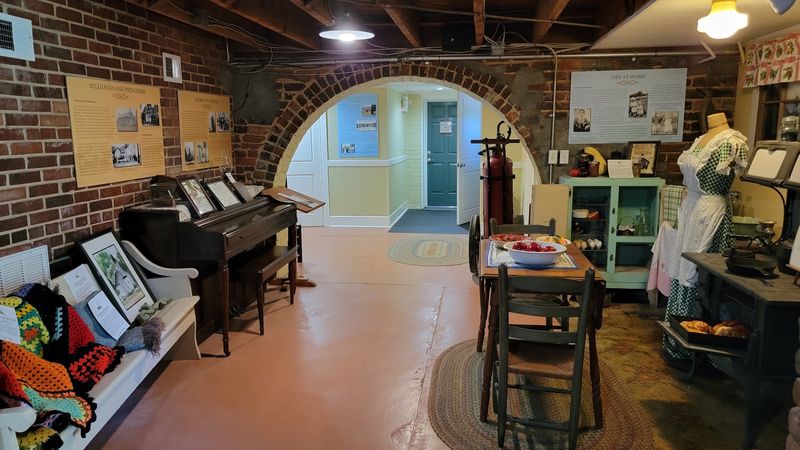
People keep the machinery from feeling cold. Glencoe Mill Village was not only a workplace with looms and spinning equipment.
It was a community of homes, routines, families, churches, gardens, river paths, and neighbors whose lives were tied to the mill’s schedule. That human side gives the museum its heart.
Exhibits about village life help you picture workers leaving houses nearby, hearing the mill whistle, heading into long shifts, returning home, and building social lives around a place where work and community sat side by side. The story is not overly polished, and it should not be.
Mill life could be demanding, and the labor behind textile production was real. At the same time, the village carried its own relationships, skills, memories, and traditions.
That balance makes the museum stronger. You are not just asked to admire old equipment.
You are encouraged to think about the people who operated it, repaired it, lived beside it, and passed down stories after the mill closed. A loom becomes more meaningful when you imagine the worker standing near it.
A sewing machine feels different when you picture the hands that knew exactly how to guide the cloth.
Cotton, Fabric, And Factory Tools Connect The Dots
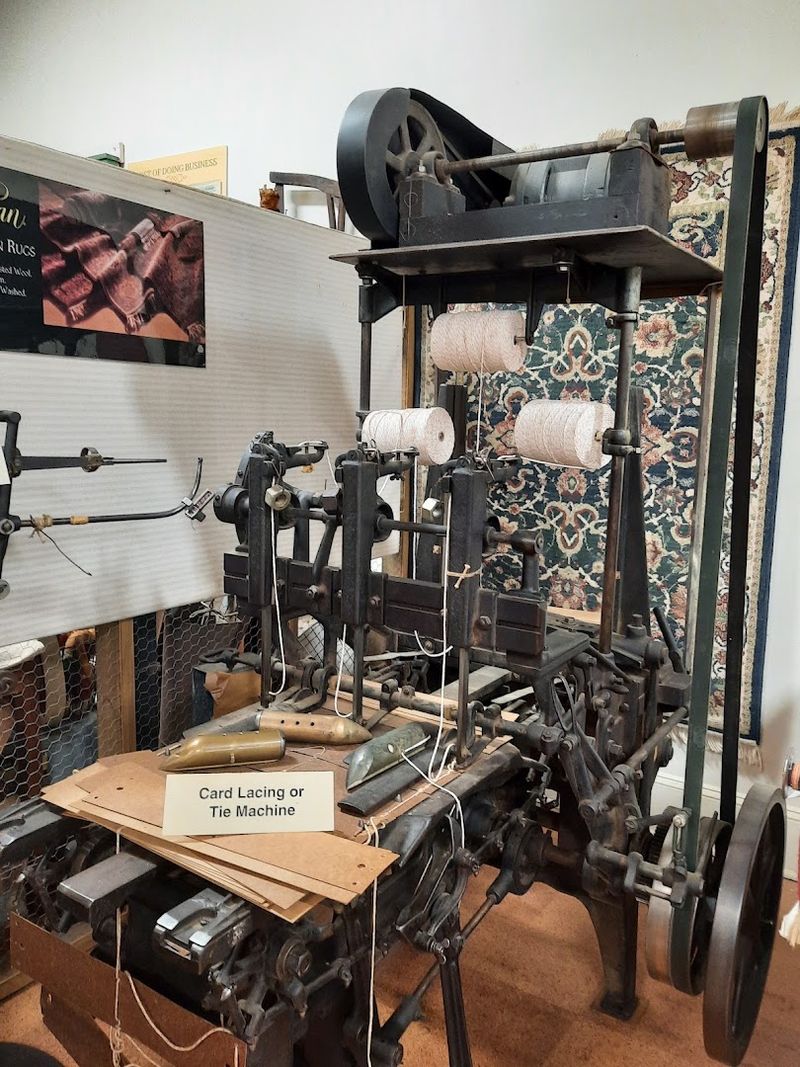
Cotton does not become fabric by magic, and this museum makes that wonderfully clear. Displays of raw materials, fabric samples, shuttles, bobbins, tools, and textile equipment help you follow the process from fiber to finished cloth.
That step-by-step connection is especially useful because most visitors know the final product better than the work behind it. You wear cotton, sleep under it, dry dishes with it, and barely think about the journey it took.
At Glencoe, that journey becomes visible. The old mill produced cotton checks, stripes, and woven plaids, and those fabrics were shipped far beyond the village.
Seeing tools and samples together helps you understand how production depended on both machinery and trained workers. A shuttle is not just a small object in a case.
A bobbin is not just a leftover piece of equipment. Each one had a job in a larger system that required order, speed, and constant attention.
You start to see fabric as a chain of decisions and actions. Cotton had to be judged, prepared, spun, woven, finished, and moved.
The museum makes that process feel satisfyingly concrete.
You Can See Why Alamance County’s Textile Past Still Matters
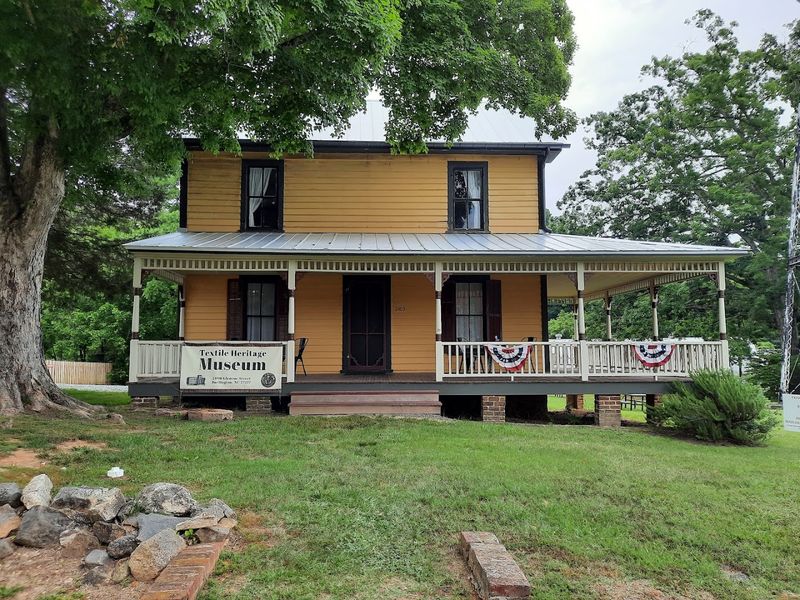
Alamance County’s textile story feels bigger once you are standing in Glencoe. The village sits along the Haw River, where water power, mill construction, family ownership, and industrial growth helped shape this part of North Carolina.
Glencoe Cotton Mill began in 1880, opened operations in 1882, and produced plaid cotton fabrics for more than 70 years. That history reaches beyond one building.
It connects to central North Carolina’s rise as a textile region and to the families who made mill work part of everyday life. The village itself is one of the strongest reasons to care.
Glencoe remains one of the best-preserved 19th-century textile mill villages in the southeastern United States, with mill structures, restored homes, and community buildings still giving visitors a sense of the old layout. That makes the museum feel like the front door to a much larger story.
You can tour the exhibits, then look outside and understand that the history continued across streets, homes, riverbanks, and workspaces. Alamance County’s textile past still matters because it shaped jobs, towns, architecture, family histories, and the region’s identity in ways that still show.
Office Artifacts Show How The Mill Ran Day To Day
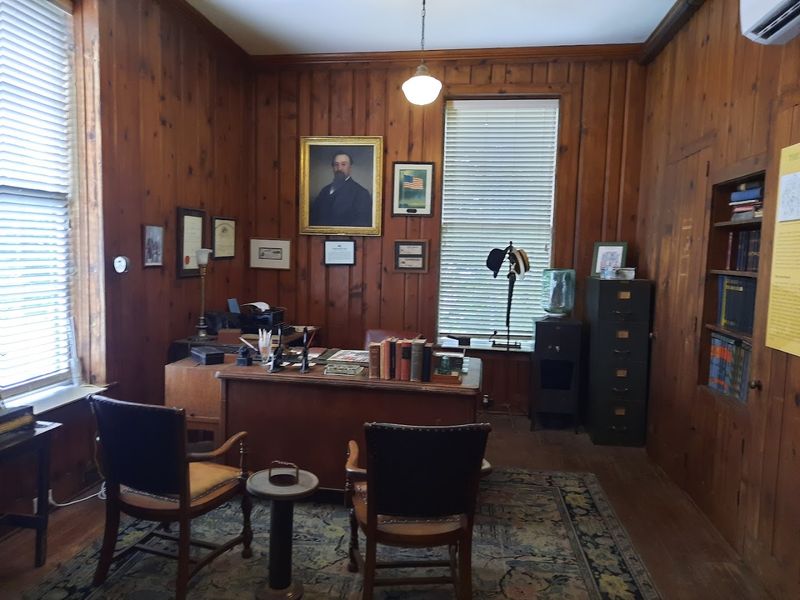
Paperwork may sound dull until you see how much of a mill depended on it. The office artifacts at the Textile Heritage Museum show the business side of an industry people often imagine only through machines.
Ledgers, records, desks, adding machines, and administrative objects reveal the quieter work behind production. Someone had to track payroll, orders, fabric, supplies, accounts, schedules, and all the small decisions that kept a mill operating.
That part of the story is easy to overlook, but the museum gives it proper attention. You can picture clerks working through columns of numbers, managers watching costs, and office staff handling the daily structure behind the noise of the factory floor.
The office setting also helps connect Glencoe’s industrial story to specific people and leadership, including the Holt family’s role in the mill’s development. By the end, the museum feels surprisingly complete.
You have seen machines that made fabric, tools that supported production, exhibits about village life, and records that kept the business moving.
The Textile Heritage Museum is at 2406 Glencoe Street in Burlington, North Carolina, and current visitor information lists free admission with donations accepted, Tuesday through Saturday hours from 9 a.m. to 5 p.m., and a suggested visit of one to two hours.