This North Carolina Park Is One Of The Only Places On Earth Where Venus Flytraps Grow Wild
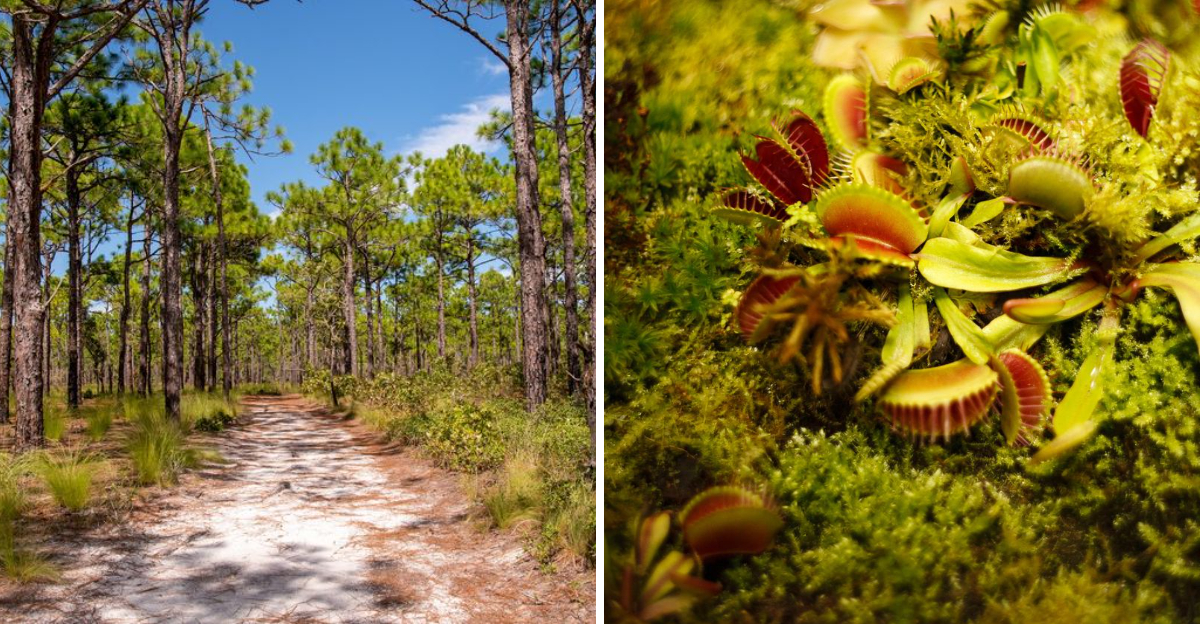
Most plants spend their lives looking innocent and hoping for rain.
This one has chosen violence against bugs.
Along the coast, a rare little carnivorous plant grows in the wild like nature’s tiniest trapdoor villain. It looks small enough to ignore, which is exactly how the insects get into trouble.
That is the whole charm.
A Venus flytrap does not need height, flowers, or dramatic scenery to feel unforgettable. It just waits there, calm as anything, until one unlucky bug makes a very poor life choice.
Seeing it in its natural habitat feels completely different from seeing one in a classroom pot.
The whole place turns into a quiet little reminder that nature can be beautiful, strange, and slightly unhinged all at once.
North Carolina is one of the only places on Earth where this wild plant still grows naturally, which makes the visit feel even more unreal.
Spot Wild Venus Flytraps Along The Flytrap Trail
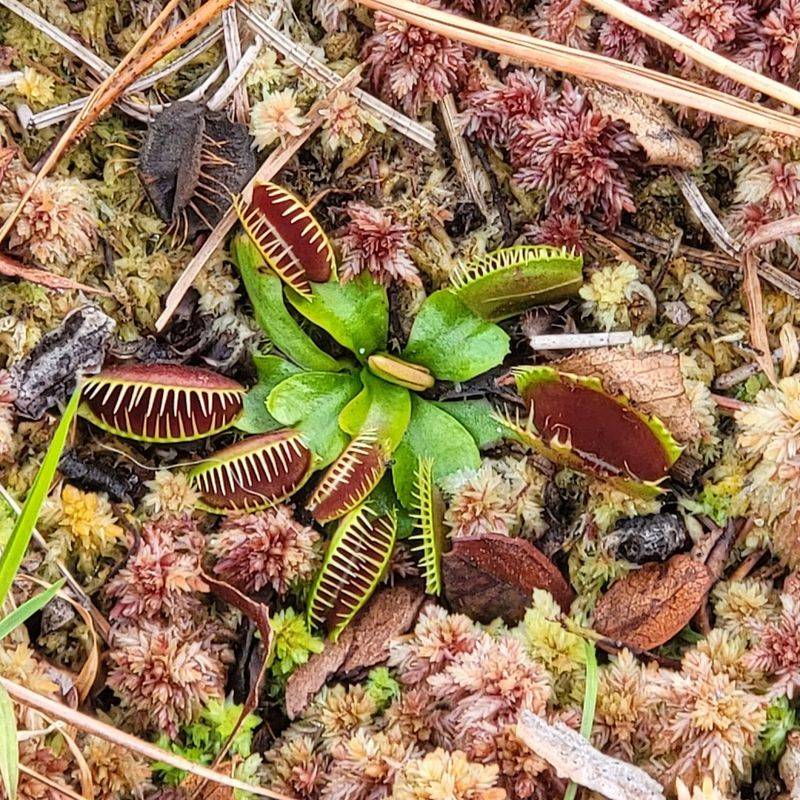
A tiny plant can stop a whole group in its tracks when everyone realizes what they are seeing. The Flytrap Trail at Carolina Beach State Park is a 0.5-mile easy loop designed to introduce visitors to the rare carnivorous plants that grow in this coastal habitat.
The park address is 1010 State Park Road, Carolina Beach, NC 28428, and the trail gives first-time visitors one of the best chances to see Venus flytraps without committing to a long hike.
The route moves through pocosin wetland and pine flatwood habitat, where sandy, acidic, nutrient-poor soil creates the exact conditions these plants need.
The flytraps are small, low, and easy to overlook, so speed is the enemy here. Slow walking, careful scanning, and patience matter more than mileage.
Rangers and park programs can help visitors learn where to look without disturbing the plants. Spring into early fall can be a good time to search, with blooming often noticeable around late spring.
The real thrill comes from the scale. This is not a giant monster plant.
It is a compact, delicate survivor using one of nature’s strangest strategies right beside the trail.
Stay On The Path Because These Tiny Plants Are Fragile
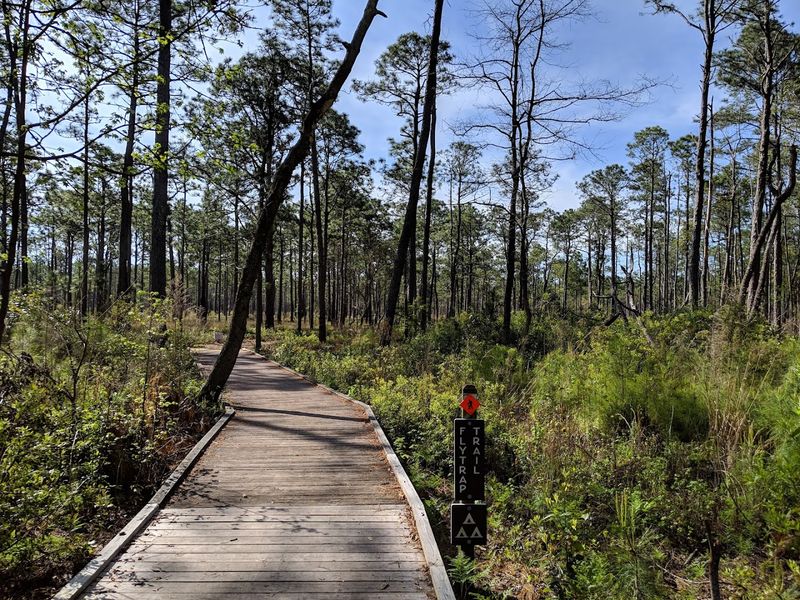
Protection starts with one very simple rule: stay on the designated trail and boardwalk. Venus flytraps and the surrounding wetland plants can be damaged by footsteps, even when the ground looks empty.
Seedlings, roots, and fragile habitat do not announce themselves with warning signs at every inch, so stepping off path can do more harm than visitors realize. Carolina Beach State Park protects a rare ecosystem, not just one famous plant.
That means the mosses, grasses, wetland soil, pine habitat, and other carnivorous plants all matter too. Touching or triggering flytraps for fun should also be avoided because closing a trap takes energy the plant needs for survival.
A wild plant is not a toy, and this one already faces enough pressure from habitat loss and illegal collecting. North Carolina treats poaching Venus flytraps seriously; removing them from the wild became a felony in the state in 2014.
That law exists because these plants grow naturally in such a limited range and have been targeted by collectors. Respectful visitors can help simply by looking, photographing carefully, and leaving every plant exactly where it belongs.
The best souvenir is the story, not the plant.
Look Closely Before The Carnivorous Plants Blend Into The Ground
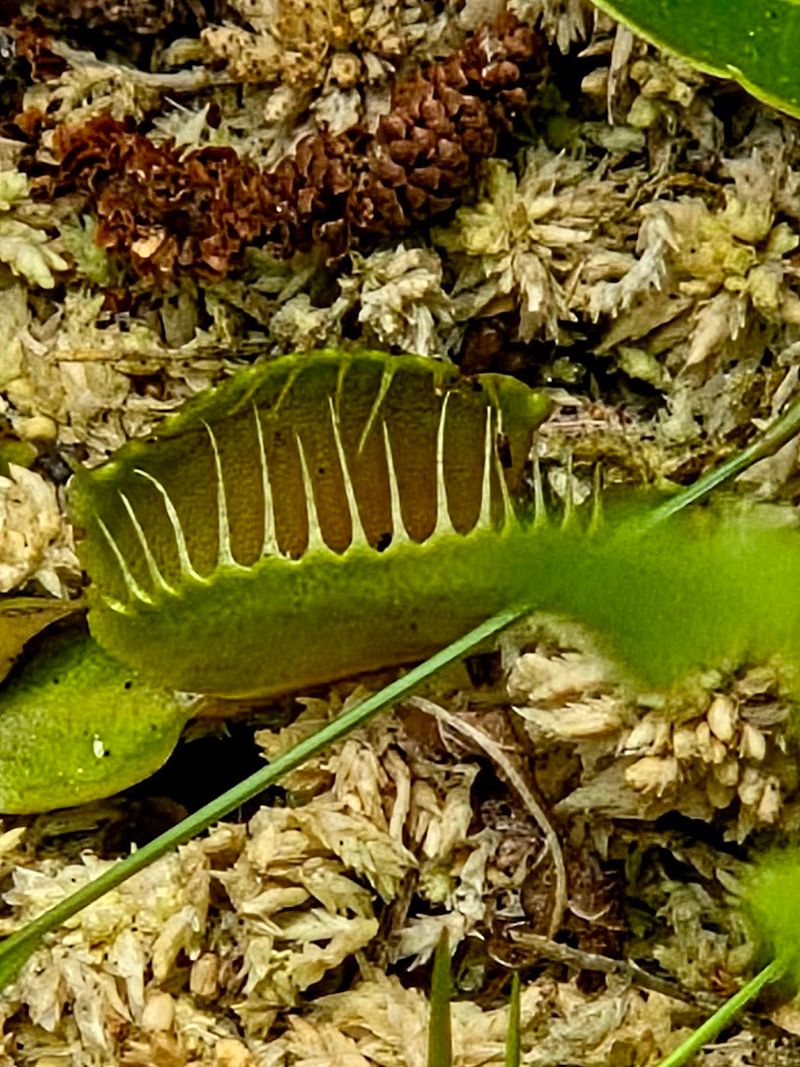
Venus flytraps are famous enough to seem obvious, but wild ones can hide in plain sight. Their traps are small, often green with reddish interiors, and hidden close to the sandy, wet ground where other low plants compete for attention.
Visitors expecting something dramatic at eye level may walk right past them. The trick is to move slowly and scan the edges of the trail, especially where habitat signs or ranger guidance point out good viewing areas.
A magnifying glass can make the details more fun, particularly for kids, but careful eyes work just fine. The traps have hinged lobes with stiff, eyelash-like margins, and the inner trigger hairs help the plant detect insect movement.
That mechanism is what made the Venus flytrap famous, but the plant’s rarity is even more remarkable. Its native range is limited to a small area of southeastern North Carolina and nearby South Carolina, making every wild sighting meaningful.
Patience pays off. One plant leads to another, then another, and suddenly the ground looks less ordinary than it did five minutes earlier.
Carolina Beach State Park turns looking closely into the main adventure, and the tiny plants reward anyone willing to slow down.
Walk The Half-Mile Loop Without Turning It Into A Hard Hike
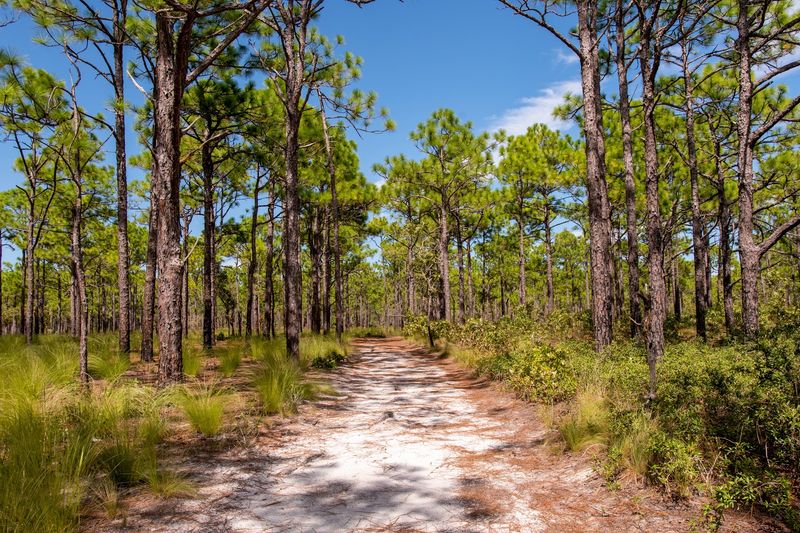
Big natural wonders do not always require a big physical effort. The Flytrap Trail is a flat, easy 0.5-mile loop, making it one of the most approachable ways to experience Carolina Beach State Park’s rare plant life.
Families with children, casual walkers, plant lovers, and visitors who do not want a strenuous hike can all enjoy the route at a comfortable pace.
The trail includes boardwalk and natural-surface sections, so footwear still matters, especially after rain or during humid coastal weather.
A water bottle, insect repellent, and patience are usually enough preparation for most visitors.
Guided flytrap hikes offered through the park or local partners add extra depth to the visit. Rangers explain carnivorous plant survival, the role of fire and sunlight, and how to spot flytraps without harming them.
Even without a guided walk, the trail is rewarding because it asks visitors to pay attention to small things. The distance is short enough that nobody needs to rush.
In fact, rushing defeats the whole purpose. The best way to walk this loop is slowly, with eyes low and curiosity turned all the way up.
Notice Pitcher Plants, Sundews, And Other Strange Wetland Life
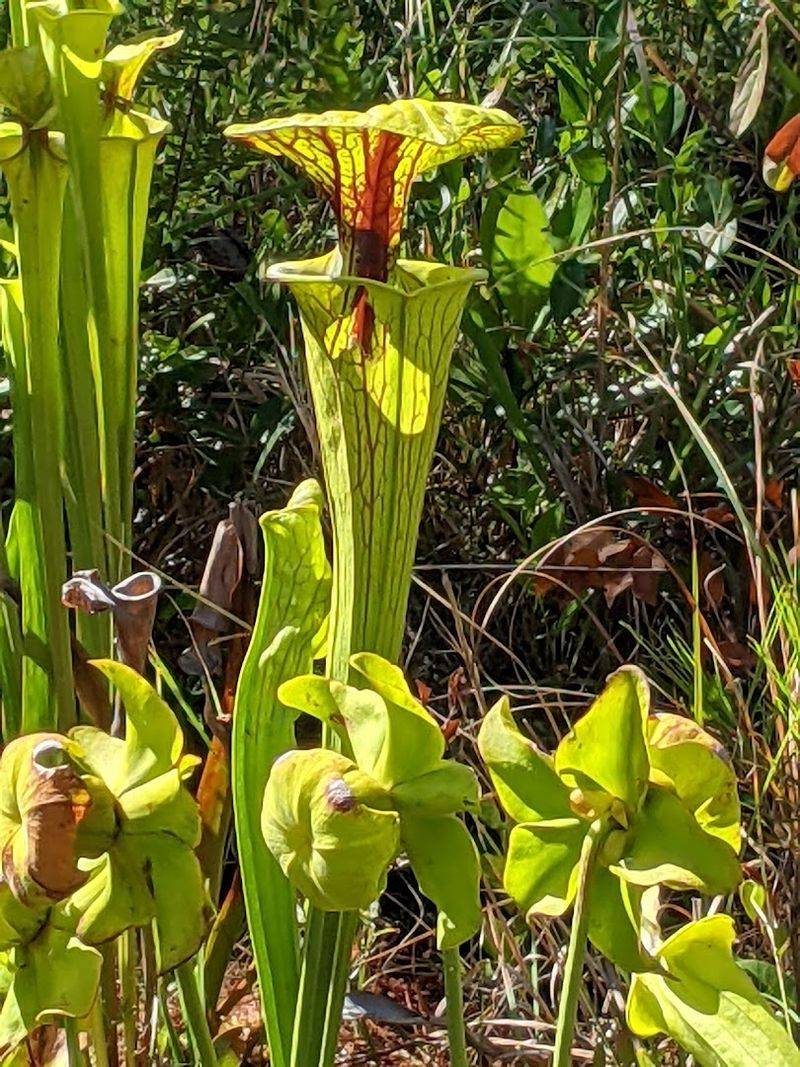
Venus flytraps may get top billing, but they are not the only odd little hunters in the park. Carolina Beach State Park is known for a broader carnivorous plant community that can include pitcher plants, sundews, butterworts, and bladderworts, depending on habitat and season.
Pitcher plants are often easier for beginners to spot because their upright tubes rise more visibly from the wet ground. They lure insects into slippery chambers where escape becomes difficult.
Sundews use a completely different strategy, sparkling with sticky droplets that look pretty until an insect finds out the shine is a trap.
Butterworts and bladderworts add even more variety to the park’s botanical weirdness, proving that Venus flytraps are part of a larger survival story.
These plants evolved their unusual feeding methods because the soils here are low in nutrients, so insects help provide what the ground does not. That makes the habitat feel like a living science lesson without losing its sense of wonder.
Looking beyond the famous flytrap gives visitors a fuller appreciation for the park. The wetland is not just hosting one rare plant.
It is supporting a whole cast of strange, specialized life forms that make this coastal landscape extraordinary.
Visit The Visitor Center Before Heading Into The Pocosin Habitat
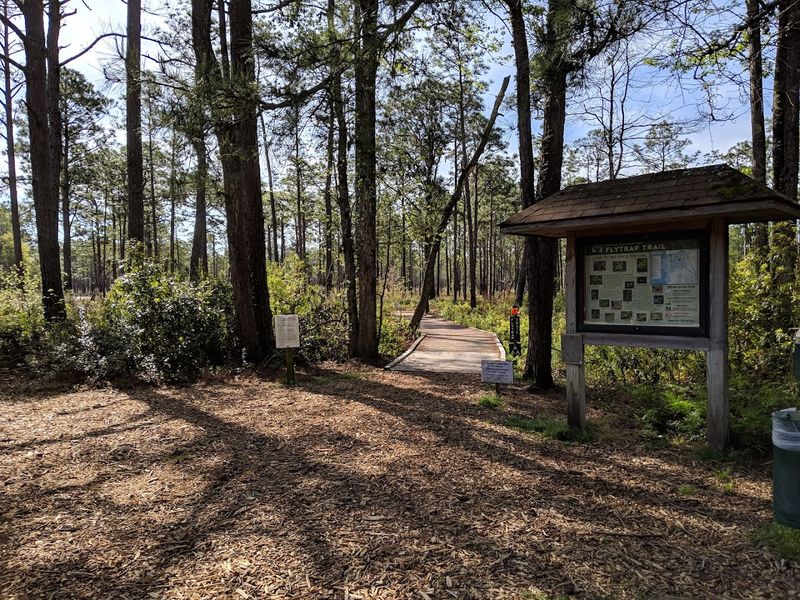
A few minutes at the visitor center can make the trail much more rewarding. Carolina Beach State Park’s visitor center is open daily from 8 a.m. to 5 p.m., except Christmas Day, and it gives first-time guests a helpful introduction to the park before they start searching for tiny plants in the field.
Exhibits and staff guidance can explain the pocosin habitat, carnivorous plant ecology, trail options, current conditions, and any seasonal programs happening during the visit.
That background matters because Venus flytraps are easy to miss if you do not know what size, shape, and setting to expect.
Seeing examples, reading displays, or asking a ranger where viewing is best can turn a vague plant hunt into a much smarter walk.
The visitor center is also a practical stop for maps, restrooms, questions about marina access, campground details, and trail recommendations beyond the Flytrap Trail.
Carolina Beach State Park has more to offer than one short loop, including several trails and distinct habitats, so orientation helps visitors decide how much of the park to explore. Starting here is especially useful for families.
Kids are more likely to stay interested when they understand that the small green traps outside are not pretend. They are rare, protected, and very much alive.
Add The Marina Area If The Cape Fear River Calls Next
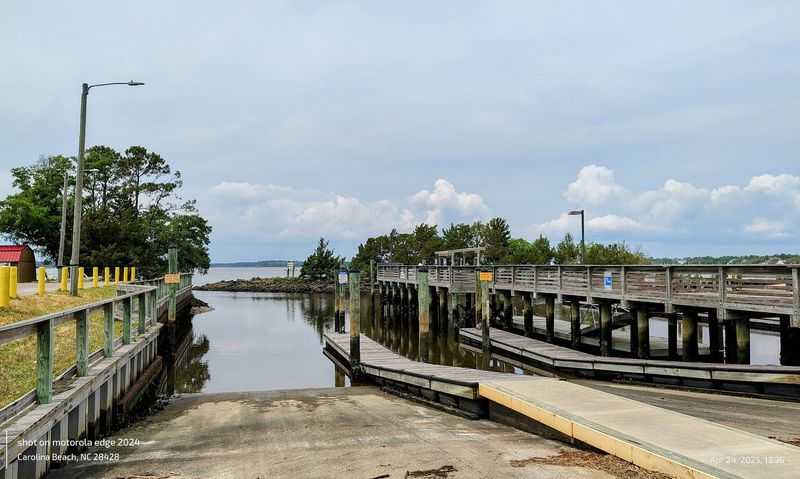
After exploring the trails, the marina area offers a completely different kind of adventure that feels like a bonus chapter to an already great day.
Carolina Beach State Park features a deep-water marina with two public boat ramps and numerous slips, giving boaters and anglers easy access to both the Cape Fear River and the Intracoastal Waterway.
Sunsets viewed from this stretch of water are genuinely stunning.
The marina sits at the junction of Snow’s Cut and the Cape Fear River, creating a lively spot where paddlers, fishing enthusiasts, and casual sightseers all share the same beautiful waterfront.
Fuel, snacks, and a small store are available on-site, making it easy to extend your time on the water without heading back to town.
The marina and campground operate on separate hours from the main park areas, so checking ahead is worthwhile.
Kayak rentals are available through a separate company at the boat landing on select days. Gliding along the river while surrounded by the natural beauty of North Carolina is an experience that stays with you long after the trip ends.
The marina transforms a trail day into a full outdoor adventure.
Leave Carolina Beach Knowing You Saw Something Truly Rare
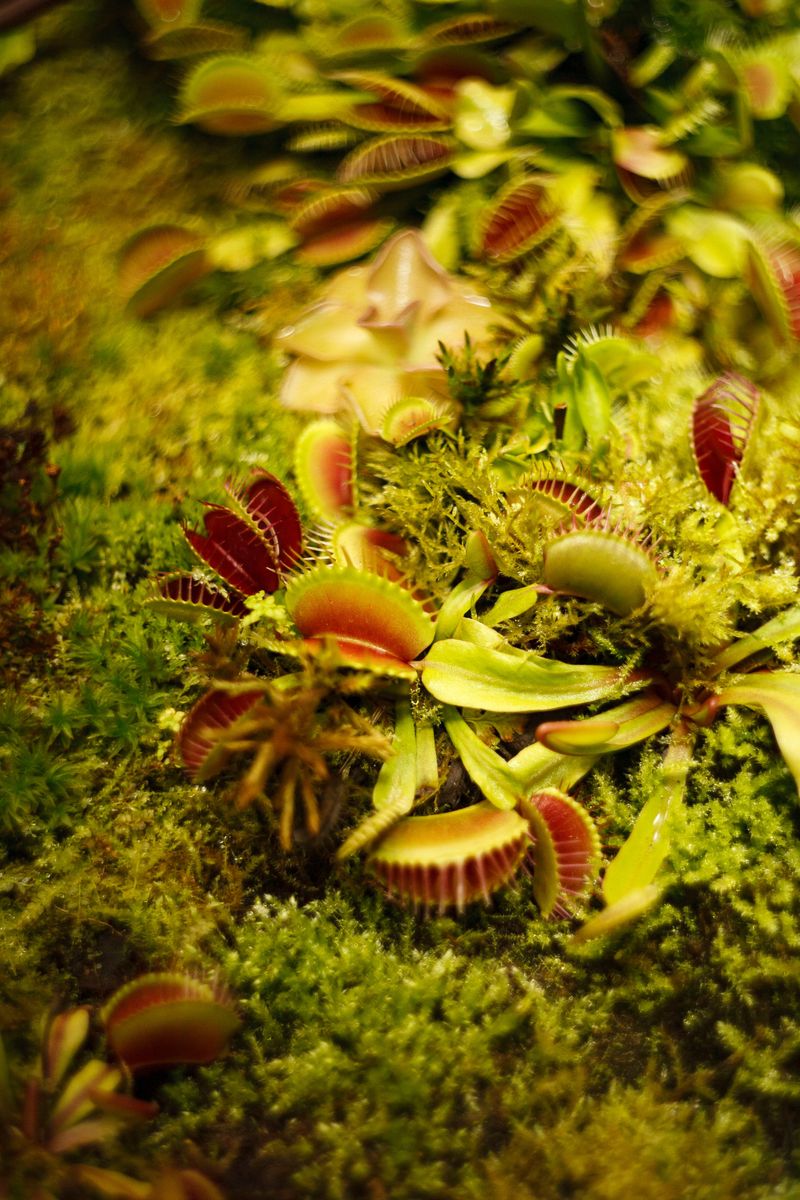
The final feeling at Carolina Beach State Park is a mix of surprise and responsibility.
Wild Venus flytraps grow naturally only in a small native range around southeastern North Carolina and nearby South Carolina.
Their survival depends on wet, sunny, nutrient-poor habitats, open pine landscapes, and conditions threatened by development, fire suppression, poaching, and habitat loss.
Carolina Beach State Park gives visitors a rare opportunity to experience that world firsthand without needing scientific training or a difficult hike.
A short loop, careful eyes, and respectful behavior are enough. That accessibility should not make the plants feel ordinary.
It should make the responsibility clearer. Every person who stays on the trail, avoids touching the traps, refuses to remove plants, and teaches someone else to do the same helps protect a species with one of the smallest natural ranges of any famous plant on Earth.
Leaving the park with that knowledge changes the visit. You did not just see a curiosity.
You saw a wild survivor in one of the only places it truly belongs.