This North Carolina Quilt Studio Teaches Beginners How To Turn Intricate Patterns Into Handmade Masterpieces
Fabric has a way of looking harmless until someone decides to turn it into a quilt. Then every square suddenly has opinions.
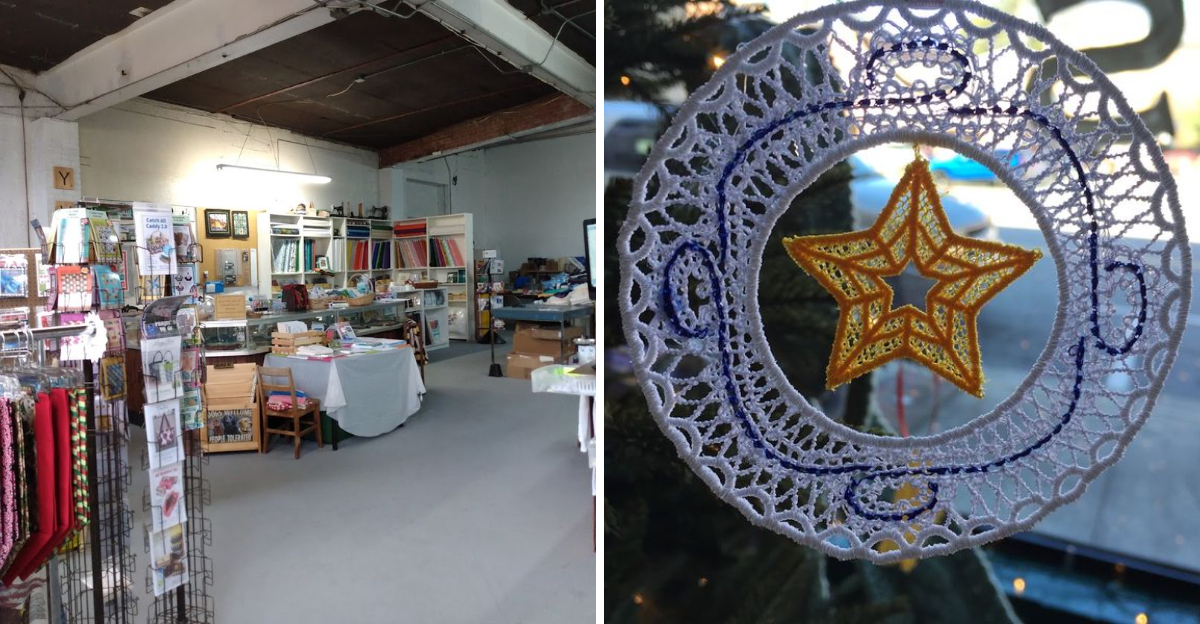
Inside a welcoming North Carolina studio, beginners can learn without feeling as though everyone else received a secret sewing manual.
Mistakes are treated as part of the process, crooked seams are survivable, and progress arrives one careful stitch at a time.
More experienced makers also find room to sharpen their skills and tackle patterns that once seemed far too ambitious.
The atmosphere stays relaxed, which helps when the fabric refuses to cooperate.
What begins as a simple class can quickly become a new obsession. Soon, spare rooms are filling with fabric and every family member is receiving a handmade gift.
Anyone curious about quilting can start here without needing perfect technique or expensive equipment.
Bring patience, choose a pattern, and prepare to become emotionally attached to several pieces of cotton.
Start With A Beginner-Friendly Quilting Class
First-time nerves make perfect sense when sharp tools, sewing machines, and pattern instructions all enter the same room.
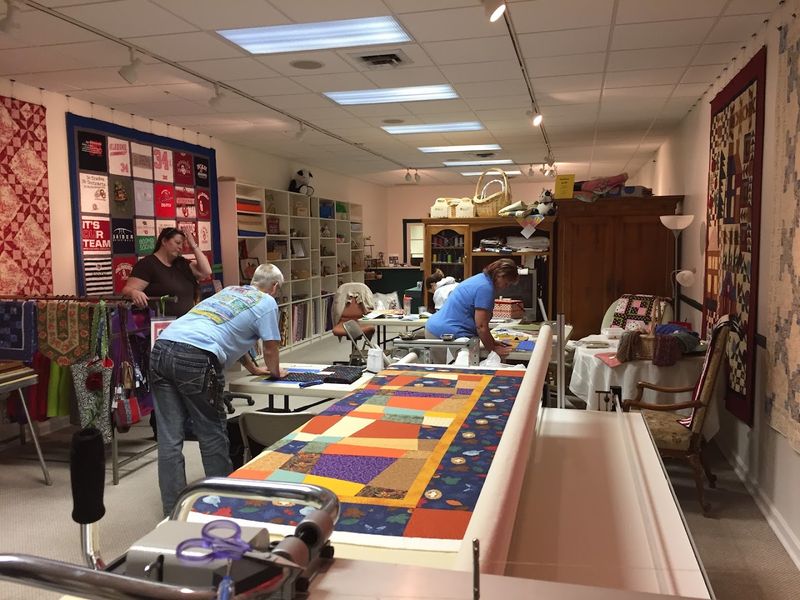
Yadkin Valley Quilts takes that pressure down quickly with Quilting 101 for Adults, a beginner-level class designed for adults who want to learn how to quilt.
The class does not expect you to walk in already acting like a fabric wizard. Knowledge of machine use is helpful, according to the official class description, but it is not mandatory.
That one detail matters because beginners often delay creative hobbies by convincing themselves they need to know everything before starting. Here, you get to begin at the beginning.
The course walks students through the skills needed to build a real quilt, not just a tiny practice square that ends up abandoned in a drawer.
Materials for the quilt top, batting, backing, and finishing are included in the class price, and a detailed reference book with instructional guides and four patterns comes with the course.
Classroom sewing machines are available on a first-come basis for students who need one. That setup removes several common excuses at once.
You do not need a fully stocked sewing room at home. You do not need years of experience.
You just need to show up ready to learn, ask questions, and trust the first stitches.
Turn Fabric Pieces Into A Finished Design
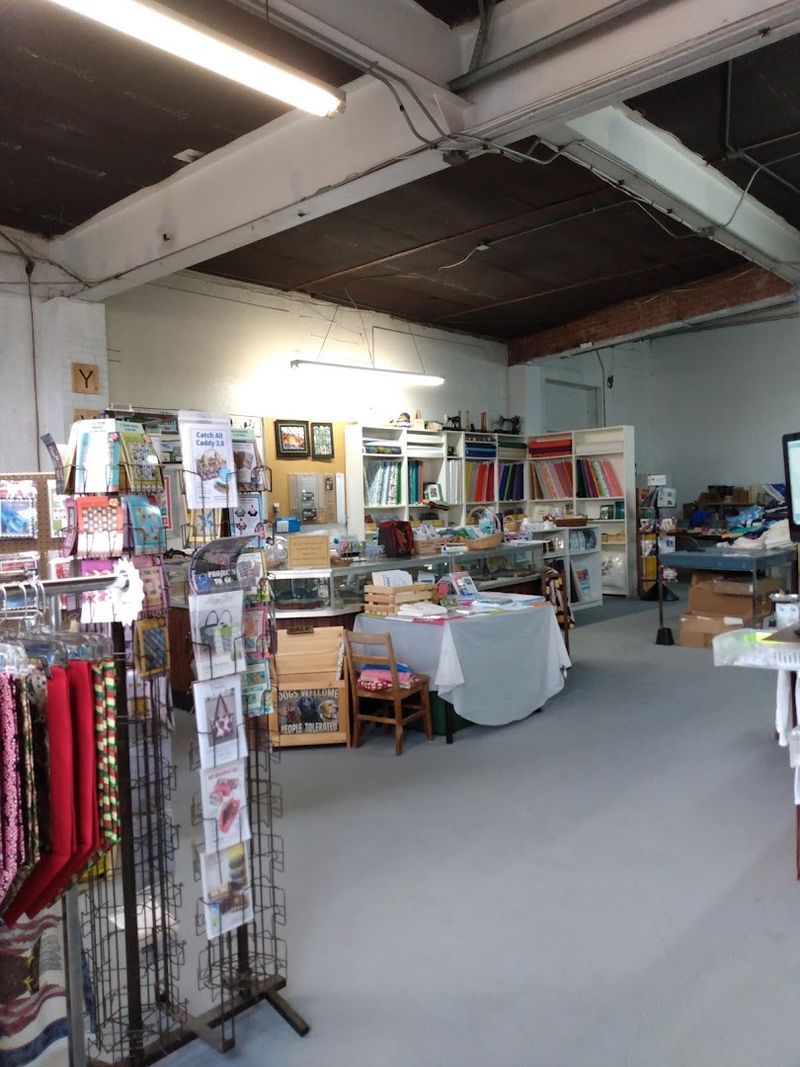
Watching loose fabric become something useful is where the magic starts to feel real. In Quilting 101, students construct a quilt measuring about 36.5 by 48.5 inches, which is large enough to feel like a genuine accomplishment but manageable enough for a first major project.
That size matters. You are not spending the whole class on theory or tiny samples that never become anything.
You are building a finished piece you can hold, use, display, gift, or proudly show to someone who has no idea how many decisions went into it.
The class covers cutting, stitching, pressing, matching seams, assembling the quilt top, adding batting and backing, finishing the quilt through tying or simple machine quilting, and binding it with student-made binding.
That full-process approach helps you understand how a quilt actually works from front to back. Fabric pieces stop looking random once you see how accurate cuts and careful seams create structure.
The layers stop feeling mysterious once batting and backing enter the picture. Binding turns the whole project from “almost done” into finished, which is deeply satisfying.
You get to experience the full transformation rather than only one step of it. By the end, the quilt is proof that you learned something with your hands, not just your head.
Get Comfortable With Essential Quilting Tools
Tools become much less scary once someone shows you how they are supposed to behave. Rotary cutters, rulers, mats, pins, seam rippers, thread, scissors, and sewing machines can overwhelm beginners who have only seen them scattered across online tutorials.
Yadkin Valley Quilts builds tool confidence through hands-on practice instead of leaving students to figure everything out alone at home.
The Quilting 101 class specifically teaches students to use a rotary cutter and sewing machine, stitch an accurate quarter-inch seam, press properly, match seams, and assemble a quilt top.
Those are not random details. They are the foundation for almost every quilt you will want to make later.
A rotary cutter gives you cleaner, faster cuts when used safely. A reliable seam allowance keeps blocks the right size.
Good pressing can make the difference between a crisp pattern and a lumpy mess that quietly ruins your mood. Even the seam ripper deserves respect because every quilter uses one eventually.
That is not failure. That is quilting.
Students need some basic sewing supplies, and the studio provides guidance after registration so the list does not feel like a guessing game. Once the tools start feeling familiar, the whole craft opens up.
Suddenly the pattern looks less like a threat and more like instructions you can actually follow.
Learn How Intricate Patterns Come Together
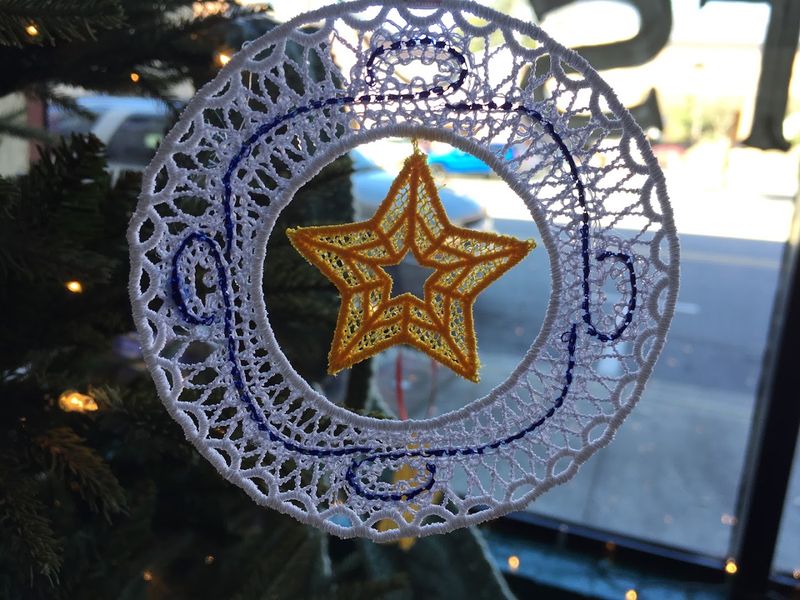
Complex quilt designs usually look impossible until someone breaks them into steps. That is one of the best parts of learning in a real studio rather than trying to decode everything alone.
Yadkin Valley Quilts offers classes for beginner through advanced quilters, and Blue Ridge National Heritage Area notes that class offerings cover many aspects, styles, and techniques of quilting.
That means students can start with the basics, then keep growing into more detailed blocks, sharper piecing, and more ambitious designs.
Intricate patterns are rarely magic. They are usually simple shapes repeated, rotated, trimmed, matched, and arranged with care.
Once you learn how triangles, strips, squares, borders, and seams interact, designs that once looked impossible start to make sense.
The studio’s pattern and kit offerings also give you a way to see how fabric choices affect the final look.
Two students can use the same pattern and end up with quilts that feel completely different because color, scale, contrast, and print choice change everything. That discovery is addictive.
You begin to understand why quilters talk about fabric like gardeners talk about seeds. Each piece has potential.
With the right guidance, you learn how to turn that potential into order, rhythm, and something beautiful enough to keep.
Practice Techniques Without Feeling Rushed
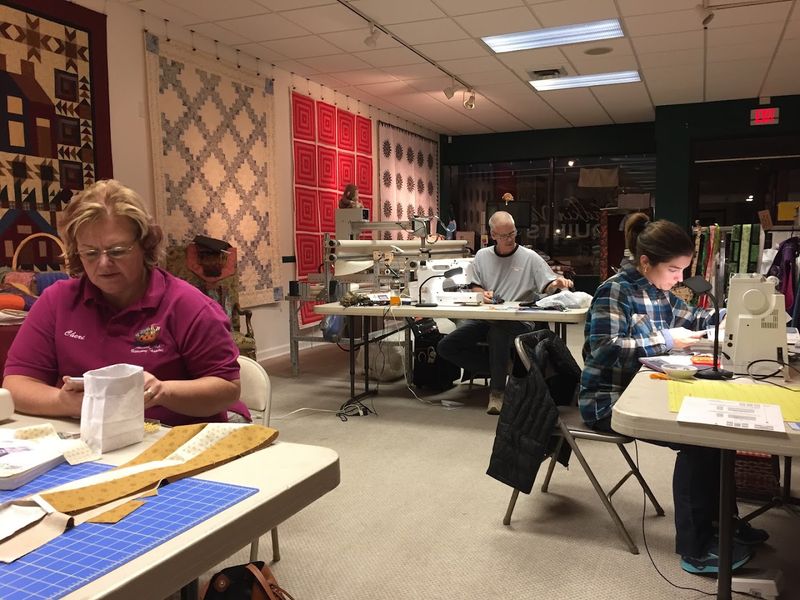
Rushing is where new quilters lose confidence fast. One crooked cut leads to one uneven seam, then suddenly the whole project feels personally offended.
Yadkin Valley Quilts helps solve that by offering more than formal classes. Its official site lists open sew times, sew-alongs, blocks of the month, and other studio opportunities that let quilters keep practicing in a supportive environment.
That matters because quilting is not learned in one heroic burst. It is learned through repetition.
You sew a seam, press it, check it, fix it, try again, and slowly realize your hands are getting better at the work. Open sew time gives you space to keep going without the pressure of a brand-new class structure every minute.
You can bring questions that came up at home, work near other quilters, and enjoy the kind of community that makes creative hobbies stick. The studio’s teaching identity also helps make mistakes feel normal.
Nobody who quilts for long escapes seam ripping, mismatched points, or the occasional fabric choice that looked better in theory. Practicing around people who understand that keeps frustration from taking over.
You are not expected to be perfect. You are expected to learn.
That difference makes the studio feel much more welcoming than a silent sewing room where every problem feels like your fault.
Choose Colors And Prints That Work Together
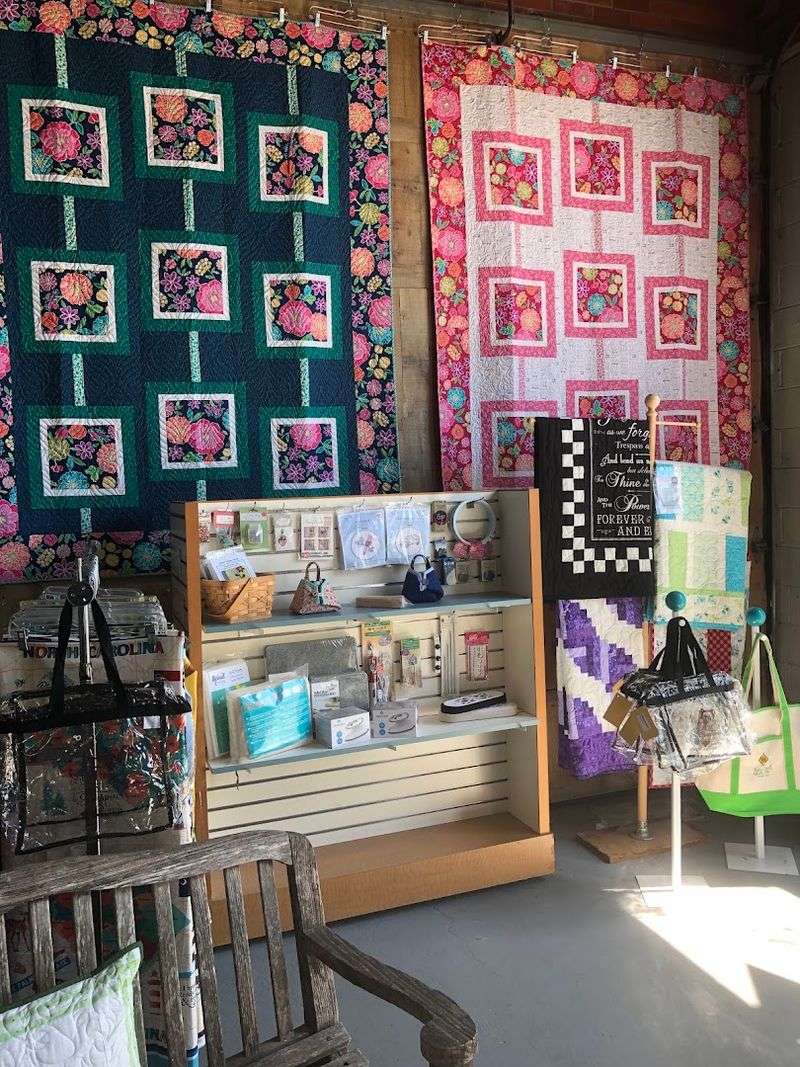
Fabric selection can feel like the most joyful problem in the entire building. Yadkin Valley Quilts’ Quilting 101 class asks students to select fabric the week before class, with the studio arranging time for that step.
That is smart because choosing fabric deserves its own attention. Color, contrast, print size, background fabric, and value all affect how the finished quilt reads.
A print that looks gorgeous on the bolt may disappear when cut into small pieces. A quiet fabric may become the exact thing that lets a bold pattern breathe.
Beginners often discover that picking fabric is not just shopping. It is design.
The studio stocks 45-inch quilting cottons and 108-inch widebacks, according to its official site, giving students and shoppers practical options for piecing and backing projects. Kits can also help when too many choices start making your brain feel like a dropped box of pins.
Instructor guidance during fabric selection can keep you from pairing prints that fight each other while still letting your personality show. That balance is important.
A quilt should not feel like someone else made every decision for you. It should carry your colors, your taste, and your willingness to take a small creative risk.
Choosing the fabric is where that ownership begins.
Build Confidence One Seam At A Time
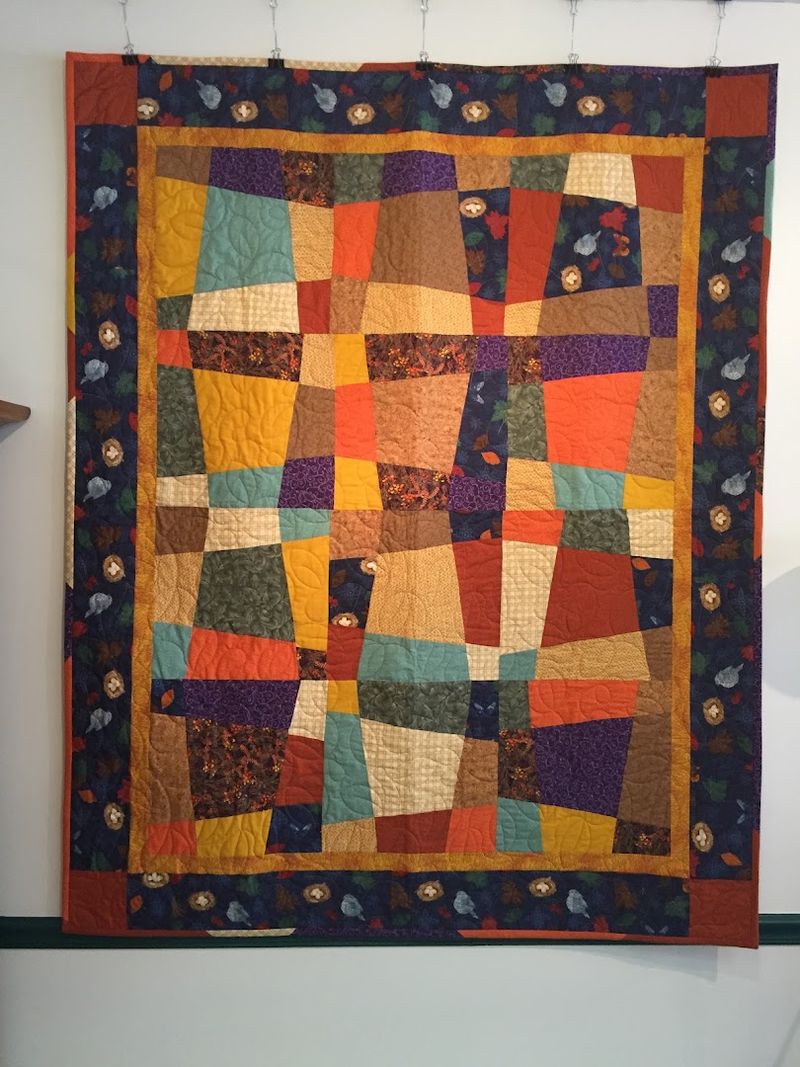
Confidence in quilting does not arrive as one dramatic lightning strike. It sneaks in slowly.
The first straight seam feels like a victory. The first correctly matched corner feels suspiciously thrilling.
The first finished block makes you wonder why you waited so long to try.
Yadkin Valley Quilts structures beginner learning around those small wins, especially in Quilting 101, where students practice accurate quarter-inch seams, pressing, seam matching, quilt-top assembly, simple quilting or tying, and binding.
Each skill supports the next. A precise seam helps the block finish at the right size.
Good pressing helps the pieces lie flat. Matching seams makes the design look intentional.
Binding gives the quilt that clean finished edge that makes everything feel real. Once you complete one project, future patterns stop feeling quite so mysterious.
Blocks of the month, sew-alongs, and continued classes give students a path to keep going after the first quilt. That matters because the first project should feel like a beginning, not a one-time experiment.
Every quilter builds a relationship with patience. Some seams behave.
Some do not. Either way, the needle keeps moving.
The reward is not only the quilt at the end. It is the moment you realize your hands know more than they did when you walked in.
Ask Questions While Experienced Instructors Guide You
Learning alone can turn one confusing instruction into an entire abandoned hobby. That is why in-person guidance changes everything.
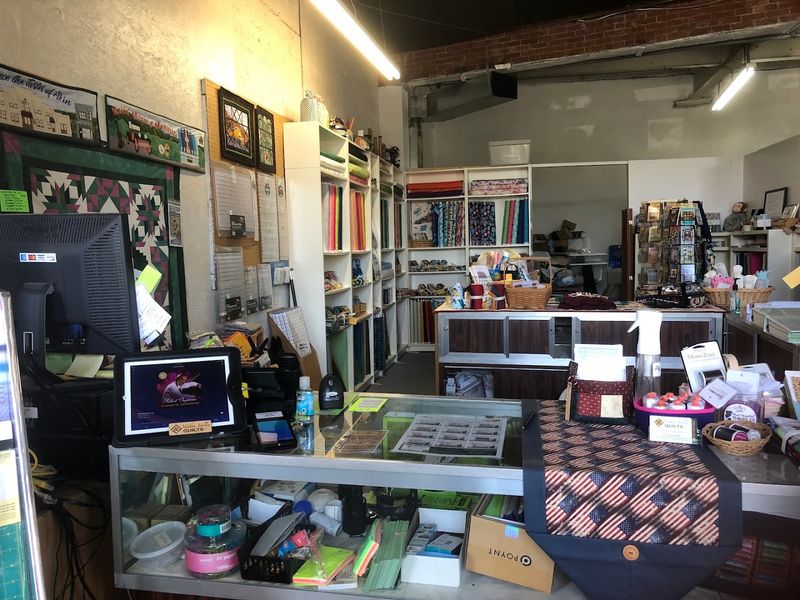
At Yadkin Valley Quilts, the studio’s identity is built around teaching, community, and helping quilters at different skill levels.
The Blue Ridge National Heritage Area describes it as offering classes for rank beginners as well as seasoned quilters, with instruction across many styles and techniques.
That range gives you room to ask basic questions without feeling embarrassed and more advanced questions once your skills grow. Maybe you are not sure which side of the fabric is right.
Maybe your seam allowance keeps wandering. Maybe the pattern says something that seems written by a person who enjoys chaos.
Having an instructor nearby means you can get unstuck before frustration takes over.
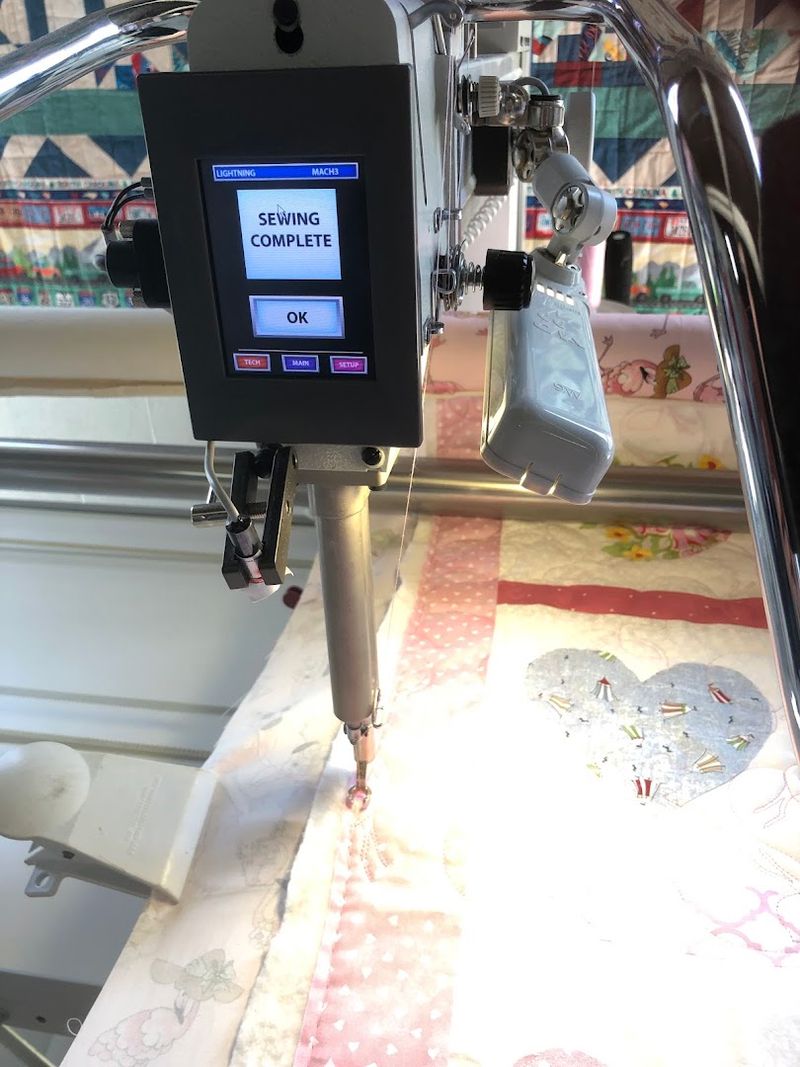
The studio also offers longarm quilting, embroidery, custom quilts, memory quilts, and T-shirt quilts, which gives students access to people who understand both everyday sewing questions and bigger finishing possibilities.
You will find the studio at 235 East Main Street in Elkin, and current posted hours are Thursday and Friday from 10 to 5, Saturday from 10 to 3, with Monday through Wednesday listed as studio work days by call-ahead arrangement. Ask questions.
That is what this North Carolina place is built for.