This North Carolina Restaurant Keeps People Coming Back For Pinto Beans And Cornbread
Well now, it does not take fancy fixings to make a meal worth remembering.
Up in North Carolina, one little family-run spot in Union Grove has been winning hearts with the kind of cooking that makes you sit down, get quiet, and wonder why food ever got more complicated than this.
A plate of pinto beans and cornbread may sound plain to the uninitiated, bless their hearts, but the right version can carry more comfort than a whole table full of showy dishes.
Pull up a chair and stay a while, because places like this know exactly how to turn a simple supper into something folks keep talking about long after the plates are cleared.
A Hidden Gem In Union Grove
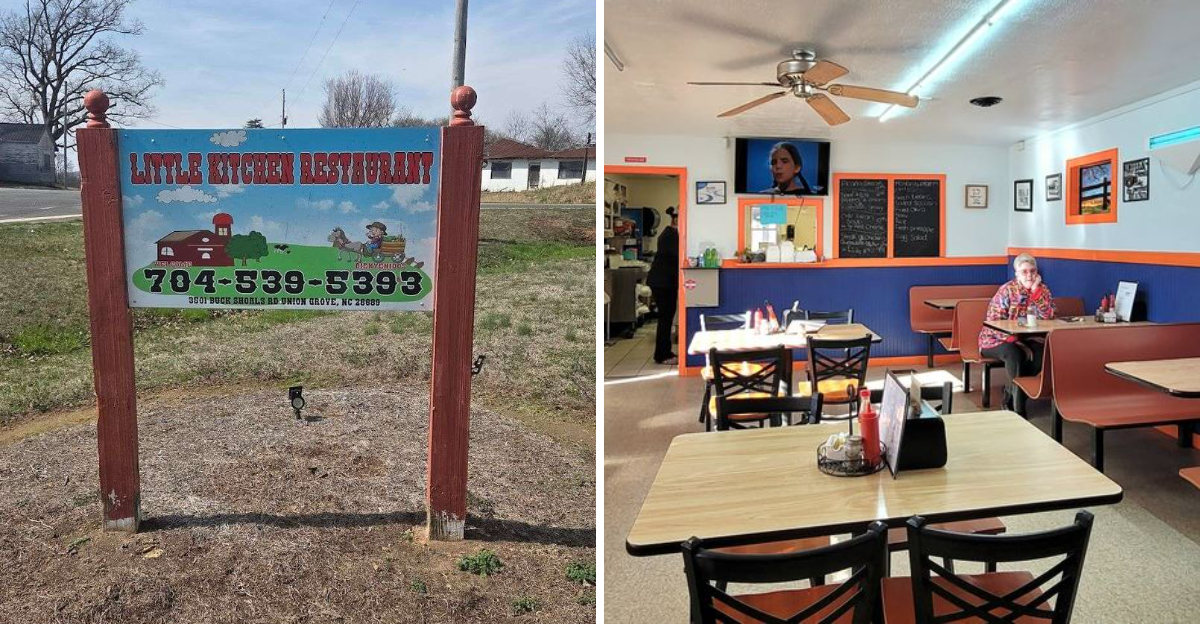
Some of the best meals in the world are found where you least expect them. Little Kitchen sits quietly at 3501 Buck Shoals Rd, Union Grove, NC 28689, tucked into a stretch of North Carolina countryside that most people drive right past.
But those who stop discover something truly special waiting inside.
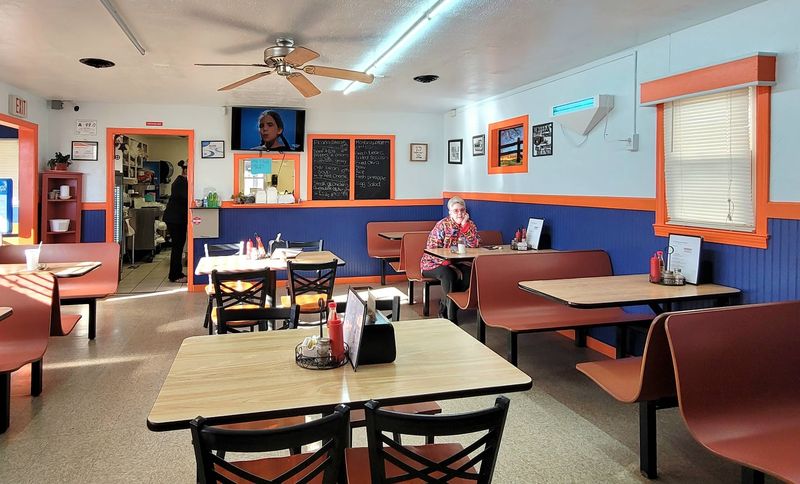
Public descriptions portray Little Kitchen as a small, local restaurant in Union Grove rather than a large or highly polished dining room. The walls carry the warmth of a place that has been loved for years.
Every detail, from the simple decor to the friendly faces behind the counter, tells you that this is a labor of love.
North Carolina has no shortage of barbecue joints and seafood shacks, but Little Kitchen stands apart by keeping things honest and homestyle. There is no flashy menu, no trendy ingredients, just real food made with care.
Locals have spread the word quietly, and that slow-burning reputation has built something money cannot buy: genuine loyalty from people who come back again and again.
The Magic Of Pinto Beans
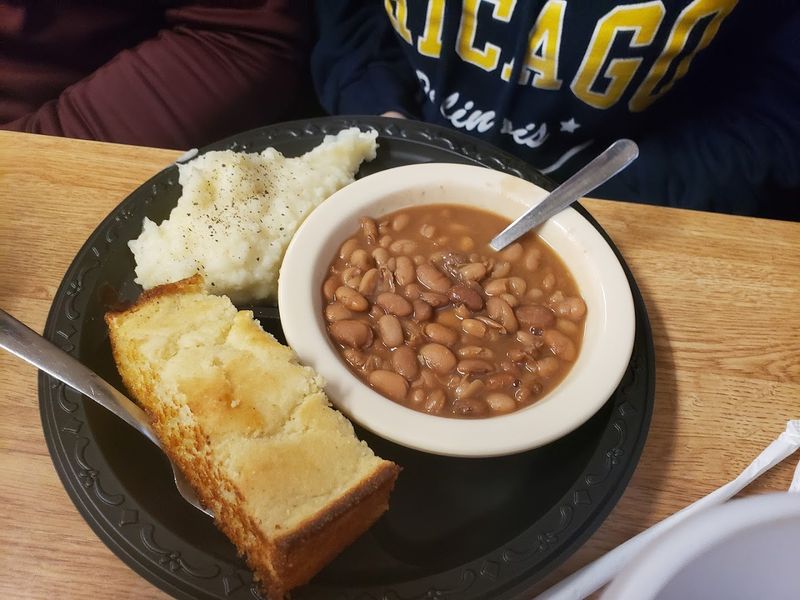
Few dishes reveal a restaurant’s real cooking instincts faster than a pot of pinto beans. There is nowhere to hide with something that simple.
Restaurantji’s current review page for Little Kitchen includes specific praise for “pinto beans and cornbread,” while the broader public description on menu-world emphasizes Southern comfort food and a house style built around fresh, homemade dishes rather than shortcuts. That combination matters because beans in a place like this are not filler or a token side.
In Southern food culture, they carry a lot more meaning than that. Slow cooking, patient seasoning, and the ability to build depth from humble ingredients are exactly what separate memorable pintos from forgettable ones.
The fact that customers are naming the beans directly in public reviews is the clearest sign that the kitchen is doing something right with them. Diners do not usually single out a simple bowl unless it lands with real comfort and real flavor.
Little Kitchen appears to understand the old rule that humble food becomes special when it is treated seriously, and the beans sound like one of the strongest examples of that approach on the whole menu.
Golden Cornbread Worth The Drive
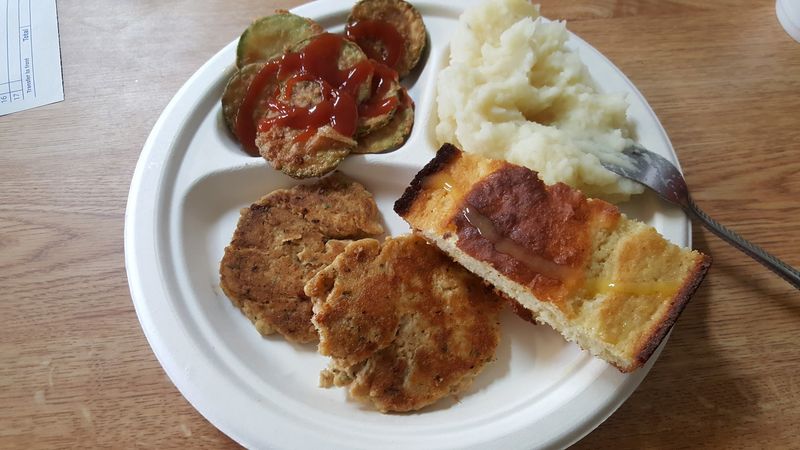
Few things in Southern cooking spark as much devotion as a perfectly baked piece of cornbread. At Little Kitchen, the cornbread arrives golden on the outside, tender on the inside, and just the right amount of crispy along the edges.
It is the kind of bread that pairs beautifully with beans and makes every bite feel complete.
Cornbread has deep roots in Southern food history, stretching back generations to when it was a daily staple across households throughout North Carolina and beyond. Little Kitchen honors that heritage without overthinking it.
The recipe stays true to tradition, using simple ingredients that let natural flavor shine through without unnecessary additions.
Customer comments linked to the restaurant’s Facebook activity mention ordering “pintos, slaw and cornbread” as a go-to lunch combination. That kind of repeat-order loyalty speaks volumes.
When people find a version of cornbread that hits all the right notes, they stop looking elsewhere. The cornbread at Little Kitchen has become part of the restaurant’s identity, a quiet star on a menu full of honest, satisfying food that earns its place at the table every single time.
A Menu Built On Comfort
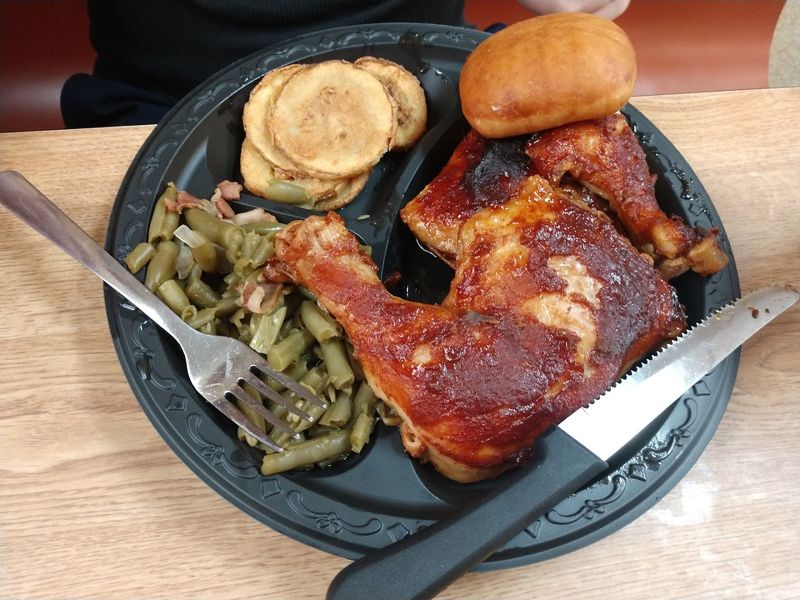
Comfort is the menu’s real organizing principle, and the public food listings make that clear very quickly. Current menu-world pages show burgers, sandwiches, hot dogs, chopped barbecue, meatloaf, catfish, flounder, fried chicken, spaghetti, daily vegetables, and other home-style combinations that sound built for appetite rather than novelty.
Review excerpts reinforce the same picture, with diners praising homemade pimiento cheese, greens, pork chops, fried chicken, and generous portions at fair prices. That broader lineup is important because it shows the pinto beans and cornbread are part of a larger cooking identity, not isolated bright spots in an otherwise forgettable restaurant.
Little Kitchen appears to work because everything points in the same direction: familiar food, satisfying portions, and a kitchen that knows how to make simple meals feel complete. Nothing in the public-facing material sounds confused or trend-driven.
There is no sign of the menu chasing ten different restaurant personalities at once. Instead, it reads like the kind of place where regulars can rotate through daily cravings without ever losing confidence in the larger style of cooking.
Restaurants that last often do so by knowing exactly what they are, and this menu sounds like it does.
Small Space, Big Heart
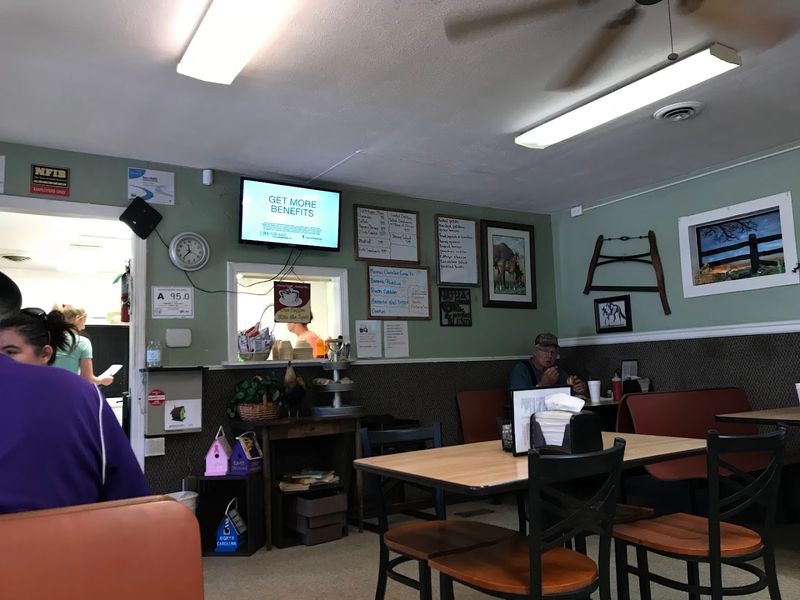
Nine tables can either feel limiting or deeply inviting, and public descriptions suggest Little Kitchen lands firmly in the second category. Menu-world’s restaurant profile specifically notes the small size of the room, while customer comments talk about fast greetings, attentive service, and a down-home atmosphere that feels much more personal than a larger dining room could.
That intimacy seems to be one of the restaurant’s biggest strengths. Smaller restaurants cannot really hide behind scale.
Food, pacing, and hospitality are all much more visible, which means weak spots show up quickly and good ones matter even more. Little Kitchen appears to benefit from that exposure.
Reviews describe consistency, warmth, and the kind of welcoming tone that makes people feel comfortable returning instead of simply checking the place off once. Union Grove is not exactly competing for high-profile restaurant buzz, which makes this kind of compact, local confidence even more appealing.
Bigger places can simulate coziness through design. Tiny places have to create it through the actual experience of being there, and the public feedback around this restaurant strongly suggests it has managed exactly that.
Operating Hours That Work For Locals

Practicality matters more than people admit with small-town restaurants, especially when a place earns enough loyalty to make people plan around it. Current online information for Little Kitchen is active but not perfectly uniform across platforms, which is common for beloved local spots that do more business through habit than through polished digital systems.
Restaurantji’s April 2026 page confirms the address, phone number, and an active operating listing, while the restaurant’s Facebook presence also remains current in 2026. One public post made clear there can be day-to-day changes, which is a useful reminder to check ahead before making a longer drive.
Far from hurting the restaurant’s appeal, that sort of reality often tells you what kind of place it is. Little Kitchen appears to live more through community rhythm than through chain-style predictability, and regulars are usually willing to work with that because the food is worth the extra glance at a listing or social page.
Places built on loyalty rather than scale often run like that. Diners who care enough to come back tend to learn the pattern, call ahead when needed, and keep showing up anyway.
What The Reviews Are Saying

Numbers help, but the details inside the reviews matter more, and Little Kitchen’s current review trail is strong on both. Restaurantji’s active 2026 page shows a 4.8 rating from 165 ratings, and the comments underneath do not settle for vague praise.
Diners mention pinto beans, cornbread, slaw, beef tips, fresh food, and service that feels quick and genuinely welcoming. Menu-world’s collected writeup adds even more texture by quoting guests who specifically praise homemade pimiento cheese, fried chicken, greens, and the family-owned feel of the restaurant.
That repetition is the useful part. A hidden gem becomes much easier to trust when the public comments keep naming the same dishes and the same strengths instead of drifting into generic “great place” language.
Here, the pattern is pretty clear: people notice the comfort food, they notice the atmosphere, and they often talk like they are already planning the next visit. Good review pages cannot prove everything, but specific ones can reveal a lot about what actually sticks in diners’ minds.
Little Kitchen’s review profile suggests the appeal is real, focused, and tied closely to the exact sort of meal this article is talking about.
Why People Keep Coming Back

Loyalty is the strongest argument any restaurant can make, and Little Kitchen seems to have built plenty of it through repetition rather than reinvention. Public comments repeatedly describe the place as consistent, affordable, welcoming, and worth returning to, while the menu itself stays grounded in Southern dishes people already know how to crave.
Pinto beans and cornbread help anchor the story because they represent the kind of food that only works when a kitchen respects patience and restraint, but the larger draw sounds even more complete than that. Menu, room, service, and expectations all appear to line up.
Diners walk in wanting comfort and seem to leave feeling they got exactly that, without the meal trying to be cleverer or flashier than necessary. In a state full of restaurants, places like this survive because they make familiarity feel rewarding instead of routine.
Little Kitchen does not seem to win people over through spectacle. It wins through honesty, which is much harder to fake and much easier to return for.
Sometimes a beloved restaurant is simply the one that knows how to make a bowl of beans, a piece of cornbread, and a small dining room feel like exactly enough.